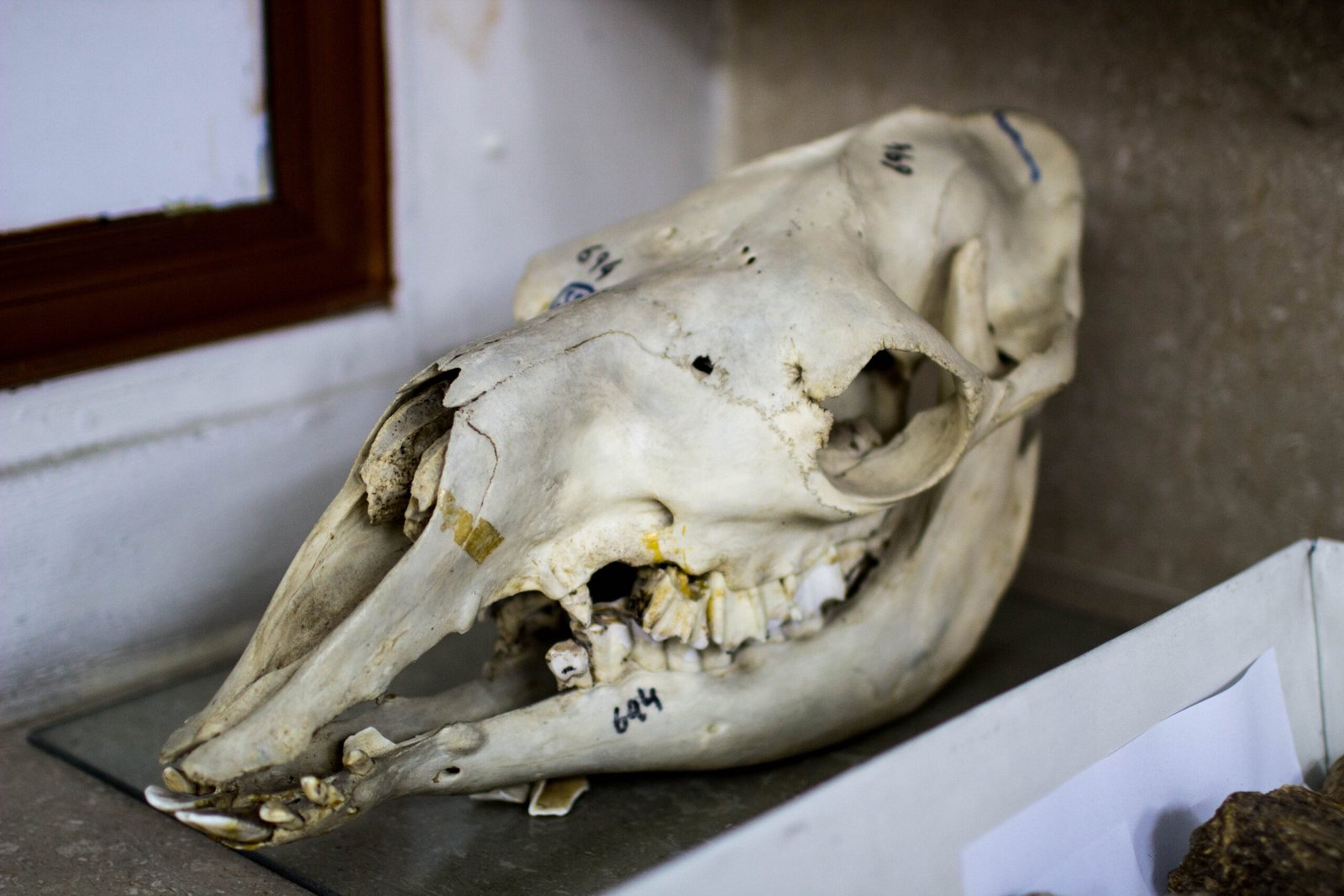
“It was a pleasant morning on March 23, 2003, when an acquaintance informed me that a priceless ivory fossil, millions of years old, had been hacked with axes. When I reached the site, a portion of the fossil was still visible. Mobile phones were not common at the time, but somehow the Department of Zoology at the University of the Punjab was contacted, and Dr. Abdul Ghaffar, along with Zubaidul Haq, arrived at the location,” recalls Abid Hussain.
Abid Hussain, a resident of the small village of Tatrot in Jhelum District, does not hold a formal degree in geology or zoology. Yet, inspired at a young age by stories of dinosaur fossils, he began searching for ancient remains on his own. Over the years, he has identified numerous prehistoric creatures and played a significant role in providing authentic scientific information about fossils discovered in Pakistan.
Pakistan’s Fossilistan — A Significant Site for Paleontological Research
In Tatrot, fossils of animals millions of years old are scattered across the landscape. Geologically, the area is part of an important fossil-bearing region where remains dating back approximately 3.5 to 5 million years have been discovered. These fossils belong to species that emerged during a period of major environmental and evolutionary change on Earth, making Pakistan a significant site for paleontological research. Fossils continue to be unearthed in the region even today, with the earliest documented references to these discoveries dating back to the nineteenth century.
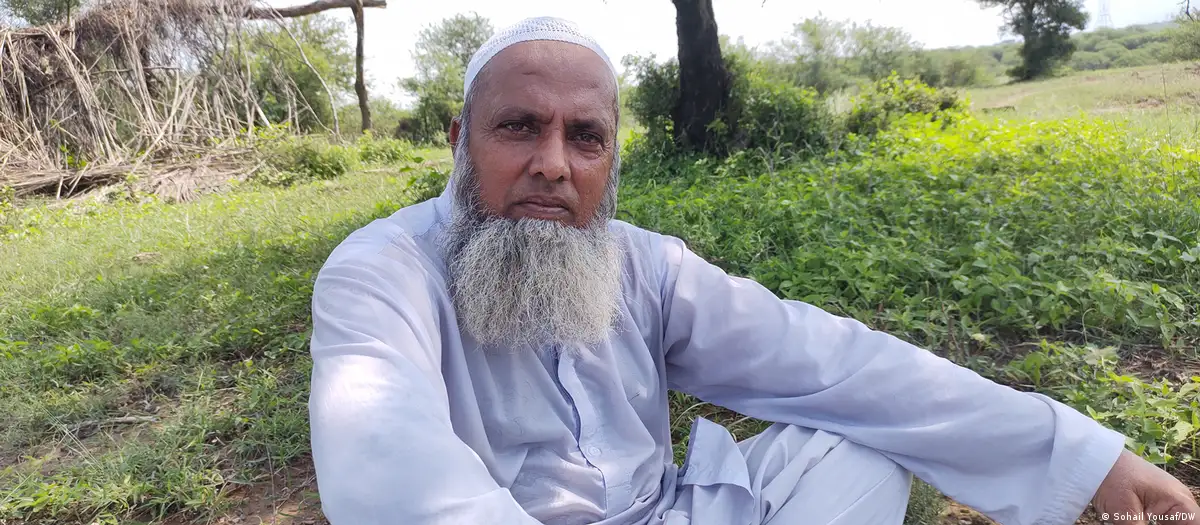
The home of Abid Hussain has become a gathering place for researchers and scholars, particularly during the winter months, when experts from Pakistan and around the world visit Tatrot in search of fossils. Through his field knowledge and assistance, 22 students have completed their PhD and MPhil research projects, and his contributions have been acknowledged in numerous scientific papers.
Dr. Abdul Ghaffar, a leading paleontologist in Pakistan and Dean of the Department of Zoology at The Islamia University of Bahawalpur, said that he first met Abid Hussain in 1998.
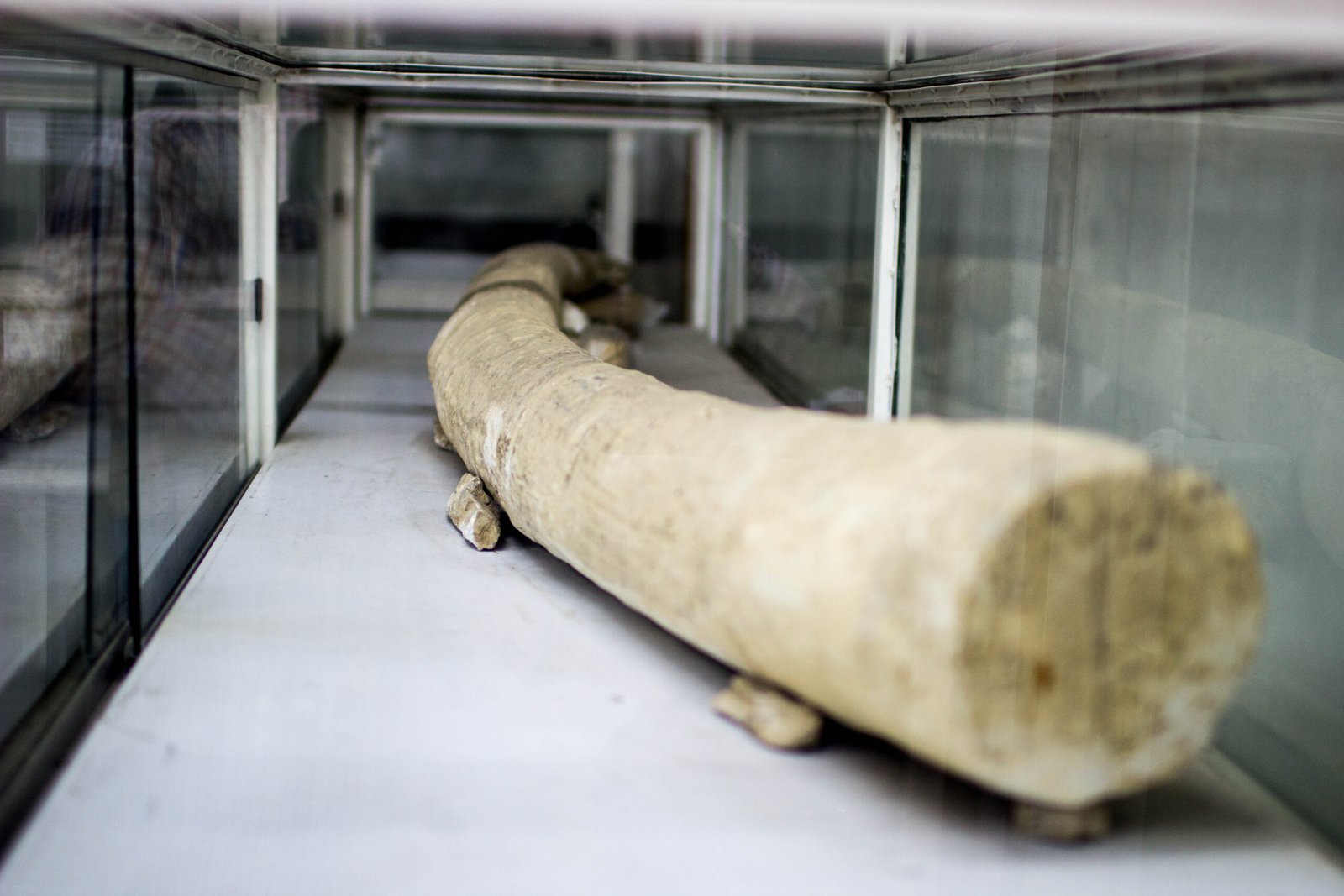
“Not only Jhelum, but many areas of Chakwal District are rich in fossils, making the region an internationally significant natural museum,” he said. “New species of extinct giraffes, rhinoceroses, carnivores, deer, cattle, rodents, and elephants have been discovered here. In addition, the largest tusk of an ancient elephant found in Asia was unearthed in this region, measuring 8 feet 11 inches in length. But above all, Abid Hussain Pelli is as important to paleontology as the Jhelum region itself.”
The Abu Bakar Fossil and Display Research Center, housed within the Department of Zoology at the University of the Punjab, preserves the tusk of an elephant known as Anancus sivalensis. This prehistoric elephant species, characterized by its relatively short trunk and exceptionally large tusks, became extinct around 1.5 million years ago.
New Chapters of Ancient Life
It is worth noting that the fossil-rich Siwalik Hills formations extend across both Pakistan and India and are regarded as one of South Asia’s most important paleontological regions. When jaw and skull fossils of the species Ramapithecus and Sivapithecus were discovered in both countries, scientists initially believed they belonged to early human ancestors. Later research, however, revealed that these primates were actually ancestors of modern orangutans — dark orange-haired apes that once stood between one and one-and-a-half meters tall.
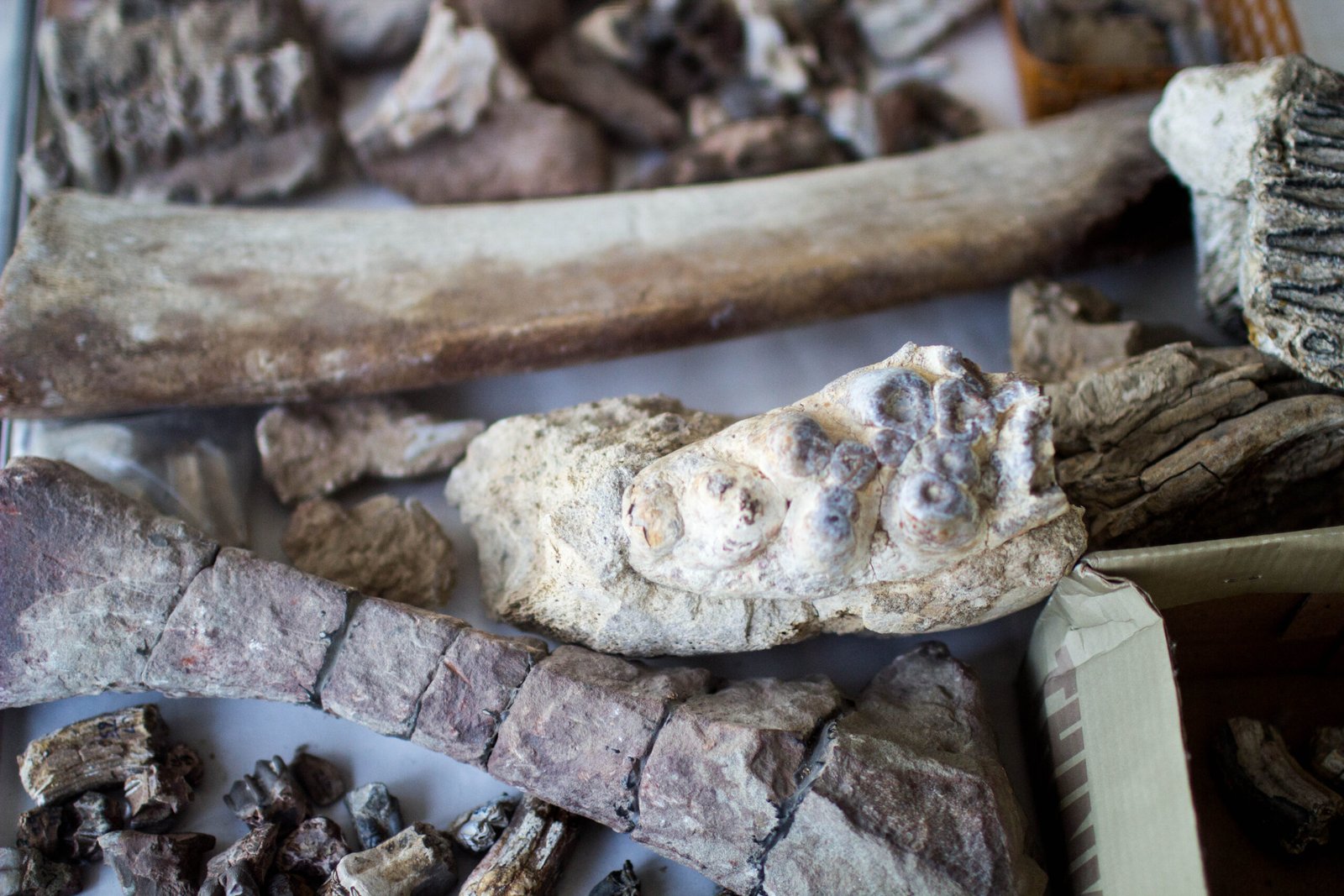
Fossil discoveries in the region have also helped solve long-standing biological mysteries. Abid Hussain recalls one particularly fascinating incident: someone once brought him the horn of an unidentified animal, but he remained unconvinced about its origin. When Dr. Abdul Ghaffar and his colleagues examined it, they identified it as the horn of a prehistoric buffalo and advised him to search the same site for another specimen.
Following their guidance, Abid Hussain returned to the location and began excavating the area, eventually uncovering a second horn. Until then, buffalo fossils from that era had never been discovered in the region, and even foreign experts acknowledged the significance of the find. The discovery is now considered the first known buffalo fossil from that geological period in Asia.
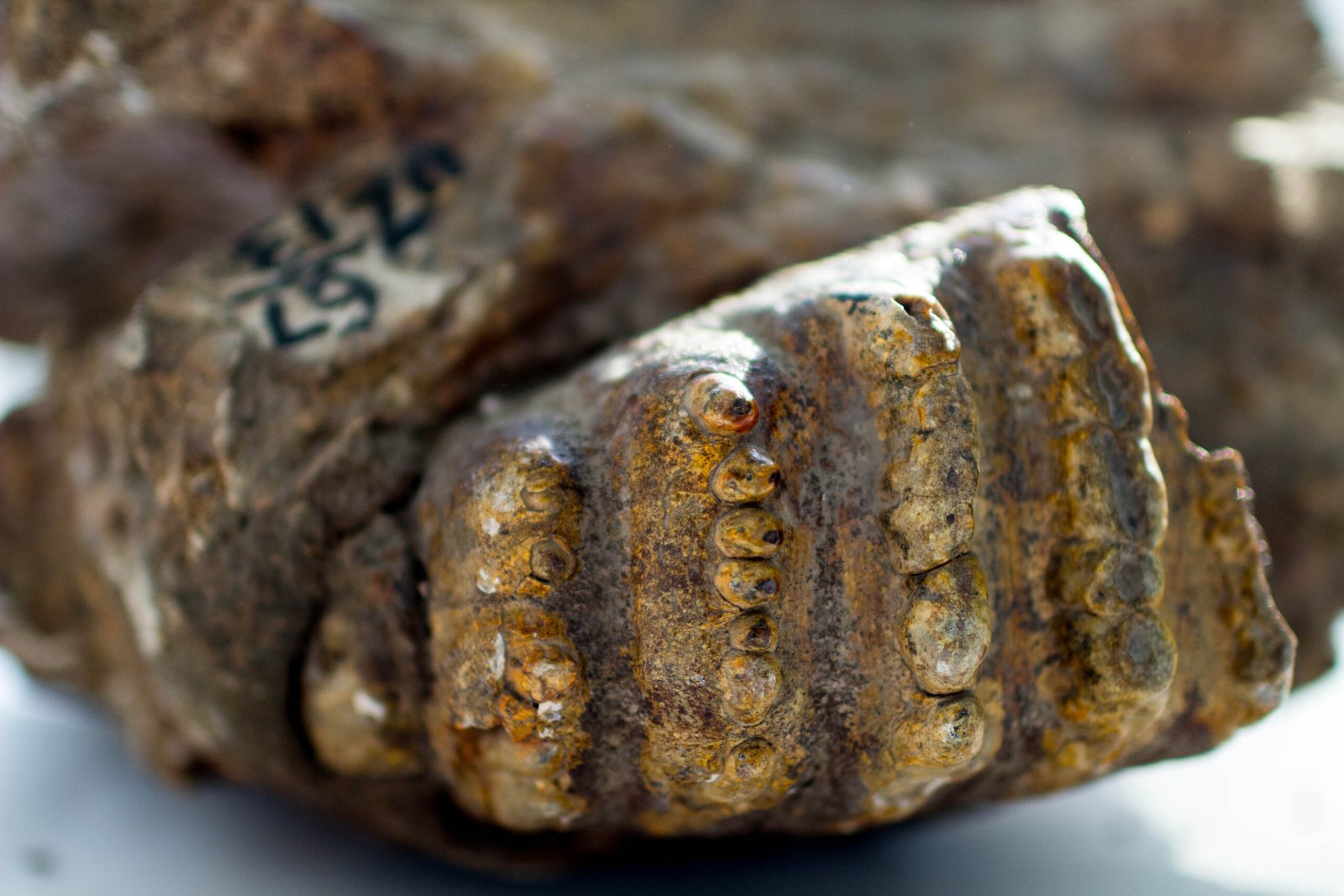
Tatrot: A Lost World Preserved in Stone
Viewed through the lens of imagination, the quiet village of Tatrot was once a dense and thriving forest millions of years ago. Ancient elephants roamed its plains, short-necked giraffes wandered among the trees, while deer, rodents, and other mammals moved through the undergrowth. Predators stalked the landscape as crocodiles and turtles inhabited nearby waters. Today, the remnants of that vanished world survive in the fossils embedded within its rocks.
More than a fossil site, Tatrot offers a window into extinct life, prehistoric climates, animal migration, and the biodiversity of ancient ecosystems. For decades, the region has attracted renowned Pakistani paleontologists, including Dr. Muhammad Zubair Abu Bakar, Dr. Abdul Ghaffar, and many other researchers whose work has contributed significantly to the understanding of South Asia’s prehistoric past.
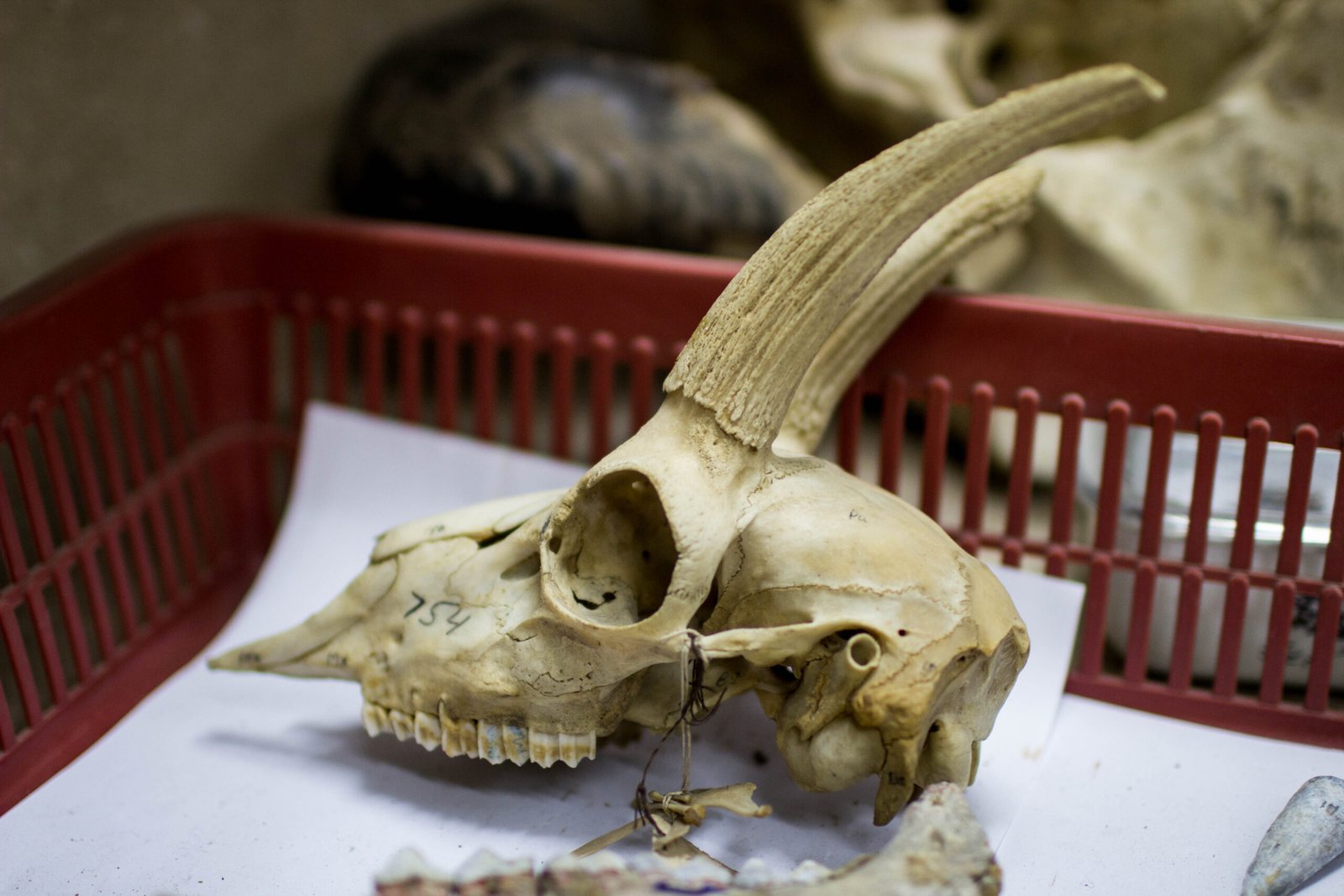
Scholars from Britain and the United States have also carried out important research in the area, helping establish the region as one of the world’s notable paleontological sites. Even today, scientists from across the globe continue to visit Tatrot, studying fossil collections, uncovering new specimens, and publishing research that adds fresh chapters to the story of ancient life.
Across the world, amateur fossil hunters have often played a crucial role in groundbreaking discoveries, and in Pakistan, Abid Hussain stands out as one of the most remarkable figures in this field. Despite lacking formal academic training, his lifelong dedication to fossil exploration has contributed immensely to paleontological research in Pakistan. His journey of discovery continues, and many believe his contributions deserve formal academic recognition, including an honorary doctorate.
References:
- https://en.wikipedia.org/wiki/Richard_Lydekker?
- https://cuvas.edu.pk/Faculties/CIBS/faculty/guffar.htm
- https://www.researchgate.net/publication/235928845_The_longest_tusk_of_cf_Anancus_sivalensis_Proboscidea_Mammalia_from_the_Tatrot_Formation_of_the_Siwaliks_Pakistan
- https://en.wikipedia.org/wiki/Sivapithecus
- https://www.academia.edu/2171291/Bison_remains_from_the_Upper_Siwaliks_of_Pakistan
- https://www.thejaps.org.pk/docs/18_1_2008/revised-copy08-809.pdf
Note: The article is originally appeared in DW in Urdu language, it is being transalted and reshared on author’s consent.
More from the author: Consanguineous marriages and genetic ailments in Pakistan
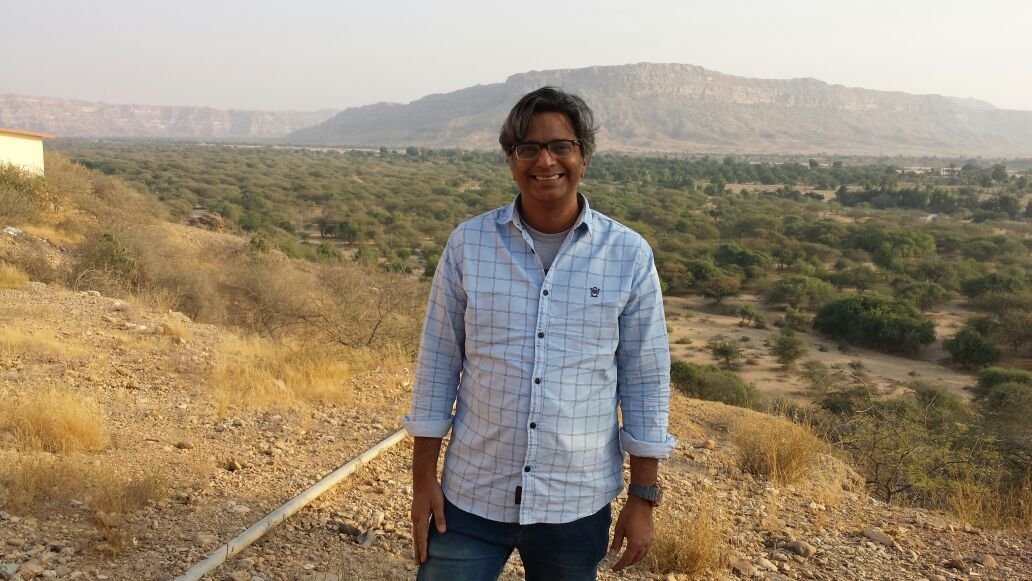
Suhail Yusuf is a science journalist with more than twenty years of experience in both Urdu and English science journalism. He is currently serving as feature editor in Express-News.

