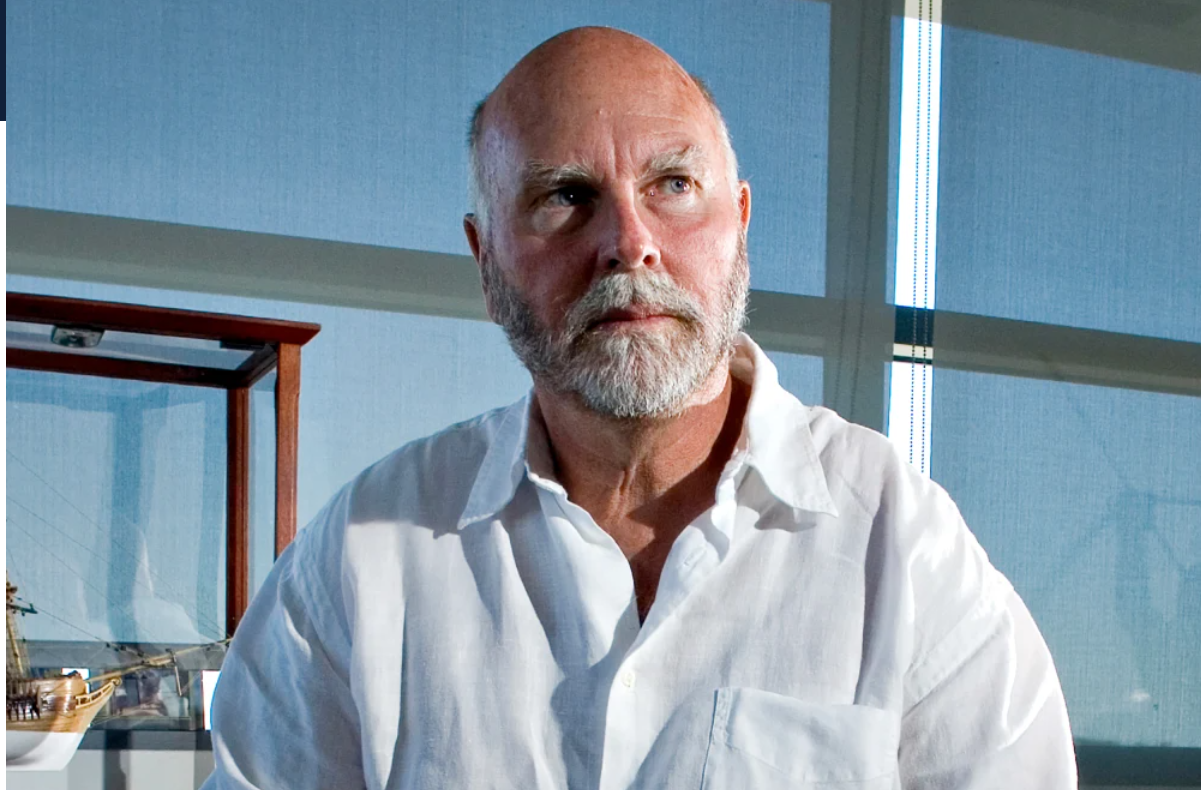
What if the instructions for life could be written the same way we write code? In 2010, researchers at the J. Craig Venter Institute reported a development that marked a shift in modern biology. They demonstrated that a bacterial cell could function under the control of a genome that had been designed on a computer and chemically synthesized in a laboratory. The cell itself was not entirely artificial, as it relied on an existing biological structure, but the experiment showed that genetic instructions could be constructed outside a living organism and used to direct cellular activity. This marked a shift in biology from studying life as it exists to exploring whether it can be deliberately designed or written.
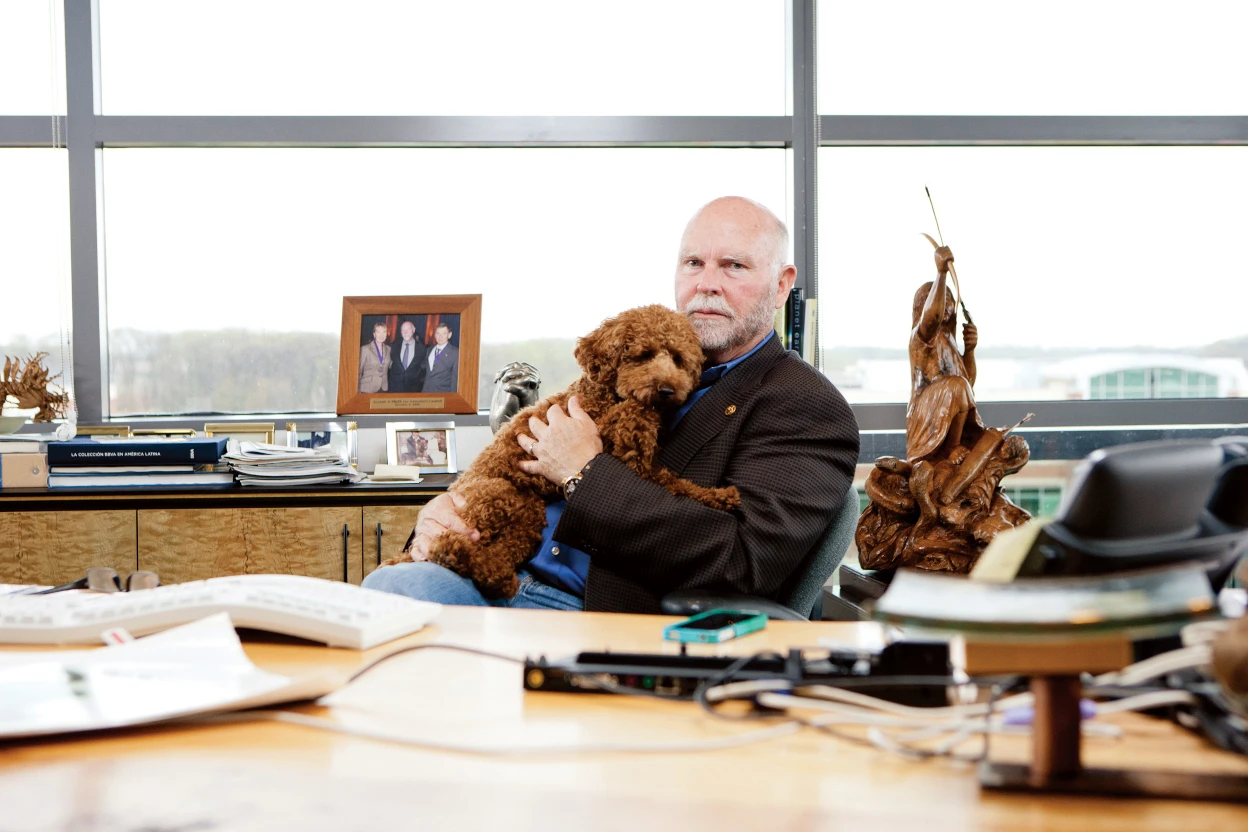
J. Craig Venter was widely recognized for his groundbreaking contributions to genomics, including leading efforts to sequence the first draft of the human genome. Venter and his team’s successful creation of the first synthetic bacterial cell is considered pivotal to the field of synthetic biology.
Decoding Life: The Foundation of Genomics
To understand why this was significant, it is necessary to consider how biology had evolved up to that point. For much of the 20th century, scientific efforts focused on understanding how life works at the molecular level. DNA was identified as the molecule responsible for storing genetic information, and subsequent research revealed how this information is organized into genes and genomes.
A major achievement in this effort was the Human Genome Project, which aimed to map the complete set of human genes. Alongside this, work associated with Craig Venter at Celera Genomics introduced faster sequencing strategies that relied on computational methods to assemble DNA from smaller fragments. These advances made it possible to read genetic information at a scale and speed that had not been previously achievable.
From Reading to Designing DNA
As genome sequencing became more efficient, a new line of inquiry emerged. If DNA could be read and analyzed, could it also be designed and constructed? This question led to the development of synthetic biology, a field that combines molecular biology with engineering principles. Instead of focusing solely on observing or modifying existing genes, synthetic biology seeks to design genetic sequences, synthesize them chemically, and introduce them into cells to control their behavior. In this framework, DNA is treated as a system that can be programmed, although it remains far more complex and less predictable than digital code.
The Synthetic Cell Experiment
The synthetic cell experiment provided an early demonstration of this concept. Scientists were able to construct a bacterial genome and insert it into a host cell, where it directed the functions of the cell, including growth and replication. This showed that genetic information alone could determine cellular activity, even when it was produced artificially. At the same time, the experiment highlighted important limitations, as the cell still depended on pre-existing biological components. The complete creation of life from non-living materials remains beyond current scientific capabilities.
Scientific Challenges and Limitations
Since then, synthetic biology has expanded into multiple areas of research. In medicine, engineered microorganisms are used to produce pharmaceuticals, including antimalarial compounds such as artemisinin, allowing for more stable and scalable production. In industrial biotechnology, researchers are exploring the use of modified microbes to produce fuels and chemicals, although challenges related to efficiency and cost continue to limit large-scale application.
Environmental research has also begun to incorporate synthetic biology, with efforts to design organisms capable of detecting or breaking down pollutants, offering potential tools for monitoring and remediation. Despite these advances, the field faces significant challenges. Living systems are highly complex, and genes do not operate independently but interact within intricate networks. As a result, predicting the outcome of genetic modifications remains difficult, and results obtained in laboratory conditions do not always translate effectively to real-world environments. Additionally, current approaches rely on existing cellular systems, and the construction of a fully independent synthetic organism has not yet been achieved.
Ethical and Safety Considerations
The ability to design and manipulate biological systems also raises important ethical and safety considerations. Synthetic biology is often described as a dual-use field because the same techniques that enable beneficial applications could also be misused. There are concerns about the potential release of engineered organisms into natural environments, where they could interact with ecosystems in unpredictable ways.
Regulatory frameworks are still developing and often struggle to keep pace with the rapid advancement of technology. The work associated with Craig Venter contributed to a broader transformation in how biological research is conducted. Biology has increasingly shifted from a discipline focused on observation to one that incorporates design and engineering. Computational tools, large-scale data analysis, and interdisciplinary approaches now play central roles in the study of life.
Synthetic biology represents an ongoing transition rather than a completed transformation. It has extended the ability to study genetic information into the ability to construct and modify it, opening new possibilities in medicine, industry, and environmental science. At the same time, it has introduced new scientific, ethical, and regulatory challenges that continue to shape the direction of the field.
References:
- https://theconversation.com/synthetic-biology-promised-to-rewrite-life-with-the-death-of-its-pioneer-j-craig-venter-how-close-are-scientists-281963
- Shampo, M. A., & Kyle, R. A. (2011). J. Craig Venter–The Human Genome Project. Mayo Clinic Proceedings, 86(4), e26–e27. https://doi.org/10.4065/mcp.2011.0160
- https://www.genome.gov/about-genomics/educational-resources/fact-sheets/human-genome-project
- https://www.nist.gov/news-events/news/2021/03/scientists-develop-cell-synthetic-genome-grows-and-divides-normally
- Ou, Y., & Guo, S. (2023). Safety risks and ethical governance of biomedical applications of synthetic biology. Frontiers in bioengineering and biotechnology, 11, 1292029. https://doi.org/10.3389/fbioe.2023.1292029
More from the Author: How Clean Energy Access Can Alleviate Household Depression

Sadaf Sarfraz, currently a lecturer, holds an MPhil in Molecular Pathology and Genomics, complemented by a BSc in Medical Laboratory Technology. Contributing as a healthcare writer at Scientia-Pakistan, she passionately engages in calligraphy and art.

