For the past three years, Farzana, a 28-year-old tutor in Sialkot, has been saving away 10,000 PKR from her salary every month. Distrusting the “hassle” of banks, she placed her faith in a 20-person ‘Committee’ with people from her circle, dreaming of finally pursuing a Master’s degree with that money.
But when her name was finally drawn last month, the celebration was short-lived. While her cash had sat idle in the rotating cycle, the world around her had become much more expensive. Farzana received every single rupee she had put into the committee, but due to inflation, the prices of things had risen.
She hadn’t lost a rupee to any scam or misconduct, yet she could no longer afford the dream she had been saving for. Farzana’s story is a silent crisis: by sticking to the “safety” of old traditions, she didn’t just save her money—she watched its power disappear.
Most Pakistani women, at some point in their lives, have firsthandly joined the typical ‘Committees’ widely known as ROSCA (Rotating Savings and Credit Associations), snuggled cash under mattresses, or even in cupboards and drawers. Even in the modern world of technology, the lack of awareness and access to financial investment education has played a major role in these actions.
Steps like these are taken because of trust in a community of women rather than in banks and the loads of paperwork. But it is crucial to understand that money lying in a cupboard loses its potential value due to inflation, as no compounding happens. (Refer to Islamic Banking policies and Professional Scholars or sources to identify Haram and Halal Investment Methods)
For a very long time, Pakistani women have been entitled to having the lowest financial inclusion rate when compared to others around the world. This disparity was driven by high social and physical limitations, which included the massive digital gender divide and meant significantly fewer women had access to mobile phones. These barriers turned the “saving money in a cupboard” into a default necessity rather than a choice. But now this chain has finally broken.
In 2025, there was a new wave, and it has been growing ever since. This shift was largely driven by the State Bank of Pakistan’s “Banking on Equality” Policy. According to their annual financial report as of 2025, the gender gap in formal baking narrowed by 17%, and now women hold over 25 million unique accounts. Over the past few years, this count was in a single digit million.
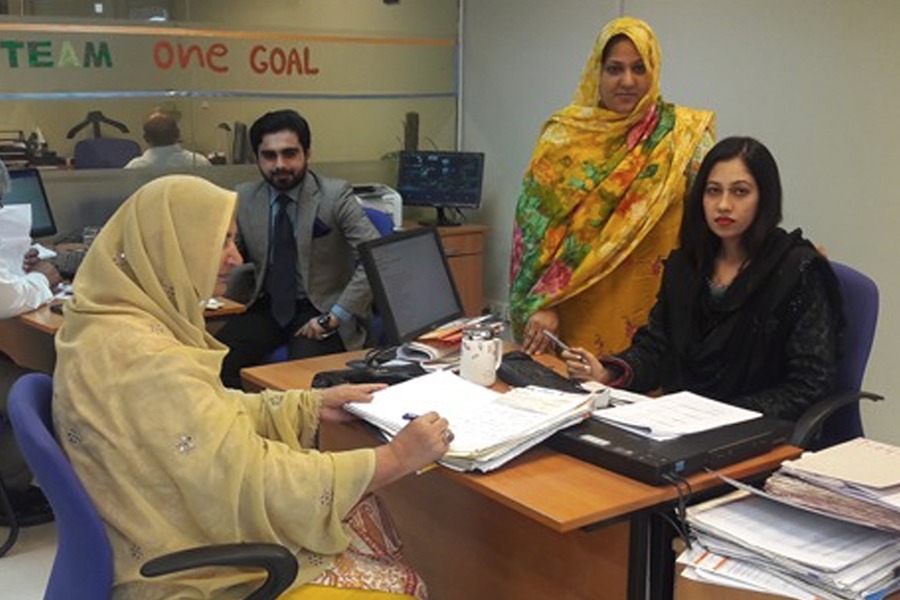
An inspiring story from our society of breaking chains is that of respected Dr. Sara Sultan Aqib. Hailing from a village in Haripur, KPK, she faced societal restrictions as higher education for girls was discouraged in her community. Her journey from a village where potential was not acknowledged to becoming an Energy Systems Engineer and an Entrepreneur is a testament to how rewarding the journey of self-investment can be.
Regulations have now made it easier for women to invest than ever before. Instead of waiting for hours in line at a bank, women can now open bank accounts with their CNIC alone. Services like Easypaisa, RAAST, and JazzCash have become a gateway for this cause. Asaan Mobile Accounts (AMA) allow women to open accounts by dialing *2262# from any mobile phone, despite internet connection, providing facilitation to women living in rural communities across the country.
The State Bank of Pakistan has seen significant momentum, with the number of active women-owned accounts surging to 37 million by mid-2025. Building on this success, the State Bank of Pakistan (SBP) now aims to further bridge the divide under its 2024–2028 strategy, with a target of an overall financial inclusion rate of 75% while narrowing the gender gap to just 25 percent.
While Pakistan has indeed taken commendable initiatives for gender-inclusive finance, the journey from creating awareness to translating it into actual agency remains a work in progress. The rise of specialized platforms like Jamapunji by the SECP, along with fintech innovators like Oraan, signals a movement toward structured financial literacy. These tools do more than just equip with information; they break systemic barriers by digitizing traditional ways of saving and offering risk-free capital market investment simulations.
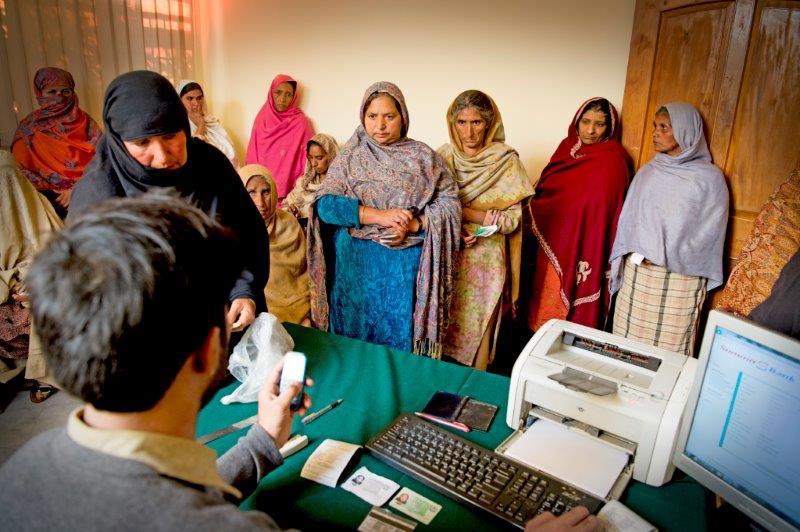
However, a considerable “literacy lag” is still out of reach in urban centers, and the data indicate that as digital adoption grows, women in rural regions have been consistently left behind due to limited access to technology and socio-cultural constraints. The divide needs more than mere digital intervention; localized education that can transform financial knowledge into a tangible tool for economic independence is required.
The above-mentioned data shows the growth in financial investment literacy amongst women of Pakistan from 2025 onwards. However, it is by no means an indication that the divide has been bridged. Countless women from rural areas still have little to no knowledge regarding the procedures of financial investment or asset ownership. And with accessible services and sources provided to women today, it is our job to be active citizens and participate in bridging this gap.
International Women’s Day 2026 theme is ‘Give To Gain’. And the simple rule is; When we give, we gain. Together, let’s help forge gender equality through abundant giving. It’s time to shift from saving cash or gold to investing in mutual funds and having complete ownership of your assets. Investing isn’t just about saving money; it’s about owning assets. Assets that will make Pakistani women stronger and more empowered.
References:
- sbp.org.pk/boe/index.html
- jamapunji.pk
- https://www.sbp.org.pk/Finc/AMAscheme.html
- https://www.sbp.org.pk/press/2025/Pr-13-Jan-2025.pdf?hl=en-US
- https://www.sbp.org.pk/nfis/nfis2024-28.pdf?hl=en-US
Read more by this author: Beyond Relief: The Missing Link In Pakistan’s Disaster Recovery Process—Physical Therapy
Dawood Choudhary was raised in Kuwait. He is currently pursuing the Doctor of Physical Therapy at the University of Sialkot. In his free time, he enjoys reading and writing.

