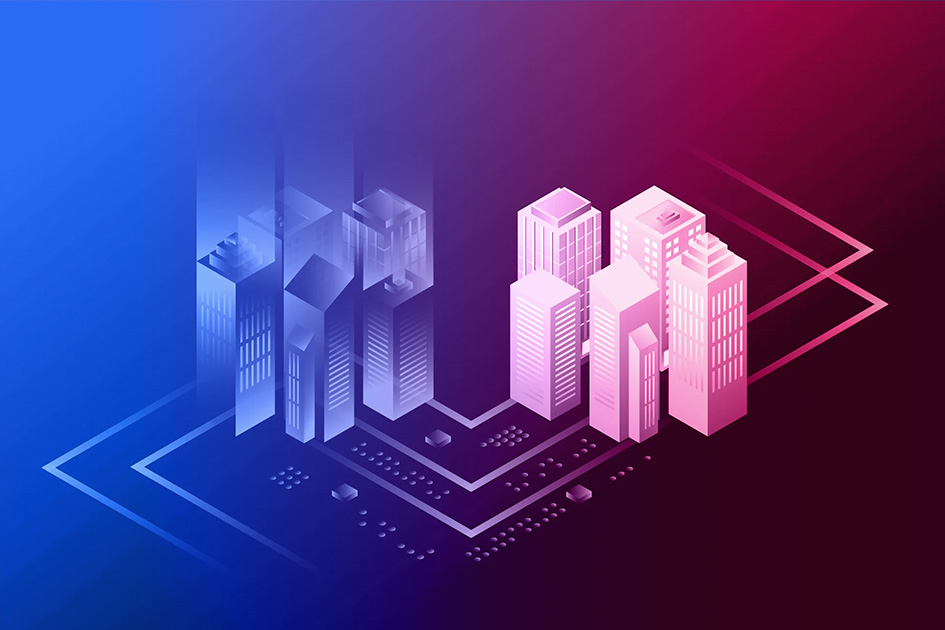
One afternoon, my mom’s phone buzzed with an unexpected notification. It was a warning from her AccuCheck Diabetes monitoring app. “Caution: Blood Sugar Error”. For a few moments, we just stared at the screen, unsure what it meant. The very next day, my mom went to the hospital for a checkup. Blood tests revealed that her blood sugar levels had been spiking so much that her liver and kidneys had started slowly deteriorating. Without timely intervention, she could have developed diabetic ketoacidosis.
But it isn’t her diagnosis that matters here; it’s the technology that detected it. That alert was more than a notification; it was a digital reflection of her body predicting danger before it became irreversible. In a world full of data, Digital twins are transforming how we prevent risks rather than react to them.
This app represents a simple form of what is known as a Digital Twin. A Digital Twin is a virtual replica of a physical entity that is continuously updated with real-time data. It is fed with real data from the patient, their medical results, history, and health monitors. Unlike traditional simulations, it evolves as the patient’s condition changes, allowing doctors to anticipate complications before they occur.
In conditions such as cancer, where treatment must be highly personalized, this precision becomes critical. Here, a digital Twin is used as an online clone for examinations instead. Doctors can view each patient’s unique profile and test treatments and outcomes in a completely risk-free environment. Making it is safer for patients, faster for time-sensitive diseases, and cost-effective for the economically challenged. This shifts healthcare from reactive to preventive so that doctors can anticipate outcomes rather than just waiting for them.
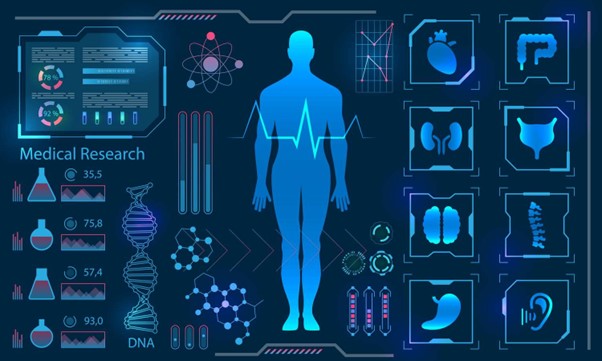
For people living with Diabetes, predictive monitoring systems are like an extra layer of protection. Patients have reported that timely alerts prevented severe episodes that would have led to hospitalization.
Beyond Healthcare, Digital Twins originated in Engineering. Michael Grieves, who first formalized the Digital Twin concept, defined it as “a set of virtual information constructs that fully describes a potential or actual physical manufactured product.” This concept has been used in manufacturing and industry to create virtual copies of machinery for testing quality control, optimization, and potential failures.
They can even be used in architecture by modeling entire cities to improve planning for traffic management, disaster management, and safety against catastrophes like floods, and for energy efficiency by dividing electricity and water optimally across different sectors. Environmental scientists use similar models to simulate ecosystems and predict the long-term impacts of climate change.
Digital Twins in Engineering
In aviation, an Aircraft’s Digital Twin is not a 3D Model but, in fact, a living simulation fed by sensors with actual flight data to replicate exact conditions. At Airbus, it is used every step of the way from production to maintenance.
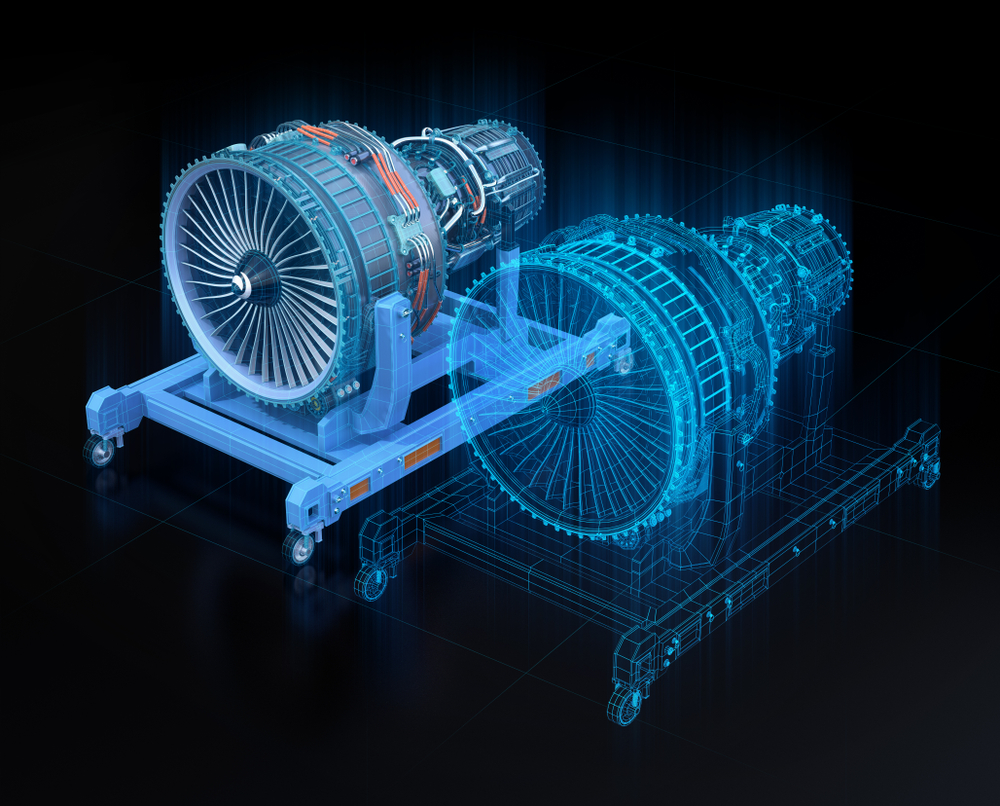
Siemens Xcelerator Digital Twin Simulator is used in the Industry by Companies such as Natilus, whose CEO, Aleksey Matyushev, says, “The wow factor was huge. It was the first time we ever saw the scale of what we’re building.”
Traditionally, aircraft maintenance was performed on fixed schedules or only after a malfunction. But now, Predictive Maintenance is used to predict issues in advance and ensure no mishap occurs in the sky by fixing them preemptively. Platforms such as Skywise by Airbus are real applications of digital twins to ensure aircraft safety, from checking its wings to jet engines, so that none of its parts fall into suboptimal conditions.
What will be their Role in the Future?
As artificial intelligence continues to advance, Digital Twins are expected to become more autonomous and adaptive, offering not only predictions but also optimized solutions in real time. However, the future impact of Digital Twins will depend on responsible governance, ethical data use, and equitable access to prevent technological inequality.
Just as Digital Twins protected one patient, my mom, they can be used to protect entire aircraft, cities, industries, and even the planet. From individual health to global ecosystems, Digital Twins allow humanity to anticipate risks rather than merely react to them. Engineering the duplicate may ultimately be how we preserve the original.
References:
- SIEMENS Digital Twins in Aerospace: https://www.siemens.com/en-us/company/insights/natilus-immersive-engineering-industrial-metaverse/
- AATECH Predictive Maintenance: https://www.aatech.aero/mro-innovation-predictive-maintenance-digital-twins-2025/
- Airbus Digital Twins in Aerospace: https://www.airbus.com/en/newsroom/stories/2025-04-digital-twins-accelerating-aerospace-innovation-from-design-to-operations
- Medical Digital Twins: https://pubmed.ncbi.nlm.nih.gov/41341463/
Also Read: Pakistan’s Solar Boom: When Clean Energy Breaks the System

Muntaha Uzair is a top scorer for Scientia’s Science Writing Internship Cohort Five. She studies in High School Islamabad.

