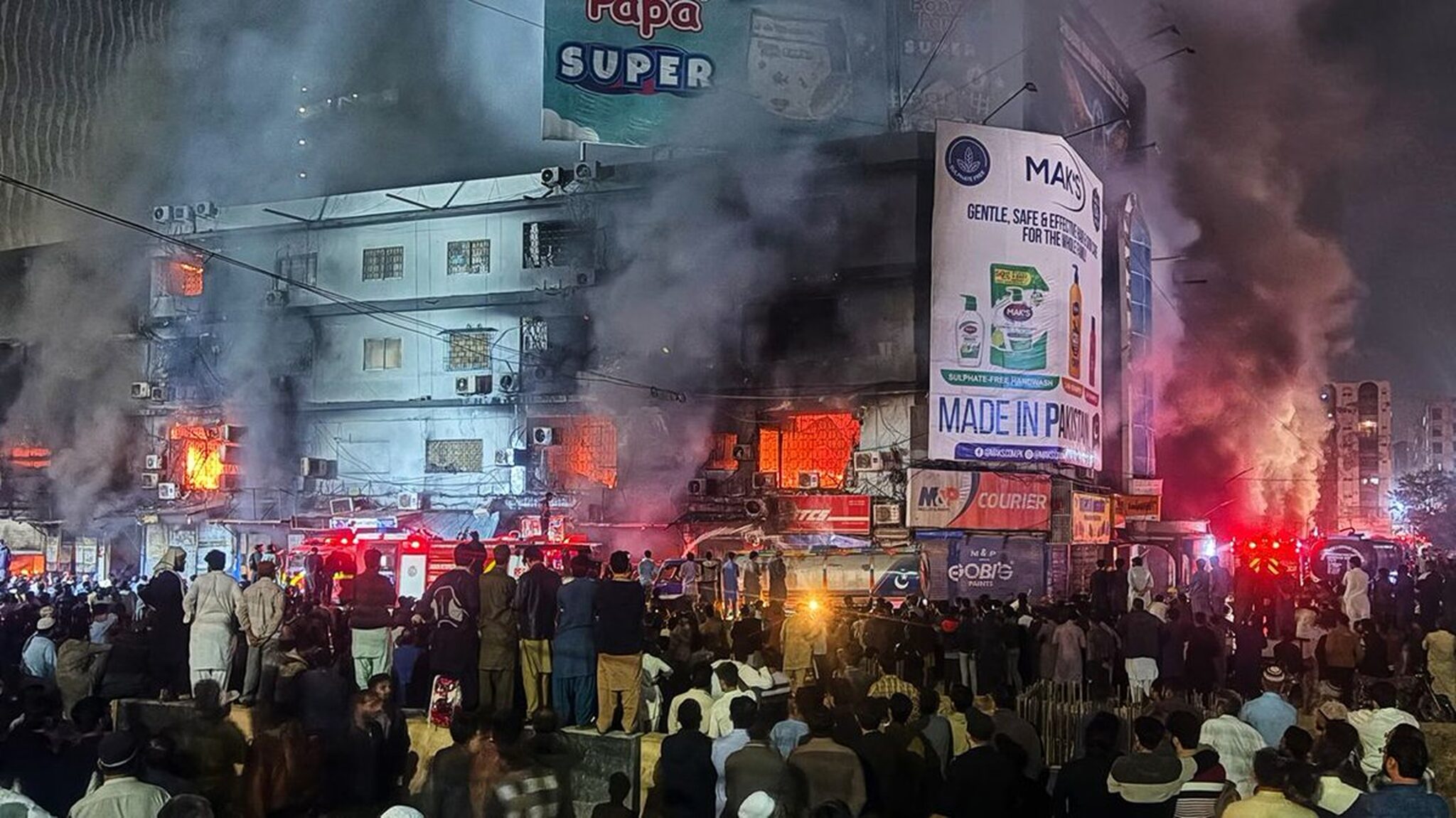
On the night of January 17, 2026, a devastating fire engulfed Gul Plaza shopping center in Karachi. The blaze spread with terrifying speed, ultimately claiming 63 lives and leaving a scar on the city. This tragedy, like many before it, underscores a critical reality: fires in buildings pose a severe threat that can escalate rapidly.
This incident is a tragic case study in rapid-fire spread. The fire, which started in a single shop, quickly consumed the multi-story complex. According to local media, much of the structure has collapsed, and what remains may have to be demolished due to severe structural damage.
Fires can start anywhere, but what structural, systemic failures on the night of January 17 allowed it to spread on such a large scale? The question is on everyone’s mind right now. According to a rescue worker, access to the site was a major challenge on the night of the fire. The road was narrow, and a large crowd gathered around, blocking the entire road.
Another reason for the rapid spread and repeated flare-ups was the materials inside. The plaza was filled with shops selling clothing, plastics, and other highly flammable goods. This provided an abundant fuel source for the fire. The building lacked adequate fire-resistant barriers between shops and floors, allowing the fire, heat, and toxic smoke to travel unimpeded throughout the structure.
Critically, the building was missing essential safety features. Reports indicated there were no functioning smoke alarms, sprinkler systems, or fire hoses. Although extinguishers may have been present, the initial blaze was not controlled. According to the BBC, 13 of the building’s 16 exits were reportedly locked, trapping shoppers and staff inside.
Due to these multiple factors, the firefighters faced significant challenges, including traffic congestion and difficulty accessing the building’s interior. They had to break through walls to create entry points, losing valuable time as the fire raged.
Gul Plaza Karachi fire incident serves as a somber reminder of what can happen when preventive measures are overlooked and safety standards are compromised. This article aims to educate on the common causes of building fires, the importance of prevention, and the essential strategies for a safe escape. Understanding these elements is the first step toward building better fire safety.
What Causes Fires in Buildings?
Buildings are complex environments where numerous hazards can coexist. A small spark can quickly become a deadly inferno due to a combination of factors.
Electrical failure and Human errors
Electrical failures are a leading cause of fires. Faulty wiring, overloaded circuits, short circuits, and outdated electrical systems can generate intense heat, igniting nearby combustible material. Modern buildings are filled with items that burn quickly. Plastics, synthetic fabrics in furniture and clothing, and various chemicals can act as fuel, helping a fire spread rapidly.
Human Error and carelessness are often major contributors, as well. Unattended cooking, improper disposal of cigarettes, misuse of heating appliances, and children playing with matches can all lead to disaster.
Structural Weaknesses and Lack of Maintenance
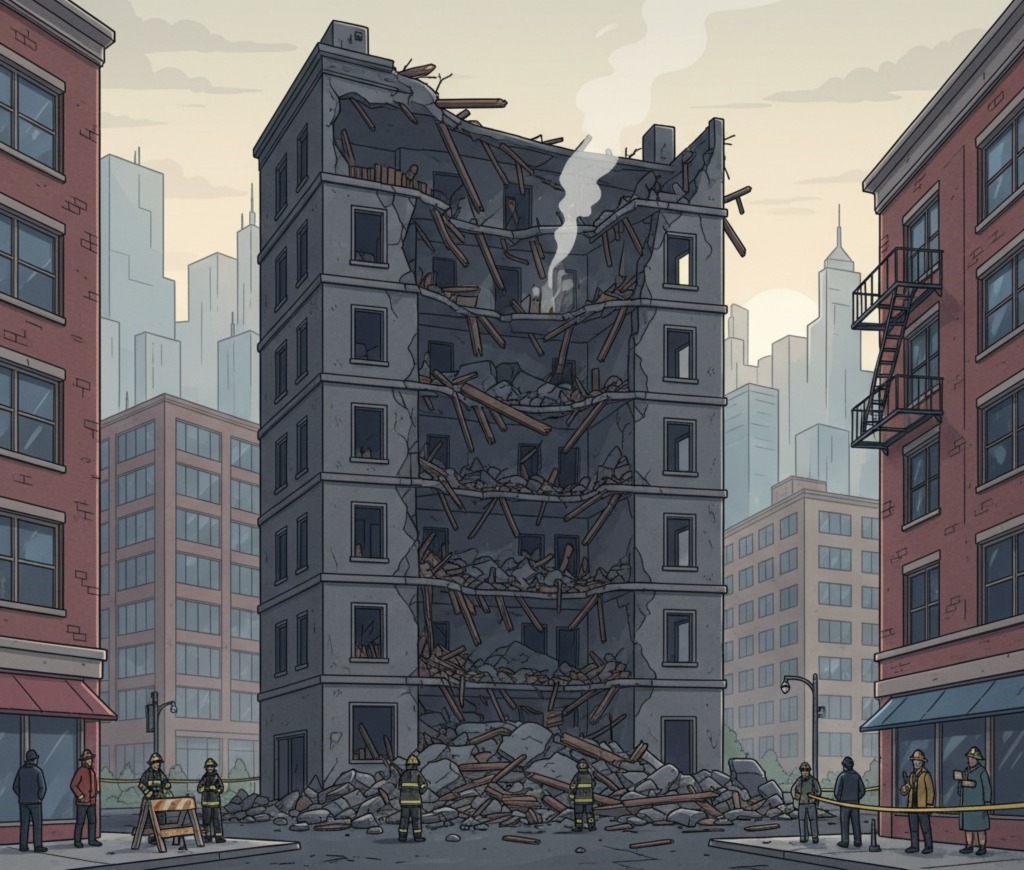
The very materials used to construct a building can pose a risk. If building materials do not meet fire safety standards, they can fail quickly when exposed to heat, leading to structural collapse.
Neglect is a silent accomplice to fire. Poorly maintained heating systems, clogged vents, and uninspected electrical wiring create hazardous conditions. Crucially, a lack of maintenance on fire safety equipment like alarms and extinguishers renders them useless when needed most.
Fire Safety Standards and Building Regulations
To combat these risks, governments and municipalities establish rules to protect occupants. These regulations are the foundation of building fire safety. The primary goal of these standards is to ensure people can escape safely. This involves multiple layers of protection, representing different types of building fire safety.
According to experts, every building must have a sufficient number of clearly marked emergency exits that should not be locked or blocked. Moreover, buildings should have active fire protection systems. These systems are designed to detect and control a fire and include smoke detectors, heat alarms, automatic sprinkler systems, and fire extinguishers.
Passive Fire Protection is another essential for buildings, which involves such types of construction materials and designs that resist fire and limit its spread. Fire-resistant doors, walls, and compartmentalization of floors help contain a blaze, buying precious time for evacuation.
The Building Code of Pakistan (Fire Safety Provisions-2016) outlines many of these requirements. However, the effectiveness of any code depends entirely on its enforcement. In many parts of Pakistan, inadequate inspections and a lack of accountability cause such incidents, and numerous buildings remain dangerously non-compliant.
How to Manage Fire Hazards in Buildings
Incidents like the Gull Plaza fire are no longer rare in Pakistan’s major cities, yet preventive measures continue to be overlooked by provincial and federal governments. In contrast, proactive fire management is widely practiced around the world to reduce risk and loss, placing responsibility on both building owners and those who occupy these spaces.
Regular inspections of electrical systems, heating units, and fire safety equipment are non-negotiable. Building owners must ensure proper storage of flammable materials and maintain clear, unobstructed hallways and exits. Investing in building fire safety is an investment in human life. This includes installing fire-resistant doors and windows, upgrading to modern wiring, and fitting comprehensive sprinkler and alarm systems.
Training and drills are also crucial for large and crowded buildings; knowing what to do in a fire is just as important as having the right equipment. Regular fire drills help familiarize occupants with evacuation routes. Training on how to use a fire extinguisher and basic first aid can empower people to respond effectively in the critical first moments.
How to Escape a Fire!
In a fire, panic can be as dangerous as the flames; Knowing the correct procedure to escape can save your life. Staying calm and composed can help control fear. A clear mind makes better decisions. While encountering a fire, alerting others and activating the nearest fire alarm immediately is a mandatory step to stop the spread.
Before opening any door, feel it with the back of your hand. If it is hot, do not open it. Fire is on the other side. Try to find an alternate route. Smoke and toxic gases rise. Stay as low to the floor as possible, where the air is cleaner and cooler, and crawl to the nearest exit.
Never use an elevator during a fire. It can malfunction, lose power, and become a deadly trap. Always use the stairs. If you cannot escape, seal the room. Use tape, towels, or clothing to cover vents and cracks around the door to keep smoke out. Call emergency services and tell them your exact location. Signal for help from a window by waving a flashlight or a brightly colored cloth.
The Role of Rescue Services: What Can Be Improved?
Firefighters and rescue teams are the last line of defense, but they often face immense challenges. As seen in the Gul Plaza fire, limited resources, traffic, and structural instability can severely hamper their efforts. To improve effectiveness, municipalities must:
- Invest in Resources: There is an urgent need for more fire stations, modern equipment (like high-rise ladders), and protective gear for personnel.
- Enhance Training: Firefighting is a high-risk profession that requires continuous and rigorous training to handle modern building fires and complex rescue scenarios.
- Improve Emergency Planning: Coordinated emergency response plans that account for traffic management and access to dense urban areas are essential for reducing response times.
What Needs to Change: Long-Term Solutions
Preventing future tragedies requires a fundamental shift in our approach to building fire safety. Strengthen and Enforce Regulations is a crucial step. Fire safety codes and the Building Code of Pakistan (Fire Safety Provisions-2016) must be strictly enforced with zero tolerance for non-compliance. This requires regular, thorough inspections and meaningful penalties for violations.
Worldwide, public education and rescue training for fire incidents are mandatory, in which citizens are trained for fire risks, prevention techniques, and evacuation procedures. This knowledge empowers individuals to protect themselves and their communities.
A comprehensive review of building standards should be managed in crowded areas like Karachi Saddar. Authorities in high-risk cities must conduct a comprehensive review of existing building safety standards and retroactively apply them to older structures where feasible.
Gul Plaza Karachi fire incident is a painful lesson in the consequences of neglecting buildings’ fire safety. Fires are not just accidents; they are often the predictable outcome of human error, poor maintenance, and regulatory failure. While we cannot eliminate every risk, we have the power to significantly reduce the danger.
The responsibility is shared. Building owners must invest in safety, authorities must enforce the law, and every individual must learn how to prevent fires and what to do if one occurs. By taking fire safety seriously, we can work together to ensure that our homes, workplaces, and public spaces are safe for everyone.
References:
- https://www.abc.net.au/news/2026-01-18/pakistan-gul-shopping-centre-fire/106241742
- https://cottongds.com/news/what-are-the-top-causes-of-fires-in-commercial-properties
- https://www.hec.gov.pk/english/services/universities/Monitoring-Evaluation/Documents/Fire-Safety%20Provisions.pdf
- https://www.geo.tv/latest/645891-gul-plaza-inferno-doused-fatalities-rise-to-14-as-rescuers-expand-search-for-missing
- https://www.bbc.com/news/articles/c1ev4z4n5dzo
- https://www.geo.tv/latest/645891-gul-plaza-inferno-doused-fatalities-rise-to-14-as-rescuers-expand-search-for-missing
- Kodur, V., Kumar, P., & Rafi, M. M. (2020). Fire hazard in buildings: review, assessment and strategies for improving fire safety. PSU research review, 4(1), 1-23.
doi: https://doi.org/10.1108/PRR-12-2018-0033 - https://aito.com.my/escape-fire/?srsltid=AfmBOopeon8PByW2c4jEGcyZlhsAW35oWGPyu-aRaIsnU9NkMTgcRUBx
More from the author: Rape Cases in Pakistan: Behind Closed Doors, the Forensic Fight to Find the Truth
Building Fires and Safety – Key Takeaways from Gul Plaza Fire | SafetyFirst

Anam Ilyas holds an MS Forensic Chemistry from Government College University, Lahore. She is a science enthusiast with a great love for explaining complex topics in simpler ways. She aims to bridge the gap between scientific research and the general public through her writing. When she is not writing or talking, you can find her lost in a book or making ideas come alive through her drawings.

