12.8 C
Pakistan
Sunday, April 5, 2026
Home Blog Page 10

Beyond the Battlefield: How Ethics Shapes the Reasons and Conduct of War

“Ethics in the Line of Fire: Pakistan’s Calculated Response vs India’s Civilian Toll”

In modern warfare, where satellites guide missile routes and media shape the overall narratives, one element that is often overlooked becomes most defining: ethics. The recent tensions that escalated between India and Pakistan offered the world more than a clash between two nuclear-armed nations; it revealed a contrast in psychological discipline, military conduct, and ethical restraint.

The current crisis originated on April 22, 2025, when terrorists brutally killed 26 tourists, including a Nepalese national, in Pahalgam. The attack was executed by the Resistance Front (TRF), a proxy organization established by Pakistan-based Lashkar-e-Taiba (LeT) to obscure its direct involvement in terrorism.

In response to the terrorist attack in Pahalgam, the Indian Army and Air Force jointly launched ‘Operation Sindoor’ on May 7, a precise, targeted strike on terrorist infrastructure within Pakistan and Pakistan-occupied Jammu and Kashmir (PoJK).

The operation successfully struck nine targets in Pakistan, notably including the headquarters of  Jaish-e-Mohammad (JeM) at Markaz SubhanAllah in Bahawalpur, and the Lashkar-e-Taiba (LeT) headquarters at Markaz Taiba in Muridke. 3

“Families on the LoC are subjected to Indian and Pakistani whims and face the brunt of heated tensions,” Anam Zakaria, a Pakistani writer based in Canada, told the BBC.

“Each time firing resumes, many are thrust into bunkers, livestock and livelihood are lost, infrastructure like homes, hospitals, and schools is greatly damaged. The vulnerability and volatility experienced have grave repercussions for their everyday lived reality,” Ms Zakaria, author of a book on Pakistan-administered Kashmir, said. 2

A burst of narratives by local and international newspapers elevated the situation. India’s approach, veiled in psychological warfare, involved strikes on civilian-populated areas near Pakistan’s eastern border, damaging the residential areas, schools, and vital water and power lines. Experts note that such strikes are not just military tactics; they are calculatedly engineered to instill mass fear and break down morale —a strategy with a prolonged, controversial history in modern warfare. Yet the repercussions of targeting civilians and residential areas go far beyond geopolitical consequences; they leave scars on both societies and soldiers.

war
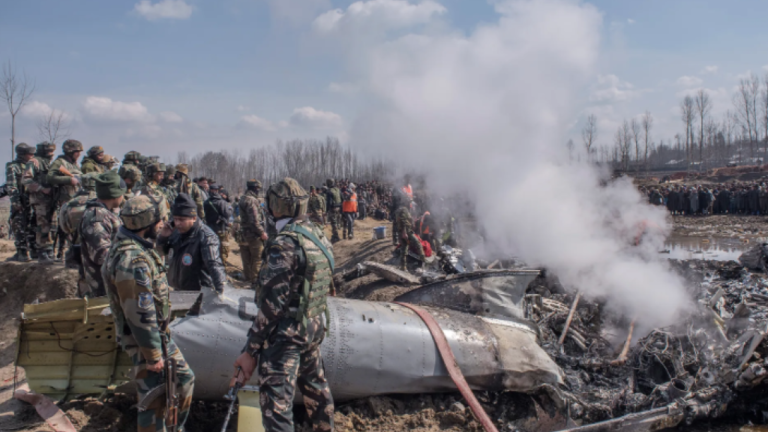
This level of precision and ethical discipline, even under provocation, reflected not only faith-based values but modern scientific understanding of warfare psychology. Photo: Duniya News

In a well-calculated and timely counter-response, Pakistan demonstrated restraint and strategic maturity. Instead of retaliating emotionally, the Pakistan Armed Forces focused on military targets like the weapons depots, supply chains, and command infrastructure. This level of precision and ethical discipline, even under provocation, reflected not only faith-based values but modern scientific understanding of warfare psychology.

The Science of Ethical Warfare

Scientific studies in behavioral psychology and neuroscience have shown that soldiers who engage in actions perceived as unjust and unfair, especially harming civilians, are more likely to experience higher levels of moral injury, combat stress, and PTSD. Research from the Journal of Traumatic Stress and Defense Studies shows that brain scans (fMRI) of soldiers reveal heightened amygdala activity and impaired prefrontal cortex functioning when they commit or witness unjust acts in war.

On the contrary, military personnel who operate under clear ethical guidelines like those aligned with humanitarian laws or religious values are likely to exhibit stronger emotional regulation, cognitive processing, and post-war mental stability. This is not just moral theory; it is measurable science.

Today, in an age where the art of warfare is monitored by drones and judged on global platforms, Pakistan’s approach sends a message: ethics are not a weakness; they are strategic power.

In the recent escalation between Pakistan and India, Pakistan’s response was witnessed as avoiding civilian harm, which aligned with both Islamic principles of warfare and modern military ethics. The Prophet Muhammad (PBUH) laid down wartime conduct over 1400 years ago: no harm to women, children, elderly, or religious clergy; no destruction of crops or water sources; no mutilation or betrayal.

These principles were upheld in battles like Hunayn and Tabuk, where Muslim forces won not only through military might but through moral restraint and justice. Today, Pakistan’s military doctrine echoes that same legacy.

Dr. Naveed Ahmad, a defense psychiatrist in Rawalpindi, explains: “Combat conducted without clear ethical boundaries causes disorientation among soldiers. They lose their psychological compass. Pakistan’s strict adherence to targeting only military assets protects not only civilians, but the minds of its soldiers too.”

Both India and Pakistan possess nuclear arsenals and weaponry, with a Rutgers University study estimating that a nuclear exchange could kill 127 million people if 250 warheads were used. The recent strikes have escalated tensions to a critical point, with both nations exchanging fire along the Line of Control (LoC) and suspending bilateral treaties. Pakistan’s measured response thus far demonstrates restraint, but continued provocation could force a defensive nuclear posture, plunging the region into catastrophe. 1

Cognitive Warfare and Long-Term National Strength

Modern conflicts are no longer just fought with bombs or weapons, they’re fought with information, perception, and ideology. When one country maintains moral clarity in war, it strengthens its image on global grounds, national unity, and post-war resilience. Pakistan’s clarity of intent in its recent actions reinforces the psychological strength of both its military and its citizens.

India’s strikes on civilian regions may seem powerful in the short term, but scientifically and morally, such tactics deteriorate the attacking side’s international standing and internal discipline. Civilian-targeted warfare fosters generations of trauma, psychological distress, radicalization, and diplomatic isolation. Ethical warfare, on the other hand, fosters peacebuilding and post-conflict healing.

In the words of a senior Pakistani commander stationed along the border, “We have precision, but more importantly, we have principles. Our strength lies not in destruction, but in direction.”

Conclusion: Science Meets Sunnah

Today, in an age where the art of warfare is monitored by drones and judged on global platforms, Pakistan’s approach sends a message: ethics are not a weakness; they are strategic power. The alignment of Islamic war ethics with scientific mental health research gives Pakistan’s military response both divine and data-driven strength.

As the world watches two decades-old rivals clash in modern ways, it is not just firepower that defines the future; it is how, where, and why that firepower is used. Weapons may shape the battlefield, but ethics shape the nation’s soul. And with that stance, Pakistan played very well.

References:

  1. https://thinktank.pk/2025/05/07/indias-aggression-pushes-south-asia-to-nuclear-brink/
  2. https://www.bbc.com/news/articles/cgmj7l0lne3o
  3. https://www.eurasiareview.com/08052025-beyond-ceasefire-violations-pakistans-shelling-of-civilians-is-a-crime-against-humanity-oped/
  4. https://img.dunyanews.tv/news/2025/May/05-07-25/news_big_images/882618_48632927.jpg
  5. https://diplomatist.com/wp-content/uploads/2025/04/pahalgam-282948610-16x9_0.jpg

More from the Author: STEAM Education: Igniting a New Dawn for Pakistan’s Future

Taming Jumping Genes: Could Controlling Junk DNA Delay Aging?

0

For a long time, scientists believed that much of our DNA was just biologically static, i.e., sequences that didn’t code for anything meaningful. These stretches were nicknamed “junk DNA” and considered evolutionary leftovers. But recent discoveries have challenged this view. Hidden in this so-called junk are fragments known as jumping genes, or transposable elements (TEs), which appear to play a surprising role in aging and disease.

Researchers now suspect that these elements are not as dormant as once thought. They may be actively involved in causing DNA damage, stirring up inflammation, and undermining the genome’s stability as we grow older.

The exciting part? Scientists are exploring ways to silence them to potentially slow down some aspects of aging.

Hidden Hitchhikers in Your DNA

Jumping genes are bits of DNA that can move from one location to another in the genome. They come in different types; some make copies of themselves and insert elsewhere, while others cut themselves out and relocate. One group in particular, called LINE-1, is especially active in humans. These sequences are a type of retrotransposon, meaning they use an RNA intermediate to replicate and integrate back into the genome. In doing so, they sometimes disrupt the key genetic functions along the way.

When not kept in check, LINE-1 elements may insert themselves into critical regions of the genome, damage DNA, and provoke immune responses. Think of them as stealthy, virus-like intruders embedded in our code.

In youth, our cells use epigenetic mechanisms to suppress this movement. But as we age, these control systems weaken. It’s like having a firewall that gradually deactivates, and the intruders start getting in.

Jumping genes in DNA
Jumping genes are bits of DNA that can move from one location to another in the genome. Credit: ISTOCK.COM/The Scientist

From Mobility to Mayhem

Once LINE-1 elements are active, they set off a chain of reactions:

  • DNA breaks and mutations: As LINE-1 replicates and reinserts itself in the genome, it can cause double-stranded DNA breaks, which are the kind of damage that cells find hard to fix.
  • Inflammatory signaling: These fragments mimic viral RNA, which triggers an immune alarm known as the interferon response.
  • Cellular senescence: Cells experiencing too much damage stop dividing and become senescent, releasing more pro-inflammatory signals.

This self-sustaining cycle of LINE-1 activity, inflammation, and senescence leads to tissue dysfunction. This is a hallmark of inflammaging, which is the chronic low-grade inflammation linked to aging and its diseases.

Recent findings also suggest that this LINE-1 activity can affect mitochondrial function, increasing oxidative stress and impairing energy production. The result? A slow but persistent decline in organ and tissue function.

When DNA Turns Against the Brain

It’s not just your skin or joints that suffer. Your brain may be especially vulnerable to these tiny saboteurs.

A study published in Frontiers in Neurology explored the role of LINE-1 in neurodegenerative disorders. The findings were striking: LINE-1 activation in the brain is associated with DNA damage, oxidative stress, and the kind of inflammation observed in Alzheimer’s and Parkinson’s disease.

Why does this matter? Because neurons are post-mitotic, that i,s they don’t divide. When damage accumulates, they can’t replace themselves easily. This makes them prime targets for cumulative genomic damage from active transposons.

And it’s not just aging brains at risk. Some evidence links increased LINE-1 activity to conditions like autism and schizophrenia, suggesting that TE regulation is critical across the lifespan.

A Virus Fighter that’s Rewriting the Story of Aging

If transposable elements are behaving like viruses, could antiviral drugs stop them? That’s exactly what scientists asked.

De Cecco et al. (2019) found that LINE‑1 activity spikes in aged and senescent cells, triggering type-I interferon-mediated inflammation. Treating aged mice with lamivudine (3TC), a reverse-transcriptase inhibitor, significantly reduced this inflammatory response.

Building on this, Vallés-Saiz et al. (2023) showed that 3TC improved outcomes in P301S tau-transgenic mice. These mice exhibited fewer signs of tau pathology, lowered neuro-inflammation, better memory, and improved motor function after treatment, while 3TC also blocked tau-induced LINE‑1 activation.

This raised an important question: if a simple antiviral can suppress transposon-induced inflammation and reverse some signs of aging, could it be used as a preventive treatment in humans?

Silencing the Genome’s Noisy Intruders with RNA Therapy

While repurposed antivirals like 3TC show promise, the real future is in precision RNA-targeted therapy. Cas13a—a CRISPR system engineered to specifically cleave RNA has proven effective in mammalian cells, allowing precise and reversible knockdown of target transcripts without genome alteration.

Similarly, antisense oligonucleotides (ASOs), targeting LINE‑1 RNA, have demonstrated promising outcomes in the mouse models of premature aging, reducing transposon expression and improving the genomic stability and lifespan.

These RNA-based platforms, including siRNAs, ASOs, and CRISPR–Cas13 systems, stand out because they are not only reversible but also tunable, allowing for a controlled therapeutic window and safer clinical application as compared to permanent DNA edits.

To deliver these tools effectively, scientists are adapting lipid nanoparticles similar to those used in mRNA vaccines for targeted delivery to the brain and aging tissues.

Researchers are also looking for epigenetic drugs that restore DNA methylation and repressive histone modifications at LINE‑1 loci, reinforcing the genome’s natural defense system.

DNA and aging
Some scientists even speculate that natural differences in TE suppression might explain why certain people live longer, healthier lives. Credit: sporlab

This multi-pronged, reversible approach offers a promising path toward treating or even preventing TE‑driven aging and disease.

Could Blocking Jumping Genes Become Preventive Medicine?

If LINE-1 activity truly contributes to aging, then suppressing it might:

  • Delay the onset of neurodegenerative diseases
  • Reduce cancer risk by preserving genome stability
  • Enhance immune function by minimizing inflammaging
  • Maintain tissue regeneration and organ health

Imagine reaching your 70s or 80s with the cognitive sharpness and mobility of someone much younger by simply preventing genomic self-sabotage.

Some scientists even speculate that natural differences in TE suppression might explain why certain people live longer, healthier lives. Genetics, lifestyle, and environment may all influence how tightly these elements are kept under wraps.

Furthermore, lifestyle interventions like exercise, a healthy diet, and certain plant polyphenols (e.g., resveratrol, curcumin) are being studied for their potential to influence cellular processes, including gene expression, DNA damage, and inflammation, suggesting that they could play a role in maintaining transposon silencing, opening the door to combined strategies involving both pharmaceuticals and lifestyle adjustments.

But Let’s Not Demonize All Transposons

As promising as this line of research is, we must remember that not all jumping genes are harmful.

In embryonic development, transposons help regulate genes and contribute to genomic diversity. Some elements may even play protective roles in specific contexts. Silencing them completely, without nuance, could interfere with essential biological functions.

Therefore, the goal isn’t total suppression. It’s context-specific control that is quieting jumping genes when they become harmful, especially in aged or diseased tissues.

A balanced approach ensures that we maintain the beneficial evolutionary roles of these sequences while minimizing their negative impact on aging and disease.

What’s Next? From Lab Bench to Human Trials

The road to clinical use is still being paved. Scientists need to:

  • Run long-term safety studies on RNA-targeted therapies
  • Understand tissue-specific roles of different transposons
  • Design tailored delivery systems for different organs
  • Explore biomarkers that signal when LINE-1 suppression is needed
  • Combine TE suppression with other anti-aging strategies for synergy

But momentum is growing. Research is expanding from animal models to human tissues. Some early-stage clinical projects are even looking at using reverse transcriptase inhibitors for age-related conditions beyond HIV.

The vision? A new class of anti-aging drugs targets the genomic saboteurs we’ve long ignored. These therapies could eventually join the growing arsenal of longevity science alongside senolytics, NAD boosters, and stem cell technologies.

The Future of Aging Science

We used to think of aging as something inevitable, slo,w and passive decline. But what if part of that decline is driven by internal saboteurs we can tame?

Jumping genes may have helped our ancestors evolve, but in our later years, they become unpredictable and disruptive. Now, with a blend of old antivirals and next-gen RNA tools, we have a chance to fight back.

By targeting the root causes of genomic instability and inflammation, we may not only treat disease but also redefine what it means to grow old.

We stand on the edge of a new era in medicine, one where aging could be managed not by treating its symptoms but by addressing its genomic triggers. And that shift may begin with taming the restless, jumping genes within us.

References:

Peze-Heidsieck, E., Bonnifet, T., Znaidi, R., Ravel-Godreuil, C., Massiani-Beaudoin, O., Joshi, R. L., & Fuchs, J. (2022). Retrotransposons as a Source of DNA Damage in Neurodegeneration. Frontiers in aging neuroscience13, 786897. https://doi.org/10.3389/fnagi.2021.786897 https://pmc.ncbi.nlm.nih.gov/articles/PMC8764243/#S10

De Cecco, M., Ito, T., Petrashen, A. P., Elias, A. E., Skvir, N. J., Criscione, S. W., Caligiana, A., Brocculi, G., Adney, E. M., Boeke, J. D., Le, O., Beauséjour, C., Ambati, J., Ambati, K., Simon, M., Seluanov, A., Gorbunova, V., Slagboom, P. E., Helfand, S. L., Neretti, N., … Sedivy, J. M. (2019). L1 drives IFN in senescent cells and promotes age-associated inflammation. Nature566(7742), 73–78. https://doi.org/10.1038/s41586-018-0784-9   https://pubmed.ncbi.nlm.nih.gov/30728521/

Vallés-Saiz, L., Ávila, J., & Hernández, F. (2023). Lamivudine (3TC), a Nucleoside Reverse Transcriptase Inhibitor, Prevents the Neuropathological Alterations Present in Mutant Tau Transgenic Mice. International journal of molecular sciences24(13), 11144. https://doi.org/10.3390/ijms241311144 https://pubmed.ncbi.nlm.nih.gov/37446327/

Abudayyeh, O. O., Gootenberg, J. S., Essletzbichler, P., Han, S., Joung, J., Belanto, J. J., Verdine, V., Cox, D. B. T., Kellner, M. J., Regev, A., Lander, E. S., Voytas, D. F., Ting, A. Y., & Zhang, F. (2017). RNA targeting with CRISPR-Cas13. Nature550(7675), 280–284. https://doi.org/10.1038/nature24049 https://pubmed.ncbi.nlm.nih.gov/28976959/

Zhu, Y., Zhu, L., Wang, X., & Jin, H. (2022). RNA-based therapeutics: an overview and prospectus. Cell death & disease13(7), 644. https://doi.org/10.1038/s41419-022-05075-2 https://www.nature.com/articles/s41419-022-05075-2

Gorbunova, V., Seluanov, A., Mita, P. et al. The role of retrotransposable elements in ageing and age-associated diseases. Nature 596, 43–53 (2021). https://doi.org/10.1038/s41586-021-03542-y https://www.nature.com/articles/s41586-021-03542-y#citeas

Saleh, A., Macia, A., & Muotri, A. R. (2019). Transposable Elements, Inflammation, and Neurological Disease. Frontiers in neurology10, 894. https://doi.org/10.3389/fneur.2019.00894 https://pubmed.ncbi.nlm.nih.gov/31481926/

https://www.bioworld.com/articles/521677-antisense-oligonucleotides-targeting-line-1-rna-could-be-used-to-treat-premature-aging

In the Shadows of War— How Trauma Writes Its Legacy on the Bodies of Women and Children

Some wars end with ceasefires. And then some wars live on in the womb, in the DNA, in the tear ducts of children too young to understand what they’ve inherited— A Trauma!

When the Guns Go Silent, the Wounds Begin to Speak

War isn’t just about showing off weapons or power. It’s a chain of broken families, incomplete homes, cries that never stop, and torn hearts. It destroys homes, schools, hospitals, and even animal shelters. It doesn’t just take lives, it rewrites them. Long after bullets stop flying and ceasefires are declared, the damage continues in quieter, more insidious ways.

It goes into the bones, into the womb, into the invisible strands of DNA that link one generation to the next. Long after it settles, war continues to live in the bodies of survivors. A sudden noise that sends a child into panic. A mother rocks her restless baby, unsure whether the cries are from hunger or inherited fear. These are not just memories, they are biological imprints. Trauma rewires the nervous system, and science is only beginning to understand how deeply war reshapes the human body and mind.

Epigenetics: When Memory Becomes Molecule

In recent years, a growing body of research has revealed that trauma doesn’t stop at the mind; it alters the body on a molecular level. The science of epigenetics explores how environmental stressors, like war and displacement, can modify gene expression without changing the underlying DNA sequence. Think of it as the body underlining certain sentences in the genetic script, telling them to be louder or quieter based on what it’s lived through.

Trauma doesn’t stop at the mind, it alters the body on a molecular level

A study on Syrian refugee families (Science, 2021) found that trauma-induced changes in stress-regulation genes were present not only in survivors but in their children and even grandchildren. Holocaust survivors and their offspring show similar alterations, specifically in how their bodies manage cortisol, the stress hormone (Scientific American). In simple terms, a mother’s fear doesn’t just live in her memories. It lodges itself in her cells and can be passed down.

This pattern is tragically echoed in Gaza. Decades of conflict have subjected Gazan women to extreme hardship, from displacement and loss of family members to inadequate healthcare and ongoing violence. Pregnant women face immense stress, with many giving birth in bomb shelters or hospitals under siege.

Studies and reports from humanitarian organizations like UNICEF and WHO highlight that high rates of maternal stress and trauma in Gaza correlate with increased risks of premature births, low birth weights, and developmental challenges in newborns( Gaza Pregnant Women)

Moreover, emerging research suggests that chronic stress experienced by pregnant women in war zones like Gaza can induce epigenetic changes in their children, affecting how genes related to stress response and mental health are expressed. In this way, the trauma of war transcends individual experience, embedding itself in the biology of future generations.

For women in war, survival is only the beginning. Their bodies become living archives of violence and resilience, carrying the silent burden of conflict long after the fighting stops. The maternal body is both battlefield and sanctuary, bearing the complex imprint of war’s legacy.

A pregnant Syrian woman carries her child at a compound housing Syrian refugees in Sidon
The deepest battles are fought in the quiet of a mother’s body. A study on Syrian refugee families found that trauma-induced changes in stress-regulation genes were present not only in survivors but in their children and even grandchildren. Image credit: Reuters

Women— the First and Last Witnesses of Trauma

Women do not merely survive war, they absorb it. They are raped, starved, displaced. They bury children. They raise others alone. They stitch together the ruins. And even when the war ends, their bodies keep the score.

A study of women who survived wartime sexual violence in Kosovo showed that their children born in times of so-called peace had higher cortisol levels and altered epigenetic markers tied to anxiety and depression, ResearchGate. In these cases, the war field is not just geopolitical. It is maternal. The womb carries more than life. It carries a legacy.

Children of War: Ghosts in New Skins!

Children who are conceived or born in war often display symptoms that they cannot explain chronic sadness, outbursts, or disconnection from their peers. Some carry anxiety as if it were a birthmark. In a traumatic World War II study, daughters of women evacuated during air raids were significantly more likely to be hospitalized for psychiatric illness later in life (Meredith Daly, November 29, 2017).

These daughters never heard of a bomb, but their mothers did. And those screams, those clenched fists, seem to have whispered into the womb. We call it “inexplicable” sadness, but the explanation is written in methyl groups and cortisol pathways (Scispace)

Can Love Undo the Genetic Echo?

If trauma can be inherited, can healing be too?

The hopeful answer: yes. Recent studies suggest that psychosocial interventions can reverse or dampen some trauma-related epigenetic marks. In Kosovo, a family-based mental health program showed that children of traumatized mothers who received therapy exhibited improved epigenetic profiles (dignity).

Another approach, Narrative Exposure Therapy, in which survivors chronologically reconstruct their life stories in a therapeutic setting, has been found to ease PTSD and reduce trauma-linked gene changes (Narrative Exposure Therapy (NET).In other words, just as trauma can write itself into our biology, love, safety, and storytelling might help rewrite that script.

What Will We Pass On?

This is not just a story about refugees in Syria or mothers in Kosovo. It’s about what the body remembers, what the mind cannot forget, and what generations unknowingly carry. Women and children are often painted as footnotes in the grand narratives of war. But they are the main text of the bodies where the war continues to unfold, even in peacetime.

This legacy, etched in cells and scars, poses a question for us all:

What will we pass on?

Let it be true. Let it be healing. Let it be the belief that even a war-marked body can one day learn peace.

More from the Author: It Begins with a Heartbeat: The Quiet Power of Science and Health in Healing a Nation from Within

Modern Warfare Redefined: Dr Tughral Yamin on the Indo-Pak War 2025

Today, war is no longer confined to battlegrounds, and understanding the interaction between strategy, technology, and statecraft has never been more urgent, especially in South Asia especially the sub-continent, where tensions and military advancements continue to shape regional dynamics.

To discover these convolutions, Scientia Magazine speaks with Dr. Tughral Yamin, an exceptionally qualified expert who bridges the gap between military command and strategic scholarship. A retired Brigadier of the Pakistan Army, Dr. Tughral Yamin served from 1974 to 2008 in a variety of command, staff, and international roles, including peacekeeping deployment in Somalia (1992–93) and as Pakistan’s senior delegate to the ASEAN Regional Forum in 2005. He concluded a decorated military career with the award of Sitara-i-Imtiaz.

Following retirement, Dr. Tughral pursued a second career in academia, becoming the first PhD graduate in Defence and Strategic Studies from Quaid-e-Azam University. He later joined the National University of Sciences and Technology (NUST), where he became the founding Associate Dean of the Centre for International Peace and Stability (CIPS) in 2013. Under his leadership, the center launched its PhD program and hosted international peace and conflict conferences.

Dr. Tughral has conducted advanced research on cyber confidence-building measures (CBMs) at Sandia National Laboratories in the United States. His written work includes numerous books and peer-reviewed journal articles on topics ranging from nuclear deterrence and CBMs to asymmetric warfare and strategic doctrines.

Dr.Tughral-Yamin - Institute of Policy Studies
Dr. Brig. (Retd.) Tughral Yamin SI (M) served in Pakistan Army 1974-2008. Credit: IPS

With deep insight into the Indo-Pakistan conflict and its implications for modern warfare, Dr. Yamin helps us unpack what it means to deter, defend, and adapt in the age of hybrid threats of war.

Hifz: You’ve moved from military command to academic leadership. How do you reflect on this transition?

Dr. Tughral Yamin: The transition from military command to academic leadership was relatively seamless for me. Both environments require discipline, planning, and leadership, skills that naturally carry over. The main contrast I experienced was in the setting. In the military, a considerable portion of my time was spent in the field, often in challenging environments, focusing on real-time operational decisions.

In contrast, the academic world offered a more structured and comfortable setting, with lectures delivered in multimedia-equipped halls and interactions driven by discussion and research. While the context changed, the mission of serving, mentoring, and contributing to national development remained the same, just through different tools and platforms.

Hifz: How do you assess the strategic and technological dimensions of the recent India-Pakistan conflict?

Dr. Tughral Yamin: The strategic and technological aspects of the recent standoff between India and Pakistan marked a notable departure from previous crises. What stood out initially was India’s use of a false flag operation as a starting move—an aggressive gambit by Prime Minister Narendra Modi. However, his subsequent decisions reflected strategic miscalculations.

Despite possessing modern military hardware, the Indian forces could not translate that into a decisive advantage on the ground. In contrast, Pakistan’s armed forces showcased superior professionalism, coordination, and technical capability, which ultimately gave it the upper hand.

war briefing
DG ISPR Lt Gen Ahmed Sharif Chaudhry addresses a media briefing with PAF and Pak Navy officers.

One of the most surprising outcomes was India’s failure to secure meaningful international support. Instead of isolating Pakistan, Modi’s approach inadvertently revived the Kashmir issue on the global stage and re-established the India-Pakistan hyphenation that Indian diplomacy had long sought to dismantle. Ironically, this opened the door for third-party mediation, most notably, U.S. President Donald Trump stepped in to play the role of a peacemaker. In trying to assert dominance, India may have unintentionally undermined its strategic position.

Hifz: How do you view the role of hybrid warfare, such as disinformation, cyberattacks, and economic coercion, alongside conventional weapons?

Dr. Tughral Yamin: War is not only the application of brute kinetic force. It includes diplomacy, economy, psyops (psychological operations), propaganda, and cyber operations. These tools are used not only to weaken the adversary but also to shape narratives and disrupt decision-making processes without engaging in direct combat. The national leadership should be steadfast, and the nation should support its armed forces.

During the recent India-Pakistan conflict, we saw all these dimensions in full play. Pakistan was able to manage these aspects effectively due to its coherent strategy and well-coordinated institutions. Its soldiers, sailors, and airmen were better trained and motivated, and the nation firmly stood behind them.

Hifz: How did media and psychological tactics affect public and political reactions?

Dr. Tughral Yamin: In times of crisis, information becomes a weapon—used to influence morale, control public sentiment, and signal strength or vulnerability to the international community. Psychological operations and media narratives do shape the public perception and political discourse during the conflict.

Pakistan’s response in this domain was measured and strategic. The clarity and professionalism of its messaging, combined with visible military preparedness, reassured the population and demonstrated resolve to external observers. We have seen that the unity between the armed forces and the public was particularly striking. This cohesion amplified Pakistan’s psychological edge and neutralized attempts at propaganda or misinformation.

What the conflict underscored was the need to stay prepared across its full spectrum, from low-intensity engagements to potential strategic escalation. The ability to respond swiftly and effectively at every level of the escalation ladder remains central to Pakistan’s defense thinking. As a result, future planning and procurement will likely continue to focus on enhancing the precision, readiness, and interoperability of conventional forces, while sustaining the credibility of its strategic deterrent.

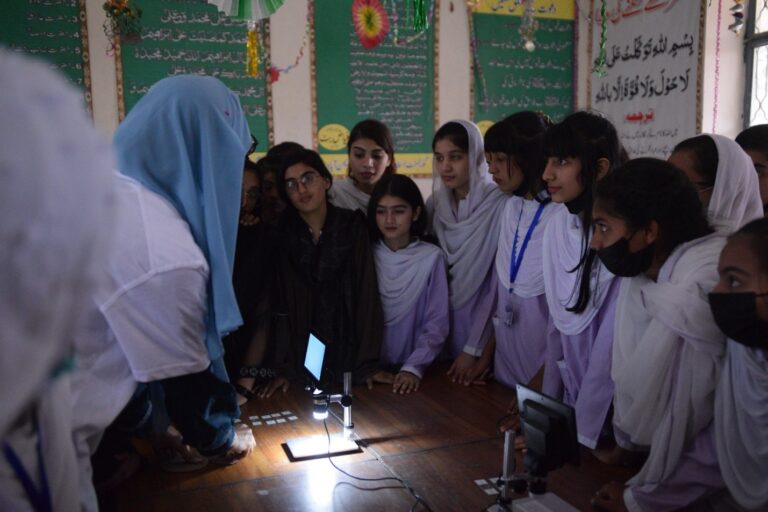
More from the Author: Classroom Conundrum: The Hidden Crisis of Science Without Experiments with Shagufta Naheed

May – Month of Patents, Dandy Horse and our Sewing Patterns

0

May is the month of patents; from ice machines to Tesla’s cool tech things – everything got a patent. It is the month when we got our infamous condensed milk too – the sweet syrup on our traditional Gola Ganda. We have compiled a list of ten main events that happened this month in the past.

May 1, 1888

Nikola Tesla is the name we all know for his interest in electricity and his capability to make it free for everyone. Yet this was not achieved, but do you know that the coolest guy got patent #308,280 from the U.S, the electrical transmission of power, which was titled as “Electromagnetic Motor.”

It had a comprehensive polyphase alternating current (AC) system. The system was far better than the system Thomas Edison had made. Tesla’s design relied on rotating magnetic fields, which he could use because of his prior induction motor patents for electricity transmission at high voltages.

Tesla’s system worked as the foundation stone for the development of modern AC power grids, which were then used in the Niagara Falls hydropower project. The project was responsible for power transmission in Buffalo. Our current electricity transmission system is based on Tesla’s principles.

May 6, 1851

We all love icy slushes and juices, but do you the machine in which your juice’s ice is made was the by-product of the effort of multiple inventors and thinkers. One of them was John Gorrie, a physician. He received the US patent #8,080 for the machine that laid the foundation for modern air conditioners and refrigerators.

Gorrie built a machine to treat yellow fever and malaria patients in Florida. His machine used to collect compressed air, which was expanded by absorbing heat, leading it to become ice. Although his system faced financial failures because of a lack of investments, it revolutionized food preservation and climate control mechanisms, and the current systems are still based on his principles.

May 10, 1752

We often associate Benjamin Franklin with the US, but the renowned politician was also a scientist who invented the odometer, iron furnace stove, bifocal glasses, and lightning rod.

On this day, Franklin tested his lightning rod, aiming to save buildings from lightning strikes. He passed a hypothetical statement that a metal rod can streamline the path to move away the electrical charge from the building structures. His theory was later confirmed when he conducted the kite experiment in 1752.

Initially installed on a building in Philadelphia in 1753, Franklin’s invention laid the foundation for the modern lightning protection system.

May 14, 1853

On this day, Borden got US Patent #9,937 to concentrate the milk. To make condensed milk, he heated the milk in a vacuum to remove water; afterward, he added sugar as a preservative to make it shelf-stable. His invention aimed to solve the issue of unsafe milk so that a durable edible item would be supplied for military rations and urban populations.

Borden opened two factories of condensed milk, but they failed; his third factory worked, in which he sold the product under the name of Eagle Brand.

Although Borden’s invention was not as heroic as Tesla’s, it gave direction to our food industry, specifically food preservation.

May 15, 1859

Marie Curie is an inspiration to many male and female working and aspiring scientists. She shared one of the Nobel Prizes with her husband, Pierre Curie, a renowned physicist.

This French physicist was born on 15th March. He was a pioneer in magnetism, radioactivity, crystallography, and piezoelectricity. For his work on the discovery of radium and polonium, he received the Nobel Prize in 1903, which he shared with his infamous wife, Henri Becquerel. Pierre Curie was the first man to receive the Nobel Prize as a married couple. His family continued the legacy with his daughter winning the same prize.

May 17, 1940

The graphical user interface is the core of gaming, but this GUI is the product of the efforts of Alan Kay, a computer scientist. He was born on 17 May in a modest family.

Kay was the reason why we had object-oriented programming and personal computers. He worked at Xerox PARC (Palo Alto Research Center) in the 1970s, where he built a prototype for today’s laptops called Dynabook. Alan Kay’s Smalltalk, the earliest version of an object-oriented programming language, inspired Microsoft Windows and Apple’s Macintosh. It has evolved software design globally.

May 20, 1830

How many of you have used ink or a fountain pen in schools during secondary classes?

Well, that fountain pen hides a history of its makers; one of them was D.Hyde; he got a US patent # 6,163 to develop a practical fountain pen that would replace dip pens and quills. His ink pen had a reservoir of ink inside that used capillary action to push the ink to the nib for writing purposes. It was a self-feeding pen because a person did not have to feed ink to the nib; the pen would feed the ink itself. Although his pen was not the first self-feeding pen, it played a significant role in inventing a pen that would be produced massively in the late 19th century.

patents
Burner’s gramophone revolutionized the modern music industry.

May 20, 1851

Our granddads and white-haired aunties tell us about their childhood memories with the gramophone, but do they know about its maker?

Well, their gramophone was the invention of Emile Berliner. He was a German-American inventor who was born on 20 May. Burner got the US patent for his audio device in 1887. It was the first device to play flat by rotating discs. He used lateral-cut discs because they were affordable and could be stored easily. Burner’s gramophone revolutionized the modern music industry.

May 22, 1819

The bicycle that we and our siblings ride was first introduced in New York; it was known as “swift walker” (or Draisienne) – the earliest human-powered wheeled transport. Unlike today’s bicycle, the swiftwalker had no pedals, due to which riders had to push their feet against the ground to move it. Swiftwalker was inspired by the invention of Karl Drais in 1817.

May 29, 1826

Has your US-based auntie told you about pre-cut clothes and sewing patterns? If yes, then you must know its inventor, Ebenezer Butterick!

Ebenezer Butterick invented tissue-paper-made sewing patterns with the help of his wife, Ellen. The two noticed the lack of clothing templates, which led them to come up with an idea that made life easier for home sewers. The couple started with children’s garments and revolutionized the fashion industry in the 19th century.

More from the Author: Adult Fruit Fly Brain Mapped: A Giant Leap to Understand the Human Brain?

The STEM Whisperer: The Role of Female Tutors in Attracting More Women

0

“I don’t think you have it in you, you might as well just give up”, my 6th-grade Math teacher said with a mix of exasperation and sarcasm. I looked at him and smiled awkwardly before turning back to my friend and giggling like those words hadn’t engraved themselves onto my heart.

15 years, an A* in Math, and a continuous string of scholarships later, I still remember his words. Despite his doubt, I did have it in me.

What had changed, you may ask?

I met teachers who believed in me and pushed me to be more than I thought I was capable of.

Call it a delusional sense of belief in your students, but when your female principal tells a student who barely passed the entrance exam, “I believe in you. You can and you will!”, it stirs something up. Something that feels borderline silly, but something that pushes you to start believing in yourself, too.

Something that lets you whisper to yourself phrases like “I can do it” or scribble on a post-it and paste on your wall, “You don’t want to look back and know you could’ve done better”. It makes you push yourself until you see results, and once you do, these results build up the confidence to produce even more goals, dreams, and successes.

A teacher is not just a person, they are a magical being that infuses hope and wonder, eventually inspiring students to take the steps needed to convert a dreamer into a doer.

The impact a teacher plays in a child’s life is extraordinarily unique, and even a small session may leave you either inspired or demoralized, possibly even changing the trajectory of your entire life. I say this without the slightest hint of exaggeration.

Multiple studies explore the topic of education, but there was one particular study that caught my interest. Retrieved from Annenberg Institute at Brown University and published in EdWorking Paper in May 2025, the study explores the role of gender in education.

Joshua Bleiberg, assistant professor at the university of  Pittsburgh; Carly D. Robinson, senior researcher at Stanford; Evan Bennett, graduate student at Penn state; and Sussana Loeb, a professor at the Stanford Graduate School of Education, worked together to observe the effect of gender on learning and education, specifically in pursuing a STEM field.

They did this by finding 422 ninth graders taking the Algebra 1 course in New England schools and pairing them with opposite or same-gender tutors [1]. Over time, they unraveled a fascinating pattern.

Bleiberg et. al found that boys seemed to have a higher natural interest in STEM, and so there didn’t seem to be a significant difference regardless of whether they were tutored by a male or female teacher. However, this was drastically different for the girls! Girls paired with a female tutor not only did significantly better in the course, but also reported a higher interest in STEM fields overall [1].

Despite great efforts to bring women into STEM fields, there still seems to be a vast gap between the two genders in STEM careers [2]. A possible reason for this is a lack of interest/connection to math at an early age [3].

Hence, this study shows that female tutors are effectively bringing more girls into STEM and inspiring them to pursue a career that they may not have initially been interested in.

This study offers a revolutionary framework where Pakistani schools, academies, and personal tutoring services should not only perform similar studies to assess the relevance of such results in Pakistan, but also begin galvanizing women to take on more leading roles in education, specifically for male-dominated STEM-relevant subjects like Math. Services like “Dot and Line Pakistan” or “Teach for Pakistan” are a perfect example of steps towards this change, as their services connect young girls with skilled female teachers in a safe and growth-mindset-centered setting, inspiring them to pursue STEM-relevant fields.

This article is not meant to dissuade opposite-gender teachers, but to galvanize female teachers to step up and join the vast amounts of already present change-makers in education. Together, we can help change things for the better!

References:

  1. Bleiberg, J., Robinson, C. D., Bennett, E., & Loeb, S. (2025). The Impact of Tutor Gender Match on Girls’ STEM Interest, Engagement, and Performance.
  2. Charlesworth, T. E., & Banaji, M. R. (2019). Gender in science, technology, engineering, and mathematics: Issues, causes, solutions. Journal of Neuroscience, 39(37), 7228-7243.
  3. Blanchard Kyte, S., & Riegle-Crumb, C. (2017). Perceptions of the social relevance of science: exploring the implications for gendered patterns in expectations of majoring in STEM fields. Social Sciences, 6(1), 19.

More from the Author: What You Eat Matters: Nutrition and Infectious Diseases

The Secrets of Guitar: How Physics Creates the Perfect Chord

0

The above-mentioned lyrics’ chord progressions may seem nonsensical to a person unfamiliar with how music is played. It is the same way someone unfamiliar with cooking would look at a recipe and instruct them. Chords are the ‘building blocks’ of music; they provide the harmonic element to music. Just like how the ingredients make up a dish, the chords make up music. While learning the guitar, focus is put on understanding and memorizing the chords, as they are what give the guitar its sound it needs.

Pressing the correct string at the correct place or not plucking a string are all needed to play a chord on the guitar. But this makes us wonder why pressing the string allows us to make a different sound? Why does leaving a string open, plucking a string while not pressing on it, help us in playing a chord?

Don’t worry about a thing.”

Play the A chord

‘Cause every little thing, gonna be alright”

Switch to the D chord and then back to the A chord

“Singin’ don’t worry, about a thing”

And now repeat the chords.

The String

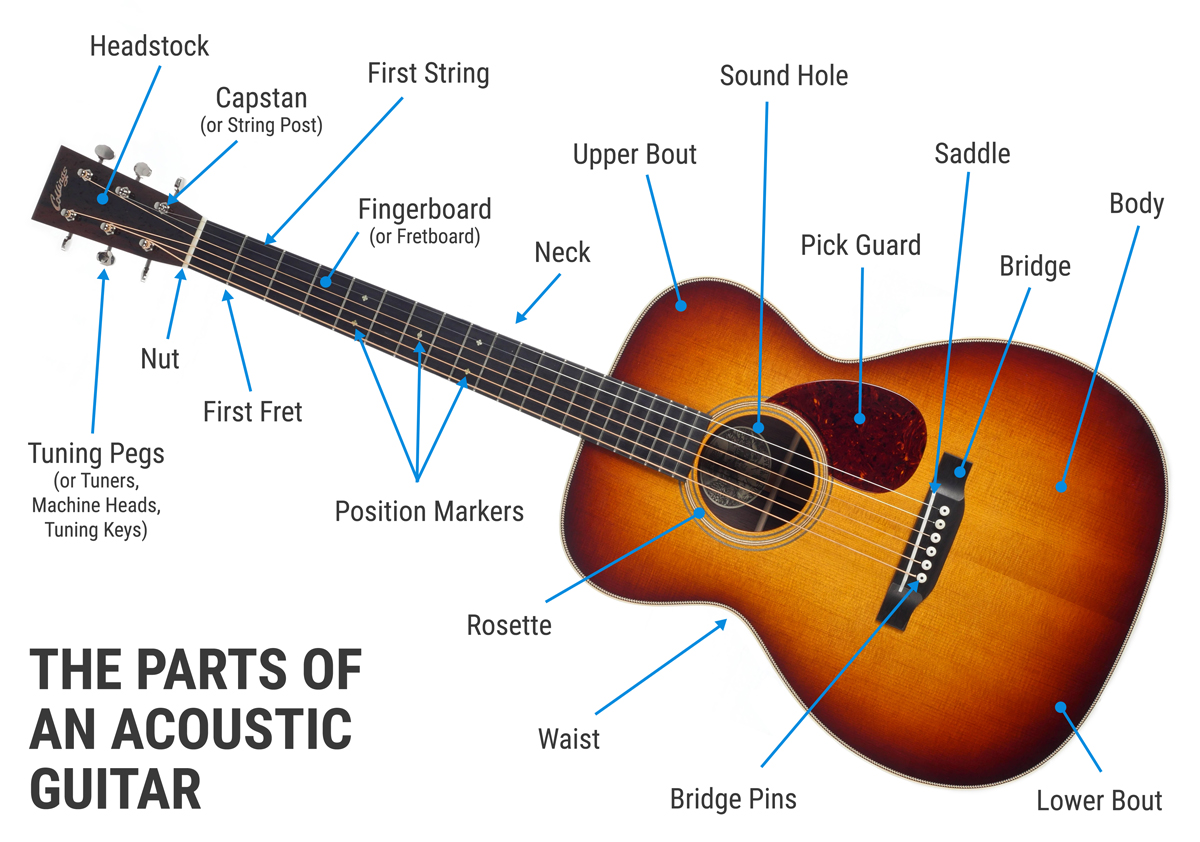
The first component that affects the sound made by the guitar is the string. Sound is made of vibrations, and those vibrations are what our ears hear. A guitar string vibrating produces a sound, but several factors affect the sound a string makes.

The first is the thickness of the string. We all have seen guitars, some have 6 strings while others have 4, but each guitar’s string varies from one another in one thing: the thickness. The thickness of a string affects its pitch, or in other words, its frequency; the thicker a string is, the more mass and hence the fewer the vibrations, which leads to a low pitch. So, the thickness of a string affects the frequency of the sound produced.

The second factor is the length of the string. This is altered by pressing the string on the fretboard, the thinner end of a guitar, which reduces the length of the string. As the length of a string is shortened, it leads to the wavelength of the sound produced being reduced as well. This leads to the frequency of the sound being increased and hence affects the pitch as well.

The last main factor is the tension or tightness of the string. This can be varied by the pegs at the end of a guitar. The more tension on a string or the tighter a string is, the more it vibrates, which leads to a greater frequency.

The Parts of an Acoustic Guitar - Sound Pure
Different parts of a Guitar. Credit: soundpure.com

The Body of Guitar

The second component that we are going to look at is the body of the guitar, the thicker end of the guitar. The purpose of the body is to push the air around the guitar upwards and downwards to make vibrations and hence make sound. For this, the surface area of the body needs to be big enough to vibrate a reasonable amount of air. The body is also made up of a thin, flexible material, i.e., wood, so it can effectively move forwards and backwards. The body is supported by braces, which are the internal structure of the guitar; they hold the body and help the top end vibrate.

The movement of the air around the guitar allows the sound to be transmitted to its surroundings. This is what contributes to us hearing the chords produced by the guitar.

The Sound Hole

Have you ever tried blowing into a whistle? If yes, then you know a sound is made as air leaves the small opening on top, but why? The sound is produced when the air vibrates as it leaves through the small opening. In the same manner, the sound hole of a guitar is also a component in the sound being produced. The air inside the sound hole vibrates as the strings are plucked. This amplifies the sound being made as the air moves forward and backward while also giving the guitar its bass or its low notes.

All these components combine to allow a guitar to make a sound. The chords that I mentioned at the start are formed by these factors. This teaches us that even daily objects that may seem inconsequential all have some science going on behind them. Therefore, the next time you ever sit down to listen to music or hear someone playing a guitar, try to remember all the little things that allow it to work for our enjoyment.

References:

Also Read: It Begins with a Heartbeat: The Quiet Power of Science and Health in Healing a Nation from Within

Satellite Technology: Space Strategy for Evolution in Defense and National Security

Technology has changed the face of the Earth. We are living in a world where distance does not matter anymore. You communicate far across the seas, oceans, deserts, skies, mountains, and forests in minimal seconds. You can watch things like international news, entertainment, and sports happening live thousands of miles away from you in a glimpse of time. You can instantly deliver your messages, voices, pictures, videos, and a huge amount of data to any location throughout the globe. You can follow the global events and access the universe of information with just a single click.

Satellite technology has changed the way humans live. The advancement has brought unpredictable changes and new prospects in the defense side as well. The evolution of satellite technology is a lot beyond explanation. Thousands of satellites orbit around the Earth for different purposes, varying from GPS, communication, navigation, Earth observation, environmental checks, tech development, and defense.

Now, advanced countries are stepping up to launch satellite constellations with a web of thousands of satellites launching and operating for different purposes. Today, seemingly, there are countless applications and advantages of space technology. But in the modern era, satellites remain highly important as highly destructive warheads and play a special role in national security. 

Satellite technology has come a long way!

When humans launched the first artificial satellite into space, they crossed the threshold and realized that they could conquer space. Sputnik I was launched as the first human-made satellite, which became the gateway to enormous possibilities discovered in space beyond planet Earth. This first human-made satellite was followed by unimaginable technology to facilitate human beings on Earth from Space.

Today’s satellites have revolutionized the lives of humankind on Earth. It transformed the communication, navigation, networking, and technology prospects in every area. Rocket science emerged as the key to defense for any country with the supremacy to infiltrate your enemy with every possible means that was never imagined before.

The first satellite just sent a beep signal back to Earth; numerous significant scientific advancements influenced the satellites that followed. The development of solar cells powered the satellites, the invention of transistor miniaturized electronic components, the development of sensors evolved their capability, and every new invention paved the path for satellites to be equipped with advanced technology with smaller size and lesser weight.

The satellites were launched for defense purposes, and the information/data obtained from them remained highly confidential. They captured pictures of highly secretive areas and ground stations for spying. It was used for communication purposes and Earth observation for environmental effects, but that was never the reality.

satellite
The Soyuz spacecraft viewed from the ISS. Credit: NASA


Space: The final frontier for Defense and National security

With the dawn of the Space age, the countries started the race to gain space dominancy, deepening and broadening reliance on space systems for national security & defense. The realm of space exploration turned into the fight of achieving space supremacy and control while evolving their defensive & attacking capabilities. The pace of technological revolution and advancement in spaceborne capabilities overtook the space law & strategic policies, creating opportunities for potential adversaries.

The destruction could be lethal if made with the help of these satellites. Your modern warfare weapons are highly dependent on satellite technology. The ballistic missiles, fighting aircraft, submarines, nuclear warheads, and battle tanks are equipped with modern technology that relies on space systems.

The possibility of losing secure communication, accurate positioning, precise timing, the ability to navigate, and effective intelligence or surveillance at any time could highly affect national security at risk. These highly advanced space systems are the decision-makers of this era, owning the entire command & control to aim & deliver offensive capabilities to any country holding a grasp on space technology.

You have seen so many movies where the world is under a massive threat, such as extremist groups owning advanced technology plans for global terrorism. The whole genocide is planned through releasing skyfall nuclear missiles, launching satellite laser attacks, or destroying global communication. The idea is not new; there is much secret research and development to make all these possibilities a reality. Russia is working on a project on Skyfall nuclear missiles that are said to have certain capabilities, as claimed by US intelligence officials.

The Soviet Union installed a “Fractional Orbital Bombardment System” in 1963, which could hold a nuclear warhead in low Earth orbit and fall to hit any point. Though the world’s superpowers agreed on prohibiting weapons of mass destruction from being placed in space under the space treaty, it was phased out in 1983. But, it is still very unclear what weaponization of space means because it is impossible to deny that certain countries already own space weapons.

This explains that the space treaty or space law would define space weapons to mean whatever fits best for their self-interests. So, the space strategy for defense and national interest has already been implemented with effective satellite technology.

satellite
Artist’s render of a satellite destroyed by a missile in space. Credit: edobric/shutterstock

Applications for Strategic Advantage in Space 

There are many weaponization applications of satellite technologies present today. Japan has been the only country to execute “orbital bombardment” in history for scientific research purposes in 2020. The Japanese Hayabusa robotic space probe delivers an impactor from space to the “Asteroid 162173 Ryugu” surface with an explosive device to gather debris and dust after the explosion. It brought valuable samples back to Earth after a successful mission.

This means the technology is there; it is just a matter of time before the treaty falls, and a new war begins. The US Space Force Head acknowledged owning directed energy space systems to maintain US space dominance and safeguard national security. China and Russia also have the directed energy technology to usurp the satellite system of any other country.

This refers to laser weapons or on-orbit weaponry systems that would cause any on-the-ground or in-air destruction. Ground-based jammers, laser systems, rocketry systems, and kinetic weapons can blind and destroy enemies’ satellite sensors and space systems. France also gave an open statement that they would be possibly equipping their satellite system with weapons like laser or plasma guns for defensive purposes.

On June 11, 2019, the Indian government announced to development of a space warfare weaponry system as part of their space strategy to enhance their capabilities for space combat and future space wars. The advanced satellite-based laser systems could be able to hit ICBMS, aircraft, and even attack missions. They have several tactical advantages because of the response time and the amount of destruction they can cause, adding to their other multiple applications, from detecting, surveillance, and jamming enemy weapons/networks.

Conclusion 

Setting sail into the vast ocean of technology has led us to a new global era, but along with countless possible threats to the space system, ranging from hostile actions to technology risks. Knowledge has no boundaries, nor do its applications. It moves without being conscious, and you never know when it becomes the calm ocean or a hurricane, eventually destroying everything.

The man’s writ to conquer everything has never brought any good, but it has always caused the unhealed destruction to nature and humanity itself. Space is the new frontier, with several countries advancing towards establishing/evolving their space-based systems to meet the defense and national security interests. Though the space strategy of one country could be a viable threat to any other country. 

The technology eases our lives if used for the good sake or could cause a huge catastrophe if the writ of power continues. The human urge for power has an infinite boundary, and it leads to inhuman acts that eventually collapse everything built in a blink.

Satellite technology has changed the world we live in today, but what role will it play in space strategy for nations? That’s a mystery, with some possible outcomes foreseen long before they were even invented. There is more to witness in the future because it is just the beginning of the space era, where the future is full of surprising and mystical elements.

References:

Also, read: Venturing into the 60s and the current status of space research in Pakistan with Dr. Tariq Mustafa

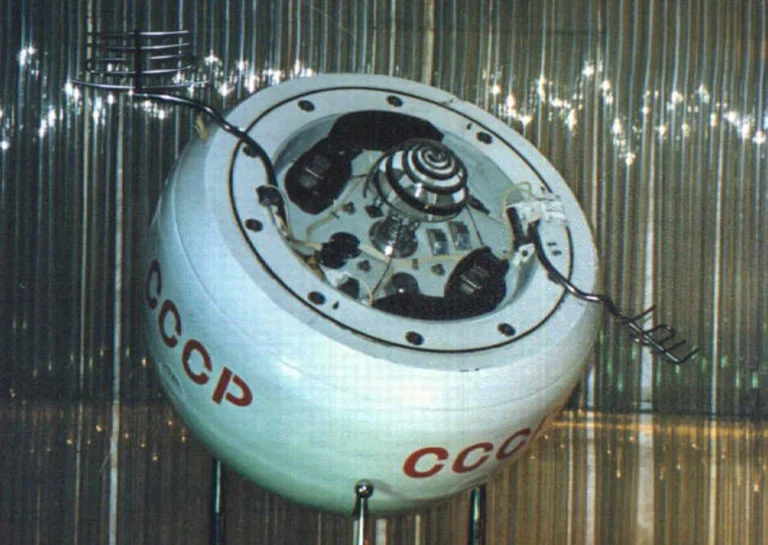
Crashing Back to Earth: The Lesson of Kosmos 482

On May 10, 2025, the long journey of the failed Soviet Venus lander has finally come to an end. The Kosmos 482 probe crashed to Earth after orbiting our planet for more than five decades. Reentry occurred at 2:24 a.m. ET (06:24 GMT or 9:24 a.m. Moscow time) over the Indian Ocean, west of Jakarta, Indonesia, according to Russia’s space agency, Roscosmos.

Fortunately, Kosmos 482 appears to have fallen harmlessly into the sea. However, this is just one estimate. Other space agencies and tracking organizations predicted different reentry locations, ranging from the South Asian mainland to the eastern Pacific. It remains unclear when or if we will receive a definitive answer regarding where Kosmos 482 came down.

Incidents involving space debris are becoming increasingly common and concerning. In November 2024, astronauts aboard the International Space Station received an urgent alert. A chunk of metal, just a few centimetres wide, was hurtling toward the station at over 28,000 kilometres per hour. Though small, it had the kinetic energy of a hand grenade.
Mission control swiftly ordered the station to fire its thrusters and shift orbit just in time. The fragment, part of a decades-old satellite explosion, passed harmlessly by. But the close call served as a serious reminder that Earth’s orbit is no longer the pristine expanse it once was. It is becoming crowded, chaotic, and dangerous.

space debris : The Aerospace Corporation
Incidents involving space debris are becoming increasingly common and concerning. Credit: The Aerospace Corporation

Due to growing concerns, NASA warns that Low Earth Orbit (LEO) has become “the world’s largest garbage dump”, containing nearly 6,000 tons of debris. Since orbital lanes are a finite resource, every new fragment raises the risk of collision. Satellites provide vital services, including weather data, global communications, navigation, and scientific observations, making the protection of these orbits essential for modern society.

The problem!

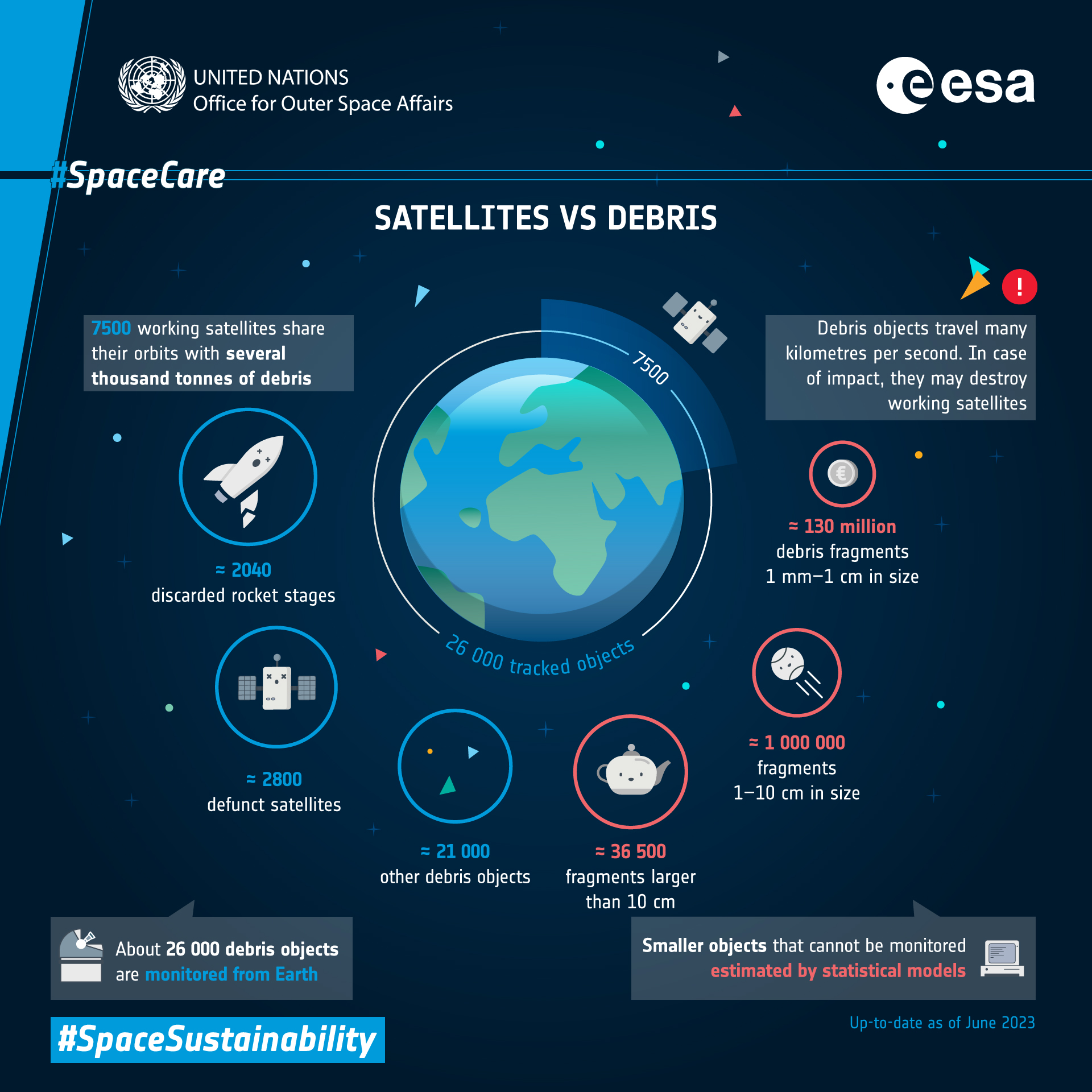
By official count, about 40,920 objects are currently catalogued in Earth orbit. Of the roughly 21,320 satellites ever launched, approximately 14,060 remain in space, with only ~11,200 still operational. The remainder are defunct and contribute to the growing debris population.

According to ESA, there are around 54,000 debris pieces larger than 10 cm, 1.2 million between 1–10 cm, and over 140 million measuring 1–10 mm. These range from entire rocket stages to tiny paint flecks. Nearly 95% of tracked debris resides in LEO (below ~2,000 km), making this region particularly congested.

Objects in LEO travel at roughly 18,000 mph (8 km/s), so even the smallest fragments can strike with devastating energy. For instance, the International Space Station has already performed dozens of avoidance manoeuvres to steer clear of debris. Each manoeuvre consumes fuel and disrupts operations, highlighting the persistent and growing hazard.

The space junk problem began with the very first satellite launches. Every mission typically leaves behind discarded rocket stages or payload adapters. Over time, many satellites and upper stages have exploded, often due to leftover fuel or battery malfunctions, creating swarms of fragments. To date, over 650 on-orbit breakup events have been recorded.

ESA - Satellites vs space Debris
By official count, about 40,920 objects are currently catalogued in Earth orbit. This infographic shows some of these objects. Credits: ESA and UN

Some of these breakups were intentional. In 2007, China destroyed one of its own Fengyun weather satellites in a missile test, creating over 3,000 new pieces of debris. In 2009, a derelict Russian satellite collided with an active US Iridium satellite, producing roughly 2,000 fragments.

In recent years, commercial activity has added to the load. Thousands of small satellites are now being launched in large constellations, increasing congestion in key orbital zones. As former ESA Director General Jan Wörner noted, this “new space” era marked by mega-constellations for global connectivity could “dramatically increase the chance of collisions”.

In short, over decades of launches, explosions, and collisions, we have steadily filled Earth’s orbits with dangerous debris.

Debris presents serious and escalating risks

Debris presents serious and escalating risks. Even fragments as small as a millimetre can pierce spacecraft shielding at orbital velocities. A single collision could disable a satellite or endanger a crewed mission.

Although most recorded strikes have caused only minor damage, operators must invest additional fuel, planning, and resources to track hazards and conduct evasive manoeuvres. In one recent example, the ISS adjusted its orbit in November 2024 to avoid a tumbling satellite fragment.

If a high-value satellite were lost, essential services including communications, GPS, and weather forecasting could be disrupted, leading to major economic and societal consequences.

Worse still is the spectre of the Kessler syndrome: a cascade of collisions that produces more debris, increasing the likelihood of further impacts. International agencies have warned that debris levels are rising at an exponential rate as satellite traffic surges.

Without intervention, parts of LEO could become unusable, threatening future space missions and the Earth-based systems that rely on satellite infrastructure.

A crater is created on a 4-inch-thick aluminium block by the collision of a 1-inch, half-ounce plastic cylinder in orbit. Credit: NASA

While debris from defunct hardware is already a serious concern, the rapid expansion of satellite constellations is intensifying the issue. Thousands of new satellites are launched annually into Low Earth Orbit (LEO), increasing congestion and the risk of collisions.

Starlink, SpaceX’s satellite internet project, has deployed over 6,000 satellites as of 2025, with plans to expand to 42,000 in dense orbital shells between 340–550 km. Amazon’s Project Kuiper aims to launch 3,200 satellites, with half operational by 2026.

China is accelerating its efforts through the Qianfan project, targeting to send 15,000 satellites by 2030, while a private Chinese firm, Geespace, plans 6,000 more. Europe’s OneWeb (now integrated with Eutelsat) and the EU’s IRIS² initiative are also adding hundreds of satellites for broadband and digital sovereignty.

These mega-constellations offer global connectivity but drastically increase orbital crowding. Without coordinated planning, sustainable design, and effective end-of-life protocols, the influx of active and inactive satellites risks triggering more collisions, signal interference, and long-term orbital instability.

Balancing innovation with responsibility is now a defining challenge of the space era.

Voluntary guidelines to regulate Debris

To address the growing debris threat, space agencies have issued voluntary guidelines. The Inter-Agency Debris Committee (IADC) introduced mitigation recommendations in 2002, including deorbiting satellites after use and passivating fuel tanks. These non-binding guidelines have shaped national policies worldwide.

In 2019, the UN Committee on the Peaceful Uses of Outer Space (COPUOS) adopted Long-term Sustainability Guidelines to align global practices. Agencies in the US, Europe, and Japan now require deorbit plans and debris avoidance measures for new satellites.

Ground-based systems like the U.S. Space Surveillance Network monitor orbital objects and issue collision alerts. However, no binding global treaty mandates debris removal, compliance remains voluntary and operator-specific. The focus remains on preventing new debris, improving satellite design, and avoiding collisions.

Current efforts to save the Earth!

Governments and private companies are advancing debris mitigation and removal. The European Space Agency (ESA) is enhancing orbital models and planning active cleanup missions like ClearSpace-1, which will capture and deorbit a defunct satellite. Other missions, such as RemoveDEBRIS, have tested nets, harpoons, and robotic arms for debris capture.

Companies like Astroscale are developing autonomous docking technologies, while passive solutions, like drag sails and tethers, help accelerate satellite reentry. Improved materials are also being explored to minimise surviving debris.

Efforts on Earth include better space traffic coordination and real-time data sharing among operators.

The United Nations Office for Outer Space Affairs (UNOOSA), through COPUOS, promotes international cooperation, responsible behaviour, and policy harmonisation to support sustainable space operations.

Chart: Satellite Constellation Projects Ready for Takeoff | Statista

Future innovations and action

Looking ahead, experts agree that technological solutions alone will not be enough. Innovation must be coupled with robust cooperation and policy frameworks.

Emerging ideas include on-orbit servicing, i.e., refuelling or relocating ageing satellites, laser nudging from ground stations or orbital platforms to alter debris trajectories, and fully integrated space traffic management networks to oversee satellite operations globally.

Incentive-based approaches are also gaining traction. A proposed Space Sustainability Rating could score satellite operators on their debris mitigation performance, encouraging accountability and transparency.

As Jan Wörner noted, while mega-constellations offer great promise, they also threaten orbital safety without adequate safeguards. “Innovative technologies, responsible behaviour, and importantly, international cooperation are fundamental to ensuring our future in space is sustainable.”

Former UNOOSA chief Simonetta Di Pippo echoed this warning: “Space debris poses a clear risk for the long-term sustainability of outer space activities,” stressing the need for a secure and cooperative orbital regime.

In short, the time to act is now. Without stronger laws, cleaner technologies, and international alignment, the long-term viability of Earth’s orbital environment is at stake. Governments, industry, and civil society must move swiftly to preserve space as a shared resource for this generation and those yet to come.

References: 

More from the Author: Trump, Musk, and NASA: What does the future hold for Space Exploration?

Scientia Pakistan Fosters a Scientifically Literate Public That Can Critically Evaluate Information

The concept of an ideally informed society refers to citizens recognizing the importance of staying current and actively engaging with new ideas, developments, and claims to truth. They approach this engagement both openly and critically. As a result, individuals become more knowledgeable, make better decisions, and are in a stronger position to realign their values in response to emerging progressive norms and beliefs.

Given these potential benefits, it is particularly important to focus on those who do not value staying informed or make no effort to do so. During the COVID-19 pandemic, the emergence of the Omicron variant, after the widespread availability of vaccinations and booster shots, showed that individuals with less access to information were more likely to end up in catastrophic situations.

In Pakistan, the significant gap between science and journalism became evident during the pandemic. Major media outlets often lacked trained science journalists and relied instead on editors who had limited skills in verifying the authenticity of news related to medicine, healthcare, and vaccination.

Furthermore, no educational institutions in Pakistan offer courses or training in science journalism or reporting. As a result, key media outlets are generally unaware of the fundamental standards of science journalism. Consequently, the public tends to focus on political and entertainment news, showing little interest in scientific topics or fact-based science reporting.

The public often struggles to differentiate between credible scientific news and unsubstantiated pseudoscientific claims. During the lockdown, Scientia Pakistan played a crucial role and continues to do so in the post-COVID era to address this issue.

Scienita
None of the educational institutions in Pakistan offer courses or training in science journalism or reporting. Photo, Kailo Edu

Since its founding, Scientia Pakistan has been dedicated to encouraging students to learn about and engage with science through various programs, including science writing internships, workshops, and hands-on activities. The organization focuses on strategies that capture the imagination of young people, encouraging them to analyze problems using scientific principles and to think creatively.

Here is a collection of opinions of our former interns, writers, and experts about how Scientia is effectively playing its role in fostering a critically informed society in Pakistan and instilling passion in students for science writing.

Khadija Tariqa, Science Writing Interns Cohort Three

As an early career researcher in biological sciences in Pakistan, I can say that Scientia is doing an important job in science communication and public outreach. In a time when sensationalism and misinformation are everywhere, Scientia stands out as a responsible and reliable publication.

I had the chance to be part of their third internship cohort, and it was one of the most well-organized writing internships I have joined. The program offers a great opportunity to learn science writing and build professional connections. I highly recommend it to people of all ages, from school students to PhD scholars.

Ifra Zaidi, Science Writing Intern Cohort Three.

I am Ifra Zaidi, a young researcher and aspiring science writer. The Scientia Pakistan Science Writing Internship has been one of the most transformative experiences of my academic and professional journey. This program taught me how to translate complex scientific concepts into simple, engaging narratives that can effectively reach diverse audiences.

It boosted my confidence, refined my writing skills, and deepened my understanding of the importance of science communication in today’s world. More than just skill development, this internship inspired me to contribute passionately toward raising public awareness of scientific knowledge with enthusiasm and purpose.

Hifz U Rahman, Science writing Internship Cohort three

Scientia is a platform striving to eliminate the obstacles between science and society. Scientia Magazine not only disseminates scientific knowledge but also empowers individuals to become effective science communicators. Hence, fostering a more informed and scientifically literate society.

Science writing internship program nurtures science communicators. Interns engage in hands-on activities, crafting narratives on complex topics and making them accessible to a diverse audience. Webinar featuring seasoned science journalists shares invaluable insight into effective communication strategies.

Zainab Dar, Science Writing Intern Cohort Three

Scientia’s efforts to combat misinformation are commendable. It has publication standards of the international level, where the credibility of the sources used is verified for every article. Any bias or influence that selectively presents information to align with their views is avoided. Any kind of sensationalist language that provokes a strong uproar is avoided.

Multiple credible sources are used to write articles, and evidence of verified sources and images is checked before uploading any article. The use of deepfakes and AI is prohibited at all costs, and articles are also written with an approach towards empathy and critical thinking.

Moreover, quality over quantity is encouraged so viewers can relate more to authentic and accurate information being fed to them.

Dr Alex Dainis, a famous science communicator

Science is all about making the invisible visible, whether it’s going back to the moon or observing it on the cellular level. Especially, being able to see things that no one has ever seen before all over history, and to learn from them, and advance the entire human civilization as a whole. I believe that start-ups like Scientia Pakistan, in developing countries, are playing a vital role in making people aware of the significance of science in their daily lives.

Dr Bushra Anjum, Advisory Board Member, Scientia Pakistan

We are at the brink of the fourth industrial revolution, powered by a fusion of technologies that are quickly blurring the lines between real and virtual, physical and digital. We need to guide and inspire a tech workforce ready for this unprecedented, disruptive future where quick obsolescence may be the biggest threat and remaining relevant, the biggest struggle.

The most important training in this regard is to help future STEM professionals grow a generalist mindset. I am glad to be an advisory board member of Scientia Pakistan, which is an emerging entity in science journalism internationally.

Read more about Scientia’s Science Writing Internship Program here