“Oh no!” I jumped towards the bag of chocolates, which now had a parade of dots moving out in perfect congregation. I squinted to look closer, Ants.
Somehow, these insects had so thoroughly and seamlessly integrated themselves into homes, hotels, pavement cracks, and construction sites. One can think of any place, particularly in Pakistan, and know with an awkward sense of comfort that their one and only friend, the ants, will be ever-present. With there being over 16,000 identified species of ants, there’s no shortage of these pesky pests. However, as prevalent as they are, very few of us have taken the time to actually study them. [1]
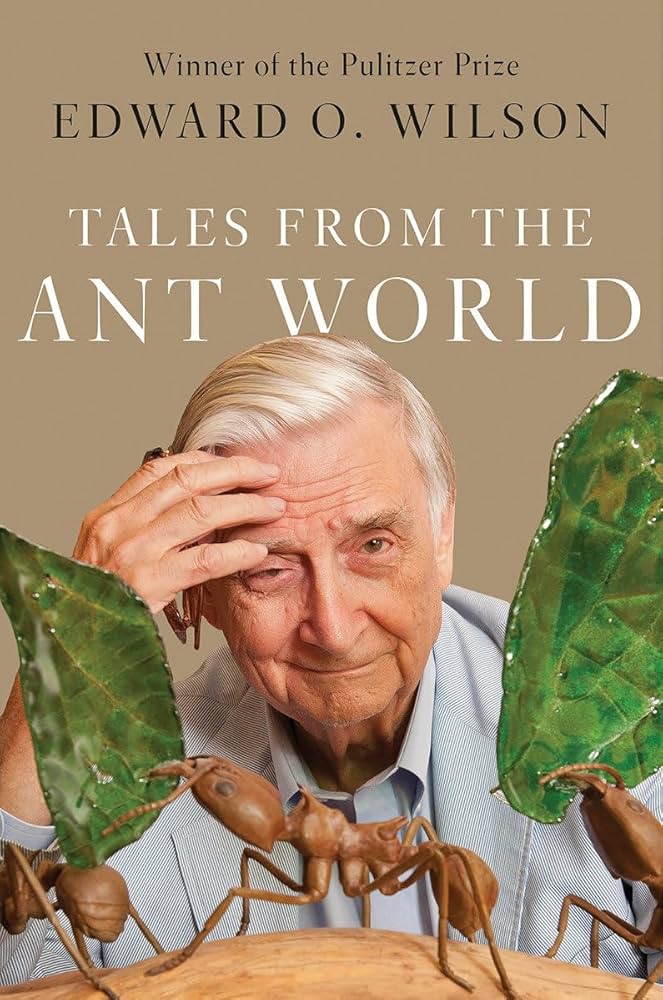
Edward O. Wilson, author of Tales from the Ant World, talks about how a million years ago, ants, from an external lens, seem almost omnipresent. Even in the past hundred million years, ants seem to have had a strong grip on the world’s insect biomass, dominating a large part of the world’s fauna and flora, yet somehow keeping the ecosystem healthy and intact. [2]
In fact, biologist Danielle Mersch says, “Ants are everywhere and rival humans for the greatest diversity of lifestyles. Ants invented farming and slavery way before the first humans walked the earth. They thrive in deserts, conquer rainforests, and can invade and destroy your house”. [3]
Edward O. Wilson, author of Tales from the Ant World, talks about how a million years ago, ants, from an external lens, seem almost omnipresent.
Expanding the nest
Interestingly, ants are a completely matriarchal system with all the roles of foragers, workers, fighters, and caretakers appointed to females. Male ants are strictly required for reproduction and are unable to care for themselves, nor do they provide additional help in the nest, which explains their smaller brain size than the queen’s. Male larvae are kept in underdeveloped nests, which are essentially unable to retain large amounts of heat, to allow for their appropriate growth and development. The future queens, on the other hand, are raised in well-built nests that can retain a lot of heat. [2]
During mating season, both the female and male ants leave the nest in a ceremonious graduation called the ‘nuptial flight’. Ironically, any male or female ant that attempts to leave the nest before the right moment is dragged back by worker ants, which hold onto it by its wings.
After mating, the male ant succumbs to a guaranteed death due to its inability to survive outside or return to its nest. It is usually fed one last meal before it leaves the nest, and if found to have come back, it is pushed out by its initial caretakers.
The female, on the other hand, now begins a long, tiring journey to build a nest of her own. It uses its legs to physically clip off its wings to allow it to move around faster. It can no longer return to its original nest as that would be a threat to her previous ‘ant home’.
Worker ants recognize members of their own nest by the queen’s scent, which eventually spreads and rubs off on all the members of the nest. Hence, the new female queen has no choice but to go on and build a new nest of her own. She must care for the eggs and perform all the common duties until the first set of worker ants are born. Additionally, she may also adopt a technique called social parasitism. Here, the traveling queen ant trespasses into the nest of a different, yet related, ant species and kills their queen.
Without a shred of loyalty, the workers now accept the new stranger as their queen and begin raising the imposter’s eggs until her offspring outnumber the older nest, resulting in a pure colony.
Ants: The intelligent savages
Ants are renowned in the natural world for their cruel, unforgiving nature. In a human society and most of the animal kingdom, older animals are appointed less strenuous duties, and the youth are pushed to do the difficult, gruesome tasks.
However, in the world of ants, there is quite the opposite trend. The younger worker ants are initially appointed to take care of the brood, eventually shifting to interior repair duties. The older the ant gets, the more it is pushed to foraging and protection duties, the equivalent of equipping the aunties in the neighborhood to go fight wars with their jharoos.
Despite their harsh nature, ants are known to be calculatedly collaborative. Armin Scheib, in his illustrative book ‘The Ant Collective’, mentions that a single worker ant that consumes food stores it inside itself as a ball called the crop, which is enough to feed 80 other workers [4]. Two-thirds of the ant’s diet is plant-based, and one-third is animal-based. Ant trails that lead to more permanent sources of food, like an aphid nest, may actually persist for years!
Ants are also extremely hygienic creatures. They carry all their waste out of their nest and place it in heaps far away from their nest and hunting area, forming a sort of ‘trash boundary’.
One may wonder what happens if an ant drops dead inside the nest. If it’s dead and has started decomposing, the ants will dispose of it immediately. However, if the ant is just mangled and dying, the other ants may actually end up snacking on their dying sister.
Ants can be fascinating creatures, and the more I look into them for this article, the more fascinated I am! I’ve tried to share the most interesting tidbits in hopes that they may push you to explore more on your own.
To help you, I’ve compiled a list of future recommendations that are a nice evening read regardless of one’s initial knowledge in science.
Further Recommendations
The Ant Collective: Inside the World of an Ant Colony by Armin Shieb is a wonderful book that handpicks the most interesting facts and expands on them with beautiful illustrations. It is a truly fun experience reading through this book, regardless of whether you are fascinated by insects or accidentally stumbled upon this page [2].
Tales from the Ant World by E. O. Wilson is an amazing book that lives up to the praise enjoyed by the author. Dr. Wilson paints an awesome picture which leaves you flickering between laughter, feeling mortified, to losing yourself deep in thought [4]!
Build a DIY ant nest!For all those readers who want to practically observe ants at work, a fun way to do so is to form a DIY glass jar ant farm! You need 2 jars, some soil, a couple of ants, and some time to let them do some digging [4]!
References:
Wetterer, J. K. (2009). Worldwide spread of the ghost ant, Tapinoma melanocephalum (Hymenoptera: Formicidae). Myrmecological News, 12, 23-33.
Schieb, A. (2024). The ant collective: Inside the world of an ant colony. Princeton University Press.
In Pakistani society, daily life is a relentless 24/7 grind, leaving little room for creativity or the pursuit of solutions to pressing issues through scientific understanding. From overwhelming disasters to critical challenges like water and food scarcity, as well as ineffective waste management, these problems are often viewed as solely the government’s responsibility. Consequently, children growing up in this environment often develop a lack of interest in practical science and hands-on work, becoming preoccupied with rote memorization of textbooks and theories.
Many are conditioned to believe that earning a medical or engineering degree is the only pathway to a stable income and a life of luxury, missing the opportunity to explore innovative solutions that could transform their communities. This is precisely why our educational institutions fail to cultivate the next generation of scientists, researchers, and inventors. Instead, they churn out students who become mere cogs in the bureaucratic machine or opt for a comfortable life abroad, abandoning their potential. In this context, the task of emphasizing the significance of celebrations and scientific fairs to foster scientific awareness becomes a formidable challenge.
Ashar, a few years ago, was a bright student in Lahore. His life was consumed by a relentless cycle of commuting between home, school, coaching centers, and exam preparations. All of his intelligence and latent abilities were stifled beneath the weight of mountain ranges of textbooks.
Then, a pivotal event transformed his life: a grand science fair was being organized in their city, in partnership with diverse science societies and organizations. The school administration enthusiastically invited students to submit their innovative project ideas, offering a unique opportunity for creative expression.
“This was our first chance to think outside the box,” Ashar remarked. “While our textbooks provided us with a foundation of ideas, we had little knowledge about how to bring those concepts to life.” Eager to explore their potential, they turned to their dedicated teacher, Sir Umar, whose unwavering support and enthusiasm for fresh ideas made him an invaluable resource. He encouraged them to ask questions—no matter how trivial—fostering an environment rich with curiosity and exploration.
He taught us that every scientific endeavor begins with the careful selection of a topic that is not only intriguing and complex but also capable of unveiling the hidden talents and potential of students. This initial step is vital, as it sets the direction for our research journey. To build a strong foundation, we must delve into the subject, seeking comprehensive knowledge from a variety of sources, including textbooks, practical journals, and the vast resources available on the Internet. If one feels apprehensive about venturing into an unknown field with a new topic, there’s no harm in exploring an existing project.
However, it’s essential to infuse it with a fresh concept or innovative angle, approached with meticulous research over one or two weeks. At the outset, tackling overly complex projects should be avoided; such challenges can quickly become daunting for newbies.
Sir Umar further illuminated the path forward: once you have chosen your project, the next crucial step is to construct a model in the laboratory and assemble the requisite equipment. This phase requires you to adopt the perspective of a seasoned scientist, ensuring that your approach is thoughtful and systematic, rather than the tentative approach of an inexperienced student.
“Bear in mind that experiences such as these scientific festivals serve as the vital first steps on your journey to becoming a scientist, researcher, engineer, or whatever exciting path you envision for your future. Unfortunately, many educational institutions struggle to nurture true scientific minds; instead, they often confine students to rote memorization of theories, laws, and equations, stifling their curiosity and discouraging them from pursuing independent inquiry and innovative research.
Sir Umar passionately underscored an essential principle: when presenting any project, judges are more likely to award recognition to those who showcase brilliant ideas using minimal resources and exemplify cost-effectiveness. Therefore, it is crucial to cultivate a mindset akin to that of a determined scientist, navigating the challenges of limited budgets and resources while striving to bring your vision to life.
Above all, remember this: science thrives on the process of invention through experimentation and, yes, MISTAKES! Every great scientist, from Galileo to Stephen Hawking, has faced setbacks along their journeys. These early failures, however daunting, were not the end; instead, they served as invaluable lessons, teaching perseverance and resilience. Embrace each stumble as a stepping stone toward success.”
Sir Umar further explained that the main objective of organizing science festivals is to encourage students to actively test and apply scientific laws and theories, rather than merely memorizing them to pass exams. This hands-on approach fosters critical thinking and creativity, motivating students to explore concepts that extend beyond their textbooks and standard lab experiments.
When you encounter an unexpected result, you will repeat the process, identify the source of your error, and make the necessary adjustments independently. Photo, KSS
He emphasized, “The next phase of building a project is about developing confidence and recognizing your own mistakes. Rather than providing immediate corrections, a teacher will allow you to struggle and discover what went wrong on your own. When you encounter an unexpected result, you will repeat the process, identify the source of your error, and make the necessary adjustments independently.
This self-guided learning experience is invaluable, as the skills you cultivate through this process will not only enhance your professional capabilities but will also enrich your personal life by instilling a habit of critical thinking and problem-solving.”
I was initially confused about how a science project could teach me a lesson that would impact my life for years to come. “Dear students, mistakes are an inevitable part of our daily lives. You might take a wrong turn in your journey, choose an unsuitable career, or even select the wrong life partner.”
“The key lesson here is that whenever you find yourself feeling stuck, stagnant, or trapped in a situation, it’s crucial to recognize your mistake and start to navigate your way back. Remember, the longer you continue down the wrong path, the more challenging and prolonged your return journey will be.” Sir Umar overcame my confusion with these insights.
He continued to illustrate this idea by comparing it to building a project. Throughout the process, you will likely encounter numerous challenges and moments of discouragement. You may need to conduct the same experiment multiple times, feeling overwhelmed or tempted to give up along the way. However, perseverance is essential, and ultimately, success will be yours if you stay committed.
As many of you are participating in a science competition for the first time, I want to emphasize some additional benefits of the science festival. Students who excel in these competitions can achieve national recognition, often gaining popularity for their innovative ideas and research. If they continually produce groundbreaking work while maintaining their success, they may even be invited to represent their school or country in international scientific competitions.
In addition, their findings can be documented and published in prestigious scientific journals, further establishing their credibility and contributing to the scientific community.
On one hand, developing strong writing skills can unlock a world of opportunities for higher education abroad, paving the way for exciting academic journeys. Moreover, engaging in competitions not only hones our presentation skills but also significantly boosts our self-esteem—both crucial attributes for anyone aspiring to become a scientist.
After an enlightening hour-long lecture by the esteemed Sir Omar Khan, we came out from the lab with our confusion completely dissipated.
While our group did manage to participate in the science fair that year, our exhibit fell short of being extraordinary. Yet, instead of feeling disheartened, we were fueled by determination and began eagerly preparing for the next year’s science fair. The following year, we returned with an innovative project focused on robotic motion, brimming with enthusiasm and fresh ideas.
This journey deepened my understanding of mechanics and robotics, and it was during this transformative experience that I realized I wanted to pursue a career in robotic engineering. Now, after seven years filled with challenges, dedication, and relentless hard work, I find myself conducting research with Boston Dynamics, a pioneer in the field of robotics. I am filled with optimism for the future that lies ahead. I owe much of this newfound direction to the science festival that forever changed the course of my life.
Note:All the characters and details in this text are fictional, except for one significant reality: the “Lahore Science Mela (LSM)”. This vibrant event is organized annually in Lahore by the Khwarizmi Science Society, a dedicated organization focused on promoting scientific literacy and enthusiasm.
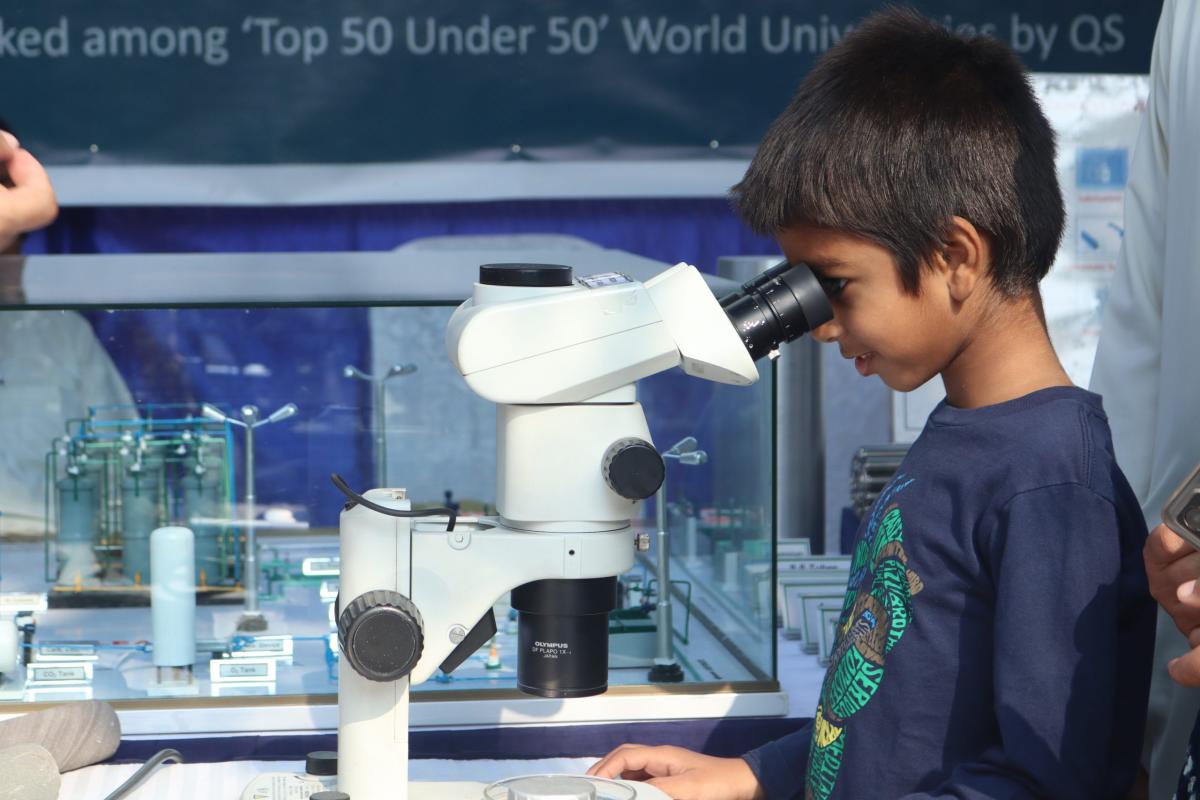
LSM serves as a dynamic platform to popularize science and technology by making these fields accessible, enjoyable, and engaging for individuals of all ages. Photo, KSS
LSM serves as a dynamic platform to popularize science and technology by making these fields accessible, enjoyable, and engaging for individuals of all ages. Visitors can participate in a variety of hands-on activities, interactive workshops, and captivating demonstrations that spark curiosity and foster a love for learning.
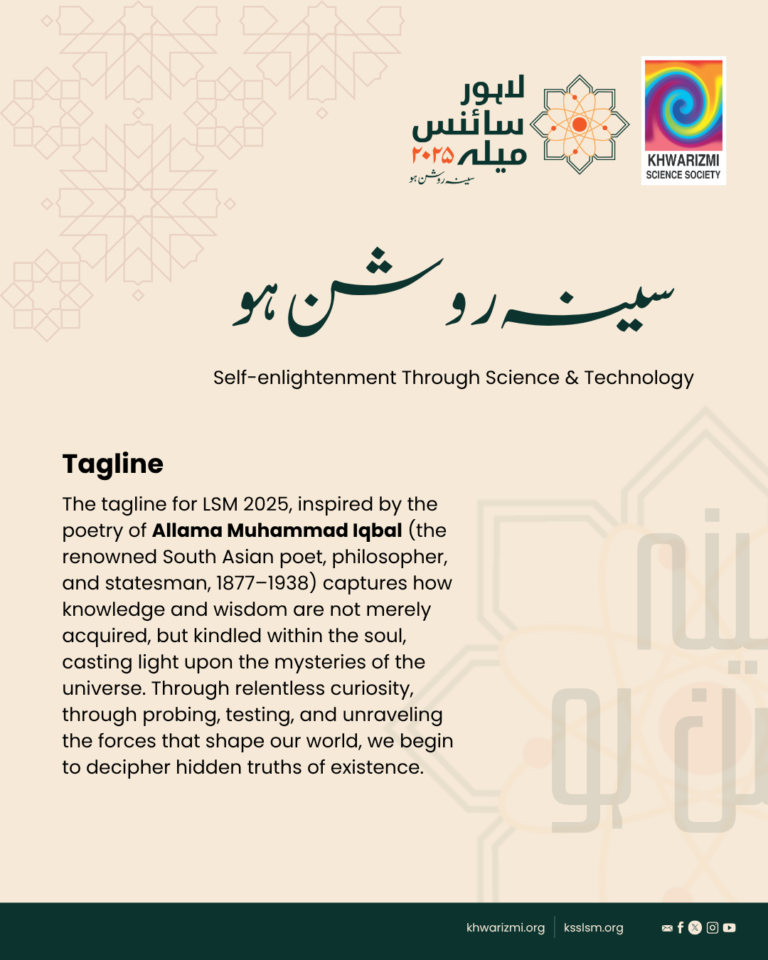
This year’s Lahore Science Mela will be held on October 25-26 at Crescent Model Boys High School, Shadman, Lahore. The tagline for this year is “SEENA ROSHAN HO,” which translates to “Your heart enlightens with the light of knowledge and curiosity”, inspired by the poetry of Allama Iqbal.
This tagline embodies the spirit of the event, encouraging attendees to explore and expand their understanding of the world around them. Expect to see an array of exciting projects and innovative exhibits from both local and international scientists and researchers. They will showcase their groundbreaking inventions and scientific experiments, providing a unique opportunity for the public to engage with and learn from experts in various scientific fields.
The event aims to promote student confidence and scientific exploration, seeks to foster a deeper appreciation for the critical role that science plays in our everyday lives and in the future development of society. Don’t miss out on this fantastic opportunity to immerse yourself in the world of science. Mark your calendars and prepare for a feast of knowledge and discovery at the Lahore Science Mela!
Almost everyone is aware of the toll disasters take on the citizens of Pakistan, especially during the monsoon season. But what most people aren’t aware of is an important stage of the recovery process—rehabilitation. Before starting the “recovery” process, understanding what truly happens when a disaster strikes is crucial. As soon as the disaster occurs, alerts and warnings are issued nationwide. With the mission to rescue affected people and to save their lives, emergency response teams are immediately sent to the impacted areas.
Despite the efforts, many lives are lost during this time, properties and facilities may be destroyed, and people face physical injuries requiring physical therapy, as well as the mental trauma that follows. For many survivors, the emotional pressure may make them feel as though they have lost their sense of purpose.
According to the data collected for a study, a total of 714 spinal injury cases were received in major hospitals in Rawalpindi, Islamabad, Lahore, and Peshawar following the earthquake in October 2005. Some cases showed neurological deficits, while some did not. Another 713 cases experienced various kinds of limb trauma leading to major and minor amputations.
Floods also cause physical injuries in adolescents, such as they may be at risk of drowning, particularly when caught in fast-moving flood water currents. Adolescents may suffer cuts from sharp objects or debris as well as fractures due to collisions with debris, falls, or accidents during rescue operations.
This data, along with the major earthquakes of the last decade, has highlighted the importance of medical rehabilitation in disasters, specifically physical therapy. Natural disasters like earthquakes, floods, storms, and even man-made disasters like bombings and wars cause a large number of severe impairments, which result in long-term disability.
A study published in the Journal of Pakistan Medical Association iterates the need for medical rehabilitation following a disaster and rehabilitation professionals’ teams should be led by Physiatrists. But in Pakistan, this medical specialty, although emerging and important, is less known. This is where Physical Therapy steps in.
In times of disaster, when healthcare systems are strained and infrastructure is damaged, physical therapists serve as essential emergency healthcare workers, providing first aid, wound care, and other services. Disasters commonly strike rural and underdeveloped communities, displacing people with disabilities and leaving them with few resources, particularly those who have limited mobility. Physical Therapists bridge hospital and community health services with strong multidisciplinary links, targeting various aspects of rehabilitation, including bodily functions, activities, participation, and overall independence.
Physical Therapists play a vital role in disaster response and recovery by coordinating care, assessing needs, and providing rehabilitation to affected groups, particularly those with chronic conditions or disabilities. In addition to assisting multidisciplinary teams and providing psycho-social care and advocacy, they may also educate other professionals. Further, by developing management plans and participating in crisis response training, physical therapists are able to prepare for disasters.
Physical Therapy emerged with World War I. The key figure here was Mary McMillan—the Mother of Physical Therapy. She is known for the way she entirely changed the course of this profession. Her first steps were taking care of the wounded soldiers during the war. She later used her expertise to help polio patients, worked in the US army, and penned down her experiences in a book about the field and practices of Physical Therapy in its early stages. Her life and work are a testament to the importance of physical therapy in emergency response.
The health system response to disasters requires disaster preparedness on three levels: prevention, medical treatment, and rehabilitation. Physical therapists are essential in connecting response to recovery, and disasters offer a chance to enhance rehabilitation services. Planning for recovery should begin early, be led locally, and involve a range of stakeholders.
Both individuals with injuries and those with pre-existing disabilities should be the focus. A key component of this planning may be community-based rehabilitation(CBR ). Building local capacity through training, service development, and the establishment of educational programs where necessary should be the top priority of international efforts.
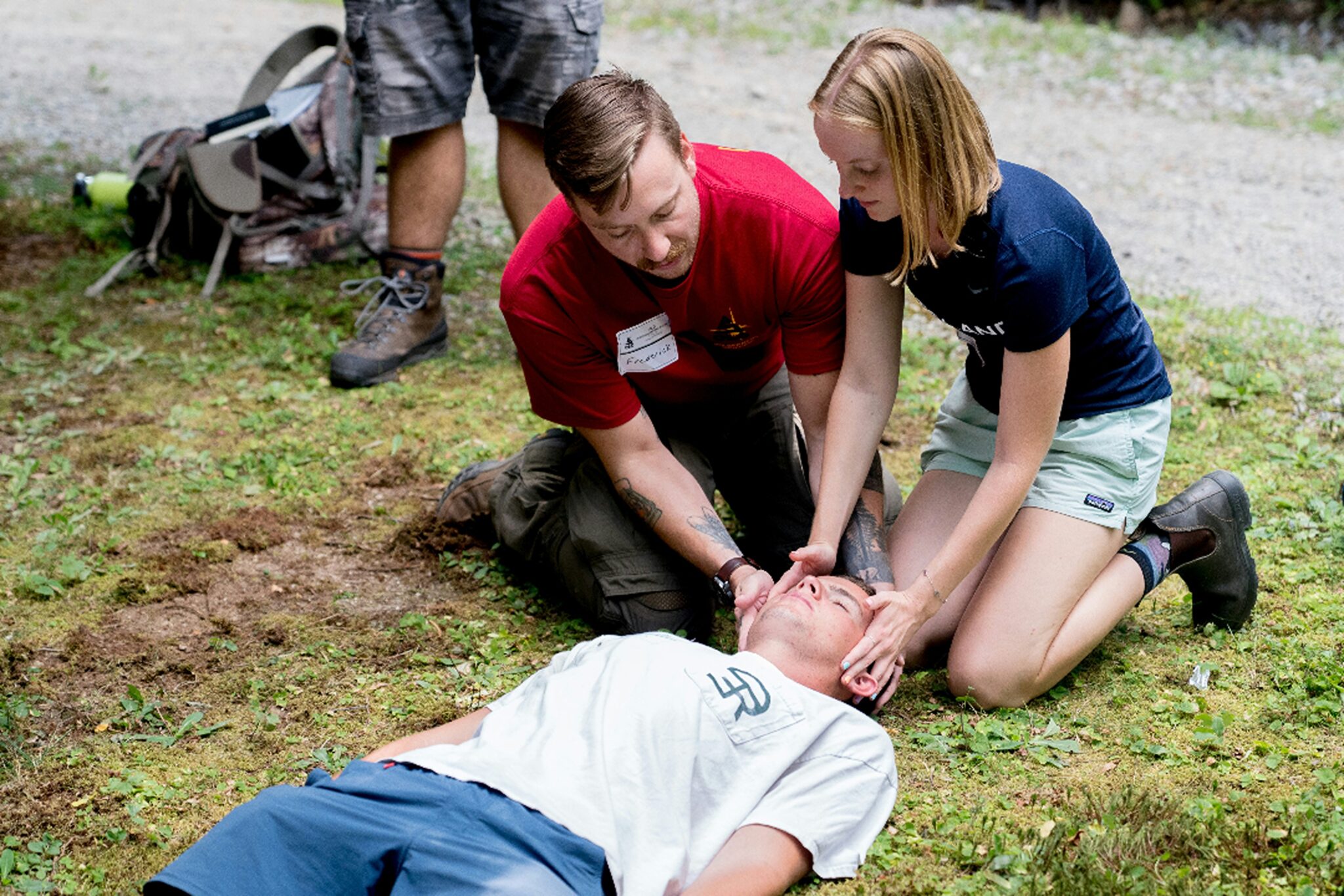
Physical Therapist helping a victim on the ground.
In the Nepal Earthquake of 2015, Physiotherapists played a vital role in triaging patients, dressing wounds, providing assistive devices, and mobilizing patients to prevent complications using physical therapy.
By offering specialized care that aided in recovery and enhanced results, physical therapists were instrumental in disaster response and public health emergencies, including the COVID-19 pandemic. Survivors frequently suffered severe injuries, such as fractures, amputations, and spinal cord damage, after natural disasters like earthquakes, hurricanes, and floods. Early rehabilitation interventions, especially through physical therapy, greatly improved recovery in these cases, assisted patients in safely leaving hospitals, and decreased overall medical expenses.
Respiratory distress was one of the main symptoms that COVID-19 patients experienced. Patients with COVID-19-related respiratory and neuromuscular disorders are complicated and present a wide range of clinical issues that must be assessed and managed by a multidisciplinary team.
In order to help patients return to their homes or rehabilitation centers, physical therapists can help develop protocols for muscular rehabilitation, evaluation, and treatments to maximize recovery and function, physical conditioning and exercise, functional mobility, and the assessment of the home environment and assistive devices, all forms of physical therapy.
Organizations like Handicap International are worth mentioning when it comes to providing rehabilitation services across various countries. HI has embedded physical and functional rehabilitation components into many of its projects over the last 35 years. From their rehabilitation actions in 2023, a total of 536,309 people have benefited. This number shows the impact of access to rehabilitation services across the world.
The Guidance Note on Disability and Emergency Risk Management for Health by the WHO clearly says to: “Include rehabilitation professionals in emergency teams as soon as possible to ensure that rehabilitation needs are identified and addressed as early as possible.”
Physical Therapists should be integrated into disaster management plans, ensuring preparedness through training, resource mapping, and collaboration with other health professionals.
Their roles may include direct patient care, training community workers, and advocating for the needs of vulnerable groups, emphasizing a holistic approach to recovery in both immediate and long-term contexts.
What started as an accessible treatment for recovery and rehabilitation is now often misinterpreted as a “luxury” due to high charges in private practices and less access than is needed. A major factor in Pakistan affecting both the practitioners and patients is the opportunities. In many hospitals in Pakistan, there is only a single Physical Therapist, and many graduates face problems in finding a good job. “Nepotism over merit” is a long-standing challenge in the country, as many have experienced.
Physical Therapy education in Pakistan is a 5-year professional degree accredited by the HEC and in accordance with international standards.
Courses like Emergency Procedures and Primary Care, Community Medicine, Wound Management, Surgery, and various specialities under physical therapy like Neurological, Cardiopulmonary, Obstetrics and Gynaecological, Sports, Pediatrics, and Geriatrics, equip graduates with the knowledge and skill set to work alongside emergency teams in disaster response with a variety of age groups and conditions.
Actions can be taken to incorporate rehabilitation services in disaster response ,which will positively impact both professionals and survivors.
Policy makers and non-profit organizations that cater to disaster response must reevaluate the members of a disaster response team, and initiatives like training and volunteering programs must be organized across the country to help students and professionals gain exposure to disaster situations and response.
Universities and faculty members must promote active learning and keep updating the curriculum with current needs. An emphasis on the clinical aspects of the field is stressed to enhance the skills of prospective graduates.
By incorporating such ideas, not only would the field grow and diversify, but with rehabilitation as an accessible part of the emergency response, every survivor of these disasters will feel that they matter.
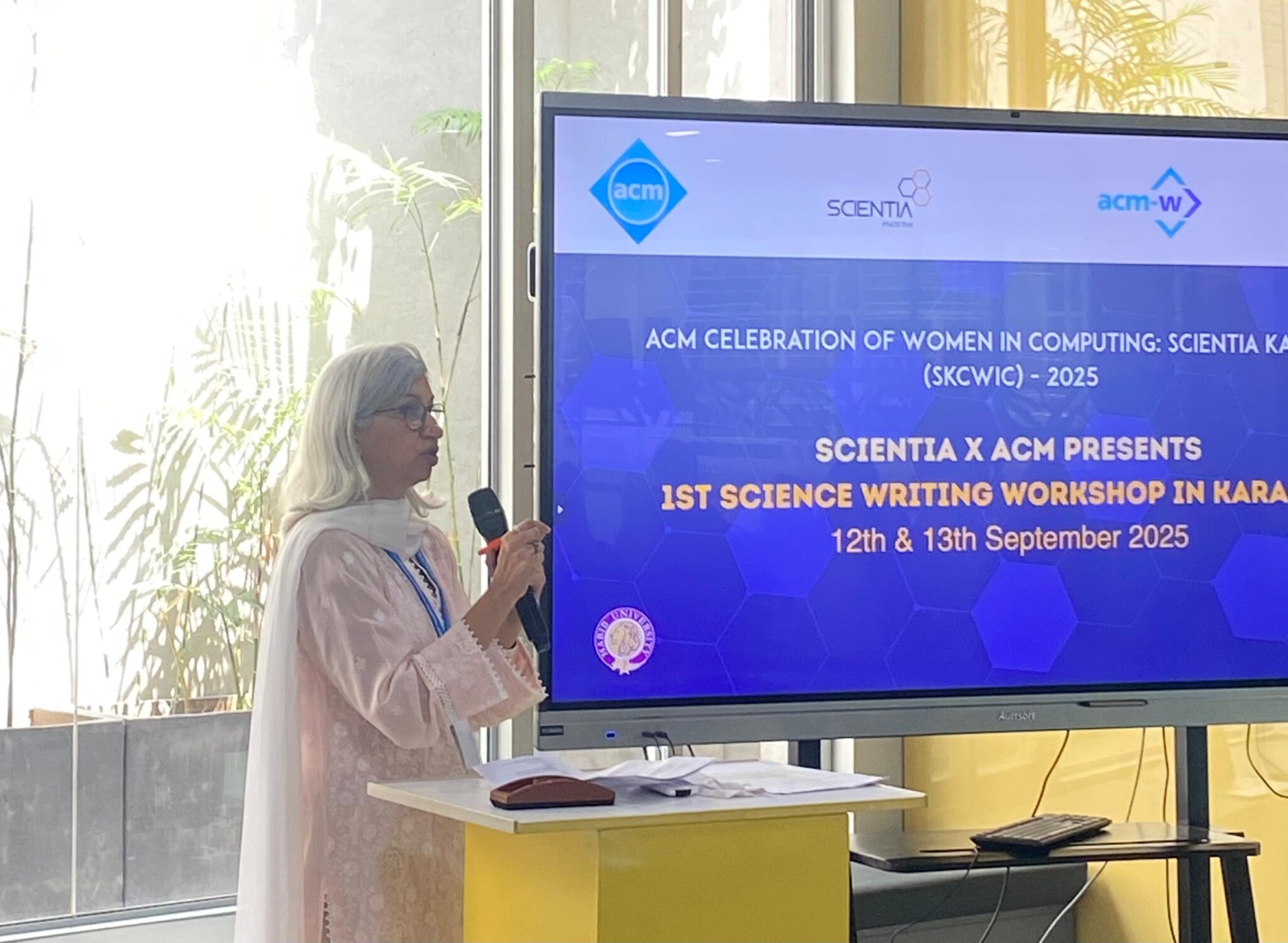
Karachi: Scientia Pakistan successfully organized the 1st Science Writing Workshop in Karachi on September 12-13 at Habib University. The event was generously sponsored by the Association for Computing Machinery – Women (ACM-W) as part of their “Celebrating Women in Computing” initiative. ACM is the world’s largest educational and scientific computing society, uniting computing professionals, educators, and researchers to share knowledge, advance the field of computing, and promote ethical standards.
Scientia is a leading science magazine in Pakistan that spotlights young science writers and communicators. Since February 2019, it has been publishing monthly and bi-monthly editions focused on various specific science themes. The organization also conducts remote “Science Writing Internships/Workshops” biennially, starting in 2023, and has established University Ambassador Programs across the nation.
Scientia provides a genuine platform for students, researchers, scientists, and communicators, promoting scientific awareness and critical thinking in a society often influenced by misinformation and pseudoscience. Additionally, the platform focuses on amplifying and connecting the voices of the Global South.
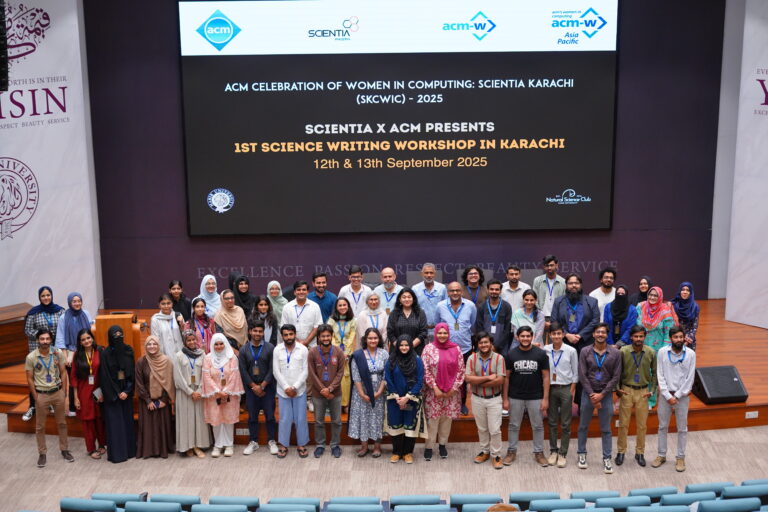
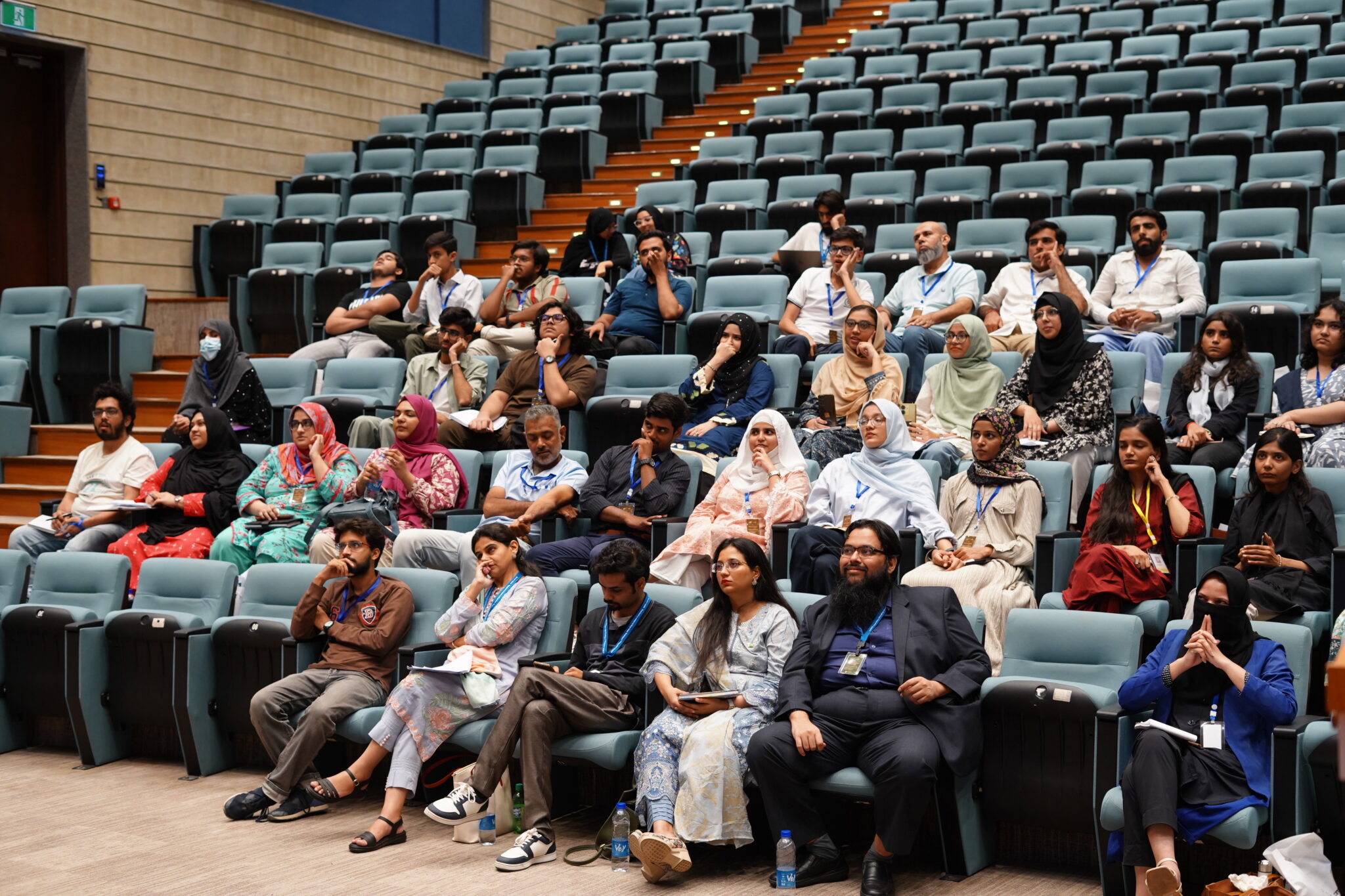
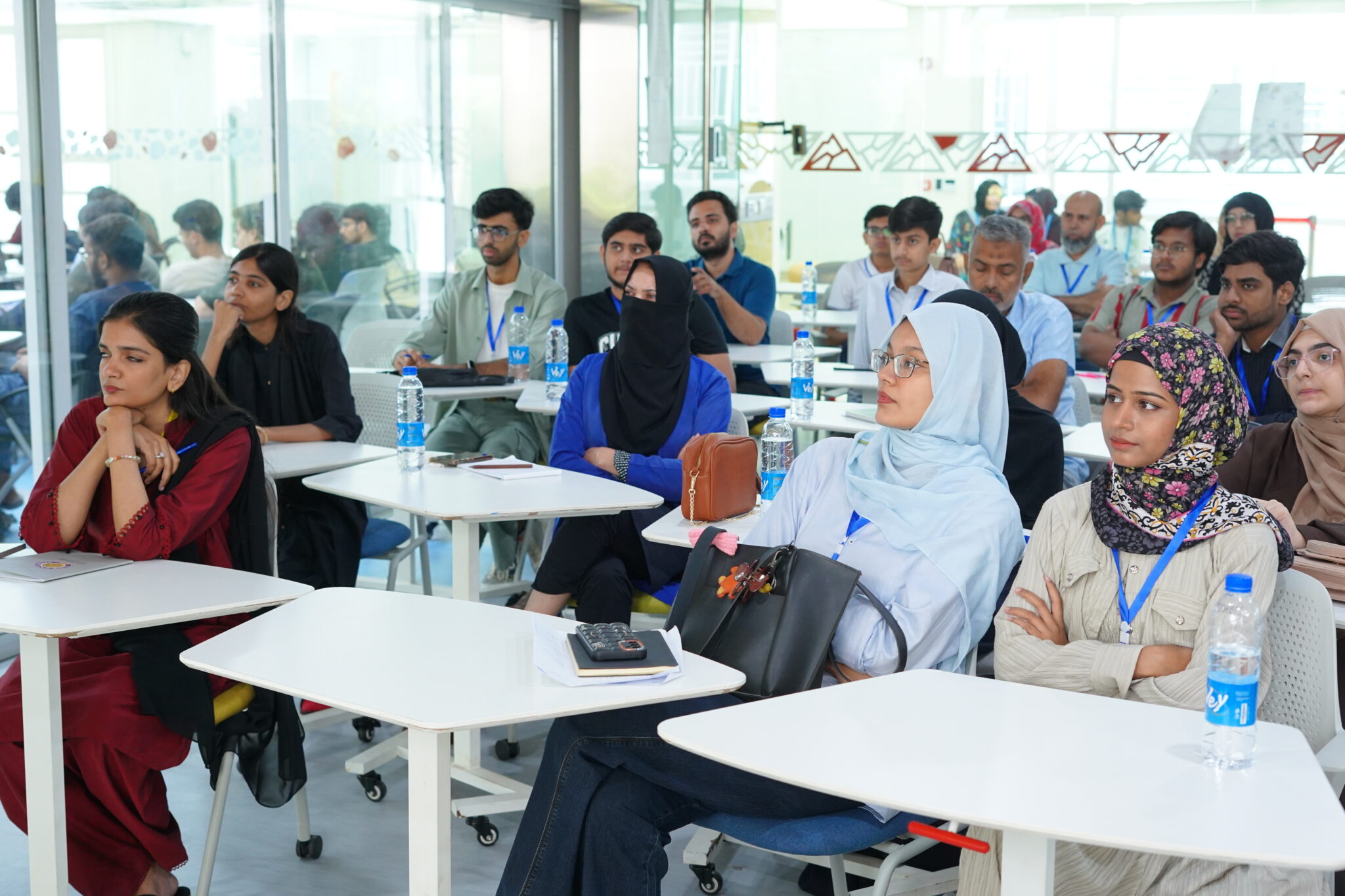
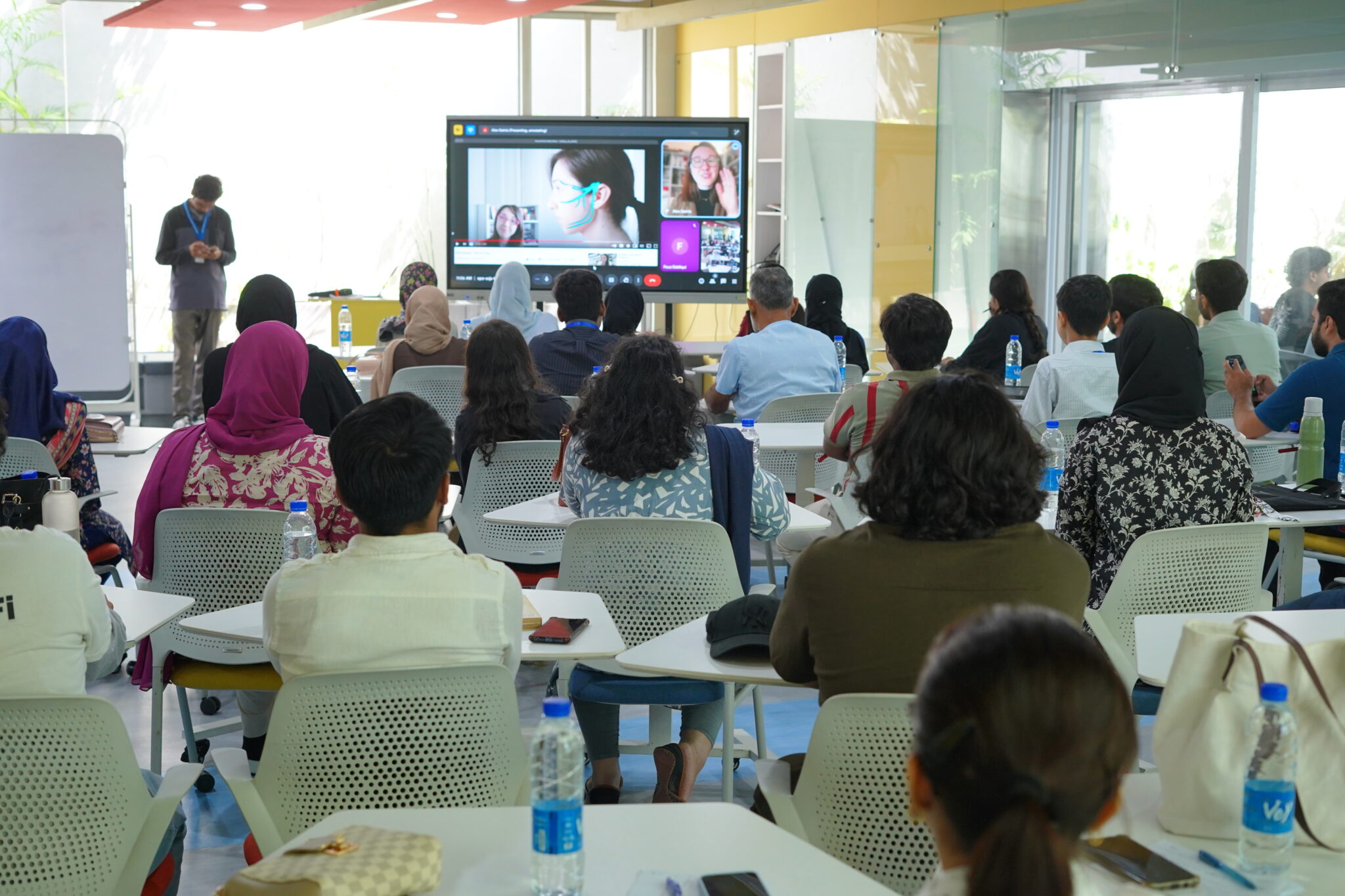
The audience comprised a diverse range of age groups, from teenagers to middle-aged adults. Photo, Scientia Pakistan
The two-day workshop was one of the first in-person events organised in collaboration with the Natural Science Club (NSC), Habib University, Karachi, aimed to promote scientific writing and critical thinking among students, professionals, and researchers across the city. The workshop attracted a large number of students from Habib University and outsiders, demonstrating their enthusiasm for scientific research, science journalism, and communication.
The participants and speakers expressed immense appreciation to the entire Scientia team, sponsors from ACM-W, the NSC’s volunteers, and contributors both on and off-campus for making this event a success. This achievement was made possible by the energetic, dynamic, and professional speakers and facilitators. The audience comprised a diverse range of age groups, from teenagers to middle-aged adults.
The two-day event featured several major highlights, including training sessions, keynote speeches, virtual lectures, and panel discussions. Renowned journalists and trainers conducted the training sessions, including Aleezah Fatima Hashmi, Sheema Siddiqui, Suhail Yusuf, and Ms. Rizwana Naseem.
These experts emphasised the importance of science stories in driving societal change and development. They taught participants the fundamentals of discovering stories in labs, fields, or communities, as well as “How to Pitch those Stories to Editors” and write them compellingly and engagingly for the general public.
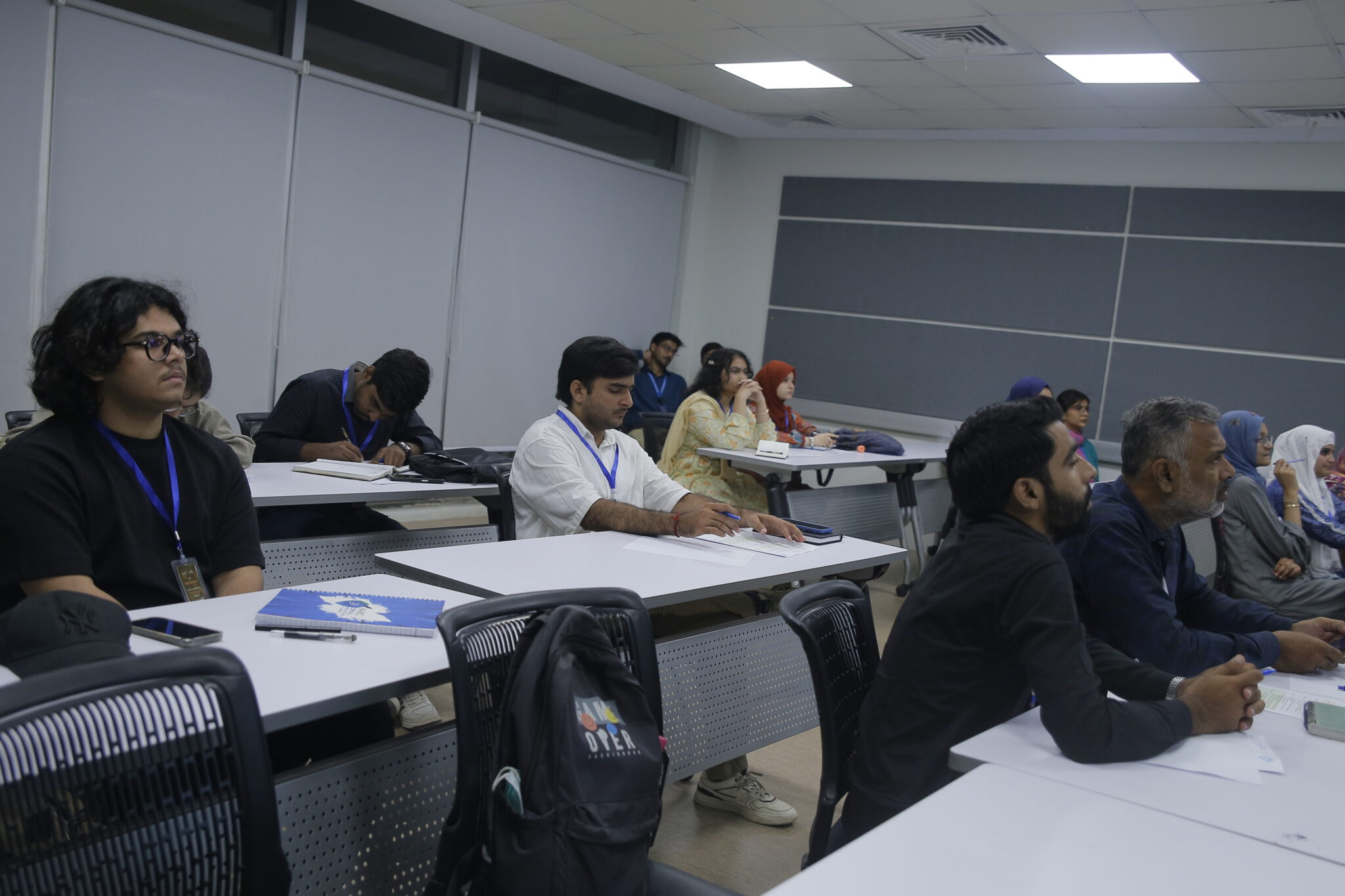
Over 65 students and professionals from Karachi, Hyderabad, Nawab Shah, and other parts of the province attended the sessions. Photo, Scientia Pakistan
Over 65 students and professionals from Karachi, Hyderabad, Nawab Shah, and other parts of the province attended these sessions, demonstrating their enthusiasm for learning and supporting Scientia’s mission to reshape the narrative of science journalism in Pakistan. These events will help increase public understanding of science and bring it into the mainstream, consequently, bridging the gap between media and academia in the country.
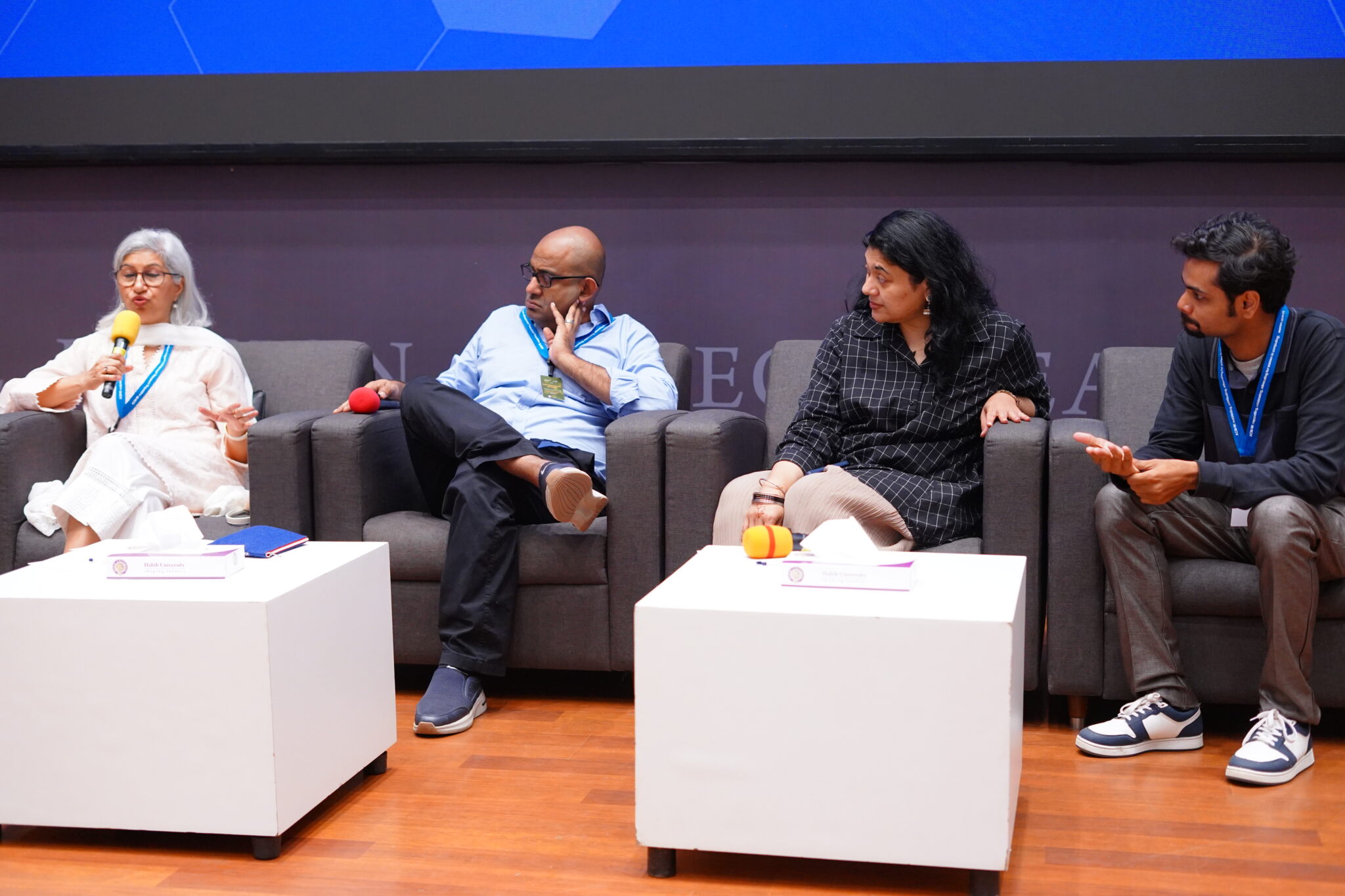
Another highlight of the event was the panel discussion featuring “four diverse people from science and interdisciplinary backgrounds; renowned independent journalist and Scientia advisory board member Ms. Zofeen T. Ebrahim, Co-producer of the biopic “Salam – the Film”, Mr. Zakir Thaver, Prof. Dr Humaira Jamshed, a faculty member at Habib University and Scientia’s cofounder Fouz Siddiqui and moderated by Ms. Maham Maqsood (Managing Editor of Scientia).
The “Panel of Experts” consisted of Ms Zofeen T. Ebrahim (Sr. Independent Journalist), Mr Zakir Thaver (Science Films Producer), Dr Humaira Jamshed (Prof. of Biosciences) and Fouz Siddiqui (Cofounder of Scientia)
The panel discussion was a thought-provoking exploration of the theme “Open Science & Accessibility,” emphasizing the critical need to democratize scientific knowledge. It commenced with a series of pivotal questions aimed at stimulating deep reflection: “Why is Open Science crucial for societal progress?” “In what ways can we, as journalists, writers, scientists, and academics, work collaboratively to enhance the accessibility of scientific information for the general public?” and “What are some prevailing misconceptions that professionals within the science field continue to hold?”
Each panelist, an expert in their respective fields, enriched the conversation with their diverse perspectives, addressing not only the posed questions but also engaging with numerous queries from the audience. This created a vibrant atmosphere for exchange, making it feel as though the experts were gathered in an intimate drawing room, sharing candidly and comfortably about the numerous challenges they face in advocating for Open Science, as well as emphasizing its undeniable significance.
One participant expressed how the dynamic dialogue illuminated the complexities of Open Science, fostering a deeper understanding of its pivotal role in promoting transparency, collaboration, and inclusivity in scientific research.
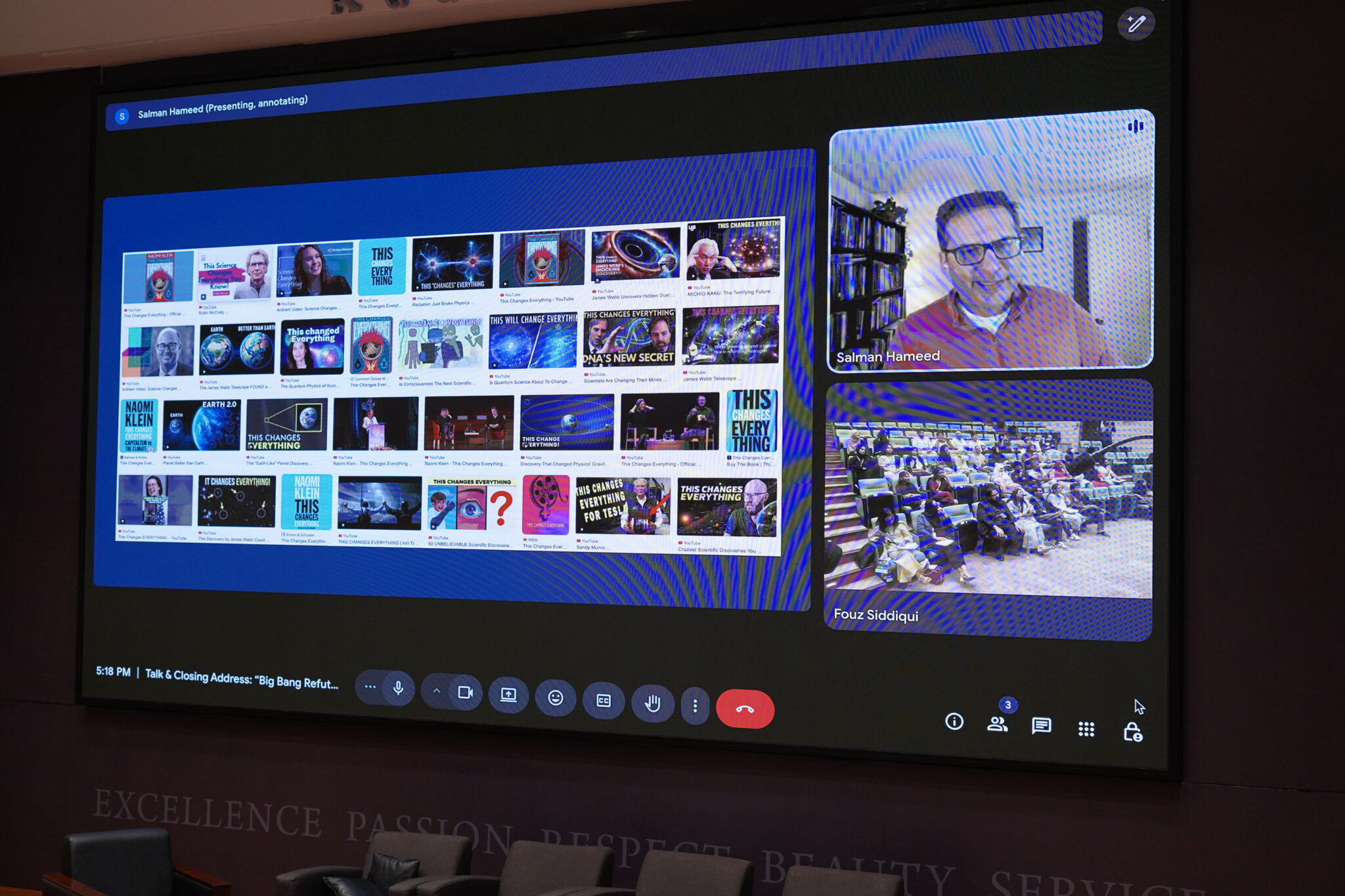
The audience and participants particularly praised the virtual sessions featuring Mr. Ehsan Masood, a world-renowned science journalist and editor at Nature; Dr. Alex Dainis, an internationally acclaimed science communicator; Dr. Salman Hameed, an astrophysicist and founder of Kainaat Studios; Dr Faisal Ur Rehman, a Space Scientist; and Syed Fawwad Raza, former editor at ARY News. They shared their experiences from working in newsrooms and laboratories, discussing the challenges posed by flawed science. They emphasised the importance of the scientific process in driving national progress by pushing boundaries and offering new perspectives.
There was also a session with Dr Rukiye Altin, ACM – Global Chair, in which she focused on the differences ACM is making worldwide through sponsorships and other critical steps.
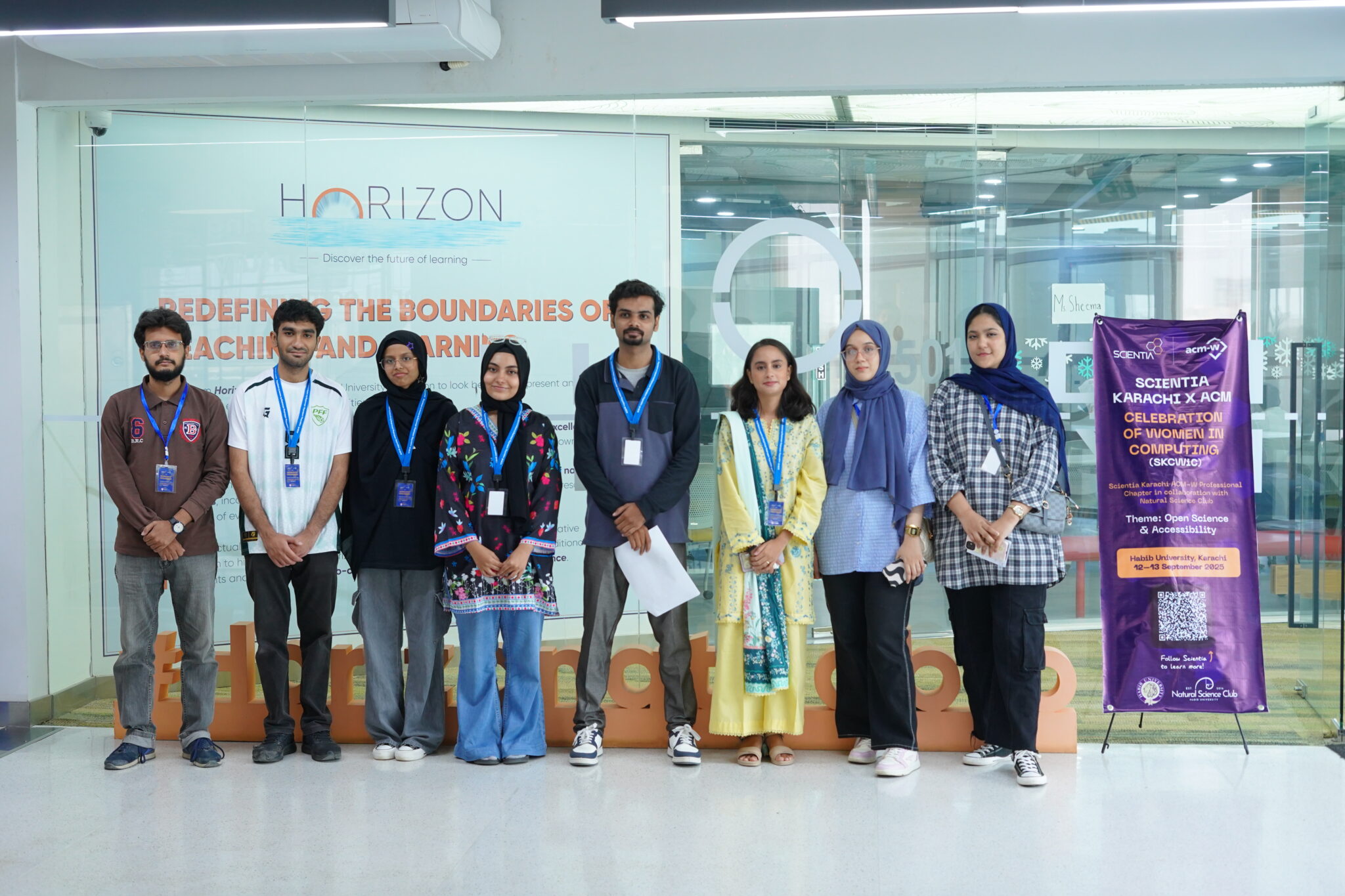
The organizing teams of Scientia and Habib’s Natural Science Club. Photo, Scientia Pakistan
Ameen, a participant in the workshop associated with a prominent public research organization, expressed his excitement about attending the event alongside his niece, daughter, son, and research collaborators. “The workshop was very well organised, featuring hands-on sessions on science communication, keynote speakers, live online interactions with experts from around the world, and an onsite panel discussion,” he said. Ameen noted that the event was planned and conducted professionally, especially for a first-time initiative, and anticipates that it will become a regular annual or biennial activity.
Tahira Nasir, an active participant, expressed her delight in being part of such an amazing event. She commended the entire team of Scientia and the volunteers from Habib University for organising a successful and impactful workshop. “It was a refreshing change in an environment where discussions about science and science communication are often lacking. The workshop was informative, comprehensive, and provided practical insights. Each speaker excelled in conveying their expertise to the audience in an engaging manner,” she added.
Tahira also expressed her appreciation for the Association for Computing Machinery (ACM) for sponsoring the event, noting that securing funding for science communication initiatives can be quite challenging in countries like Pakistan.
Several participants articulated interest in collaborating with Scientia for future events, leveraging the collaborative efforts of multiple universities in Karachi and across the province to expand the activities to a broader audience.
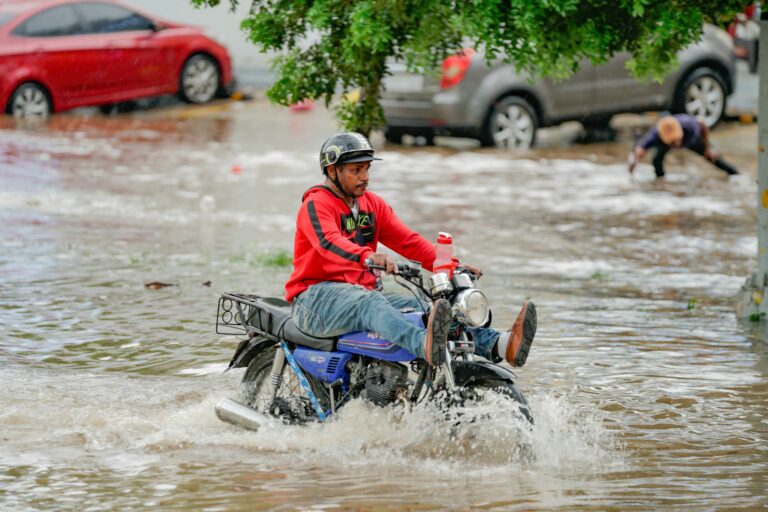
The first-of-its-kind workshop in Karachi was organized under challenging conditions, as the city’s roads were flooded and more rain was expected. The organizing team from Scientia and Habib’s Natural Science Club, primarily made up of students and young professionals, faced several obstacles during these difficult circumstances. Nevertheless, they remained determined and enthusiastic about the event, successfully overcoming each barrier to make it a reality. The teams are eager to organize more events like this in the coming months.
Here are a few more glimpses from the Scientia x ACM – First Science Writing Workshop.
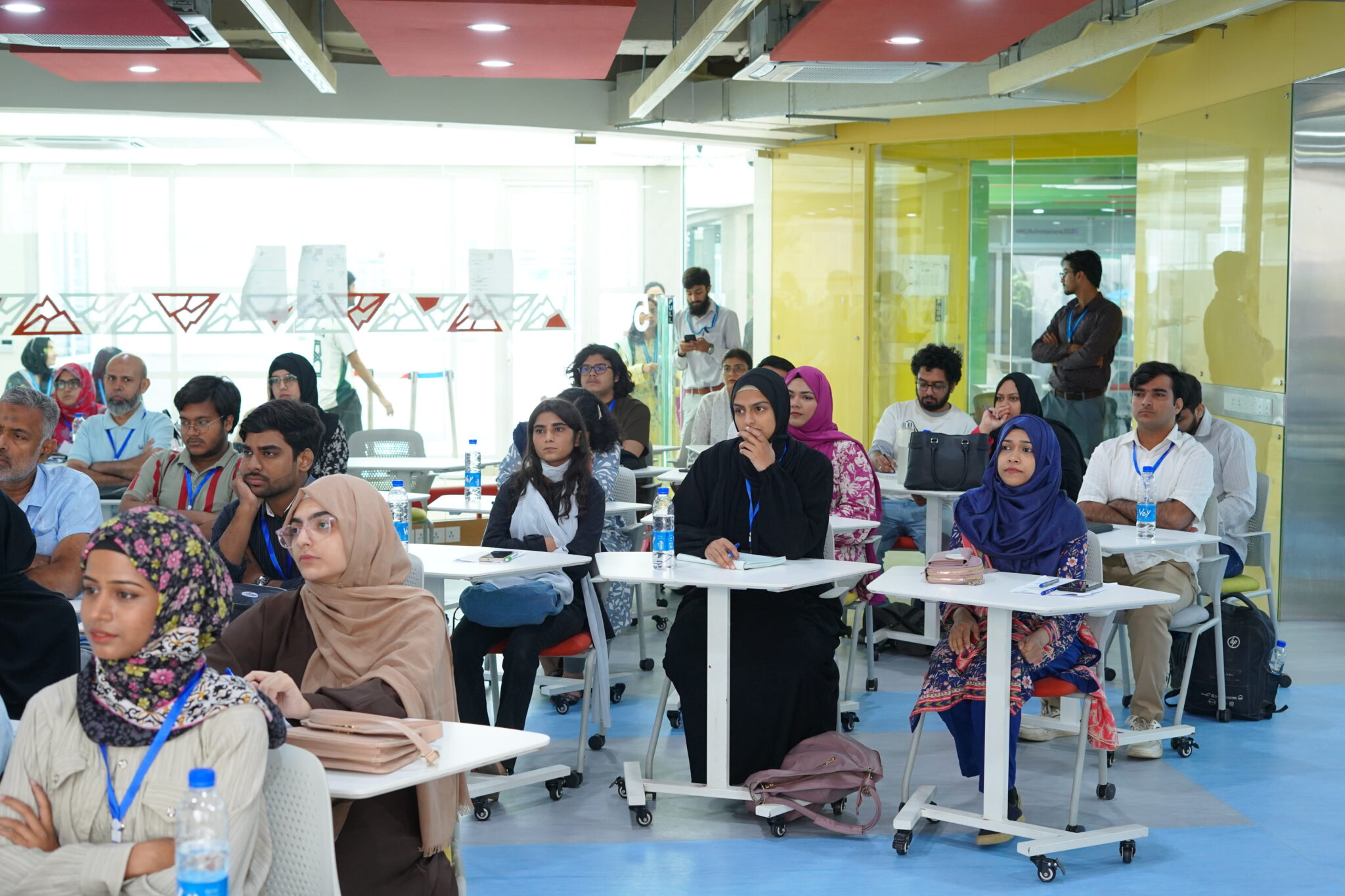
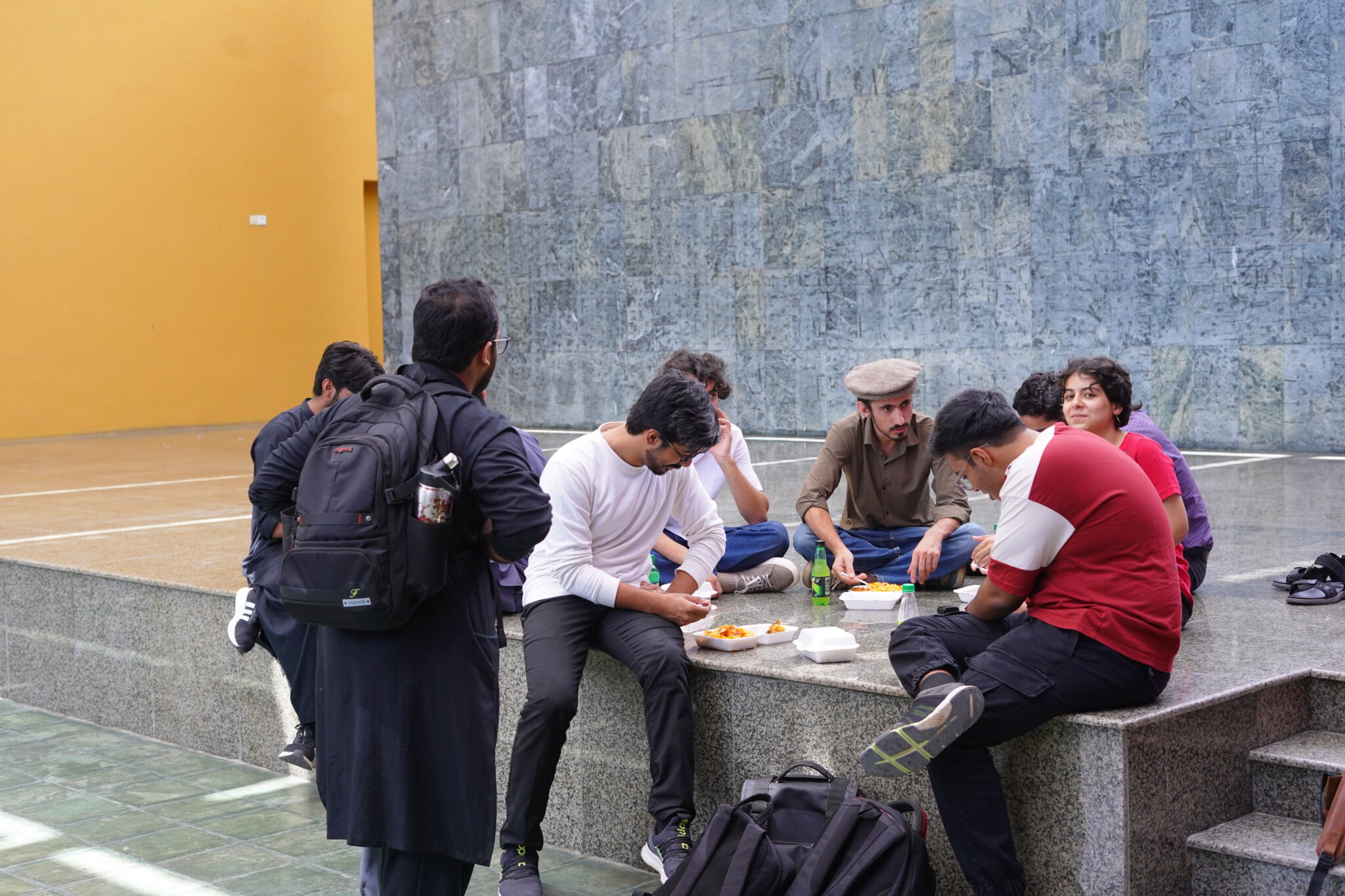
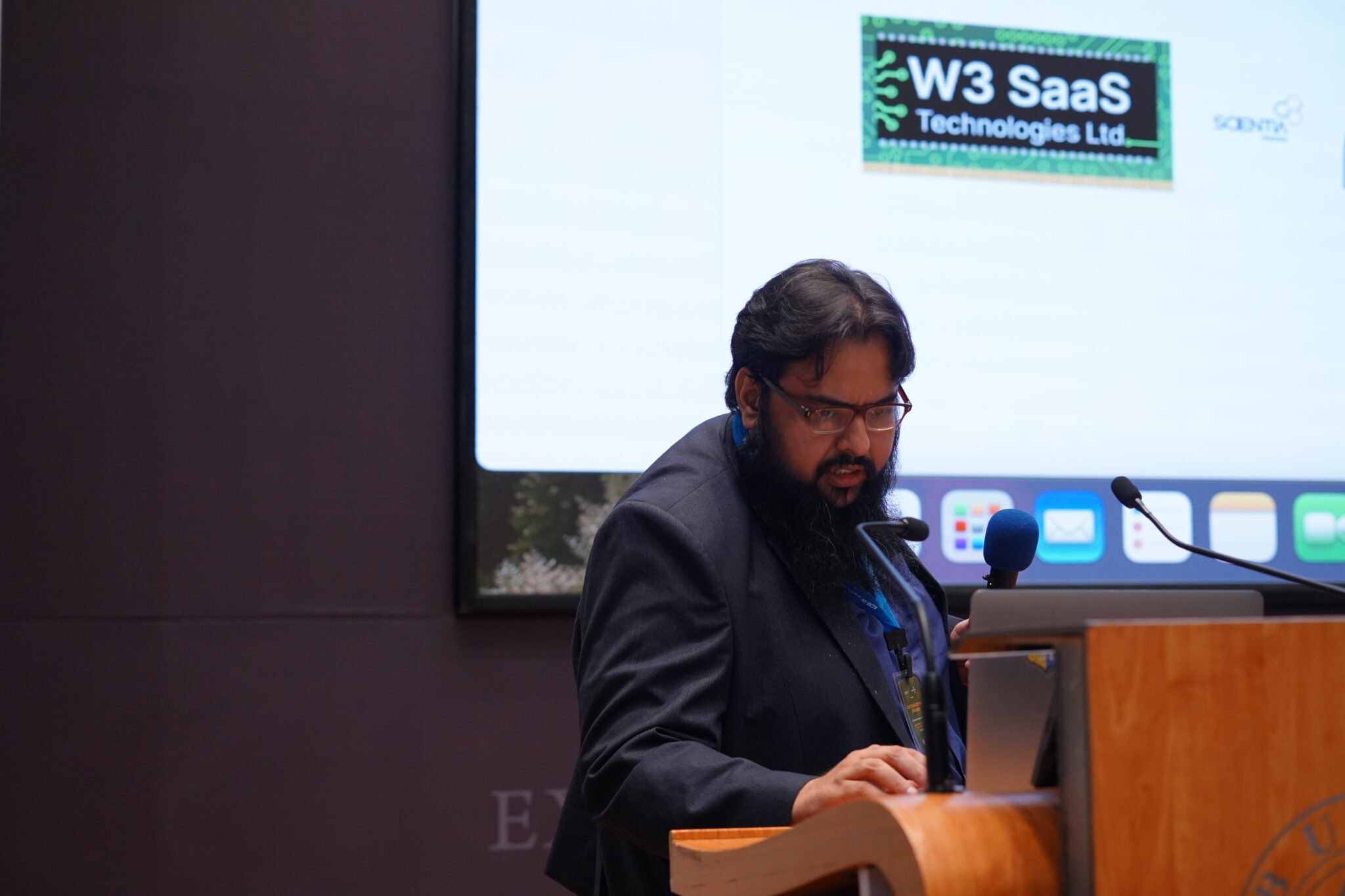
Participants of the workshop attending talks/virtual sessions at the Habib Auditorium, Karachi. Photo: ScientiaMs Zofeen Ebrahim, giving a talk titled “How to Write a Compelling Science Story with a Non-Science Background”. Photo: ScientiaMs Rizwana Naseem, one of the workshop trainers, is presenting at the workshop. Photo: ScientiaA candid photo of participants enjoying the lunch break at the venue. Photo: ScientiaMs Sheema Siddiqui and Mr Suhail Yusuf as they conduct the workshop session during Day 01 of the event. Photo: ScientiaParticipants, at the Habib Horizon, attended a virtual talk by Dr Alex Dainis (Scientia’s Advisory Board Member); the session had amazing feedback, focused on the “Uncertainity in Science”. Photo: ScientiaDr. Salman Hameed joined the workshop from Ahmerst, Massachussets, U.S for his talk, “This Talk Will Change Everything”, focused on examples of bad science communications. Photo: ScientiaDr Syed Faisal Ur Rahman giving a talk focused on, “Media 3.0: Blockchain and AI for Science Writers”. Photo: ScientiaWorkshop participants attend Dr. Alex’s virtual session. Photo: ScientiaAnother photo from Day 1 talks: By Scientia’s cofounder, Fouz Siddiqui, discussing “Science Writing as a Calling!”; Photo: Scientia
Every school day starts with a bell. But what if, one day, it’s the fire alarm instead? Disasters are unpredictable, but their impact doesn’t have to be. While schools across the world teach young minds about atoms and algebra, many still neglect something far more urgent: how to survive a disaster?. In 2023, the World Bank reported that over 875 million school-aged children live in areas at high risk of natural disasters.
Yet, the majority of educational institutions fail to produce a well-equipped disaster response. This isn’t just an oversight; it is a life-threatening gap. Disaster response education and training in schools are not optional courses or programs; they are essential life skills, as critical as reading or science.
Why does Disaster Response Education Matter?
Educational institutions are among the most densely populated buildings in any community. A fire, earthquake, or violent incident can escalate within seconds. Without a clear disaster response plan and trained individuals, the consequences can be devastating. Children are especially vulnerable not only physically but also emotionally. But when trained properly, they can recognize danger, respond calmly, and even assist others. In 2021, a global study conducted by UNESCO found that schools with trained staff and students had a 30–50 percent higher rate of injury prevention during disasters.
Disaster Preparedness: More Than a Drill
Being prepared for disasters is not about ticking boxes or sounding alarms; it’s about caring for each other when life becomes unpredictable. It starts with awareness by noticing the risks around us, the cracks in a wall, the smell of gas, or the floodwater rising. It means knowing where to go, how to stay safe, and how to reach loved ones in the middle of chaos.
But it is also about people. A simple act of stopping a bleeding wound, calming a panicked friend, or remembering CPR can save a life. And sometimes, the most powerful help is just being there, steady and reassuring, when fear takes over. Preparedness and Disaster Response is not about fear; it’s about compassion, courage, and standing together when it matters most.
Training for Disaster Response: Models and Best Practices
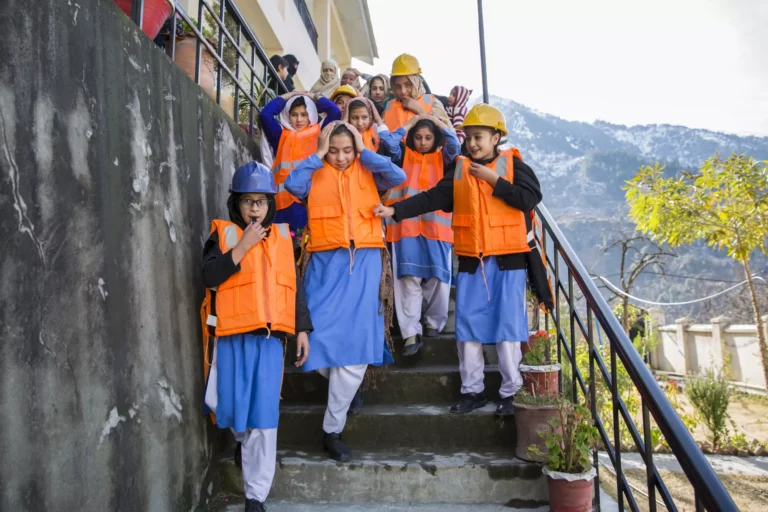
Effective disaster preparedness training goes beyond lectures; it relies on practice and repetition. Schools often conduct regular mock drills, sometimes unannounced, to test awareness and response speed. In Japan, earthquake drills are routine, teaching children to “Drop, Cover, and Hold” while following supervised evacuation routes. Hands-on workshops with fire departments, rescue teams, and paramedics further build confidence, offering demonstrations on CPR, first aid, and fire safety.
Equally important is the training of teachers and staff. Through Training of Trainers (ToT) programs, faculty members complete certified courses that equip them to guide students in emergencies. In Pakistan, for example, the NDMA partners with the Red Crescent to train educators in evacuation protocols, first aid, and psychosocial support.
Tsunami evacuation drill performed in a Gawadar school. Credit: UNESCO
Many schools also integrate disaster awareness into the curriculum, using science, geography, and civics lessons to reinforce preparedness. Visual tools such as safety maps, posters, handbooks, and mobile alert systems help keep awareness in daily school life.
Barriers to Implementation
Supporting these practices are simple but effective tools: emergency maps and signage throughout school buildings, posters showing “what to do” in a fire or earthquake, handbooks and checklists shared with parents, stocked school emergency kits, and mobile alert systems that link directly to families and local emergency teams. These everyday reinforcements ensure that safety is not treated as an occasional exercise, but as part of the culture of learning.
Still, challenges remain. Schools often struggle with limited budgets, a lack of trained staff, or a general underestimation of risk. These barriers can be overcome with partnerships, national-level training programs, and consistent advocacy for policy integration. When disaster education is aligned with global best practices and national guidelines, it creates a framework that is both practical and sustainable.
Ultimately, investing in school safety is investing in the future. Disasters are not rare anomalies; they are part of the world we live in. The question is not if an emergency will happen, but when. And when that moment comes, will our students know what to do?
Preparedness does not require sweeping changes overnight. It can begin with a single drill, a safety committee, or a first aid certification. It can grow through open conversations with students, listening to their fears, and teaching them how to face those fears with confidence. Because when the alarms sound, it is not fear that saves lives, it is knowledge, preparation, and the courage to act.
References:
Şükrü, E. and K. Ali, Disasters and earthquake preparedness of children and schools in Istanbul, Turkey. Geomatics, Natural Hazards and Risk, 2016. 7(4): p. 1307–1336.
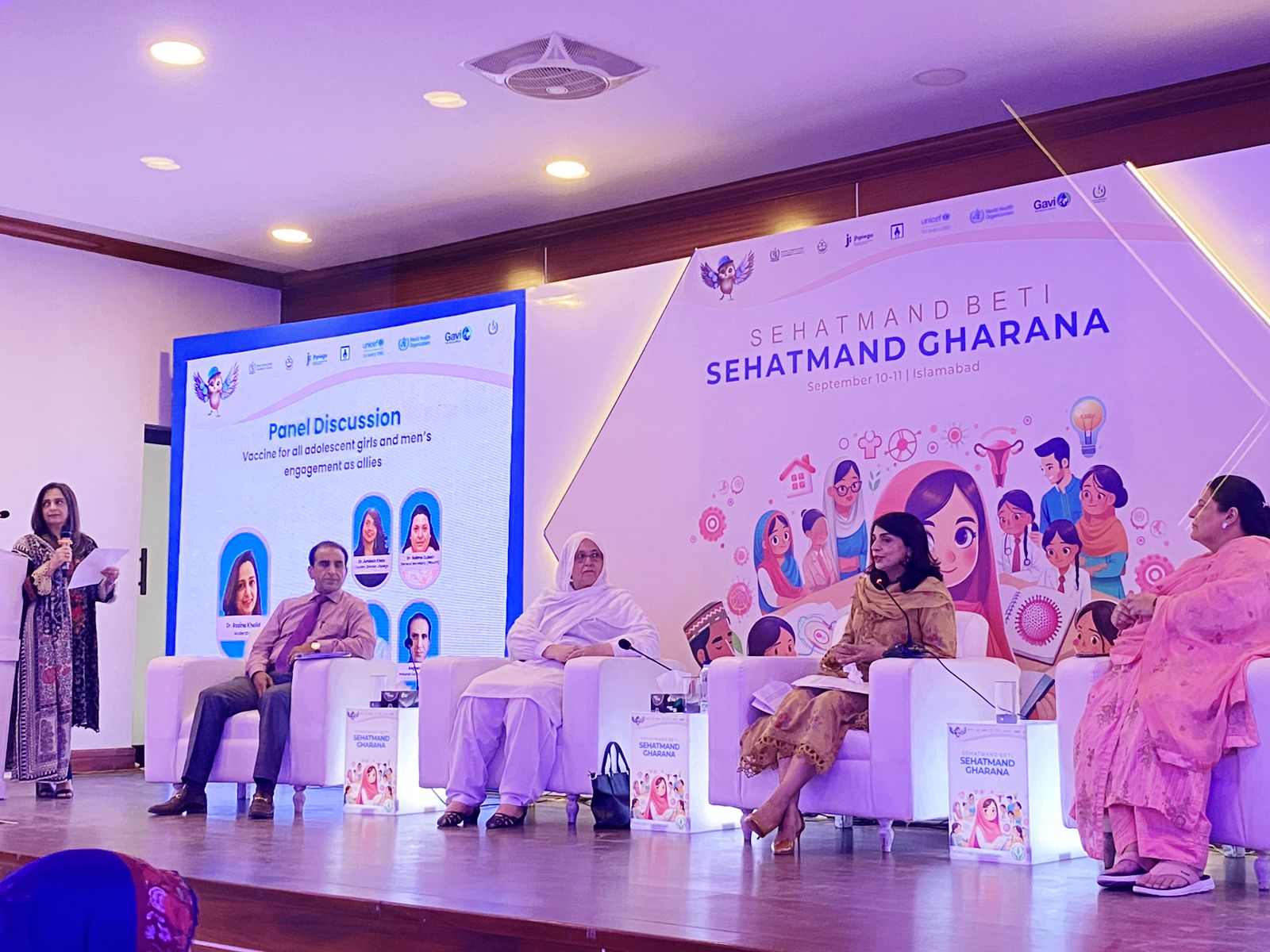
In Pakistan, an HPV vaccination campaign targeting girls aged 9–14 years is being held from September 15 to 27, 2025, across Punjab, Sindh, AJK, and Islamabad. This campaign is part of the government’s initiative, supported by organizations like the World Health Organization (WHO) and UNICEF, the Global Vaccine Alliance (GAVI), to introduce the HPV vaccine and prevent cervical cancer.
Although the vaccination of 2.5 million out-of-school girls after the floods and rains, especially in remote areas and marginalised communities, could be challenging for the health teams.
This nation-wide vaccination drive is part of larger global strategy for elimination of cervical cancer and Pakistan is also a signatory of the 71st World Health Assembly Resolution of 2018 that sets a goal of 90-70-90 by year 2030, which means 90pc of girls vaccinated against HPV by age 15, 70pc of women screened by age 35 and again by 45, and 90pc of women with cervical cancer disease receive treatment/palliative care.
Societal Taboos: A Major Barrier in Immunization Drives!
Let’s just agree that we are no novices to the very obvious deterrence of our nation towards vaccination. In fact, the occurrence of Polio and the negativity towards what we call ‘Science-derived protection’ is a loud screaming example in itself of how out of touch the views of the masses are when it comes to believing and blindly following harmful narratives.
Now, imagine persuading the same group of people to get their adolescent girls rightfully vaccinated against a potentially life-threatening cervical cancer.
Oh yes, the pitchforks will be pointed at you for wanting to provide healthcare to their daughters. So, what takes priority, medical care or superstitious taboos? What a conundrum for a conservative society!
But first, let us understand what HPV actually is and how it impacts the lives of women.
What is HPV?
As per the WHO, HPV is a sexually transmitted disease. It is an infection that affects the genital area, skin, and throat. HPV infections may go away on their own, but some lead to genital warts and the development of abnormal cells, which often lead to cancers. HPV infections affect all individuals regardless of gender, triggering anal, vulvar, vaginal, mouth/throat, and penile cancers, among which cervical cancer is the most prevalent.
To counter this, the prophylactic usage of the HPV vaccine became the pillar for the WHO to eradicate cervical cancer globally. This approach could prevent 60 million individuals from potential cancerous cells and over 45 million deaths from it over the course of 100 years.
But Why Mostly Women?
It must be kept in mind that while HPV contraction occurs regardless of gender, women with a cervix are the most affected among all individuals.
According to a review published in the OAMJMS by researchers Sadia et al, it was highlighted that about 7431 individuals in Pakistan have been tested for HPV between 2007 and 2018, out of which there were 80.4% reported cases of cervical cancer.
HPV Information Center, a project of WHO, shared key data in 2023, highlighting that every year over 5000 women in Pakistan are diagnosed with Cervical Cancer, while 3197 women die from the disease, making cervical cancer the 3rd most common cancer among women in Pakistan.
John Doorbar and Heather Griffin, in their study, discuss that HPV is commonly known to attack the squamous and columnar epithelium cells at the cervical transformation zone (a site where stratified simple epithelium can develop from simple columnar epithelium), which is why it affects the cervix more, as the cervical lining is rich with these cells. With the unique environment of the cervical mucosa and constant hormonal changes, the susceptibility of HPV in women increases. It is also easier for the virus to infect the basal layers due to microabrasions during intercourse.
Past, Present, and Future of HPV in Pakistan
The HPV vaccine was initially introduced in Pakistan in 2019 for girls aged 9-14, as part of the Expanded Program Immunization, but was not integrated within the National Immunization Program and, in fact, was discontinued for unknown reasons.
Moreover, there is no National Screening program for cervical cancer. Although some urban areas offer pap smears but even that is limited to the privileged few. By 2019, it was reported that less than 1% of women had themselves screened against the life-threatening disease.
The Government of Sindh had also announced the initiation of the HPV Vaccination Program in 2022, which did not come to fruition. With a delay of 3 years, the campaign is promised to start within the province from September 2025. Khyber Pakhtunkhwa is also amplifying its efforts for the launch of the HPV vaccination campaign in the province in 2026.
Allison et al, in a comparative modelling study, predicted that the successful incorporation of HPV immunization would lead to the prevention of up to 133,000 cervical cancer cases in Pakistan.
Dr Aminah emphasized that “No girl should be left behind”. Photo, EPI Sind
Dr Aminah Khan, Country Director of Johns Hopkins Program for International Education in Gynecology and Obstetrics (Jhpiego) and with 20 years of Public Health experience, is the leading force striving for the national integration of the HPV vaccine. Aminah Khan is playing an active role in the development and implementation of SBCC (Social and Behavioural Change Communication) for maximum impact.
Dr Aminah says that nearly 70% of the targeted aims can be achieved despite the obviously regressive environment. According to her, KAB (Knowledge, Attitude and Behaviour) studies will be conducted to gather insights from all provinces so that effective policies can be devised.
Dr Aminah further added that targeted awareness messages and capacity building of all stakeholders will serve as a strong base against cultural and religious barriers. Not only this, she mentioned that the HPV vaccine will be supplied for free and will become part of routine Immunization.
Dr Aminah informed that the funds for this will be sought from GAVI (Global Alliance for Vaccines and Immunization) for domestic financing, just like other routine vaccines. To ensure smooth execution, a potential collaboration will be nurtured with Health, Education, Religious leaders, Media, and Institutes.
She emphasized that “No girl should be left behind”.
Awareness in Youth about HPV Vaccination
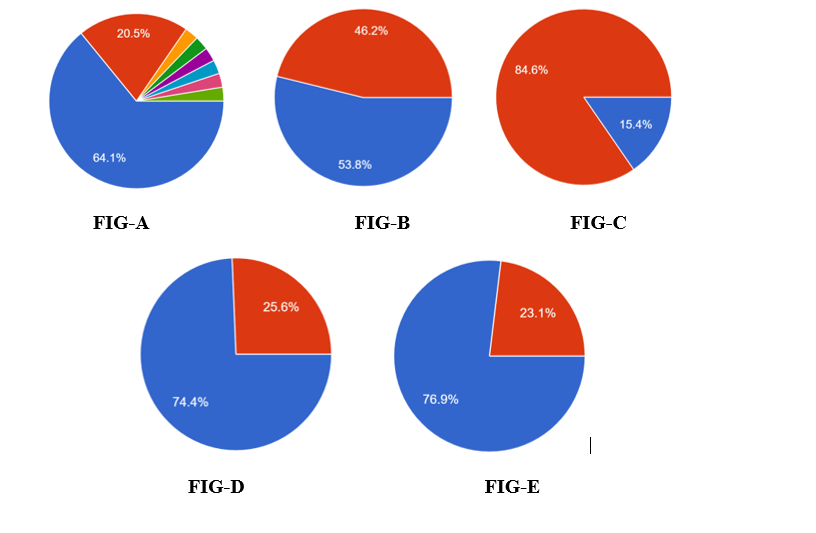
A small survey of 39-40 students was conducted to observe their thought processes regarding HPV. Upon asking whether they were pro or anti-vaccinator, 64.1% (Fig. A) responded with being pro, while 20.5% fell into the anti-vaccinator category. 53.8% (Fig-B) didn’t even know about HPV or the HPV vaccine. 15.4% (Fig-C) of them had received the HPV vaccine, while 84.6% voted in favour of HPV vaccination for women.
Within this small sample, 10 individuals (Fig-D), all university-going students studying STEM, didn’t even know what cervical cancer was. When asked if they thought that men could also contract HPV, 23.1% answered “No” (Fig-E). These results indicate that although there are advocates for the HPV vaccine in the shape of young students, there is still a need for massive awareness throughout educational campuses.
Source: Mariam Mushtaq
In a country where women’s needs are considered secondary, Dr. Aminah Khan and her team have taken it upon themselves to ensure the protection of these women against HPV. However, the lack of understanding between the masses, compounded by the associated stigmas and the conservative social and cultural environment of Pakistan, stands as a steel wall against these efforts.
Furthermore, while the campaign targets young girls, young boys at an equal risk of contracting HPV are being overlooked. Provinces are making strides to overcome these barriers by training health workers and making HPV part of the educational curriculum. But the question is, is this enough?!
Natural Disasters do not wait for permission. I have watched floodwaters turn green fields to muddy wastelands overnight. I have felt the ground shake beneath my feet during earthquakes. I have heard of landslides burying whole villages and valleys being washed away by flash floods. I have seen the news of the wildfire that reduces green forests to ashes. I have heard of droughts that have starved whole populations for months. I have experienced the panic of a pandemic that converts busy streets into empty ones. And I have personally experienced an unimaginable loss.
I still remember being eight years old when my family left our hometown and moved to Karachi to settle permanently. It was the 10th of January 2011 when a headline shook us all, a tragic landslide in Attabad, Hunza had buried an entire village. But the tragedy didn’t end there. As the newly formed lake rose, it drowned another town, the very one we had just left behind.
The landslide claimed 20 lives and displaced around 6,000 people. Over 25,000 were marooned due to blocked roads, and more than 19 km of the Karakoram Highway was submerged. Witnessing people of my community getting affected and displaced by the disaster awakened a feeling within me that this is an incident we experienced, but many more disastrous incidents transpire yearly in Pakistan. The level of displacement and loss of lives is increased.
The Need for Disaster Preparedness
Life is unpredictable; any event can cause a huge loss. These could be both natural and man-made disasters that need proper planning to minimize their human toll. Natural disasters cannot be prevented, but we can raise awareness, be well-prepared, and alert.
Despite being generally aware of the risks associated with natural disasters, people often fail to take necessary action. According to data from the World Risk Poll Resilience Index, produced by Lloyd’s Register Foundation, 43% of the world’s population say they can do nothing to protect themselves and their families in the event of a disaster, a 7 percentage point increase from 2021.
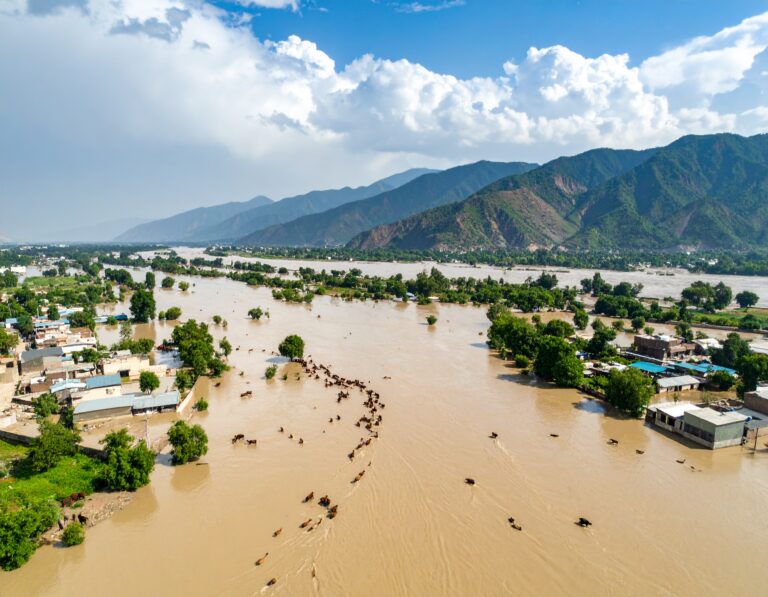
The analysis of how Pakistan has been hit by several disasters showed that the most disaster-hit areas have already faced similar situations in the past. As an illustration, the 2010 floods led to at least 1,781 deaths, 2,966 individuals were injured, and over 1.89 million houses were destroyed, whereas in 2022, 1,739 people died, including 647 children, and more than 12,867 were injured. More than 2.1 million individuals became homeless due to the floods.
Such recurring tragedies highlight our negligence in that we have not learned anything from past events, though disasters are now a crucial part of our lives. The 2010 floods were devastating, but the degree of destruction in 2022 was more or less the same as per the recent reports, which means that there has been little progress in the reduction of risks and mechanisms of effective response.
Interactive PAKISTAN-FLOODS-Death Tracker, AUGUST 28, 2025. Photo, YAHOO
Economic and Social Costs of Disasters
After the destruction has taken place, it is usually costly, and a lot of money is invested in responding to the disaster instead of building long-term resilience. Effective mitigation of risk involves making a dedication to emergency preparedness that involves society as a whole. Investing in preparedness can help prevent substantial economic losses.
The World Bank Group statistics indicate that in 2022, Pakistan incurred over USD 30 billion of monetary loss, which is a huge loss in the context of a developing nation like Pakistan. This is a demonstration of how expensive disasters are when we have not prepared.
According to UNDRR, every US$1 invested in risk reduction and prevention can save up to US$15 in disaster recovery, and every US$1 spent on making infrastructure disaster-resilient can save US$4 in reconstruction. It is evident from these numbers that prevention is not only smarter but also cost-effective.
Only 50 cents of every US$100 of disaster-related aid is directed towards protecting development from future disasters. Being responsible in implementing these plans and investing more money in preparedness will assist us in mitigating the losses and save lives, property, and the economy.
In nations where only disaster preparedness can lower the mortality rate of their citizens and lower economic losses, authorities tend to be irresponsible. Meanwhile, Pakistan lacks disaster preparedness measures to a considerable extent. As an example, residential, commercial, and hospitality buildings are often constructed in flood-prone areas without following any basic safety code or zoning policies.
Besides, the uncontrolled development in cities and rapid urbanization have also helped in fueling the problem of urban flooding. The social, political, economic, and environmental dimensions are the main contributing factors.
Building Community Resilience for the Future
To achieve resilience and a successful disaster preparedness strategy, local communities that live in disaster-prone areas have to be engaged and educated, especially the women and children. Their power cannot be ignored, and they can be instrumental in defending and serving their societies.
Youth communities must be trained and encouraged to be involved in volunteer work. Students of schools also need to be considered as potential contributors in case of disasters and should be engaged actively by attending education and awareness seminars.
Disaster preparedness needs to be included in the school curriculum as a way of creating long-term resilience. In addition to this, the United Nations has developed two major global frameworks of disaster risk reduction, the Hyogo Framework (2005-2015) and its successor, the Sendai Framework (2015-2030). Such frameworks are supposed to be proactively incorporated in the policies and practices of disaster management to improve disaster response and preparedness plans.
Preparedness should not be viewed as optional but as a need. Communities should be informed and educated so that they can learn from their mistakes and, in that way, minimize loss of life and come up with a stronger future for the community.
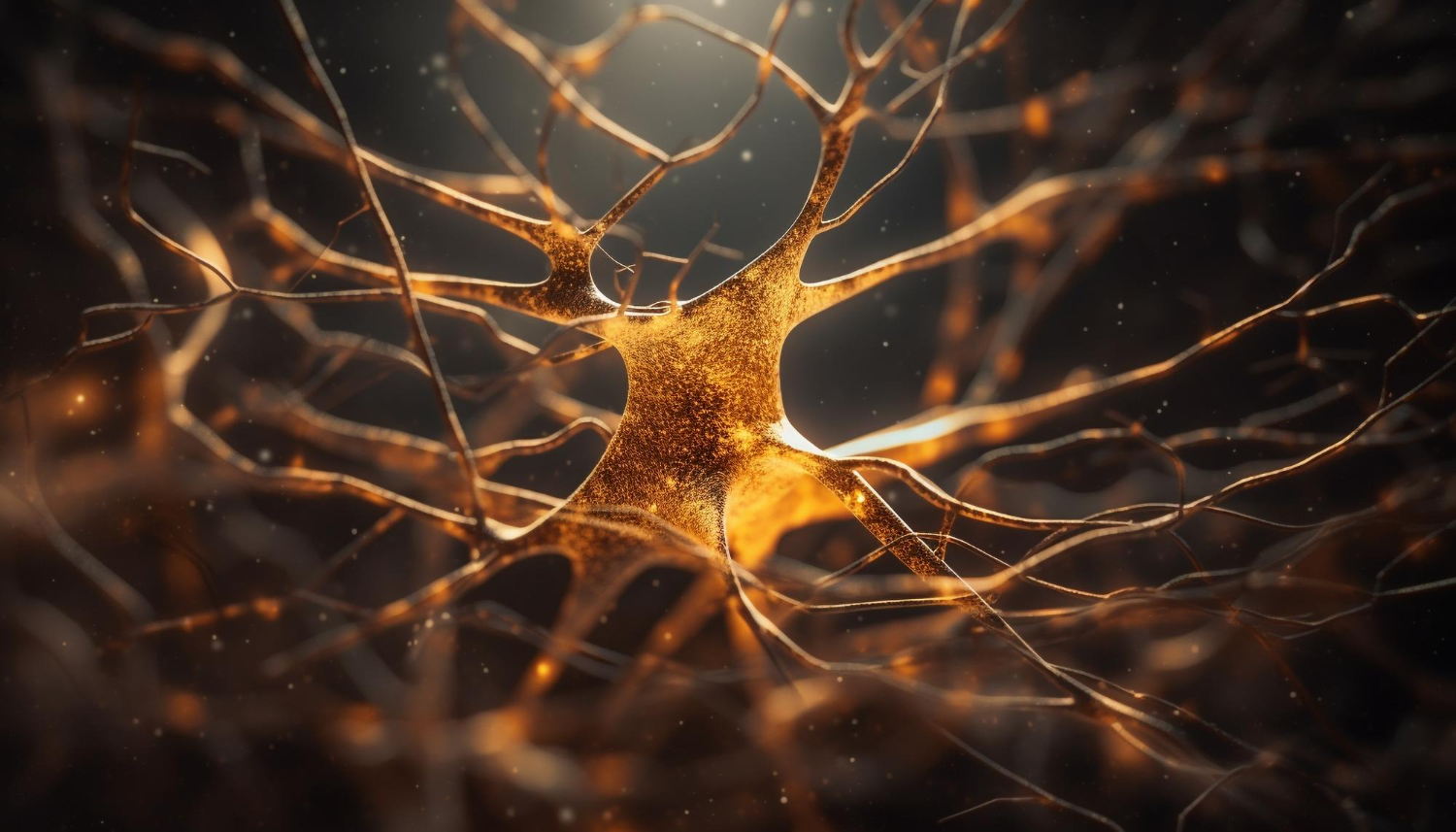
For more than a century, that belief reigned over the field of neuroscience like gospel. Neurons, the core units of thinking, feeling, connecting, remembering, and coordinating, were considered one-time miracles. Born in the womb, matured in youth, and then fated to fade without replacement. While all other cells of the body had replication power to some extent, some more than others. Even the Kidney and liver had their own replication ability to some extent, the neurons were rendered undividable.
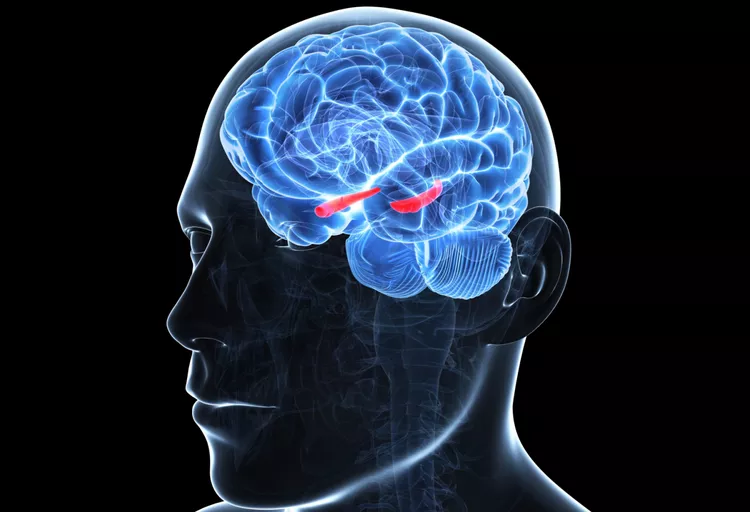
And yet, deep inside the hippocampus of an adult brain, a spark refused to go out. In July 2025, a team of researchers led by Jonas Frisén at Karolinska Institutet made headlines. They reported something long suspected but rarely proven. The adult human brain continues to produce new neurons, even into old age.
In a 2025 press release, Frisén’s team announced they had successfully pinpointed the origin cells responsible for neuron formation in adults, reinforcing the idea that neurogenesis continues in the hippocampus throughout life. While this wasn’t the first report of adult neurogenesis, it stood out as one of the most convincing yet.
The findings, published in Science, stemmed from work by Ionut Dumitru and collaborators across Sweden and Europe. Using cutting-edge RNA sequencing and machine learning, the researchers analyzed over 100,000 individual cells from post-mortem hippocampal tissue. Using transcriptomic analysis, the team identified 354 neural progenitor cells in adolescent and adult human hippocampus samples.
The cells were showing clear signatures of neurogenesis. This included 12 adolescent and 65 adult neural stem cells, 4 adolescent and 71 adult intermediate neural progenitors (INPs), and 202 adult neuroblasts. The data pointed toward something long believed impossible: dividing neural progenitor cells in the adult brain.
The Contested History of Growing New Brain Cells
The history of adult neurogenesis is filled with hope, denial, rediscovery, and relentless debate. In the early 20th century, the scientific world was ruled by a firm belief that the adult brain was incapable of producing new neurons. In 1913, neuroanatomist Santiago Ramón y Cajal famously proclaimed that adult neural circuits were fixed and unchangeable, stating that while everything else may perish, nothing in the adult brain could regenerate. And for decades, this “neuron doctrine” held the brain hostage.
In adult centers, the neural routes are fixed, terminated, and immutable. Nothing can be guaranteed to live forever ~(Santiago Ramón y Cajal, 1913).
Then came a seismic shift. In the 1960s, Joseph Altman observed what few believed possible: newly formed neurons in the adult rat brain. His work, followed by Fernando Nottebohm’s discoveries in songbirds during the 1980s, cracked the door open on the possibility that the adult brain wasn’t as inert as once thought.
The breakthrough into human territory arrived in 1998, when Peter Eriksson and colleagues examined postmortem brain tissue of cancer patients who had been administered BrdU (Bromodeoxyuridine). It showed newborn neurons in the dentate gyrus. Then, in 2013, Jonas Frisén’s lab used an unconventional but ingenious method, carbon-14 dating, a tool borrowed from nuclear fallout, to estimate that the adult human hippocampus adds around 700 new neurons per day.
The optimism was short-lived. In 2018, a major rebuttal hit the literature like a thunderclap. Shawn Sorrells and his team, after examining hippocampal samples across ages, found no evidence of neurogenesis in adults, not even in teenagers. Their conclusion was blunt. Neurogenesis, they argued, plummets after childhood and cannot be detected in the adult brain.
This bombshell reignited long-standing tensions. Was everyone else seeing ghosts? In the same year, the Transmitter magazine summarized the climate of uncertainty perfectly. Juan Arellan, a research scientist in neuroscience at Yale University, acknowledged the uncertainty, suggesting that while some cells may exist, their functional importance remains questionable.
Shawn Sorrells, assistant professor of neuroscience at the University of Pittsburgh, further asserted that even if adult neurogenesis exists, it is likely so infrequent that it has minimal significance.The controversy didn’t just cast doubt; it destabilized the entire research trajectory.
Fast forward to now, armed with single-nucleus RNA sequencing (snRNA-seq), machine learning, and multiplexed fluorescent in situ hybridization (FISH), researchers are finally starting to chart a clearer picture. In 2024, the team led by Marta Paterlini and Ionut Dumitru at Karolinska Institutet published one of the most comprehensive molecular maps of neurogenesis in the human brain.
By integrating transcriptomic data from humans, mice, pigs, and primates, they uncovered a “full trajectory” of neurogenesis-related cell types, including neural stem cells, intermediate progenitors, and neuroblasts, even in adult brains. The key shift? Rigor and resolution. As Marta Paterlini noted that identifying neurogenesis isn’t about a single marker; it’s about interpreting a constellation of molecular signatures.
Using multiple converging lines of evidence helps differentiate true neurons from glial cells or dead-cell debris, a major flaw in earlier studies. According to Evgenia Salta from the Netherlands Institute for Neuroscience, the recent findings may finally map the entire sequence of neurogenesis, including in adult humans for the first time. The ambiguity, it seems, is finally giving way to clarity.
A Division That Raises More Questions Than Answers
Even with mounting evidence, the reality of adult neurogenesis remains a paradox. The numbers are small. The cells are rare. Out of over 100,000 analyzed hippocampal cells, only 354 bore the molecular hallmarks of being part of the neurogenic lineage. That’s less than half a percent. And yet, those rare few could be rewriting everything we know about how the brain ages, adapts, and possibly heals.
Among 100,000 analyzed hippocampal cells, only 354 bore the neurogenic lineage. (Credits: Sciepro/Getty Images/Verywell Mind)
But this revelation comes with a storm of unanswered questions. If these neural progenitors exist, what activates them? Do they functionally integrate into existing circuits, or are they simply biochemical relics of a developmental program now mostly dormant? What factors determine their survival and maturation? Could lifestyle, disease, trauma, or pharmacological agents influence their proliferation? And most importantly, does adult neurogenesis actually matter?
The skeptics argue that the numbers are too small to make any real impact. Supporters say even a tiny amount of new neurons, if targeted correctly, could be the difference between memory loss and memory retention, between recovery and decline. Then there’s the question of regional specificity: Why the hippocampus? Why not the cortex or cerebellum?
If the hippocampus retains this flicker of regenerative ability, is it a vestigial feature or a gateway to therapeutic strategies we’ve barely begun to imagine? Every new finding answers one question and raises ten more. But in science, that’s how revolutions start.
A Spark of Hope: What If the Brain Can Heal Itself?
Imagine a world where brain injury isn’t a life sentence. Where memory loss from aging or Alzheimer’s could be slowed, reversed, or even prevented. Where stroke recovery involves not just compensation, but regeneration. That’s the frontier adult neurogenesis opens.
Though limited, the confirmed presence of neurogenic activity in the adult brain cracks open a door long thought sealed shut. If we can harness this biological process, boost it, mimic it, and direct it, we might be able to design therapies for some of the most devastating neurological disorders.
In depression, studies have already linked reduced hippocampal neurogenesis with chronic stress and mood disorders. Some antidepressants are thought to work, in part, by stimulating neurogenesis. If we better understand this mechanism, we could develop faster-acting, more effective treatments.
In Alzheimer’s disease, where the hippocampus is one of the first casualties, reviving the birth of neurons might offer a way to delay or soften the cognitive blow. Could neural stem cells be preserved or reactivated before memory decline sets in? In traumatic brain injury or stroke, could artificially stimulating these progenitor populations lead to real structural repair? And beyond disease, the prospect of enhancing plasticity in the aging brain is electrifying. What if lifelong learning didn’t have to plateau? What if the “set in stone” adult brain was far more malleable than we’ve been led to believe?
As Frisén and Dumitru’s work gains traction, scientists are now racing to uncover the molecular signals, environmental cues, and epigenetic landscapes that govern neurogenesis. The dream isn’t just to observe it anymore. The dream is to control it. Because 354 cells may not sound like much, but if they can fire, connect, and remember, they just might be enough to reboot how we see the brain altogether.
Is it Hype or Hope?
Maybe it’s both. The idea that adult humans can grow new brain cells was once scientific heresy. Today, it’s cautious optimism backed by single-nucleus sequencing and fluorescent in situ hybridization. But while the data spark wonder, they don’t yet promise miracles. The truth lies in the tension between rarity and possibility.
Even if neurogenesis in adults is limited, its mere existence hints at untapped reservoirs of repair and resilience. Maybe we won’t regenerate memories tomorrow, but the map is finally forming. And that’s the first step toward turning speculation into science, and science into healing.
References
Dumitru I, Paterlini M, Zamboni M, Ziegenhain C, Giatrellis S, Saghaleyni R, et al. Identification of proliferating neural progenitors in the adult human hippocampus. Science. 2025 Jul 3;389(6755):58–63. https://doi.org/10.1126/science.adu9575
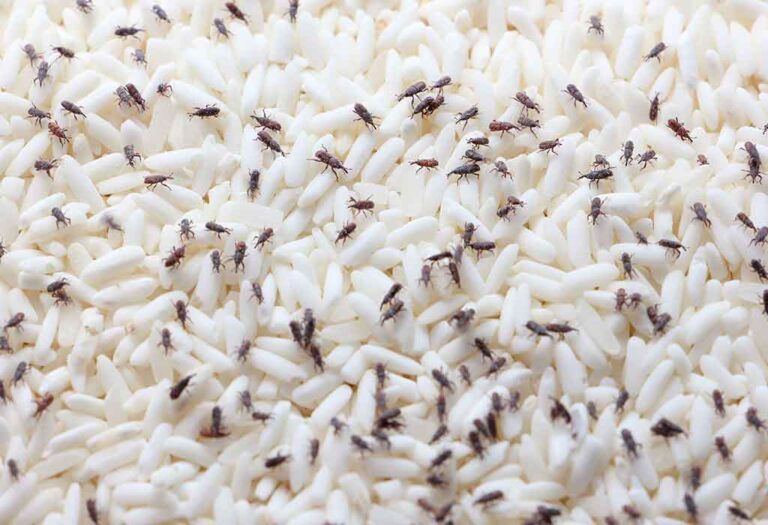
A week after buying a bag of rice from a trusted store, I opened it only to find tiny insects crawling through the grains. The bag was properly closed, stored in a clean, dry place, and there were no signs of pests anywhere else in my kitchen. Yet somehow, an infestation appeared out of nowhere!
I remembered a thought I’d once had, and I’m sure it has crossed many people’s minds at some point: Do insects in stored grains really come from nowhere? Could they just form inside the food on their own?!
Finding insects in stored grains isn’t a rare case. Many people have had the same issue with rice, flour, oats, and other dry grains. And according to studies, nearly 20% of the world’s stored grains are lost due to insect infestation, and in some places, that number is even higher.
“Insect pests currently consume the equivalent of 1 out of every 12 loaves of bread (before it ever gets made). By the end of this century, if climate change continues unabated, insects will be eating more than 2 loaves of every 12 that could have been made”, said Curtis Deutsch, the researcher and co-author at the University of Washington, to BBC News.
So, where do these insects come from? And more importantly, can we prevent them from invading our food?
How do Insects in Stored Grains get into the Sealed Bags?
Even if the bag looks perfectly fine at first, and you’ve stored it in a clean, dry place, insects can still find their way in or even chew their way through.
Some types, like the larvae of Indian meal moths, are known to bite through thin plastic, cardboard, and paper packaging just to reach the food inside. And for other insects, a tiny hole in the package or even a gap between the container and its lid is more than enough. Another thing is that if there’s already an infested item nearby, it’s very easy for insects to move from one bag to another.
What makes things worse is that most insects in stored grains thrive in warm, humid environments, like a kitchen shelf in summer. If the cupboard isn’t cleaned regularly, with bits of rice, flour, or crumbs lying around, it becomes even more inviting. And while we usually think they feed only on grains, some species can survive on dried fruit, spices, pet food, and even the cardboard packaging itself!
But what if you did everything right, and the insects still appeared?
You kept the grains in a properly sealed container, stored them in a dry cupboard, and made sure your kitchen was clean; there were no tears, not even a tiny hole; however, weeks later, you found insects inside.
So, how did insects in Stored Grains penetrate the container and get in there?
You might be surprised, but some insects in stored grains don’t even need to break in; their eggs were hidden in the grains long before you bought them home! Certain species of insects – such as weevils, grain moths, and some types of beetles- lay their eggs directly inside grains or seeds during storage, transport, or even earlier at the harvesting stage.
If proper pest control methods aren’t applied early on, or if the grains aren’t thoroughly cleaned and inspected during packaging, those eggs can end up sealed inside the bag. And then you buy one of those bags that seem perfectly clean to you, but that doesn’t mean they’re egg-free.
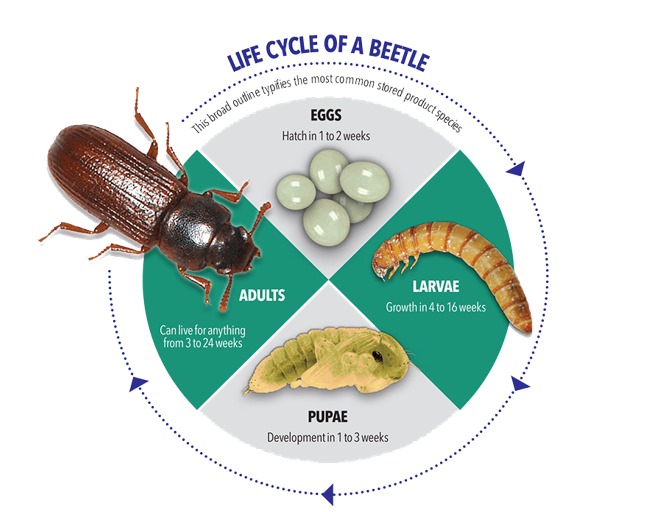
Eggs of grain insects are incredibly small. They are also white, translucent, and nearly invisible to the naked eye. They remain in the bag, hidden inside the grains, until conditions become favorable (such as warmth and humidity). At that point, the eggs hatch into larvae that feed on the grain from within, then pupate and eventually emerge as adult insects: the stage most people finally notice.
Life cycle of a beetle (as an example of stored product insects). Photo: Environmentalpest
So, by the time you bought that sealed bag, it was already carrying invisible eggs inside the grains, waiting for the right conditions to hatch and cause an insect infestation later. Not because your food went bad or your kitchen wasn’t clean, but simply because the eggs were there all along.
The Following are some Useful Tips to Keep Insects Out of Your Food!
Start with Smart Shopping
Before grains even enter your kitchen, inspect packaging carefully. Look for small holes, clumped grains, or fine powder—these subtle signs can hint at hidden pests. Choose stores with high product turnover, where items move quickly off shelves. The less time a bag sits in storage, the lower the chance of infestation. If possible, opt for brands known for strict quality control during packaging.
At Home: Freeze First and Store Right
Once you bring grains home, an easy trick is to freeze them for 3–4 days. This kills any undetected eggs or larvae without affecting quality. After freezing, transfer the grains to airtight containers made of glass, metal, or thick plastic. Flimsy materials like cardboard or thin sacks are easy targets for r insects in stored grains; they can chew through or sneak into gaps. A tight seal is always your best defense.
Airtight food storage containers.
Maintain a Pest-Resistant Pantry
Store containers in a cool, dry spot, far from moisture or spilled food remnants. Regularly wipe shelves and vacuum corners to remove crumbs that might attract pests. Practice the “first in, first out” rule: use older grains before opening new packages, and avoid bulk-buying more than you’ll use in a few months. The less time food sits unused, the fewer opportunities bugs have to settle in.
Insects already in your food? Here’s what to do!
Now that you know how to prevent future infestations, what if you’re already dealing with insects in your food? Is it still safe to eat your food while there are bugs, or should you toss it? The answer depends on a few simple factors.
It can be a bit shocking, but don’t panic; seeing insects in food doesn’t always mean the food is ruined. If you only see a few insects here and there, and the grains still look and smell normal, you can simply rinse them well and still use them. Cooking will kill any hidden larvae or eggs.
Even if you accidentally eat one, it’s not dangerous. Food safety experts say it’s not a health risk at all. In fact, there’s actually an “acceptable” limit. According to the FDA, up to 75 insect fragments are allowed per 50 grams of wheat flour!
When should you throw food/grains away?
However, there are clear signs when food should be discarded. If you find grains full of live insects, webs, or strange smells, it’s safer to throw them out. In that case, the food may have started to spoil or lose its quality.
it may also grow fungi and could contain harmful mycotoxins, which are toxic compounds that are naturally produced by certain types of molds and can cause serious health problems. What makes them even more dangerous is that many mycotoxins are heat-stable, meaning they can survive standard cooking temperatures. So, eating the grains might not be safe anymore.
After throwing the bag away, make sure to clean the area where you kept it, especially corners and hard-to-reach spots. Vacuuming is the best way to get rid of any crawling insects or tiny eggs. Then wipe the surface dry and store new grains in sealed containers. That’s the only way to make sure the problem doesn’t come back. And one last thing, never spray insecticides near your food. They don’t fix the problem, and could make the food unsafe to eat.
Insects in stored grains can be pretty annoying, even a little gross. But it’s good to know that it doesn’t take much to keep them away. With a few easy habits and a bit of attention, you can protect your food and keep your kitchen clean
So no, insects don’t magically appear out of nowhere. But if you ever find one in your rice again, at least now you know… they’ve probably been waiting for the right time to say hello!
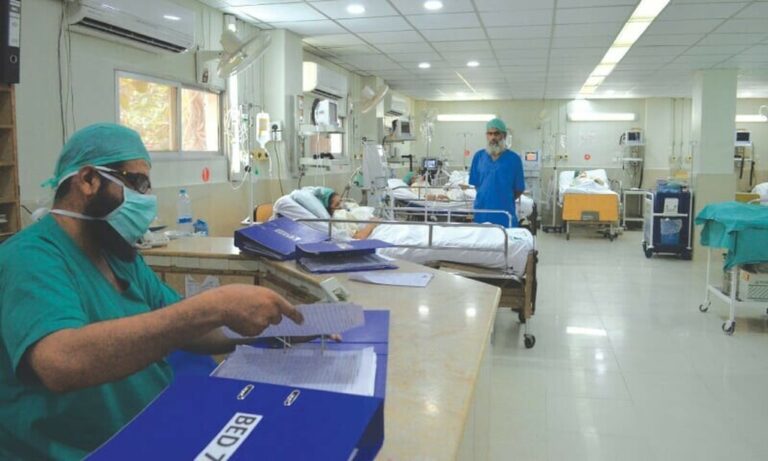
It was a sunny July afternoon when Sameer, a 45-year-old resident of Swat, rushed his mother to a nearby private hospital because her chest pain was becoming unbearable. However, the hospital quoted treatment costs that were two-thirds of Sameer’s monthly income. Overwhelmed by his mother’s falling health, he took his mother to a public hospital, where the area was already overcrowded.
He stood in line with his head bowed down, grappling with unspeakable feelings as he waited for his turn to obtain an emergency slip. After a few moments, he was handed a list of necessary investigations and medications, which were far beyond his salary and savings. At that moment, his emotions peaked; the weight of unsaid words hung on his tongue as he whispered with a heavy heart, “How can I pay for my mother’s life, provide food for my children, or endure the unending pain of debt?”
This moment captures a glimpse of the millions of people like Sameer who face similar situations daily. They sell their jewelry, livestock, and gamble with their savings to cover medical expenses. Although we advocate for “health for all,” the reality remains a harsh struggle between paying for life and falling into poverty. Stories like these raise alarm bells for Universal Health Coverage every day.
What is Universal Health Coverage?
Universal health coverage means that everyone has access to essential health services without facing financial hardship. The World Health Organization defines it through two main domains: service coverage and financial protection. It is not a luxury or a charity; it is a basic human right. Universal health coverage ensures that families can access essential healthcare without risking a financial downturn that leads to poverty.
Why is it so Important?
Imagine walking on a tightrope with a safety net beneath you to catch you if you fall. The tighter and broader the safety net, the greater the chances it will prevent you from experiencing a traumatic fall. Health emergencies—such as heart attacks, stroke, complications during childbirth, and chronic diseases like kidney failure, thalassemia, and cancer—can deplete your savings and possessions, potentially driving you into poverty.
Universal health coverage acts as a safety net, minimizing your financial burdens during these crises. It transforms health care from a gamble into a guarantee, ensuring that health shocks do not trap you in lifelong poverty.
How it Affects Our Health System and Economic Growth
Universal Health Coverage (UHC) is a basic human right that is so crucial that the World Health Organization (WHO) has included it in its Sustainable Development Goals for 2030. Efficient health coverage ensures a healthy population, which leads to greater productivity, economic growth, and a reduction in early school dropouts, child labor, and other social issues. However, gaps in UHC have dire consequences, resulting in a shortage of healthcare staff, medicines, and decaying infrastructure.
This situation forces patients to incur out-of-pocket expenses, trapping them in a cycle of debt and poverty for many years. This leads to delays in seeking care, causing serious diseases to go undiagnosed until they reach a fatal stage. Even when diseases are diagnosed at advanced stages, the immense financial burden of treatment places an unbearable strain on low-income families, turning a diagnosis into a death sentence.
Populations with inadequate Universal Health Coverage (UHC) experience delays in immunizations and insufficient healthcare, leading to higher rates of mortality and disabilities. According to the World Health Organization (WHO), during the COVID-19 pandemic, weak health systems resulted in 25 million children missing routine vaccinations in 2021.
By mid-2023, only 34% of individuals in low-income countries had received COVID-19 vaccinations, compared to 73% in high-income countries. Additionally, countries with high out-of-pocket healthcare costs saw approximately 344 million people fall into extreme poverty and 1.3 billion people into relative poverty in 2019 due to medical expenses.
Therefore, the WHO and its partners emphasize that health spending should be viewed as an investment rather than a cost and must be prioritized.
What’s Happening in Pakistan?
Universal health coverage is a pressing issue in war-affected countries like Pakistan, where funding for this purpose is limited. Unfortunately, public hospitals in Pakistan are severely underfunded, with the country spending less than 1% of its GDP on public health.
This is in stark contrast to the World Health Organization’s recommendation of spending 5% of GDP on basic and universal health coverage. As a result, financial coverage for healthcare is inadequate, leading to an overwhelming dominance of private hospitals in healthcare expenditures.
Pakistan’s health sector has approximately 52.6% of health expenditure that is private, and nearly 89% of it comes directly out of patients’ pockets. This situation forces families into a cycle of illness, debt, and poverty.
What are real-life stories?
Chronic underfunding leads to multiple gaps in the safety net of Universal Health Coverage, causing families to fall into poverty due to healthcare-related expenses. For instance, Kashif explains that his three-year-old son suffers from recurrent chest infections due to a genetic disease. Each time he is admitted to the hospital, the treatment costs him around two-thirds of his monthly income.
Sometimes, government hospitals are so overcrowded that there are no available beds, even for sharing with other patients. As a result, he has to admit his son to a private hospital, further worsening his financial situation and leaving him in debt that he has yet to pay off.
Dr. Zia Ullah, a resident pediatrician, states that these soaring expenses at government hospitals deter families from seeking treatment, leading them to rely on unqualified practitioners, which further exacerbates their children’s conditions.
The financial burden from these healthcare costs often drives parents into poverty, forcing them to rely on less nutritious food for their children, resulting in malnourished kids. This creates a cycle that can lead to a future generation plagued with various diseases and ultimately a less productive society.
Similarly, Niaz Ali, a rickshaw driver, shares that he suffers from diabetes and needs five to eight insulin shots each month, which cost him one-third of his income. This financial burden forces him to rely on charity for his treatment. At times, he has to skip doses because he has to choose between buying medicine and paying for his children’s school fees, putting himself at risk of severe consequences.
The situation becomes even worse for expectant mothers who need proper nutrition and healthcare. Razia, a 33-year-old mother, says it costs them around 8,000 rupees just to travel to the hospital for antenatal care. The additional costs for ultrasounds, investigations, and other medications exhaust their savings from daily wages, leading them to rely on less nutritious food and sometimes skip meals. This results in serious consequences, jeopardizing both the mother’s and the child’s health.
“Many families defer prenatal care, which can often lead to stillbirths, miscarriages, and genetic diseases that could be prevented with early interventions”, says Dr Iqra, who is a resident gynecologist.
These aren’t isolated tales; they reflect the everyday reality for millions of people. When illness strikes, many households are forced to sell livestock or land, cut back on food, or abandon education to pay for medical expenses. Poorer families suffer the most, as treatment and medication are often unaffordable without support. This vicious cycle of illness → debt → poverty—will persist unless public funding is significantly increased.
What are Pakistan’s Initiatives?
In response to various healthcare crises, Pakistan has launched multiple initiatives. In 2015, the Khyber Pakhtunkhwa (KPK) government launched the Sehat Sahulat Programme (SSP) to cover healthcare expenses for individuals from targeted groups. This initiative later expanded to other provinces in Pakistan. In 2020, it was made universal for all residents of KP, and later, the federal government also expanded it to the entire population in 2022.
The inclusion of private hospitals in this program has made it more appealing, as these facilities often have better infrastructure and equipment and are more accessible than government hospitals. This has enabled people to access private healthcare services, similar to those available to higher socioeconomic groups.
Moreover, the recent increase in funding for this program in the KP government budget, from 28 billion to 35 billion, along with an extra 6 billion for the merged districts, marks a significant step toward ensuring its sustainability. As a result, healthcare has become more accessible, and many people are now seeking medical services through this program.
For instance, Abdul Wahab mentioned that he underwent three surgeries under the Sehat Card Plus Programme, which cost him very little compared to a previous surgery that had taken up two months’ worth of his salary. The inclusion of C-sections, normal deliveries, post-operative care, and other maternal surgeries has made these services more appealing, as more mothers are opting for them. This choice helps prevent delivery complications and reduces maternal mortality, thus improving maternal and child healthcare.
Similarly, surgeries such as appendectomies, gallbladder removals, and tonsillectomies, which were previously performed infrequently, have seen a significant increase in demand. More people are choosing these procedures under the Sehat Card, allowing them timely intervention and preventing potential complications.
Furthermore, the inclusion of transplant operations—such as liver, kidney, bone marrow, and cochlear implants—has made this initiative groundbreaking, as these surgeries are essential for improving the quality of life for patients who depend on them.
A recent 2024 report on Universal Health Coverage (UHC) in Pakistan indicates that the Service Coverage Index stood at 53.9 by the end of 2023, reflecting a 35.8% improvement since 2015 and a 2.2% increase since 2022. Although we are progressing at a relatively slow pace, this progress warrants recognition. Advancing towards UHC is a continuous effort, and acknowledging these improvements is more significant than simply achieving the goal itself.
What are the pitfalls of these initiatives?
Although these insurance initiatives have yielded promising results, the program still encounters a few challenges. Dr Seema Mohmand, a public health expert, notes that most of the participating hospitals in these programs are private. This situation means that the government is funding the private sector more than it is supporting public hospitals.
The funds for these initiatives come from the total health expenditure, leading to a focus on insurance activities rather than improvements in primary healthcare facilities. She stated that government funding is equally distributed among both the poor and the rich, which is depleting many resources. With this approach, universal health insurance may become unsustainable amid rising inflation.
Additionally, Dr. Mohmand explains that there is a lack of monitoring and accountability for these initiatives, which can result in the overuse of costly procedures performed under the program. Without proper oversight and accountability, these initiatives may struggle to break the cycle of poverty. She emphasizes that our primary aim should be “to strengthen our healthcare facilities so that even the poorest individuals can access services without having to choose between health and poverty.”
Voices from the Field
Although progress has been made in achieving Universal Health Coverage (UHC), out-of-pocket health expenditures still account for 48.86% of total health spending. Dr. Seema Mohmand emphasizes that while UHC initiatives typically target large hospitals, there should be a particular focus on primary health care, which is a fundamental pillar of UHC. The poor in rural areas rely on these free clinics, and strengthening them would help us achieve significant breakthroughs in UHC.
Dr Awais, a public health expert, points out that healthcare funding issues from less than 1% of our GDP. With such limited funding, we cannot expand our insurance schemes to achieve UHC; substantial new budget support is essential. The government should make concerted efforts to upgrade hospital infrastructure, improve the affordability and availability of emergency medicine, and ensure access to imaging machines, electricity, and adequate staff.
These improvements are crucial so that people do not have to wait in emergency or outpatient departments while their loved ones struggle for life. Strengthening our hospitals is vital for achieving our UHC goals.
Charting the Way Forward: What Strategies Should We Adopt?
According to Dr Seema Mohmand, to break the vicious cycle of illness and poverty, policymakers must allocate more than 1% of GDP to healthcare. Health is a basic right for every individual, regardless of their financial situation. Policymakers should work to increase health funding to meet the 5% GDP goal recommended by the WHO. Special emphasis should be placed on diverting funds to primary healthcare and public hospitals so that the rural population can benefit as well.
She outlined the following key strategies:
Investment in Primary Healthcare: Strengthening local clinics, implementing preventive strategies, and training community health workers can yield significant health improvements at a low cost. This approach would greatly reduce out-of-pocket expenses, making the “Health for All” initiative a reality.
Increase Health Budget: Raise the health budget above 1% of GDP and view this as an investment that can produce broader economic benefits. Consistent efforts should be made to gradually increase health budgets without applying cuts. Tax revenues from tobacco and sugary drinks could be redirected to fund the health sector.
Expand Health Insurance: Extend health insurance programs to rural areas and local clinics to prevent diseases and minimize the transportation costs for patients traveling to larger hospitals. Ensure that the Sehat Sahulat programs are funded consistently and remain unaffected by political instability.
Limit the services to low-income individuals. Given the country’s significant debt and the large portion of our budget directed towards interest payments, it will be challenging to sustain universal health insurance if we provide equal services to all citizens. Therefore, policymakers should focus on serving the underserved, poor, and marginalized populations to alleviate the financial burden and ensure continuous funding for this program.
Promote competition among insurance companies. Currently, State Life Insurance Corporation (SLIC) is the only provider responsible for these services, raising concerns about its performance. Relying on a single company hinders the potential for innovative solutions. The government should encourage the involvement of multiple insurance providers to foster fair competition and enhance the quality of services offered.
Develop a national health financing network. There is currently no consensus regarding the future of this program, which is often influenced by political dynamics. A comprehensive roadmap should be established, incorporating input from all provinces and major stakeholders, to create a plan that minimizes political interference and ensures the program’s continuity, regardless of changes in government.
Invest in Public Infrastructure: Improving public healthcare facilities by enhancing staffing, providing adequate medical supplies and equipment, and ensuring bed availability so that the poorest individuals can receive treatment without having to revert to private healthcare.
Establish New Healthcare Facilities: The government should work to establish new healthcare facilities, aiming to provide services through public-private partnerships.
Support Local Pharmaceutical Companies: Assist local pharmaceutical and biotech companies to ensure affordable pricing for life-saving medications. Price control should be regulated and prevent shortages of essential medicines.
Leverage Technology: With the evolving landscape of healthcare, artificial intelligence and telemedicine should be integrated effectively. Clinicians and developers must collaborate to advance health technologies.
Strengthen International Collaboration: The government should enhance partnerships with international agencies such as the WHO and UN to secure aid and support for expanding universal health coverage. Agreements should be made with companies, facilitated by these organizations, to ensure access to innovative treatments, vaccines, and cutting-edge technologies at an affordable cost.
Call to Action
To the policymakers: Your decisions are crucial. Expanding healthcare funding can mean the difference between millions of families, like Sameer’s, facing bankruptcy or walking out of hospitals with hope. Your actions today can shape the future for generations to come.
To the pharmaceutical and technology companies: Your products must combine hope with affordability. Creating innovative breakthroughs without ensuring affordability is merely a business strategy, not a commitment to safeguarding lives.
To the service providers and the general public: The government is making significant efforts to ensure access to healthcare and minimize the financial burden on citizens. Your cooperation is crucial for the successful delivery of these services. It is essential to prevent fraudulent insurance claims and reduce the irrational use of services solely for insurance benefits. The general public is encouraged to use these healthcare privileges responsibly and only when necessary.
To the science writers: Your stories play a vital role in highlighting these gaps and holding policymakers accountable. Your voice matters and can influence the future.
Universal health coverage is a basic human right and a smart investment, yet it remains elusive in war-affected, low socioeconomic countries like Pakistan. The stories of individuals like Sameer highlight the urgent need for its implementation. Although some progress has been made, without proper financing, accountability, and improved health budgets, these initiatives will only provide superficial hope amid a growing population.
By reinforcing primary care, expanding insurance coverage, and ensuring access to treatments for the most vulnerable, we can turn the “health for all” slogan into a reality. The 2030 Sustainable Development Goals demand bold changes in our healthcare policies. Let’s take action now, so no Pakistani family ever has to choose between medicine and meals.