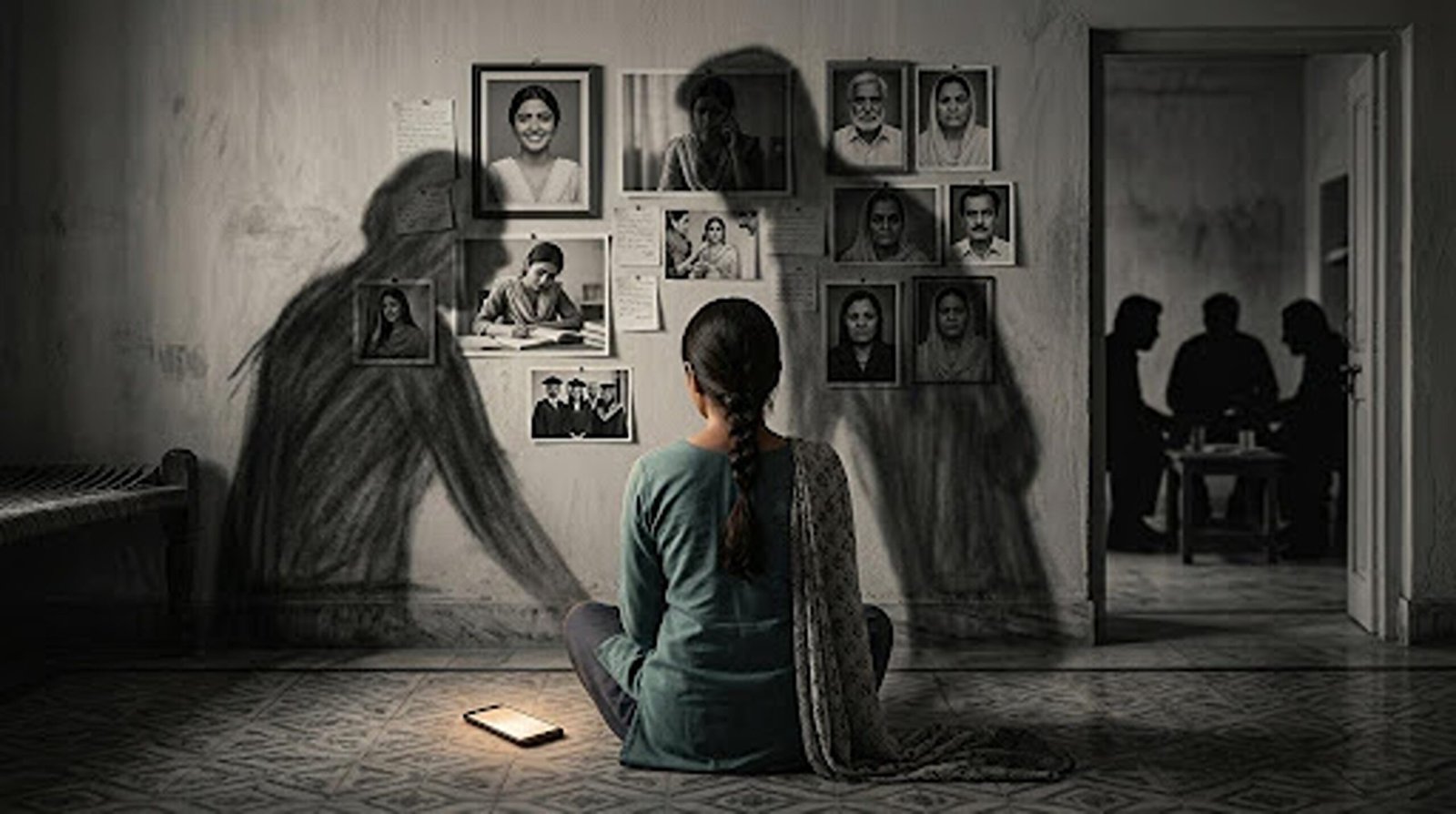
On August 14, 2026, Shamsu Bibi, better known online as Ayesha Gilamana, was shot dead while travelling in a car near Taxila. At first, investigators looked into an alleged financial dispute. Days later, police said the evidence pointed somewhere far closer to home: her father, brother, and other relatives were arrested, with investigators alleging that members of her family had arranged the killing in the name of “honor,” partly because they opposed her social-media activity.
Those allegations have not yet been proven in court. As of the latest confirmed court update on August 25, Ayesha’s father, brother, and paternal uncle had been sent to judicial remand. Two alleged shooters were placed on physical remand as the investigation continued.
An Honor Killing is not simply “people killing people because of honor.” It is better understood as an extreme form of gender-based and family violence in which a person is punished for conduct that relatives or a wider social group believe has damaged the family’s reputation. The supposed transgression may involve choosing a partner, seeking divorce, refusing a marriage, working publicly, using social media, or being accused of sexual or social misconduct.
The numbers show this is bigger than one case
Pakistan’s 2026 numbers make it difficult to dismiss such killings as rare family disputes.
Sahil’s Six Months Cruel Numbers Report documented 132 reported so-called honor killings between January and June 2026, within 3,172 media-reported cases of gender-based violence (Sahil, 2026). Since Sahil’s figures are based on newspaper monitoring, 132 should be understood as a documented minimum rather than a complete national total.
Measuring the problem is complicated because institutions use different datasets. Figures presented to the Senate showed 547 honor-killing cases registered nationwide in 2024 (Senate, 2025), while the Human Rights Commission of Pakistan documented at least 405 honor killings for that year (HRCP report 2024). The difference reflects different collection methods and should not be treated as evidence that one figure automatically invalidates the other. What both datasets establish is persistence.
What is happening psychologically?
The psychology behind an honor killing is easy to oversimplify. Calling a perpetrator simply “angry,” “crazy” ,or “mentally ill” can actually hide the deeper problem. Research instead points toward an interaction between coercive control, gender hierarchy, reputation, shame, entitlement, and social pressure.
A study based on the accounts of Pashtun women who fled honor-based threats found that mostly male family members decide about the fate of women, and their independence is interpreted as a loss of control and a source of shame or community gossip. Their agency itself became the perceived challenge (Khan, Thambiah, & Khoo, 2023).
Research on 160 cases of honor-based abuse identified emotional and psychological abuse, coercive control, gender-based socialization, and physical violence among its most common characteristics. In other words, the killing may be the final and most visible act, but the psychological system around it can begin much earlier, with restrictions, threats, surveillance, and attempts to control decisions (Ridley et al., 2023).
This does not mean that people who care deeply about family reputation become violent. Nor should honor killing be presented as an inherent feature of Pakistanis, Muslims, or any ethnic community. Most people living in societies where reputation matters never commit such violence.
What research reveals?
Research on family honor does, however, help explain why public judgment can become psychologically powerful. Studies involving Pakistani participants have found that threats or insults directed at family reputation can produce particularly strong feelings of anger, shame, and relationship strain (Rodriguez Mosquera, Tan, & Saleem, 2014). Such emotions alone do not cause murder. The danger rises when they operate alongside unequal power, victim-blaming, and a belief that one family member has the right to control another.
That is where “honor” can become a psychological permission structure.
The victim’s independence is reframed as an attack on the family. Control becomes “protection.” Violence becomes “restoring respect.” And when several relatives accept the same logic, responsibility can become collective: one person threatens, another approves, another conceals, and another may eventually carry out the violence.
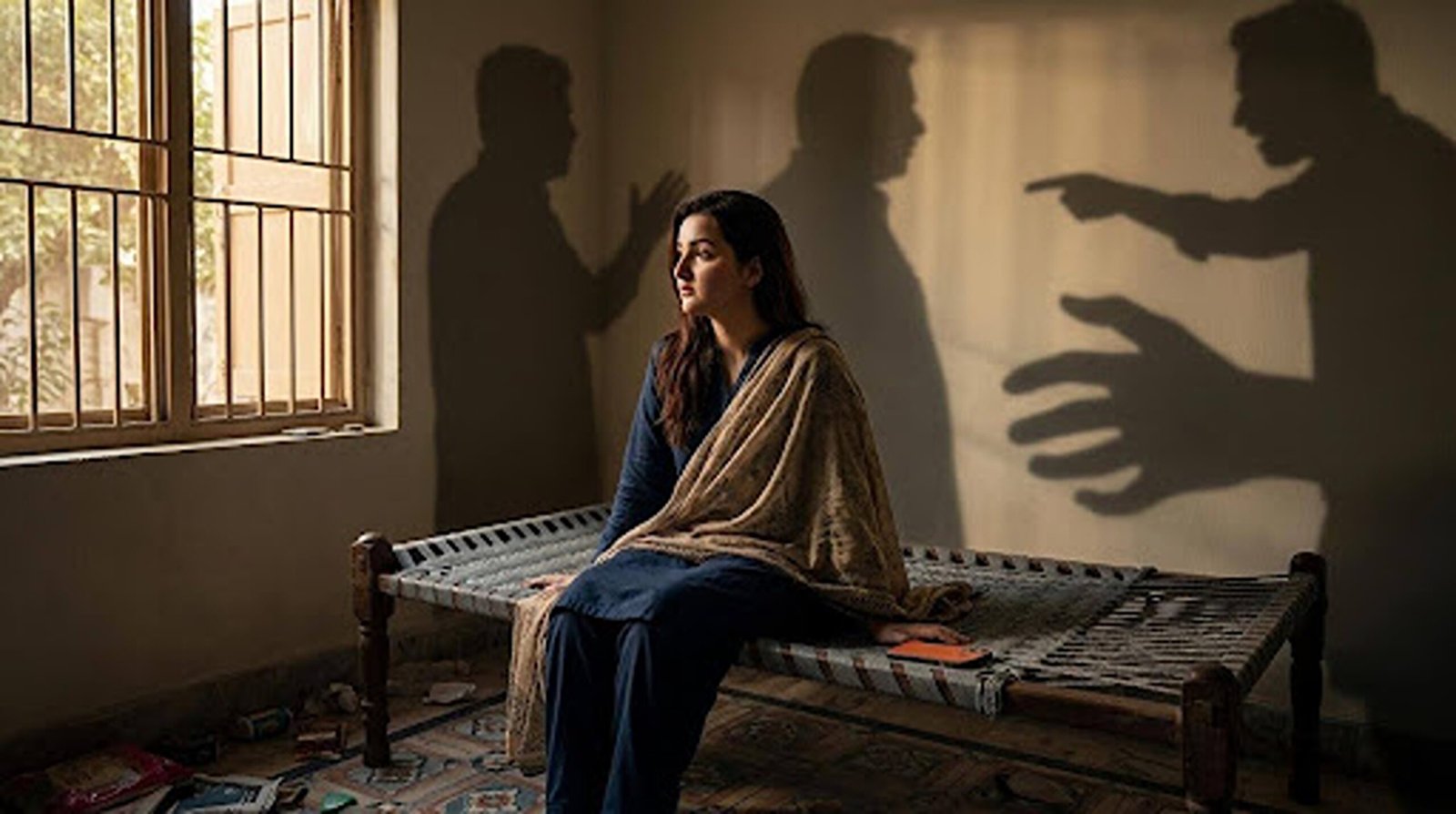
Hina Zareef and the danger of choosing to leave
The recent death of Hina Zareef shows why this issue extends beyond relationships or marriage itself.
Dawn reported in August that Hina was allegedly shot by her father while trying to end an abusive marriage. It was reported that the 25-year-old had been married against her will, obtained khula and left, before eventually returning after receiving assurances that she would not be harmed. These remain allegations surrounding a criminal case rather than judicial facts.
But the reported circumstances echo what researchers have repeatedly identified: a woman’s attempt to choose, leave, or take control of her own life may be interpreted not simply as a private decision but as an act of defiance against family authority.
Pakistan has laws; why do honor killings continue?
Pakistan significantly strengthened its laws in 2016. Under Section 311 of the Pakistan Penal Code, where murder is committed in the name or on the pretext of honor, the punishment after waiver or compounding of qisas is imprisonment for life (Pakistan Penal Code, 1860, as amended). The change was designed to close the notorious loophole through which relatives could forgive a killer who was himself part of the family.
Yet the justice gap remains severe. Data presented to the Senate showed that 22 honor-killing cases registered in Islamabad Capital Territory in 2024 resulted in zero convictions (Senate of Pakistan, 2025). Nationally, the reported conviction rate for honor-killing cases in that dataset was around 0.5%.
Pakistan is now considering another reform. The Criminal Laws (Amendment) (Honor Killings Prevention) Bill, 2026 has been recommended for passage by the Senate Standing Committee on Interior and Narcotics Control. It should not yet be described as enacted law.
Changing what “honor” means
Punishment matters, but legislation alone cannot dismantle the thinking that makes this violence possible.
In June 2026, Pakistan’s Ministry of Human Rights and UN Women backed a “No Honor in Killing” joint communiqué. Its priorities included stronger accountability, better survivor protection, and improved data. It rejects parallel justice mechanisms that sanction violence and invests in community engagement and changing harmful social norms.
The WHO’s evidence-based RESPECT Women framework takes a similar approach. It strengthens services and healthy relationships, empower women, creates safer environments, protects children and adolescents, and transforms harmful attitudes, beliefs, and norms.
That means prevention has to begin long before a murder. It begins when a girl gets threatened for choosing whom she wants to marry. A woman is convinced that divorce is a disgrace to her family. When relatives treat an adult daughter’s career or online presence as property they can control. When community gossip carries more weight than someone’s safety. And when police or other institutions dismiss a credible threat as a private “family matter.”
The deepest psychological change required is straightforward to describe, even if it is difficult to achieve. Until communities and institutions consistently reinforce that idea, and until perpetrators expect meaningful consequences, the word “honor” will continue to disguise what Pakistani law already recognizes as violence.
At least 132 so-called honor killings were documented through media monitoring in Pakistan during January–June 2026. Meanwhile, the government and Parliament are publicly discussing rising femicide and honor-based violence, and additional criminal-law reform remains under consideration.
A family’s reputation can never be worth more than a human life.
References:
- Senate of Pakistan, 22 ICT honor-killing cases in 2024 with zero convictions and extremely low national conviction rates. Senate Human Rights Committee data
- Pakistan Code (Pakistan Penal Code), current Section 311 language covering murder committed in the name or pretext of honor. Pakistan Penal Code
- Senate of Pakistan (2026 Honor Killings Prevention Bill): legislative status and committee recommendation.
- Sahil’s January–June 2026 GBV figures: 3,172 GBV cases and 132 reported honor killings. Dawn: Six-month GBV statistics
- Dawn (Ayesha Gilamana investigation): arrests and police allegations of a family conspiracy. Dawn: Ayesha Gilamana case
- Dawn (Hina Zareef reporting): recent violence against women and circumstances surrounding her death. Dawn: Women’s trauma
- UN Women / United Nations Pakistan: June 2026 consultation on femicide, honor killings and the “No Honor in Killing” communiqué. United Nations Pakistan consultation
- WHO: RESPECT Women evidence-based framework for preventing violence against women. WHO RESPECT Women framework
- Sage Journals: (Khan, Thambiah, & Khoo, 2023), Violence Against Women, 29(3–4), 431–452
- Journal of Investigative Psychology and Offender Profiling (Ridley et al., 2023), Wiley study
- Journal of Cross-Cultural Psychology, 45(3), 452–465, Shared Burdens (Rodriguez Mosquera, Tan, & Saleem, 2014)
More from the author:
Growing Suicide Rate in Students: When a Bad Semester Starts to Feel Like a Ruined Life
The Science Beneath a Footballer’s Skin During 90 Minutes of Play

Anam Ilyas holds an MS Forensic Chemistry from Government College University, Lahore. She is a science enthusiast with a great love for explaining complex topics in simpler ways. She aims to bridge the gap between scientific research and the general public through her writing. When she is not writing or talking, you can find her lost in a book or making ideas come alive through her drawings.

