A young mother of two lost her life after a grueling battle with the menace called ‘cancer.’ Early detection would have given her a second chance at life, but like many cancer patients, her cancer was detected far too late. This woman was Bethany Purvis, also known as the “Elsenham Bowel Warrior,” from Hertfordshire, England.
In 2014, she started noticing some changes in her bowel movements and experienced constipation and diarrhea with rectal bleeding. For almost two years, her symptoms were managed as if she had irritable bowel syndrome (IBS) and other minor conditions. Two years.
By the time a colonoscopy showed that she was suffering from stage three bowel cancer, the cancer had already spread to six of her lymph nodes. It was too late at this stage. Her cancer just wouldn’t stop, even with the surgery and all those rounds of chemotherapy. It eventually hit stage IV and metastasized to her lungs. She lost her five-year battle with bowel cancer in June 2021 and tragically passed away at the age of 42.
Cancer is one of the biggest killers across the world. The four most common types are breast, lung, bowel, and prostate cancers. As reported by the World Health Organization, the number of cancer cases is still rising across the world, and late-stage detection is a major reason it is claiming lives. Therefore, it goes without saying that Bethany’s case is not an outlier but a global archetype.
The biggest problem with this ‘evil’ disease is that it is very hard to diagnose in its early stages because the symptoms are so vague that they can easily be confused with something benign. This is why scientists have started to turn to artificial intelligence as a solution in the fight against cancer to help doctors save as many lives as possible.
AI as a ‘Digital Second Opinion’
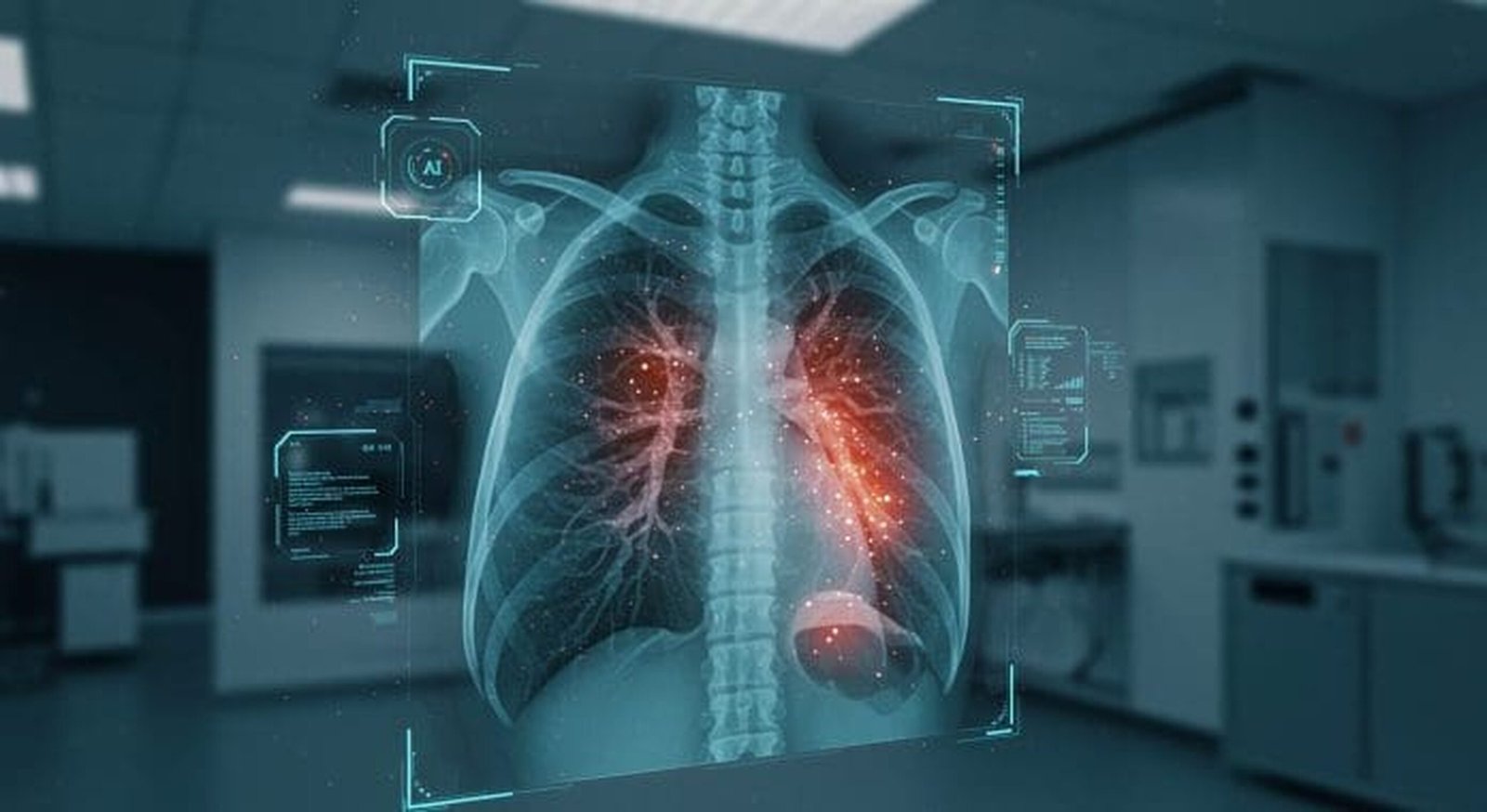
AI has the ability to review large amounts of data and pick up on patterns that are not visible to the human eye. In radiology, for example, AI software is referred to as a digital second opinion and alerts doctors to high-risk patients.
The medical community, for years, has wondered if AI would actually save lives or just generate more “false alarms.” The answer came in early 2026 with the completion of the Mammography Screening with Artificial Intelligence (MASAI) trial, which was the first randomized trial of its kind.
The study, headed by Dr. Kristina Lång of Lund University, found that AI-assisted screening detected 29% more cancers than the conventional method of having two radiologists review each scan. More importantly, it detected invisible cancers until they manifested as symptoms. This revolutionary finding proved that AI can decrease a radiologist’s workload by almost 44% without compromising safety and can effectively close the diagnostic gap that took Bethany’s life.
Diane thought it was just a stubborn cough
AI has already started producing life-saving outcomes for actual patients. In 2025, 60-year-old Diane from Glasgow came to her physician with what she thought was just a persistent cough. Her chest X-ray was analyzed by an AI algorithm called qXR, which drew the clinician’s attention to a possible lung nodule that might have been overlooked otherwise.
Thanks to the AI’s ability to give her case priority in a matter of hours, she was expedited for a CT scan. The scan revealed that she had stage II lung cancer. It was through early detection that her case moved from potential delay to timely treatment and improved her survival chances.
Sheila almost walked away, reassured
In late 2024, a breast screening program was carried out at University Hospitals Sussex in West Sussex, United Kingdom. Over 12,000 mammograms that had been previously assessed as normal were reevaluated by an AI system named Mammography Intelligent Assessment (Mia).
Sheila Tooth, a 68-year-old retired nurse from Littlehampton, West Sussex, was among the women whose mammograms were reassessed. It was discovered that she had early-stage non-invasive breast cancer that had not been detected during the first review. Since it was detected so early by the AI system, Sheila only required a lumpectomy. It is a type of breast-conserving surgery that involves the removal of a cancerous tumor or abnormal lump, as well as a margin of normal tissue surrounding it. She did not need any additional treatment and went back to her normal life. “It’s extraordinary, and I’m amazed. When I talk to friends, we just can’t believe this AI can detect what the human eye can’t always see. I just feel so lucky,” she said.
Biomarkers and Multiomics
In early 2026, research by MIT and Microsoft introduced CleaveNet, which is an AI model designed to develop molecular sensors for home diagnostic kits. These sensors can identify more than 30 forms of cancer by studying proteases, which are proteins that are overactive in the early stages of cancerous growth. This is not the only development in the field. There is also a move towards multi-omics, where AI combines information from various levels of biological systems:
Genomics is the study of DNA to look for particular mutations that suggest a high genetic risk of developing particular types of cancer. It tells us what might happen based on our genetic instruction manual. Proteomics, on the other hand, examines the proteins that are actually present in the bloodstream. As proteins are the workers of the cell, early changes or imbalances in certain proteins can be the first warning flag that a cancerous growth has begun.
Transcriptomics is the bridge between the two. It watches as cells read their DNA. AI can identify the very first moments of a cell becoming cancerous, often before a tumor even develops. It does so by identifying this aberrant gene expression when a cell begins to read the wrong instructions.
AI is able to pick out a liquid biopsy pattern from a simple blood or urine test by combining all this complex information from different “omics.” This could potentially detect cancers like Bethany’s at Stage I when they are highly treatable. A liquid biopsy is a minimally invasive blood test that analyzes circulating tumor DNA and cells. This test offers a snapshot of a patient’s cancer and enables more precise monitoring and personalized treatment plans.
Limitations and Risk of Bias
It is important to remember that the quality of the AI’s output is solely dependent on the input that it receives. One of the biggest challenges that exists at present is the need for varied datasets so that the AI is not biased in its outputs. The objective remains the same regardless: to utilize better and more informed research to discover these new biomarkers and save lives through early detection.
Dr. Nadeem Riaz is a radiation oncologist at the Memorial Sloan Kettering Cancer Center, New York. He described how a lack of diversity in the training data can result in algorithms that work poorly for underrepresented populations. He warns:
“In oncology specifically, where cancer presentation and outcomes already vary significantly across populations, this bias could lead to missed diagnoses or inappropriate treatment recommendations.” (Cancer Therapy Advisor, 2025).
Another important consideration is that the AI systems often suffer from a lack of portability when it comes to hospitals. Dr. Julian Hong, an assistant professor at the University of California, San Francisco (UCSF), notes that an AI system developed at a certain institution tends to fail when used in a different setting. (Cancer Therapy Advisor, 2025).
Although the benefits of AI in healthcare are numerous and quite promising, there are also some risks associated with it. If the data used to train the algorithms is not diverse, the algorithms may not perform well in different populations. Resource-scarce clinics may not be able to fully benefit from AI, and false positives can cause undue stress to patients in such cases.
Economic and Global Outlook
As of 2026, the AI cancer diagnostics market is valued at approximately $1.28 billion, and it is expected to double by 2035 (Towards Healthcare, 2026). However, the cost of care is not measured in dollars and cents. In developing countries, where the ratio of oncologists to patients is dangerously low, AI is being used as a triage assistant. A triage assistant is an AI system that automatically sorts and prioritizes patients based on the urgency of their symptoms. It also scans results and flags high-risk cases for immediate clinical review.
In January 2026, a global machine learning study published in the journal Annals of Oncology found that the biggest lever for improving cancer survival rates in many countries was not new drugs alone but greater access to pathology and universal health coverage. By offering high-level diagnostic intelligence through cloud-based AI, the equity gap for patients living in distant areas from major cancer centers is being bridged.
The Road Ahead!
To sum it all up, the objective is clear: a timely diagnosis can be the difference between life and death, and an untimely diagnosis can have a huge impact on patients as well as their families. AI can help by pointing out the weaknesses and flaws in the healthcare system and allowing doctors to make earlier diagnoses.
Technology by itself will not be the solution to the problem of untimely diagnoses, but when combined with careful analysis, AI can assist in bringing attention to areas where the systems are failing. In the fight against cancer, the diagnostic gap could be as important as the whole discovery.
Even with the optimism of 2026, the handshake between AI and medicine is not without its challenges and faces significant hurdles. The first principle of data science, “garbage in, garbage out,” is a question of life and death in cancer care. If an AI is trained on a small or homogeneous dataset, it can create algorithmic bias.
Recent research at Harvard Medical School in early 2026 emphasized that some pathology AI systems are not equally effective for all demographics. Because AI is so sensitive, it can detect very small differences in molecules that are age, race, or sex-related, which are not detectable by the human eye.
If these demographic factors are used as a representation of disease, the AI system could potentially underdiagnose some demographics. For instance, a system trained on data from older populations could potentially overlook the aggressive triple-negative forms of breast cancer that are prevalent in younger women.
To address this, the research community is shifting towards Explainable AI (XAI) and platforms such as FAIR-Path, which assist in lessening diagnostic gaps by as much as 88%. These platforms enable doctors to understand how an AI system arrives at a particular diagnosis and ensure that the AI system is always a transparent tool and not a “black box” decision-maker.
Bethany Purvis frequently talked about the brave face she had to put up during her five-year battle with cancer. Her experience highlights the eventual aim of AI integration: to ensure that a “brave face” is never a prerequisite for survival. AI has the ability to reveal the diagnostic gap and highlight where our current infrastructure goes wrong.
Technology alone will not be the solution to the cancer problem, but it can be the light that shines to find the problem in the dark. We can move from a reactive strategy of treating the sick to a proactive strategy of preserving the healthy with the right implementation of AI. In honor of Bethany Purvis and others like her, the greatest achievement of 2026 will not be the algorithm but the human decision to use it to give every patient a fair second chance at life.
References:
- Bowel Cancer UK. (2021, June 21). Bethany Purvis, Bishop’s Stortford. https://www.bowelcanceruk.org.uk/how-we-can-help/real-life-stories/younger-people-with-bowel-cancer/bethany-purvis,-37-from-bishop%E2%80%99s-stortford/
- Breastcancer.org. (2024, January 26). Artificial intelligence (AI). https://www.breastcancer.org/screening-testing/artificial-intelligence
- European Society for Medical Oncology (ESMO). (2026, February 12). AI-supported mammography screening shows favorable outcomes compared with standard double reading: Findings from the MASAI study. https://www.esmo.org/oncology-news/ai-supported-mammography-screening-shows-favourable-outcomes-compared-with-standard-double-reading
- Qure.ai. (2025, April 15). Saving lives with AI: How early lung cancer detection changed Diane’s life. https://www.qure.ai/us/insights/saving-lives-with-AI:-How-early-lung-cancer-detection-changed-diane-life
- University Hospitals Sussex NHS Foundation Trust. (2024, November 7). AI is helping women detect breast cancer earlier. https://www.uhsussex.nhs.uk/news/i-just-feel-so-lucky-ai-helping-women-to-have-breast-cancer-detected-earlier/
- Harvard Medical School. (2025, May 13). Researchers discover bias in AI models that analyze pathology samples. https://hms.harvard.edu/news/researchers-discover-bias-ai-models-analyze-pathology-samples
- Trafton, A. (2026, January 6). AI-generated sensors open new avenues for early cancer detection. MIT News. https://news.mit.edu/2026/ai-generated-sensors-open-new-paths-early-cancer-detection-0106
- Cancer Therapy Advisor. (2025, March 25). Barriers to AI in oncology. https://www.cancertherapyadvisor.com/features/barriers-ai-oncology/
- Towards Healthcare. (2026). https://www.towardshealthcare.com/insights/ai-in-cancer-diagnosis-transforming-cancer-care
Similar articles: Stopping Cancer Before It Starts: A Cellular and Preventive Perspective

Mahrukh Haseeb holds a bachelor’s in Biotechnology and is an aspiring research scientist. Her interests involve computational biology and AI applications in biology. She is passionate about science writing and communication and enjoys breaking down complex science for everyday readers. She was an intern at Scientia Science Writing Internship Cohort Five.

