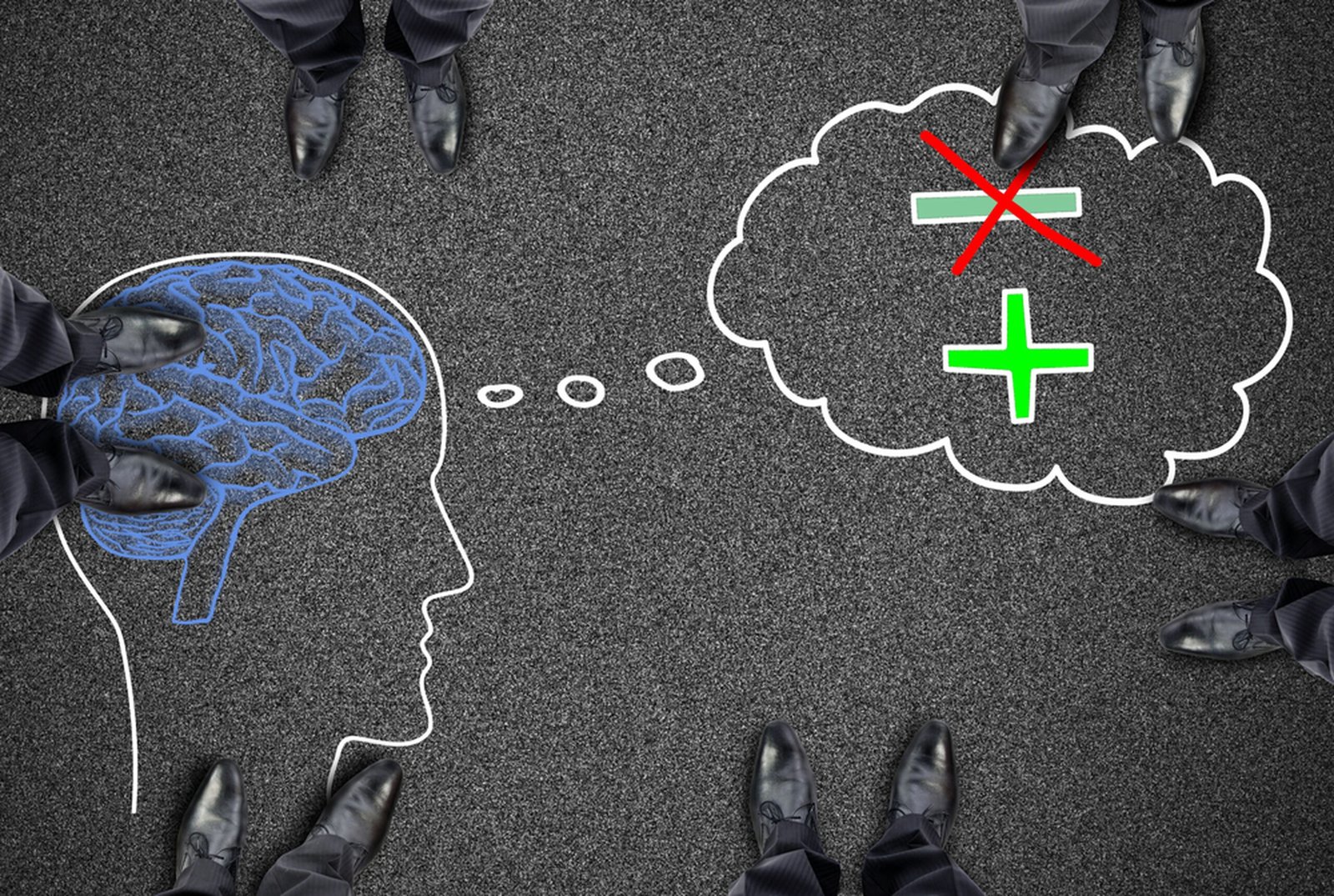
We all experience events in our lives to be cherished, events that give us highs and bring out the livelier sides in us. But as they say, what goes up must come down. The lowest ebbs are also a reality, which we must come to fathom at one point in our lives or another; turbulations, betrayals, and losses, all these can wreak havoc on the sanest of minds and affect mental well-being.
The effects of psychological illnesses and certain personality traits (Type A personalities) are compounded by the situations we face in our daily lives and how we react to them. Not everyone faces the same situation in the same manner. Some are a calm presence in the face of the storm, while others are ruffled by the slightest of gales. Our outlook in life, on one hand, determines how and what decisions we make, while it also determines how we will fare in terms of our health.
Outlook in life, behavior, and mindfulness
How we think and feel is very much part of who we are and is determined mostly by our environmental rearing & conditioning since we were little kids. The responses we build against internal and external stimuli become pretty much part of our repertoire of life skills. Some of us are being overly optimistic, while others find gloom in nearly every aspect of our lives. It is well known that psychological/psychiatric illnesses predispose us to a whole host of medical issues, ranging from peptic ulcers to heart disease. Apart from this, our everyday behaviors, which we nurture with our day-to-day experiences, also play a big role in how we are at risk for diseases.
Undue hatred towards someone, unnecessarily looking down the barrel during the slightest of situations, jealousy, and destructive criticism are just a few examples of negative behaviors and attitudes we all face. When persistently exercised, these become second nature, and our minds become a breeding ground of such values and beget more of the same.
The concept of ‘mindfulness’ is based on being free from the thoughts mentioned above and focusing on the present rather than living in the past or worrying about what’s to come. The future of medicine is very much intertwined with this concept. Preventive medicine should not be based only on healthy eating behaviors and exercise, but rather on integrating a positive outlook in life and a healthy mental state.

How the body reacts to our mental health
Our minds and bodies are intertwined in structure and function. And it is high time that we started dealing with it as such. The body and its intricate processes of immunity, healing, aging, etc., depend upon how our ‘whole’ self reacts to external and internal stimuli.
Say, when we are going through a rough phase in life, the mental stress mainly causes us to lose or gain appetite, as the case may be, but it can also cause loss of interest in the simplest of things; all this affects our bodies simultaneously. The stress response, which is a ‘code’ as I would like to put it, in our body, gets activated whenever we consciously/subconsciously sense harm, danger, or imminent threat. All this can be mental or physical.
The Not so ‘Sympathetic’ mechanisms
The physical aspect involves activation of the ‘Sympathetic’ nervous system, which basically protects us from harm, hence the name. But in doing so, it activates stress responses, which in the short and long run can cause a non-exhaustive list of ailments. For readers, a few examples of this response are highlighted.
The sympathetic nervous system comprises a vast meshwork of nerves that runs from the brain to basically every organ and niche of the body. It concerns the regulation of functions which are not under our control, such as digestion, bowel & bladder movements. However, it also equips us with functions to evade or cope with any form of stress, which is why the response it mounts is called the ‘Fight, Fright and Flight’ responses.
The downside of this response in the long run is that people who remain in a constant state of alertness/heightened stress have their sympathetic nervous system go into overdrive. This can lead to chronic metabolic diseases, increased susceptibility to infections, changes in body fat composition, and even melasma (pigmentation on the face).
HEART RATE VARIABILITY (HRV)
One mechanism that is increasingly being looked over in recent times is called HEART RATE VARIABILITY (HRV). In a nutshell, normally, our heart rate is variable from breath to breath, and there is physiological slowing or quickening of our heart. When this variation is lost, as in cases of continuous racing of the heart in anxiety, or maybe because of some contents (natural versus processed) of the food we eat, we are prone to all sorts of heart rhythm/function troubles.
Among other changes, high blood sugars and cholesterol, a very fast heart rate, and being finicky and fidgety most of the time stand out. All the above, when persisting for a long time, can take a heavy toll on one’s health, eventually unmasking or producing metabolic diseases.
The Remedy!
It is imperative to try to mitigate the triggers for our negative feelings and seek help from Psychologists/Psychiatrists if needed. Stress, in the form of simple overthinking, depression, or post-traumatic stress disorder, should be picked up earlier by Physicians since early management could avoid a lifetime of disease burden.
To improve HRV, regular deep-breathing exercises are effective, reducing sympathetic drive and allowing the parasympathetic (the opposite effect) to take over. It leads to more variability in heart rate and rhythm, and can terminate panic attacks as well (Yes! The breathe slow and deep routine). Regular exercise, both aerobic and high-intensity, when incorporated in our lives, can even simple walks prove to have antidepressant effects.
Lastly, the foods we eat determine the health of our gut and eventually our brain. Make sure you eat more natural, unprocessed foods, and maintain balance. More greens, balanced with different sources of meat, help.
In conclusion, mental and physical health go hand in hand. It’s high time we, as physicians and the common folk, started taking them as such and focused on our ‘well-being’ and holistic medicine rather than correcting and ‘repairing’ individual body parts.
More from the author: The Nabateans: Rock-Cut Wonders of the Ancient World

Dr Syed Hunain Riaz is a Physician with expertise and experience in Endocrinology & Metabolism with a passion for eliciting change through the dissemination and application of precise knowledge. He is a space enthusiast, avid reader, blog writer, amateur photographer ( Astro & every day), and gamer.
Writing interests include preventive & lifestyle medicine and psychosocial issues. Dr. Hunain believes in limitless creativity and productivity of the human mind. Nature of consciousness, reality, and patterns in the universe are areas of special interest. He can be reached at syedhunain@gmail.com

