In 2024, while my mother was battling cancer, one sentence stayed in my mind long after the consultation had ended: “CAR-T cell therapy is the only hope, but it isn’t available in Pakistan.”
At that moment, CAR-T cell therapy was not simply the name of an advanced treatment. It represented a possibility that existed somewhere beyond our borders. Two years later, that reality began to change.
In 2026, Pakistan successfully performed its first Chimeric Antigen Receptor T-cell (CAR-T) therapy at Combined Military Hospital (CMH) Rawalpindi, marking a historic milestone in the country’s journey toward precision medicine. Although only the beginning of a much larger journey, this achievement signals that one of the world’s most sophisticated cancer treatments is no longer an impossible dream for Pakistani patients.
According to the official statement from the Armed Forces Bone Marrow Transplant Centre, a dedicated team comprising military physicians, hematologists, and oncologists managed the patient’s clinical care, chemotherapy conditioning, and post-infusion monitoring.
The team carried out the procedure after years of research and innovation by specialists from the Army Medical Corps. “A 21-year-old patient with relapsed B-cell acute lymphoblastic leukemia has made a full recovery following the treatment, while the patient and family demonstrated exemplary resilience throughout the process.”
For many, it was another medical headline. For families confronting aggressive blood cancers, it represented something far greater: a reason to believe that the future of cancer care in Pakistan is changing. “Hope in medicine is not only about discovering new treatments, but it is also about making them accessible to those who need them most.”

More Than a Medical Milestone
“Scientific discoveries become meaningful only when they reach the patients who need them.”
Pakistan’s successful introduction of CAR-T cell therapy represents far more than the addition of another treatment to its healthcare system. It reflects years of progress in molecular medicine, immunology, clinical oncology, and biotechnology. It demonstrates that highly specialized cellular therapies, once available only in a handful of countries, can now be developed and delivered closer to home.
Although widespread availability will require continued investment in infrastructure, training, regulation, and affordability, this achievement marks an important beginning. It also has the potential to encourage further advances in regenerative medicine, gene therapy, precision oncology, and translational biomedical research within Pakistan.
The sentence I heard in 2024 has never left me.“CAR-T cell therapy is the only hope, but it isn’t available in Pakistan.” Today, that sentence no longer tells the whole story.
Science cannot undo every loss, nor can it promise a cure for every patient. But it can transform impossibility into possibility. Pakistan’s first successful CAR-T procedure is not the end of the journey; it is the beginning of one. Sometimes, the brightest light at the end of the tunnel is not a miracle. It is decades of scientific curiosity, relentless research, and the determination to turn hope into reality.
A Revolutionary Idea
“What if the immune system could be taught to recognize what cancer had been hiding?”
That question transformed the future of oncology.
For decades, cancer treatment relied largely on surgery, chemotherapy, and radiotherapy. Each has saved countless lives, yet all possess important limitations. Chemotherapy attacks rapidly dividing cells regardless of whether they are healthy or malignant. Radiotherapy precisely targets tumors but can also affect surrounding tissues. Scientists began asking a different question. Instead of developing stronger drugs, could they strengthen the body’s own immune system? This idea became the foundation of cancer immunotherapy, one of the most rapidly advancing fields in modern medicine.
What is CAR-T Cell Therapy?
“The most powerful weapon against cancer may already be flowing through your veins.”
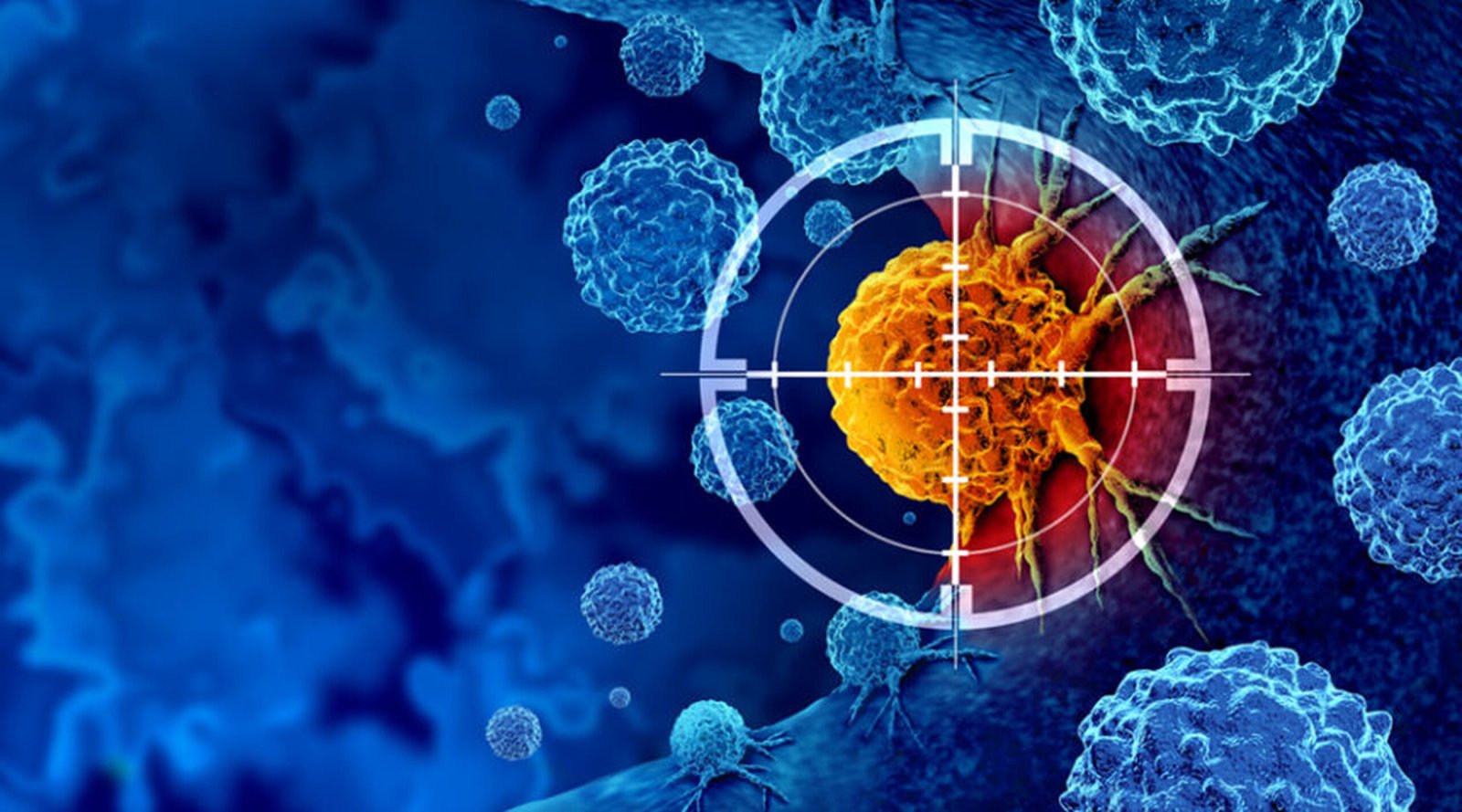
CAR-T stands for Chimeric Antigen Receptor T-cell therapy, a personalized form of adoptive cellular immunotherapy. Unlike conventional medicines manufactured in pharmaceutical factories, CAR-T therapy begins with the patient. (1)
Doctors first collect T cells from the patient’s blood by using a procedure called leukapheresis. The blood is passed through an apheresis machine that separates immune cells while returning the remaining blood components to the patient. (2) Then, by using advanced genetic engineering techniques, scientists introduce DNA that instructs the T cells to produce an artificial receptor known as a Chimeric Antigen Receptor (CAR). This synthetic receptor functions like an advanced navigation system.
Normally, T cells rely on complex biological signals to recognize diseased cells, allowing many cancers to escape detection. The CAR bypasses these limitations by enabling T cells to recognize specific proteins known as antigens displayed on the surface of cancer cells. Suddenly, the invisible becomes visible. The immune cells that once overlooked cancer are now capable of recognizing it with extraordinary accuracy. Following successful genetic modification, these engineered T cells are expanded in carefully controlled laboratory conditions until millions of identical cancer-fighting cells have been produced. They are then returned to the patient through intravenous infusion (3).
Unlike chemotherapy, whose effects gradually fade as drugs leave the bloodstream, CAR-T cells remain alive. They circulate throughout the body, searching continuously for cancer cells carrying their target antigen to attack and remarkably multiply as well. Each encounter with a cancer cell activates the CAR-T cells, allowing them to expand into an even larger army capable of eliminating additional malignant cells. This ability to persist and self-renew has earned CAR-T therapy a unique description among oncologists:
It is not simply a medicine; it is a living drug.
The brilliance of CAR-T cell therapy lies in a simple idea: if cancer can outsmart the immune system, perhaps science can make the immune system smarter.
CAR-T Cell Therapy: Who can Benefit?
“For some patients, CAR-T therapy is not the first treatment. It is the treatment that remains when everything else has failed.”
CAR-T cell therapy is primarily used for patients with relapsed or refractory blood cancers, those whose disease has returned after treatment or failed to respond to standard therapies. To date, the world has approved CAR-T therapies for several hematological malignancies (B-cell Acute Lymphoblastic Leukemia (B-ALL), Diffuse Large B-cell Lymphoma (DLBCL), Primary Mediastinal Large B-cell Lymphoma, Mantle Cell Lymphoma, Follicular Lymphoma, Multiple Myeloma)
For many of these patients, conventional chemotherapy, radiotherapy, targeted therapy, or even stem cell transplantation had already failed. Clinical trials have demonstrated complete remission in a substantial proportion of patients who previously had very limited therapeutic options (5).
While the most dramatic successes have been observed in blood cancers, researchers are now investigating CAR-T therapy for solid tumors, including breast cancer, glioblastoma, pancreatic cancer, ovarian cancer, lung cancer, and liver cancer. Treating solid tumors remains considerably more challenging. Unlike blood cancers, solid tumors create an immunosuppressive microenvironment, possess greater genetic diversity, and physically restrict immune-cell infiltration. Nevertheless, advances in synthetic biology, gene editing, and next-generation CAR designs continue to improve therapeutic outcomes (6).
Every Breakthrough Comes with Challenges
Despite its remarkable success, CAR-T therapy is not without complications. One of the most significant adverse effects is Cytokine Release Syndrome (CRS). As CAR-T cells rapidly destroy cancer cells, they release large quantities of inflammatory cytokines into the bloodstream. Patients may develop high fever, low blood pressure, rapid heartbeat, difficulty breathing, and, in severe cases, multi-organ dysfunction (7). Another important complication is Immune Effector Cell-Associated Neurotoxicity Syndrome (ICANS). Patients may experience confusion, difficulty speaking, tremors, seizures, or, rarely, cerebral edema (8).
Beyond medical risks, practical challenges remain. Manufacturing CAR-T cells is a highly individualized process requiring sophisticated laboratory infrastructure, strict quality control, highly trained personnel, and considerable financial investment. The interval between cell collection and infusion may take several weeks, a time that some patients with rapidly progressing disease cannot afford.
References:
- https://www.sciencedirect.com/science/article/pii/S2468294226000365
- Piñeyroa, J. A., Cid, J., & Lozano, M. (2022). Get Off on the Right Foot: How to Plan an Efficient Leukocytapheresis to Collect T Cells for CAR T-Cell Manufacturing. Transfusion Medicine and Hemotherapy : offizielles Organ der Deutschen Gesellschaft für Transfusionsmedizin und Immunhämatologie, 50(2), 98–104. https://doi.org/10.1159/000528331
- Choudhery, M. S., Arif, T., Mahmood, R., & Harris, D. T. (2024). CAR-T-Cell-Based Cancer Immunotherapies: Potentials, Limitations, and Future Prospects. Journal of Clinical Medicine, 13(11), 3202. https://doi.org/10.3390/jcm13113202
- Epperly, R., & Shah, N. N. (2023). Long-term follow-up of CD19-CAR T-cell therapy in children and young adults with B-ALL. Hematology. American Society of Hematology. Education Program, 2023(1), 77–83. https://doi.org/10.1182/hematology.2023000422
- https://www.cancer.gov/about-cancer/treatment/research/car-t-cells
- Rafii S, Mukherji D, Komaranchath AS, Khalil C, Iqbal F, Abdelwahab SI, Abyad A, Abuhelwa AY, Gandikota L, Al-Shamsi HO. Advancing CAR T-Cell Therapy in Solid Tumors: Current Landscape and Future Directions. Cancers. 2025; 17(17):2898. https://doi.org/10.3390/cancers17172898
- https://www.gpoh.de/kinderkrebsinfo/content/patients/therapy/methods_of_treatment/car_t_cell_therapy/side_effects/index_eng.html
- Buciuc, A. G., Tran, S., Weber, M., Padilla, V., Rueda-Lara, M., & Espinel, Z. (2025). Immune Effector Cell-Associated Neurotoxicity Syndrome After CAR T-Cell Therapy and Other Psychiatric Manifestations: A Review and Case Series. Journal of Clinical Medicine, 14(5), 1451. https://doi.org/10.3390/jcm14051451
More from the Author:
Stopping Cancer Before It Starts: A Cellular and Preventive Perspective
J. Craig Venter’s Death: How Far Has Synthetic Biology Come in Rewriting Life?

Sadaf Sarfraz, currently a lecturer, holds an MPhil in Molecular Pathology and Genomics, complemented by a BSc in Medical Laboratory Technology. Contributing as a healthcare writer at Scientia-Pakistan, she passionately engages in calligraphy and art.

.)