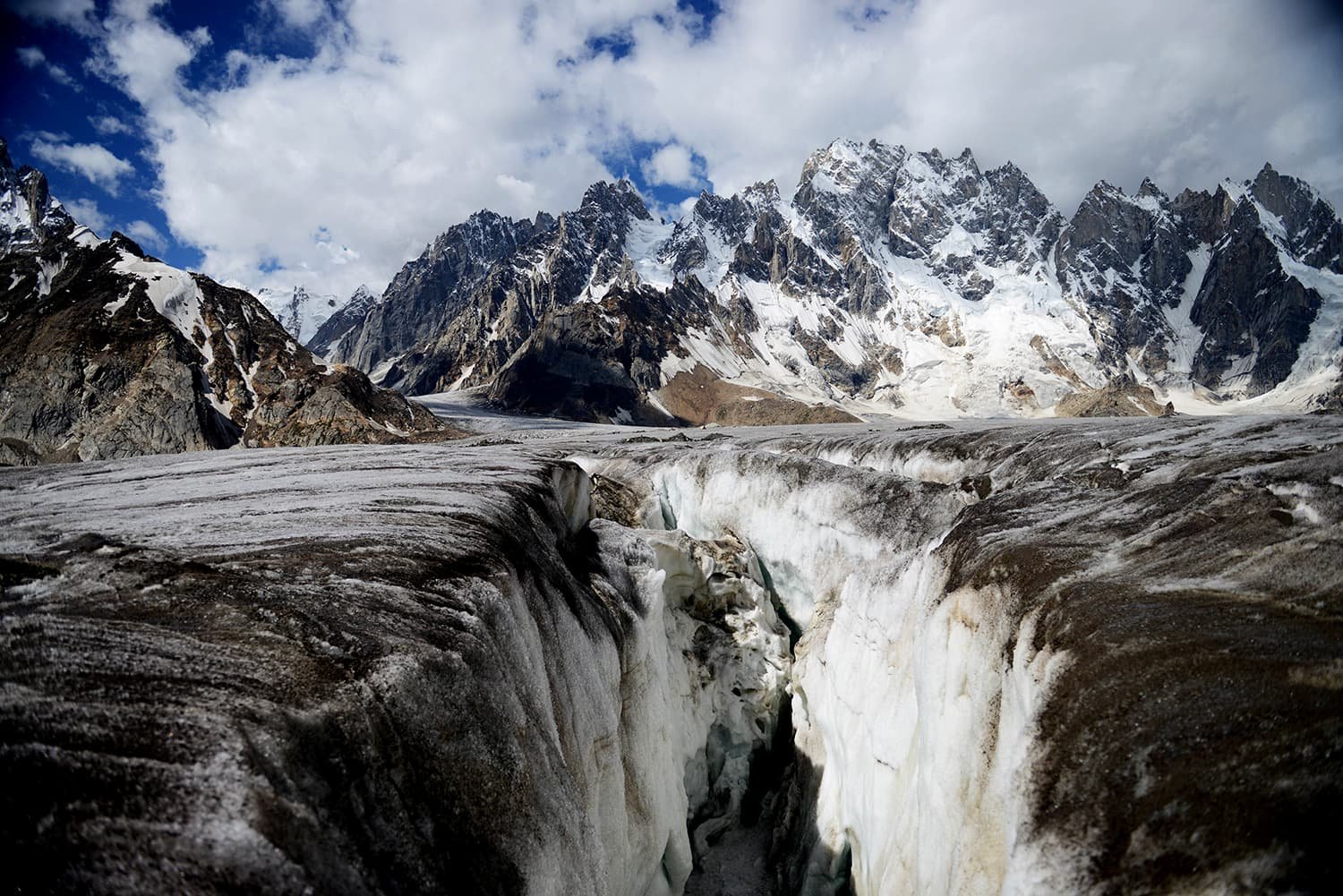
Pakistan is home to all kinds of weather. Our nation has been blessed with lush green mountains and far dry deserts. From lakes to alpine valleys, glaciers, from some of the longest river trails to a large coastline, icy-capped mountains to beautiful beaches, Pakistan has it all.
Despite having all kinds of abundance in natural resources, mismanagement has been quite a challenge for our country and its governing system. Because of this, people often find themselves in dilemmas of all sorts. Tribal areas in particular, unfortunately, suffer the most. In northern areas, today in 2026, many tribal areas face water scarcity. Despite of being in the heart of huge water bodies, lack of water still make their daily life not short of that of a struggle.
Our Northern region, consisting of Gilgit-Baltistan and above, practice quite a peculiar practice in order to tackle the issue of water scarcity. What if I tell you that they have a centuries-old method to cultivate and harvest water, which helps them every now and then. It’s called “Glacial Grafting” or locally known as “Gang Khwsa”; tribesmen also call it “Glacial Wedding.”
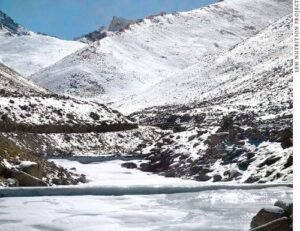
Not only do the tribes in Gilgit-Baltistan practice this method in the modern age, but it is now also being supported by the United Nations Development Programme (UNDP) Green Climate Fund, which ensures the preservation of indigenous practices to conserve water and have a sustainable future in these times of glacial outbursts and warmer climatic phenomena.
How it Works
A suitable location is the most crucial part to choose where this process would be cultivated. Tribesmen choose a terrain at permafrost level where there would be a negligible amount of chance of avalanche or landsliding in warmer seasons. They dug an ice well in a naturally shady area which would have limited to no amount of sunlight to disrupt it. Usually this terrain is chosen at an altitude of 4000 to 5000 meters above sea level with maximum speed of wind to support the process throughout the years ahead.
A much darker glacier (apparently male glacier) is chosen, with soil, impurities, and debris, along with a female glacier, which is lighter in colour (supposedly transparent) without impurities, and can produce water for later years. Ice pieces are then cut from both of these glaciers in large numbers. A large number of tribesmen then carry these pieces on their backs, cover them to keep them safe from melting in the sun, keep them in baskets, and travel all the way to the ice well on foot.
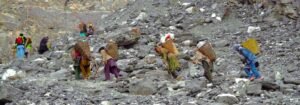
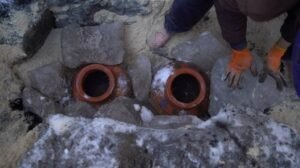
Pieces of both glaciers are kept deep in the ice well with lots of pots filled with water. This method is often categorised as a ceremony, so tribesmen sing folk songs while working in the well. Baskets of fruits like apples and apricots are also placed inside the ice well. Tribesmen then cover it with sawdust, pieces of charcoal, and apricot kernels, which act as a catalyst for the ice to fuse. People read verses of the Holy Quran, do their rituals, and sing a folk lullaby around the covered well.
This practice takes a good amount of time. The produced “Baby” glacier would then start producing water after a minimum of 8 years, and sometimes longer than 10 to 12 years. During this time, tribesmen often keep the area near the well safe and undisturbed from trespassers and tourists.
The history of glacial grafting dates back to the 14th century and was noticed by British explorers as well during their occupation of the Indian subcontinent. Baltistan Cultural and Developmental Fund (BCDF) was formed in 1998 to protect cultural heritage and ensure development in rural regions. To conserve water for the local community, this foundation executed a project of glacial grafting on 22nd October 2023.
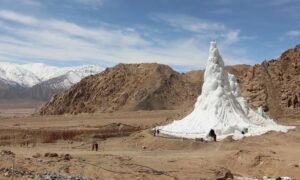
Glacial grafting has fathered some of the other methods for water cultivation, such as “Ice stupas” (ice towers), which were introduced by Sonam Wangchuk in 2013 in the Ladakh region, where artificial glaciers release water in spring for agriculture. Ice towers are also used in some parts of Europe to combat climate change. The idea of avalanche harvesting, which is used in the mountainous range of the Karakoram and Himalayas, is also derived from glacial grafting, where snow is captured to use in summer seasons.
Also read: Climate change linked to frequent landslides in Pakistan

Warda Siddiqui is an alumnus of the Institute of Interior Design, Singapore. She was formerly associated with an online publication. She loves creating content and campaigns. Being a life coach trainee, she inspires and motivates others to succeed and break the barriers. A mother of three curious minds, she enjoys reading to expand her horizons.

