11.6 C
Pakistan
Monday, April 6, 2026
Home Blog Page 13

Exploring the Overlapping Realities of Climate Change and Infectious Disease Spread with Dr Quaid Saeed

For this edition of Scientia, themed “Climate Change Impact on Healthcare,” we had the privilege of speaking with Dr. Quaid Saeed, a public health specialist from Pakistan. Dr. Saeed has worked on the frontlines of emergencies and humanitarian crises, served as a National Program Officer for the World Health Organization (WHO) in Pakistan for over 12 years, and managed Global Fund Grants to combat infectious diseases.

Below is our insightful conversation with Dr. Saeed with our team member Maham Maqsood, where he shares his expertise on climate-related health challenges, disease transmission, and the importance of global cooperation in building resilient healthcare systems.

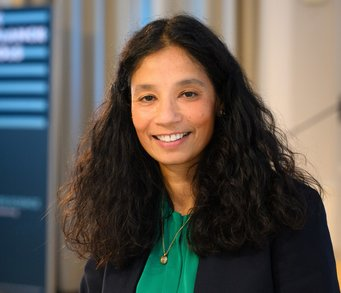
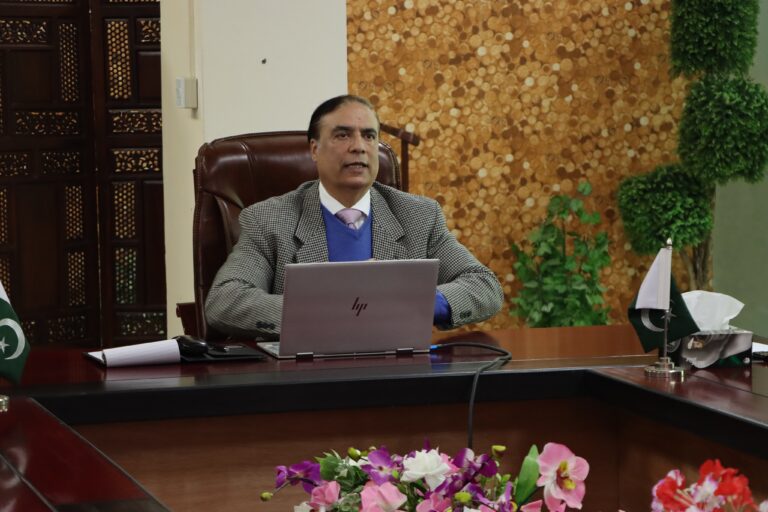
Dr. Quaid Saeed, a public health specialist from Pakistan

Maham: You have extensive experience dealing with emergencies and humanitarian crises and bring a broad range of managerial, analytical, and leadership skills to different national and provincial health projects. Would you like to share one of these prominent projects you are proud of?

Dr Saeed: Throughout my career, I have worked extensively in emergency and humanitarian response, particularly in Pakistan, where I was involved in several major health crises. My experience spans from working with the World Health Organization (WHO) after 9/11, closely collaborating with Khyber Pakhtunkhwa (KP) health authorities, to responding to natural disasters and disease outbreaks.

One of the most challenging and impactful experiences of my career was responding to the devastating 2005 earthquake in Pakistan. At the time, I was part of WHO’s emergency response team, working at the emergency cell in the Pakistan Institute of Medical Sciences (PIMS). The earthquake struck on October 8th, and relief efforts began the following day. By the third day, I was deployed to Battagram and later moved to Mansehra, where I remained for the next two months.

The scale of devastation was overwhelming. Casualties were high, and health services were stretched to their limits. Aftershocks, some reaching a magnitude of 6.0 on the Richter scale, continued for weeks, further destabilizing an already fragile situation. At the WHO office in Mansehra, safety concerns mounted as cracks appeared in buildings. Within ten days, we resorted to sleeping in tents to mitigate the risk of collapsing structures.

Despite the immense destruction, emergency health services in Mansehra and across KP continued relentlessly. Evacuations were facilitated by American helicopters, and international aid poured in. Medical teams from Cuba, Turkey, and various other countries arrived to support relief efforts. I worked alongside them in field hospitals in Mansehra and Battagram, managing complex injuries, including spinal trauma and amputations. Psychological distress was widespread, as many had lost loved ones. International experts provided much-needed mental health support, while maternal and child health issues, respiratory infections, and other emerging diseases posed additional challenges, worsened by the extreme cold.

Following my fieldwork, I continued coordinating efforts from Islamabad for the next six to eight months, ensuring sustained healthcare services and support.

Beyond the earthquake response, my time at WHO also involved tackling disease outbreaks. I witnessed and worked on the dengue outbreak, as well as an outbreak of cutaneous leishmaniasis along the Peshawar-Afghanistan border. The latter was introduced by Afghan refugees, as the parasite had been endemic in Afghanistan for centuries. When refugees migrated, the parasite found a suitable vector in Pakistan, leading to widespread infections, particularly in Kurram district. WHO played a crucial role in importing medications, training local doctors, and developing treatment protocols.

Additionally, I was part of WHO’s response to the 2008 HIV outbreak in Gujarat and later in Larkana. These outbreaks reinforced the need for strengthened disease surveillance, infection control, and public health interventions.

My experiences in emergency response have been both professionally and personally transformative, and each crisis has been a learning opportunity.

Maham: Could you share your experience in public health, particularly your work on infectious diseases and pandemic preparedness? What are the challenges that hinder Pakistan’s healthcare system from providing the best health practices? 

Dr Saeed: Pakistan’s healthcare system is structured across four tiers: Basic Health Units (BHUs), Rural Health Centers (RHCs), Tehsil Hospitals, and District Hospitals, with teaching hospitals serving as the final referral point. The foundation of this system was laid in the 1980s to provide basic healthcare services at the community level. Basic Health Units and Community Welfare Centers were designed to cater to populations of approximately 10,000. Meanwhile, RHCs, serving around 40,000 people, were equipped with small laboratories and served as the next level of care. Patients requiring further treatment were referred to Tehsil Hospitals, then to District Hospitals, and, if necessary, to teaching hospitals.
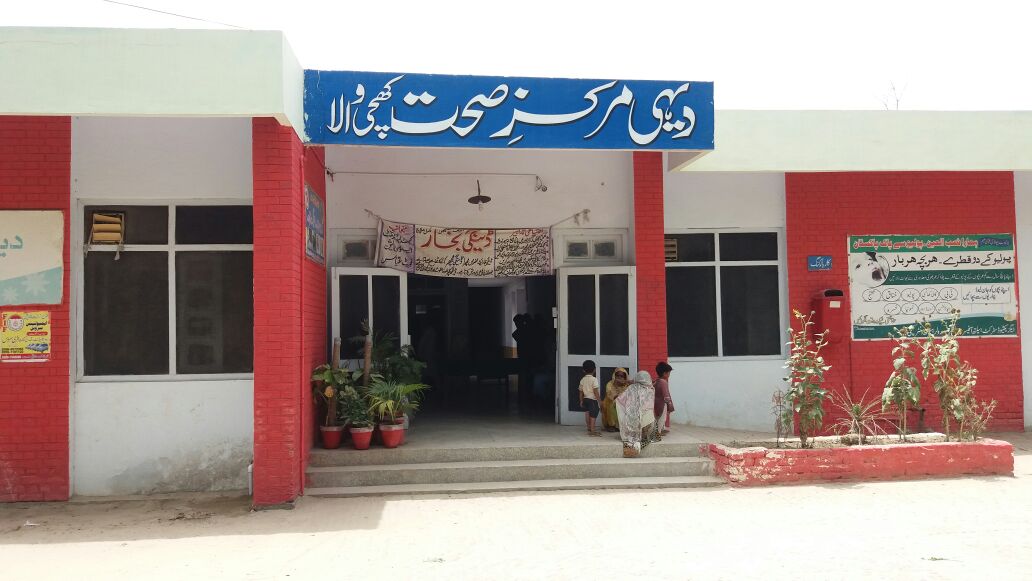
Rural Health Center Khichi Wala, Fortabbas, Bahawalnagar – PSHD South Punjab
Rural Health Center Khichi Wala. Credit: PSHD

Although this model was well-conceived, it has struggled with fragmentation and inefficiency, particularly at the primary healthcare level. Many small communities bypass BHUs and RHCs, leading to overcrowding at District Hospitals, which strains resources and limits access to timely care.

During disease outbreaks, a robust public health system must ensure early detection, containment, and response to infectious disease outbreaks. The World Health Organization (WHO) has developed a trend-monitoring model that enables healthcare professionals to track disease incidence, detect emerging outbreaks, and intervene before widespread transmission occurs. A key indicator in epidemiology is the doubling of incidence, which signals the potential for an outbreak.

For effective containment, early isolation of suspected cases is essential. In Pakistan, this can only be achieved if BHUs and RHCs function efficiently. Infectious disease management requires a multifaceted strategy:

  • Early Detection: Identifying cases as soon as possible through functional surveillance systems and diagnostic testing.
  • Containment: Isolating affected individuals, implementing quarantine measures, and minimizing community transmission.
  • Response and Recovery: Treating infected individuals, protecting healthcare workers, and ensuring continued healthcare delivery.

As you might have witnessed during the COVID-19 pandemic, healthcare workers were prioritized for vaccination to safeguard their ability to provide care. Widespread vaccination efforts ultimately contributed to herd immunity, slowing transmission. However, Pakistan’s early detection infrastructure remains inadequate, with limited diagnostic capacity in public hospitals and a lack of functional laboratories at the district level. While there is the NIH Reference Lab in Islamabad, its provincial branches are not effectively operational. As a result, outbreaks are often detected only after media reports, by which time containment becomes significantly more challenging.

Pakistan’s experience with COVID-19 highlights the need for stronger outbreak preparedness. The virus initially spread when infected travelers returned from Wuhan via government-facilitated repatriation flights. In the early days, there was no systematic diagnostic or quarantine infrastructure to contain the spread.

To prevent future outbreaks, key measures must be implemented. Essential medical supplies should be stockpiled, including laboratory reagents and personal protective equipment (PPE). Laboratory networks should be strengthened, ensuring district-level diagnostic capacity for early pathogen detection.There should be proper training of the healthcare staff in outbreak management and patient care protocols. Moreover, public health surveillance must be improved to identify transmission patterns and respond proactively.

In short, a comprehensive preparedness, response, and recovery framework is critical to mitigating future pandemics and strengthening Pakistan’s healthcare system against emerging infectious diseases.

Maham: How do you see the intersection between climate change and public healthcare challenges?  How has climate change contributed to the spread of infectious diseases malaria, dengue, Hepatitis, and zoonotic diseases?

Dr Saeed: Climate change is a critical issue that significantly influences the spread of infectious diseases. Normally, animals and birds don’t transmit viruses to humans, and vice versa, but environmental changes can disrupt this balance. Climate shifts can enable viruses to evolve and cross species barriers: a process that has led to diseases like HIV/AIDS, which originated when humans consumed raw monkey meat in Africa, allowing the virus to jump to humans and spread through sexual transmission.

Increased human-wildlife interaction also raises the risk of zoonotic spillover events. Densely populated regions, like parts of South Asia, are particularly vulnerable to rapid transmission. For example, influenza outbreaks often originate in China, where WHO monitors viral trends to predict and develop flu vaccines a year in advance to mitigate global spread.

In Pakistan, climate change has contributed to the rise of diseases like dengue. Over the past decade, unpredictable rains and flooding have created pockets of stagnant water, which are ideal breeding grounds for Aedes mosquitoes, which thrive in clean, freshwater environments. Rainwater collected in household containers, plant pots, and other reservoirs increased mosquito populations, leading to severe outbreaks. In Lahore, for instance, an unusually heavy monsoon season triggered a major dengue epidemic, with record-breaking cases the following year.

Rising temperatures and changing rainfall patterns have also driven the emergence of diseases like Zika and Chikungunya. Additionally, diseases like malaria and leishmaniasis spread through vectors like sandflies, which were introduced to refugee camps but found suitable conditions to persist and spread across KP, Balochistan, and Sindh, making these diseases endemic in certain areas.

So, climate change acts as a force multiplier for infectious disease transmission, intensifying existing public health challenges. This emphasizes the urgent need for climate-resilient healthcare systems and proactive disease surveillance.
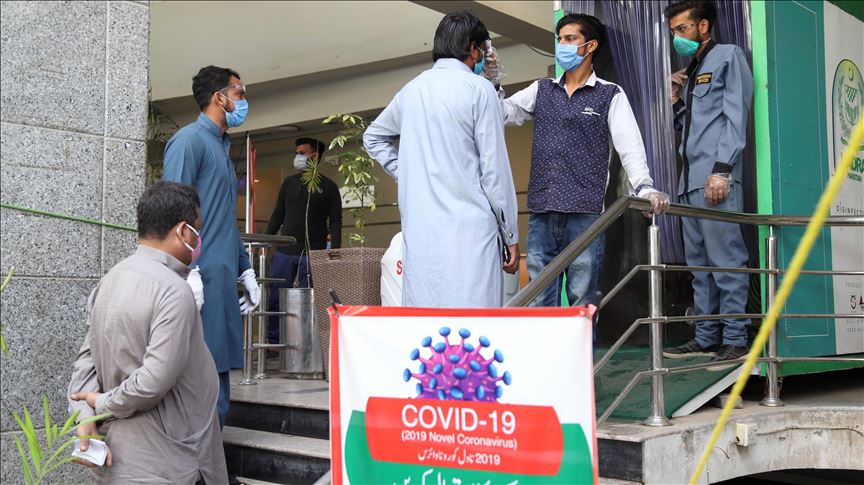
disease spread
Pakistan’s experience with COVID-19 highlights the need for stronger outbreak preparedness. Credit: Anadolu Agency

Maham: How important is global cooperation, such as between governments and organizations like WHO, in tackling climate-related healthcare issues? What steps should be prioritized globally and locally to mitigate the healthcare impact of climate change?

Dr Saeed: Global cooperation is crucial for managing healthcare issues influenced by climate change, especially for vector-borne diseases whose spread is influenced by shifting habitats. Climate change is expanding the range of vectors like mosquitoes and sandflies, increasing the risk of outbreaks in new regions. In an interconnected world with extensive human travel, infections can quickly spread across continents, as we saw during the COVID-19 pandemic.

After COVID-19, the Global Health Security Agenda was reinforced, emphasizing stronger health systems, early detection, and rapid response to contain outbreaks. Critical amendments were made to the International Health Regulations (IHR), signed by 194 member states, creating a framework for global collaboration. This includes establishing detection labs, sharing real-time data with WHO, and coordinating a unified response to emerging threats.

When a new virus emerges, countries must work together across multiple fronts ranging from accelerating immunization efforts to implementing containment strategies. Climate change is a global crisis, and its impact on public health is a shared burden. By improving international collaboration, investing in surveillance systems, and strengthening local healthcare infrastructure, we can build a more resilient global health system capable of preventing future pandemics.

Maham: With your extensive experience managing Global Fund Grants at the national level, could you outline the process for startups and community-based organizations to access these funding opportunities?

Dr Saeed: The Global Fund supports the fight against AIDS, tuberculosis, and malaria across countries with the ‘highest disease burden and lowest economic capacity.’ The funding model works through a structured system of Principal Recipients (PRs), which are often ministries of health or large private-sector entities, who oversee fund distribution over a three-year cycle. These funds are gradually allocated to Sub-Recipients (SRs) and Sub-Sub-Recipients (SSRs), which are typically community-based organizations (CBOs) or NGOs working at the grassroots level.

During my time with the Global Fund, I worked with the Common Management Unit (CMU), which handled national-level eradication efforts for AIDS and TB. The selection of recipients is very rigorous. Funding calls are publicly advertised, and NGOs apply with detailed profiles showcasing their strengths, experience, community reach, and capacity to implement impactful programs. The selection process is competitive, and only organizations with a clear track record and community-trained teams are awarded grants.

For startups, the key to accessing these opportunities lies in building a robust program with a well-documented impact on the target community. It’s essential to demonstrate expertise in health interventions, case detection, treatment provision, and prevention measures. For example, community-led organizations, such as those run by transgender advocates for HIV prevention and care, receive funding because they have direct access to underserved populations and understand local challenges that might escape larger institutions.

The Global Fund prioritizes organizations that can deliver tangible results on the ground, bridge gaps in healthcare, and help stop disease transmission.

Also read: Venturing into the 60s and the current status of space research in Pakistan with Dr. Tariq Mustafa
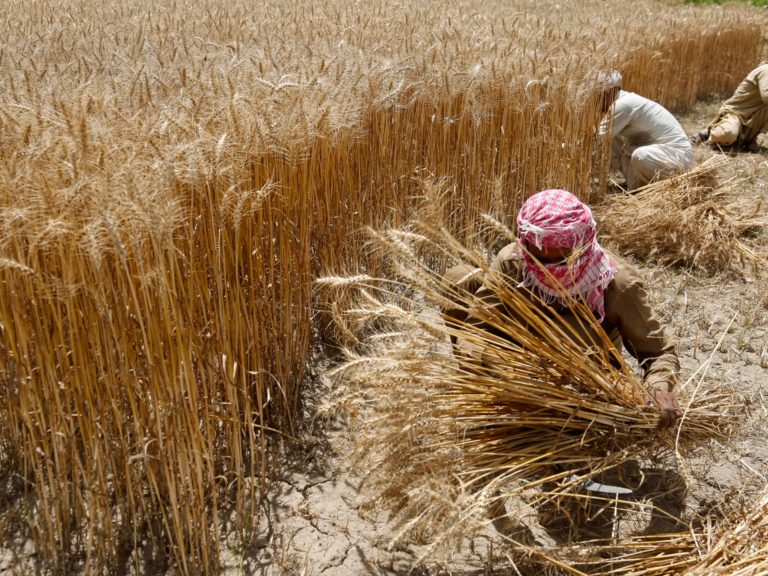
With climate chaos triggering lower harvests, Abdul Raheem has begun to lose hope

South Asia is home to some of the world’s fastest-growing regions and a vast, dynamic human capital. It is achieving notable economic progress due to its numerous natural reserves of global importance. However, this region is also vulnerable to sudden shifts in climate and weather patterns, including massive floods, droughts, cyclones, and extreme heat waves that pose a significant risk to its growth trajectory, infrastructure, and people’s livelihoods. 2

Pakistan is a country with rich natural reservoirs of land and water resources. The entire economy of Pakistan is dependent upon raw agricultural produce and products. Farmers like Abdul Raheem now face an uncertain future in the heart of Punjab, where lush green fields once promised abundant harvests and vast arrays of crop fields.

For generations, agriculture has been the backbone of Pakistan’s economy, with crops such as wheat, rice, cotton, and sugarcane dominating exports. But the sudden shifts in climate change have thrown the sector into turmoil, leaving a hopeless situation for local farmers.

“It’s not like it used to be,” says Abdul Raheem, a third-generation farmer from Faisalabad. “We used to have clear seasons, winter, summer, monsoon; everything was predictable. Now, it feels like the weather has a mind of its own.” His words reflect a sentiment shared by many other farmers across the country.

The entire vicinity of densely populated cities of Punjab province depended upon the factories that processed agricultural products from sowing to harvesting and packaging and marketing. However, the breakdown faced by local people, mainly due to the shift in weather patterns, is devastatingly affecting the livelihoods.

In recent years, erratic rainfall, prolonged droughts, and unexpected temperature shifts have wreaked havoc on agricultural yields. The once-reliable monsoon season now brings either torrential downpours that flood fields or a disappointing drizzle that barely wets the soil. “The wheat that should be thriving is struggling, and the cotton is no better,” Abdul Raheem laments.

Research indicates that shifting rainfall patterns have affected various crops by 6–15 Percent, with rain-fed crops like wheat experiencing reductions of up to 15 percent. This decline does not include the effects of heat waves and floods. 5

CLIMATE
Climate change and botched policies push Pakistan toward food insecurity. Photo, Eco Bussiness

Experts warn that Pakistan’s reliance merely on agriculture-based exports makes it especially vulnerable to the impacts of climate change. The Rabi and Kharif crop cycles, traditionally dependable, have become unpredictable. Rabi crops like wheat and barley, typically sown in November, now face delays due to late rains. Similarly, Kharif crops such as rice and sugarcane suffer from fluctuating weather conditions that disturb their growth cycles.

“These disruptions are not just about food security,” explains an environmental scientist. “Agriculture is tied to our economy, livelihoods, and even health. Poor yields mean rising food prices, economic instability, and malnutrition in rural areas.”

The problem isn’t confined to rural Pakistan. Urban areas, too, feel the effects as imported fruits and vegetables fill markets due to dwindling local produce. Farmers, struggling to adapt, are turning to short-term solutions like excessive water usage, which further depletes resources.

World organizations have stepped in, offering solutions to mitigate the crisis. Initiatives like climate-resilient farming, crop diversification, and water conservation are being promoted. The Food and Agriculture Organization (FAO) is working with Pakistan to introduce drought-resistant crop varieties and improve irrigation systems. Yet, for farmers like Abdul Raheem, these efforts often feel like drops in an ocean of challenges.

Statistical data states that climate change is posing a serious threat to Pakistan’s agriculture, with projections indicating an 8-10 percent decline in agricultural production by 2040. Key crops such as wheat and Basmati rice are expected to suffer significantly, with wheat yields potentially decreasing by 6 percent and Basmati rice by 15-18 percent due to rising temperatures and shifting precipitation patterns. This is especially alarming given the critical role agriculture plays in Pakistan’s economy and food security. 6

“The land is shrinking,” Abdul Raheem says, referring to the relentless encroachment of urbanization and deforestation, leading to a stark reduction in arable land. As cities and urban areas expand with unending infrastructure projects claiming vast stretches of farmland, the availability of fertile soil for agriculture comes to a halt gradually. This loss of productive land is further compounded by climate change, soil degradation, and erratic weather patterns, all of which make traditional farming increasingly difficult for local farmers.

In many regions of the world, particularly Pakistan, deforestation is not just stripping the land of its trees but also disrupting delicate ecological cycles, food chains, and food webs. Forests act as natural water reservoirs, regulating rainfall patterns and, in turn, maintaining soil fertility. Their destruction leads to increased soil erosion, making the ground less capable of supporting crops. As a result, farmers struggle with declining yields, forcing many to either abandon agriculture or adopt unsustainable practices that further degrade the land for good.

Additionally, the depletion of water resources exacerbates the crisis. As groundwater levels drop and rivers dry up due to overuse, increasing pollutants, and climate shifts, irrigation becomes more challenging. Without sufficient water, even the most fertile land cannot sustain crops, threatening overall food production locally and simultaneously on a large scale.

This situation creates a chain reaction: food shortages lead to rising prices, making basic nutrition inaccessible to lower-income populations, ultimately affecting a nation’s food security and economic crash.

For countries with rapidly growing populations, like Pakistan, this shrinking land availability presents a significant challenge for all the tiers involved. With more mouths to feed and fewer resources to do so, governments and communities must rethink their agricultural strategies.

Solutions such as vertical farming, precision agriculture, and sustainable land management practices can help mitigate some of these challenges. However, without any unplanned and immediate action to curb unchecked urban growth and environmental degradation, the struggle to provide food for future generations will only become more difficult with time.

Abdul Raheem’s concerns reflect a global reality, one where land, once abundant and fertile, is now a contested resource. The urgency to address these issues has never been greater, as the very foundation of human survival depends on our ability to preserve and sustain the land that feeds us.

Despite the grim outlook, some experts still stress that hope isn’t lost. Reforestation projects, investment in renewable energy, and education on sustainable farming practices can pave the way for a more secure future.

“There are heatwaves and dust storms in Gwadar,” says Ahmed. “But the main impact of climate change here is that there is too much water and not enough of it. If nothing is done to address this problem, we will have no option but to retreat.” 1

The challenges posed by climate change are daunting, but Pakistan’s farmers are resilient. They stand on the frontlines, battling not just the elements but also the systemic issues that have left the agricultural sector vulnerable.

To address the challenges posed by climate change and land destruction, the government of Pakistan must implement comprehensive adaptation and mitigation strategies. This includes investing in climate-resilient agricultural practices, such as drought-tolerant crop varieties, efficient irrigation systems, and sustainable land management techniques.

Additionally, the government focuses on updating the early warning system to provide farmers with timely information about impending extreme weather events and also raising funds for local farmers to go for alternate options for earning livelihoods. 3

As the world continues its battle against climate change, farmers like Abdul Raheem remind us that every effort counts for their fields, their families, and the nation’s future.

References:

  1. https://tribune.com.pk/story/2526931/rising-sea-levels-extreme-weather-endanger-gwadar
  2. https://blogs.worldbank.org/en/endpovertyinsouthasia/south-asia-rising-to-the-challenge–from-climate-vulnerability-t
  3. https://www.pakistantoday.com.pk/2025/01/27/climate-change-a-growing-threat-to-pakistans-agriculture/
  4. https://www.eco-business.com/news/climate-change-and-botched-policies-push-pakistan-toward-food-insecurity/
  5. https://www.eco-business.com/news/climate-change-and-botched-policies-push-pakistan-toward-food-insecurity/

More from the Author: Embracing novel technologies — The time is ripe for a rapid shift in perspective

Delhi’s Basement Infirmary: A Review on ‘All That Breathes’

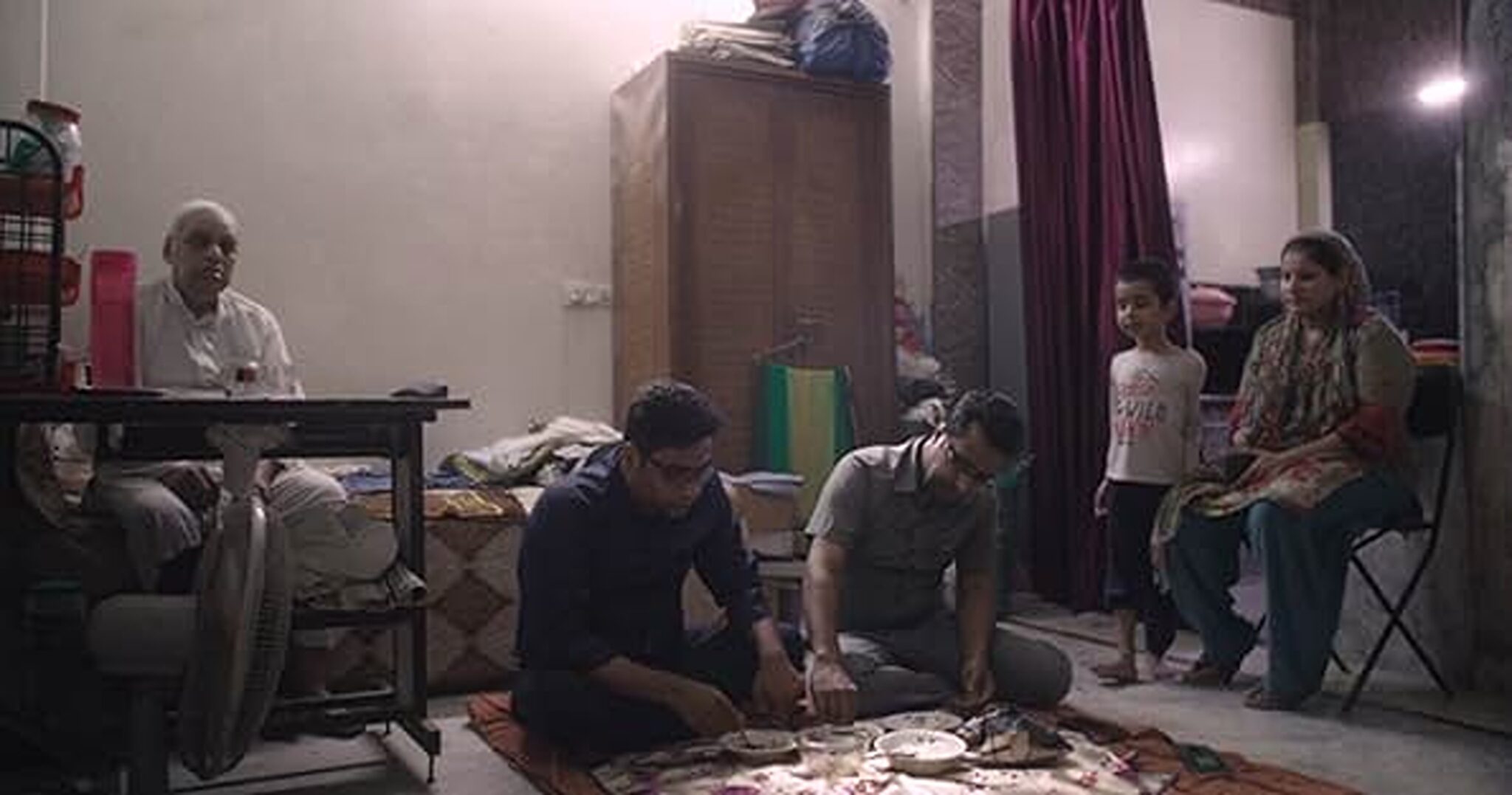
All That Breathes, directed by Shaunak Sen, is a powerful documentary that explores the impact of climate change and environmental degradation on life in Delhi, India. It follows two brothers, Mohammad Saud and Nadeem Shehzad, running a bird hospital in their basement. The film highlights the struggles of both humans and animals in one of the world’s most polluted cities.

This is an inspiring story about the interdependence of all life in the face of a global catastrophe, not simply about protecting birds. The documentary, in total, features fifteen different species, including humans, cows, cats, dogs, horses, rats, kites, owls, pigs, squirrels, snails, mosquitoes, spiders, turtles and toads all living together and suffering in the streets of Delhi.

Delhi has become a living example of how climate change can reshape urban life. Rising temperatures, poor air quality, and unpredictable weather patterns have created harsh living conditions for its human residents. The toxic air, filled with vehicular emissions, industrial waste, and construction dust, poses severe health risks.

The documentary refers to the situation as it captures eye infections and upper respiratory tract infections in one of the brothers and his child as they ‘normally’ spend their day-to-day life. Unexpected rains worsen the living conditions of the residents as sewage water enters their homes, giving way to many more health problems and infections. Due to their lack of access to essential resources like safe water, clean air, and quality healthcare, low-income areas are disproportionately impacted.

The documentary makes its point and says, “As Delhi’s air changed, so did its metabolism.”

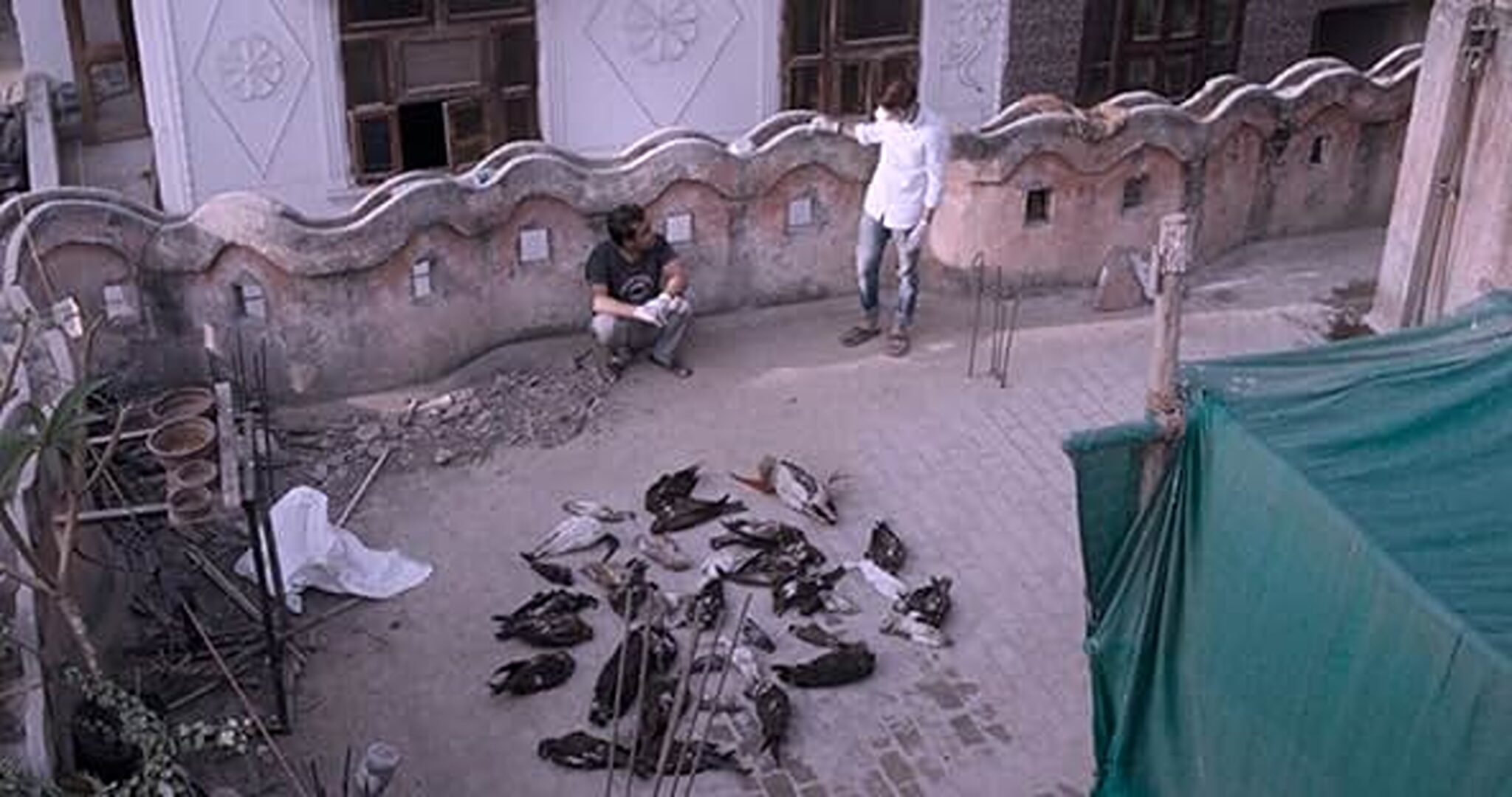
The effects of pollution on people are widely known, but All That Breathes turns the attention to urban wildlife, especially black kites. Degradation of the ecosystem has had a significant impact on these magnificent birds, which are frequently spotted soaring above Delhi.

All that Breathes
Mohammad’s brothers have dinner with their family after a long day of running a bird hospital to save the black kites. Photo: Author

The film highlights the dangers they encounter, such as contaminated water, diminished food supplies, and harm from man-made hazards like glass-coated kite strings. These birds rely on the brothers’ tiny clinics for survival, highlighting the critical necessity for human action to save nature.

In the socio-cultural context, these birds are treated specially as they are fed by people to gain Sawaab, good deeds. However, nobody wants to treat falling birds from the sky. The brothers and their helper, Salik, are extremely empathetic and save these birds even if they have to swim across a river to treat them.

Other residents of the society acknowledge their efforts but do not contribute to the cause financially or resourcefully. There could be multiple reasons behind the first one being the low resource background of these society members and the other being desensitization. A society where people are over-exposed to violence, either in the form of communal or religious, will be less likely to empathize with anyone around them, let alone animals.

As evidenced by research, exposure to violence reduces physiological reactivity and emotional empathy, indicating the existence of both physiological and emotional desensitization.

The brother’s work serves as a reminder that humans and animals are intertwined. One species’ survival frequently hinges on the welfare of other species. Their experience serves as evidence of the effectiveness of empathy and cooperation in resolving environmental issues.

As in the documentary itself, they explain the importance of Kites in the cities as scavengers. People might not recognize this as a very important task, but they serve as the recyclers of the ecosystem themselves. The inspirational tale of Mohammad Saud and Nadeem Shehzad, whose dedication to preserving black kites transcends monetary or personal benefit. In the boys’ words,

“Delhi is a big wound, and we are a tiny Band-Aid on it”

Moreover, the biological laws of natural selection are making these birds even smarter, as evidenced by Nannu, the little child, finding cigarette buds in kite cages. Interestingly, the kites use them as insect repellents. All species learn to adapt to their environments, but as long as the environment gives them time. Climate Change is changing the environment so rapidly that living species don’t have enough time to adapt.

All That Breathes is more than just a local tale; it captures the wider, worldwide effects of urbanization and climate change. The deterioration of Delhi’s environment is a reflection of worldwide patterns of resource exploitation that disregard sustainability.

All that Breathes
Dead Kites due to deteriorating air quality of Delhi, one of the Brothers perched next to the wall contemplating their deaths. Photo: Author

The depletion of wildlife populations, rising global temperatures, and environmental devastation are urgent issues that call for coordinated action. The documentary’s global message— that climate change impacts all facets of life on Earth and that everyone must contribute to finding solutions—is communicated by concentrating on the predicament of the black kites.

All That Breathes has breathtaking cinematography— the spectator is drawn into the story by the juxtaposition of close-ups of the damaged kites with sweeping images of Delhi’s busy streets and thick smog. Another dimension is added by the film’s sound design, which creates an eerie atmosphere by fusing the hum of the city with the cries of the birds.

These components give the movie a visceral quality that makes the audience feel the severity of Delhi’s environmental catastrophe.

All That Breathes is more than just a documentary—it is a wake-up call that sheds light on the shared struggles of humans and animals in the face of climate change. Shaunak Sen’s work urges viewers to reconsider their relationship with nature and take meaningful steps to protect the environment.

This documentary is a must-watch for anyone concerned about climate change, wildlife conservation, or the future of urban living. Through a deeply personal story, it delivers a global message: the time to act is now.

References:

More from the Author: Women belong in the Lab: Science, gender, and revolution in Lessons in Chemistry

Climate Education for Children through Storytelling and Fiction

Storytelling and fiction have long been used as a form of communication. It is an intrinsic part of social connection, as evident from ancient scriptures to present-day print media. Storytelling is crucial for the social and emotional aspects of individuals and their cognitive growth. It aids in enhancing human communication and promoting the healthy sharing of knowledge.

The alarming changes in the climate are a significant concern, as their adverse effects are not limited to the environment but also impact human, animal, and plant life. Individuals of all age groups must have sufficient awareness so that collective action can be taken to mitigate these critical effects.

Traditional storytelling combined with innovative approaches can offer an optimistic way to address climate concerns through education and awareness. The majority of the population in suburban and rural areas are either illiterate or not literate enough to comprehend the complex terms and concepts of climate change.

The key element in crafting a story for awareness is meeting emotional standards. Emotional resonance and intellectual engagement make a narrative successful, as society consists of people with varying levels of emotional intelligence and intellectual abilities. Let’s dive into the details of how storytelling differs for different age groups.

Language Use in Storytelling Across Age Groups

We breathe in very polluted air, drink contaminated water, our food is no longer hygienic and our climate is on the verge of destruction. These pressing issues require equally effective communication to raise awareness and inspire individuals to take appropriate action. Storytelling must be tailored to different age groups, as individuals are at various stages of cognitive and emotional development. Crafting motivational narratives encourages individuals to contribute to climate action.

Young Children (3-7 years old)

Young children have a limited vocabulary, so the words used in storytelling should be simple, and an engaging style should be adopted. Incorporating rhyming words and even poems can help reinforce the message. The moral of the story should be clear and easy to practice, such as keeping water clean, planting trees, loving animals, and not littering.

Mid Childhood (8-12 years old)

Children in this age group have an expanded vocabulary and improved cognitive abilities. As they grow, their capacity for understanding complex narratives—such as pollution, renewable energy resources, and global warming, gradually increases. Stories should encourage students to think critically about the consequences of climate change and the necessary steps to address it.

Teenagers (13-18 years old)

Teenagers can be engaged in more meaningful, thought-provoking, and fact-based discussions about climate change. Using real-world examples and current news can emphasize the urgency of the climate crisis, making it feel immediate and relevant. By this age, teenagers have developed personal interests, and incorporating these into storytelling can create a stronger personal connection. Healthy discussions around these stories can lead to potential solutions, especially if the narratives align with their values.

Use of Illustrations in Climate Change Storytelling

Illustrations make complex climate change issues easier to understand by serving as an effective tool for raising awareness and inspiring action. Sometimes, the public struggles to grasp nuanced concepts and visuals can be especially useful in conveying urgent messages.

For young children aged 3–7 years, cartoon-like, playful, and colorful illustrations help make the narrative friendly and easy to comprehend. For example, a happy panda, a sad polar bear, and smiling trees can encourage empathy and a deeper connection with nature. 

Adults (19 and above age)

For adults, storytelling about climate change should be grounded in facts and research, as their cognitive abilities allow them to comprehend complex themes. They can also understand the intricacies of politics and economics involved in implementing environmentally friendly projects. The language should aim to inform and inspire self-accountability.

Stories for Climate Change Education by Age Group

Here we present some climate change-themed stories according to different age groups.

Young Children (3-7 years old)

The Tantrum That Saved the World by Megan Herbert & Michael E. Mann

In this story, a young girl meets victims of climate change—animals and humans— and learns how to play an active role in saving them. These climate refugees visit her home after being displaced by environmental disasters. She initially has a tantrum but eventually channels her emotions into action, taking responsibility for making a difference.

storytelling
The Tantrum That Saved the World by Megan Herbert, Michael E. Mann: 9781623176846 | PenguinRandomHouse.com: Books

The Last Tree by Emily Haworth-Booth

This is a sensitive story about a community that only realizes the value of trees when they are left with the last one after cutting down many for their settlement in a beautiful forest. They must then decide whether to cut it down for their immediate needs or preserve it for the future.

Moreover, Why Should I Recycle? by Jen Green and Mike Gordon highlights the importance of recycling through an engaging story format. At the same time, Greta and the Giants by Zoë Tucker and Zoe Persico teach children about advocacy for environmental protection.

Older Children (9–12 years old)

The Lorax by Dr. Seuss

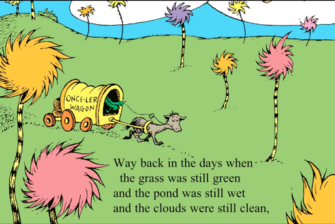
A classic story about deforestation and the importance of protecting nature. The Once-ler arrives in a beautiful forest and cuts down Truffula trees despite warnings from the Lorax, who speaks for the trees. When the last tree falls, the Once-ler’s industry collapses. In the end, he entrusts the last Truffula seed to a boy, leaving him with a message to care for nature.

The Lorax: Dr. Seuss Revisited and Revised - Zinn Education Project
The Lorax: Dr. Seuss Revisited and Revised – Zinn Education Project

Hoot by Carl Hiaasen

It is a mystery-adventure story about Roy Eberhardt, who, along with his friends Mullet Fingers and his stepsister, works to stop an illegal development project to save a colony of endangered burrowing owls.

Earth Heroes by Lily Dyu

This book is a collection of twenty real-life stories of young climate activists who have made a difference. It features profiles of notable figures such as Greta Thunberg, Sir David Attenborough, Isatou Ceesay, and Yin Yuzhen. The story aims to inspire readers through real-world examples of personal dedication and innovative thinking.

Teenagers (13–18 years old)

Dry by Neal Shusterman & Jarrod Shusterman

A dystopian thriller novel about a California drought known as the “Tap-Out” and the devastating consequences of water scarcity. The story follows Alyssa, a teenage girl, who, along with her friends, embarks on a desperate search for water. Their journey turns into a fight for survival as they face dehydration, violent encounters, and moral struggles. The novel powerfully illustrates how extreme circumstances can push people to their limits when resources run out.

Orleans by Sherri L. Smith

This dystopian novel is set on the Gulf Coast, which has been devastated by hurricanes and a deadly disease called Delta Fever. In response, the U.S. government builds a wall to isolate the region from the rest of the country. The story follows Fen de la Guerre, who fights for the safety of her newborn baby sister, and Daniel, a scientist from the Outer States dedicated to finding a cure for Delta Fever. The novel conveys powerful themes of survival, sacrifice, and the resilience of humanity in the face of climate-related adversities.

We Are the Weather Makers by Tim Flannery

The book explores the impact of human activities, such as burning fossil fuels, on global warming and extreme weather conditions. It highlights potential solutions and emphasizes the role of individuals and communities in reducing carbon emissions. Through its message, the book aims to inspire young readers to take action and engage in climate activism.

storytelling
The Weather Makers – Tim Flannery

Similarly, Carbon Diaries 2015 by Saci Lloyd documents the life of a teenage girl living in an era of carbon rationing.

Adults (19 and above ages)

The Overstory by Richard Powers

A Pulitzer Prize-winning novel, it follows the lives of nine individuals deeply connected to trees. As their stories intertwine, the Novel explores the beauty and resilience of trees while highlighting humanity’s often destructive behavior toward the natural world.

The Ministry for the Future by Kim Stanley Robinson

It is a sci-fi novel that explores how humanity might take necessary steps to address climate change in the future. The Novel begins with a devastating heatwave in India, leading to the creation of a global organization called The Ministry for the Future, which advocates for the planet’s survival. Blending real science, economic strategies, and geopolitical conflicts, the book envisions how the world could unite to tackle the environmental crisis.

Storytelling and fiction have been a fundamental part of human culture for centuries. In the context of climate change education, it simplifies complex concepts, fosters empathy, and strengthens community connections. We can implement storytelling and fiction for climate education by organizing workshops, seminars, and training sessions. The power of narratives can be utilized to educate and mobilize individuals and communities for meaningful action.

“The best arguments in the world won’t change a person’s mind. The only thing that can do that is a good story”. ~Richard Powers

References:

  1. Storytelling to accelerate climate solutions. https://link.springer.com/book/10.1007/978-3-031-54790-4
  2. Storytelling as a tool to promote plurilingualism. https://www.earlychildhoodireland.ie/storytelling-as-a-tool-to-promote-plurilingualism/
  3. Effective Strategies for Teaching ESL across age groups. https://5minuteenglish.com/effective-strategies-for-teaching-esl-across-age-groups/
  4. How can we make people care about sustainable fashion? https://www.voguebusiness.com/story/sustainability/how-can-we-make-people-care-about-sustainable-fashion-climate-change?
  5. Principles for effective communication and public engagement on climate change. https://www.ipcc.ch/site/assets/uploads/2017/08/Climate-Outreach-IPCC-communications-handbook.pdf?
  6. A toolkit for climate storytelling. https://www.thisisplaneted.org/img/ContentCreatorsToolkit.pdf?
  7. Konnie Huq launched a free climate crisis ebook for UK primary schools. https://www.theguardian.com/books/2024/nov/04/konnie-huq-free-climate-crisis-ebook-primary-schools-jamie-oliver-mary-portas-david-baddiel-adam-kay?
  8. How the climate museum hopes art will spur action. https://time.com/7024811/climate-museum-new-york-art-change/?
  9. Climate change will be taught in California middle schools, thanks to our curriculum. https://www.teenvogue.com/story/climate-change-california-middle-schools-curriculum?
  10. Children of Saturn is a game about growing up under the shadow of climate catastrophe. https://www.polygon.com/gaming/511344/children-of-saturn-la-fires-climate-change?
  11. Book review: The Tantrum That Saved the world. https://ncse.ngo/book-review-tantrum-saved-world
  12. Children’s book review: The Last Tree by Emily Haworth-Booth. https://www.sincerelystacie.com/2021/03/childrens-book-reviews-the-last-tree-by-emily-haworth-booth/
  13. Little turtle and the changing sea. https://www.booksfortopics.com/book/little-turtle-and-the-sea/
  14. The Lorax. https://en.wikipedia.org/wiki/The_Lorax
  15. https://en.wikipedia.org/wiki/Hoot_(novel)
  16. Book review: Earth Heroes. https://earthbound.report/2019/11/18/book-review-earth-heroes-by-lily-dyu/
  17. Book review: Dry by Neal Shusterman & Jarrod Shusterman. https://firstlinereader.blog/2019/12/29/book-review-dry-by-neal-shusterman-and-jarrod-shusterman/
  18. Book review: Orleans by Sherri L. Smith. https://www.thebooksmugglers.com/2013/03/book-review-orleans-by-sherri-l-smith.html
  19. We Are the Weather Makers by Tim Flannery. https://library.si.edu/donate/adopt-a-book/we-are-weather-makers
  20. The Overstory by Richard Powers. https://en.wikipedia.org/wiki/The_Overstory
  21. This Changes Everything by Naomi Klein. https://www.theguardian.com/books/2014/sep/19/this-changes-everything-capitalism-vs-climate-naomi-klein-review
  22. The Ministry for the Future. https://en.wikipedia.org/wiki/The_Ministry_for_the_Future

More from the author: Weather wonders that left us puzzled in 2024

California Wildfires — A Glimpse into Hell on Earth

In early January, a series of large and small fires started to form a ring of blazes around Los Angeles. The largest fire is the Palisades Fire, located along the Pacific Coast west of downtown Los Angeles. As of Tuesday, it has burned more than 23,400 acres and is 65 percent contained, according to Cal Fire. This fire has prompted evacuations along the Pacific Coast Highway, affecting areas including Pacific Palisades, Malibu, and Santa Monica.

The second largest fire is the Eaton Fire, which was situated in the San Gabriel Mountains north of Pasadena. It has burned over 14,000 acres, destroyed thousands of homes, and displaced tens of thousands of residents due to mandatory evacuations. As of Tuesday, containment of the Eaton Fire has reached 89 percent.

California, once a beautiful place filled with nature, is now engulfed in fires. These weren’t average backyard bonfires; they were massive infernos that scorch the state annually. There has been massive damage to the infrastructure of California as around 12,300 homes have been burnt down, affecting the US economy tremendously. The US lost 250 billion dollars in providing aid and infrastructure to the fires.

Wildfires are fires that spread rapidly through vegetation. They occur in grasslands and dry areas with a lot of vegetation. Lightning and volcanic eruptions cause wildfires, but humans can also cause them by lighting campfires, not discarding cigarettes properly, and falling electrical lines.

wildfires
Firefighters working to extinguish a hot spot on the Palisades fire in Topanga, Calif. Photo: Max Whittaker for The New York Times

Why are these fires getting intense?

Dr. Crystal Kolden, Fire Science Expert, says in her research: Rising global temperatures and prolonged drought have created a perfect storm for wildfire conditions. Climate change is no longer a distant threat—it’s here.”

Higher temperatures mean drier conditions, turning forests into tinderboxes. Vegetation and trees become super dry and easily ignitable.

California has been experiencing a mega-drought, meaning prolonged periods of extreme dryness. This has weakened the trees, making them more susceptible to disease and insect infestations, which can further increase fire risk. Additionally, stronger winds fan the flames, spreading fires rapidly across vast areas. These winds can also create incredibly dangerous fire whirlwinds.

wildfires
A hiker walks through tinder-dry brush on a trail in the Upper Las Virgenes Canyon Open Space Preserve in West Hills on Dec. 9. Photo: Brian van der Brug / Los Angeles Times

 What makes California Wildfires different?

California wildfires are unique due to its Mediterranean climate, which creates ideal fire conditions with hot, dry summers and mild winters, frequent droughts, and strong winds, like the Santa Ana, further intensify the risk. The state’s dense vegetation and tree die-offs from pests and drought add fuel, while its mountainous terrain accelerates fire spread.

Human factors, like the urban-wildland interface and power line failures, increase ignition risks. Climate change has extended the fire season, making mega-fires more common. These fires are intense, creating fire tornadoes and poor air quality.

How can we prevent these going forward?

Michael Gollner, a Fire Behavior Researcher at UC Berkeley, says, Creating defensible spaces around homes and utilizing non-flammable building materials are crucial steps to enhance resilience against wildfires.”  ~(The Atlantic)

We must take action on multiple fronts to prevent events like California wildfires. Controlled burns and vegetation management reduce fire fuel while creating defensible spaces around homes, which improves safety, and they can also create fire breaks around communities. Communities should prioritize fire-resistant building materials and emergency planning.

Reducing greenhouse gas emissions and promoting renewable energy can combat climate change, a key factor in increasing wildfires. Early detection systems like drones and satellites help catch fires before they spread. Public education on fire safety and strict regulations on risky activities are essential. Finally, government support and funding for forest management and firefighting resources are crucial to long-term wildfire prevention.

More from the Author: From Land to Sea— The Journey of Whales and Dolphins

The Hotter, Not the Better— Lessons from a Heartbroken Turkish Story

The sun blazed down on Kizilkecili village in Canakkale, a Turkish city on the Southern shores. A technician started to put signs on agricultural fields, trees, and bushes for an access road to a new wind energy project early in the morning. 10 turbines, 40 MW of electricity per year, and five employees are the main figures for that project. Around 10 o’clock an excavator started to dig the ground. There was something wrong though. There was a big tree and its branches home to a chorus of sparrows.

Inside, the operator kicked back, sipping on a Coke, oblivious to the onlookers outside. “Look at him,” one villager scoffed. “Comfortable in there while that tree dies.” “Yeah, well, we need the electricity. It’s getting hotter each year!” another added, shaking his head. As the machine’s claw tore into the bark, the sparrows took flight, their frantic chirps echoing the despair rising in the hearts of those witnessing this habitat destruction. “What will we do without these trees?” one woman cried. But the excavator did not stop, the tree groaning as its roots were uprooted, the sparrows now mere shadows against the blue sky, their eggs lost to an indifferent world.

Turkish
Excavator at work (12 July 2024). Photo: Prof. Dr. Ozdilek

The wooden benches in the village hall creaked under the weight of anxious bodies. A flickering fluorescent light buzzed overhead as villagers filed in, their murmurs quickly rising into a cacophony of concern.

“Did you hear about the meeting?” a woman whispered, clutching her shawl tightly. “Yeah, they’re pushing for those wind turbines,” another replied, shaking her head. “What about our trees?” At the front, the village leader cleared his throat, his voice steady yet strained. “Thank you all for coming.

I informed all men about this new wind energy project.” A man in the back jumped up, his face flushed. “What about the old oak and our fields? These were home to so many birds! Are we just going to let it be destroyed?” “Exactly!” a voice piped up from the side. “Those sparrows depend on it. We can’t just sacrifice our nature for power!”

The leader raised his hands for silence. “I understand your concerns, but this project will bring jobs and clean energy. We need to think about the future!” “Future?” a woman scoffed, her voice trembling with anger. “What kind of future is it if our children don’t have trees? Wind turbines kill bees, increase suicide rates, decrease rainfall.”

The room fell silent, the weight of her words hanging in the air. One by one, the villagers exchanged glances, their unease palpable. “We need answers!” someone shouted, breaking the tension. “Yeah! This isn’t just about electricity!” another added, their voices rising in a chorus of dissent. As the meeting wore on, the stakes became clear. The villagers stood united, their love for the land outweighing the promises of progress.

Turkish
The wind turbines are in series in Canakkale (wind turbines cause a decrease in annual total precipitation, an increase in temperatures of nighttime, a decrease in wind speed, and an increase in suicides) (Sphere Program (Turkey), 2022). Photo: Author

The sun dipped low in the Kizilkecili sky, casting long shadows over the village square, where the scent of grilled corn mingled with the lingering dust of the day late that year. Laughter echoed as children chased each other near the fountain, but the jovial atmosphere shattered with the blaring of brakes. “What’s happening?” a woman asked, her eyes wide as she turned towards the commotion.

“An accident,” a man replied, jaw tightening. “Down at the junction of the main road and the earth road.” They rushed to the scene, where a crowd had gathered. The sight was grim; the twisted metal of a motorbike lay crumpled against a staff service, the air thick with tension and sorrow. Villagers murmured in disbelief, faces pale under the fading light.

“Is it true?” someone whispered. “Did it happen?” A voice broke through the noise, trembling. “It was Kerim. I saw him… he didn’t make it.”

The Leader pushed through the throng, his face grave. “Let’s keep the area clear. Emergency services are on their way.” “Why can’t they fix that road?” a man yelled, fists clenched. “It’s dangerous! Someone had to die for them to pay attention?”

As the sirens neared, a heavy silence settled. The laughter of the children felt distant. The villagers stood together, united in grief, their hearts aching for a man who had given so much to their community, now taken too soon.

One week later, after spending a week in critical care, Kerim passed away. The driver of the service vehicle ended up in jail.

Also Read: Journeying through the history of science with Dr. Paul Halpern


The Dark Side of Climate Change: Crimes, Conflicts and Environmental Destruction

It was the afternoon of an Arid winter season, in January 2025, when trails of smoke billowed through the sky as wildfires consumed acres of dried land in Los Angeles. Amidst the turmoil, as firefighters battled the firestorm, reports of looters plundering evacuated homes began to surface. These disturbing events indicate a deeper, sneakier trend — the dark side of climate change.

Climate change is not just an environmental crisis, it is shaping crime patterns. Extreme weather events such as floods and droughts devastate economies leaving many without stable incomes. Some turn to survival crimes like burglary or theft. While some exposed to organized crime are lured into drug trading or even human trafficking.

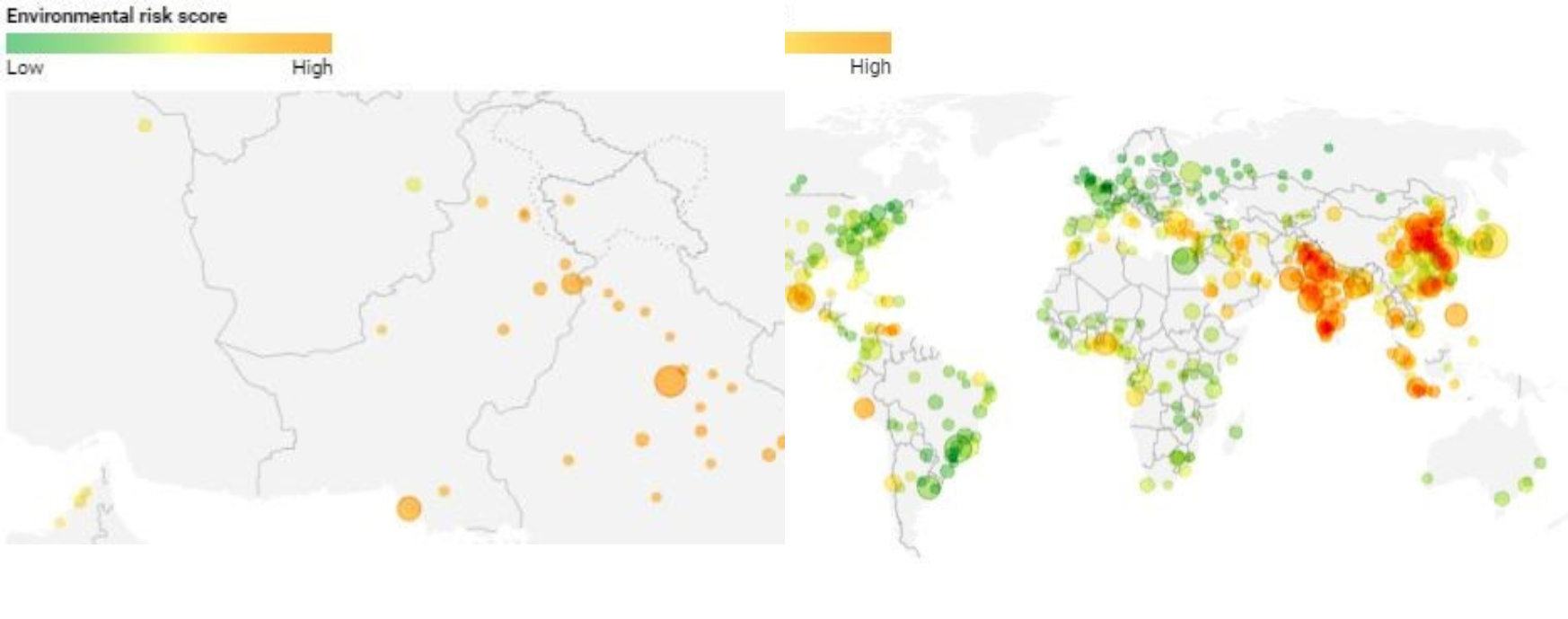
Continued greenhouse gas emissions and rising temperatures intensify heat islands, resulting in water shortages, rising sea levels, increased flood-related risks, and worsening pollution. Climate change is already disrupting cities around the globe. By the end of this decade, more than two-thirds of the population is expected to live in urban areas. African, American, and Asian cities are more prone to disasters, with coastal regions of North America and Western Europe on the front lines.


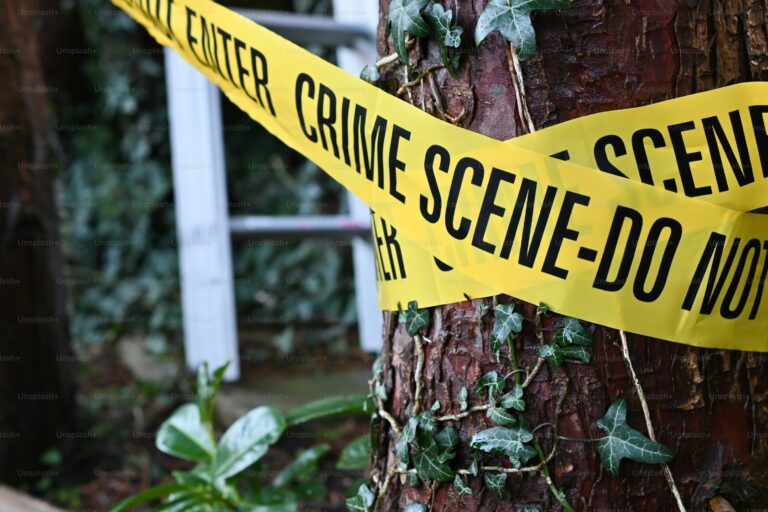
Crimes
Cities at risk of environmental crisis due to climate change Worldwide. Photo: Times

Climate change and criminal activities highlight the link between environmental factors and societal behavior. These factors influence crime patterns differently depending on their duration and the societal conditions they create. Floods, storms, and forest fires are short-term shocks, leading to instant consequences, including loss of lives and injuries.

Such events cause significant stress on healthcare systems, disruption of basic infrastructure, and the displacement of communities. These circumstances can give rise to non-violent property crimes.

The heat-crime hypothesis proposes that rising temperatures can fuel aggression and increase crime rates. Heat stress makes people more likely to misapprehend social interactions as hostile, leading to violent reactions. Warmer weather creates more opportunities for crime. When people spend more time outdoors, there are increased chances of conflicts and property crimes. In America, from 1980 to 1990, there was a strong link between heat and violent crime. One study based on 10-year data revealed that hotter years saw higher rates of deadly assaults.

Recent predictions paint a concerning picture. By the end of this century, increasing temperatures might lead to millions of violent crimes including murders, robberies, burglary, vehicle theft, and assaults. Worldwide studies resonate with this trend as it is revealed that a 1°C increase in temperature leads to a rise in homicide rates across several countries.

Exposure to air pollutants can influence aggression and impulsive behavior ultimately snowballing criminal activity. In urban settings, sulfur dioxide and particulate matter (PM2.5) are the pollutants linked to mental health disorders and delinquent behavior. Air pollution causes brain inflammation and oxidative stress impairing neural function and increasing the chances of violent behavior, particularly among youth.

The lead hypothesis links increasing crime rates in the U.S. from the 1960s to 1990s to lead exposure from gasoline. Lead poisoning contributed to aggression, impulsivity, and lower IQ, factors that may have fueled criminal behavior. As leaded fuel was phased out in the 1980s, the rate of crimes dropped significantly by the late 1990s.

Research in London disclosed that a 10-point rise in air pollution levels (AQI) led to a nearly 1 percent increase in crime. As air quality declines, these findings raise urgent concerns about the broader societal effects of climate change.

Climate change exacerbates human vulnerabilities, fostering fertile conditions for criminal activity. Floods, hurricanes, and wildfires frequently disrupt communities and strain law enforcement resources. This situation creates opportunities for individuals looking to exploit others’ suffering.

Crimes
The Turkana and Pokot tribes, in Northwestern Kenya, have repeatedly clashed over access to grazing land and reducing water resources. Photo Reuters

The changing climate is intensifying the scarcity of resources. Agricultural failures, droughts, and shrinking water supplies are becoming more common, powering conflicts over basic needs. The Turkana and Pokot tribes, in Northwestern Kenya, have repeatedly clashed over access to grazing land and reducing water resources. These face-offs often result in cattle raids, which threaten lives and destabilize the whole region.

The aftermath of disasters due to climate change disrupts basic services like food security, water supplies, and healthcare. Disease outbreaks may occur. As resources become scarce and social systems are strained, tensions rise, leading to an increase in domestic violence, intimate partner violence, and organized crime. This reflects the social and economic instability caused by prolonged recovery efforts.

Beyond opportunistic crimes, organized crimes are profiting from the effects of climate change. In Brazil, criminal groups “forest mafias” are responsible for large-scale deforestation in the Amazon, the world’s largest forest. Illegal logging operations are devastating forests at a serious rate. Likewise, illegal wildlife hunting and trade are booming as species are pushed to the border of extinction.

The long-term impacts of climate change on crime are deep-rooted in persistent stressors like rising sea levels and droughts. With time, these lead to mortality, morbidity, and the diversion of governmental and societal resources to climate adaptation measures. The strain on healthcare and infrastructure often increases inequality, marginalization of certain populations, and systemic vulnerabilities. Consequently, this causes a rise in both violent and non-violent crime as communities struggle with limited resources, unemployment, and survival.

Governments must invest in disaster preparedness and equitable resource management. International cooperation is equally vital. Initiatives like the Paris Agreement must be complemented. Providing legal pathways for migration and cracking down on human trafficking are essential steps in protecting those most at risk. On a local level, developing community resilience can help prevent crime owing to climate disasters. Programs that boost public trust in law enforcement, provide disaster training, and strengthen neighborhood networks can form a shield against crimes.

This dark aspect of changing climate is a reminder that this is not just an environmental issue but a societal one. As temperatures rise and disasters grow more frequent, the accompanying social challenges will demand innovative solutions and a commitment to justice such as implementing technology to map climate change and tracing criminals. Looking at the current scenarios and future needs, it is estimated that a 1 percent increase in police force can bring down murders by 0.67 percent. We can hope for a sustainable, equitable, and secure future by addressing these interconnected issues.

The cattle raids in Kenya, The LA wildfires, and many other crimes are forewarning for the world. They remind us that inaction carries a cost measured in environmental degradation and human suffering. This is the time to act before the dark side of climate change becomes an even greater shadow over our future.

References:

  1. Anderson, C. A., & Anderson, D. C. (1984). Ambient temperature and violent crime: Tests of the linear and curvilinear hypotheses. Journal of Personality and Social Psychology, 46(1), 91–97. https://doi.org/10.1037//0022-3514.46.1.91
  2. Climate change and criminality: what’s the link? – Birmingham Business School Blog. (n.d.). Blog.bham.ac.uk. https://blog.bham.ac.uk/business-school/2021/11/22/climate-change-and-criminality-whats-the-link/
  3. Bondy, M., Roth, S., Sager, L. (2018, April 26) Crime is in the air: the contemporaneous relationship between air pollution and crime – Grantham Research Institute on climate change and the environment. (2024, August 19). Grantham Research Institute on Climate Change and the Environment. https://www.lse.ac.uk/GranthamInstitute/publication/crime-is-in-the-air-the-contemporaneous-relationship-between-air-pollution-and-crime/
  4. Crimes that affect the environment worsen climate change and biodiversity loss, says UNODC at UN Climate Change Conference – World | ReliefWeb. (2023, December 1). Reliefweb.int. https://reliefweb.int/report/world/crimes-affect-environment-worsen-climate-change-and-biodiversity-loss-says-unodc-un-climate-change-conference
  5. Hecht, S. (2012). Migration, rural livelihoods & natural resource management. Academia.edu. https://www.academia.edu/97590011/Migration_rural_livelihoods_and_natural_resource_management
  6. Marcus, D. K., Fulton, J. J., & Clarke, E. J. (2010). Lead and Conduct Problems: A Meta-Analysis. Journal of Clinical Child & Adolescent Psychology, 39(2), 234–241. https://doi.org/10.1080/15374411003591455
  7. Ranson, M. (2014). Crime, weather, and climate change. Journal of Environmental Economics and Management, 67(3), 274–302. https://doi.org/10.1016/j.jeem.2013.11.008
  8. Rodriguez, M. (2025, January 18). Nearly 30 people charged for alleged crimes during LA County wildfires. Cbsnews.com; CBS Los Angeles. https://www.cbsnews.com/losangeles/news/nearly-30-people-charged-for-alleged-crimes-during-la-county-wildfires/
  9. Schilling, J., Akuno, M. H., (2012). Raiding the Future -Impacts of Violent Livestock Theft on Development and an Evaluation of Conflict Mitigation Approaches in Northwestern Kenya. https://www.usip.org/sites/default/files/files/case-study-competition/20130322-Raiding-the-Future.pdf
  10. (2015). The Paris Agreement. United Nations Climate Change; United Nations. https://unfccc.int/process-and-meetings/the-paris-agreement
  11. Nugent, C. (2021, 13 May). Why is Asia Home to 99 of the World’s 100 Cities Facing the Greatest Environmental Challenges? Time. https://time.com/6048106/asia-environment-risk-cities/

More from the Author: Cracking the Enigma of Crimes by Nanotechnology with Dr. Shahid Nazir Paracha

How Satellite Data Aids in City Planning

0

Cities are living, breathing organisms that change with population growth, changes in the environment, and other needs for infrastructural development. Traditional planning had to rely on ground surveys, historical records, and predictive modeling for this changing phase. However, these conventional methods fall short in today’s world, where the urban landscape is changing even overnight.

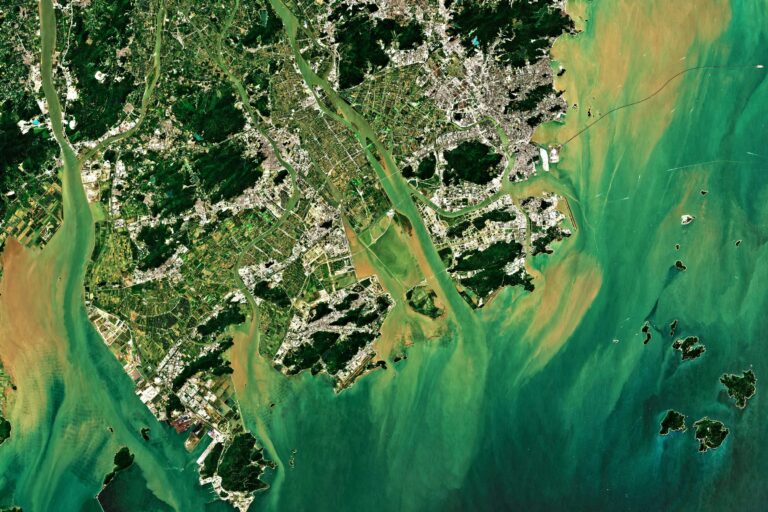
Satellite imagery is dramatically changing how cities design, expand, and maintain themselves. The insight that satellites give urban planners with high-resolution, real-time data on land use, flow of traffic, air quality, and even heat emitted by rooftops is from an order unimaginable before.

Today, professionals can even see satellite images in live time to monitor ongoing urban changes, identify emerging challenges, and make data-driven decisions with unprecedented accuracy. From mapping flood-prone zones to optimizing public transportation networks, this technology ensures that modern cities are not just built but smartly designed for sustainability, efficiency, and resilience.

Urban Planning with Satellite Data

Building a prosperous city is rather more than a blueprint and policy decision-making. It involves an insight into how the land, infrastructure, and human activity interact with each other. That is precisely what satellite imagery can capture: it offers an all-encompassing and vibrant view of an urban landscape not possible by methods on the ground.

One of the greatest advantages of satellite data is its ability to capture large-scale patterns while also revealing granular details. From tracking urban sprawl to analyzing green space distribution, planners can use this information to make informed decisions that balance growth with sustainability. Traffic congestion, air pollution, and even temperature variations across different neighborhoods can be monitored and mitigated using satellite insights.

Perhaps most importantly, satellite technology allows planners to work with satellite view in real-time, ensuring that decisions are based on the latest developments rather than outdated maps. This is especially crucial for managing rapid urbanization, responding to natural disasters, and optimizing public services. Whether it’s designing more efficient transportation networks, identifying areas at risk of flooding, or ensuring equitable access to resources, satellite imagery equips urban planners with the data needed to build smarter, more resilient cities.

How It Works!

One of the most significant applications of satellite imagery is tracking urban growth. Cities expand rapidly, and without proper planning, this can lead to congestion, inefficient infrastructure, and environmental degradation. With live satellite views, planners can observe how new developments are altering landscapes in real-time, ensuring that growth is managed strategically rather than reactively.

This data is also invaluable for transportation planning, helping cities reduce congestion by identifying traffic bottlenecks, optimizing public transit routes, and even planning new roadways based on actual movement patterns.

Beyond infrastructure, maintaining environmental balance within urban areas is a growing challenge. With the help of Earth’s real-time satellite view data, planners can monitor changes in air quality, track deforestation, and analyze urban heat island effects. This insight supports the strategic placement of parks, green roofs, and other sustainable design elements that improve air quality and create healthier living environments.

Disaster preparedness is another crucial area where satellite data proves indispensable. By mapping flood-prone zones, tracking seismic activity, or assessing storm damage, cities can enhance their resilience to natural disasters. Real-time satellite imagery allows emergency response teams to quickly evaluate affected areas and coordinate relief efforts more efficiently.

While cities keep growing, embedding satellite imagery into urban planning secures the idea that this is a development grounded in data and makes an urban environment smarter, more flexible, and able to take up new challenges.

Satellite Data
By integrating these satellite insights into planning efforts, cities can develop in a way that is efficient, sustainable, and resilient, ensuring that the urban spaces of tomorrow are better equipped to handle the challenges of today. Photo Unsplash

Medium & High-Resolution Satellite Imagery

Different levels of resolution provide varying levels of detail, making both medium and high-resolution imagery valuable for urban planning.

Medium-resolution imagery (10–30 meters per pixel) is often used for large-scale urban analysis, such as tracking land-use changes, monitoring air pollution, and assessing regional growth patterns. It provides a broad overview of city dynamics without the need for granular detail.

High-resolution imagery (1–5 meters per pixel) is essential for more detailed planning tasks, such as designing transportation networks, evaluating building density, and mapping small-scale infrastructure projects. This level of detail helps city planners assess everything from road conditions to rooftop solar panel installations.

By integrating these satellite insights into planning efforts, cities can develop in a way that is efficient, sustainable, and resilient, ensuring that the urban spaces of tomorrow are better equipped to handle the challenges of today.

Shaping the Cities of Tomorrow with Satellite Technology

As cities grow more complex, the role of satellite imagery in urban planning will only expand. The ability to analyze landscapes from space is no longer just a tool for monitoring growth but an essential part of designing smart, sustainable cities. Advances in artificial intelligence and machine learning are already enhancing the capabilities of satellite data, allowing planners to predict trends, model climate impacts, and create more adaptive infrastructure solutions.

In the future, we may see fully automated urban planning systems that integrate real-time satellite insights with predictive analytics, making cities more efficient, resilient, and prepared for change.

Some cities have already embraced satellite technology in their planning efforts. Singapore, for example, has used satellite imagery to monitor land subsidence and ensure the stability of its infrastructure. In Rio de Janeiro, satellite data has been instrumental in mapping flood-prone areas and improving disaster response strategies. Meanwhile, in Europe, cities like Amsterdam leverage remote sensing to track urban heat islands and develop innovative cooling solutions.

With satellite live view of Earth, planners can now access real-time data that helps them respond to immediate challenges while also designing long-term solutions. Whether it’s optimizing transportation networks, safeguarding natural resources, or improving disaster resilience, satellite technology will remain a cornerstone of modern urban planning. As innovation continues, we can expect smarter cities that are not only more efficient but also more sustainable, livable, and adaptable to the ever-changing world around them.

References:
1. Urban Planning
2. Urban Planning’s New Frontier: The Transformative Power of Satellite Imagery
3. Space Technology: A Catalyst for Smart Urban Planning
4. The Importance of Satellite Image Providers in Urban Planning
5. Exploring the Spectrum of Satellite Imagery Spatial Resolutions

Also, Read: Satellite Technology: Space Strategy for Evolution in Defense and National Security

The Role Models who Empower Young Girls for STEM Fields in Pakistan

0

STEM education is revolutionizing society by giving students a new outlook and a set of adaptable abilities that are useful in a variety of occupations. It fosters adaptability, analytical thinking, pattern recognition, and critical evaluation capacity. Additionally, STEM education promotes social consciousness by making the general public more aware of international issues.

As a result, taking advantage of STEM opportunities helps us move towards a knowledge-driven economy. It deepens our sustainability awareness, resulting in a more sustainable and informed global community.

But what is STEM? STEM stands for science, technology, engineering, and math. It focuses on education in the fields of scientific and technological development. STEM education brings These fields together to establish a coherent system that creates professionals capable of transforming society through creativity and environmentally friendly solutions.

This system was introduced in the US in the early 2000s to encourage the younger generation to participate in the mentioned fields. In 2005, the US National Academy of Science, Engineering, and Medicine report highlighted a strong relationship between knowledge-intensive professions and the country’s prosperity. The report also emphasized the importance of innovation to solve social concerns. According to the analysis, there would be disastrous repercussions if the nation could not compete in the global economy due to a sluggish labor force. 

Ten years into the introduction of the term, the STEM professions saw a growth rate of three times compared to the growth rate of non-STEM jobs [1]. 

Despite so much effort, discrimination against specific gender and racial groups remained. We shall focus on the gender gap in the STEM workforce in the US and globally. Moreover, we shall see how Pakistani women scientists and STEM educators are doing their best to address the problem of gender disparity.

GENDER GAP

According to MIT, in 2023, the total number of females in STEM fields is about 28%. Country-wise speaking, in the US, 24% of the STEM field workers are women. In the European Union, the percentage of the workforce in STEM are women is 17%. The numbers are dwindling in the East as well. In Japan, only 16% of the STEM workforce comprises female staff, and 14% in India [2].

Considering Pakistan, UNESCO reports that 47% of the total students who enroll in universities are female. The percentage of female students who enroll in doctoral programs is only 36%. The rate is further reduced in the institutes offering natural sciences programs, i.e., 34% and 45% of medical and engineering programs consist of only 21% female students [3]. 

MAIN REASONS

Some of the reasons that contribute to the gender gap in the STEM fields include stereotypes that portray STEM as a masculine domain, leading young girls to be discouraged from pursuing such careers at an early stage. Additionally, women remain underrepresented in these fields; their achievements and successes often go unnoticed, and young girls have fewer inspiring figures to admire. This shortage of role models adds to the discouragement and lack of confidence among girls considering pursuing careers in STEM.

Work-life balance also plays a significant role, particularly for women, as demanding careers in engineering and science may prompt some individuals to opt out of managing family responsibilities. Furthermore, gender discrimination and isolation are reported to be prevalent in STEM careers, creating additional barriers for women in these fields.

Addressing these challenges is crucial for promoting gender diversity and inclusivity in STEM, allowing all individuals’ full potential and talents to be harnessed equally in these vital sectors [2].

How do we encourage YOUNG GIRLS into STEM fields? Opinions by the Famous PAKISTANI Women in STEM

Despite all the hardships and deprivation, several women from Pakistan have broken the stereotypes and are playing a pivotal role in contributing to the STEM fields. These women have also been influential in inspiring young girls into STEM fields. 

Asifa Akhtar

Asifa Akhtar, the Max Planck Institute of Immunology and Epigenetics Vice President, is dedicated to advancing the careers of young scholars, particularly women. Her objective is to contribute to reducing the gender gap in science. She is a biologist from Pakistan whose research is focused on epigenetics mechanisms and chromatin.

Asifa Akhtar - Girls in STEM
Dr Asifa Akhtar

“Gender equality needs to be worked on continuously. There are outstanding women in science, and we should make all the efforts and use our resources to win them for the Max Planck Society”. [4]

She further said it is up to responsible people to create a setting where women can quickly rise and fulfill their dreams of having a successful career [5]. 

“Nature intended that women are the sex that bears children and, initially, provides them with nourishment, but it’s up to us to create the conditions that make a career in science possible in spite of that.” ~ Asifa Akhtar

“If we want women to progress in science, we need to enable practical solutions such as childcare and time-sharing or home office options,” she added while talking about the role of society in reducing gender inequality [4].

Nergis Mavalvala

In 2017, gravitational waves were discovered by a team of scientists. Nergis Mavalvala, an astrophysicist of Pakistani descent, has been on the team to whom this discovery attributes, and she’s been working on GWs for more than 30 years now. She was born in Lahore and later came to Karachi in her early childhood. She became the ray of hope for many people pursuing scientific careers. Later, in 2020, she became the dean of the School of Science at MIT.

Mavalvala states, “I grew up in a family where the stereotypical gender roles were not observed. So, I grew up thinking women can, must, and should do anything and everything. That is very important for me.” [6] 

Mavalvala insisted that Pakistani women can do everything anybody else can. “Anybody should be able to do those things. And I am proof of that because I am all of those things. With the right combination of opportunity, I could do.” [7] 

Her comments point toward the fact that everyone has a role in breaking stereotypes. They are starting from the home and moving up to the societal level. 

“When everyone has access to education, all the other things come into place… [You’ve] got to do what gives you pleasure, gotta find a way to do it. People should do what they enjoy most, and I think for all of society, whether it’s in Pakistan or elsewhere, we have to create opportunities for young girls to do what they’re good at and do what they love to do must cultivate the sense of wonder in a child,” Mavalvala said during a TV interview in 2016.

Ayesha Arshad

An aspiring astrophysicist from Pakistan, Ayesha Arshad, is pursuing her studies in Germany. Her research is about determining physical parameters such as the temperature and size of hot subdwarf stars. First, she said that it is of utmost importance to encourage and help girls develop reading habits.

She commented, “Reading might seem small at first glance, but this is what worked for me. It sparks curiosity and compels us to ask questions. Reading broadens knowledge, improves critical thinking, and exposes one to diverse perspectives.”

Ayesha Arshad- Women in STEM
Ayesha Arshad

She stated, “Another way is to highlight the achievements of Pakistani women working in science and technology. Listening to or reading about their journey and the hurdles they faced would help the girls decide how to tackle the problems that might come their way better.”

Miss Arshad further added that teaching the history of science and technology and STEM subjects should be necessary in schools. “Girls can better appreciate the significance and relevance of STEM disciplines by learning about scientists’ discoveries, developments, and motivations throughout history.”

She shared her personal life experience and how it wasn’t easy to answer all her family’s concerns. Eventually, she convinced her parents to pursue STEM as a career, and later, her family supported her fully. “Hence, educating the parents is just as important as educating the younger generation,” she added.

Hira Fatima

Hira Fatima is Pakistan’s National Astronomy Education Coordinator (NAEC) at the International Astronomical Union (IAU) Office of Astronomy Education. As a Pakistani computational astrophysicist, her passion for encouraging girls into STEM is undeniable. While talking to her on the topic, she provided some valuable insights to raise awareness among the potential future scientists of the country.

According to her, raising awareness among parents to equally support, encourage, and provide young girls with opportunities to pursue STEM is essential. 

Women in STEM
Hira Fatima

She further mentions, “As a teacher, I also strive to help girls build confidence in their abilities by addressing impostor syndrome and emphasizing that their voices and contributions are valuable in STEM fields. Additionally, I teach girls the importance of perseverance and overcoming challenges, as success in STEM often requires continuous effort and problem-solving.”

One crucial reason mentioned in the previous section was the underrepresentation of female scientists and role models for the younger generation. Having a role model from whom the children may take inspiration is necessary to build their interest in pursuing scientific careers.

Fatima addressed that issue: “Whenever I organize education and outreach events, I showcase successful female scientists, engineers, and astronomers as role models. By sharing their stories and achievements, young girls can see themselves in similar roles and realize the possibilities within STEM.”

Ramla Qureshi

Ramla Qureshi is a notable name among the famous women in STEM. She is a PhD researcher and assistant professor at the University of Buffalo in New York. Qureshi specializes in studying structures that can withstand natural disasters such as earthquakes and fires [8]. 

Ramla Qureshi- Women in STEM
Ramla Qureshi
Ramla Qureshi

Motivated by the shocking stats of the gender gap in the STEM fields, Qureshi started Women Engineers Pakistan (WEP) to raise awareness and to help increase the falling number of women in the scientific fields. [9]

The list doesn’t stop there. Our society has countless hidden gems trying hard to make a difference. Honorable mentions include Yumna Majeed, founder of Exploration – Cosmos to Classroom, an education organization promoting space and astronomy education at school levels.

Tasneem Zehra, theoretical physicist and author of “Only the Longest Threads”. Sarah Qureshi, the aerospace engineer and founder of Aero Engine Craft (Pvt) Ltd. She works on the development of green airplane engines. Zartaj Waseem, CEO and founder of Pakistan Space Science Education Centre (PSSEC) and a STEM educator. 

These are just a few names among the long list of people who are contributing to reducing gender inequality and encouraging the new generation to pursue scientific careers. The hard work of our gems inspires us. 

References:

Also, Read Talking Data in Healthcare and Opportunities for Women with Dr. Bushra Anjum

Caring in Crisis— Protecting Pregnant Women and Newborn from Climate Change Fallout

It was a freezing January morning in 2025. Gull Bibi woke up at 6 a.m. and hurried to the kitchen. The temperature in her city of Quetta was around minus 6 degrees Celsius when she turned on the gas stove. Due to severe gas load-shedding, she needed to prepare breakfast and lunch for her family in just two hours.

Gull Bibi, 26, has two children and is expecting her third child in March. She lives with her husband and in-laws in Nawa Killi, located 9.5 km away from Quetta Cantt. The city has been experiencing a gas shortage and power outages for the past few years, which have worsened during winter. In extremely chilling weather, residents face challenges preparing food and warming their rooms.

After putting the kettle on the stove, she rushed to the washroom to perform Wudu for her morning prayer. The water was freezing, and she nearly shivered. Meanwhile, her mother and father-in-law had also woken up and needed hot tea. While serving them, she prepared a meal for her younger son, Subhan, and began making spices for lunch.

For the past year and a half, she had been following her usual morning routine due to an ongoing gas shortage. However, managing this routine became increasingly difficult due to her seven-month pregnancy and the extremely dry winter.

Many areas of Balochistan experienced their first winter shower in mid-November, with temperatures dropping to minus 14 degrees during snowfall. However, for the past two years, these regions have been facing unusual rainfall patterns, resulting in less precipitation from November to March. The dry winters are causing significant healthcare issues for the population, particularly posing severe risks to pregnant women and newborns.

The changes in weather patterns are not confined to Balochistan; they are also evident in Punjab, Sind, and Khyber Pakhtunkhwa (KPK). Many areas in Punjab and interior Sind are currently experiencing dense fog and smog, while temperatures have dropped unusually low in regions that typically maintain stable and pleasant winter weather.

According to a recent ranking of the World Climate Index, Pakistan ranks eighth among the countries most vulnerable to climate change worldwide. The index indicates that severe and adverse weather conditions in these countries are not only causing a downfall in their economies but also severely impacting people’s livelihoods and health.

pregnant women
After the historic and devastating floods in Pakistan in August 2022, nearly 600,000 pregnant women in IDP camps required urgent medical services. Photo Dr Fayyaz Alam/ Scientia

Pregnant women living in rural areas are particularly at risk. After the historic and devastating floods in Pakistan in August 2022, nearly 600,000 pregnant women in IDP camps required urgent medical services. Furthermore, in 2023, record-breaking heatwaves in Sind and Balochistan accelerated maternal and child mortality rates.

Pakistan has one of the highest neonatal mortality rates in the world. A global study conducted in 2019, published in the Lancet, found that 33 percent of stillbirths occur in South Asia. In Pakistan, the rate of stillbirths was 30.6 per thousand live births in 2019. While this marked a significant improvement from 39.9 in 2000, it remains well above the regional average of 18.2 and the global average of 13.9.

Pregnant women and threats from the heat

“Temperatures in many rural areas of Sindh, including Badin, can reach up to 52 degrees Celsius or above between June and August. In these areas, pregnant women often have to fetch water from miles away. Additionally, many women work in brick kilns or help their male counterparts in the fields during harvest season,” says Amina Khaskheli.

Khaskheli is a 45-year-old polio vaccination worker who currently leads the vaccination program in Jani Khaskheli, a small town in the Matli district of Badin, Sind. Over 20 years, she has traveled to remote areas to administer polio vaccinations and has observed the hardships that pregnant women face in extreme heat.

She reports that in the past two years, there has been a rise in the number of premature and low-weight infants being born. Furthermore, the rates of miscarriages, as well as maternal and child mortality are also increasing.

pregnant women
An estimated 737,812 pregnant and lactating women in South Sudan will suffer acute malnutrition over this year. Photograph: Paul Jeffrey/Alamy/ Guardian

Louisa Samuels is a researcher at the Department of Gynaecology at St Thomas’ NHS Trust in London. She was the lead author of a 2022 study that examined the effects of rising temperatures on pregnant women in London. According to her research, there is mounting epidemiological evidence that high ambient temperatures are associated with pregnancy complications and adverse fetal and neonatal complications and outcomes including preterm birth, stillbirth, and low birth weight.

“Extreme heat increases the risk of premature birth and miscarriage, particularly for women living in rural areas of hotter regions around the world. Many of these women lack adequate cooling systems in their homes, which exacerbates the challenges they face during heat waves.”

She explains that core body temperature in adults is maintained through the heat generated within the body and its release, which is directly influenced by the external environmental temperature. The effects of heat are related to the temperature to which our body is accustomed and how much heat it can tolerate.

“Pregnancy induces numerous physiological changes in women in addition to changes in body mass. Cardiovascular changes occur gradually throughout pregnancy so that by the third trimester, plasma volume and cardiac output increase by almost 50 percent,” Louisa further explains.

“When the ambient temperature rises excessively, thermoregulation becomes more difficult. As a result, strategies such as reducing sweat production, increasing blood flow to the skin, and maintaining a cooler external environment are employed to help normalize the body temperature of pregnant women.”

“In recent years, extreme heat waves have resulted in a 15 percent increase in miscarriages and premature births worldwide. For this reason, the World Health Organization has issued a warning about the serious risks that rising temperatures pose to pregnant women,” she briefs.

Research is being conducted worldwide on the effects of extreme heat on pregnant women. In January 2024, Aga Khan University in Karachi, Pakistan, launched a four-year research project, supported by the UK’s Wellcome Trust. This is the first study of its kind in Pakistan focusing on pregnant women.

Assistant Professor J. Das from the Department of Pediatrics and Child Health at Aga Khan University is leading the project. He informs that in the initial phase, data will be collected from 6,000 pregnant women living in the districts of Tando Muhammad Khan, Mithiari, and Tharparkar in Sindh province.

Following this, data collection will extend to slums and low-income areas of Karachi, including Korangi, Dhobi Ghaat, and Kharadar. In these areas, pregnant women often reside in small apartments and work in kitchens during hot weather without adequate means to cool their living spaces or ensure fresh air circulation.

According to Dr. Das, this research project will involve giving pregnant women special devices to wear, which will collect data on changes and increases in their body temperature. This information will help in understanding the factors that negatively affect the health of both the pregnant woman and her child.

Dr. Ayesha Yousafzai from the Department of Pediatrics and Child Health at Aga Khan University emphasizes that this four-year project is crucial. In extremely hot regions, it is essential to provide lady health visitors and gynecologists with adequate training and guidelines to protect pregnant women from adverse heat effects. This research project aims to provide vital information for that purpose.

In 2017, the Sri Ramachandra Institute for Higher Education and Research in India conducted a study, the results of which were recently published. An analysis of data from 800 women in the Indian state of Tamil Nadu found that extreme heat waves doubled the risk of stillbirth and premature birth.

A similar study by Harvard University, published in January 2023, analyzed data from 9,500 pregnant women in Massachusetts. This study revealed that extreme heat affects fetal growth, impacting the size of the baby’s head, abdomen, and thigh bone length.

Scientists at the Harvard Chan School of Public Health have found that increased heat exposure during pregnancy was associated with smaller fetal growth measures (ultrasound parameters and birthweight), with associations strongest for head parameters (head circumference) in early to mid-pregnancy, and abdominal circumference later in pregnancy and birth weight.

The researchers revealed that higher temperatures are associated with impaired fetal growth—which has major health implications including a sharp increase in autism cases in newborns around the world.

These findings contribute to the growing body of evidence documenting the overall health impact of rising temperatures, and highlighting the need for urgent and transformational action to combat the climate crisis.

References:

More from the Author: Breaking the Odds in Field Epidemiology in Pakistan