10.7 C
Pakistan
Monday, April 6, 2026
Home Blog Page 14

Patents and Birthdays- What does February have in the Treasure?

0

January was the month of tech and invention but February is the month that brings the finest things towards accomplishment by getting the first step done. From typical washing machines to Steve Jobs and Charles Darwin’s birthday, so much has happened this month in the past. 

Let’s scroll down and see what is new to learn about this month!

February 1, 2003 

On this day, the Space Shuttle Columbia broke into pieces as it re-entered Earth 16 minutes before its landing in Florida at Kennedy Space Center in Florida, leading to the death of all seven members of the crew. It included Commander Rick Husband, Pilot William McCool, Payload Commander Michael Anderson, Mission Specialists Kalpana Chawla, David Brown, and Laurel Clark, and Payload Specialist Ilan Ramon. 

Columbia was launched into space on January 16, 2003, for 16 days to conduct 80 experiments to conduct research on microgravity by using a Spacehab module in the shuttle’s payload bay. 

During launch, about 82 seconds after liftoff, a piece of foam insulation broke off from the external fuel tank and got stuck at the left wing. It eventually damaged the thermal protection system but went unnoticed during the research work. 

Upon reentry, as the Columbia descended, superheated air penetrated inside and led to the structural failure with caused catastrophe. 

After this disaster, NASA suspended the Space Shuttle Program for 29 months which ended with the Space Shuttle Discovery on July 26, 2005.  

February 3, 1690 

Our wallets have notes of Rs. 100 to 1000, but this paper note did rule the world so easily. 

Paper notes were first started in China by Tyang Dynasty but it was abandoned after 650 years. Later, during the 15th century, the West started it. Credit goes to British colonies and Britain’s war with France during the Glorious Revolution. 

At that time, Massachusetts, in 1689, was an English Colony. Britain used the mint coins there prior but then stopped it. During war with France, they wanted Americans to fight for them in Canada but they rarely sent money for soldiers. So, eventually, the Massachusetts Bay Colony issued certificates that soldiers could redeem to get coins. That certificate was known as the bill of credit. The certificate was considered the first paper money in America. 

February 3, 1821 

How many of you have made memes and jokes about women being more in the medical field than men? 

Well, this did not start so long ago. In the US, Elizabeth Blackwell was the first physician to earn a medical degree. She was born on February 3, 1821 in Bristol. She and her family moved to New York in 1831. There, she completed her education via private tutors. Blackwell decided to study medicine after her friend got sick. 

She completed her degree from Geneva Medical College in 1849 and practiced it in London and Paris. Blackwell was a pioneer of preventive medicine and hygiene. She was the first woman to hold the chair of hygiene in a medical college. Aiming to bring more women towards medicine, she established the London School of Medicine for Women and the New York Infirmary for Women and Children. 

Blackwell died on May 31, 1910, but she is still around us. Every year, the Elizabeth Blackwell Medal is awarded to women who made significant contributions to medicine. 

February 5, 1914 

Our brain is a factory of chemicals and we got its glimpse because of Alan Hodgkin, a British physiologist. 

Hodgkin was born on February 5, 1914, in Oxfordshire. He was known for demonstrating the role of potassium and sodium ions in generating action potential to transmit nerve impulses. He did this experiment with Andrew Huxley in 1952 on giant squids for his research for which he won Nobel Prize in 1963. 

He was the leading physiologist in the 20th century who conducted thorough research on vision, nerves, and muscles. During WWII, he was a member of the team that developed short-wave airborne radar that led to future successes in the Royal Air Force. 

In his career, Alan Hodgkin held two eminent positions; he was the president of The Royal Society from 1970 to 1975 and the Master of Trinity College, Cambridge from 1978 to 1984. Alan died in December 1998 after a prolonged illness.

February 8, 1828 

“Around the world in eighty days” has fascinated all of us in our teens. 

Its author, Jules Verne, the father of science fiction, was born on February 8 in Nantes, France. In inheritance, he got his father’s (Pierre Verne) analytical mind and mom’s (Sophie Allotte de la Fuÿe) imaginative skills which could be seen in his books, especially in “From the Earth to the Moon.”

Verne was the eldest son of five siblings; his family expected him to continue his dad’s legacy in professional life but he opted for a career in literature, leaving an impact for centuries. 

His work has been adapted to features and television series, such as “A Trip to the Moon,” and “Tonight, Tonight.” Jules Verne died on March 24, 1905, in Amiens, France yet his work is still remembered and read. 

February 9, 1881 

Boats and ships were not made in a decade but in a century, and to invent everything, getting a patent was the first step. 

On this date, Robert Fulton got the second patent to develop and construct the steamboat, signed by President James Madison. He got the first patent on February 11, 1809, to improve the invention which President Jefferson signed. 

The patented steamboat had a round trip of 300 miles from New York to Albany, completed in 62 hours. The mission was successful because of engine efficiency and hull construction that gave his steamboat an edge over past attempts which made it economically and commercially feasible. 

Fulton’s steamboat started commercially in the early 19th century, leading him to be considered the father of the steamboat.

February 12, 1809 

How many of you have friends or relatives who thought that we are ancestors of monkeys because of a poor understanding of the theory of evolution? Well, my teacher assumed the same. However, the truth is different, making me realize how genius Charles Darwin is. 

This genius was born in February in Shrewsbury. He was a known biologist and geologist of his time who was remembered for the controversial concepts he introduced at that time such as natural selection or survival of the fittest. This concept says that successful organisms are those that change themselves with the environment to adapt to it or they fade. 

Darwin’s theories led to the foundation of modern evolutionary biology which honed our understanding of how we, humans, have come to this world. 

February 13, 1979

How many of your parents or yourself are facing loss of hair? Well, there is a medicine to solve this issue, minoxidil. 

It all started on this day when pharmacologist Charles Chidsey, received a patent to cure male baldness. The patent was assigned to Upjohn. The company was for a long time working on medicine for ulcer treatment, minoxidil. They gave the medicine to Chidsey to study as they found it a solution to lower blood pressure. 

While studying and experimenting with it, he noticed that it improved hair growth in the samples’ heads. Immediately, he consulted his colleagues, Dr Kahn, and Dr Grant, and found a solution to age long issue. 

On December 10, 1971, Dr. Kahn and Dr. Grant informed about it to Upjohn and the company soon issued a patent. They called Chidsey as sole inventor which resulted in trouble which solved by giving royalties to all three observers. 

Upjohn launched the product under the name of Rogaine which got FDA approved in 1988. However, the patent expired in 1996, leading other brands to launch the same product too. Yet, the three are still considered inventors of this amazing medicine which you can use too.

February 14, 1845 

For many, February 14 is the day of love, but for science lovers who want to see all genders in STEM, it’s the birth date of Lydia Sesemann, the actual first woman to get PhD in chemistry in the world. However, her research work and experiences all vanished to a great degree that people have forgotten her, considering Julia V. Lermontova as the first doctoral woman. 

Sesemann was born in Wiborg with an ancestral lineage from Germany. She completed her degree from the University of Zurich. On May 15, 1874, she was awarded a doctoral degree from the Second Section of the Faculty of Philosophy. 

Although her thesis got appreciation, which made many expect her to go into a career, the records say something different. Records say that she was in Leipzig until 1882. During that time, she worked at Gustav Wiedemann’s Physical-Chemical Laboratory but there is nothing available about the work she did there. 

Records revealed that she was in Lausanne for a while where she was in touch with the Société de l’Union chrétienne. There, she was also a teacher for a year at The Indicateur Vaudois in 1896.

Sesemann left Lausanne in 1907 and moved to Munich with her sister, Helene, and stayed there with her mother until her death on March 28, 1925. Lydia Sesemann was a forgotten scholar who was found recently. May we keep remembering her. She was an advocate of women’s rights and education. 

February 17, 1827

We all have one fixed day for washing clothes but do we know who invented it? Well, let’s forget about invention and focus on who got the license first.

Chester Stone was the first person who get a patent for a washing machine on this date in New Haven County, Connecticut. The U.S. Patent Office issued him patent no. 4,669X but unfortunately, the details were destroyed during the Patent Office fire in 1836 at the Blodget’s Hotel. 

The washing machine is the biggest invention in our houses; it’s one of the most useful things in our daily lives. Yet, there is little information about him. However, people know about his son, Marvin Chester Stone, the inventor of the drinking straw.  

February 24, 1955

Personal computer history is incomplete without Steve Jobs and his birth date is a must-remember for Gen-Zs who dream of entrepreneurship, living a purposeful life, and enjoying every moment.

Steve Jobs was born in California to Abdulfattah Jandali and Joanne Schieble, yet Paul Jobs and Carla Jobs, Joanne’s friends, adopted him and raised him in Mountain View. As per the deal with his biological parents, Paul and Carla sent him to university, Reeds College but he dropped out. 

Jobs explored different things in life from Buddhism to games and ended up in technology. During his childhood, he joined Explorer’s Club at Hewlett-Packard (HP) where he met his going-to-be business partner, Steve Wozniak. With Woz and Ronald Wayne, he started Apple in 1976 and launched the infamous Macintosh I, Macintosh II, and LISA. 

Jobs played a key role in Pixar by becoming its CEO after getting ousted from his own company in 1985. During that time, he started NeXT too. Later, in 1997, he joined Apple again and launched the iPhone, iPad, and iPod, bringing success to the company. He died on October 5, 2011, leaving the legacy behind. 

February 27, 1900 

We all live on painkillers. Thanks to Felix Hoffman for taking the first step. 

While working at Bayed, Hoffman synthesized a pure form of acetylsalicylic acid, the main ingredient in aspirin, in 1897. Eventually, Bayer requested Germany to give them a patent but they rejected it because the French did it first. So, they applied in the US and got the patent and freedom to manufacture it from 1900 to 1917. 

Bayer named their product “aspirin” and started selling it but due to having a generic name, they lost their rights to the trademark. Many countries started producing it from the same name, leading them to face fierce competition. That competition also faded after the launch of paracetamol in 1956 and ibuprofen in 1962.

Yet, the efforts of Bayer and Hoffman went vane, leading to the availability of a variety of painkillers which means they were Jobs in their way.

February 28, 1953

Funnily, many of our relatives have commented on what we have inherited in our DNA, yet that DNA concept and structure was discovered on the last day of February. 

Thanks to James Watson and Francis Crick for showcasing Watson and Crick’s model in the form of a research paper, published in “Nature” in 1953. 

Utilizing the research work and diffraction images of Rosalind Franklin and Maurice Wilkins, Watson, and Crick explained how two strands of DNA twist around each other and form a ladder with base pairs (adenine-thymine and guanine-cytosine) as the rungs. Via this structure, they explained how genetic information is passed down to generations. 

For this work, Watson, Cric,k and Wilkins won the Nobel Prize in Physiology in 1962. Unfortunately, Franklin was missed out as she passed away before the event in 1958. This discovery may sound cliche to you but it paved the way for current biotechnology. 

From beginning to end, from books to licenses and birthdays of geeks to doctoral degrees, February is like a treasure with so much inside it. What’s the most memorable event or date for you?

Reference:

https://www.space.com/19436-columbia-disaster.html

https://info.mysticstamp.com/wp-content/uploads/02-03-1690-First-Paper-Money.pdf

https://pmc.ncbi.nlm.nih.gov/articles/PMC11455243/

https://royalsocietypublishing.org/doi/10.1098/rsbm.1999.0081

https://www.wired.com/2012/02/feb-8-1828-a-literary-master-is-born/

https://www.rmg.co.uk/stories/topics/charles-darwin-one-britains-most-celebrated-naturalists

https://www.chemistryviews.org/lydia-sesemann-150-years-of-womens-doctorates-in-chemistry/

https://www.nationaldaycalendar.com/read/february-17-2024-national-random-acts-of-kindness-day-national-red-sock-day-national-cabbage-day

https://www.computerhistory.org/tdih/february/24/

https://patentyogi.com/this-day-in-patent-history/this-day-in-patent-history-on-february-27-1900-felix-hoffman-patented-acetyl-salicylic-acid-aka-aspirin/

https://www.bbc.co.uk/bitesize/articles/z4pd382

Read About January: Science Milestones in January: From Newton to NASA

Remembering Dr Salam: A meritorious journey to becoming the best in science

0

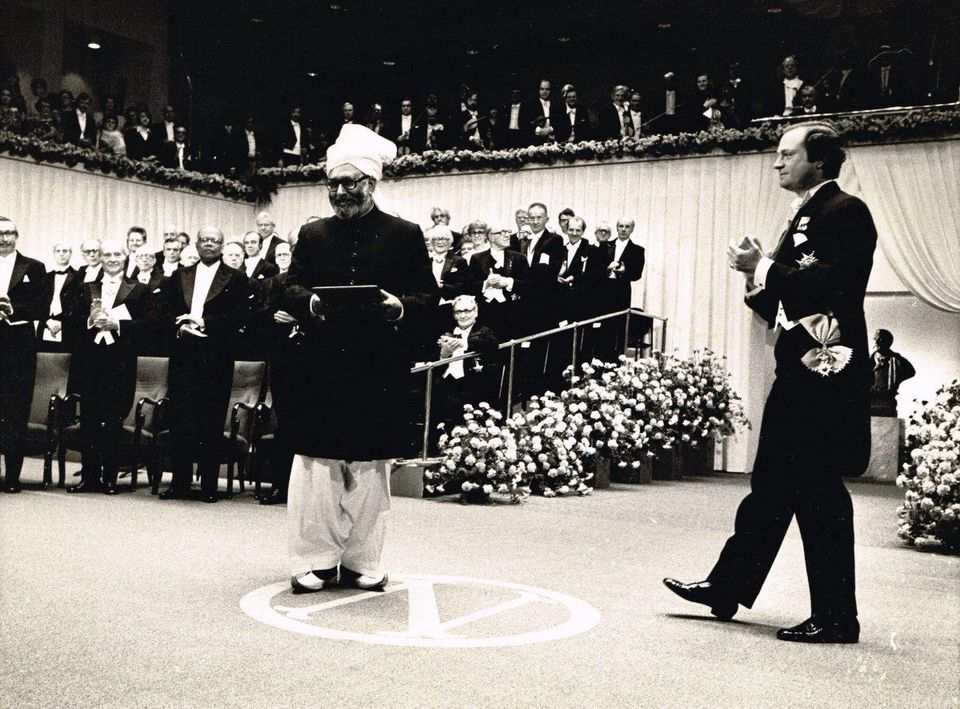
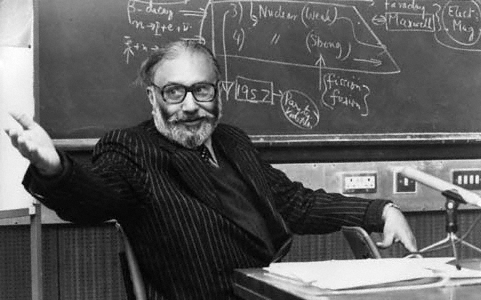
Dr Abdus Salam was a Pakistani theoretical physicist, who In 1979, shared the Nobel Prize in Physics with US physicists Steven Weinberg and Sheldon Glashow for their groundbreaking research on the “electroweak unification theory.” Dr Salam is the first and only Pakistani scientist who has won the honorable Nobel prize in Physics.

Dr Salam was born in 1926, in the humble village of Jhang, Punjab, during the British Raj in India. He was a staunch believer in the movement of Pakistan, later identifying himself as a Pakistani. Salam was the youngest son and a favorite sibling. From early on, his grandfather had high hopes and ambitions for Salam in future endeavors. He was born to the Ahmedi family and remained an observant Ahmedi, applying his faith in all aspects of life, especially science.

From early on, Salam’s intelligence was visible; at 14, he earned the highest marks in the Matriculation Examinations ever recorded during his time at the University of Punjab. He was therefore offered a scholarship by Government College Lahore in 1940 when he was 16. Salam’s humble upbringing was such that upon entering Lahore, a larger, more urbanized city, he saw an electric lightbulb for the first time in his life.

Dr Salam
Salam did his Ph.D. in theoretical physics at Cambridge

Three years later In 1943, he published a scientific paper titled “A Problem of Ramanujan,” in which he solved a mathematical problem attempted by Ramanujan, who was considered a genius and prodigy in the realm of mathematics at that time, making this accomplishment quite a feat.

Soon his interest in Physics became evident, and he earned his Bachelor of Arts in Mathematics and Physics in two years, which was contrary to the standard three years. He then completed his Ph.D. in theoretical physics at Cambridge, receiving a scholarship to attend the university.

Nobel-Prize Winning Ideas

Dr Salam’s intelligence was never bound to his youth in academia but, rather flourished throughout his time as a theoretical physicist with the opportunity to research.

In 1956, Dr Abdus Salam discovered the revolutionary idea of “neutrino parity violation” through his independent research was rejected and even forced to wait for a longer publication. Unfortunately, due to this setback, two Chinese researchers published this idea and received credit.

Yet all was not lost for Dr Abdus Salam, who received the Nobel Prize for Physics shared with Steven Weinberg and Sheldon Glashow in 1979 “for their contribution to the theory of the unified weak and electromagnetic interaction between elementary particles, including…the prediction of the weak neutral current”. Though all of them shared the Nobel Prize, each independently researched this topic. Dr Abdus Salam conducted this research in the 1960s at the Imperial College of Science and Technology.

His Contribution to Physics

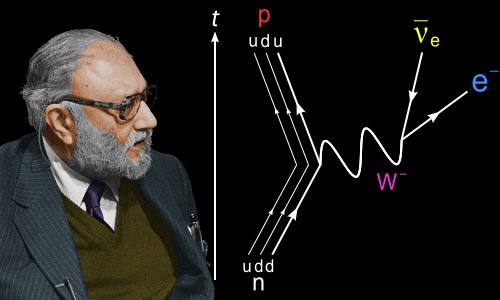
Dr Abdus Salam proposed the electroweak theory. In it, he sought to find the relationship between the electromagnetic force and the weak nuclear force. This was unheard of before since the electromagnetic force can extend over long distances, unlike the weak force, which only acts on ranges smaller than an atomic nucleus. Apart from this, the weak force was a reasonable discovery in Physics, confounding physicists worldwide.

Dr Salam
Dr Salam received the Nobel Prize for Physics, shared with Steven Weinberg and Sheldon Glashow, in 1979.

What makes the weak force genuinely unique is how it does not conform to most rules of Physics. Like, weak force violates Parity Symmetry, also known as P Symmetry. Since it treats matter and antimatter differently, by acting on clockwise spinning matter particles and counter-clockwise spinning antimatter particles only. The weak force also violates Conjugating Symmetry and violates a combination of Parity symmetry and Conjugating symmetry known as CP symmetry. Another rule that weak force violates is the Time-reversal Symmetry, unlike all other forces such as gravity, electromagnetic force, and strong nuclear force.

This can be shown through the B0 Meson particles, which exist in two forms: B0 and B-0 (anti-B0). The structure of these particles can be altered over time by the weak force since it can switch particles from one form to another. In this scenario, it takes more time to change from B0 to B-0, then it does vice-versa, therefore, violating the time-reversal symmetry or T-Symmetry. T-symmetry states that both reactions should take an equal amount of time. This results in a weak force being dependent on the ‘direction of time’ and is currently the only known force to violate T-Symmetry as such.

All these examples go to show the ‘gravity’ of the situation that the existence of weak force creates (catch my pun?) since it threatens previous notions held in Physics. So, the concept of “weak force,” which defies most symmetry laws, is a genuinely mind-boggling conundrum for particle physicists all over the world, highlighting its importance and in turn, the importance of Dr. Abdus Salam’s discovery.

Dr Abdus Salam’s theory postulated that the relationship between the weak force and the electromagnetic force was connected through 4 “carrier” particles (which are massless), two of which are electrically charged and the rest are neutral. These messenger particles form a link and connect to the electromagnetic force. It is also postulated that an unseen field, known as the Higgs field aids this process.

Dr Salam
His research on the electroweak theory was later proven by experiments at CERN (Image Credit: scientists)

Dr Abdus Salam’s research on the electroweak theory was later proven in an experiment in 1983 at CERN and is included in the Standard Model of Particle Physics, which is now considered the essential building block of physics. It is necessary for our fundamental understanding of Physics nowadays. Therefore, Dr Abdus Salam’s research was groundbreaking as it revolutionized the way we view physics and the world around us.

Role in the Pakistan Nuclear Program

Salam was so ambient on Pakistan’s desire for nuclear weapons to further strengthen its defense. He assured his support to the Pakistani Government for its nuclear program by 1974, right after his mind twisted, and he became a strong advocate of science for peaceful purposes.

In the same year, India successfully tested its first atomic bomb, the protests against Ahmadi (religious group) outnumbered, and due to its extremity, Pakitan’s Government constitutionally declared Ahmadi as non-muslim. Dr Salam had left with no choice but to resign from the post of science advisor to the Prime minister of Pakistan. Soon after, he left his homeland and settled abroad.

Dr Salam’s Legacy

However, Dr Abdus Salam’s legacy does not end with his death but keeps on with further research on his ideas. He was a charismatic, humble, and nice man with ethical values, but at the same time, he was different and challenging and inspired millions around the globe. Yet Dr Salam was never widely accepted in his country Pakistan due to religious differences, not a single university or monument in Pakistan carries his name.

Once in an interview, Dr Salam said that ” the present generation seems to inherit a house with very high walls and no windows; still they believe that it is a house, not a prison. They can never progress until and unless they try to rebuild this home on a strong and reliable basis.”

Also Read: The Rise of Machine; a dilemma of the digital age

Science Milestones in January: From Newton to NASA
0

The first month of the year seems to be the month of innovation in tech and space. Thats’s why it is the birth month of Stephen Hawking and our unsung hero, Abdus Salam. It is the month that Apple and Microsoft – two geeks in Computer world, can never forget.

Lets scroll down and see what has happened in this month in past.

January 1, 1925

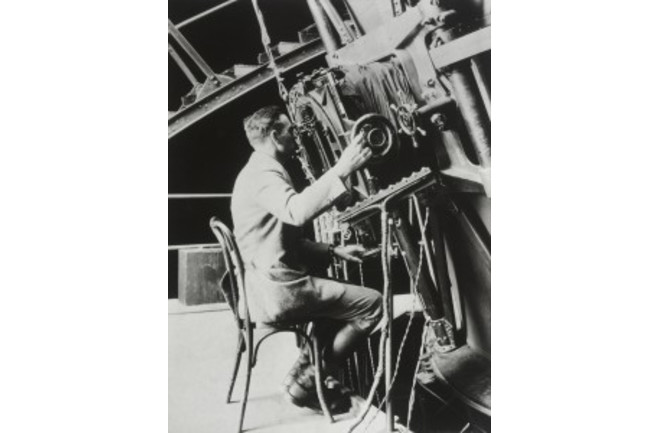
On this day, Edwin Hubble, an American astronomer, discovered galaxies outside the Milky Way. Till mid-1920s, scientists thought that all objects outside Milky Way were either nebulae or clouds because of their belief that universe is limited to Milky Way only. Hubble’s findings surpassed the estimated size of the universe. Later, in 1929, he discovered that the universe continuously expands with the passage of time, shackling previous notions.

Edwin Hubble at the controls of the 100-inch telescope at Mount Wilson, circa 1922. (Credit: Huntington Library) January science milestones
Edwin Hubble at the controls of the 100-inch telescope, circa 1922. (Credit: Huntington Library)

January 2, 1975

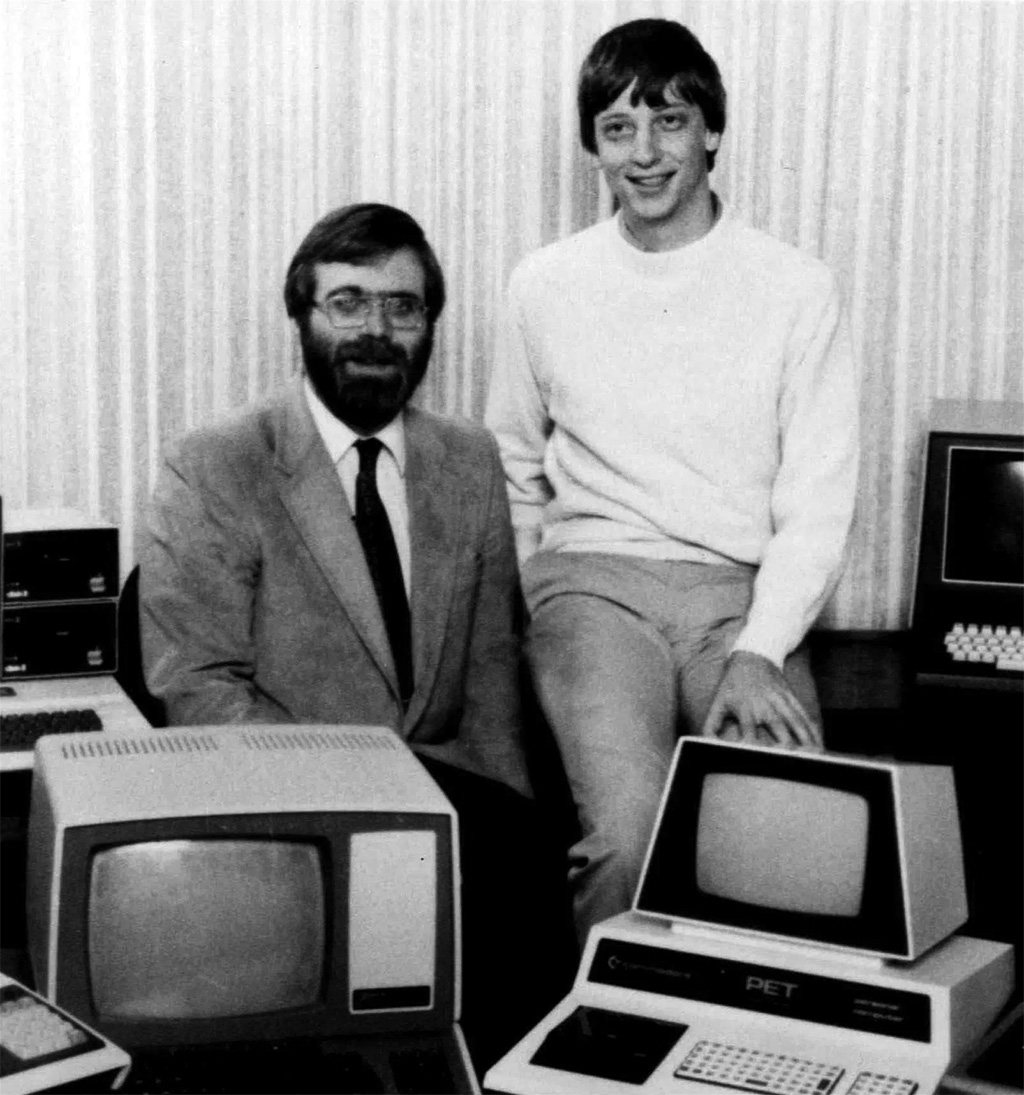
Bill Gates and Paul Allen named their company “Microsoft” for the first time.
They wrote letter to New Mexico-based company, MITS, in which they offered BASIC version to them for their “Altair 8800” computer. In that letter, Allen and Gates referred themselves as Microsoft which they spelled as “Micro–Soft.”

Bill Gates and Paul Allen start the firm that grows into Microsoft in the fall of 1975. - HistoryLink.org
Bill Gates and Paul Allen posing together. (Credit: Microsoft)

January 4, 1643

Do you still remember that third law of Physics which says that in every action, there is always an equal and opposite reaction?

Its maker, Isaac Newton, a known mathematician, physicist, and astronomer, was born on this day. Besides making three legendary laws of Physics that lay the foundation of Newtonian Physics, he invented tthe elescope and infinitesimal calculus. His book “Philosophiae Naturalis Principia Mathematica” (Mathematical Principles of Natural Philosophy) helped understand core concepts of sciences such as gravity and the law of motion.

Portrait of Newton, a white man with white hair and a brown robe, sitting with his hands folded
Portrait of Isaac Newton. (Credit: Wikimedia Commons)

January 5, 2005

Three American astronomers, Michael E. Brown, David L. Rabinowitz, and Chad Trujillo discovered Eris, the largest dwarf planet in our solar system with the help of images, captured at the Palomar Observatory on October 21, 2003.

New Planet
The largest dwarf planet in our solar system. (Credit: NASA/ JP-Caltech)

January 6, 1838

Samuel Morse, the inventor of Morse code, conducted a successful public test of his electrical telegraph at the Speedwell Iron Works in Morristown, New Jersey. There he and Alfred Vail, his partner, transmitted a message, “A patient waiter is no loser” via two-mile long wire using Morse code technology. The duo sent the message successfully, making it a key moment in the history of communication industry as it marked a beginning of the era where we could use technology to send messages over long distance.

Samuel Morse and the Invention of the Telegraph
A clipping showing the instrument. (Credit: Library of Congress)

January 7, 1954

Nowadays, we are used to of Chatgpt translated words but long before the 1950s, machine translation was a new thing. Georgetown University and IBM jointly conducted an experiment, Georgetown-IBM experiment, in which they publicly translated for the first time more than 60 Russian sentences into English. For this experiment, the team of four people, two from each organization, used IBM 701 mainframe computer. In this system, the vocabulary was punched on punch cards, consisting of words from mathematics, metallurgy, chemistry, military affairs, politics, law, and communications. However, the dictionary of the system was not fully developed.

The motive of that experiment was to gain attention and funding of and from the government and public. Soviet Union made their prototype after that experiment but US government’s progress towards computational translation was slower than their competitor.

The first public demonstration of machine translation: the Georgetown-IBM system, 7th Januray 1954
The first public demonstration of machine translation. (Credit: WJ Hutchins)

January 8, 1942

On this date. Stephen Hawking, an eminent physicist, was born. He had numerous awards and titles in his hand. Despite being physically handicapped due to amyotrophic lateral sclerosis (ALS), he conducted pivotal research on Black Holes, leading him to discover the Hawking radiation they emit in the form of light. During his research, he derived Hawking’s area theorem that explains the properties of black holes.

Hawking worked with Roger Penrose, another physicist, to explain how Big Bang created singularity. With the help of his daughter, Lucy Hawking, he published a book “A brief history of time” which became one of the bestsellers. Hawking died in 2018 in Cambridge.

Stephen Hawking - Wikipedia
Stephen Hawking. (Credit: Wikipedia)

January 9, 2007

How many of you connect elitism with iPhone?

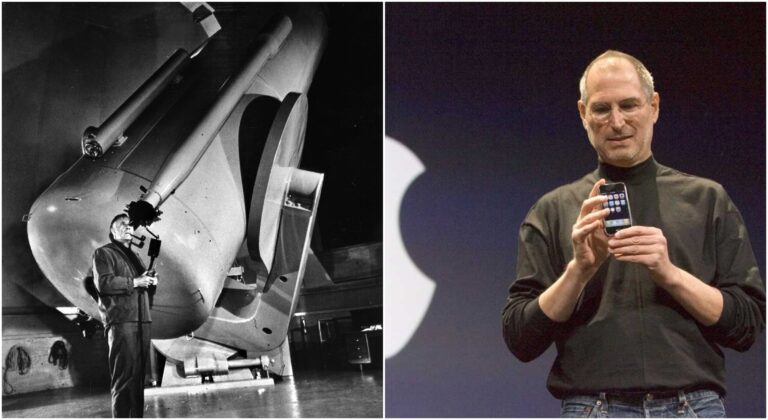
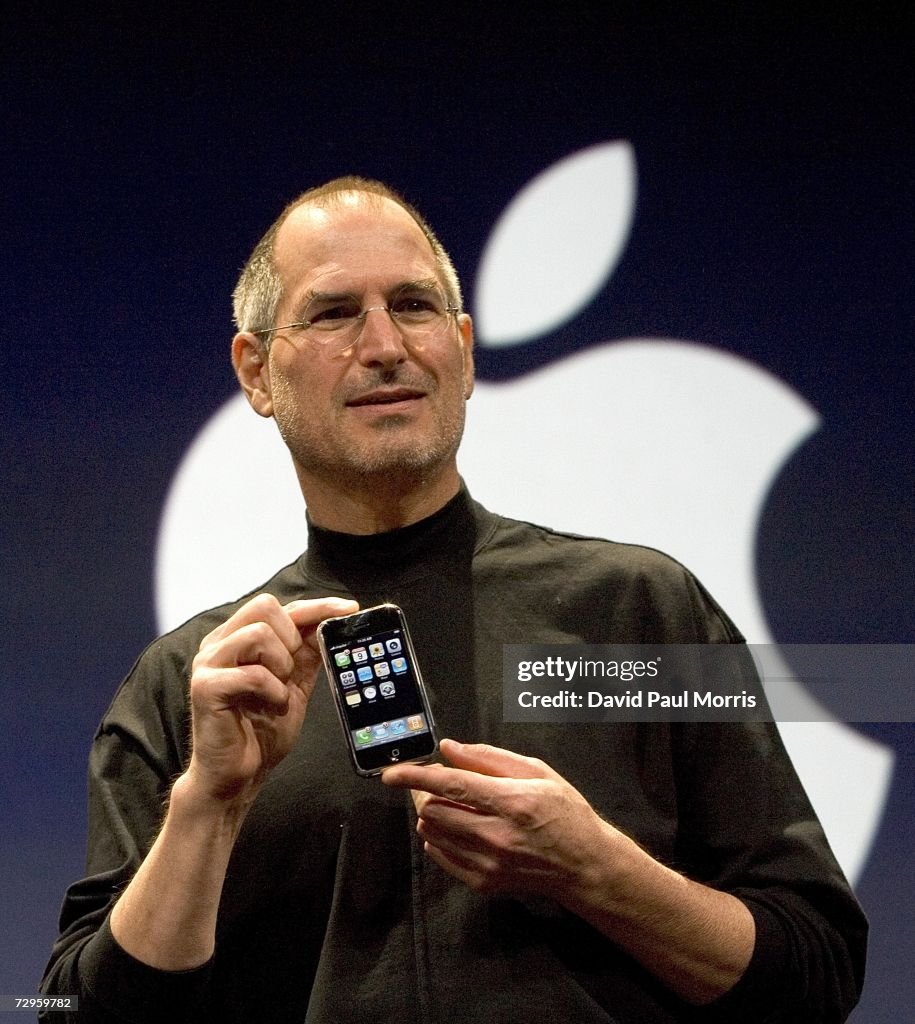
Well, on this date, Steve Jobs unveiled iPhone in San Fransisco at a convention. During the speech, he explain how it had multimedia, computing and communication tools. This day marks the beginning a new era in mobile phones industry that influenced our culture, social dynamics and technology. It changed the way people interact, work and live by fostering global tech-based society that promote communication.

Steve Jobs Unveils Apple iPhone At MacWorld Expo
Steve Jobs Unveils Apple iPhone At MacWorld Expo. Credit: Getty Images

January 12, 1967

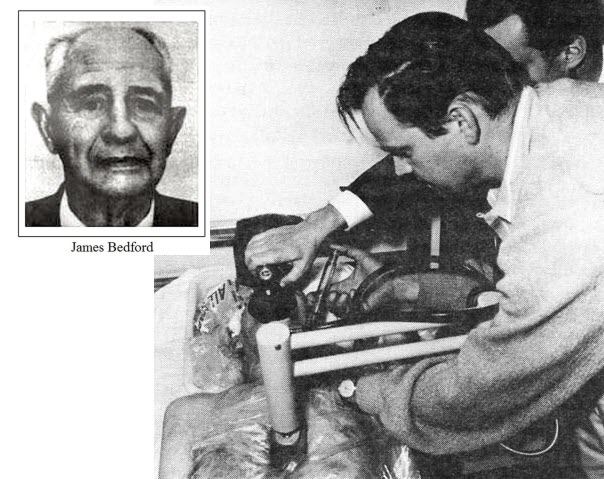
Dr. James Bedford became the first person to be cryonically preserved with the hope of future revival. After the death of kidney cancer, Mike Darwin, a scientist, claimed his body and frozen it. Later, Robert Prehoda, Dante Brunol and Robert Nelson preserved his body. They injected 15 percent dimethyl sulfoxide and 85 percent ringer’s solution.

According to Nelson, it was a primitive method to preserve a body as compared to today’s methods. For first two years, the team kept his body at Edward Hope’s Cryo-Care facility in Phoenix. Afterward, it was moved to the Galiso facility in California and then transferred to Trans Time near Berkeley.

From 1977 to 1982, Bedford’s family preserved it in liquid nitrogen after which they moved his preserved body to the Alcor Life Extension Foundation where it is still under care. There, his body is kept at a low subzero temperature.

January 12 is considered as Bedford Day in the world of cryopreservation field because this event led to better understanding of preserving the dead body.

James Hiram Bedford: The First Person To Be Cryogenically Preserved | Amusing Planet
James Hiram Bedford. (Credits: Alcor Life Extension Foundation)

January 17, 1949

Seeing women in STEM fields feels like a proud moment. Women have made huge progress in the tech world with their dedication and work ethic. Kudos to Anita Borg for empowering women with her work.

Borg, an American computer scientist, developed the Institute for Women and Technology in 1997 to persuade female towards tech and computers. In 1994, she stated a tech conference, Grace Hopper Celebration of Women in Computing. The conference still takes place in America, mainly focusing on women’s role in tech world.

Borg died in 2003 of cancer. Through her work, she proved that an educated women pave the journey for all generations of her community.

In memoriam Anita Borg (1949-2003) | HNF Blog
Borg, an American computer scientist, developed the Institute for Women and Technology in 1997. (Credits: Winfried Wilcke)

January 21, 1888

Babbage’s Analytical Engine passed the first test. Henry Provost Babbage, the son of Charles Babbage, used his dad’s drawings and writings to complete the mill part of the Analytical Engine. After completing the mill, according to Henry, the machine produced “a table from 1st. to 44th. multiples of π to twenty-nine places of figures…”

It was a big success which made noise at larger pace in 1910 when the results were published in the monthly notices of the Royal Astronomical Society.

Sketch elevation of the driving and directive of the Analytical Engine, August 14, 1841 (Science Museum, London). 
Babbage’s Analytical Engine passed the first test in January. (Credit: Science Museum London)

January 21, 1954

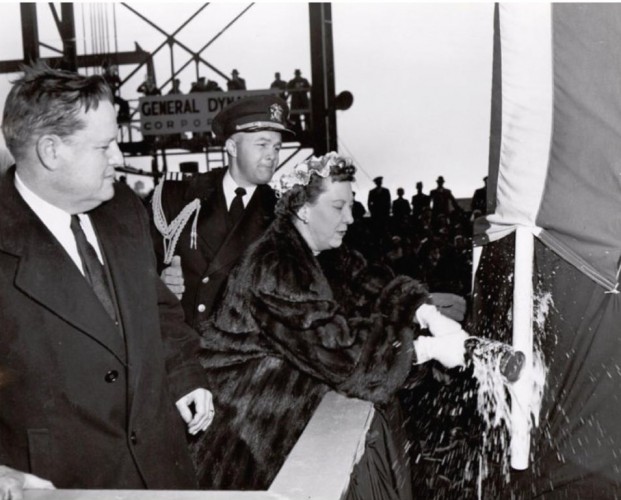
The United States launched the first atomic nuclear-powered submarine, the USS Nautilus (SSN-571) in Groton, Connecticut, christened by First Lady Mamie Eisenhower. Under the captainship of Commander Eugene P. Wilkinson, the Nautilus became the first ship to travel to the North Pole. It was the first submarine to travel “20,000 leagues under the sea.” It had air and water purification plants, so the crew could go for months without refueling or surfacing. Besides, it could navigate at extreme latitudes without needing to resurface. Being nuclear-powered, the Nautilus could travel faster and farther than other submarines of its time.

The Launch of the USS Nautilus – Today in History: January 21 - Connecticut History | a CTHumanities Project
(Credit: Dwight D. Eisenhower Presidential Library)

January 22, 1970

The 747, Boeing’s first Jumbo Jet, completed its inaugural transatlantic passenger flight. With a trailblazing launch, the 747 could carry more than twice as many passengers as Boeing’s next largest plane. It was more fuel-efficient, leading to a reduction in the cost per seat. Setting the glamour standards higher, the first class cabins had crystal vases with real vases and linen napkins and tablecloths in the jet. Surpassing predictions that supersonic flight would outsmart it, the 747 remained everyone’s favorite for over 50 years. The 747 has been with its new owner since February 2023 after 53 years of service.

The 747 Takes Off – The Dawn of the Jumbo Jet Age
With a trailblazing launch, the 747 could carry more than twice as many passengers as Boeing’s next largest plane. (Credit: The George M. Foster Timetable Collection)

January 27, 1926

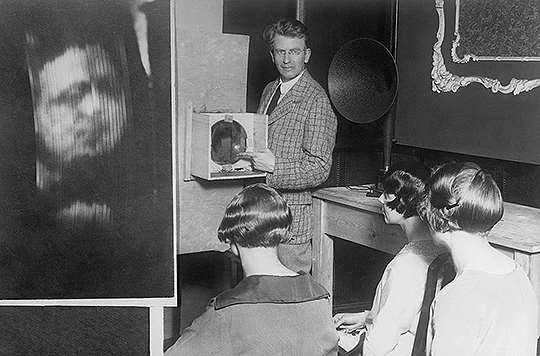
John Logie Baird, Scottish engineer and inventor, demonstrated the first television system in Soho, London. Utilizing the work of German scientist, Paul Nipkow, who issued the patent for the entire television system in 1884. In the passing years, the idea was refined and Baird becoming the last person to work on it, successfully completing the production of clear images. The invention was considered a significant development in the communication industry.

John Logie Baird | First TV Demonstration | Blue Plaques | English Heritage
John Logie Baird, Scottish engineer and inventor, demonstrated the first television system in Soho, London. (Credit: Bettmann/ Getty Images)

January 29, 1926

Unsung hero, raised in Jhang and flew to Cambridge, Abdus Salam, an eminent physicist and first and only Nobel Prize winner of Pakistan, was born on this date in Punjab. Unaware of computers and light, Salam held distinction in matriculation and went to Cambridge on Scholarship where he completed his Bachelor in physics and math at St. John’s College, Cambridge. With PhD thesis on the developments in quantum theory of fields, Salam gained recognition before its publication in 1951.

Salam is known for winning the Nobel Prize in 1979 due to his work on the Grand Unification Theory which focused on unifying the electromagnetic, weak, and strong forces into one force at high energies. Salam shared the award with Sheldon Glashow and Steven Weinberg. Being vocal about promoting STEM education, Salam founded the International Centre for Theoretical Physics (ICTP) in Trieste, Italy in 1964. He played key role in the establishment of COMSAT in Islamabad in 1994.

Salam returned to Pakistan after his doctoral degree and worked as a mathematics professor at Government College University in Lahore, Pakistan from 1951–1954. He was also head of mathematics department in University of Lahore from 1952 to 1954. Later, he went back to Cambridge to pursue his research work. During that time, he worked as lecturer in mathematics at Cambridge University from 1954–1956. Salam played key role in the nuclear projects of Pakistan. Due to religious conflicts, Salam was forced to move out of Pakistan. He stayed in Oxford for the rest of his life after 1974 and died there in 1996.

Abdus Salam - Wikipedia
Salam is known for winning the Nobel Prize in 1979 due to his work on the Grand Unification Theory. (Credits: Wikimedia Commons)

January 30, 1952

Alan Turing, mathematician and computer scientist, identified two new Mersenne primes via U.S. National Bureau of Standards Western Automatic Computer (SWAC) at the Institute for Numerical Analysis, University of California. D. H. Lehmer led the program, having Prof. R. M. Robinson as a programmer. At 10 PM, the team found the first Mersenne prime, M521.

In less than two hours, they found another primes, M607, using the same system. After a few months, they found three more primes, M1279, M2203, and M2281. With the help of SWAC, they also discovered M4,423 – the first prime number with more than 1000 digits. They also discovered primes with more than 10,000 and million digits too, M44,497 and M6,972,593. SWAC was constructed by The National Bureau of Standards in 1950. The funder ran the system in different forms till 1967.

There are many other events happened in January but these incidents could be considered the root of what we achieved till today. From birth month to the beginning of new eras in tech and communication, January is the month of science innovations that no one should forget.

Category:SWAC (computer) - Wikimedia Commons
SWAC (computer). (Credit: Wikimedia Commons)

References

Also Read: Adult Fruit Fly Brain Mapped: A Giant Leap to Understand the Human Brain?

Assessing Mars: A Potential Sanctuary for Humanity

The quest to find life beyond the Earth remains a paramount goal for humanity, with Mars consistently captivating our attention as a prime candidate for exploration. Recently, NASA’s Perseverance rover has made remarkable discoveries that bring us closer to addressing the enduring question: Are we alone in the Universe?

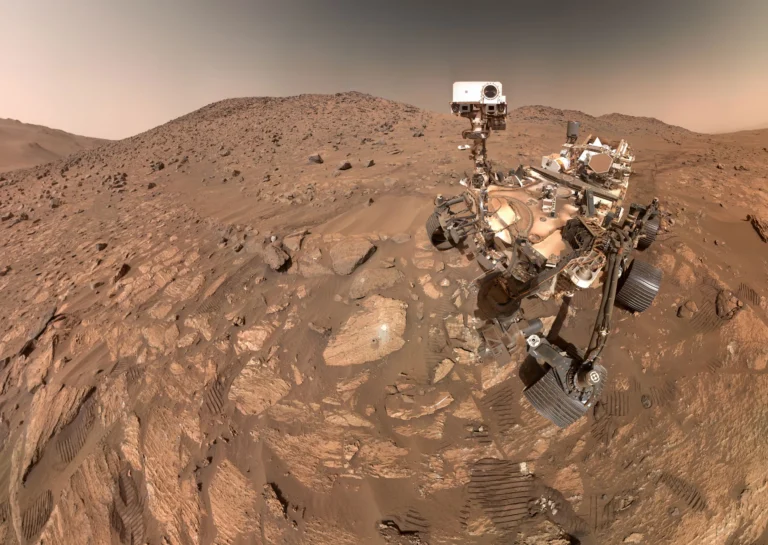
Perseverance has captivated the world’s attention with its latest discovery- a mysterious rock nestled in the dusty Martian surface, named “Cheyava Falls”, which hints at the possibility of past microbial life along with traces of water beneath the crust. This groundbreaking discovery results from the rover’s careful analysis of the rock’s distinctive chemical composition and patterns of traces found, generating excitement among scientists and space enthusiasts.

The Intriguing Discovery of Cheyava Falls

Perseverance came across a particularly intriguing rock, about 1m long and 60cm wide, named “ Cheyava Falls.” Cheyava Falls was found in the mouth of the Jezero crater, which is believed to have been a lake 3.5 billion years ago. According to NASA, “This rock contains fascinating traits that may bear on a question of whether Mars was home to microscopic life in the distant past.”

A mysterious rock nicknamed "Cheyava Falls" on Mars, which features finding of microbial life. Credit: NASA/JPL-Caltech/MSSS
A mysterious rock nicknamed “Cheyava Falls” on Mars, features a finding of microbial life. Credit: NASA/JPL-Caltech/MSSS

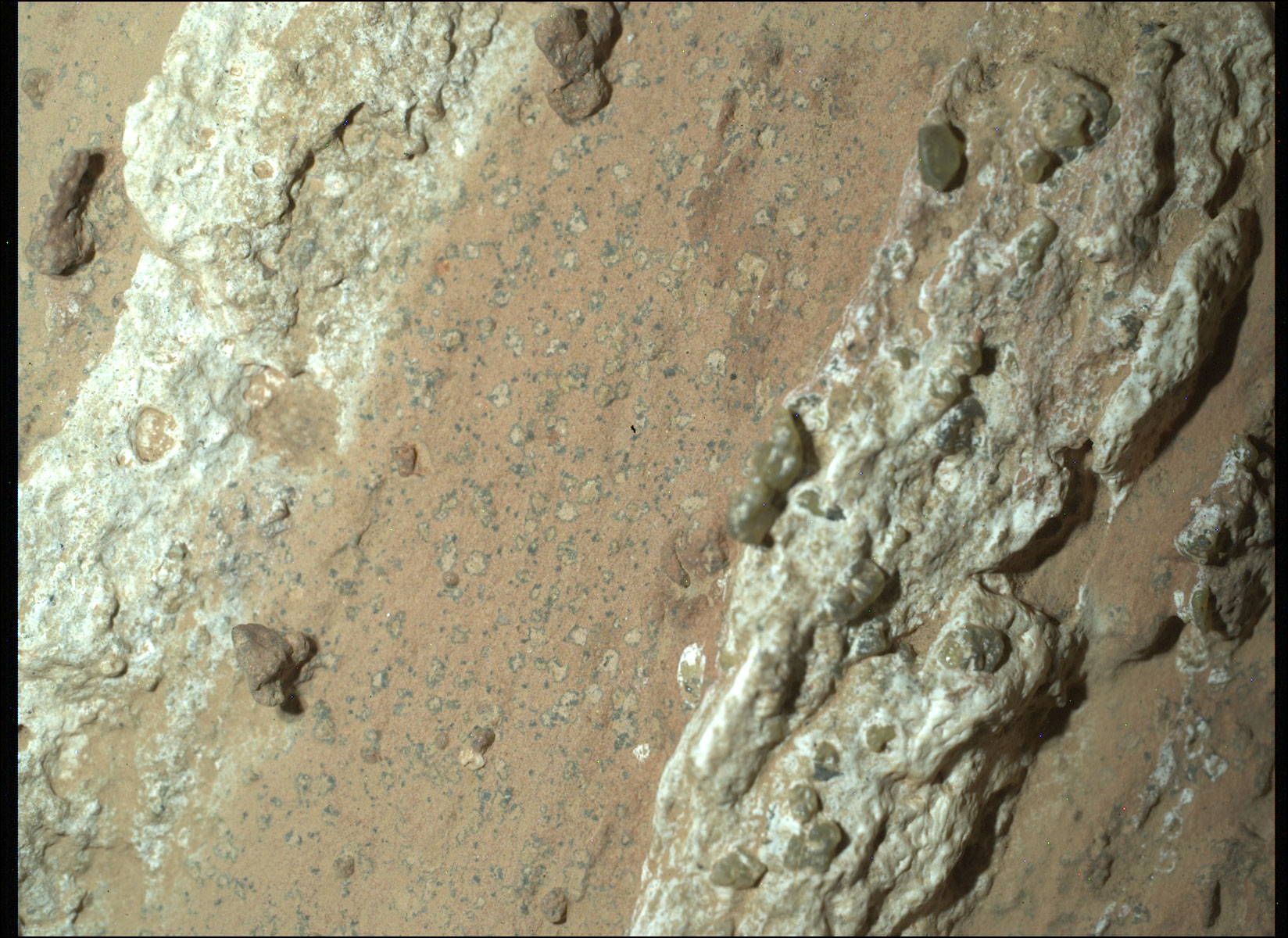
This rock has three distinct features that captivated that attracted scientists. The first is the two long bands of light-colored rock on either side of the above view. The whitish veins of calcium sulfate (Gypsum), running through Cheyava Falls indicate that water once flowed through it.

The second is the detection of organic compounds in the darker reddish band of rock by Perservance’s SHERLOC(Scanning Habitable Environments With Raman and Luminescence for Organics and Chemicals) instrument.  Organic compounds are those containing carbon, an essential building -block of life as we know it. It is possible that these compounds were the result of some geological process, like if microbes lived in those sediments and later died, when the planet dried up, leaving traces of life activity as evidence.

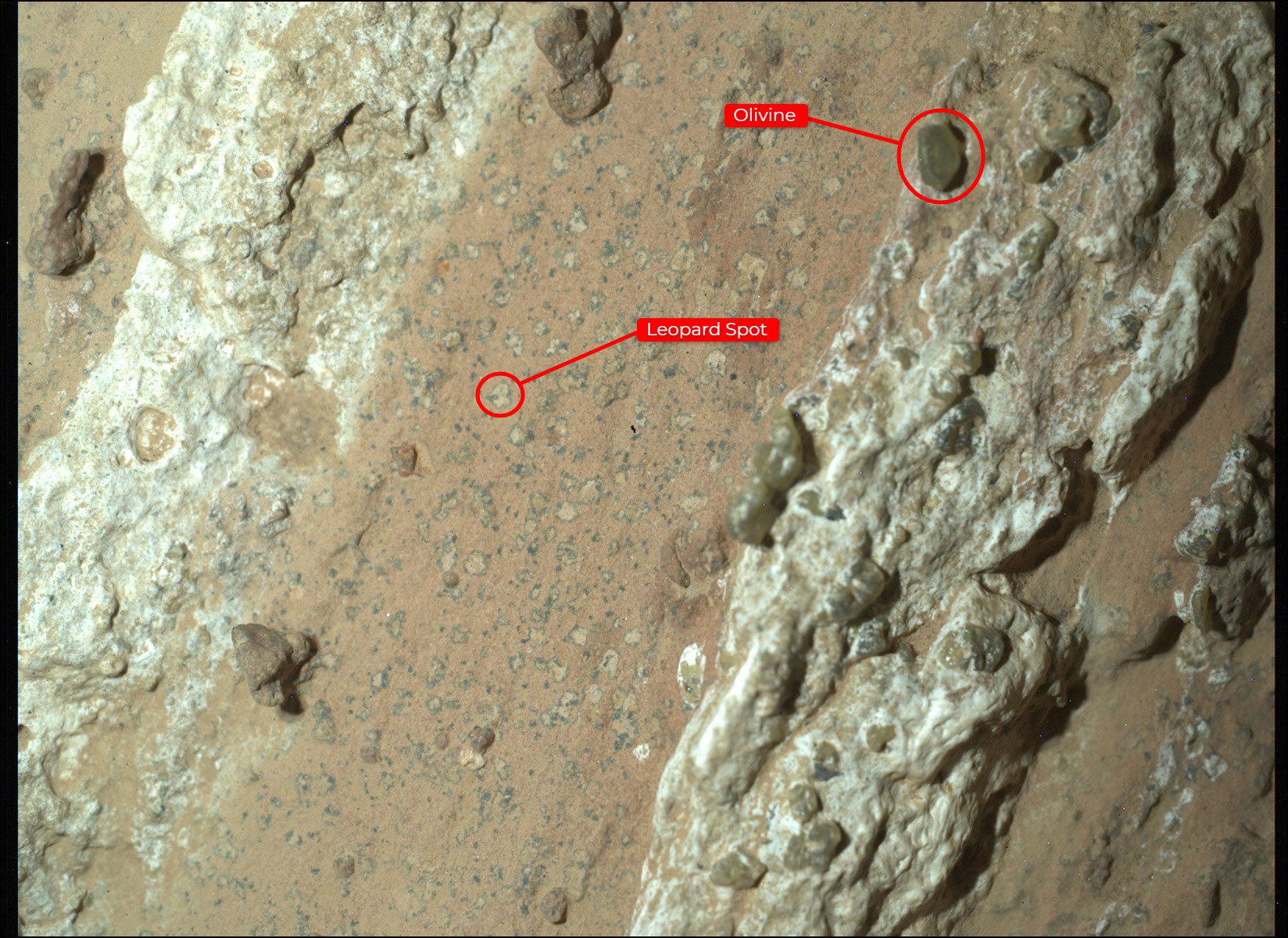
And the third is the tiny ‘Leopard spots’ seen dotted throughout the layer of reddish rock by Perservance’s PIXL (Planetary Instrument for X-ray Lithochemistry) instrument. Those irregularly-shaped, millimeter-sized spots are made up of lighter-colored rock surrounded by a dark border, basically composed of iron and phosphate.

The Significance of Iron and Phosphate

According to NASA, the presence of Iron and Phosphate is particularly significant because similar formations on Earth are often linked to microbial activity in oceans and coastal regions. On our planet, microorganisms reduce iron oxide, releasing iron and phosphate and leaving distinctive marks, aligned to those found in Cheyava Falls.

Ken Farley from the California Institute of Technology has highlighted that this discovery could represent our first clear evidence of organic material on Mars. 

Volcanic Origins: A Competing Hypothesis

While the biological interpretation of Cheyava Falls is thrilling, there’s an alternative explanation. Organic molecules can also be formed through abiotic geochemical processes related to volcanic activity. The detection of Olivine crystals, a rock formed from the cooling of magma, suggests that past volcanic activity may have influenced its formation.

Spotting Leopard Spot and Olivine crystal on Cheyava Falls, Mars . Credit : NASA/JPL-Caltech/MSSS
Spotting Leopard Spot and Olivine Crystal on Cheyava Falls, Mars. Credit: NASA/JPL-Caltech/MSSS

“We have our first compelling detection of organic material, distinctive colorful spots indicative of chemical reactions that microbial life could use as an energy source, and clear evidence that water- necessary for life- once passed through the rock. On the other hand, we have been unable to determine exactly how the rock formed and to what extent nearby rocks may have heated Cheyava Falls and contributed to these features,” Farley explained.

The presence of these green crystals within the rock raises the possibility that the intriguing characteristics of Cheyava Falls may not have been formed by biological processes. Rather, they could occur due to chemical reactions at very high temperatures linked to volcanic activity.

Seismic Insight: A Hidden Ocean Beneath Mars

Michael Manga at the University of California, Berkeley with Vashan Wright and Matthias Morzfeld from the University of California, San Diego conducted a recent research. The researchers investigated the presence of buried wanted by analyzing data collected by the InSight Lander, which explored the Martian interior from 2018-2022. The Insights’s SEIS instrument detected seismic waves reverberated throughout Mars, due to Marsquakes and meteor impacts.

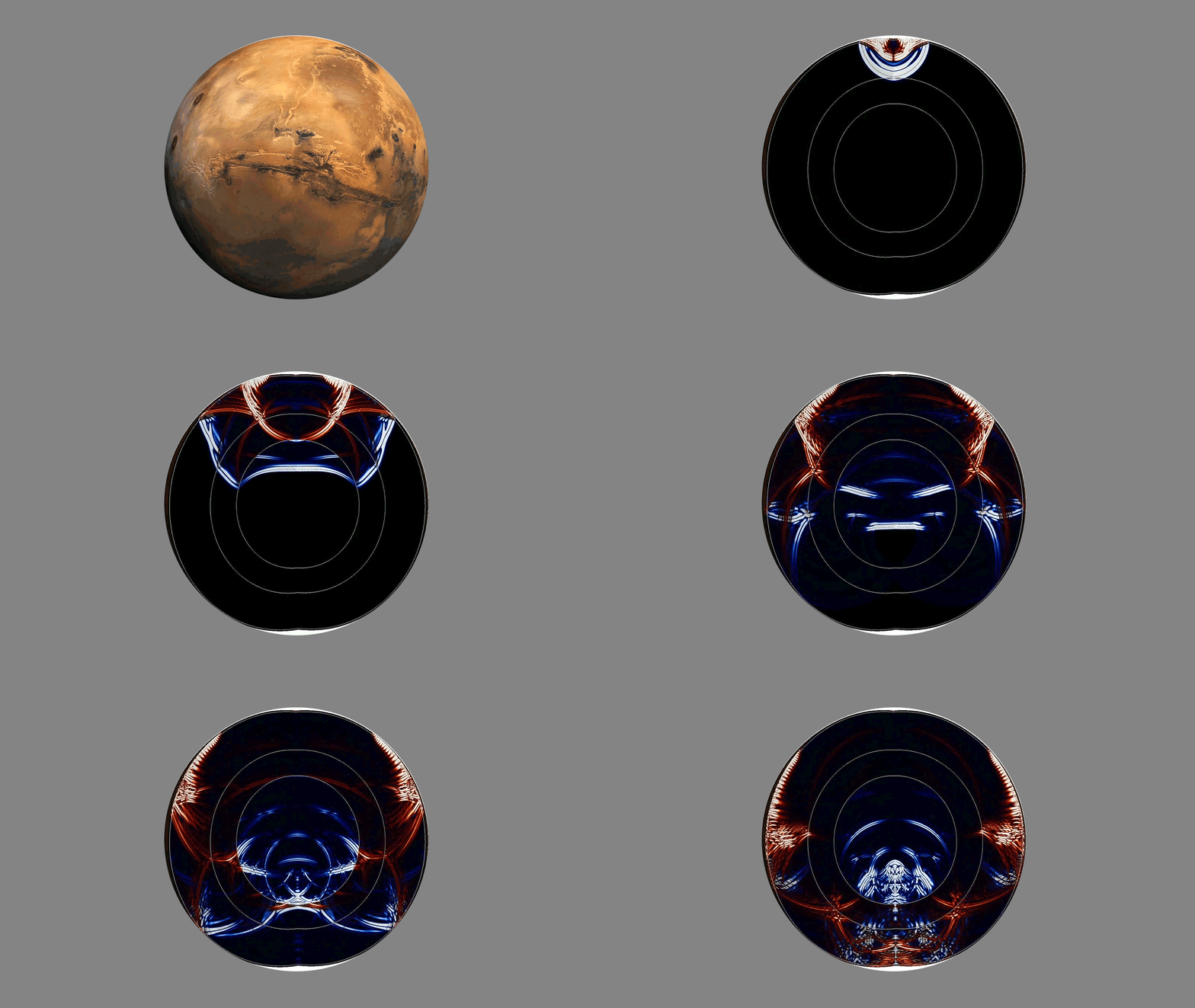
This artist's concept is a simulation of what seismic waves from a marsquake might look like as they move through different layers of the Martian interior.
A simulation of what seismic waves from a Marsquake might look like as they move through different layers of the Martian interior. Credit: NASA/JPL-Caltech/ETH Zurich/ Van Driel

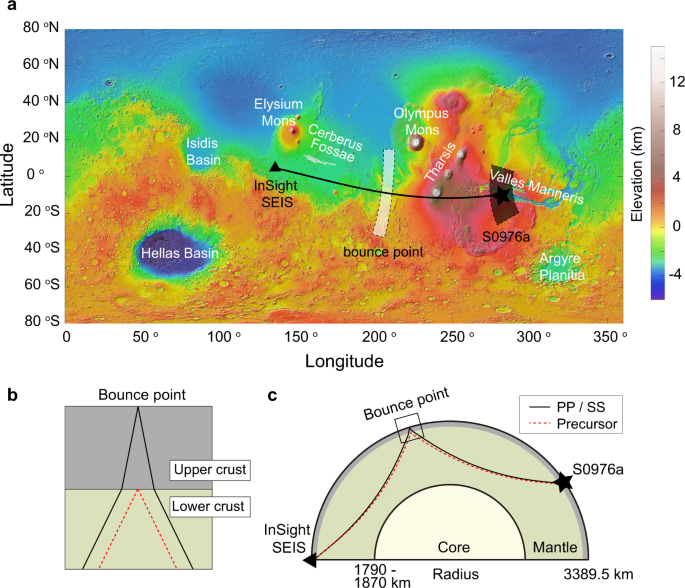
“The speed at which seismic waves travel through the rocks of different densities depend on their composition, pore space, and what fills the pore space- either gas, water or ice,” Manga explained. By analyzing the differing arrival times of seismic waves from the same sources, Manga and his colleagues integrated these measurements with advanced rock physical models and probabilistic analysis, which enabled them to identify the combination of rock composition, water saturation, porosity, and pore shape within the Martian crust.

Collection of seismic wave insights , indicating location of the Marsquake, seismic station and bounce point. Credit: nature.com
Collection of seismic wave insights, indicating the location of the Marsquake, seismic station, and bounce point. Credit: nature.com

In conclusion, Manga states, “We have identified a substantial reservoir of liquid water. The data collected on Mars is most effectively explained by the presence of cracks in the mid-crust, which are filled with liquid water.”

An Innovative Era of Mars Exploration

The recent finding from NASA’s Perseverance rover marks a significant advancement in our quest to find life on Mars. The identification of Cheyava Falls, which exhibits potential microbial markers, along with evidence of extensive underground water reserves, paves the way for future explorations.

As Scientists eagerly await the future mission of Martian samples to return, these findings sustain our hope that we may one day uncover the definitive proof of life beyond Earth. Only by bringing Mars samples back to Earth and analyzing them with sophisticated laboratory instruments, we can conclusively uncover the origins of fascinating formations and organic compounds detected by Perseverance.

Whether through biological or abiotic processes, Mars continues to fascinate and challenge us, expanding the limitation of our knowledge and imagination. This new chapter in Mars exploration will enhance our knowledge of the red planet and deepen our quest to comprehend our place in the universe.

References:

1.https://en.wikipedia.org/wiki/Cheyava_Falls

2.https://www.youtube.com/watch?v=WafjeBSaAh4&list=WL&index=6

3.https://www.nature.com/articles/s41467-022-35662-y

4.https://www.pnas.org/doi/10.1073/pnas.2409983121

5.https://science.nasa.gov/resource/perseverance-finds-a-rock-with-leopard-spots/

6.https://www.jpl.nasa.gov/news/nasas-perseverance-rover-scientists-find-intriguing-mars-rock/

7.https://science.nasa.gov/resource/perseverances-selfie-with-cheyava-falls/

8.https://science.nasa.gov/planetary-science/programs/mars-exploration/science-goals/

9.https://www.euronews.com/next/2024/08/07/nasas-perseverance-rover-finds-new-signs-of-possible-life-on-mars

Also Read: Europa Clipper has begun epic journey to find how Habitable Europa is!

Artificial Organs: Redefining the Limits of Modern Medicine

The wait for an organ transplant can be heartbreaking, a race against time that too often ends in heartbreak. But imagine a future where no one must wait, where organs can be built in a lab, tailored for each patient. This once-distant dream is becoming a reality, thanks to groundbreaking advancements in artificial organ development.

In recent years, the fusion of tissue engineering, biotechnology, and regenerative medicine has turned science fiction into science fact. These innovations are reshaping the healthcare landscape, offering hope to millions who need a second chance at life. They could end the global organ shortage crisis and promise revolutionary treatments for diseases and a better quality of life for countless people.

The journey of artificial organ creation is more than just a scientific breakthrough, it’s a testament to human ingenuity and our relentless drive to solve life’s most complex problems. From 3D-printed hearts to lab-grown kidneys, every step forward carries the potential to transform despair into hope and waiting into healing.

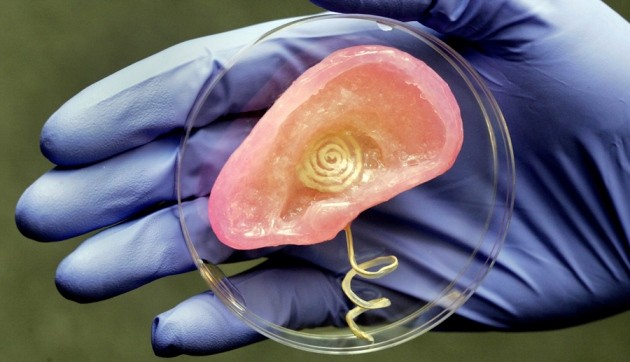
artificial organs
Photo: Springer Nature

The Need for Artificial Organs

Every year, thousands of people around the world die while waiting for an organ transplant. According to the World Health Organization (WHO), approximately 130,000 organ transplants are performed annually, yet millions remain on waiting lists. The gap between organ donors and patients needing transplants is widening, driving scientists to search for alternative solutions. Artificial organs, specifically those that can be bioengineered to function like human organs, offer a potential solution to this crisis.

Developments in Artificial Organ Technology

Bioengineering and 3D Printing

One of the most promising advancements in artificial organ development is bioengineering and 3D printing. Scientists have made significant strides in creating tissues and organs by combining cells with synthetic materials. The idea is to print or grow cells in a scaffold, which develops into a functioning organ.

This method allows the manufacturing of complex tissues such as the heart, liver, and kidney. 3D bioprinting has been used in constructing these organs layer by layer, providing precise control over their structure and function. In 2019, researchers successfully printed a human heart prototype using 3D printing technology, demonstrating that organs could be fabricated with similar complexity as natural tissues.

Organ-on-a-Chip Technology

Another breakthrough is the development of organ-on-a-chip technology. These miniature devices replicate the structure and function of human organs on a small, lab-grown platform. Using living cells, these chips mimic how an organ works, making them invaluable for testing drugs, understanding diseases, and even creating potential artificial organs.

Researchers are now working to integrate several organ models into one system to simulate the complex interactions between different body systems, offering hope for creating composite organs for transplantation.

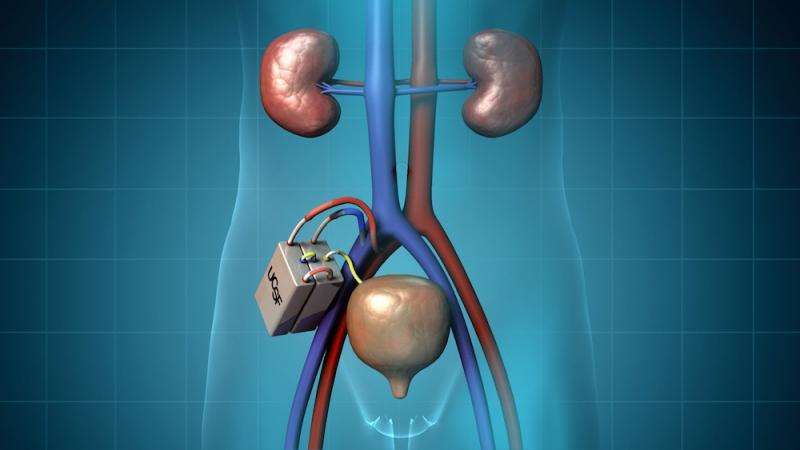
artificial organs
Photo: Higs Software Solutions India.

Stem Cell Research and Regenerative Medicine

Stem cell research has been central to the development of artificial organs. Stem cells have the potential to differentiate into various types of tissues and organs. By harnessing the power of stem cells, scientists are investigating ways to grow human tissues and even whole organs in the lab.

For instance, artificial kidneys are being developed by using stem cells to generate nephrons, (the functional units of the kidneys). In 2023, they develop kidney-like structures in a laboratory, paving the way for future kidney regeneration.

In parallel, regenerative medicine focuses on enhancing the ability of the body to repair or replace damaged organs by stimulating natural healing processes. This includes the development of biocompatible scaffolds that guide tissue regeneration and gene editing techniques like CRISPR to promote tissue growth.

Challenges and Ethical Considerations

Despite incredible progress, developing artificial organs that can fully replicate human ones remains a daunting challenge. Scientists have successfully created tissues and small prototypes, but replicating the complexity of organs like the heart or liver is far more difficult.

One of the biggest hurdles is constructing a network of blood vessels, known as vascularization that can keep these organs alive and functioning. Without an efficient blood supply, even the most advanced artificial organs cannot survive long-term or perform as needed.

Beyond the technical obstacles, ethical and regulatory concerns add layers of complexity. Questions arise about using human cells, modifying genetics, and relying on animals like pigs to grow organs. These innovations spark debates about animal welfare, genetic tampering, and the unknown long-term effects of such procedures.

On top of that, regulatory agencies like the FDA require rigorous testing, but the speed of innovation often outpaces existing rules, leaving gaps in oversight (U.S. Department of Health and Human Services, 2022). Overcoming these challenges is essential to make artificial organs a safe, accessible, and transformative option for those in need.

The future of healing is being built, organ by organ

The Future of Artificial Organs

Artificial organs are transforming medicine, with promising developments on the horizon. Personalized medicine could allow organs to be crafted from a patient’s cells, reducing rejection and improving transplant success. Fully synthetic organs made from bioengineered materials may one day replace the need for donors, offering greater durability and reliability.

Additionally, integrating artificial organs with robotics and AI could create advanced systems that monitor and adjust organ function in real-time, optimizing patient outcomes and improving quality of life.

Conclusion

The development of artificial organs is revolutionizing medicine, bringing us closer to a future where organ shortages are a thing of the past. Imagine a world where failing hearts or kidneys are replaced with lab-grown organs tailored to each patient. While challenges remain, each breakthrough offers new hope, turning what once seemed impossible into a life-saving reality.

References:

  1. Kim, D. H., Ahn, J., Kang, H. K., Kim, M. S., Kim, N. G., Kook, M. G., Choi, S. W., Jeon, N. L., Woo, H. M., & Kang, K. S. (2021). Development of highly functional bioengineered human liver with perfusable vasculature. Biomaterials265, 120417.
  2. Soto Veliz, K. Lin, C. Sahlgren, Smart Med. 2023, 2(1),e20220030. https://doi.org/10.1002/SMMD.20220030
  3. https://www.weforum.org/stories/2019/04/researchers-create-first-ever-3d-printed-heart-using-human-tissue/
  4. https://doi.org/10.1016/j.stem.2019.05.016. (https://www.sciencedirect.com/science/article/pii/S1934590919302206)
  5. de Kanter, A. J., Jongsma, K. R., Verhaar, M. C., & Bredenoord, A. L. (2023). The Ethical Implications of Tissue Engineering for Regenerative Purposes: A Systematic Review. Tissue engineering. Part B, Reviews29(2), 167–187. https://doi.org/10.1089/ten.TEB.2022.0033
  6. https://data.hrsa.gov/topics/health-systems/organ-donation
  7. Tripathi, S., Mandal, S. S., Bauri, S., & Maiti, P. (2022). 3D bioprinting and its innovative approach for biomedical applications. MedComm, 4(1), e194. https://doi.org/10.1002/mco2.194

More from the Author: Organizing Patient Data Management and AI-driven Diagnostics

Decoding Bennu: Groundbreaking 2024 research redefines life’s origin

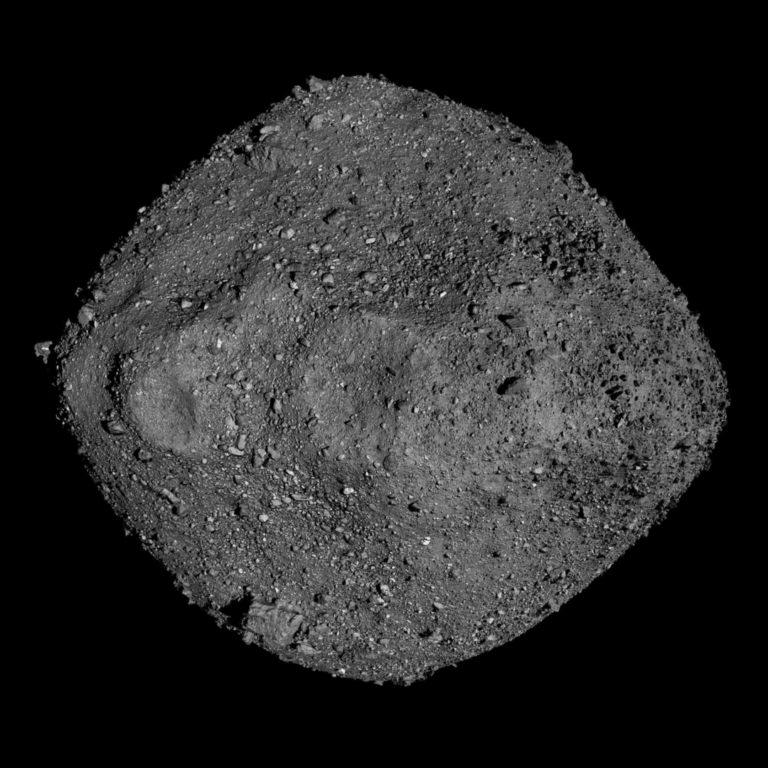
Imagine holding a piece of history older than Earth itself, a fragment of the building blocks that shaped our solar system and, possibly, the origins of life. NASA’s OSIRIS-REx mission has done just that. This ambitious spacecraft returned with samples from asteroid Bennu in late 2023, and the subsequent research in 2024 has revealed profound insights into the universe’s ancient chemistry and our place within it.

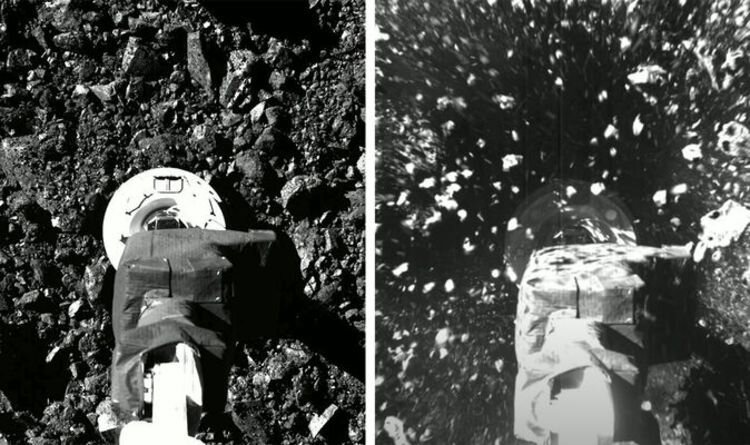
OSIRIS-REx, an acronym for Origins, Spectral Interpretation, Resource Identification, and Security-Regolith Explorer, was designed to study Bennu, a near-Earth asteroid with an abundance of organic material. The mission launched in 2016, with the spacecraft reaching Bennu in 2018. Over two years, it meticulously mapped the asteroid, using advanced remote sensing technologies to understand its surface, composition, and geological features. The mission’s highlight came on October 20, 2020, when it successfully collected samples from Bennu’s surface and returned to Earth on September 24, 2023, landing in Utah.

Two days after a Touch-and-Go event (TAG) on the asteroid, the mission team received images that confirmed the spacecraft had collected at least 2 ounces (60 grams) of the asteroid’s surface material. Dr. Thomas Zurbuchen NASA’s associate administrator for science announced with delight, “We are so excited to see what appears to be an abundant sample that will inspire science for decades beyond this historic moment.”

Know about Bennu: A Time Capsule of the Early Solar System

Bennu is more than just a rock in space; it’s a pristine remnant of the solar system, preserved in its unaltered state for billions of years. Unlike Earth, where plate tectonics and weather have erased traces of early history, Bennu’s surface offers a rare glimpse into the chaotic era when planets formed. Scientists chose this asteroid because it is rich in carbon-based compounds, the essential ingredients for life as we know it. Its well-preserved regolith (loosely bound surface dust) could hold molecular clues to the origin of water and organic materials on Earth. Moreover, Bennu’s orbit—close enough to Earth for a feasible mission—made it an ideal candidate for sample return.

Animation of Bennu rotating, imaged by OSIRIS-REx in December 2018. (source: NASA/Goddard/University of Arizona
Animation of Bennu rotating, imaged by OSIRIS-REx in December 2018. Credit: NASA/Goddard/University of Arizona

Why does it matter? Bennu’s material provides an unprecedented opportunity to analyze astromaterials in laboratories on Earth, bridging the gap between remote observations and tangible evidence. The mission enables scientists to study Bennu’s history, its role as a potential delivery system of organic compounds to Earth, and how space weathering has shaped its regolith. Such analyses promise to fuel discoveries for decades, shedding light on the origins of life and the dynamic processes that govern our solar system.

Asteroids and the Theory of Panspermia

These potential clues to the origin of life naturally lead to the broader question of how life itself may have spread across the Universe. This brings us to the fascinating concept of “panspermia”, the hypothesis that life exists throughout the Universe and is distributed by space dust, asteroids or comets. In simpler terms, panspermia suggests that the seeds of life may have been scattered throughout the cosmos, transported from one celestial body to another.

A series of astronomical observations conducted between 1980 and 2018 align with the theory of cometary panspermia. The key findings include (1) ultraviolet and infrared spectra of interstellar dust, (2) near and mid-infrared spectra of comets, (3) the discovery of an amino acid and degradation products associated with biology from material collected during the Stardust Mission in 2009, (4) jets from Comet Lovejoy that contain both sugar and ethyl alcohol, and (5) data from the Rosetta Mission.

Analyzing the returned sample will allow scientists to study the composition of these organic molecules in detail, potentially revealing whether they possess the chirality (a property of asymmetry in molecules) associated with terrestrial life. This could provide compelling evidence supporting the role of asteroids in delivering the ingredients for life on Earth, and possibly elsewhere in the universe.

KinetX Aerospace Navigation Team Supports OSIRIS-REx Sample Collection — KinetX
The Nightingale sample site was imaged by OSIRIS-REx at touchdown. Credit: NASA/Goddard/University of Arizona

The sample capsule pierced through Earth’s atmosphere and floated down gently into the rugged desert terrain of Utah. After years of careful planning, months of specialized training, and countless rehearsals, the NASA recovery team swooped in by helicopter to retrieve the capsule and its valuable contents. To keep it safe from Earth’s environment, the capsule stayed sealed until it was securely transported to a clean room for decontamination. Contrary to expectations, the initial findings were unexpected. No, there weren’t any alien tentacles creeping out from the sample.

After opening the lid, 70 grams of bonus sample containing dark grey rocks and dust outside the sample canister were revealed. To preserve its pure state, the whole operation had to be performed inside a nitrogen-purged glovebox—an enclosed box with built-in gloves that is constantly flooded with neutral nitrogen gas to ensure the sample does not react with other gases in Earth’s atmosphere, like oxygen or water vapor.

Three and a half months after the return capsule touched down on Earth, the curation team was finally able to access the material inside the canister. Another 51g of pristine Bennu material was revealed, and when combined with the bonus rocks and dust already collected, the total amounted to at least 121.6 g, more than twice what the mission had aimed to bring back to Earth.

This material was then cataloged and divided into smaller samples. Up to a quarter of the sample will be distributed to 233 scientists worldwide, who are part of the analysis team that will have the opportunity to study pieces of asteroid firsthand. The remaining 70 percent will be preserved at NASA’s Johnson Space Center for scientists who are not part of the mission team and for future generations to study.

Methods for Sample Analysis

The OSIRIS-REx team has prepared a 274-page document outlining 70 hypotheses to test and specifying the sample amounts down to the milligram. One of the techniques mentioned is spectroscopy, which enables researchers to identify the molecules and compounds that make up the sample. It will help them understand the composition of the asteroid Bennu.

Additionally, microscopy will be employed to reveal the sample’s structure on a small scale. Another important method is spectrometry, which can determine the ratio of isotopes in the sample. This means it can identify the amount of atoms of an element that has extra neutrons in its nucleus, making them heavier. Measuring the ratio of normal atoms to heavier isotopes is incredibly valuable, as it can provide insights into where in the solar system an object formed, whether it contains pre-solar material (material that existed before the sun formed), and how old the object is.

Key Discoveries from Bennu’s Samples

Carbon Abundance

Bennu’s samples revealed a substantial presence of carbon, making up about 4.5–4.7% by weight. This finding highlights the asteroid’s carbonaceous nature, similar to early solar system materials. Among the organic components found are nano globules and polycyclic aromatic hydrocarbons (PAHs), which have preserved their original characteristics without much thermal alteration.

Other elements found were presolar carbides and graphite, further supporting the idea that Bennu has remained largely unchanged since its formation in the protoplanetary disk. These discoveries affirm that Bennu acts as a time capsule, holding clues to the solar system’s earliest building blocks.

Water-Bearing Minerals

The samples showed a significant amount of hydrated minerals, especially phyllosilicates like serpentine and smectite, containing hydration levels of 0.84–0.95% by weight. Spectral analysis confirmed the presence of OH-/H2O and Mg-OH features, pointing to Bennu’s history of aqueous alteration. This hydration is consistent with Bennu’s classification as one of the more aqueously altered carbonaceous chondrites.

The interaction between the asteroid’s minerals and water likely is significant in forming other compounds, such as carbonates, magnetite, and iron sulfides. These hydrated minerals suggest that Bennu had a wet and dynamic past, potentially tied to the evolution of its parent body or its interactions with the protoplanetary disk.

A Surprising Discovery of Phosphates

One of the most unexpected findings was the detection of water-soluble phosphates, including Mg-phosphates and Ca-phosphates. These minerals, which had not been previously identified from spacecraft data, indicate a complex fluid chemistry that could have introduced unique chemical signatures into Bennu’s regolith. The Mg-phosphates, characterized by a nanoporous texture, may serve as important carriers of water and sodium in primitive asteroids, representing a new class of hydrated minerals.

Their composition and structure are similar to findings from asteroid Ryugu, suggesting shared processes in the early solar system. The presence of these phosphates hints at Bennu’s possible connection to a wetter parent body and underscores its importance in understanding the role of water in shaping both organic and inorganic materials in the solar system.

The image is a composite of four microscope images showing a tiny fraction of the asteroid Bennu sample returned by NASA's OSIRIS-REx mission, focusing on a dark particle with bright phosphate veins. The images show progressively zoomed-in views of a dark fragment containing bright phosphate veins.
A tiny fraction of the asteroid Bennu sample returned by NASA’s OSIRIS-REx mission is visible in these microscope images. The top-left pane shows a dark Bennu particle, roughly one millimeter in length, surrounded by a bright phosphate outer crust. Credit: Lauretta & Connolly et al. (2024)

Bennu and Ryugu: A Comparative Exploration

Bennu and Ryugu, two carbon-rich near-Earth asteroids that were investigated by OSIRIS-REx and Hayabusa 2 missions respectively, have some very fascinating similarities that provide an insight into their common origins. Both asteroids have a shape reminiscent of a spinning top, which scientists believe is the result of fragments coming together after a larger parent body breaks apart in a cataclysmic event.

Their compositions are abundant in organic materials and water-bearing minerals, reinforcing their status as some of the most primitive bodies in our solar system. These shared traits suggest that Bennu and Ryugu likely came from the same disrupted parent asteroid in the asteroid belt, and they may have played a role in delivering essential prebiotic materials, like amino acids and nucleobases, to Earth.

Even though they may share a lineage, Bennu and Ryugu have taken different evolutionary routes. Ryugu shows lower levels of hydration, which points to either a greater loss of volatile substances or more intense thermal changes compared to Bennu.

Their surface features also reveal some key differences: Ryugu has a darker, rockier surface with less weathered regolith, while Bennu’s surface is smoother, featuring a blend of fine regolith and boulders. These distinctions might stem from variations in their exposure to solar radiation, thermal cycles, and impacts from micrometeorites.

The discovery of prebiotic molecules further emphasizes their shared background while also highlighting their unique histories. For example, samples from Ryugu showed uracil, a crucial RNA nucleobase, and nicotinic acid, with variations in concentrations across different sample sites possibly linked to exposure to cosmic rays. In contrast, Bennu’s organic content is yet to be revealed.

Looking Ahead: OSIRIS-APEX

The exploration of Bennu and Ryugu has opened new pathways for asteroid research with NASA’s OSIRIS-APEX mission set to investigate another asteroid, Apophis, during its close approach to Earth in 2029. Although we cannot collect regolith samples from Apophis as we did with Bennu, the OSIRIS mission will continue to use its advanced remote sensing suite to analyze the asteroid’s surface geology, which is incredibly powerful.

Concluding with the words of OSIRIS-REx principal investigator Dr. Dante Lauretta, “The bounty of carbon-rich material and the abundant presence of water-bearing clay minerals are just the tip of the cosmic iceberg. These discoveries, made possible through years of dedicated collaboration and cutting-edge science, propel us on a journey to understand not only our celestial neighborhood but also the potential for life’s beginnings. With each revelation from Bennu, we draw closer to unraveling the mysteries of our cosmic heritage.”

Beyond science, these missions reflect the power of human curiosity and international teamwork, inspiring the next generation of explorers to push the boundaries of what we can achieve in space.

References:

  1. “NASA’s Bennu Asteroid Sample Contains Carbon, Water” – NASA.gov https://www.nasa.gov/news-release/nasas-bennu-asteroid-sample-contains-carbon-water/
  2. Barnes, J. J., Haenecour, P., … & Lauretta, D. S. (2024, March). Coordinated Analysis of Phosphates in Samples From Asteroid (101955) Bennu. In 55th Lunar and Planetary Science Conference (LPSC). Lunar and Planetary Institute.
  3. “Surprising Phosphate Finding in NASA’s OSIRIS-REx Asteroid Sample” – NASA.gov. https://www.nasa.gov/missions/osiris-rex/surprising-phosphate-finding-in-nasas-osiris-rex-asteroid-sample/
  4. Oba, Y., Koga, T., Takano, Y., Ogawa, N. O., Ohkouchi, N., Sasaki, K., … & Hayabusa2-initial-analysis SOM team. (2023). Uracil in the carbonaceous asteroid (162173) Ryugu. Nature Communications, 14(1), 1292.
  5. Lauretta, D. S., Connolly Jr, H. C., Aebersold, J. E., Alexander, C. M. O. D., Ballouz, R. L., Barnes, J. J., … & OSIRIS‐REx Sample Analysis Team. (2024). Asteroid (101955) Bennu in the laboratory: Properties of the sample collected by OSIRIS‐REx. Meteoritics & Planetary Science, 59(9), 2453-2486.

More by this author: The Power of Pacific— How ENSO is Shaping our World

Quantum Computing: The Next Frontier and its Disruption in Cybersecurity

0

When the Wright brothers invented the first airplane, no one envisioned the development of pistons or turboprop engines. When those engines were eventually created, few could have imagined that this technology would one day be used in warfare, leading to devastating events like the nuclear attacks on Japan during World War II.

Similarly, quantum computing is hailed today as a groundbreaking innovation capable of solving complex problems that classical computers cannot tackle. However, the full extent of the risks associated with this revolutionary technology remains largely unknown.

In the previous article, Quantum Computing 101, we explored how quantum computers differ fundamentally from today’s classical computers. We concluded with the suspenseful question of the unknown threats they might pose.

Now, let’s delve into how quantum computing is poised to disrupt the world of cybersecurity—a domain built on the strengths of today’s technology. This transformation could redefine the foundations of digital security as we know it.

Quantum Computing
Beyond these, cryptographic techniques also achieve other objectives, such as ensuring non-repudiation through digital signatures—but that’s a discussion for another day. Photo EcoRoads

Cybersecurity: The Guardian of Digital Assets

Cybersecurity is a specialized field focused on ensuring confidentiality, integrity, and availability of data and information.

It requires organizations to proactively prepare for, respond to, and recover from potential risks that adversaries could exploit within their technology environments.

Cryptography is the backbone of cybersecurity and plays a critical role in upholding two key pillars: confidentiality and integrity. Various encryption algorithms are employed to preserve confidentiality, such as the Advanced Encryption Standard (AES) and Rivest Shamir Adleman (RSA).

Encryption is like putting your information in a secret box and locking it with a special key. Only a person with the right key can open the box and read the information. For example, when you send a message online, it gets encrypted so that even if someone intercepts it, they can’t understand it without the key. It’s a way to keep your data private and secure.

Similarly, hashing algorithms are designed to safeguard the integrity of information. Hashing is like creating a unique “digital fingerprint” for a piece of information. Imagine you have a special stamp that turns any word, number or file into a unique pattern. Even if the original thing changes a little, the fingerprint will look completely different. It’s a quick way to identify or verify something without revealing the original information.

Beyond these, cryptographic techniques also achieve other objectives, such as ensuring non-repudiation through digital signatures—but that’s a discussion for another day.

The Fundamentals of Modern Cryptography

Encryption is a powerful technique used to protect data and information, ensuring that only the rightful owner or those granted access can view it. Think of encryption as a lock for your digital assets. Symmetric encryption is like a lock with a single key referred to as a “private key.” This key can both lock and unlock the data, meaning anyone with access to the private key can use it.

On the other hand, asymmetric encryption works differently. Imagine a special mailbox with two keys: a public key to lock the mailbox and a private key to unlock it. Anyone with the public key can drop a letter (i.e., encrypt data), but only the owner with the private key can retrieve and read it (i.e., decrypt data).

Both symmetric and asymmetric encryption algorithms are widely used depending on the context and are highly effective at preserving data confidentiality.

Quantum Computing: A Leap That Changes the Rules

In the 1980s, scientist David Deutsch proposed a groundbreaking concept of a universal quantum computer, demonstrating how quantum mechanics can be used for computation. Later, quantum gates and circuits were formulated laying the groundwork for quantum computation.

In 1992, one of the first algorithms (notably Bernstein Vazirani Algorithms and Deutsch Josza Algorithm) was formulated to show the advantage of quantum computers over classical computers, until 1994, when a mathematician and computer scientist Peter Shor proposed an algorithm to efficiently factor large integers.

Asymmetric cryptography particularly like RSA relies on the difficulty of factoring as a security basis. That’s when it was known that when the time comes, asymmetric cryptography will be cracked.

In 1996, computer scientist Lov Grover formulated an algorithm to search unsorted databases more efficiently than classical algorithms. Symmetric key algorithms (e.g., AES, DES) rely on the secrecy of the key used for encryption and decryption. The security of these algorithms is typically based on the difficulty of brute-forcing (a mechanism to make continuous attempts) the key, which requires examining 2k possibilities for a key of length k.

With Grover’s algorithm, the time required to brute force a symmetric key of length k is reduced from O(2k) to O(2{k/2}). For instance:

  • A 128-bit key, which provides a classical brute force security level of 2128, would only require O(264) operations with Grover’s algorithm. This is still computationally intensive but significantly less so than the classical counterpart.
  • A 256-bit key (considered very secure today) would only require O(2128), making it vulnerable to future quantum computing capabilities.

Grovers Algorithm Cracking Symmetric Cryptography

Imagine a massive safe with a combination lock used to protect valuables. This safe uses a long, complex combination (like a symmetric encryption key) that would take someone years to guess through trial and error.

Normally, if a burglar tried every possible combination, it would take them millions of attempts to unlock the safe. But now, imagine a “magic lockpick” (Grover’s algorithm) that allows the burglar to try combinations much faster, effectively reducing the time needed to open the safe to only thousands of attempts.

With this magic lockpick, the burglar can open the safe much sooner, making the safe less secure. Similarly, Grover’s algorithm would allow a quantum computer to break symmetric encryption keys (like AES) in a fraction of the time it would take using traditional brute force methods.

Shor’s Algorithm Cracking Asymmetric Cryptography

Imagine you have a treasure chest locked with a combination padlock. The lock was designed by combining two giant secret numbers (representing the private key in asymmetric encryption). Normally, figuring out these two numbers would take even the best detective thousands of years because they’d have to try every possible combination.

But Shor’s algorithm gives our detective a magic shortcut. Instead of thousands of years, the detective can instantly figure out the two numbers, opening the lock in minutes.

In cybersecurity terms, this is how Shor’s algorithm could quickly break asymmetric encryption systems like RSA, which rely on the difficulty of finding those two large numbers.

Are We at Risk Today?

You might now be asking, “Am I compromised?” The unsettling answer is, “We don’t know yet.”

We live in an era of covert warfare, and cyberwarfare is no exception. While there is no public evidence of quantum computers with the capacity to break modern cryptographic algorithms, the possibility remains. Hackers today are harvesting encrypted data, stockpiling it in anticipation of a future where powerful quantum computers could decrypt it effortlessly.

Should you be worried? Practically speaking, not yet, unless you’re dealing with mission-critical information that could significantly impact the future.

Preparing for the Post-Quantum Era?

However, the threat isn’t being ignored. Recently, NIST (National Institute of Standards and Technology) released a finalized set of Post Quantum Cryptography (PQC) algorithms designed to resist quantum attacks. These algorithms aim to replace existing encryption standards, ensuring the digital infrastructure remains secure in the quantum era.

The NIST-selected algorithms, such as Kyber, Dilithium, and Falcon, work on entirely different principles from traditional cryptographic methods. These algorithms leverage complex mathematical structures like lattices to create encryption schemes that are resistant to quantum decryption.

Theoretically, they provide a robust defense against quantum threats, but transitioning to these new standards will take time. The sooner organizations begin this transition, the safer they will be.

What Lies Ahead?

You may wonder, “If quantum computing threatens cryptography, what about other aspects?” The answer is that the extent of the quantum threat is currently unknown.

Just as no one foresaw the first airplanes becoming warfare tools, we can only speculate about the potential misuse of quantum computers. Could a cobbler use quantum technology in ways we can’t yet think of? Perhaps. Could new and unforeseen threats emerge? Certainly.

What we do know is that the post-quantum era is near, bringing surprises and discoveries. As we prepare for the quantum future, we must remain vigilant and proactive, adapting our systems and strategies to navigate this uncharted terrain.

References:

Appendix:

Symmetric Algorithms Asymmetric
They use 1 Key; Encryption and decryption takes place with the same key The 2 keys; Encryption takes place with one key and decryption with another
One of the popular known systems: AES RSA
Key Size: 128-256 bits 1024-2048


Read the Part One of this series Here

Weather wonders that left us puzzled in 2024

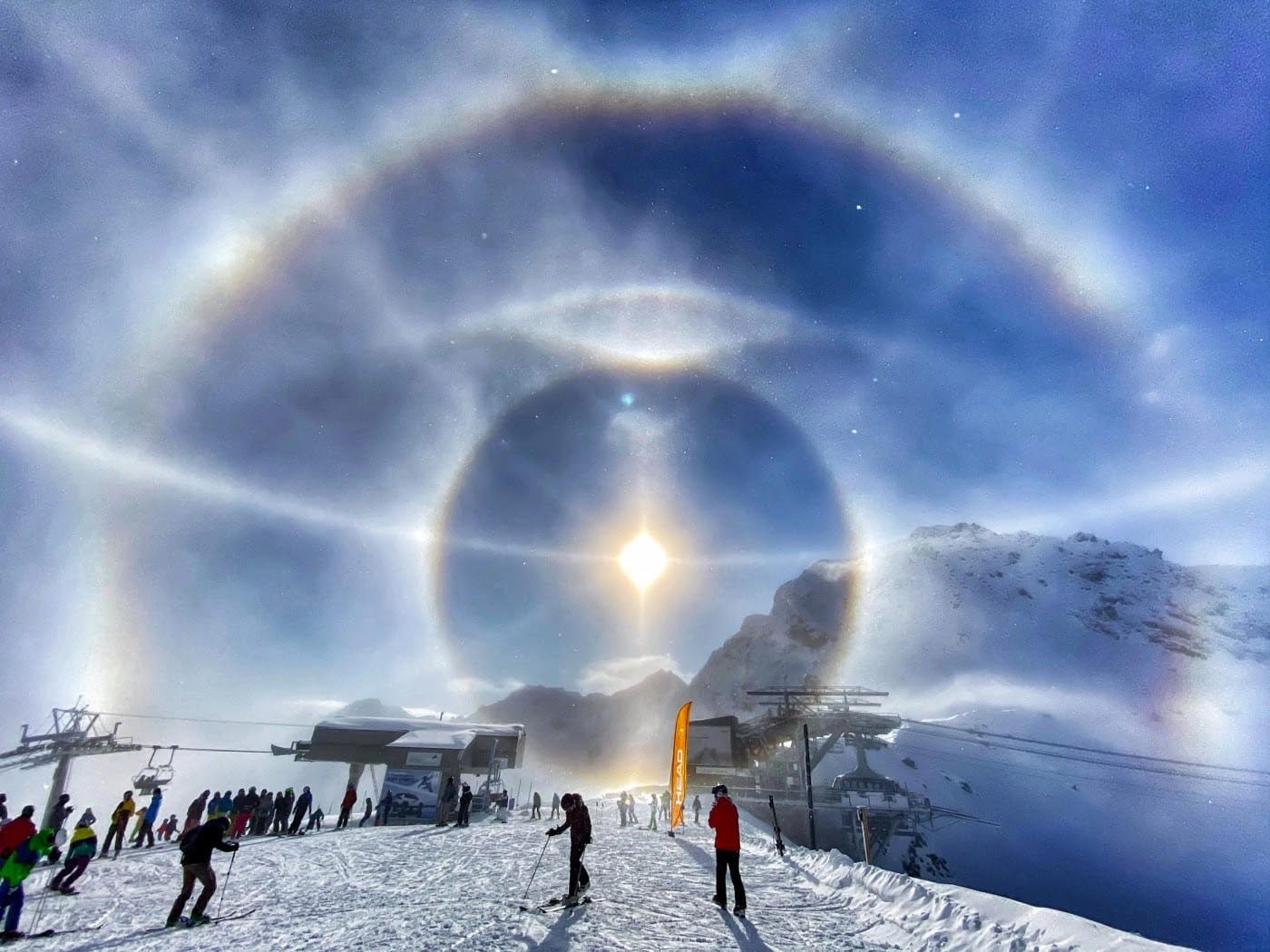
Bastian Werner, a German photographer, has recorded multiple events of ice halos around the sun since December 2023. This image features Ice Halos over Bavaria (APOD: 2023 Dec 20), a 22-degree halo, a 46-degree halo, the heliac arc, and other arcs. It was selected as NASA’s Astronomy Picture of the Day (APOD), highlighting the beauty of atmospheric optics.

Ice halo
Photo: Waradana.com

Rare climatic effects arise when conditions take an extreme form. Examples include Morning Glory Clouds, ice halos, light pillars, derechos, haboobs, and similar phenomena. These effects signify the intricate dynamics of Earth’s climatic system and its sensitivity to natural and anthropogenic impacts.

This article aims to highlight rare climatic effects that are not commonly discussed but have a significant impact on the environment. It seeks to provide insights into these phenomena, which are not well known to the general public, and to raise awareness about the severity of these climatic issues.

Morning Clouds
Morning Glory clouds are not so common- roll clouds that feature a series of wave-like patterns early morning. Photo Googleusercontent

Morning Glory Clouds

Morning Glory clouds are a rare yet captivating atmospheric event in which long, cylindrical cloud formations spread hundreds of kilometers across the sky. They appear in the early hours of the day, from September to November, in northern Australia near the Gulf of Carpentaria.

Meteorological conditions associated with their appearance include the interaction of sea breezes, atmospheric overturns, humidity levels, and strong horizontal rolling motions. Their scenic beauty fascinates pilots and gliders, and the rolling airflow creates notable lift for them. Morning Glory clouds provide a unique and dramatic spectacle, illustrating the complex interplay of weather and geography.

Morning Glory clouds have limited climatic effects as they are localized. They indirectly affect weather patterns by forming roll vortices, which influence local wind patterns. Wind shifts impact aviation. The mixing of cool, moist, warm, and dry air layers causes temperature inversions, thereby impacting local thermal conditions.

The clouds trap moisture, causing changes in humidity in the lower atmosphere for a short period. Morning Glory clouds also provide insight into the development of storms. In addition to Morning Glory clouds, Morning Glory cloud tubes, Morning Glory clouds over the oceans, and Morning Glory cloud waves pose surfing challenges to gliders.

Ice Halos

Ice halos are optical phenomena created by the interaction of sunlight or moonlight with ice crystals in the atmosphere. These beautiful exhibitions occur when light is scattered by hexagonal ice crystals in cirrus or cirrostratus clouds present in the upper levels of the troposphere (5–10 km). The appearance of ice halos depends on the orientation and shape of the crystals.

Sun Dog
A remarkable aspect of halos is the sun dogs or parhelia-bright spots that appear on either side of the Sun Photo: Thisiscolosal.com

Common types of ice halos include the 22-degree halo, parhelia (sundogs), circumzenithal arc, and pillars of light. Ice halos are often observed in colder climates, but their appearance can occur anywhere depending on atmospheric conditions.

Ice halos are observed when cirrus or cirrostratus clouds contain ice crystals, indicating moisture at high levels in the atmosphere. Therefore, they indirectly suggest the likelihood of rain or snow in the coming days. The formation of halos often leads to clearer skies as they suppress storm development and prevent convection. In polar regions, ice halos are common, creating dramatic optical effects and influencing the intensity of solar light reaching the Earth’s surface.

Light Pillars

Light pillars are optical phenomena exhibited as vertical columns extending either upward or downward from a light source. They are often seen at night and are caused by the reflection of light from ice crystals, similar to ice halos. The difference is that their formation can result from both natural and artificial light sources. The light is reflected toward the observer, creating a glowing vertical column.

Light pillars
The appearance of light pillars seems to be beams of light shooting into the sky- in reality, an optical illusion caused by the reflection and refraction of light on flat, hexagonal ice crystals suspended in the atmosphere. Photo: Littlethings.com

They are commonly observed in colder climates where ice crystals are abundant. They are most noticeable during winter when the air is cold enough to sustain ice crystals and clear enough to allow the passage of light. The intensity of the color of a light pillar depends on the light source and atmospheric conditions. The brightness of the color fades as it moves farther from the light source. The range of colors observed includes white, red, blue, and orange.

Light pillars indirectly contribute to our understanding of the atmosphere. Their formation requires the presence of ice crystals in the atmosphere, so observing light pillars indicates their presence. Light pillars occur during clear and cold weather, making their observation an indicator of stable atmospheric conditions.

Light pillars, 2024
Light pillars near Daisen on 17th June 2024. Photo:https://thepeninsulaqatar.com/get/maximage/20240525_1716660083-827.jpeg?1716660083

Derechos

Derechos are extensive, lasting windstorms linked with fast bands of intense thunderstorms. The intensity of the winds can extend up to 390–640 km, often covering areas hundreds of kilometers wide. Derechos occur in the central and eastern United States, as well as in Europe, South America, and Asia.

Derechos
Derechos can produce hurricane-force winds over extremely large areas so they are sometimes referred to as “inland hurricanes”. Photo:https://www.weather.com/

They are witnessed in warm and moist environments and are aggravated by a cold front. Unstable factors in the atmosphere create a “bow echo” from thunderstorms, which is a salient feature of Derechos. Progressive derechos are more common in the summer, while serial derechos are observed in colder seasons.

Derechos cause damage in a couple of ways. They uproot trees, destroy buildings, and alter power lines. They are dangerous for outdoor activities and for people living in mobile homes.

Derecho, 2024
Derecho over Houston on 16th May 2024. Photo: NASA

A derecho followed by a tornado outbreak was recorded between 1st  and 3rd April 2024, affecting the Midwestern and Southeastern United States. On 16th May 2024, a severe derecho struck the Gulf Coast, causing damage in the Houston metropolitan area. Between 15th and 16th  July 2024, a derecho moved from Iowa through Indiana, with wind speeds reaching up to 75 mph and producing several tornadoes across the Midwest.

Haboobs

Haboobs are severe sandstorms observed in arid or semi-arid regions due to strong winds from thunderstorms. The term “haboob” is derived from the Arabic word “habb,” which means “blow.” It was first used to describe these storms in the Sahara Desert and the Middle East. Their occurrence is also witnessed in desert regions of North Africa and the Arabian Peninsula. Evidence has been gathered from the southwestern United States and Arizona during the North American monsoon season.

Haboobs form due to downdrafts hitting the ground and spreading outward on all sides. The wind lifts sand particles in the form of rolling clouds, and the thunderstorm appears as a towering wall of dust, rising thousands of feet and stretching for miles. Visibility drops to zero during a haboob, posing a danger to travelers. They are commonly formed during dry months.

Some of the concerns linked to haboobs are that dust inhalation can lead to respiratory issues. They can cause visibility loss to hazardous levels, leading to accidents. Haboobs also contribute to soil erosion and the transportation of nutrients and pollutants over extended distances.

Haboob, 2024
Haboob was observed in Central California on 11th November 2024.

In 2024, several notable haboobs were recorded across different regions, including Central California on 11th November, New Mexico, and West Texas (exact dates unspecified), and Arizona on 24th April. The San Joaquin Valley in Central California was struck by a thick dust storm, creating an alarming situation across the landscapes of Fresno, Kings, Madera, and Tulare counties. The visibility dropped to zero, and the haboob was referred to as a “wall of dust,” rarely recorded, with a height of more than one thousand feet.

These rare climatic effects provide a picture of the complexity of the Earth’s atmosphere. Other such effects include Mammatus clouds, steam devils, ball lightning, fog bows, cloud bows, glories, Undular bore, Kelvin-Helmholtz clouds, sea smog, maelstroms, oceanic vortices, sea sparkle, icebergs with rainbow colors, sea foam, oceanic cloud bows, sea fogbows, mirages, ice discs, waterspouts, and moonbows, to name a few.

Understanding these climatic impacts as a whole can help monitor and prepare for what can be avoided and can better protect all communities.

References:

  1. Wikipedia contributors. (2024, December 14). Effects of climate change. Wikipedia. https://en.wikipedia.org/wiki/Effects_of_climate_change#cite_note-:0-1
  2. Wikipedia contributors. (2024, April 5). Morning Glory cloud. Wikipedia. https://en.wikipedia.org/wiki/Morning_Glory_cloud
  3. Wikipedia contributors. (2024, October 23). Halo (optical phenomenon). Wikipedia. https://en.wikipedia.org/wiki/Halo_(optical_phenomenon)
  4. Wikipedia contributors. (2024, June 3). Light pillar. Wikipedia. https://en.wikipedia.org/wiki/Light_pillar
  5. Wikipedia contributors. (2024, December 11). Derecho. Wikipedia. https://en.wikipedia.org/wiki/Derecho
  6. Wikipedia contributors. (2024, October 23). Haboob. Wikipedia. https://en.wikipedia.org/wiki/Haboob

More from the Author: How to connect Doraemon with real life? A science fiction series with imaginative powers for the future

Women belong in the Lab: Science, gender and revolution in Lessons in Chemistry

Women belong in the kitchen Lab: Science, gender and Revolution in Lessons in Chemistry

Lessons in Chemistry, a show set in the mid-20th century and based on a famous novel by Bonnie Garmus [1], portrays the life of Elizabeth Zott, an excellent chemist with a hobby of cooking. It explores her journey as she is forced to navigate a world where her intellect is underestimated and her passion for science is constantly challenged by systemic biases.

Elizabeth Zott’s laboratory scenes emphasize the meticulous nature of experimental chemistry, demonstrating techniques such as titration, crystallization, and molecular analysis. From the first episode where she uses the distillation apparatus to make coffee for her colleagues to the scene where she builds a laboratory in her kitchen, the show has a smooth flow with scientific accuracy.

The scientific explanations in the show are easy to understand with the mere use of science jargon. The show was set in the 1950s and most of the scientific advancements of that era are common knowledge today.

chemistry
Elizabeth Zott’s laboratory scenes emphasize the meticulous nature of experimental chemistry, demonstrating techniques such as titration, crystallization, and molecular analysis. Photo Apple TV

The theme of the show is the application of chemistry in daily life. When Zott’s research was stolen, she started hosting a television cooking show and used her platform to teach scientific principles through cooking. This innovative approach serves as a way to communicate chemistry to the public and empowers women by linking scientific understanding to practical, everyday tasks.

For example, Elizabeth explained the chemical reactions involved in baking bread, the role of emulsifiers in sauces, crystallization, and the molecular changes that occur during fermentation. These explanations elevated cooking from a domestic chore to a scientific endeavor, challenging societal perceptions of women, and emphasizing that science permeates every aspect of life.

The show connects chemistry to the kitchen and illustrates the universality of scientific principles and the potential for science to be both accessible and empowering. It is a fun and accessible way of communicating science to a part of society that was discouraged from participating in science. Eventually, it encouraged women to pursue their goals as evidenced by a woman starting medical school in her late thirties after taking inspiration from Elizabeth.

The series also explores the intersection of gender and science, offering a critique of the patriarchal structures that dominated scientific institutions during the mid-20th century.

Elizabeth’s journey highlights the challenges faced by women in science, such as exclusion from research opportunities, lack of recognition for contributions, and the pervasive belief that women were inherently less capable in scientific endeavors. Unfortunately, such discrimination persists as we move up to higher positions or leadership positions in academia even in today’s time.

Her character defies these preconceptions by exhibiting resilience and intellectual prowess. Regarding the historical exclusion of women from science and the wider societal consequences of that exclusion, the play makes a significant remark. Lessons in Chemistry emphasizes the value of diversity in scientific research and the necessity of removing obstacles that impede fair participation by portraying Elizabeth as a chemist who defies gender norms.

In the mid-20th century, Lessons in Chemistry had a big cultural impact due to its scientific content mainly for women. Elizabeth Zott served as an example of how intelligence, willpower, and scientific interest transcend gender boundaries. It conveyed a strong message about persistence in scientific research with a lead female scientist who succeeded despite structural obstacles.

In the first episode she says, “Of course, I would be much further along in my research if I wasn’t making excellent coffee for mediocre scientists.” 

Additionally, the series relates to current debates concerning equity in STEM fields. By drawing attention to the historical obstacles that women in science have encountered, it highlights the continued need for assistance and inclusivity for underrepresented groups in science. The story serves as a reminder that advancing science involves more than just making discoveries; it also entails fostering an atmosphere that allows for the growth of different viewpoints.

chemistry
Calvin’s character highlighted the significance of collaboration and equal partnership in furthering scientific advancement and dismantling social obstacles. Photo, Apple TV

In Lessons in Chemistry, Calvin Evans, a gifted chemist, is Elizabeth Zott’s staunchest supporter and scientific equal. Calvin regarded her as an equal and acknowledged her academic expertise, providing both personal dedication and mentorship.

Calvin’s character highlighted the significance of collaboration and equal partnership in furthering scientific advancement and dismantling social obstacles. Calvin showcased this quality and published their research with Elizabeth as the first author even though the research institute committee opposed it and didn’t let them submit for the grant.

Lessons in Chemistry beautifully combines the emotional weight of personal challenges with the discipline of scientific inquiry to provide an interesting look into science, gender inequity, and resilience. The presentation is thought-provoking and inspirational because of its dedication to illustrating the difficulties of women in science and the intricacies of chemistry.

It does have certain shortcomings— some storylines feel extraneous or unnecessary at points, and the narrative occasionally drifts into over-dramatization, which drifts from the main themes of science and determination.

References:

Also, Read: The Radium Girls – A tale of oblivious poisoning

From Land to Sea— The journey of Whales and Dolphins

Evolution is an incredible story of how life on Earth has grown and changed over billions of years. It’s the idea that every living thing, from the tiniest bug to the largest animal, to the oldest plants, are all connected and have adapted over time to survive. At its core, natural selection is a simple but powerful idea that says creatures best suited to their environment are more likely to survive and pass on their traits.

Over countless generations, these little changes add up and create the amazing diversity of life we see today. You can find proof of this everywhere, from fossils to the DNA we share with other species. So it is safe to say that evolution is the belief that all living organisms are connected and creatures adapt to their environment.

Cetacean on earth

Whales and dolphins belong to the order Cetacea, the marine mammals. Most amazingly, their ancestors once lived on land before they gradually adapted to living in water over millions of years. Fossils found in the present Pakistan and India of those ancient cetaceans are highly useful in understanding their fascinating evolution and the transition from land to sea.

Illustration of cetacean evolution. Credit: Dolphins Way
Illustration of cetacean evolution. Credit: Dolphin Way

This journey explains the flexibility of cetaceans and the remarkable forms they took to thrive in aquatic habitats, such as streamlined bodies, modified limbs for swimming, and an enhanced respiratory system. All these changes helped them to adapt to oceanic spaces to travel and become a part of an intricate social structure. By observing this we can safely say that nature remains at its best through dramatic changes over long time scales.

Relatives of cetaceans

Today’s cetaceans’ closest living relatives are Artiodactyls which include hippos and cows. Their last common ancestor lived around 55 million to 60 million after that cetaceans became semi-aquatic and artiodactyls stayed on land. Cetaceans took to the sea to look for food and protection.

Pakicetus— the first cetacean

Pakicetus was the first cetacean to start being semi-aquatic around 50 million years ago. Pakicetus was a wolf-like animal, its fossil shows that it was semi-aquatic and it could run on land. At this stage, its diet consisted of fish and small rodents.

Pakicetus
Pakicetus skeleton. Credit: Wikimedia Commons

Ambulocetus— the walking whale

About 49 million years ago a cetacean known as Ambulocetus roamed; it was dubbed the “walking whale” because it showed much more aquatic characteristics compared to its previous ancestors. Though it was still land dwelling it showed many characteristics that led it to become fully aquatic, it was about as large as a modern-day lion. It had large paddle-like limbs and a robust body which allowed it to roam on land and swim in water. It also had a vertical tail for propelling itself forward in water. It was a carnivore, its hunting style was similar to a modern-day crocodile, it used to wait in the water and ambush its prey.

Ambulocetus was dubbed the “walking whale.” Credit: Dinopedia


Rodhocetus— the biggest transition

About 47 million years ago Rodhocetus became the latest cetacean, it showed a transition towards spending most of its time in water. Its tail evolved vertical fins. It now mainly relied on its tail to swim. A major shift was its nostrils. Its ancestor’s nostrils used to be closer to their snout but now Rodhocetus’s nostrils were closer to the top of the head which would evolve into a blowhole. Its hind limbs were smaller which became a trend in cetacean evolution.

About 47 million years ago Rodhocetus became the latest cetacean. Credit: Eldar Zakirov

Droudon— the first fully aquatic whale

6 to 7 million years later (40 to 41 million years ago), a cetacean known as Droudon swam in Earth’s oceans. It was one of the first cetaceans fully adapted for marine life. It had the appearance of a small whale. Its hind limbs evolved into flippers, essential for a streamlined body and swimming.

The nostrils had shifted to the top of the head and formed a blowhole to surface for air easily without tilting its head just like modern whales. Some skull features hint at early adaptations for enhanced hearing, which would later develop echolocation – the location of objects by reflected sound, in some cetacean lineages (like dolphins, orcas, and some whales).

Droudon was one of the first cetacean, dolphins
Droudon was one of the first cetaceans fully adapted to marine life. Credit: David Arruda Mourao

Basilosaurus— made for the open ocean

About thirty-five million years ago, an 18-meter cetacean known as Basilosaurus swam. It had an eel-like body so unlike the dorudon the basilosaurus swam in a serpent-like motion. Their diet consisted of fish and other smaller marine mammals. It was the first cetacean whose body was made for the open ocean. They adapted earbones that could sense the water currents. This ability was crucial for sensing prey.

Tooth whales and baleen whales 

Finally, some 34 million years ago, basilosaurus split into toothed whales and baleen whales. Toothed whales include dolphins, orcas, and sperm whales. Toothed whales are all carnivores and they mainly hunt in deep dark oceans which is why they all use echolocation. It works when an animal emits clicks or sounds and waits till the sound bounces back to ”see” what is in front of it. Most toothed whales display high levels of intelligence, particularly dolphins who live in pods and coordinate hunting attacks. Toothed whales have been documented to be much smaller than their cousins baleen whales.

Baleen whales are a group which includes almost all types of whales. Baleen whales are filter feeders which is why they have baleen plates to filter large amounts of krill, hence the name. Most baleen whales migrate to maximize food throughout the year. Baleen whales have been documented to be quite large, reaching around a hundred feet and weighing around 190 tons.

River Dolphins

Modern-day cetaceans are still adapting to their environment. Such as both baleen and toothed whales have adapted blubber to keep themselves warm in arctic environments. Cetaceans can also store their oxygen using myoglobin which allows them to dive deep in oceans and it is crucial for sperm whales as they dive to a depth of around 3000 feet. Most whales can slow their heart rate and direct blood to crucial areas only, such as the brain and other crucial organs. This is to conserve oxygen quality which helps baleen whales dive deep.

river dolphins
River dolphin’s neck muscles are much more flexible than their ocean counterpart. Credit: AnimalLife

River dolphins or freshwater dolphins have adopted some very unique features due to their environment, these dolphins have smaller eyes than normal saltwater dolphins, because rivers are quite murky and it is hard to see so this is why river dolphins mostly rely on echolocation. River dolphin’s neck muscles are much more flexible than their ocean counterpart because rivers can be quite narrow at some points so they have flexible neck muscles to maneuver around those narrow points.

References:

Also Read: Adult Fruit Fly Brain Mapped: A Giant Leap to Understand the Human Brain?