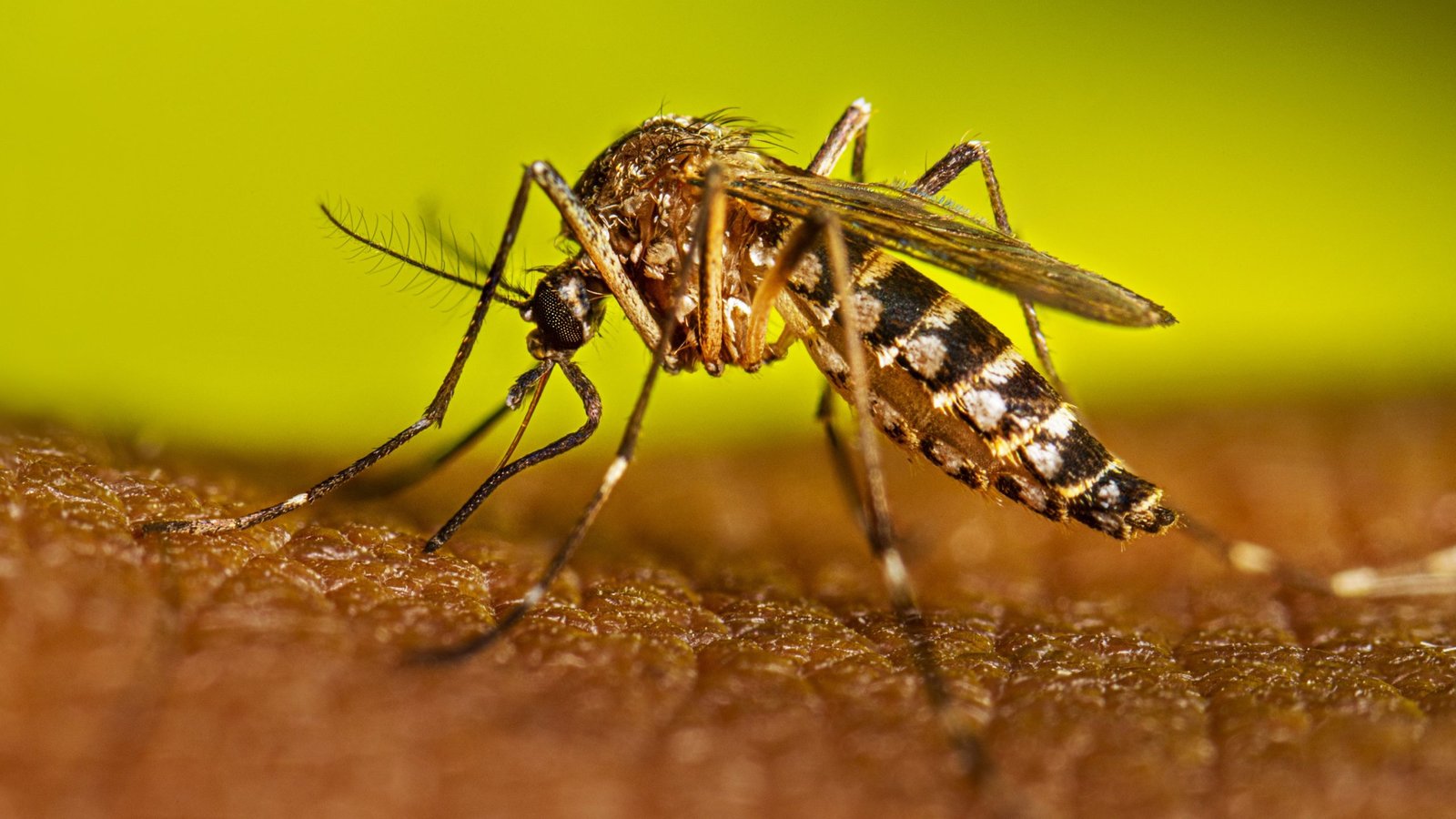
Along with longer days and warmer temperatures, summer heralds much more robust mosquito populations in South Asia, and specifically in Pakistan. Summer warmth accelerates the mosquito life cycle, meaning disease-carrying insects like dengue and malaria multiply rapidly.
In September 2022, Pakistan faced the worst flood in its history, when two-thirds of its territory was submerged in floodwater. Amin Jan, a young volunteer from Nowshera, was closely observing the devastating situation. After the flood was over, he joined a campaign aimed at providing rations to affected people.
He actively participated in distributing food, medicines, and clean drinking water. One day, during food distribution, he saw a mosquito biting his hand. He immediately swatted the mosquito. However, it was too late for him to restrict the entry of an uninvited guest brought by the insect bite.
Read about the 2022 devastating Flood in Pakistan: After the floods come disease: IDP camps in flood-hit Pakistan.
The very next day, Amin Jan experienced a rise in his body temperature. As he went to the doctor, a diagnosis was made of an infection with the dengue virus. A never-ending high fever, sweats, and nausea kept him in discomfort for the following 18 days.
Being barely able to eat, drink, or move, he survived at the expense of losing his body energy. For a long period of time, he was unable to perform his normal daily activities. At the same time, about 45 people from his city lost the battle of life against the dengue virus.
Since 2000, around two million people have died every year due to mosquito bites. Mosquitoes have killed more individuals than any other cause of death over the course of human history, making them the deadliest animal species in the world.
Mosquito Surge in Pakistan
These tiny creatures carry multiple viruses that are fatal to human health. An infected female mosquito can inject viruses into our body during blood feeding. These infections can lead to mild to life-threatening sickness.
Pakistan, like other subtropical countries, offers favorable conditions for mosquito breeding. Their expansion across the country has brought a variety of viruses in recent times. Among these, the dengue virus, the causative agent of dengue fever, has been well established in other provinces of Pakistan since it first appeared in 1994 in Karachi.
Dengue has been recorded in all provinces of the country. According to the National Institutes of Health, 22,938 and 48,906 dengue cases were reported in 2017 and 2021, respectively. In 2022, 41,746 confirmed dengue cases were reported mainly in Sindh Province. In the previous year, 103 people lost their lives in Sindh due to mosquito-borne diseases.
Other mosquito-borne viruses: Chikungunya, West Nile, Japanese encephalitis, and Zika, have been confirmed to be circulating in different parts of Pakistan. Human infections due to these viruses have also been documented. While the Chikungunya virus causes severe joint pain, the Japanese encephalitis and Zika viruses mainly affect the human brain. Mortality rate due to Japanese encephalitis virus is as high as 20 to 30%.
Experts from the World Health Organization and the Centers for Disease Control and Prevention suggest that the prevention of mosquito bites is the primary defense strategy for combating these diseases. The potential danger of outbreaks due to these viruses exists in many regions of the country, which warrants early preparedness.

The surge in mosquito emergence and expansion is attributed to many factors, including but not limited to climate change and unplanned urbanization. Historically, many mosquito-borne disease outbreaks in Pakistan have been reported after catastrophic floods in 2010-2012, 2022, and 2025. As soon as the flood disappears, stagnant water bodies accumulate, helping mosquito breeding, which contributes to its expansion.
According to a report of the United Nations, in 2011, more than 12,000 cases of dengue fever and 125 deaths were linked to the disease across Pakistan, with the majority occurring in Punjab province. Here is a story by Sara Zaman from the Voice of America that reflects on the situation after the flood: Flood Victims in Pakistan Face Threat of Diseases
Currently, Pakistan is among the top five nations worldwide with a rising population. Here, a growing number of people are shifting to urban life. Major cities like Karachi, Lahore, and Peshawar are seriously affected by environmental pollution. In addition, multiple-story buildings and the trade of used tires are increasing the mosquito population.
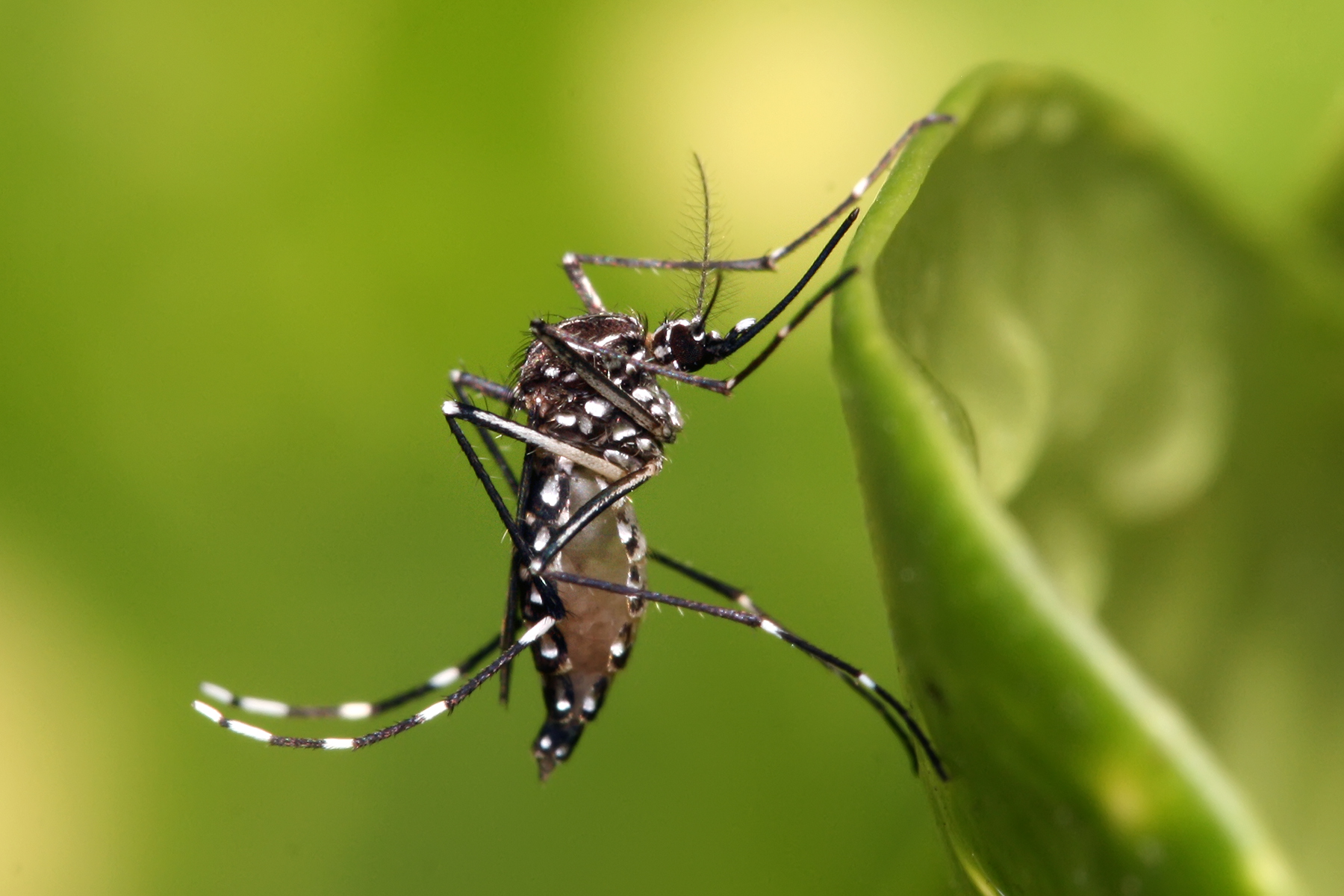
Warm temperatures, around 26-29 °C, and water are the leading components for their survival. Keeping water uncovered in tanks, pots, or other similar containers is an ideal habitat for mosquitoes to lay eggs. A few developmental stages transform eggs into adults.
Symptoms, Treatments, and Prevention!
Although diseases caused by mosquito-borne viruses can have a variety of symptoms depending on the virus and its infection duration, common symptoms include headache, fever or chills, muscle and joint pain, nausea or vomiting, rashes, and pain behind the eyes. Other symptoms may include abdominal pain, tiredness, and loss of appetite.
Despite extensive ongoing research in this area, infections due to these viruses lack adequate treatment. Supportive care can help reduce complications. Avoiding mosquito bites is the key strategy for preventing infections. The use of mosquito nets, repellents, and smoke coils is extremely helpful in this regard. In addition, covering stagnant water can reduce their fast breeding.
Vaccination is another great way to avoid these infections. However, the unavailability of vaccines for these viruses is a growing challenge worldwide. With a few licensed vaccines, such as those for the Japanese encephalitis virus, Pakistan lacks most of them.
Way forward
“The rapid spread of dengue and other arboviral diseases in recent years is an alarming trend that demands a coordinated response across sectors and across borders,” says Dr Tedros Adhanom Ghebreyesus, WHO Director-General.
To achieve this goal, it is important to educate people about mosquito-borne diseases and how to control them. Educational settings need to provide training to protect from these predators. As such, applying insect repellents, wearing protective outfits, and destroying mosquito breeding habitats around our surroundings are the best practices. Nevertheless, it is imperative to establish well-equipped research facilities for tracking mosquitoes for the presence of viruses ahead of any outbreak.
Altogether, community awareness, mosquito control, waste management, surveillance, and advanced research facilities can contribute to developing a better strategy to save us from these viruses this summar.
References:
- The Mosquito: A Human History of Our Deadliest Predator by Timothy C. Winegard
- Epidemiological trends and risk factors associated with dengue disease in Pakistan (1980–2014): A systematic literature search and analysis. BMC Public Health 2018, 18, 745.
- The rising toll of dengue cases in Pakistan every year: An incipient crisis. Med. Surg.2022, 76, 103549.
- COVID-19 and arboviral diseases: Another challenge for Pakistan’s dilapidated healthcare system. Med. Virol.2020, 93, 4065.
- Viral outbreaks and communicable health hazards due to devastating floods in Pakistan. World J. Virol. 2016, 5, 82–84.
- Campbell, G.L., et al., Estimated global incidence of Japanese encephalitis: a systematic review. Bulletin of the World Health Organization, 2011. 89(10): p. 766-774.
- Imran, M., Ye, J., Saleemi, M.K. et al.Epidemiological trends of mosquito-borne viral diseases in Pakistan. Animal Diseases 2, 5 (2022). https://doi.org/10.1186/s44149-021-00034-4
- Ammar M, Moaaz M, Yue C, Fang Y, Zhang Y, Shen S, Deng F. Emerging Arboviral Diseases in Pakistan: Epidemiology and Public Health Implications. Viruses. 2025; 17(2):232. https://doi.org/10.3390/v17020232
Also Read: From Sunlight to Salary: How Young People Are Turning Clean Energy into Livelihoods

Wahid Zaman is based in China at the Wuhan Institute of Virology. His research area spans arbovirus-vector interactions. He is a former intern in the Scientia Pakistan Science Writing Internship, Cohort Five.

