On 8th April 2024, over many parts of the United States, Mexico, and Canada, a total solar eclipse will occur that will be different than the rest of the partial eclipses from the last seven years.
First, what is the difference between partial and total eclipses, and why should they be observed? Let’s dive into essential Solar Physics!
Solar Eclipse: A rare celestial alignment of the Sun and Moon
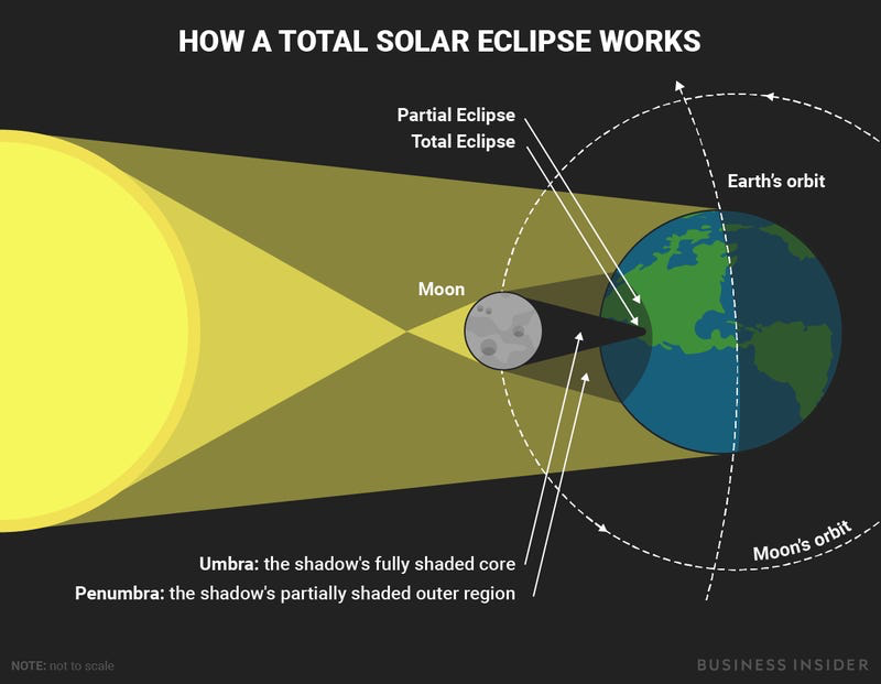
Solar eclipse is a phenomenon in which the Moon comes in between the Earth and Sun from the Earth’s point of view. This occurs in some parts of the world at a time. Only a fraction of the Sun is hidden behind the Moon when a partial solar eclipse occurs. In a total solar eclipse, the Moon completely covers the Sun.
Sun mathematics of total solar eclipse
The distance between the Earth and the Sun is four hundred times that between Earth and Moon. Also, the Sun is four hundred times wider than the Moon. Because of this, the Sun and Moon look the same size when seen from the Earth.
When a total solar eclipse occurs, the Moon completely hides the Sun. However, there is something else behind this mathematics. The diameter of the Moon and Sun is not precisely 1/400 by ratio; the Moon is slightly smaller than the Sun.
A total solar eclipse occurs when the Sun is slightly visible behind the Moon as a “Ring of Fire”. Besides being a treat to the sight, this so-called ring of fire is significant in studying Sun’s corona (Sun’s outermost layer).
A visual depiction of how a total solar eclipse works. Credit: Business Insider
Studying Sun through its Corona
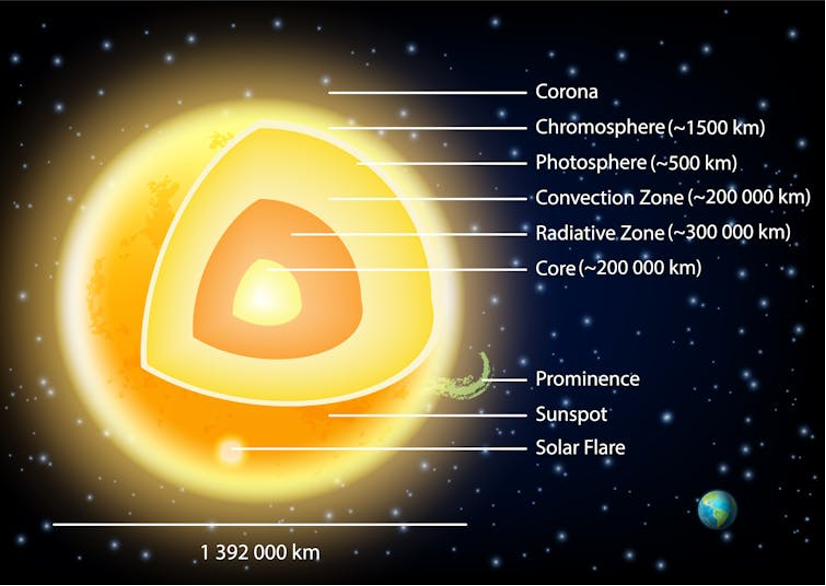
The Sun is made up of the fusion of Helium and Hydrogen gases. This, in turn, creates a plasma, which is the current of charged particles that escape the atom and are in constant motion concerning each other. The Sun’s outermost layer is what we call the “corona.” This layer contains a considerable amount of plasma, which is under the consideration of many scientists and researchers worldwide who want to study the behavior and effect of the Sun units’ plasma on Earth.
When total solar eclipses occur, it benefits scientists to closely observe the Sun’s corona because that is when only the corona is visible on the Earth.
The Sun’sSun’srmost layer is what we call the “corona.” Credit: theconversation.com
Solar observatories or telescopes
Many observatories worldwide study the Sun’s plasma physics with the help of advanced solar telescopes that aim to provide accurate data of Sun’s activities throughout the year. Although they work the whole year, the best they can perform yearly is when there is a total solar eclipse. It is a massive opportunity for scientific enthusiasts to observe the Sun’s corona more accurately. At the Solar and Heliospheric Observatory (SOHO), NASA previously provided a lot of data on solar activity throughout each solar cycle.
What is a solar cycle?
The Sun completes its solar cycle every 11 years. So far, 24 solar cycles have been completed. The record-keeping began in 1755. Currently, we are in the 25th solar cycle. The solar cycle is the period in which we calculate every activity of the Sun. From Sunspot numbers (dark spots on the Sun cooler temperatures) to solar wind activity (constant streams of charged particles and magnetic fields), this is calculated for a complete eleven years.
Throughout these eleven years of the cycle, the Sun has some years when its activity is less than average. This is known as “solar minimum”. And when the Sun’s activity is recorded higher than average, it is known as “solar maximum”. Solar maximum is the time when it is very beneficial for us to observe and study the Sun precisely. As of 2024, this is the year of solar maximum for the 25th solar cycle.
Total solar eclipse in 2017
The last total solar eclipse that occurred was in 2017, August 21. It happened in many states of the U.S., throwing a shadow of the Moon. If we talk about solar eclipses in Pakistan, the following data could be considered:
Solar eclipses in Pakistan
The partial solar eclipse was observed in Pakistan on 26 December 2019. This was the last solar eclipse of that year. Another partial solar eclipse happened on June 21, 2020. The previous observed solar eclipse in Pakistan was on 26 October 2022, which was also partial, with almost 40% coverage of the Sun; it lasted for around two hours.
Why are total solar eclipses so important to scientists?
Only its corona is visible when the Moon completely hides the Sun, which helps scientists study its sphere more clearly. This corona is otherwise too difficult to see because of the brightness of the Sun. Sun sun’sSun’sna is crucial in studying solar physics because it contains all the essential elements necessary to understand the Sun. Sun plasma constantly ejaculates from the Sun through solar flares and solar winds situated in the corona, which then comes to Earth, interacts with Earth’s magnetic field, and creates geomagnetic storms. These storms can be predicted if we study corona more carefully.
Why is the 2024 total solar eclipse important, and how is it different from the 2017 total solar eclipse?
This year’s total solar eclipse is different from the last total solar eclipse in 2017 in two ways. First, in 2017, the Moon was a bit farther from Earth than in 2024, meaning the eclipse will be longer.
Second, on April 8, 2024, the Sun be at its maximum activity, known as solar maximum. Massive eruptions, like Coronal Mass Ejections (CMEs), could be visible this year.
“If we get lucky, a CME will present itself as a twisted, spiral-like structure, high in the atmosphere in the sun,” Ryan French, a solar physicist at the National Solar Observatory in Boulder, Colorado, told Space.com.
CMEs are plasma and Sun’s magnetic field combined. According to the French, solar flares would also be visible. Solar flares are bursts of radio waves, gamma rays, x-rays, and visible rays from the Sun.
The April 2024 Eclipse
The eclipse will be visible in many U.S. regions, some parts of Mexico and Canada. It will begin from Mexico’s Pacific coast around 11:07 am PDT (11:07 pm PST). Other parts of the world, including Pakistan, will not be able to experience this eclipse, but still they can observe it live virtually from the following link by NASA:
Also, the following map illustrates the locations that will experience the total solar eclipse.
The next total solar eclipse will occur on 12 August 2026. It will be visible to most parts of the Northern Hemisphere, including Russia, Canada, Greenland, and the U.S. A partial solar eclipse will be visible in Pakistan on 2 August 2027. It would start at around 1500 hours (PST) and end at 1600 hours. The maximum eclipse will be observed in Karachi with 29.5% obscuration.
Although this year’s total eclipse of the Sun will not be visible to Pakistan and many other parts of the world, it is still a massive opportunity for researchers residing in the U.S. and its nearby countries to observe and study it.
Dr. Abdus Salam was a Pakistani theoretical physicist who, in 1979, shared the Nobel Prize in Physics with US physicists Steven Weinberg and Sheldon Glashow for their groundbreaking research on the “electroweak unification theory.” Dr. Salam is the first Pakistani scientist to win the honorable Nobel Physics Prize.
Noble laureate Dr Abdus Salam
From early on, Salam’s intelligence was visible; at the age of 14, he earned the highest marks in the Matriculation Examinations ever recorded during his time at the University of Punjab. Therefore, he was offered a scholarship by Government College Lahore in 1940 when he was 16. Salam’s humble upbringing was such that upon entering Lahore, a larger, more urbanized city, he saw an electric lightbulb for the first time in his life.
Three years later, In 1943, he published a scientific paper titled “A Problem of Ramanujan,” in which he solved a mathematical problem attempted by Ramanujan, who was considered a genius and prodigy in the realm of mathematics at that time, making this accomplishment quite a feat
Soon, his interest in Physics became evident, and he earned his Bachelor of Arts in Mathematics and Physics in two years, contrary to the three-year standard. He then completed his Ph.D. in theoretical physics at Cambridge, receiving a scholarship to attend the university. Soon, his interest in Physics became evident, and he earned his Bachelor of Arts in Mathematics and Physics in two years, which was contrary to the standard of three years. He then completed his Ph.D. in theoretical physics at Cambridge, receiving a scholarship to attend the university.
Dr. Abdus Salam received the Nobel Prize for Physics, shared with Steven Weinberg and Sheldon Glashow in 1979 “for their contribution to the theory of the unified weak and electromagnetic interaction between elementary particles, including the prediction of the weak neutral current”. Though all of them shared the Nobel Prize, each independently researched this topic. Dr. Abdus Salam conducted this research in the 1960s at the Imperial College of Science and Technology.
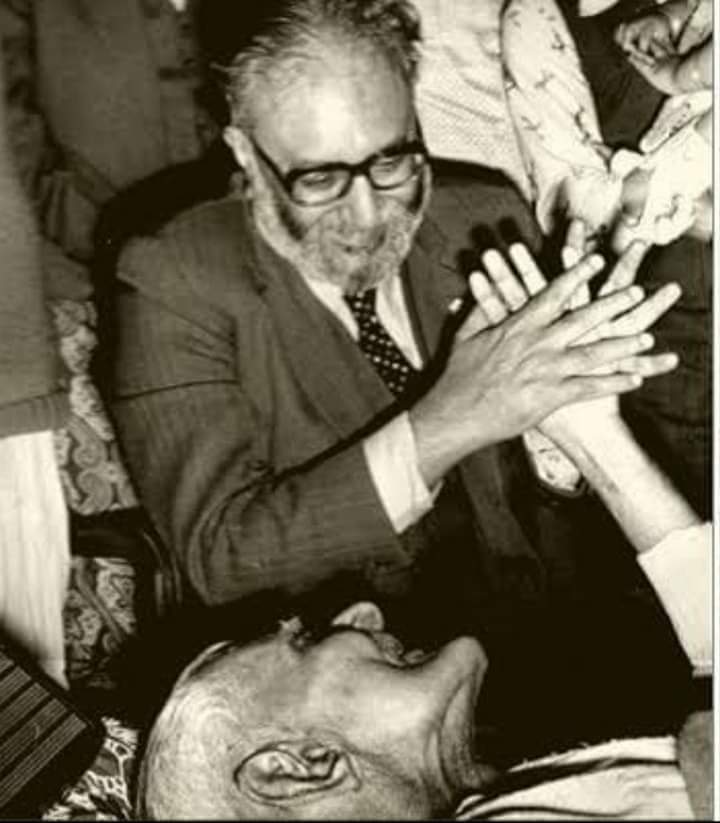
Dr Salam gesturing his mathematics teacher, Professor Anilendra Ganguly.
A Noble Gesture
After winning the Nobel Prize in 1979, Dr. Abdus Salam requested the Indian government to find Professor Anilendra Ganguly, who had taught him mathematics in the pre-partition era at the Sanatan Dharma College in Lahore.
He had to wait for two years to meet his teacher and finally came to India on 19 January 1981 to pay his respects to Prof. Ganguly, who had shifted to Kolkata after the independence.
Prof. Ganguly was feeble and unable to even sit up and greet him when Dr. Salam visited him at his house. Dr. Salam took his Nobel medal and said ‘Sir, this medal is a result of your teaching and love of mathematics that you instilled in me.”
He then put the medal around his teacher’s neck and said, “This is your prize, Sir. It’s not mine.”
Noble moments: Professor Anilendra Ganguly hugs his student, Dr. Salam, after he puts his Nobel Prize medal around his neck.
The gesture for his teacher by the Pakistani scientist was truly defying the barriers of nations and religions that had grown after the partition. It was the ultimate tribute to a teacher that went far beyond the borders of the nations.
A recent report by GLAAD reveals the anti-trans content across Meta’s platforms, including Facebook, Instagram, and Threads, are outnumbered. According to GLAAD, Meta has failed to adequately moderate extreme anti-trans hate, as evidenced by the continued presence of posts promoting harmful practices like conversion therapy, mass killing of transgender people, and derogatory slurs.
Content like this often leads to mass harassment, with victims subjected to online abuse and real-life violence, as explained by GLAAD President and CEO Sarah Kate Ellis in a press release.
The report highlights that much of the anti-trans content violates multiple community standards, particularly Hate Speech, on Meta’s platforms and is often originally posted from high-follower accounts profiting from spreading hateful anti-LGBTQ narratives.
These fear-mongering posts containing lies, conspiracy theories, and violent rhetoric drive engagement and revenue for both account owners and Meta, raising ethical concerns about the platform’s role in accelerating hate speech.
GLAAD’s report also raises concerns about the effectiveness of current content moderation practices and the accountability of social media platforms in combating hateful narratives.
Despite calls from LGBTQ celebrities, public figures, and allies for more protection against anti-trans hate in an open letter in June 2023, Meta’s platforms continue to serve as breeding grounds for harmful content, highlighting systemic failures in addressing online extremism.
These findings stress the urgent need for social media companies like Meta to take concrete action against online hate speech targeting marginalized communities – particularly when they are scaling down their misinformation and hate speech moderation teams.
The bulk of anti-trans content not only violates Meta’s community standards but also eternalizes harmful stereotypes and contributes to violence against transgender individuals.
From as-yet-undiscovered biodiversity to resilient forests and the impact of food consumption on nature, 64 experts have now published their knowledge and recommendations in the form of 10 Must Knows from Biodiversity Science” for 2024. The Leibniz Research Network Biodiversity’s new report provides policymakers and society with concrete ways to effectively conserve and sustainably use biodiversity at the local, national, and European levels and thereby also mitigate climate change. With this publication, the researchers contribute current scientific facts to the debate on the German National Biodiversity Strategy, which is to be adopted before the next United Nations Biodiversity Conference in autumn 2024.
“We are already exceeding planetary boundaries in terms of global warming and biodiversity loss. Joint responses are needed to counter these crises. We know that preserving biodiversity can significantly contribute to mitigating climate change, for example, through biodiverse forests and rewetted peatlands that can act as carbon sinks. Only by focusing on measures to protect biodiversity can we succeed in tackling both crises at the same time,” says Kirsten Thonicke, lead author and Deputy Head of the Research Department “Earth System Analysis” at the Potsdam Institute for Climate Impact Research (PIK), who coordinates the research network.
Following the great response to the “10 Must Knows from Biodiversity Science,” first published in 2022, scientists from a total of 52 German and international research institutions have now contributed their expertise from the environmental, life, spatial, social, humanities, and economic sciences to the new version. “Our recommendations summarise the research available today for decision-makers. The Must-Knows are intended to provide guidance on how to implement the globally agreed biodiversity targets in the German context,” says author Sibylle Schroer from the Leibniz Institute of Freshwater Ecology and Inland Fisheries (IGB).
“This also includes the awareness that we only understand a relatively small part of biodiversity so far. Recognizing this fact is a crucial step towards more sustainable environmental policies. These policies should focus on ecosystem-based habitat management – and thus the functions and interactions between species and habitats, rather than just individual species and habitats.”
Concentrated Biodiversity knowledge from 64 experts across all disciplines
To implement the 23 global biodiversity targets agreed by United Nations member states at the UN Biodiversity Conference in December 2022 (COP 15), the German National Biodiversity Strategy 2030 is currently being developed. The strategy aims to preserve and protect biodiversity in Germany. In order to provide up-to-date facts from the scientific community, the first version of the “10 Must Knows” from 2022 was expanded to include numerous aspects and brought up to date with the help of current literature.
The new report addresses, among other things, how the impact of food consumption on biodiversity can be reduced in concrete terms: “Understanding and using biodiversity as a crucial production factor can help to stabilize yields, enhance agricultural resilience, and turn us all into biodiversity managers, whether we are producers or consumers,” says author Jens Freitag from the Leibniz Institute of Plant Genetics and Crop Plant Research (IPK). The authors offer practical suggestions for policymakers and provide citizens with specific options for taking action in society.
The BMBF Research Initiative for the Conservation of Biodiversity (FEdA) and the German Centre for Integrative Biodiversity Research (iDiv) Halle-Jena-Leipzig collaborated on the project. The “10 Must Knows” were commented on by experts from politics, administration, science, and associations before publication.
Biodiversity conservation and health policy should be linked across sectors because an intact natural environment also promotes physical and mental health. Credits: Unsplash
The “10 Must Knows from Biodiversity Science 2024”
1. Achieving climate and biodiversity protection together 2. Enabling a healthy life on a healthy planet 3. Considering undiscovered biodiversity 4. Linking linguistic, cultural, and biological diversity 5. Harmonising the diverse use of forest ecosystems and biodiversity conservation 6. Transforming agricultural and food systems 7. Protecting land and resources 8. Releasing transformative change through international collaboration and Education for Sustainable Development 9. Ensuring free access and open use of biodiversity-related data 10. Reducing biodiversity impacts from food consumption
Scientists who contributed to the “10 Must Knows from Biodiversity Science”
A healthy planet is pivotal for our human health. Biodiversity conservation and health policy should be linked across sectors because an intact natural environment also promotes physical and mental health. We need a joint global action plan for biodiversity and health. Locally, cities and municipalities should actively work to protect and restore nature, including urban nature, as it positively impacts health and social well-being. – Aletta Bonn, Helmholtz Centre for Environmental Research (UFZ) Friedrich Schiller University Jena and German Centre for Integrative Biodiversity Research (iDiv) Halle-Jena-Leipzig
National and international agreements on the protection of biodiversity require concrete numbers to implement, assess, and reward conservation measures. Research can only supply those numbers if biodiversity-related data, such as digital sequence information, are freely accessible, openly usable, standardized, and sustainably archived across national borders. – Christiane Hassenrück, IÖR
We should adapt our management practices and spatial planning to reconcile the diverse use of forest ecosystems with biodiversity conservation. This will enable us to counter the increasing negative impacts of climate change in forests while resolving trade-offs between competing forest-related policy objectives.– Mats Nieberg, PIK and European Forest Institute (EFI)
Diverse forests and forest structures are the basis for sustainable forest management and are of central importance to ensure forest ecosystem services under climate change. – Christopher P.O. Reyer, PIK
Currently, around 60 hectares of new settlements and transport areas are allocated in Germany every day. This means that the German government’s land-saving targets are becoming a distant prospect. Soils can no longer carry out their basic functions, their ecosystem services are being lost, and habitats are disappearing. The protection, development, and restoration of biodiversity must be given central consideration at all political and planning levels. This applies to international projects as well as to regional and municipal planning. – Barbara Warner, Academy for Territorial Development in the Leibniz Association (ARL)
Spatial and landscape planning can deliver valuable concepts for the wider protection and restoration of habitats for plants and animals. These concepts must be implemented consistently and backed up with financial resources. Higher priority must be given to biodiversity protection and the development of habitats in spatial planning decisions on land use. – Wolfgang Wende, Leibniz Institute of Ecological Urban and Regional Development
Halting the loss of biodiversity requires comprehensive and swift measures involving various economic and environmental sectors, tackled with great vigor. – Bernd Hansjürgens, Helmholtz Centre for Environmental Research (UFZ)
The Earth’s true wealth lies in its immeasurable biological diversity. But it seems we humans are too short-tempered and short-sighted to handle this treasure with care. Many know the stock market better than nature’s portfolio of species. It is time to make biodiversity education a goal for all of us – for a biodiversity-friendly world of tomorrow. – Christoph Scherber, Leibniz Institute for the Analysis of Biodiversity Change (LIB) “10 Must Knows” (PDF): https://doi.org/10.5281/zenodo.10837769
Since technology has taken over, humans have become partially or entirely dependent upon technology and gadgets. Excessive use of technology has apparent interference with normal brain functioning. Before going to the depths of the topic, we need to comprehend the chemistry of the human brain.
How does the Human brain work?
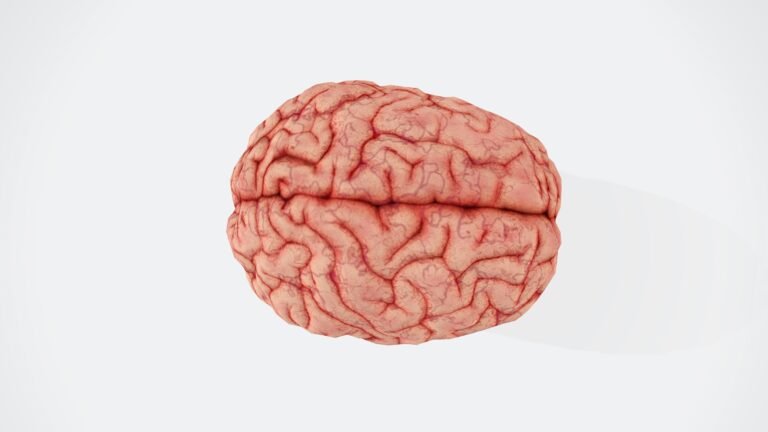
The human brain is a complex structure, and no technology can surpass or become equivalent to this incredible mechanism of nature. “The brain is a symphony orchestra”, according to researcher Zack Y. Shan, head of the neuroimaging platform at the Thompson Institute at Australia’s University of the Sunshine Coast.
We are extensively exposed to our environment’s non-ionizing radiation (NIR). The most frequent sources of NIR are cell phone towers and mobile phones, which constantly emit potential microwave radiation (MWR).
In recent years, the levels of these electromagnetic waves have increased manifold from artificial sources. It is alarming for human health, especially the central nervous system of the human brain, which is on the verge of all possible adverse effects of technology, as the brain absorbs 80 percent of the radiation emitted by mobile phones (Kesari et al., 2013).
Radiation Exposure and neurochemistry
Radiations can cause long-lasting and irreversible changes in the overall chemistry of the brain. Modifying neuronal electrical activity increases the permeability of the Blood–Brain-Barrier (BBB) and causes disturbances in neurotransmitter release.
With these changes in brain chemistry, multiple apparent changes like dizziness, lethargy, insomnia, headaches, behavioral changes, psychological issues, speech delays, memory deprivation, and cognitive instability may happen.
Radiations can cause long-lasting and irreversible changes in the overall chemistry of the brain. Credit: Unsplash
Usage of AI and its impacts on the brain
AI has surpassed the limits beyond imagination in this era, specifically during the last three decades. Every age group is tech-savvy and seriously prone to the use of gadgets. Moreover, our lives have become digital. It won’t be a surprise if we say technology and gadgets have become one of our vital organs.
Besides, knowledge and information are easily accessible due to advancements in technology. It provides diverse platforms for kids and adults to gain information, increase cognition, and interact more efficiently and rapidly.
The realization that our brains are pliable, so the impact of technology and any other source we choose to get information from can positively and negatively affect our brain and interfere with neurochemistry along the synapsis.
Structural Changes in the Brain
Technology sparks the adverse onset of brain-related issues. It affects the neurochemistry of the brain center that monitors attention. Researchers from the United Kingdom and France have found that frequent exposure to technology media may contribute to the diminished gray matter of the anterior cingulate cortex; this area of the brain controls attention.
Multiple case studies have been demonstrated to draw a link between the use of computers, screen time, and the symptoms of attention-deficit hyperactivity disorder (ADHD). A 2014 meta-analysis indicated a correlation between media use and attention problems.
Impact on Cognitive and Brain Development
Screen time has adverse impacts on cognitive and brain development. In a recent review, children under two years of age were reported to spend over 1 hour each day in front of a screen; at the age of three years, the number exceeded three hours.
It has been noted that increased screen time and less reading time have been associated with poor language and executive functioning development, particularly in very young children. Too much early exposure to the screen has halted the natural phenomena of speech and language development through lip movement.
Case studies also suggest infant behavioral problems, speech delays, and increased screen time were among several predicted factors. Increased screen time for infants, six to twelve months was linked to poorer early language development. In children of preschool age and older, digital media directed toward active learning can be educational, but only when supervised by parental interaction.
Impaired emotional and social intelligence
The American Academy of Pediatrics has recommended that parents should limit screen time for children aged two years or younger; at this stage, the brain is remarkably malleable. Early and prolonged exposure might risk the developing brain, mainly if it is sensitive to chronic exposure to smartphones, computers, tablets, or even televisions. Spending extensive periods with digital media is inversely proportionate to spending less time communicating face to face.
A case study conducted by Kirsh and Mounts explored the hypothesis that playing video games would interfere with the ability to recognize emotions conveyed through facial expressions.
They examined the effects of playing video games on the recognition of facial expressions of emotions in 197 students (ages between 17 and 23 years). Participants played violent video games before watching a series of calm faces morphing into happy or angry faces. Then, all the participants were asked to identify the emotion quickly while the facial expression changed.
The authors found that happy faces were identified faster than angry faces and that playing violent video games delayed happy-face recognition time.
A case study conducted by Kirsh and Mounts explored the hypothesis that playing video games would interfere with the ability to recognize emotions conveyed through facial expressions. Credits: Unsplash
Wearing out of the pleasure center of the brain
Dopamine is the neurotransmitter released in response to the stimulus of pleasure or excitement. When we take in near-constant technological inputs of text messages, videos on YouTube, video games, or pictures, the pleasure centers of our brain, which are (the ventral tegmental area, basal ganglia, and the nucleus acumens) can become hyperstimulated by dopamine.
The overstimulation of the brain’s pleasure centers becomes less responsive to various other enjoyable experiences like satiating your appetite for a meal, having conversations, reading a book, or holding hands.
Reduced physical activity
Addiction to digital gadgets can preoccupy us indoors, causing us to need to catch up in outdoor experiences and physical activities. Our bodies need constant physical activity to strengthen our muscles and cardiovascular system. Studies have linked increased computer and technology use with a sedentary lifestyle and obesity (Fotheringham, Wonnacott, & Owen, 2000).
Effects on Memory
Dependency on social media platforms to gain knowledge has adversely affected our memory store. Research shows that our IQs have reduced, and we remember less information by becoming dependent on Google and other platforms. Sparrow, Liu, and Wegner, 2011) conducted an interesting case study where the participants were asked to type 40 trivia facts.
Half of them were told that the computer would save their work, and the other half were told the laptop would erase their work. Next, all of them were asked to write down as many trivia facts they could recall from their memory. The latter group performed much better than the former, who were told their work had been saved on the computer.
This decreased long-term and working memory phenomenon is often called the “Google Effect.” When we consider that some researchers believe cognitive conditions like Alzheimer’s disease could be associated with failing to maximize our mental capacities, the Google Effect becomes alarming.
Reduced Sleep
One of the adverse effects of technology on the human brain is the lack of sleep as induced by the excessive use of screens. LED (Light Emitting Diode) of computers and phone screens emit slow waves of blue light. The wavelength of this blue light interferes with the circadian rhythms that govern the brain’s sleep cycle. Exposure to LED screens causes changes in melatonin levels and, eventually, a reduced quality of sleep, which also results in poor cognition.
Ra CK, Cho J, Stone MD, et al Association of digital media use with subsequent symptoms of attention-deficit/hyperactivity disorder among adolescents. JAMA. 2018;320(3):255–263. [PMC free article] [PubMed] [Google Scholar]
Schou Andreassen C, Griffiths MD, Kuss DJ, et al The relationship between addictive use of social media and video games and symptoms of psychiatric disorders: a large-scale
cross-sectional study. Psychol Addict Behav. 2016;30(2):252–262. Pediatrics. 2. Vol. 107. American Academy of Pediatrics, Committee on Public Education; 2001. American Academy of Pediatrics: children, adolescents, and television; pp. 423–426.
Giedd JN. The digital revolution and adolescent brain evolution. J Adolescent Health. 2012;51(2):101–105.
Radesky JS, Christakis DA. Increased screen time: implications for early childhood development and behavior. Pediatr Clin North Am. 2016;63(5):827–839.
Horowitz-Kraus T, Hutton JS. Brain connectivity in children is increased by the time they spend reading books and decreased by the length of exposure to screen-based media. Acta Paediatr. 2018;107(4):685–693.
Duch H, Fisher EM, Ensari I, et al Association of screen time use and language development in Hispanic toddlers: a cross-sectional and longitudinal study. Clin Pediatr (Phila) 2013;52(9):857–865.
McDonald SW, Kehler HL, Tough SC. Risk factors for delayed social-emotional development and behavior problems at age two: the All Our Babies/Families (AOB/F) cohort results. Health Sci Rep. 2018;1(10):e82. doi: 10.1002/hsr2.82.
Cajochen C1, Frey S, Anders D, et al Evening exposure to a light-emitting diodes (LED)-backlit computer screen affects circadian physiology and cognitive performance. J Appl Physiol (1985) 2011;110(5):1432–1438.
ADHD is a neurological disorder affecting children and their ability to perform function. It is characterized by patterns of inattention or difficulty in paying attention, hyperactivity, and impulsive behavior involving the child’s development. Children with ADHD are often labeled as troublemakers. Inattention is the difficulty of consistently focusing on one task and staying organized. Inattention might include missing deadlines, difficulty following instructions and concentrating on one task, getting distracted, disorganizing tasks, forgetting or losing the necessary things, etc.
Hyperactivity refers to a condition in which a person experiences continuous movement and a high energy level. Impulsivity is when a person loses self-control and does things without thinking. The adults may include the behaviors of making decisions impulsively and without thinking about their long-term results or consequences.
Hyperactivity-impulsivity includes the symptoms of constant motion, talking unnecessarily, interfering with others, speaking loud, aggression, poor time management, anti-social behavior, frustrations, stress, fidgetiness, nervousness, wriggling, restlessness, etc. The adults usually exhibit symptoms related to mood, impulsiveness, and low self-esteem. These symptoms do not appear suddenly, but people continue to experience them, affecting their daily functions.
Commonly, people suffer from such conditions in their everyday lives, too. More often than not, they cannot recognize that they have ADHD because they think that symptoms like missing deadlines, forgetting meetings, or difficulties in everyday tasks are just the challenges of life. However, the condition of ADHD is when the symptoms are very severe and persistent.
Types of ADHD
Usually, the symptoms of ADHD start appearing at the age of three and can continue to adulthood. Then, as they grow, the symptoms of inattention dominate during their school, daily tasks, classrooms, etc., and the adults seem to suffer more from impulsivity, restlessness, aggression, etc. The symptoms can be due to one factor or a combined effect of all conditions.
Based on its symptoms, the American Psychiatric Association (APA) has categorized ADHD into three types.
Predominantly Inactive: In this category, people have symptoms of inattention and inactivity, like difficulty focusing, completing tasks, following guidelines, etc., for at least six months. This type of behavior is more common in girls and often goes undiagnosed because of unawareness and ignoring the symptoms.
Predominantly hyperactive-impulsive: It includes the symptoms of hyperactivity and impulsiveness like fidgetiness, interrupting people, excessive talking, aggression, etc., that have been present for the past six months.
Usually, the symptoms of ADHD start appearing at the age of three and can continue to adulthood. Credits: Unsplash
Combined Type: In this, the people display the combined symptoms of both conditions, including inactivity, impulsive behavior, and high activity levels for the last six months. This is the most common type of ADHD in people.
What causes ADHD?
While addressing the causes of ADHD, researchers suggest a combination of genetic, environmental, and developmental factors influencing ADHD. This psychiatric condition is heritable to the next generations and primarily develops the risk in siblings than the other population. Among the environmental factors are brain injuries, malnutrition, exposure to alcohol, smoke, or lead during pregnancy, and developmental problems in the central nervous system, premature birth all contribute to the cause of ADHD.
In general, ADHD is more common in males than females, with a ratio of 5 to 1. In Pakistan, around 2.49% of the population has been diagnosed with ADHD. Sometimes, the symptoms of ADHD coexist with other mental problems like anxiety disorder, mood disorder, depression, stress, and learning disabilities that worsen the condition.
Diagnosis of ADHD
Diagnosis of ADHD is essential. The sooner we recognize the patterns and start working on them, the better it is for the patient’s health. The diagnosis of ADHD seems complicated sometimes because the persons are unaware of the feelings or symptoms they are suffering from, or they can misunderstand the symptoms of other disorders with ADHD.
For diagnosis of ADHD, the symptoms must be present from an early age before 12 years, at least appeared constantly for six months, must be chronic or long-lasting, present in two or more settings like home, school, workplace, etc. and affect the development and normal functions of life. And the symptoms should not be mixed with other disorders like mood disorders, developmental or learning disorders involving the differential diagnosis of the condition.
The diagnosis is provided by primary care providers, mental health professionals, and clinical psychologists. There are no specific laboratory tests to diagnose ADHD; hence, they are done clinically. For this, considering the patient’s history is very important. Then, the symptoms are evaluated clinically based on different scales and involve foreign relations between patients, such as parents and teachers. It can help them get information on the symptoms parents have observed.
Treatment and Medication
The treatment of ADHD patients mainly includes two types of medications for treating the symptoms of the disease: stimulants and non-stimulants, as approved by the Food and Drug Administration (FDA). Neurologists prescribe all these medications, including the American Association of Psychiatric (AAP) and the Center for Disease Control (CDC), for the treatment of patients with different stages of ADHD.
Stimulants are drugs that speed up bodily functions like the brain, heart, and muscles. They can make a person feel more alert, energetic, confident, or happy. These include amphetamines and methylphenidate-based medications, and they both tend to increase the level of dopamine (a neurotransmitter in the brain associated with pleasure, reward, motivation, and motor control) and norepinephrine (a hormone that reacts to stressful situations like increasing your heart rate and blood pressure) in the brain.
Thereby, these stimulate attention, thinking, and focus. Stimulants are the most effective medication in about 70 percent of patients, available in different formulations, and generally considered safe.
According to Dr. Russel Barkly,“These stimulants are a form of genetic therapy; they tend to modify the neurogenetic impact of the disorder in the brain by altering the genes in the brain. But they only work when inside the brain’s bloodstream temporarily.” However, the side effects persist, such as loss of sleep and hunger, alteration in blood pressure, and more dependency on others. These side effects can occur due to misuse or excessive use of medication.
Non-stimulant drugs are medications that can help treat ADHD without affecting the levels of dopamine. They target other brain chemicals, such as norepinephrine, which can also affect attention and behavior. These non-stimulants were approved for treating ADHD in 2003; they also work by enhancing focus and attention and reducing the impulsiveness of patients.
These medications include slow-working antidepressants and alpha agonists, but usually last longer for up to 24 hours. Among antidepressants, the most effective is atomoxetine, which elevates the levels of norepinephrine. Bupropion (increasing dopamine and serotine levels) and TCA (norepinephrine) are also examples of antidepressants. These are mainly recommended for children who cannot tolerate the stimulants or if stimulants are showing side effects or in combined therapy with stimulants.
The other types of non-stimulants include alpha agonists (a class of drugs called sympathomimetics, which mimic the effects of the sympathetic nervous system and are life-saving drugs for heart attacks and treatments for cardiovascular and psychiatric conditions) like clonidine and guanfacine that act on the Central Nervous System and target epinephrine and norepinephrine.
But these also show side effects like disturbing blood pressure, dizziness, and increased weight. The American Association of Psychiatric (AAP) suggests that healthcare providers look at these medications’ benefits and side effects on all patients and then recommend the dosages or treatment.
Psychosocial interventions and Psychotherapy
Psychosocial treatment involves the treatment to help patients with ADHD and their families cope with the symptoms of disorders. One is behavioral therapy, designed to improve a person’s behavior. It includes training the patients and their families, and even in schools, for behavior management and improving normal daily functioning.
Dr. Russel Barkley states, “Cognitive behavioral therapy does a pretty good job in boosting executive functioning in adults on medication.”
The American Psychiatric Association (AAP) has recommended these training and programs as a priority to the medication for children under age 6. For children above 6-12, behavioral therapy is given in combination with medication. Different cognitive-behavioral programs and training are conducted for patients. School behavior interventions are also done.
Several benefits are owing to these behavioral therapies, including:
Helping the patients to observe, manage, and control their anger and behavior.
To improve focus and attention by learning to control their thoughts and teaching children social skills to improve their behavior like sharing, asking for help, waiting for their turns, speaking in slow voices, etc.
Helping the parents, teachers, and family observe and note the children’s behavior and establish the rules and routines accordingly.
It helps parents deal with and respond to their child’s frustration, managing distractions like TV and noise during their study time and allowing them to organize their books, school bags, toys, etc.
Behavioral parent management training teaches parents to adopt rewarding behavior with their children and encourages them with positive feedback.
Furthermore, parents should adopt calm behavior to improve their children’s discipline instead of scolding them, help them break down complicated tasks, and adopt a positive, encouraging, and healthy lifestyle.
Classroom management interventions help children improve their classroom and peer behavior using less classwork, preferred classroom sitting, and time relaxation during exams.
Natural remedies for ADHD
Besides medication and behavioral therapy, remedies can also help improve the symptoms of ADHD. According to the Centers for Disease Control (CDC), physical activity of at least 60 minutes a day, nutrition and a balanced diet, regular sleep, limiting screen time on TV, phones, etc., adopting outdoor activities, and a positive and calm outlook for life can help ADHD patients relieve their symptoms.
References:
Magnus, W., Nazir, S., Anilkumar, A. C., & Shaban, K. (2023, August 8). Attention deficit hyperactivity disorder. StatPearls [Internet]. https://www.ncbi.nlm.nih.gov/books/NBK441838/
Mayo Foundation for Medical Education and Research. (2023, January 25). Adult attention-deficit/hyperactivity disorder (ADHD). Mayo Clinic. https://www.mayoclinic.org/diseases-conditions/adult-adhd/symptoms-causes/syc-20350878
Núñez-Jaramillo, L., Herrera-Solís, A., & Herrera-Morales, W. V. (2021, March 1). ADHD: Reviewing the causes and evaluating solutions. MDPI.https://doi.org/10.3390%2Fjpm11030166
This is how you treat ADHD based on science, dr Russell Barkley’s part of the 2012 Burnett lecture. YouTube. (2014, September 23). https://youtu.be/_tpB-B8BXk0?si=XTZBZTKtKjwShsPt
Key Concerns and Strategies for Diagnosing and Treating Adults with ADHD w/ Russell Barkley, Ph.D. YouTube. (2023, April 06). https://youtu.be/W6JBgeFbYCc?si=Qeg_iCW33b7Jmg_E
Centers for Disease Control and Prevention. (2023, September 27). What is ADHD? Centers for Disease Control and Prevention. https://www.cdc.gov/ncbddd/adhd/facts.html
Angel, T. (2023, November 1). Everything you need to know about ADHD. Healthline. https://www.healthline.com/health/adhd
Nall, R. (2023, November 16). Attention-deficit/hyperactivity disorder. National Institute of Mental Health. https://www.nimh.nih.gov/health/topics/attention-deficit-hyperactivity-disorder-adhd
Do you follow your brain or heart? Or does your heart always take the lead? Do you know if there is an association between the decision-making power of the brain and the heart? If you have these questions, the answer is, “Yes, there is a strong relationship between the brain and heart, but your brain always takes the lead.”
Psychological well-being has a strong association with a person’s health. Various studies have shown that if a person’s emotional stability or psychological health is compromised, there is an excellent chance of the occurrence of multiple diseases. The study of this relationship between the nervous and cardiovascular systems is termed Neurocardiology.
What is Neurocardiology?
Neurocardiology has many aspects, but it is usually divided into three major categories, these include:
1. The effect of the heart on the brain.
2. The effect of the brain on the heart.
3. Various neuro-cardiac syndromes.
Several studies have shown that the overactivity of the sympathetic limb of the autonomic nervous system is a general pathway associated with most of the cardiac pathologies occurring because of neurological ailments, indicating that neurological catastrophes might be the significant contributing factors to cardiac complications and related mortalities. Also, these effects on cardiac health might contribute to the deaths associated with primary neurological conditions.
Mind-heart-body connection
The sympathetic and parasympathetic branches of the autonomic nervous system, which comprise several synaptic routes from myocardial cells back to peripheral ganglionic neurons and then to central preganglionic and premotor neurons, allow the brain to control the heart directly. Cardiac function can be significantly impacted by central autonomic instructions, such as those related to stress, physical activity, alertness, and sleep, as well as reflex activation of cardiac autonomic nerves in response to inputs from baro-, chemo-, nasopharyngeal-, and other receptors.
In the clinical situation, neurodegenerative diseases typically cause progressively increasing autonomic failure. In contrast, vascular, inflammatory, or traumatic lesions of the autonomic nervous system, pharmacological side effects, and long-term neurological conditions can cause autonomic hyperactivity with both short-term and long-term signs of an imbalance. The impact of an unbalanced brain-heart relationship is detrimental to health, both acute and chronic.
Research has shown that the emotional well-being of a person has a substantial impact on heart health.
Effect of emotional stress on the brain
The human nervous system consists of various neuronal structures, i.e., the amygdala, hippocampus, hypothalamus, and prefrontal cortex. Multiple genes are expressed differently in these different regions. The most prominent region of the brain associated with emotions is the amygdala. The amygdala assists in coordinating responses to the environment, especially for responses triggered by emotions. More specifically, it plays a vital role in fear and anger situations.
Effect of emotional stress on the heart
On the other hand, research has shown that a person’s emotional well-being strongly impacts heart health. Emotional stress, stressors, and daily-life risk factors contribute to the occurrence and exacerbation of a wide variety of cardiac complications, leading to an increase in mortality rate. Various genes associated with neuronal structures and heart tissue are expressed in those tissues under normal conditions.
Still, when negative emotions occur due to external stimuli, these sudden emotions deregulate the gene expression of neuronal and cardiac-specific genes. This deregulation results in protein dysfunction, leading to various sorts of diseases and supporting the fact that emotions play, more specifically negatively, a major role in triggering and exacerbating multiple diseases.
Hence, the connection between the brain and heart is the primary factor in the stability and strength of the human body. The psychological biology of neurocardiology emphasizes a strong correlation between the human brain and heart, leading to the exploration of more psychologically scientific approaches toward life.
References:
Levine GN. (2019). The mind-heart-body connection. Circulation;140(17):1363-5.
Samuels, M. A. (2007). The brain–heart connection. Circulation, 116(1), 77-84.
Osteraas, N. D., & Lee, V. H. (2017). Neurocardiology. Handbook of clinical Neurology, 140, 49-65.
Verny, T. Secrets of the Heart: The Significance of the Heart-Brain Connection.
Chen, Y., & Baram, T. Z. (2016). Understanding how early-life stress reprograms Cognitive and emotional brain networks. Neuropsychopharmacology, 41(1), 197-206.
Khosrowabadi, R. (2018). Stress and perception of emotional stimuli: Long-term stress rewiring the brain. Basic and clinical neuroscience, 9(2), 107.
Note: The article is written under the supervision of Dr. Muhammad Mustafa, Associate Prof, Deptt of Life Sciences at FCCU Lahore.
Are you curious about your colleagues’ intellectual prowess? Have you ever wondered about the IQ levels they possess? Such musings often surface in corporate settings, academia, or during the hunt for top-tier talent. What fuels the fascination with high IQ individuals, what sets them apart, and do they encounter hidden hurdles amidst their exceptional intellect? These are the questions we’ll uncover as we delve into the minds of the exceptionally gifted.
The minds of individuals like Stephan Hawking, Garry Kasparov, and James Maxwell have profoundly impacted the world, transforming scientific society with their exceptionally brilliant minds. Despite their recognition and significant contributions to society, were their lives purely blissful, or is there a darker side to their stories as well?
Unlocking the Extraordinary Traits of High IQ Minds
The Intelligence Quotient, or IQ, is often revered as the ultimate measure of cognitive prowess. Those with high IQs are commonly perceived as poised for success, as they are presumed to navigate life’s challenges effortlessly and possess a profound understanding of everything they encounter. The belief is that individuals with high IQ possess a distinct set of abilities, and they can outperform those with average IQ levels, such as:
Individuals with high IQs often exhibit more incredible innovation and creativity.
High-IQ individuals tend to be less prone to boredom compared to their counterparts.
High-IQ individuals are typically regarded as more productive and efficient in general and within the workspace.
People with high IQs typically demonstrate exceptional focus on the tasks at hand.
Individuals with high IQs are thought to be more eager to learn new things.
Individuals with high IQs are often regarded as more loyal and trustworthy.
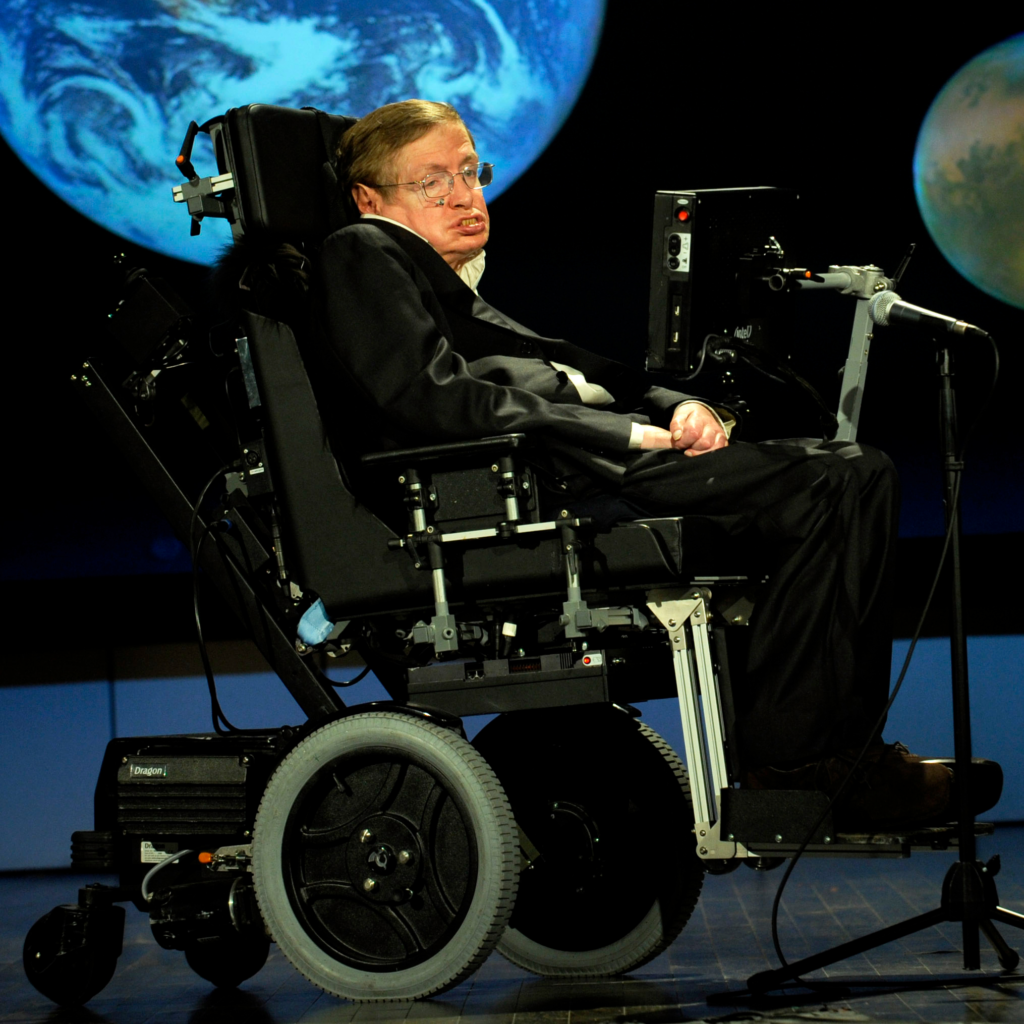
Individuals with high IQs are often celebrated as brilliant minds characterized by innovation and creativity. Stephen Hawking stands out as a prime example of such an intellectually gifted individual, having revolutionized the scientific community with groundbreaking theories. His contributions to understanding the origins and structure of the universe, including the concepts of the Big Bang and black holes, have left an indelible mark on the field. Moreover, his bestselling books have captivated readers worldwide.
Dr. Stephen Hawking
Despite his extraordinary intellect, Hawking remained remarkably humble. When questioned about his IQ score by a New York Times reporter, he famously responded, “I have no idea; people who boast about their IQ are losers,” as reported by The Atlantic.
The Shadow of the Brilliant Mind
Just as Ernest Hemingway said, “Happiness in intelligent people is the rarest thing I know”, a brilliant mind may not necessarily correspond to an equally brilliant and well-organized life. Possessing a sharp intellect often entails various costs, including emotional, social, or mental exhaustion, as well as overwork. Studies indicate that individuals with high IQs or brilliant minds are more susceptible to what’s termed “high intelligence disorders”, encompassing conditions such as depression, anxiety, and bipolar disorders.
In a comprehensive study by Ruth Karpinski (Pitzer College), 3700 participants from Mensa, an organization requiring an IQ in the top 2 percent, were surveyed. The research covered multiple aspects, including mental health. The findings of the study revealed a notably high prevalence of mood and anxiety disorders among Mensa members.
These findings hold significance because if a similar study were conducted within the general population, approximately 10 percent of individuals would experience anxiety disorders, and another 10 percent would experience mood disorders. However, these numbers are elevated among Mensa members. While high IQ individuals may possess advantages over others, they also experience various personal challenges, some of which we’ll explore below:
Loneliness: Breaking the Silence
High-IQ individuals often tend to critique others relentlessly, fixating on correcting errors without considering the social consequences. Seltzer noted, “Brilliant people have difficulty resisting the urge to correct others’ mistakes.” This habit can strain relationships, as constant criticism alienates others and impedes meaningful connections.
Some exceptionally intelligent individuals may choose to withdraw from social interactions altogether, either due to fear of rejection or impatience with those they perceive as less intellectually inclined. Despite this, many still yearn for the enriching benefits of companionship, such as profound discussions and emotional intimacy. However, their expectations are often unmet, leading them to prefer solitude over disappointing interactions.
During childhood, individuals with high IQs often breeze through school, achieving success with minimal effort in studying and paying attention. While this may appear advantageous, it carries significant repercussions.
In their formative years, these individuals miss out on developing crucial traits such as grit and perseverance, essential for navigating challenges later in life. Having rarely faced adversity, they assume that learning will always come effortlessly and that they will never encounter situations requiring substantial effort. However, they struggle to muster the necessary determination when confronted with adult challenges.
Tough Skin: Navigating Sensitivity to Critique
Individuals with high IQs often exhibit heightened sensitivity to sensory stimuli. Their elevated intellect leads them to process sensory information more deeply than their peers of average intelligence, rendering criticism particularly piercing and potentially causing lasting effects. This sensitivity can be exacerbated when an individual’s sense of self is closely tied to their intellectual prowess. Seeking validation through demonstrating their skills, they interpret the rejection of their abilities as a rejection of their very being.
Compounding this, individuals with high IQs frequently feel misunderstood, as most people lack their level of perceptiveness. Consequently, they are reluctant to accept criticism from those intellectually inferior. This scenario is akin to an accomplished artist receiving critiques from someone with rudimentary drawing skills – the artist would understandably hesitate to value feedback from someone lacking expertise or understanding in the field.
While many intellectually gifted individuals possess “intellectual humility,” the willingness to acknowledge their limitations, applying this trait becomes challenging when they perceive themselves as intellectually superior in each situation.
Decision Dilemmas: Conquering Choice Challenges
Contrary to popular belief, individuals with high IQs do not necessarily excel as decision-makers or information-gatherers. Research indicates that they are prone to similar errors as those with average intelligence and may even be more inclined to overlook their personal biases.
Individuals with higher IQs tend to engage in excessive analysis when making decisions, striving for the optimal solution to their problems.
In an article for BBC Future, psychological science writer David Robson highlighted that knowledgeable individuals often exhibit a “bias blind spot.” Despite their capability to criticize others’ flaws, they struggle to recognize their own shortcomings.
Moreover, individuals with higher IQs tend to engage in excessive analysis when making decisions, striving for the optimal solution to their problems. However, real-life situations rarely offer perfect choices devoid of drawbacks. This propensity to overthink, coupled with possible anxiety, can lead to analysis paralysis.
Unlocking Emotional Intelligence: Rising Above the Norm
Due to their inclination towards cognitive tasks, individuals with high IQs often overlook the emotional facets of relationships, work, and overall life.
This tendency isn’t entirely their fault, as society has long prioritized intellect over emotional considerations, primarily within professional contexts. The historical emphasis on pure intelligence as the sole path to success has hindered the acknowledgment and development of emotional intelligence. However, there has been a growing recognition of the importance of emotional intelligence in recent years, albeit still lagging behind mental intelligence in terms of societal recognition.
Emotional intelligence is crucial in personal relationships and isn’t solely relevant in professional settings. Those lacking in emotional intelligence often struggle socially, displaying a lack of empathy and sensitivity, contributing to the social isolation experienced by many high-IQ individuals.
Communication Conundrums: Breaking Barriers
Individuals with high IQs often approach questions and problems with unconventional perspectives, leading to intricate and complex thought processes that can be challenging for those of average intellect to grasp. Consequently, others may struggle to comprehend and accept the outcomes of their profound contemplation.
Moreover, many individuals with exceptionally high IQs struggle to communicate their ideas to others effectively. They may find it challenging to simplify their thoughts and reasoning to a level accessible to the majority or lack the social skills necessary to engage listeners effectively.
According to Psychology Today, individuals with high IQs may become impatient when attempting to convey their rapid thought processes to individuals who require more time to comprehend new concepts. This breakdown in communication, or the compromise of the integrity of their ideas, hinders their ability to align others with their perspectives.
The intricate interplay between intelligence and emotions highlights the unique psychological challenges individuals with high IQs face. Their heightened sensitivity, intense emotions, and rapid thought processes create a complex inner landscape, often leading to isolation and turmoil.
As parents, educators, and psychologists, we must provide these individuals with tailored strategies to navigate their inner world effectively. By equipping them with tools to achieve equilibrium and inner peace, we empower them to realize their full potential and find genuine happiness amidst the complexities of their intellect and emotions.
Ever wondered what happens to the human brain as the astronauts go into outer space? Humans came to know about this in the early 60s.
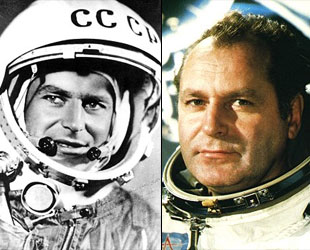
On August 6, 1961, Gherman Titov embarked on the Soviet Union’s second human-crewed space flight aboard the Vostok-2 spacecraft, marking a significant chapter in space exploration.
Everything seemed on course until Titov unexpectedly experienced nausea and became the first astronaut to vomit in space, revealing the challenges of adapting to the extraterrestrial environment. His deteriorating condition was termed Space Adaptation Syndrome.
In an attempt to recover, Titov slept for eight hours during the mission, hoping for improvement. However, his condition persisted. Remarkably, after completing 12 orbits, Titov miraculously adapted to the space conditions, shedding light on the human body’s resilience. Despite the initial struggles, he emerged from the agony feeling perfectly fine.
Soviet scientists attributed Titov’s condition to a disturbance in his vestibular system. His experience encouraged the Soviets to delve deeper into the effects of space travel on the human body, which became one of the primary objectives of subsequent missions, Vostok 3 and 4. The focus was on a comprehensive study of space neurology—an essential step in unraveling the mysteries of human adaptation to the cosmos.
This event marks a crucial turning point in the history of space exploration, highlighting the obstacles and achievements faced in the pursuit of mastering the final frontier.
Gherman Titov. Courtesy: collectSPACE
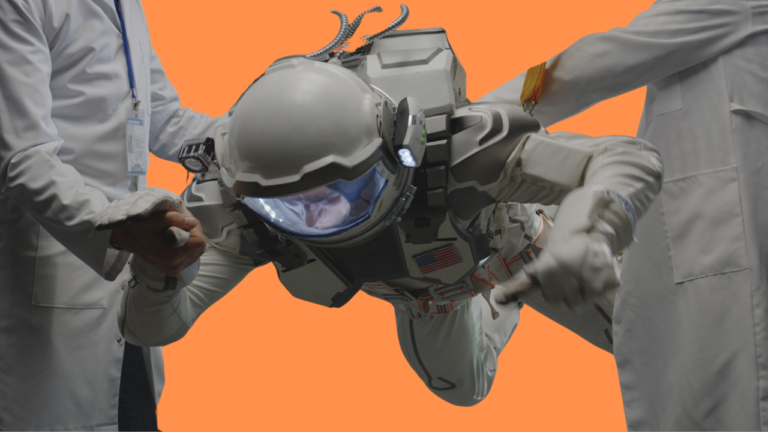
Space neuroscience has emerged as a crucial area of research, aiming to explore the complex interplay between the human brain and space or the extraterrestrial environment. This field encompasses a wide range of topics, including the impact of microgravity, altered spatial orientation, and other stressors encountered during space travel.
In this article, we will dive into space neuroscience, its significance, when and why it was started, and some current experiments and research in Space or the International Space Station (ISS).
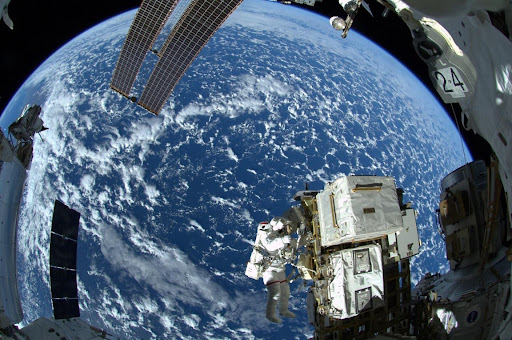
ESA astronaut Alexander Gerst took this image circling Earth on the International Space Station during his six-month Blue Dot mission while doing a spacewalk. ESA
What is Space Neuroscience?
Space neuroscience studies how the central nervous system (CNS) functions during spaceflight. Our senses provide essential information about our surroundings, which helps us orient ourselves. Understanding the potential neurological implications of space travel is crucial to ensure the safety and well-being of astronauts.
Space neuroscience is a vital field that helps us understand how the human body functions in space. By studying this field, we can develop strategies to help astronauts adapt to the unique challenges of space travel and ensure their health and safety.
Significance of Gravity
Our senses provide vital information about our surroundings, which helps us orient ourselves. Gravity is crucial to control body functions such as posture, locomotion, and eye movement. In the absence of gravity, our sense of spatial orientation can be disrupted, leading to errors in perception. This can significantly impact our ability to navigate and perform tasks in space.
For example, astronauts may experience difficulty maintaining their posture or coordinating their movements with balance. They may also experience problems with eye movement, which can affect their vision. The vestibular system plays a crucial role in creating a sense of balance and spatial orientation. In microgravity conditions, the vestibular system can become disturbed, leading to problems with balance and coordination.
Prolonged space travel brings about micro and macrostructural changes in the distribution of cerebrospinal fluid (CSF), which cushions and protects the brain in case of sudden shocks or concussions. Alterations in CSF distribution can lead to increased pressure on the brain, resulting in symptoms like headaches, nausea, and vision problems.
Another stressor in space travel is increased exposure to cosmic radiation, which can cause damage to the central nervous system, cognitive function, and even death. Hypercapnia, an excessive amount of carbon dioxide in the blood, can occur in space, leading to headaches, fatigue, and reduced cognitive function.
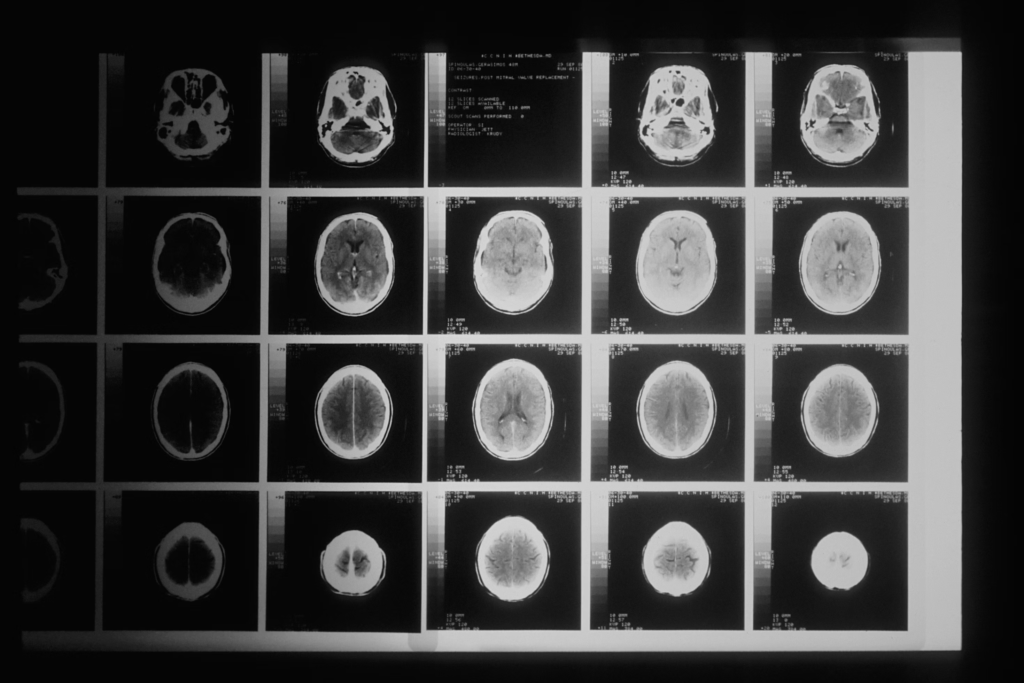
Furthermore, space travel can cause changes in cognitive performance and behavior. These changes can be evident as decreased attention span, memory issues, and impaired decision-making abilities. These effects are likely due to the micro and macrostructural changes in grey matter that occur during space travel.
Neurological Research in Space
The NASA Neuroscience program delves into the impact of spaceflight on the human brain, focusing on how living in altered gravity environments affects astronauts’ sensory and motor functions. Astronauts may experience nausea and disorientation initially, adapting over time to move more efficiently.
The Neuroscience team investigates these effects to mitigate risks to astronaut performance, conducting field tests near landing sites and utilizing advanced technologies like MRI to measure brain changes. Understanding these adaptive changes is crucial for developing sensorimotor countermeasures to enhance crew safety and mission success.
3DI neuronal cells cultured in microgravity for Neuronix, which tests a gene therapy for neurological diseases. MEDIA CREDIT: Image courtesy of Axonis Therapeutics, Inc.
Neuronix
Funded by the ISS National Lab, Neuronix is a study that employs 3D neuron cultures in microgravity to explore gene therapy’s potential for treating paralysis and neurological conditions like Alzheimer’s.
In July 2023, scientists from Axonis Therapeutics and ISS National Lab initiated an experiment aiming to utilize gene therapy in microgravity to address disorders such as Alzheimer’s and Parkinson’s disease.
The research involves transforming induced pluripotent stem cells (IPSCs) into various brain cell types, including neurons. iPSCs are stem cells derived from the skin or blood of a person and can be reprogrammed to convert into any cell.
These cell cultures will be sent to the ISS, which will assemble into 3D spheroids, creating a model brain for further testing. Because these models are crafted from the patient’s stem cells, they hold promise for personalized treatments tailored to that specific patient.
Amyloid Fibrils
In Alzheimer’s disease, beta-amyloid (Aβ) peptides – a chain of 42 amino acids- undergo abnormal processing, forming tiny, sticky protein fragments that tend to clump together, forming larger structures known as amyloid plaques. Over time, these plaques accumulate in the spaces between nerve cells in the brain.
The beta-amyloid peptides can further assemble into long, thread-like structures known as amyloid fibrils, which are considered key players in causing Alzheimer’s disease. The accumulation of amyloid fibrils and plaques is associated with toxicity to nerve cells. This can disrupt communication between nerve cells and contribute to the degeneration of brain tissue, leading to the cognitive decline characteristic of Alzheimer’s disease.
Recent research revealed that amyloid fibril formation is suppressed in microgravity conditions. The implications of this finding extend to the potential impact of space travel on neurodegenerative diseases. It suggests that the altered gravitational environment in space might influence the aggregation of beta-amyloid peptides, offering a unique perspective on the underlying mechanisms of Alzheimer’s disease.
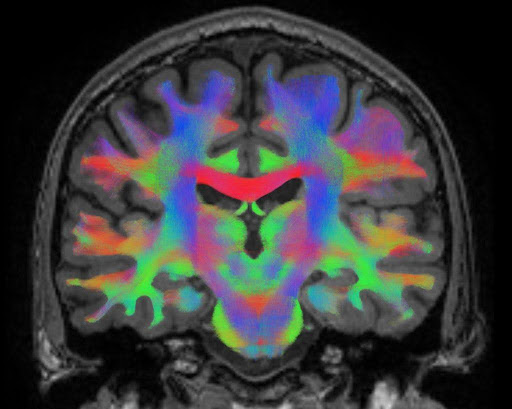
Neural networks shown in MRI scan. Courtesy: ESA
Brain-DTI
ESA’s Brain-DTI (Diffusion Tensor Imaging) experiment employs advanced MRI brain scans to investigate the impact of spaceflight on the brain. This study collects brain MRI scans from astronauts of the European Space Agency (ESA) and cosmonauts from the Russian Space Agency (Roscosmos). The primary goal is to understand how astronauts’ brains adapt to spaceflight and how the brain’s structure changes after space missions.
The Brain-DTI study has been awarded the Compelling Results award. It has already revealed some areas of the brain that adapt to new experiences based on conflicting signals from the body.
While the research is ongoing, it has begun shedding light on the brain’s plasticity — its ability to rewire in response to new stimuli. These findings may have implications for rehabilitation strategies for brain diseases and injuries on Earth.
The Brain-DTI experiment is integrated into a group of psychological and physiological measurements taken for the Standard Measures investigation and others. These studies collectively explore how the body, including the brain, undergoes changes during missions of varying durations.
Brain Aging in Space
Published in 2022, the research paper titled “Monitoring the Impact of Spaceflight on the Human Brain” delves into the effects of spaceflight on the brain and its aging process. The study, conducted by researchers from the University of California, San Diego (UCSD), aims to understand how microgravity, radiation, and other space-related factors influence the brain’s aging process at a molecular level.
The study found that long-term exposure to radiation and microgravity can lead to changes in the brain’s structure and functions. These changes are more pronounced than shorter missions and aging, particularly affecting fluid shifts and brain regions associated with sensorimotor functions. The findings could benefit future astronauts and contribute to strategies for safeguarding the human brain against cognitive decline.
CIPHER Studies
The CIPHER (Complement of Integrated Protocols for Human Exploration Research) studies conducted by NASA involve 14 multi-disciplinary investigations that carefully examine how spaceflight impacts various aspects of the human body. These studies focus on understanding the effects of spaceflight on bone and joint health, brain and behavior, cardiovascular fitness, vision changes, and other physiological and psychological parameters.
CIPHER is researching to understand how our bodies adapt and change over different timeframes in space. The study analyzes three to six weeks of short-duration, standard six-month, and longer missions extending up to a year. This approach provides a comprehensive understanding of how the body adjusts and transforms over prolonged periods in space. CIPHER examines astronauts after their return to Earth through immediate post-mission testing. This provides insights into how the body adjusts to Earth’s gravity after being in space.
Briefly, CIPHER is a meticulous scientific exploration that aims to comprehensively understand the physiological dynamics of humans during space travel and their subsequent return to Earth’s environment.
In short, space neuroscience has become an essential tool in our quest to conquer the final frontier. It helps us understand how the human brain copes with the challenges of space travel. Groundbreaking research in this field includes studies of Gherman Titov’s pioneering journey and modern experiments like Brain-DTI and Neuronix. This research unravels the complexities of neurological changes induced by space travel. The knowledge we gain from space neuroscience improves the safety and success of future space missions. It also has the potential to revolutionize healthcare on Earth by providing insights into neurological disorders and advancing our understanding of human adaptability.
In the current era, the younger generation is grappling with mental health issues at an unprecedented rate, in stark contrast to the past. The taboo surrounding discussions on mental health and therapy has begun to lift, shedding light on the pervasive impact of nervous disorders. This article explores the evolving landscape of mental health, focusing on two prevalent conditions: bipolar disorder and schizophrenia.
Bipolar Disorder
Bipolar disorder, also known as manic-depressive illness, is a complex mental health condition characterized by extreme mood swings that encompass episodes of mania and depression. Individuals with bipolar disorder undergo phases marked by intense emotions, shifts in sleep patterns, and alterations in daily activity levels[1].
They may partake in behaviors inconsistent with their typical actions, often unaware of their conduct’s potential harm or undesirability. These identifiable periods are called mood episodes, which bluntly contrast with a person’s normal behavior. Throughout these episodes, symptoms persist daily for a substantial portion of the day and can extend over extended periods spanning several days or weeks.
Bipolar episodes are like chapters in a book of emotions, where intensity redefines the narrative, and individuals navigate through the unpredictable terrain of their own minds.
Root causes of bipolar disorders
The origins of bipolar disorder are complex and involve a combination of genetic, biological, and environmental factors. Genetic predisposition is a significant contributor, with individuals with a family history of bipolar disorder being at a higher risk. Studies suggest that abnormalities in brain structure and function, neurotransmitter imbalances, and hormonal factors contribute to the development of this disorder. In addition, stressful life events, trauma, or major life changes can trigger the onset of bipolar episodes in susceptible individuals[2].
Bipolar disorder can affect individuals of various age groups but most commonly occurs in late adolescence or early adulthood. The typical age of onset is between 15 and 30 years, with cases being diagnosed during this period. In younger individuals, symptoms may present differently, making the diagnosis challenging.
Childhood-onset bipolar disorder, characterized by severe mood swings, can be particularly challenging to identify and is often misdiagnosed as other conditions[3]. In contrast, bipolar disorder in older adults may be complicated by coexisting medical conditions and medication interactions.
The origins of bipolar disorder are complex and involve a combination of genetic, biological, and environmental factors.
Complex Interaction of the Factor
Although bipolar disorder does not spread like infectious diseases, there is a clear familial pattern, indicating a genetic predisposition. If a close family member has bipolar disorder, an individual may have a higher likelihood of developing the condition. Environmental factors also play a crucial role, with exposure to stressful events, substance abuse, or disruptions in circadian rhythms contributing to the expression of bipolar symptoms in genetically susceptible individuals.
Schizophrenia
Schizophrenia is a prevalent, long-term mental health condition characterized by disruptions in cognition, emotions, and behavior. The common manifestations of this condition include hallucinations, delusions, disorganized thinking, and impaired social functioning. Although the precise etiology remains unclear, a combination of genetic, environmental, and neurobiological variables is believed to contribute to its development.
Schizophrenia, a chronic and severe mental health disorder, affects approximately 21 million people worldwide and presents a significant challenge in Pakistan, where an estimated 1-2% of the population grapples with this condition[4]. This complex brain disorder is characterized by a range of symptoms, including delusions, hallucinations, cognitive impairments, and a notable lack of motivation. These symptoms can profoundly impact individuals’ thinking, behavior, and overall functioning.
The prevalence of schizophrenia in Pakistan remains uncertain, which hinders effective strategies to combat this illness[5]. In addition to the lack of precise data, this challenge is exacerbated by prevailing misconceptions and inadequate awareness, particularly in rural areas characterized by low literacy rates. In these regions, there is a tendency to associate schizophrenia with spiritual possession, leading affected individuals to seek guidance from faith-based healers rather than from medical professionals[6].
This misguided approach not only perpetuates harmful practices, such as physical abuse, under the belief that it targets evil spirits but also contributes to the silent suffering of individuals with first-episode psychosis, as they often go without proper evaluation and treatment. While non-governmental organizations such as the Fountain House Network are working towards providing essential services, comprehensive government intervention is necessary.
Addressing schizophrenia in Pakistan requires a multipronged approach encompassing awareness campaigns, improved healthcare accessibility, and destigmatization efforts[7]. This not only involves accurate diagnosis, care, and treatment but also focuses on social inclusion and understanding to enhance the overall well-being of those affected by schizophrenia in the country.
Deja Vu: A Neurological and Psychological Perspective
Déjà vu (DV) is a psychological phenomenon characterized by a temporary and erroneous perception of new circumstances, objects, or people as already known. This phenomenon, coined by French psychologist Emile Boirac, is part of derealization disorders. DV is widely experienced in the general population, with estimates suggesting that up to 97% of individuals may experience it spontaneously or in association with sleep disorders and anxiety [8].
Two types of déjà vu are recognized: “pathological-epileptic” déjà vu in epilepsy patients resembling a seizure, and “nonpathological-nonepileptic” déjà vu, a normal psychological occurrence in healthy individuals. The occurrence of DV is noteworthy in both healthy individuals and those with psychoneurological conditions, such as Charles Bonnet syndrome, temporal lobe epilepsy (TLE), depression, or schizophrenia. Furthermore, they can indicate early brain lesions[9].
Cultural Beliefs and Alternative Treatment
Cultural beliefs significantly shape the interpretation of the symptoms of nervous disorders in Pakistan. Some communities attribute these conditions to supernatural forces, leading individuals to seek alternative treatments such as religious rituals or traditional healing practices. Bridging the gap between cultural perspectives and evidence-based mental healthcare is paramount for effective treatment and stigma reduction[10].
In Pakistan, the influence of traditions on the seeking of mental health treatment is profound. Cultural beliefs often dictate how nervous disorders are perceived, shaping the path individuals choose when confronted with mental health challenges. Unfortunately, these cultural nuances can also contribute to the development of taboos surrounding mental health.
In some regions, especially in South Asia, the “Peer Baba” concept is often associated with individuals believed to possess spiritual or supernatural powers. In certain communities, there is a tendency to consult Peer Babas for mental health issues, including schizophrenia[11]. However, relying solely on spiritual or faith-based approaches without professional medical intervention can be harmful.
Similarly, the stigma associated with nervous disorders is deeply ingrained, often stemming from misconceptions and historical beliefs. Mental health challenges may be perceived as a reflection of personal weakness or, as mentioned earlier, attributed to supernatural forces. The interplay between cultural beliefs and the associated stigma can create a double-edged sword.
On one hand, seeking alternative treatments, like religious rituals or traditional healing practices, might be perceived as more culturally acceptable. On the other hand, the fear of judgment or societal ostracization might prevent individuals from accessing evidence-based mental healthcare[12].
This cultural impact on treatment-seeking behavior further intensifies the existing taboo around mental health in Pakistan. It contributes to a climate where individuals, especially those suffering from nervous disorders, may opt for secrecy, fearing societal judgment. This, in turn, hampers the early diagnosis and intervention crucial for effective mental health management.
The extent to which social media affects mental health is considerable and encompasses various dimensions of our well-being.
Breaking cultural barriers and challenging the associated taboos is a complicated process that involves not only sensitizing communities about mental health but also creating an environment where seeking professional help is viewed as a courageous and culturally acceptable act.
Impact of social media on mental health perception
The rise in social media in Pakistan has both positive and negative implications for mental health. While online platforms can foster awareness and support, they may contribute to misinformation and amplify societal pressure.[13]
The extent to which social media affects mental health is considerable and encompasses various dimensions of our well-being. On the positive side, these platforms create a space for social connection, community support, and the dissemination of mental health awareness. However, the negative impact is significant as well, influencing self-esteem, fostering feelings of inadequacy, and contributing to issues like jealousy and the Fear of Missing Out (FOMO). The Fear of Missing Out (FOMO) is a psychological phenomenon exacerbated by social media[14].
The continuous stream of exciting and fulfilling experiences shared by others can make individuals feel like they are missing the joys of life. This fear can lead to dissatisfaction with one’s life, impacting overall mental well-being.[14]The comparison complex can also intensify feelings of inadequacy, as users may feel they don’t measure up to their online peers’ perceived successes and happiness.
Moreover, the relentless pursuit of an idealized life portrayed on social media can contribute to jealousy, creating an emotional landscape where individuals may feel envious of other achievements, possessions, or experiences. Recognizing the impact of social media on mental health perceptions is crucial to addressing the unique challenges posed by nervous disorders in the modern age.[15]
Diagnosis and Treatment
The diagnosis and treatment of mental health disorders involve a detailed and multifaceted approach according to individual well-being. Mental health professionals employ a comprehensive assessment process involving clinical interviews, observations, and standardized assessments to gain a deep understanding of the psychological state of an individual.
This examination comprehends various truths of their life, including thoughts, emotions, behaviors, and potential contributing factors. With an accurate diagnosis, personalized treatment plans are made to address specific needs. These plans often incorporate a mix of treatments, including medications such as antidepressants, mood stabilizers, or antipsychotics to alleviate symptoms associated with the diagnosed disorder.
An integral aspect of treatment is psychotherapy, offering a supportive and confidential space for individuals to delve into their thoughts, emotions, and behaviors. This therapeutic approach aids in gaining insight into mental health challenges, developing coping mechanisms, and fostering positive behavioral changes. Beyond medical and therapeutic strategies, lifestyle adjustments are vital in holistic mental health [16].
Importantly, support is fundamental for sustained mental health management. This support network includes healthcare providers, families, and community resources, ensuring individuals receive consistent care, understanding, and access to resources that enhance overall mental health and quality of life.
Cultural Stigma and Societal Challenges
Mental health stigma is deeply rooted in Pakistani society, creating significant barriers to acknowledging and addressing neurological disorders. Misconceptions and societal attitudes foster a reluctance to openly discuss mental health issues, leading to delayed diagnosis and treatment. Socioeconomic factors, including economic disparities and limited accessibility to mental health services, exacerbate these challenges[17].
In Pakistan, talking about mental health is not an easy conversation. It is like navigating through a maze of cultural stigmas and societal challenges. People facing these issues are hesitant to seek support because of the prevailing belief that admitting mental health struggles is a sign of weakness[18]. This societal stigma often forces individuals into silence, resulting in delayed diagnosis and treatment.
The hushed whispers around mental health not only foster widespread misunderstandings but also extend the suffering of those desperately in need. The impact is further intensified by economic disparities, where access to mental health services becomes a privilege rather than a basic right. To break this cycle, envision community initiatives dismissing myths and providing accurate information.
Organizing workshops fosters empathy and understanding, creating a society where neurological disorders are met with compassion rather than judgment. Advocacy for increased mental health resources becomes a collective effort, ensuring that everyone can readily access the support they require regardless of their economic background.
Arnold, I., et al., Old Age Bipolar Disorder-Epidemiology, Aetiology and Treatment. Medicine (Kaunas), 2021. 57(6).
Carlson, G.A., Differential diagnosis of bipolar disorder in children and adolescents. World Psychiatry, 2012. 11(3): p. 146-52.
Habiba, U., et al., Differential Treatment Responses in Pakistani Schizophrenia Samples: Correlation with Sociodemographic Parameters, Drug Addiction, Attitude to the Treatment and Antipsychotic Agents. Brain Sci, 2023. 13(3).
Nawaz, R., et al., Overview of schizophrenia research and treatment in Pakistan. Heliyon, 2020. 6(11): p. e05545.
Hasan, S. and M. Adil, Schizophrenia: a neglected problem in Pakistan. The Lancet, 2019. 394(10193): p. 115-116.
Ansari, I.J.I.J.E.M.H., Mental health Pakistan: optimizing brains. 2015. 17: p. 288.
Chervyakov, A.V., et al., EEG characteristics of déjà vu phenomenon. 2013. 21(1): p. 27-35.
Aitken, C.B. and A.R. O’Connor, Converging on understanding the déjà vu experience, in Memory Quirks. 2020, Routledge. p. 288-305.
Ahmad, S.S., and S.W. Koncsol, Cultural Factors Influencing Mental Health Stigma: Perceptions of Mental Illness (POMI) in Pakistani Emerging Adults. 2022. 13(5): p. 401.
Duckworth, K. and L. Halpern, Peer support and peer-led family support for persons living with schizophrenia. 2014. 27(3): p. 216-221.
Lippi, G., Schizophrenia is a member of the family: Burden, expressed emotion and addressing the needs of the whole family. S Afr J Psychiatr, 2016. 22(1): p. 922.
Pantic, I., Online social networking and mental health. Cyberpsychol Behav Soc Netw, 2014. 17(10): p. 652-7.
Gupta, M. and A. Sharma, Fear of missing out: A brief overview of the origin, theoretical underpinnings and relationship with mental health. World J Clin Cases, 2021. 9(19): p. 4881-4889.
Fauzia, J., et al., Social media-induced fear of missing out (FoMO) and social media fatigue: The role of narcissism, comparison and disclosure. Journal of Business Research, 2023. 159: p. 113693.
Podolan, M. and O.C.G. Gelo, The Functions of Safety in Psychotherapy: An Integrative Theoretical Perspective Across Therapeutic Schools. Clin Neuropsychiatry, 2023. 20(3): p. 193-204.
Husain, M.O., et al., Stigma toward mental and physical illness: attitudes of healthcare professionals, healthcare students and the general public in Pakistan. BJPsych Open, 2020. 6(5): p. e81.
Waqas, A., et al., Public stigma associated with mental illnesses in Pakistani university students: a cross-sectional survey. PeerJ, 2014. 2: p. e698.
“THIS ARTICLE IS DEDICATED TO MY KINDEST TEACHER, DR HAROON SHEIKH, MAY HE REST IN PEACE, WHO WORKED DEVOTEDLY IN GENETICS INVOLVED IN NEURO-DISORDERS AND PSYCHIATRY”