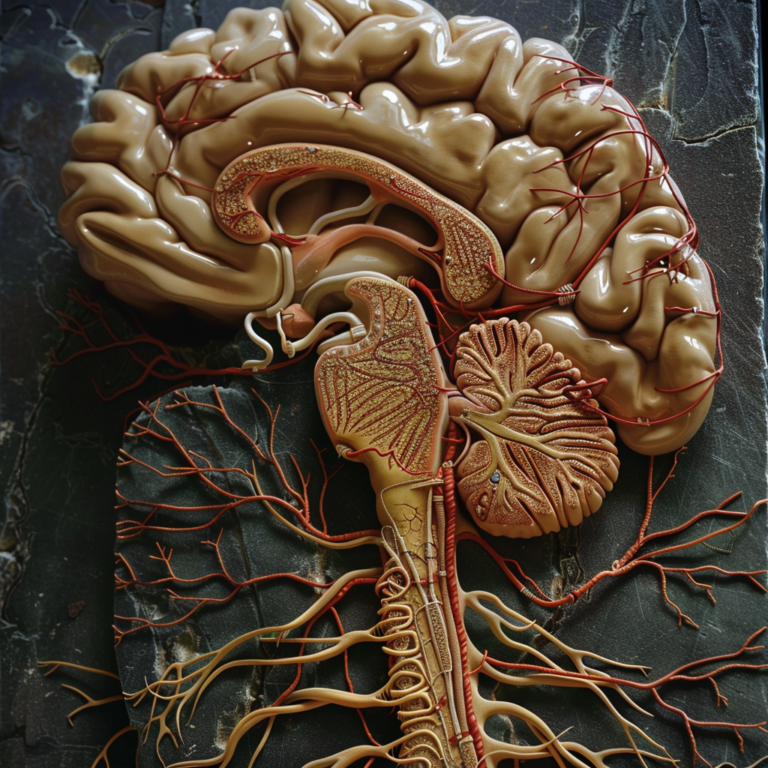
In the realm where science and storytelling collide, a captivating genre has emerged, exploring the intricate labyrinth of the human brain. Neurocinema, as it is aptly called, delves into the mysteries of neurosciences, unraveling the complexities of the mind while weaving compelling narratives that captivate and challenge your understanding of the human experience. Here are the top five movies that take you on an exhilarating journey through the corridors of neurosciences.
Eternal Sunshine of the Spotless Mind (2004):
As the process unfolds, viewers are taken on a non-linear rollercoaster ride through Joel’s memories.
Michel Gondry’s masterpiece, “Eternal Sunshine of the Spotless Mind,” is a mind-bending exploration of memory, love, and the fragility of the human psyche. Joel Barish, played by Jim Carrey, undergoes a revolutionary procedure to erase memories of a painful breakup with Clementine, portrayed by Kate Winslet. As the process unfolds, viewers are taken on a non-linear rollercoaster ride through Joel’s memories. The film raises profound questions about the role of memory in shaping our identities and the consequences of tampering with the intricate tapestry of our minds.
“Inception” challenges our perceptions of reality and delves into the power of the mind.
Christopher Nolan’s iconic film “Inception” transcends the boundaries of reality and dreams, offering a gripping narrative interwoven with concepts from neuroscience. Dom Cobb, played by Leonardo DiCaprio, is a skilled extractor who infiltrates the subconscious to steal secrets. The film delves into the nature of dreams, exploring the complexities of the mind’s architecture. With mind-bending visuals and a labyrinthine plot, “Inception” challenges our perceptions of reality and delves into the power of the mind to create entire worlds within the confines of our consciousness.
“A Beautiful Mind” stands as a testament to the resilience of the human spirit in the face of neurological adversity.
Based on the life of Nobel laureate John Nash, “A Beautiful Mind” navigates the highs and lows of a brilliant mind plagued by schizophrenia. Russell Crowe delivers a captivating performance as Nash, a mathematician whose groundbreaking work is overshadowed by the challenges posed by his mental health. The film provides a poignant exploration of the delicate balance between genius and madness, offering a glimpse into the internal struggles faced by those with mental disorders. “A Beautiful Mind” stands as a testament to the resilience of the human spirit in the face of neurological adversity.
“Limitless” sparks a thrilling debate about the untapped potential of the human mind and the ethical dilemmas associated with cognitive enhancement.
Bradley Cooper takes center stage in “Limitless,” a gripping thriller that explores the potential of unlocking the total capacity of the human brain. Eddie Morra, played by Cooper, stumbles upon a mysterious drug that enhances his cognitive abilities to extraordinary levels. As he transforms from a struggling writer into a financial wunderkind, the film raises ethical questions about the consequences of artificially manipulating the brain’s capabilities. “Limitless” sparks a thrilling debate about the untapped potential of the human mind and the ethical dilemmas associated with cognitive enhancement.
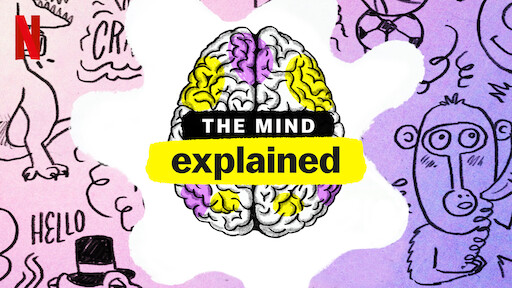
“The Mind, Explained” offers a unique cinematic experience, seamlessly merging neuroscience with storytelling to enrich our understanding of the mind.
A departure from traditional narrative cinema, “The Mind, Explained” is a documentary series that provides a deep dive into the complexities of the human brain. Narrated by Emma Stone, the series employs a blend of scientific expertise and engaging storytelling to unravel the mysteries of memory, dreams, anxiety, and more. Through a series of captivating episodes, viewers gain insights into the inner workings of the brain, delivered in a format that is both educational and riveting. “The Mind, Explained” offers a unique cinematic experience, seamlessly merging neuroscience with storytelling to enrich our understanding of the mind.
In neurocinema, these five films stand as beacons, illuminating the uncharted territories of the human mind. Each offers a unique perspective on the wonders and challenges of neuroscience, inviting audiences to ponder the limitless potential of our cognitive abilities and the ethical dilemmas that arise when tampering with the delicate fabric of our consciousness. I strongly recommend you watch one of these to experience mind-bending realities.
It seems odd to hear that what we eat impacts our body, health, and environment. Do you understand how the innocent pieces of French fries on your plate or the Coke in your glass could affect the land, air, and water around you? How would you connect these two, the food you consume and the world around you, together?
Let’s take a peep into two households. In family house A, meals are taken very seriously. The parents wish to give their children a balanced diet. Meals are planned ahead of time, and it is made sure all the healthy food groups are included according to their needed proportions; grocery lists are made, organic and low-calorie alternatives are chosen, and the food is served at proper meal times. No junk food is allowed in the house. Food in glass jars or cardboard containers is preferred to plastic packaged ones.
Family house B is a little on the loose side. The parents are somewhat not strict in terms of eating habits and timings. Both are workaholics and unaware of proper meal planning. If dinner isn’t cooked, ordering from a burger or pizza place is okay. It happens at least thrice a week.
Groceries include anything ready-to-cook and flexible they can find in the supermarket, like processed meat, frozen foods, packaged meat and vegetables, canned fruits, biscuits, cookies, bakery items, and other handy junk food items. Cold drinks and boxed juices are always in stock in the house. So are chocolate bars, jars of sugary hazelnut spreads, and mayo spreads for ‘emergencies’. There’s no fixed time to eat; anyone can help themselves to anything when they’re hungry.
I’m pretty sure after reading the scenario of both the houses; you’d be wishing you belonged to family B. Who doesn’t want to kick back and chillax, not bother about what’s to be done or planned, indulge in comfort foods, and satisfy cravings? Who would like to be troubled with dieting, meal planning, and calorie count? You only live once, eat heartily, and enjoy the flavors of life!
Maintaining a balance on your plate is essential for a healthier life.
As much as this sounds tempting to follow, we all know that discipline and self-control are crucial in everything we do in life. Maintaining balance is the key to a happy life; maintaining this balance on your plate is also essential for a healthier life. Let’s look at how the contents of your fridge and container affect the environment.
Analyzing how the two households impact the environment with their eating habits
Family A makes sure that whatever’s on their plate is always healthy. They buy organic and unpacked fresh food. They assist the environment in two ways. Firstly, they do not promote processed food markets. It means they do not support the processing and packaging in the industry to prepare these foods. Secondly, they do not produce any unrecyclable food waste. All their food waste and packaging is breakable and can become part of the natural environment.
On the contrary, family B contributes to the profit of the processed food industry. Commercialization of ready-to-eat masala mixes, meat products, and the like is growing common every day, and it’s because food preferences are tipping in their favor. It shows that these industries need to up-scale their procedures, factories, and industrial units, as well as need a more considerable amount of raw material.
Such irresponsible practices result in deforestation, crop production, artificial animal breeding and selection, and more land, air, and water pollution from industrial waste. Also, this food waste involves plastic, which is non-biodegradable and a threat to aquatic and terrestrial wildlife. Air pollution and deforestation eventually build up to severe threats like global warming and climatic changes.
Impact of food choices on the environment
The concept trying to be described above is simple: what you do comes around. If you deplete natural resources like food and fuel because of stupid choices, then the environment will drain and won’t support or protect us in the future.
The food waste involves plastic, which is non-biodegradable and a threat to aquatic and terrestrial wildlife.
Choosing wholesome, natural, and environment-friendly foods over-processed, packaged, and chemical, plastic-containing food is a smart choice for your mind, body, and environment. The less food processing, the healthier it is for you and this world.
What food choices need to be made by food industries and markets to address global climate changes and environmental depletion?
Many restaurant chains and food industries worldwide are now aware of the problems caused by improper waste disposal and plastic cutlery. They have, therefore, opted for better and more sustainable ways. Sustainability means environment-friendly methods that benefit the planet’s health and resources in the long run. Let’s explore some top examples of food industries and businesses adopting sustainable practices for a healthy plate and the environment.
Biodegradable Plastics
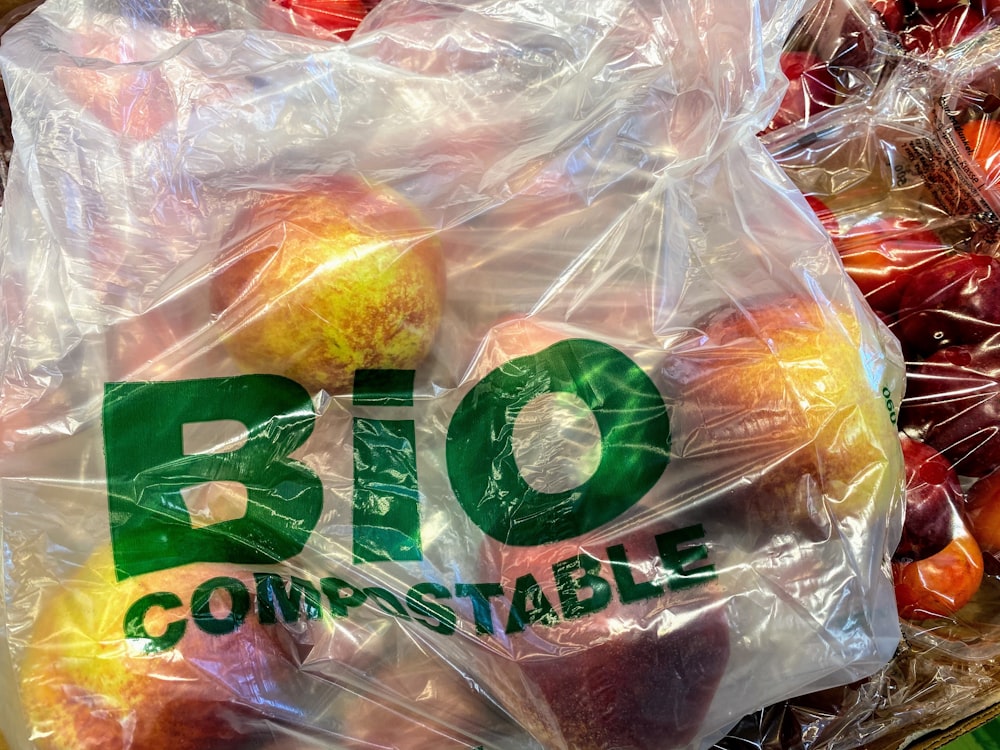
These plastics are made from biopolymers of starch and other carbohydrates. They take less energy to manufacture and decompose quickly, releasing no harmful substances into the environment. The first biopolymer was polyhydroxy butyrate, characterized by French microbiologist Maurice Lemoigne. The latter scientists made bioplastic from plant sources as well.
Composting food scraps
Instead of just stuffing landfills, fruit and vegetable peels and unwanted parts can be used as compost for gardens and precious nutrient-rich sources to grow new plants. Food scraps contain proteins and minerals that can be recycled to grow healthy plants.
Sustainable cooking
Saving fuel and energy and increasing the efficiency of cooking are very important. Choosing energy-saving microwaves and appliances and turning the stove and electricity off when not in use are handy tips for saving energy.
Food choices
Opting for organic foods, local foods, seasonal foods, growing one’s own food, properly preserving food, and cutting back on fast-food restaurants are all good food choices for your plate as well as the environment.
Saving energy
Using renewable resources for heating, cooling, and cooking saves money and time and the earth’s resources. Using biogas and other renewable energy resources is environmentally friendly. In the long run, they will be beneficial in solving problems like global warming and ozone depletion.
Another way to minimize energy costs is to use the refrigerator in a minimal amount. When meal planning, quantity management is also crucial. Buy food that you can finish in a week efficiently. Consuming fresh fruits, vegetables, and meat is ideal instead of freezing them for long periods. Some vitamins are also wasted this way, requiring constant cooling to store and keep them fresh.
I also believe that public awareness of these healthy and sustainable practices is half the step. Awareness through social media, seminars, and conferences to teach a healthy eating culture is a huge step toward bridging the gap between our plates and our surroundings.
According to the American Society of Addictive Medicine (ASAM), Addiction is a treatable, chronic medical disease involving complex interactions among brain circuits, genetics, the environment, and an individual’s life experiences. People with Addiction use substances or engage in behaviors that become compulsive and often continue despite harmful consequences1.
There has been a customary school of thought that Addiction is somehow related to drugs only, but it’s not a matter of fact. Addiction can be of any type, from drugs to behaviors; there can be an addiction to drugs like pain pills, nicotine, and caffeine and behaviors like gambling, lying, manipulation, and criminality.
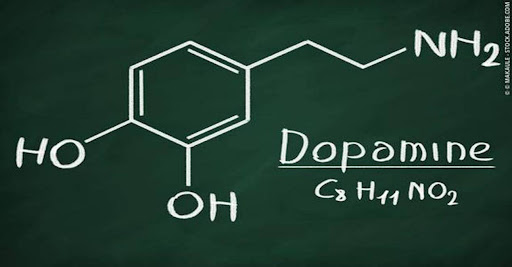
As you may have observed, dopamine release and the reward system/pathway rush to mind when you hear the word addiction. As reported by Oxford Academia, brain imaging studies reveal that the release of dopamine from most addictive drugs is far higher than that of rewards that are more crucial for survival2.
The reward system, one of the fundamental components of the brain, evolved to encourage survival-related actions like feeding. Eating triggers the reward pathways to produce dopamine, a neurotransmitter that gives us a surge of satisfaction. This encourages you to eat again in the future. When engaging in everyday activities, the brain emits dopamine. However, when using drugs like cocaine or heroin or engaging in compulsive behaviors like eating, shopping, or gambling, the brain is forced to release ten times as much dopamine as it would naturally, which prevents the brain from reabsorbing the dopamine and prolongs the pleasurable experience unnaturally.
The chemistry of the brain is altered in many cases of severe or chronic drug abuse to an extent where dopamine levels fall during routine activities such as sex, favorite meal etc. Photo
The chemistry of the brain is altered in many cases of severe or chronic drug abuse to an extent where dopamine levels fall during routine activities such as sex, favorite meal etc. The brain is being reset to correlate sensations of pleasure and reward with the expectation of extra pleasure and reward with the burst of euphoria that comes from drugs or obsessive activity in the setting of associative learning3.
Marijuana improves users’ Empathy
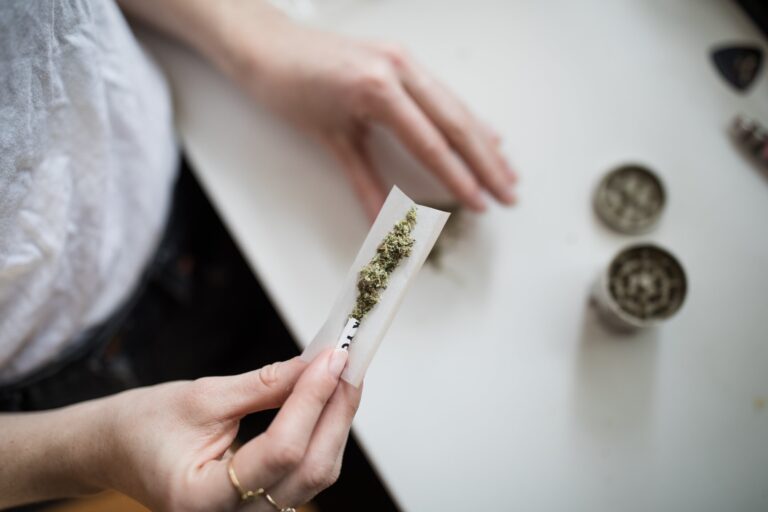
Recent research reveals that Marijuana increases empathy, which is the ability to understand and share another person’s feelings. Regular cannabis users “have a greater understanding of the emotions of others,” according to a study published in the Journal of Neuroscience Research. The study’s authors claim that these results “highlight positive effects of cannabis on interpersonal relationships and potential therapeutic applications.”
A team of neurobiologists from the National Autonomous University of Mexico observed 51 individuals who did not use marijuana and 85 individuals who did. Using the participants’ MRI pictures and the cognitive and affective empathy tests, the users were divided into 22 female and 63 male categories. The educational attainment of each group’s members was comparable. None of the study participants used psychopharmaceuticals or medicines with mental effects, cocaine, opioids, or other drugs that cause depression.
Subjects’ MRIs (Magnetic Resonance Imaging) revealed that marijuana users had greater connections around the brain responsible for feeling emotions in the body compared to non-users.
During the study’s questionnaire phase, those who used marijuana had noticeably higher proficiency in one of the four domains known as emotional comprehension. These abilities enable one to comprehend the feelings and motivations of other people. There was no difference in the abilities of users and non-users in the other three domains of empathy skills. Those three domains comprise:
The ability to share or tune into another person’s bad emotions is known as empathy for stress. Joyful empathy enables one to partake in the happiness and accomplishments of others. Taking a perspective or comprehending the viewpoints of others. “The analysis of the subject’s empathic ability, assessing both cognitive and affective empathy,” the authors said of the written testing. The ability to empathize is broken down into distinct domains, or “subscales,” such as “the ability to put oneself in another person’s shoes,” “the recognition of emotions and impressions in others,” and “the ability to feel or be in tune with others’ positive and negative emotions.”
The ACC mediates high-level cognitive processes like problem-solving and decision-making and psychological processes like social interaction, emotion, and empathetic reactions. Photo
The anterior cingulate cortex (ACC) is a region of the brain that “is prone to the effects of cannabis consumption and is also greatly involved in empathy, which is a multi-component process that can be influenced in different ways,” according to the team of neuroscientists who were trying to explain the findings. The ACC mediates high-level cognitive processes like problem-solving and decision-making and psychological processes like social interaction, emotion, and empathetic reactions.
According to the study, “we believe that the differences shown by regular cannabis users in the emotional comprehension scores and their brain functional connectivity could be related to the use of cannabis.” This is given that the ACC is one of the main areas that possess CB1 [cannabinoid] receptors and is heavily involved in the representation of the emotional well-being of others.
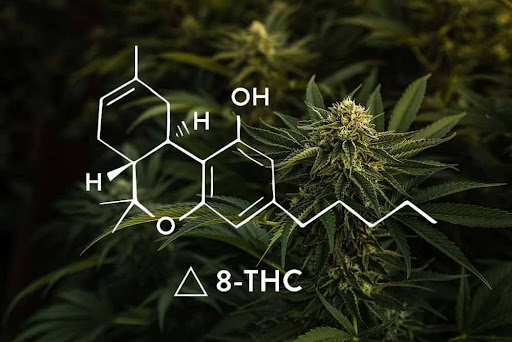
The binding process between cannabinoid CB1 brain receptors and Δ9-tetrahydrocannabinol (THC), the primary psychoactive ingredient in cannabis, has been connected to cannabis dependency. As was previously mentioned, humans have CB1 receptors on their ACCs, which are where THC binds. With a high concentration of CB1 receptors, ACC is vulnerable to regular cannabis use, plays a significant role in empathy, and takes into account the favorable effects of cannabis on mood and the positive effects that have been recorded4.
Seven-year-old Hala at the SOS Children’s Village in Rafah, in the southern Gaza Strip, lives under the constant threat of bombs falling nearby. Her parents and two brothers were killed in November 2023 during the murderous bombardment by Israeli forces.
Since October 7, 2023, the ruthless bombardment of densely populated civilian areas has exacerbated the already-critical mental health crisis for Gaza’s children with far-reaching consequences, as coping strategies and safe spaces are ripped away and mental health services and assistance are cut off.
In a study conducted in Nov 2023, the nonprofit organization Save the Children interviewed nearly 500 children and 160 parents in Gaza. It was found that 80 percent of children showed symptoms of emotional distress. About half of these children had verbalized suicidal ideas, and three out of five indulged in self-harming and/or risk-taking behaviors.
The current attack in Gaza has brought an unprecedented level of trauma to the children in Gaza. There is no safe place and no sense of security, with thousands displaced from their homes. Caregivers are themselves fighting for survival and are unable to help children cope with their overwhelming emotional reactions.
Children in Gaza are experiencing a multitude of psychological symptoms, including anxiety, fear, worry about their safety and of their loved ones, nightmares and disturbing flashbacks, insomnia, bottling up emotions, and withdrawing from loved ones without any support.
Looking at the war in Gaza from the lens of trauma neuroscience, Dr. Ali Jawaid, with his colleagues, has written an editorial for the scientific journal “Mental Health & Prevention.”
Dr. Ali Jawaid, MD-PhD is a Neuroscience researcher working on the long-term effects and transgenerational transmission of Adverse Childhood Experiences (ACE).
Talking to Scientia Pakistan, Dr Jawaid said that in the editorial, drawing from the concrete scientific evidence, they argue how transgenerational trauma forms the very core of the war in Gaza.
The current attack in Gaza has brought an unprecedented level of trauma to the children in Gaza. There is no safe place and no sense of security, with thousands displaced from their homes. Photo: Arab News
What is Transgenerational trauma?
According to Dr Jawaid, transgenerational trauma is an emerging scientific concept, which implies that the effects of psychological trauma can be transmitted from one generation to another.
To put it in simple words- if a parent is exposed to intense and/or prolonged stress in their life before becoming a parent, psychological symptoms will be passed onto their children, even if the children are not directly exposed to any significant trauma themselves.
How is trauma passed down through generations?
Dr Jawaid told Scientia Pakistan that “the effects of traumatic experiences can be passed down generations through psychosocial, as well as biological paths.”
“Psychosocial transmission implies that individuals who are exposed to overwhelming or persistent trauma may develop unhealthy behavioral patterns, which can impair their family life and parenting style. In this case, their children will experience neglect and negativity, eventually culminating in deficits in their own mental functioning,” he explained.
“More importantly, recent research, including our own work, indicates that psychological stress and trauma directly impact our reproductive cells, eggs, and sperm. As the fetus, the start of a new life, is formed from fertilization of sperm and egg; these effects are passed onto the offspring.”
How will the ongoing war in GAZA precipitate a vicious cycle of transgenerational trauma in the region?
Talking to Scientia Pakistan, Dr Jawaid said, “To answer this question, we have to draw from scientific studies, as well as seek guidance from history.”
“Scientific studies confirm transgenerational effects of Holocaust in Jewish communities. While it does not justify the atrocities Israel is inflicting on Gaza, it reflects that they are living in a state of fear and existential crisis due to their own transgenerational traumas,” he debates.
“Contrary, the attack on civilians in Gaza is one of the most unfortunate crises of human history where the children have been traumatized the most. Not only have thousands of children been murdered, but tens of thousands have been left without a surviving family.”
Dr Jawaid further explained that “Science tells us that childhood is the most vulnerable period for the effects of traumatic experiences on the brain and the germline. Thus, it is feared that these children will suffer from substantial mental health challenges, and the psychological scars of the bloodshed they are witnessing around them may trickle down generations.”
Children in Gaza are experiencing a multitude of psychological symptoms, including anxiety, fear, and worry about their safety and of their loved ones.
“I would like to reiterate this- losing parents, witnessing death, and starvation- each one of these is a risk factor for mental health impairment and transgenerational trauma, and the children in Gaza are unfortunately subjected to all these risk factors- all at once’’, he concluded.
What does Science predict about the extent of the transgenerational effects of psychological trauma in children?
Dr Ali Jawaid told Scientia Pakistan that “our research, substantiated from other scientific investigations, reveals that the transgenerational effects of psychological trauma during childhood extend beyond just mental health.”
“Not only those directly affected, but also their children, have an increased risk of depression, anxiety, risk-taking, and cognitive impairment, as well as metabolic perturbations and immunological changes.”
“To lay it out in simple language, one can say that psychological trauma, especially during childhood, puts those affected, as well as their children, at an increased risk for severe impairment in both mental and physical health,” he explained.
What does scientific research recommend on how the risk or effects of transgenerational trauma can be reduced, especially in the Gaza context?
According to Dr Jawaid, unfortunately, several science-based recommendations about how transgenerational trauma could be reduced cannot even be currently implemented in Gaza.
“A study from Gapp et al. showed that intergenerational effects of early life stress in a rodent model could be reduced by environmental enrichment- a strategy that combines physical, cognitive, and social stimulation.”
“However, due to extreme infrastructure destruction, it is not possible to envision how such multi-modality physical and mental health care could be provided to the suffering people in Gaza.”
“Nevertheless, the aid agencies could implement ‘psychological first aid’, a concept developed in the early 2000s that is focused on reducing the immediate mental health impact of human disasters.”
“It is also important to recognize their basic psychological needs and autonomy as humans. I want to quote the words of the Palestinian permanent observer to the United Nations, Mr. Riyad Mansour ‘Palestinian children should be treated as children and not as a demographic threat”.
With the final words, Dr. Ali Jawaid stresses that ‘’As scientists working on transgenerational trauma, we appeal to the world powers to ensure an immediate and permanent ceasefire in Gaza followed by an open condemnation and apology for the loss of civilian life there and sincere efforts for reconciliation and reconstruction.
We warn that each WCNSF (Wounded Child, No Surviving Family) is a wound on humanity, and if we don’t bandage these wounds now, they will bleed for generations.’’
Dr. Ali Jawaid, MD-PhD, is a Professor of Neuroscience working on the long-term effects and transgenerational transmission of adverse childhood experiences (ACE). He heads the Laboratory for Translational Research in Exposures and Neuropsychiatric Disorders at the Nencki Institute, Warsaw, Poland, and is a scholar of FENS-Kavli Network of Excellence, a network of 30 most prominent Neuroscientists in Europe. The opinions expressed in this interview do not represent the policies of his professional affiliations.
If you find the abilities of Doctor Octopus interesting, then there’s promising news: that reality is closer than you might think. Imagine a world where individuals like the character Doc Ock from Spider-Man can control prosthetic limbs effortlessly with their minds. What if your forgotten memories can be accessed naturally or learning a new language becomes as easy as downloading an app? Once confined to fiction, this futuristic concept can become achievable with advancements like Neuralink’s Brain-Computer interface.
Our brains are like natural electronic devices. Every move we make, every thought we have, is powered by electrical signals coursing through our nerves. When you move your arm to the right, specific sets of neurons are activated in a particular pattern. By using neuro-electrophysiological recording, a process that measures the electrical activity of neurons, we can quickly predict the direction in which the arm will move.
By using electrodes, we can capture and transmit these signals, which theoretically have the potential to enhance or restore brain function. This is the fundamental idea behind a brain-computer interface (BCI): a system that allows a person to control an external device using brain signals.
One of the most anticipated breakthroughs in Brain-Computer Interfaces (BCIs) comes from a company known as ‘Neuralink.’ Founded in 2016 by the visionary billionaire Elon Musk, Neuralink’s mission is to pioneer implantable chips within the human skull that will enable the user to control devices and help people with severe motor impairments seamlessly.
Musk has famously expressed concerns about the potential dangers of uncontrolled artificial intelligence. He stated that merging with AI through technologies like Neuralink is crucial for humans to remain relevant and avoid being surpassed by artificial intelligence. However, what exactly is the technology that Neuralink has initiated human trials on, why is it noteworthy, and what ethical considerations does it entail? All of these questions will be addressed in this article.
Monkey Playing ‘Pong’ Using Only Its Brain Source: Neuralink
Company’s Progress
In the initial stages, Neuralink focused on designing and testing electrodes that could record and stimulate brain activity. Over the years, they tested their devices through surgical implantation in various animals, such as monkeys and pigs. In April 2021, Neuralink displayed a significant advancement when a monkey demonstrated the ability to play the game “Pong” using the Neuralink implant. This breakthrough highlighted the potential for direct neural control of external devices.
Fast forward to May 2023, Neuralink achieved a major milestone as it received approval for human trials in the United States. Following this approval, in September 2023, the company initiated its first human trials, focusing on individuals with quadriplegia due to cervical spinal cord injury or amyotrophic lateral sclerosis (ALS).
On January 29, 2024, Elon Musk made an exciting announcement about a significant breakthrough. They successfully implanted a device in a human participant, marking a significant milestone. Musk expressed his optimism in a tweet, mentioning that the patient is recovering well and the results indicate promising neuron spike detection.
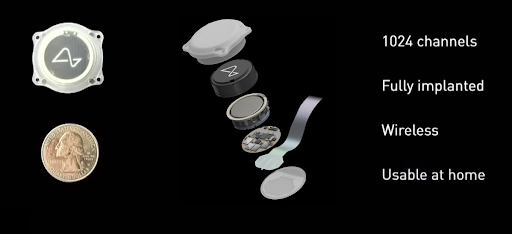
Exploded view of Neuralink’s implant with the N1 chip. Source: Neuralink
A Look at Neuralink Brain Chip Technology
Brain-computer interfaces (BCIs) have been around since the 1990s, and now several companies are developing their own versions. Two major competitors for Neuralink are ‘Synchron’ and ‘Blackrock Neurotech’. The New York-based company Synchron is focused on developing an endovascular BCI device that can access every part of the brain using the blood vessels. On the other hand, ‘Emotiv’ offers removable EEG headsets that enable users to control virtual objects and interfaces through brainwave patterns and averaged signals produced by populations of neurons.
However, what sets Neuralink’s N1 implant apart and makes it unique is that, unlike others, their device is implanted directly inside the skull. This allows the electrodes to touch the brain surface directly, enabling the device to target the activity of individual neurons. According to neuroscientists, this level of precision is necessary for sophisticated thought decoding. Additionally, the N1 implant is completely wireless, offering greater flexibility and convenience for users. This has never been done before, and scientists are eagerly anticipating its real-world usage.
Neuralink calls its device the N1-Chip, which is comprised of a probe. The probe, made primarily of polyimide (a biocompatible material) with a thin gold or platinum conductor, is inserted into the brain using an automated process carried out by a surgical robot. Designed specifically to insert multiple flexible probes rapidly and precisely into the brain, minimizing tissue damage.
Each probe has a wire section containing electrodes that can detect electrical signals in the brain, as well as a sensory area where the wire connects with an electronic system for amplifying and capturing the brain signal. While current technology limits the device to recording groups of neurons rather than individual ones, Neuralink’s ultimate goal is to decode neural information into a binary code, enabling a deeper understanding of brain function and the potential to stimulate neurons for therapeutic purposes.
Significance and Applications
But you might be wondering, how does all this fancy technology make a difference in our everyday lives? Well, beyond just being a marvel of engineering, Neuralink can change lives and reshape how we interact with the world around us.
It has an obvious application – to assist individuals with severe motor impairments in communicating and operating devices using their thoughts. This has the potential to significantly impact the lives of people with conditions like paralysis, granting them a newfound sense of independence and control over their surroundings.
According to the World Health Organization (WHO), approximately 15% of the global population (around 1.3 billion people) is affected by some kind of disability, with 2-4% experiencing significant challenges in their daily functioning (WHO, 2011). If Neuralink completes its human trials, it could significantly improve the lives of many individuals.
Neuralink is already envisioning its device to enhance human cognitive abilities, such as memory, attention, and problem-solving. A member of the visual neuroscience team at Neuralink shared that this project could offer a groundbreaking solution for individuals with retinal injury or blindness caused by eye trauma.
The essential plan involves directly connecting a camera to the visual cortex and using several thousands of electrodes to generate a visual image. In the future, this can potentially lead to superhuman vision, seeing the world in various wavelengths like ultraviolet or infrared light and radar. Cognitive disorders like dementia and blindness can be easily dealt with.
There is still a lot of uncertainty about how practical these applications are at the current stage of technological development. However, even if these advancements are difficult to achieve, Neuralink can still be incredibly valuable for studying the brain’s neural activity. This research has the potential to reveal important insights into consciousness and cognition.
“The side effect of this device is, you’ll end up learning a ton about how the brain works,” said one of the team members.
Public perception and reviews. Source Neuralink
Understanding Concerns and Public Perception
While we should remain optimistic for a futuristic world, the possibilities mentioned above are still miles down the road, even over the next hill. The initial human trials ‘prime study’ is expected to last around six years, and the FDA will closely monitor the progress to ensure compliance with regulatory standards and guidelines. Furthermore, several factors could potentially impact the realization of these possibilities, such as ethical considerations, regulatory approvals, and societal acceptance.
Firstly, one of the major problems with Neuralink is the lack of published data supporting its technology. Even though they have conducted various experiments and worked on perfecting the design of the chip, much of the detailed data and results from these efforts have not been made publicly available in peer-reviewed journals.
During a conversation with CBC News, Dr Judy Illes, an expert in neurology, expressed that the lack of transparency equates to a lack of scientific rigor at this point. Secondly, the public is concerned about Elon Musk’s ability to effectively safeguard sensitive data obtained from participants in clinical trials, given Twitter’s previous mishandling of data and breach of their commitment to protect user rights.
The company has also faced scrutiny and controversy over alleged animal cruelty, including accusations of violating the federal Animal Welfare Act. Reuters reported that over 1,500 animals have died during Neuralink’s experiments since its beginning in 2018. There are also reports of a large number of primates being euthanized after undergoing medical trials. According to employees, Musk exerted significant pressure on the staff to expedite animal trials, potentially leading to flawed experiments.
The FDA rejected the application for human trials a few times before granting the green light for limited human testing under strict conditions. One major concern was the surgical process involved in implanting the chip. While the implant itself is small, the procedure still entails brain surgery, raising concerns about potential complications such as bleeding, infection, and damage to brain tissue over time.
Moreover, there is concern about the possibility of the device interfering with the brain’s natural signaling patterns and the potential risk of components migrating to other areas of the brain.
Public opinion of Neuralink varies greatly, reflecting different views on the potential benefits and ethical implications of brain-computer interface technology. Some people are skeptical, pointing to Elon Musk’s history of making grand promises and not delivering on time. For example, a Reddit user named ‘Amazing_Ad7386’ commented, “Elon’s companies have a poor track record of overpromising (especially in delivery time) and underdelivering.”
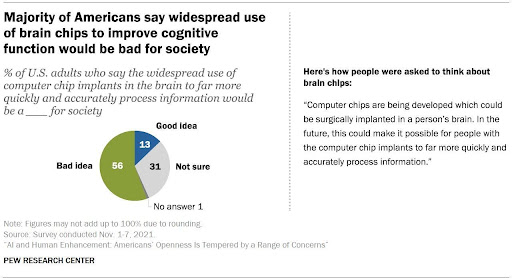
Similarly, a 2021 survey conducted by the Pew Research Center found that Americans are divided on the widespread use of brain chips. While 63% expressed concerns, viewing it as “meddling with nature” and crossing moral boundaries, 35% embraced the idea as a way to advance humanity.
A Twitter user named ‘Stormrobinson’ expressed similar opinions, saying, “It’s a true feat of engineering and monumental human achievement — but there’s no way I’m letting someone drill a hole in my head to install a computer. I’ll probably have to pay a monthly fee to use.”
These responses highlight the complex ethical, societal, and practical considerations surrounding Neuralink’s technology and its integration into everyday life. As discussions continue, it will be essential to address public concerns and promote transparency in order to foster wider acceptance and understanding of brain-computer interfaces.
Ultimately, the future of Neuralink holds immense potential in advancing neuroscience and human augmentation, offering hope for a future where technology enhances our lives while respecting our values and ethics.
Torrella, K. (2022, December 11). The Elon Musk Neuralink animal cruelty allegations, explained. Vox. https://www.vox.com/future-perfect/2022/12/11/23500157/neuralink-animal-testing-elon-musk-usda-probe
UN World Health Organization (WHO), World Report on Disability: Summary, WHO/NMH/VIP/11.01, 2011, https://www.refworld.org/reference/annualreport/who/2011/en/89207
On February 16, 2024, Syed Arsalan Hashmi, an engineer from the Bannu district of Khyber Pakhtunkhwa, welcomed his first child, a cute baby boy. The couple named him Azlan and got fully engaged in caring for their son.
“Life was going smooth, and our son was growing normal with expressing his liking for different things but was unable to start talking,” relates Arsalan. He used to say single words, and we hoped he would start talking over time.
While recollecting childhood memories of Azan, Arsalan Hashmi said he used to speak the names of things like car, cat, candy, etc., but could not express his feelings. Azan’s inability to start chatting even on his third birthday made his parents deeply concerned, and they decided to take the child to doctors for check-ups.
Medical practitioners diagnosed Azan with Autism Spectrum Disorder (ASD), a complex neuro-developmental disorder that affects a child’s communication, socialization, and cognition. The diagnosis of neurological disease was nothing more than a bombshell for both Arsalan and his spouse, which turned their sentiments of contentment into feelings of deep gloom and worry.
Parent’s woes due to lack of treatment facilities for autistic children
“Our distress was exacerbated manifold when we came across that no pediatrician in Bannu can treat artistic children, and we have to take Azan to big cities for rehabilitation through `Applied Behavior Analysts (ABA).”
The desperate parents found an Autism center in Karachi and rushed there with the hope of getting him cured. Arsalan used to take Azan four times a month to Karachi from Bannu for therapies. After six months of extensive traveling, he gave up due to enormous physical exertion for both the father and son and a substantial financial burden.
After a little pause, Arsalan took Azan to an autism center in Lahore. The Lahore Autism Center was a public sector entity catering to a large number of patients from Punjab; Arsalan realized after a few visits that his son could not get proper treatment there due to limited examination by therapists.
Meanwhile, a privately run Talha Autism Center in Peshawar grabbed Arsalan’s attention, and he started visiting the provincial metropolis every week for a few months. Observing slight improvement in the child, Arsalan and his spouse took a bold step, leaving their spacious Bannu home and renting a Peshawar.
Twelve-year-old Muhammad Yousaf has autism and deafness. Photo, Author
“Parents of autistic children in Pakistan are caught between a rock and deep sea due to the very high cost of treatment and mental stress they endure due to lack of proper cure facilities in their hometowns,” Arsalan shared his inner sentiments.
“The life of parents with an autistic child is harrowing with huge mental toll,” said Mrs. Imran, mother of a 12-year-old child, Muhammad Yousaf, who has autism and deafness.
Yousaf’s father lives in Dubai for employment; she migrated to Peshawar from Swabi at her parents’ home to treat her son properly at the government-run Autism Center. “My father-in-law sold his land, and I vented my jewelry for Yousaf’s treatment from Islamabad and Peshawar,” Mrs Imran informed.
Dedicated efforts and intense devotion by his mother improved severely autistic Yousaf, who has an innate inclination towards painting and is engaged in expressing his thoughts by spreading colors on paper. Recently, some of Yousaf’s artwork was displayed in an exhibition at Peshawar University, receiving a lot of appreciation and applause from participants.
Autistic children in underprivileged families living on God’s mercy
The hard-to-earn parents are unable to take their kids to other cities for treatment and leave them on God’s mercy, observed Bilawal, a goldsmith by profession and father of an autistic child from the Akhora Khattak area of the Nowshera district.
Bilawal said in his hometown; he found a lot of parents getting their kids treated through traditional healing by religious Pirs and taking them to shrines. Bilawal visited different cities due to the lack of autism treatment facilities in his hometown and finally got his son Mohammad Momin admitted to an Autism Center in Peshawar.
“I take my son three days a week to Peshawar from Akharo Khattak in a privately hired transport service,” shared Bilawal. “The expenses incurred on treatment are beyond my earnings, and I have been burdened with substantial financial debt during the last few years.”
“Lack of cost-effective treatment service for disadvantaged families having children with autism is pushing the patients toward the severity of the illness. They have attacks of aggression, head banging, self-biting, yelling, and confining in seclusion,” observed Muhammad Bilal, Managing Director of Talha Autism Center Peshawar.
Number of Autistic children in Pakistan
According to a study published in September 2023 in the International Journal of Surgery Global Health, no reliable data on the prevalence of ASD in Pakistan is available, as individuals with psychiatric disorders resist going to health professionals due to social stigma, leading to a low number of case reports failing to receive proper care from professionals.
However, the Pakistan Autism Society, while quoting some statistics from South Asia, estimated in 2020 that about 350,000 children have ASD in Pakistan.
A picture of autistic children during a collective activity at Talha Autism Centre in Peshawar. Photo, Author.
The plight of autistic patients in Khyber Pakhtunkhwa
Several factors have been identified that cause a child to be more likely to have ASD, including environmental, biological, and genetic factors. Experiencing complications at birth or having certain genetic or chromosomal conditions, such as fragile X syndrome or tuberous sclerosis, also causes autism among children. Consanguineous marriage and inter-family marriages are also some genetic factors that contribute to causing autism in children.
According to estimates, there are around 150,000 artistic children in Khyber Pakhtunkhwa who are in dire need of treatment from qualified therapists, observed Dr. Maheen Khattak, an experienced therapist who is the first ever and the only Board Certified Behavior Analyst (BCBA) in KP with additional qualification of Registered Behavior Therapist (RBT) from the US.
“After experiencing the illness of my daughter, I made it a life mission to serve children who have autism. In 2019, I set up a clinic at my home in Peshawar, named `Autism Jewel’,” Maheen told Scientia Pakistan.
“Realizing the increase in the number of children with ASD, the Khyber Pakhtunkhwa government, through the Social Welfare Department, set up an Autism Center in Peshawar to provide cures on free of cost basis,” informs Rizwan Ahmad, Project Director Center for Excellence for Special Children with Autism in KP.
“The center can provide rehabilitation services to 50 children, but we have admitted around 66 patients. They are from Peshawar, Charsadda, Mardan, and even Swabi districts who visit daily, covering a long distance for treatment and therapies,” Rizwan added.
“Dozens of patients are in line, and we receive more admission applications daily. Still, we cannot accommodate all the aspirants until the rehabilitation of the already enrolled children is complete.”
“Autistic patients are getting therapies, including Applied Behavior Analysis, Speech, Occupational, & Sensory Integration, by a staff of around 14 members, including seven psychologists, three speech therapists, three occupational therapists, and one physiotherapist.”
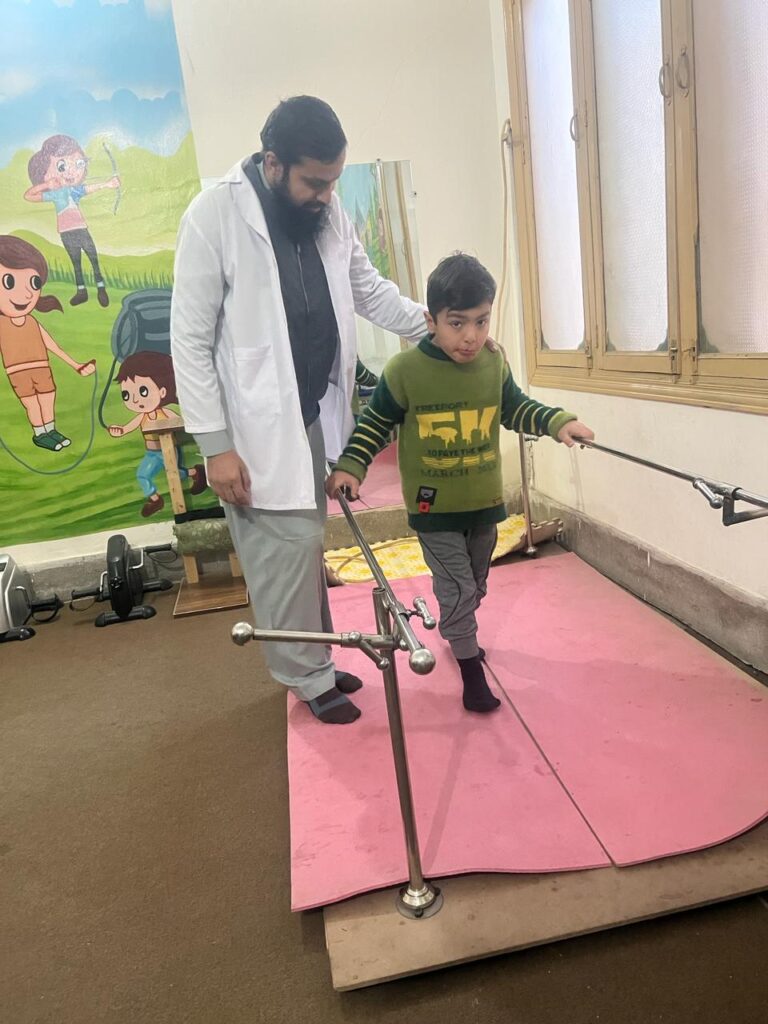
An autistic boy attending a physiotherapy session in Peshawar. Photo, Author
Certified therapists deficiency complicating treatment of autism patients
“Acute paucity of treatment of autism in Khyber Pakhtunkhwa through certified therapists could be gauged from the fact that the government-run Center of Excellence for Special Children with Autism in Peshawar is the only rehabilitation center, functioning under the observation of a qualified BCBA (Board Certified Behavior Analyst),” disclosed Ms. Rutaba, Speech Therapist.
Serving at the government-run Autism Center in Peshawar, Rutaba said the majority of private rehabilitation centers lack facilities of quality treatment through certified therapists but are functioning and charging enormous amounts from parents.
In Khyber Pakhtunkhwa, there is no such rehabilitation center for the cure of adolescents with autism, while the majority of private centers are admitting elderly autistic patients and receiving treatment charges, claims Maryam Jehangir, another psychologist who is also doing an online course on International Behavior Analyst (IBA) from an American institute. Even the Center of Excellence for Special Children with Autism in Peshawar has the facilities for rehabilitating children up to the age of 12 years and cannot provide service to adolescents, she added.
Lack of awareness causes delayed diagnosis of autism in children
“Early diagnosis and proper treatment could minimize adverse effects of the disease, but due to lack of awareness, parents recognize neurological disorders at later stages,” pinpointed Madam Tahira, a psychologist at Autism Center Peshawar.
She said diagnosis is also a very skillful practice, and Dr. Maheen is the only specialist in Khyber Pakhtunkhwa who can do an Autism Diagnostic Observation Schedule (ADOS-2) test for diagnosis of autism at an early stage. Due to the lack of diagnosis facilities, all the patients in Khyber Pakhtunkhwa are sent to Islamabad and Lahore for diagnosis.
Exorbitant fees deprive parents of getting their autistic children treated at private centers
“Parents of autistic children establish the majority of private autism centers, but unfortunately, the treatment they offer is costly and beyond the reach of the lower/ middle class. The minimum fee they demand is around 60,000 PKR (215.23$) for one month’s treatment,” laments Rizwan Ahmad, Project Director of the Center for Excellence for Special Children with Autism in KP.
The government should announce a subsidy as a token of support for those parents who cannot afford fees at private autism centers for the rehabilitation of their children, he suggested. A plan is also under consideration by the Social Welfare Department of KP to pay stipends monthly to children admitted at the Center for Excellence for Special Children with Autism.
The number of children affected by autism is rapidly increasing across the country, and this is the need of the hour to set up welfare-oriented Autism Centers, at least at the divisional level, Rizwan stressed.
“The humanitarian organizations serving in the country should consider the hardships faced by hard-to-earn parents in getting their children rehabilitated due to the high cost of treatment and extend financial support to them,” Rizwan suggested.
EKKO Wave Therapeutic Device- A ray of hope
A recent invention of a device, `EKKO Wave Therapeutic Device’ by a team of biomedical researchers from the National University of Science and Technology (NUST) in Pakistan, provided hope in treating developmental neuro disability. EKKO, the winner of the 2023 Better World Project Award, is a non-invasive, mobile therapy that takes concepts used for the treatment of muscles and applies them to the brain, informs Dr. Muhammad Usman Akram, who is in charge of the project.
Taking to Scientia Pakistan, Dr. Usman said around 150 parents are using EKKO devices at home and are sharing good results in the rehabilitation of their autistic children. The price of a device used at home is around PRK 50,000 (US dollars 179), and its vibrational waves aid in the fast recovery of muscles because of their resonance with the natural frequencies of the muscle fibers.
The EKKO improves patient access to treatment for symptoms like tongue dysarthria, motor speech aphasia/dysphasia, tongue apraxia, cerebral palsy, and eye squints. About marketing of EKKO, Dr. Usman said the NUST Technology Transfer Office is working with various departments and stakeholders and, in this connection, would also approach Autism Treatment centers in Khyber Pakhtunkhwa.
People often confuse the brain with the ‘mind’. And it is, for a fact, used interchangeably. Science literature obviously recognizes nature and what constitutes the ‘mind,’ but the impact is still not enough to be cemented into the subconscious of science-acclimatized people, let alone the lay folk. The brain is generally called the mind since it contains the immense and almost limitless intricate network of neurons that perceive, process, and execute decisions.
However, we have overlooked (for the mainstream at least) the presence of a complicated neural network within the gut wall. How this network works in synchrony with the workings of the brain and how it is affected by different influences will be discussed here. One of the influences is the presence of gut microbiota (bacteria, archaea, viruses, and fungi).
To understand this influential relationship, we must understand the hows and whys of the nervous system and Microbiota. We will find out why sayings like ‘you are what you eat’ and ‘butterflies in the stomach’ do make practical and scientific sense.
The nervous system
The nervous system in the human body consists of central and peripheral constituents. The central part is comprised of the brain and the spinal cord. The peripheral part consists of the autonomic (ANS)(network of nerves that regulates involuntary activities in the body) and peripheral nervous system (PNS). The peripheral nervous system consists of the numerous nerves that serve the voluntary functions of muscles and arise from the brain and spinal cord.
The enteric nervous system (ENS) present in the gut wall from the esophagus to the anus is part of the ANS. This is an extensive meshwork of neurons embedded within the gut, approximated to be 200-600 million in number, having a bidirectional relationship with the brain (sometimes referred to as the second brain)1. Along with regulating the inherent processes of the gut, like digestion and absorption2, these neurons influence the brain’s neurochemistry.
Meanwhile, the brain regulates these neurons through this feedback loop3. This axis has been referred to as the Gut-Brain axis (GBA). However, the ‘Mind’ referred to hitherto in the article also refers to this complex whole of the brain and the enteric nervous system, emphasizing this astonishing fact that how we behave, think, and act is not only orchestrated by the brain but also by what is in our bellies.
The Microbiota (the germs within)
The human body is a ‘super-organism’. It is said to host around 1014 bacterial cells within the gut, which outnumbers the human cells by a factor of 10. The same goes for the bacterial genome in the human gut, which is estimated to be approximately 100 times more abundant in the human body than the human genome itself. The organisms and humans live together in a symbiotic relationship where the gut environment provides shelter to them, and they exercise their numerous crucial roles. Some roles include regulating the immune, metabolic, and enteric nervous systems and the synthesis of vitamins4.
In addition, these microorganisms have a role in maintaining the integrity of the epithelial gut wall. This protection is invaluable in maintaining a barrier between certain ‘bad’ organisms in the gut and the blood. To benefit us, the Microbiota requires a certain balance between the different phyla, out of which Bacteroidetes and Firmicutes make up more than 90 percent of the total load in the guts5.
In addition to the bacteria, numerous fungi are populating the gut: Saccharomyces and Candida, to name a few. These exist in an existential harmony with the bacterial colonies to produce a state of balance within the gut and throughout the body. This state of balance of ‘homeostasis’ we keep referring to hinges on the harmony within the flora of the gut in terms of numbers and function.
Consider the reverse now or ‘dysbiosis,’ where the Microbiota is disturbed, which could happen for a multitude of reasons. One could be the use of antibiotics, which, as we know, act against bacteria, and as previously mentioned, our gut is loaded with them. Then there comes the fact that whatever we eat is also eaten and processed by the flora in our gut, and they are also picky eaters for their well-being. These bacteria process food and nutrients and produce chemicals that maintain a state of balance in the gut and the body. The nervous and immune systems’ well-being depends direly on this.
If we feed them harmful chemicals, the ‘good ones’ die out, and the ‘opportunist’ ones start increasing in number. These ‘opportunists’ render the harmonious environment redundant. Local inflammation starts to creep up, and problems of indigestion and malabsorption appear. In addition to this, the whole regulation of the enteric nervous system is dysregulated by the ‘dysbiosis’6. This will be explored later.
The human body is a ‘super-organism’. It is said to host around 1014 bacterial cells within the gut, which outnumbers the human cells by a factor of 10. The same goes for the bacterial genome in the human gut, which is estimated to be approximately 100 times more abundant in the human body than the human genome itself.
The Bi-directional link between the Brain and the enteric nervous system
The brain has a two-way highway between it and the enteric nervous system. To keep it simple, the brain feels what the gut feels, and the gut feels what the brain feels. The gut wall has a meshwork of neurons and its network, which senses even the subtlest of changes in the environment, and this is signaled to the brain, which in turn sends back signals to the gut for the effector response7. Changes in the gut can include changes in the flora, pH, or quantity/quality of food. This to-and-fro feedback loop is in addition to the local responses the ENS puts up, which include hormone/neurotransmitter secretion trying to adapt to the changing gut environment.
It is fascinating to note that the gut’s internal state profoundly affects the brain’s internal state. For example, the type of food we eat can, as we know, directly influence our moods and neurocognitive parameters through the blood after being absorbed. However, the local environment created in the gut by the foods we eat can also affect the brain state. The effector responses in the brain could be the release of or inhibition of the ‘happy’ or ‘pleasure’ hormones like serotonin and dopamine.
This results in a feedback loop whereby the state of the mind then influences how our gut acts in its functions. A depressed person is more likely to have a disturbed gastrointestinal (GI) than someone who is not. The ‘Mind’ thus is not just that chunk of fat in our skulls; it is a complex whole, with a synchronized control, between the brain and the ENS.
Influence of Microbiota on the ‘Mind’
The gut microbiota and its role in the normal functioning of the ENS and the brain have been studied extensively over the years. The gut, where they are located, has mainly been postulated to be the primary site of pathologies that give rise to neurodegenerative diseases like Alzheimer’s, Parkinson’s disease, and autism. Metabolic diseases like diabetes mellitus and even cancers are also considered to arise because of the inflammation in the gut wall, which occurs due to dysbiosis8. The microbiota release neurotransmitters and products of their metabolism of food, like short-chain fatty acids (butyrate, propionate, and acetate).
These play vital roles in the stability of the gut blood barrier, preventing inflammation and sending positive feedback signals to the brain that ‘ all is well9. Interaction between the bacteria and their products of metabolism occurs via specific receptors, which leads to the regulation of nerve function in the ENS. This is especially relevant when, in the setting of dysbiosis, pathogenic strains of bacteria, which generally are suppressed by the ‘good guy’ bacteria, start producing toxins that trigger inflammation in the gut-blood barrier and, through the ENS, may affect brain function through the feedback loops previously mentioned.
It has been shown in mouse models that microbiota-ENS interaction may facilitate CNS development during early years. This is evidenced by abnormal ENS architecture in mice made ‘germ-free’ mice, in whom reduced neuron density was also noted in studies10. Neuroactive molecules regulate nerve signals and affect neuropsychiatric parameters such as sleep, mood, and cognition. Chemicals (i.e., dopamine, serotonin, etc.) related to mood in different critical areas of the brain are regulated by the Microbiota of the gut7. One example which deserves mention here is the condition called ‘Irritable bowel syndrome (IBS)’.
Microorganisms within the gut are photorealistic. Photo Dr. Hunain Riaz
A condition of increased gut sensitivity to pain, which may or may not be associated with altered bowel habits and function. It has been shown that stress, especially early life stress, can predispose one to this condition. It has been demonstrated in rats that the Hypothalamic-pituitary-adrenal axis, when activated during stress (can be due to cytokines or external factors), releases cortisone, which leads to a change in the Microbiota and release of neurotransmitters in the gut, which alter gut movements.
This, in turn, creates a positive feedback loop whereby more cortisone is produced and more changes in the gut environment. The lack of certain bacteria in the Microbiota has been shown to predispose to depression/anxiety. This mechanism has been observed in depression/anxiety models of rat studies, which highlights the complex processes behind IBS7. Administration of certain bacteria, antidepressants, and cognitive behavioral therapy (CBT )11 can mitigate the exaggerated cortisone response and also, hence, the whole cascade.
Practical implications
It is quite evident that a healthy microbiota profile is essential to maintain the integrity of the ENS and its connections with and influence on the brain. In lieu of the said, maintaining a balanced & healthy lifestyle cannot be overemphasized. This includes living a life where stress is adequately managed, getting good quality sleep, and eating a balanced diet, which includes a generous amount of pre- and pro-biotics. Prebiotics are basically foods that contain high-quality fiber, which serves as food for the ‘good guy’ bacteria in our gut.
It would make sense to increase the number of the density of these by serving them the food they need. Examples include apples, bananas, onions, asparagus, etc. Probiotics, on the other hand, are live microorganisms that, when added to our diet, can naturally increase the number and diversity of microbiota and impart health benefits. Examples include mostly fermented foods (where bacteria and yeast convert carbohydrates into acids or alcohol) such as sour cheese and cream and dark chocolate, etc.
What is important to note is that foods like yogurt that are commercially available may not actually have the bioavailable probiotics mentioned due to the processes of heat treatment, preservatives, and sugar additives. ‘Kefir’ yogurt (a variety made from milk that is fermented longer than the usual yogurt) has three times more probiotics than traditional yogurt, especially more ‘live’ cultures.
Our guts play a central part in the nexus of neural control of our very beings, so next time you go shopping for food, remember, it is not only your gut that you will serve; it is your mind!
References:
J.B. Furness, B.P. Callaghan, L.R. Rivera, H.J. Cho
The enteric nervous system and gastrointestinal innervation: integrated local and central control.Adv. Exp. Med. Biol., 817 (2014), pp. 39-71
Fleming MA 2nd, Ehsan L, Moore SR, Levin DE. The Enteric Nervous System and Its Emerging Role as a Therapeutic Target. Gastroenterol Res Pract. 2020 Sep 8;2020:8024171. doi: 10.1155/2020/8024171. PMID: 32963521; PMCID: PMC7495222
M.J. Caycho Salazar F, Herrera-Covarrubias D, A. Coria-Ávila G, I. García-Hernández L, Rebeca Toledo-Cárdenas M, Elena Hernández-Aguilar M, et al. The Brain-Like Enteric Nervous System [Internet]. Topics in Autonomic Nervous System. IntechOpen; 2023. Available from: http://dx.doi.org/10.5772/intechopen.112571
Thursby E, Juge N. Introduction to the human gut microbiota. Biochem J. 2017 May 16;474(11):1823-1836. doi: 10.1042/BCJ20160510. PMID: 28512250; PMCID: PMC5433529.
Rinninella E, Raoul P, Cintoni M, Franceschi F, Miggiano GAD, Gasbarrini A, Mele MC. What is the Healthy Gut Microbiota Composition? A Changing Ecosystem across Age, Environment, Diet, and Diseases. Microorganisms. 2019 Jan 10;7(1):14. doi: 10.3390/microorganisms7010014. PMID: 30634578; PMCID: PMC6351938.
Lobionda S, Sittipo P, Kwon HY, Lee YK. The Role of Gut Microbiota in Intestinal Inflammation with Respect to Diet and Extrinsic Stressors. Microorganisms. 2019 Aug 19;7(8):271. doi: 10.3390/microorganisms7080271. PMID: 31430948; PMCID: PMC6722800.
Carabotti M, Scirocco A, Maselli MA, Severi C. The gut-brain axis: interactions between enteric microbiota, central and enteric nervous systems. Ann Gastroenterol. 2015 Apr-Jun;28(2):203-209. PMID: 25830558; PMCID: PMC4367209.
Steven Fried, Eve Wemelle, Patrice D. Cani, Claude Knauf, Interactions between the microbiota and enteric nervous system during gut-brain disorders, Neuropharmacology, Volume 197, 2021, 108721, ISSN00283908,https://doi.org/10.1016/j.neuropharm.2021.108721.(https://www.sciencedirect.com/science/article/pii/S0028390821002768)
Silva Ygor Parladore, Bernardi Andressa, Frozza Rudimar Luiz.The Role of Short-Chain Fatty Acids From Gut Microbiota in Gut-Brain Communication.Frontiers in Endocrinology.Volume 11,2020.https://www.frontiersin.org/journals/endocrinology/articles/10.3389/fendo.2020.00025.DOI=10.3389/fendo.2020.00025.ISSN=1664-2392
Antimatter, the unusual counterpart to ordinary matter, has captivated the minds of physicists and science enthusiasts. In 1928, when Paul Dirac was finding an equation to describe the behaviour of electrons, now known as the Dirac equation, he predicted two possibilities, one positive and one negative, similar to how a quadratic equation has two answers.
He didn’t leave out the other answer; instead, he called it the anti-electron (now known as the positron). In 1932, Carl David Anderson confirmed Dirac’s predictions when he discovered the positron by observing the tracks of cosmic ray particles in a cloud chamber.
One of the most intriguing aspects of antimatter is its behaviour under the influence of gravitational force. If we drop an ordinary book from a height, thanks to Isaac Newton, we know it will fall, but what if that book was made of antimatter? Existing theories state that antimatter behaves opposite to ordinary matter but not under the influence of gravity, but is this correct?
Will an anti-book fall or go upward? To better understand this and the beginning of our universe, we will delve into the perplexing properties of antimatter when subjected to the gravitational forces that shape the cosmos.
We first need to grasp the fundamental nature of antimatter to fathom the properties of antimatter in gravity’s presence. Antiparticles like antiprotons and positrons are mirror images of their counterparts with opposite charges and magnetic moments. For example, in the standard model, a proton contains two up quarks and one down quark, whereas an antiproton has two anti-up quarks and one anti-down quark.
Similarly, a positron (an anti-electron) has a positive charge, unlike an electron with a negative charge. Small amounts of antimatter travel down on the Earth through cosmic rays. Still, they are minute compared to the amount of normal matter, so scientists need to make them in a laboratory to study antimatter.
In the standard model, a proton contains two up quarks and one down quark, whereas an antiproton has two anti-up quarks and one anti-down quark.
One of the places where this happens is at CERN (European Council of Nuclear Research), the most extensive laboratory in the world for particle physics research located near Geneva at the border between Switzerland and France. The scientists here create antihydrogen atoms by binding negatively charged antiprotons, generated and decelerated in the Antimatter Factory’s AD and ELENA (Extra Low Energy Antiproton ring) machines, with positively charged positrons collected from a sodium-22 source.
When antimatter comes into contact with ordinary matter, it annihilates, resulting in a huge release of energy. This reaction is shown by Einstein’s famous mass-energy equivalence equation below:
E=mc2
This interaction raises questions about how antiparticles behave under gravity.
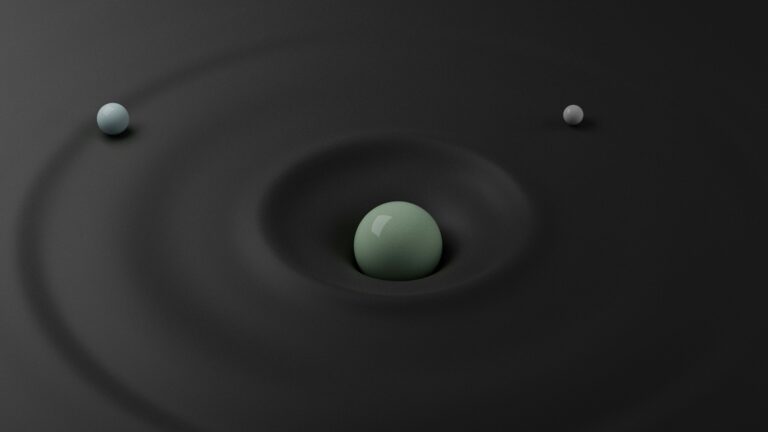
Now, let us talk about whether antimatter would fall or go up under the influence of gravity. According to Einstein’s general theory of relativity, gravity is a curvature of space-time; therefore, matter and antimatter should behave similarly. Thus, existing theories assumed that antimatter, although opposite to ordinary matter, would fall under gravitational force. However, as Jeffrey Hangst said, “In physics, you don’t really know something until you observe it.”
Scientists at Stanford University tried an experiment in 1968 that attempted to measure the free fall of positrons. In the end, a trial experiment with electrons showed that environmental effects interfered with the effect of gravity, and the final experiment was not executed. Recent technology and CERN’s ELENA machine construction have been experimented with at the Antiproton Decelerator (AD) in the Antimatter Factory.
Current projects like ALPHA (Antihydrogen Laser Physics Apparatus), AEgIS (Antihydrogen Experiment: Gravity, Interferometry, Spectroscopy), and GBAR (Gravitational Behavior of Antimatter at Rest Experiment) are working on research on antimatter and its properties.
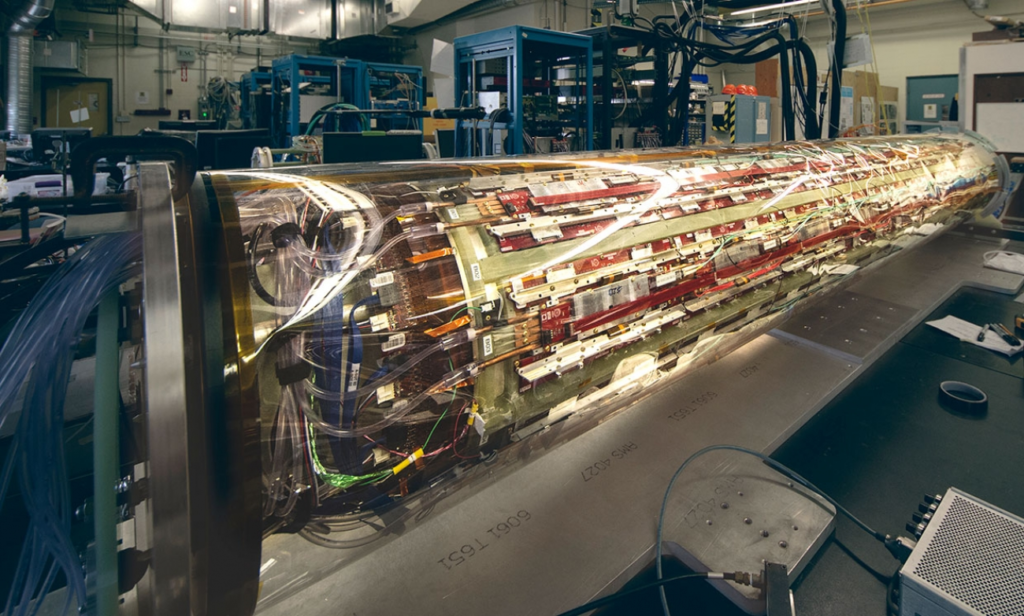
CERN launched the ALPHA Experiment, a cutting-edge scientific endeavour designed to explore and understand the properties of antimatter, particularly antihydrogen.
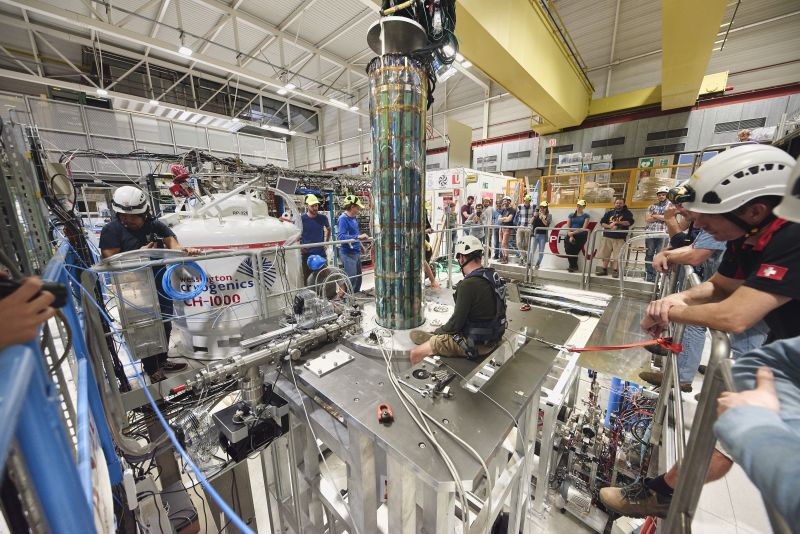
CERN launched the ALPHA Experiment, a cutting-edge scientific endeavour designed to explore and understand the properties of antimatter, particularly antihydrogen. The subproject of the ALPHA experiment, the ALPHA-g experiment, aims to study antihydrogen in gravity by releasing its atoms from a magnetic trap; this trap is essential so it does not annihilate.
It is important to note that most of the antihydrogen atoms are moving too fast to be captured in the magnetic trap, and only a few get captured; thus, they do this process many times to get a measurable quantity of them trapped in the magnetic trap. They then observe their behaviour under gravity by releasing them from the trap. When doing this with normal hydrogen, 80% of it falls, and they hoped to see the same percentage with antimatter.
The scientists at CERN’s ALPHA experiment published their observations on September 27, 2023, confirming that antimatter does experience a gravitational force similar to ordinary matter, and approximately 80% of them fell upon experimentation. This result aligns with the existing theories mentioned above. This is not the end of the story, and future experiments are focused on finding whether antimatter falls at the same rate as regular matter or not.
This was the first attempt to drop antimatter, proving what the human race can do in the future.
It is a remarkable feat of science that we have come to the point where antimatter can be created in a lab, contained without annihilation, and then experimented with. CERN’s Antimatter Factory is an extraordinary facility in the world that produces and studies antimatter. Future endeavours for scientists include finding more properties between antimatter and its counterpart. This was the first attempt to drop antimatter, proving what the human race can do in the future.
“THE SEA, ONCE IT CASTS ITS SPELL, HOLDS ONE IN ITS NET OF WONDER FOREVER.”-Jacques Cousteau
The marine ecosystem covers about 70 percent of our Earth’s environment. From the smallest marine microorganisms to the largest, the enormous Antarctic blue whale, this percentage comprises a vast diversity of living and non-living things. The world’s population in 2015 was about 7.3 billion, which increased to 7.9 billion in 2021. To meet the needs of this ever-growing population, we need to move towards new sustainable goals that provide basic needs to the people without negatively impacting the environment.
Blue biotechnology or marine biotechnology is a relatively new field. It utilizes marine biodiversity in terms of chemistry, physiology, and marine organisms. Unfortunately, the marine ecosystem remains the most under-explored, under-studies, and under-utilized, even with so many beneficial properties.
POTENTIALS OF BLUE BIOTECHNOLOGY
Science and technological improvements have made it easier for marine biotechnology to be applied in various industries, from food and feed to biomedical research and pharmaceuticals (Rotter et al., 2021). Marine biotechnology involves the production of commodities and processes obtained from marine creatures using technologies such as biotechnology, molecular and cellular biology, and bioinformatics.
This field is fascinating both scientifically and commercially. There are no ecosystems on the Earth that can provide greater genetic diversity for creating new commodities and processes than the marine environments. The marine ecosystem is undeniably enriched with many sources for compounds that have great importance in biotechnology (Thakur & Thakur, 2021).
Following are a few areas where blue biotechnology is beneficial:
PHARMACEUTICALS
Exploration of the marine ecosystem revealed evidence of various compounds derived from marine species, unraveling the application of marine biotechnology in the pharmaceutical sector. Marine natural compounds have up to four times the success rate of other naturally produced substances, making them a valuable source in medication development (Sigwart, Blasiak, Jaspars, Jouffray & Tasdemir, 2021).
These compounds are being used as antioxidants, antibiotics, analgesics, anti-cancer, anti-inflammatory, and antifungal medicines in the pharmaceutical sector (Mayer et al., 2019). Some FDA-approved medications based on marine biotechnology include YondelisR, PrialtR analgesic, and antitumor agent Cytosar-UR (Martins, Vieira, Gaspar & Santos, 2014).
NUTRACEUTICALS
Due to the growing population and dwindling agricultural food production, a considerable amount of food must be generated from ecologically favorable marine alternatives. (Olsen, 2011). Marine biotechnology, for instance, is extensively used to extract minerals, fibers, and secondary metabolites from macro-, micro-, and cyanobacteria for use as dietary nutrients or nutraceutical supplements.
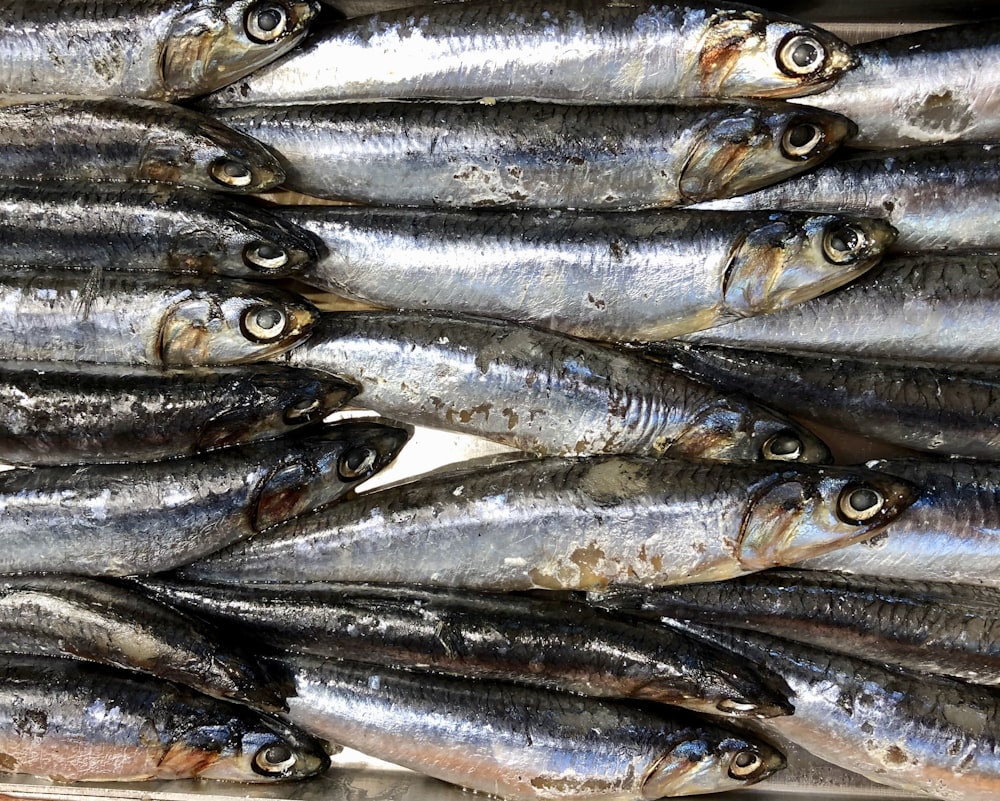
Fish are known to have established antioxidant and cardioprotective properties due to omega-3 fatty acids (Suleria, Osborne, Masci & Gobe, 2015). Thus, marine biotechnology is critical for assisting in resolving the worldwide crisis of health and nutrition.
Fish are known to have established antioxidant and cardioprotective properties due to omega-3 fatty acids.
COSMETICS AND COSMECEUTICALS
Marine biotechnology contributes significantly to the cosmetics sector by introducing novel substances into cosmetics formulation with additional health benefits that attract people’s attention. Several marine-based cosmetics have been obtained biotechnologically and are now on the market (Guillerme, Couteau & Coiffard, 2017).
Compounds used in cosmetic formulations are often isolated from microalgae or other marine organisms and then grown in photo-bioreactors. For instance, these components may be employed as antioxidants, gels, pigments, and other ingredients in skincare and hair care products. (Alves, Sousa, Kijjoa & Pinto, 2020).
Although several firms in the cosmetics industry, such as Mibelle BiochemistryR and GreenaltechR, fund marine biotechnology, there is relatively limited scientific evidence in this field (Barcelos, Lupki, Campolina, Nelson & Molina, 2018). Hence, research in this area should be promoted to enhance manufacturing procedures and the use of marine organism-derived chemicals.
BIOMATERIALS
Marine biomaterial is an ever-growing topic of study with substantial applications in industry, health, agriculture, biofuels, bioenergy, and other sectors. Despite industrial pollution, overfishing, and unforeseen climate change, marine biomaterials are plentiful. Marine biomaterials, including polysaccharides, bioceramics, enzymes, peptides, lipids, and nanoparticles, have a broad spectrum of biocompatibility.
Harvesting marine biomaterials is integral to the application of marine biotechnology. Marine biomaterials are a great alternative to traditional materials due to their extensive biocompatibility and ability to biodegrade with little to no side effects. Globally, marine biomaterials have established a strong market position and are attracting a broad spectrum of marine researchers and customers (Ali, Mir, Hyder & Yang, 2020).
BIOFUELS
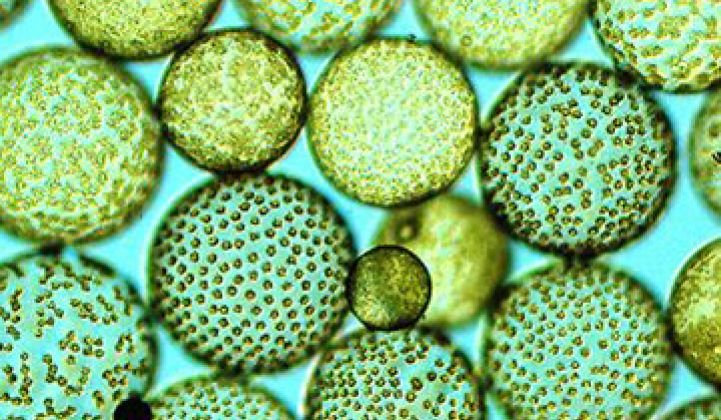
Marine biofuels are obtained from micro and macro algae and therefore have evolved as a potential substitute for terrestrial ecosystems. Marine biofuel produces 10-100 times increased yields than traditional biofuels obtained from the terrestrial ecosystem.
Marine biofuels are obtained from micro and macro algae and therefore have evolved as a potential substitute for terrestrial ecosystems.
Bioethanol, often referred to as 3 G ethanol, is the most widely synthesized biofuel using marine biotechnology. It is created from algae biomass (John, Anisha, Nampoothiri & Pandey, 2011). The energy produced from algae has considerable advantages, including minimal land usage; it does not impact agricultural production, and technologies with minimum costs are now being established.
Further, it is anticipated that biofuel generation would efficiently and successfully eliminate reliance on imported fuels. Utilizing microalgae’s capability to produce biofuel in Pakistan might help the nation become energy self-sufficient.
Even though Pakistan’s government has established many entities to nurture and facilitate alternative energy sources and achieve a 10% profit margin of biofuels in the energy industry by 2020, the goals have yet to be accomplished on ground levels (Shah et al. 2018).
FUTURE ASPECTS
Food security and world hunger are among the most recurring issues for developing nations. Amidst such problems, biotechnology is paving different ways and technologies to cope.
It offers promising, exciting, and environmentally friendly alternatives to meet the consumer demands for the sustainable development of agriculture. Biotechnology has different applications that can significantly impact and resolve world hunger by revolutionalizing fertility, agricultural biotechnology, and wellbeing.
As Mike Pompeo said:
“Feeding the world will be one of the greatest challenges of the 21st century. It will be impossible without using scientific advancements and biotechnology.”
Alves, A., Sousa, E., Kijjoa, A., & Pinto, M. (2020). Marine-Derived Compounds with Potential Use as Cosmeceuticals and Nutricosmetics. Molecules, 25(11), 2536. DOI: 10.3390/molecules25112536
Barcelos, M., Lupki, F., Campolina, G., Nelson, D., & Molina, G. (2018). The colors of biotechnology: general overview and developments of white, green, and blue areas. FEMS Microbiology Letters, 365(21). DOI: 10.1093/female/fny239
Guillerme, J., Couteau, C., & Coiffard, L. (2017). Applications for Marine Resources in Cosmetics. Cosmetics, 4(3), 35. doi: 10.3390/cosmetics4030035
John, R., Anisha, G., Nampoothiri, K., & Pandey, A. (2011). Micro and macroalgal biomass: A renewable source for bioethanol. Bioresource Technology, 102(1), 186-193. DOI: 10.1016/j.biortech.2010.06.139
Martins, A., Vieira, H., Gaspar, H., & Santos, S. (2014). Marketed Marine Natural Products in the Pharmaceutical and Cosmeceutical Industries: Tips for Success. Marine Drugs, 12(2), 1066-1101. DOI: 10.3390/md12021066
Mayer, A., Guerrero, A., Rodríguez, A., Taglialatela-Scafati, O., Nakamura, F., & Fusetani, N. (2019). Marine Pharmacology in 2014–2015: Marine Compounds with Antibacterial, Antidiabetic, Antifungal, Anti-Inflammatory, Antiprotozoal, Antituberculosis, Antiviral, and Anthelmintic Activities; Affecting the Immune and Nervous Systems, and Other Miscellaneous Mechanisms of Action. Marine Drugs, 18(1), 5. doi: 10.3390/md18010005
Olsen, Y. (2011). Resources for fish feed in future mariculture. Aquaculture Environment Interactions, 1(3), 187-200. DOI: 10.3354/aei00019
Shah, S., Raja, I., Rizwan, M., Rashid, N., Mahmood, Q., Shah, F., & Pervez, A. (2018). Potential of microalgal biodiesel production and its sustainability perspectives in Pakistan. Renewable And Sustainable Energy Reviews, 81, 76-92. DOI: 10.1016/j.rser.2017.07.044
Rotter, A., Barbier, M., Bertoni, F., Bones, A., Cancela, M., & Carlsson, J. et al. (2021). The Essentials of Marine Biotechnology. Frontiers In Marine Science, 8. doi: 10.3389/fmars.2021.629629
Sigwart, J., Blasiak, R., Jaspars, M., Jouffray, J., & Tasdemir, D. (2021). Unlocking the potential of marine biodiscovery. Natural Product Reports, 38(7), 1235-1242. DOI: 10.1039/d0np00067a
Suleria, H., Osborne, S., Masci, P., & Gobe, G. (2015). Marine-Based Nutraceuticals: An Innovative Trend in the Food and Supplement Industries. Marine Drugs, 13(10), 6336-6351. DOI: 10.3390/md13106336
Thakur, N., & Thakur, A. (2021). Marine biotechnology: An overview. Retrieved 19 December 2021, from http://nopr.niscair.res.in/handle/123456789/7759
The unprecedented takeover of the COVID-19 pandemic caused the downfall of several industries, yet it bloomed the digital world quickly. Humans have created a real-life version of a digital world known as the Metaverse.
Photo Credits: voicebot.ai
Meta, formerly Facebook, aims to extend its services beyond a 2D interface and towards an innovative 3D space to create more meaningful connections. People can experience the Metaverse through various ways, including Virtual Reality (VR), Augmented Reality (AR) and Artificial Intelligence (AI).
Although the online gaming world has dominated the Metaverse, it is much more than that. If executed successfully to the mass audience, Metaverse can change the traditional nine-to-five office lifestyle. It will allow people to free themselves from the shackles of an office routine and let them work remotely.
According to published research in 2023 called “Digital Business Model Innovation in Metaverse: How to Approach Virtual Economy Opportunities”, the change in the name of ‘Facebook’ to ‘Meta’ shows the significance of the digitalized universe.
Famous AI Assistants Photo Credits: Meta
Meta recently introduced AI versions of known personalities such as Kendall Jenner and Mr. Beast. This feature allows users to chat with these AI bots who have a name, personality and background story. It has met with significant criticism amongst some people on Instagram, who have labelled this as ‘creepy’ and said this further disconnects real and meaningful interactions. Additionally, Meta has accepted that the information provided by these AI characters may be outdated as it is before 2023, and further improvements will be made with time.
However, the Metaverse is not limited to social media platforms. It extends to companies selling physical products, such as Coca-Cola, Dyson and IKEA, who have already invested in the Metaverse. The increased interest of considerable corporations in virtual reality is a good enough reason to understand its impact on our future.
The economic aspects of the Metaverse
Much like the real world, no human being owns the Metaverse. It simply consists of different technologies and companies. People, therefore, are needed to buy, sell, operate and maintain parts of this digital world. In an article published by Gartner, a management consulting company, Jackie Wiles writes that the Metaverse will run on digital currency and non-fungible tokens (NFTs). Unlike Bitcoin or another cryptocurrency, NFTs cannot be replaced with another NFT. Although anyone can access and print the NFTs bought, it gives the owner of NFTs full rights to the original digital work.
Not long ago, some were suspicious of the emergence of digital currency, whereas others quickly invested in it and promoted this idea. Despite the constant change in the economic value of digital currencies, it can be used in the Metaverse. After all, the physical currency we use today also changes in value in the real world.
A while back, Damac, a real-estate company based in the UAE, invested $100 million in the Metaverse. One might think that such a massive investment in a developing idea is a bold step, but not Damac. Upon financial considerations, the company is optimistic about the outcome.
According to their estimations, the current monthly sales of $27.2 million can be multiplied by seven to eight times with this investment. They aim to expand their sales to customers worldwide through the Metaverse. That is, anyone sitting anywhere in the world can experience a virtual property tour and potentially purchase it with NFTs.
Depending on the product or service, respective companies have different plans for fitting themselves into this new universe. So, what is Pakistan’s goal?
Dawn News uploaded paid content on 20th October 2022, which advertised Pakistan’s first ever Metaverse start-up called “The Cloud City Metaverse”, or TCCM. This is a newly launched business, co-founded by Umer Abbas, where users can play in a virtual world free of charge.
A Digitalized Pakistan?
I tried to find research papers to understand Pakistan’s stance on this hot topic. Upon searching, I found zero published research that discusses the Metaverse and Pakistan in the same article; this is concerning. As the world promotes and invests in the Metaverse, Pakistan is not even in the picture’s background.
A 2015 research paper, “Design Consideration of Online Shopping Website to Reach Women in Pakistan”, published in the Procedia Manufacturing journal, shares that Pakistan ranks second as the world’s leisurely adopter of online shopping.
Another research, “Impact of Factors on Consumer’s Decision-Making Process for Online Shopping in Pakistan”, published by Salahuddin and Tahir (2021) in the Journal of Economic Development, Management, IT, Finance and Marketing, informs that the State Bank of Pakistan reported a 93.7% rise in the e-commerce sales of Pakistan as of 2018. This significant increase is due to the availability of the Internet to a larger population.
Editing Sarah Arif via canva.com
This country is home to many diverse shops. What if these stores opened up in the Metaverse and ultimately brought in customers in this universe as well? It will also introduce foreigners to famous and unique Pakistani items they can buy. That being said, enabling residents to invest and adapt to the Metaverse before it is too late is an issue that needs to be resolved.
In September 2022, Dawn News published an article titled, “The Metaverse opens up a world of possibilities for Pakistan. Can we take advantage?” The author, Hassan Baig, criticises Pakistan’s non-existent presence in this new era of technology and gives good initiatives it should take in the Metaverse. He emphasizes the government to do its honest part in promoting and establishing services in the Metaverse safely.
Moreover, Baig also shares various ways of utilizing the digital world in Pakistan. He suggests renowned Pakistani universities should offer courses in the Metaverse where world-renowned educators can teach. This approach will prepare undergraduates to tackle the digital world once they enter the corporate world. He also mentioned how Pakistan could effectively use the Metaverse, including investments in real estate, fashion outlets, security, crisis relief and skills training.
Furthermore, Dawn News uploaded paid content on 20th October 2022, which advertised Pakistan’s first ever Metaverse start-up called “The Cloud City Metaverse”, or TCCM. This is a newly launched business, co-founded by Umer Abbas, where users can play in a virtual world free of charge. At the same time, players can customize and own virtual infrastructure if they buy NFTs. Moreover, TCMM has also been invited to attend the Dubai Metaverse Assembly, among other international events, where it has received appreciation for its work.
The End is Near
The reign of the Metaverse is approaching with the introduction of every new technology. On the one hand, business owners and investors are keen on spending millions of dollars to expand and actualize the digitalized universe. Many employees would be happy to return to working from home, which is one of the dreams that the Metaverse aims to meet. An open and easily accessible worldwide market further enhances the available opportunities for merchandisers and consumers.
A 2023 article titled “Digital Business Model Innovation in Metaverse: How to Approach Virtual Economy Opportunities” in the Journal of Information Processing & Management predicted that the metaverse market could be worth $13 trillion by 2030. It would be not very pleasant to know that out of this $13 trillion, not a single penny belongs to Pakistan.
This can be changed if more tech-based start-ups like TCCM are encouraged and funded by the country. Pakistan should adapt its people to the constant change in technology to stay up-to-date and contribute to the advancements in the world.
Amid the rise of the Metaverse, Pakistan must secure its position as a vital member of the virtual world to promote employment and success amongst its citizens. Nonetheless, the Metaverse is still a relatively new concept that needs to be perfected and understood better before people can entirely rely on it.