Home Blog Page 27

Is electrical energy an alternative to more carbon footprints?

The entire greenhouse gas (GHG) emissions that a person, business, event, or product is responsible for, directly and indirectly, are called their “carbon footprint.”  The total emissions attributable to the creation of raw materials, manufacture, usage, and end-of-life are combined to determine it. GHGs, such as carbon dioxide (CO2), methane (CH4), and nitrous oxide (N2O), each having a different capacity to trap heat in the atmosphere, may be released during the lifespan or lifecycle of a product. The global warming potential (GWP) of each gas, measured in units of mass of carbon dioxide equivalents (CO2e), accounts for these discrepancies. [1].

Emissions of Carbon Footprints on a Domestic Scale

Most of our houses’ carbon footprint comes from heating and cooling systems. These gadgets are frequently powered by electricity, and the energy-producing method determines how much carbon dioxide is released into the atmosphere. For instance, compared to energy produced from renewable sources like solar or wind power, electricity generated from coal creates a lot more carbon dioxide.

The use of electric vehicles (EVs) to lessen transportation-related carbon emissions is growing in popularity. However, the carbon impact of EVs still depends on the electrical source used to charge them. When electric vehicles (EVs) are charged using coal-generated power, their carbon footprint is more than when they are charged using renewable energy sources.

The world’s leading energy source is fossil fuels, including coal, oil, and natural gas. However, they also contribute significantly to the annual emissions of CO2 into our atmosphere, amounting to billions of tonnes. Fossil fuels leave some of the most significant carbon footprints. Oil emits 970 grams of carbon dioxide per kWh generated, coal 820 grams, and natural gas 490 grams on a life-cycle basis. They are considered dirty energy since they directly contribute to climate change and have several detrimental environmental repercussions.[2].

Eighteen thousand terawatt-hours of energy are produced by electrical power yearly, accounting for around 40% of all energy people use. It produces more than ten gigatons of carbon dioxide annually, the most significant sectoral contribution to outputs from fossil fuels. However, various technologies, including solar, wind, nuclear, and geothermal, may provide energy without releasing any net emissions of carbon from fuel combustion.[3].

Does Electricity Produce Carbon Dioxide Emissions?

Not all Electrical Energy is produced using energy sources that are renewable and clean. In real terms, consuming fossil fuels like coal, natural gas, and oil contributes much of the world’s electrical power. Currently, sources that release carbon dioxide and other greenhouse gases (GHGs) account for 63.3 per cent of the world’s energy consumption. Burning fossil fuels produces electricity by rotating turbines or generators, which use heat to produce power. In 2021, the US generated 38 per cent of its energy from natural gas, 22 per cent from coal, and 1 per cent or less from other petroleum products.[4]. 

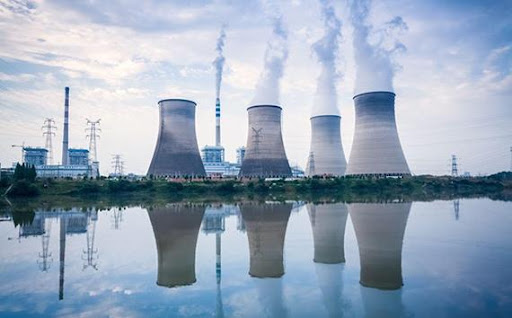
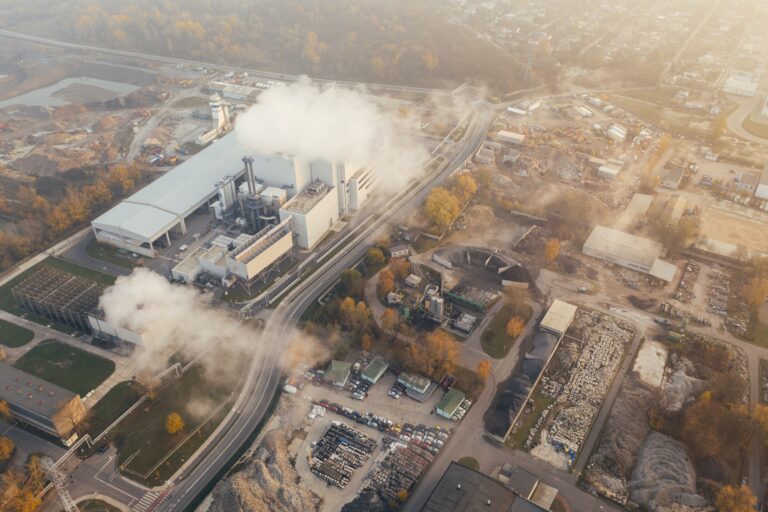
The production of electricity globally often involves the combustion of fossil fuels, primarily coal, oil, and natural gas shown in the figure accordingly, it results in the creation of CO2.
The production of electricity globally often involves the combustion of fossil fuels, primarily coal, oil, and natural gas, shown in the figure accordingly; it results in the creation of CO2

Heat and Electrical Energy production accounts for more global CO emissions than other industries. The heat and electricity combined caused 15.59 billion tonnes of greenhouse gas emissions worldwide in 2018. In context, the automobile industry produced 8.26 billion tonnes of carbon dioxide in the same year, making it the second-highest emitter. 

The combustion of coal is the main contributor to over 90 per cent of carbon dioxide emissions from the production of energy worldwide. Worldwide, coal continues to be the principal fuel used to generate energy. 37 per cent of the power produced worldwide in 2019 came from coal combustion.

How can we calculate carbon emissions from electricity consumption?

Since there are many different ways to generate power, it can be challenging to determine the worldwide emissions associated with electricity use. For instance, the US employs both clean and renewable energy sources, such as geothermal, wind, solar, hydropower, biomass, and nuclear power, alongside fossil fuels like natural gas, coal, and oil.

Kilowatt-hours (kWh) are used to quantify power use, and agencies such as the U.S. Energy and Information Administration (EIA) estimate the amount of carbon dioxide released from each kWh.   


On a life-cycle basis, green energy's carbon footprint ranges from 12 to 48 grams of CO2 equivalent per kWh (gCO2/KWh) of electricity produced; here is a complete description of the carbon footprint of certain energy types). [5]
On a life-cycle basis, green energy’s carbon footprint ranges from 12 to 48 grams of CO2 equivalent per kWh (gCO2/KWh) of electricity produced; here is a complete description of the carbon footprint of certain energy types). [5]

How can we reduce the carbon footprint emissions?

Improving efficiency is the most straightforward approach to reducing the carbon generated during power production. However, these benefits have their boundaries, and there’s the well-known problem that increased efficiency might result in increased consumption.

 Therefore, switching to carbon-free power sources is a necessary part of the global response to climate change. This calls for a reexamination of carbon pricing as well as, in certain situations, the development of new technologies, transmission networks, and intelligent grids. Above all, though, larger-scale carbon-free generation from diverse sources is required to meet the world’s growing energy needs.

Carbon capturing and storage: Refusing to discharge CO2 from fossil fuels into the atmosphere is one option to giving them up. Using carbon capture and storage (CCS) technology, CO2 is extracted from exhaust gases and stored underground. The method might cut carbon emissions from power plants by 80–90 per cent, but that amount could decrease to as low as 67 per cent when life-cycle considerations are taken into account.[6]

Conclusion

As a more sustainable and environmentally friendly substitute for fossil fuels, now the world’s primary energy source and a significant cause of greenhouse gas emissions, electrical energy has enormous promise. The article emphasises how carbon capture and storage (CCS) technology and energy storage solutions may help with the problems of using renewable energy sources and lowering carbon footprints. 

The article’s conclusion emphasises the need for people to support energy efficiency initiatives, invest in CCS technology, and hasten the adoption of renewable energy sources. It inspires people to make little, everyday adjustments to help achieve future carbon neutrality.

References:

Also Read: Cow burps heat up the Earth; Biotech company invents Bovine Beano

How Carbon Footprint Impacts Mental Health

The influence of climate change on health systems is a significant concern. It has the potential to undermine decades of progress in public health and disrupt the delivery of high-quality care. The increasing frequency and intensity of heatwaves, flooding, and storms, as well as the emergence of new infectious diseases, pose a threat to the health of individuals and communities worldwide. 

The healthcare sector, responsible for a significant portion of global greenhouse gas emissions, has a crucial role in mitigating the effects of climate change. By reducing emissions, healthcare providers can contribute to global efforts to combat climate change and improve patient care, staff satisfaction, and cost savings[1]. 

In addition to preventing the initial health impacts of climate change, mitigation efforts can also lead to co-benefits such as cleaner air, increased physical activity, and more nutritious diets, which can improve overall well-being. These co-benefits can help offset the costs of mitigation interventions, making them a more attractive option for healthcare providers.

Discovering the impact of our carbon footprint can lead to feelings of guilt and shame about our past and current environmental behaviours.

What is Carbon Footprinting?

Carbon footprinting measures the total greenhouse gas emissions, primarily carbon dioxide (CO2) and other greenhouse gases, produced directly and indirectly by individuals, organizations, or activities. This measurement aims to assess the environmental impact of our actions and consumption patterns. It considers factors such as energy use, transportation, waste generation, and lifestyle choices that contribute to carbon emissions[2].

Mental Health and Carbon Footprinting

The relationship between carbon footprinting and mental health is an evolving and increasingly significant topic. As we become more conscious of our impact on the environment and the global climate crisis, we also need to understand how this heightened awareness can affect our mental well-being.

Eco-anxiety and Stress

Eco-anxiety, or climate anxiety, is a growing concern. It is the manifestation of anxiety stemming from worries about environmental degradation and climate change. As we grapple with the alarming realities of global warming, individuals may experience heightened stress, sleep disturbances, and overall emotional distress. This anxiety is fueled by the knowledge that our actions, including our carbon footprint, have contributed to this crisis[3]. 

As former United Nations Secretary-General Ban Ki-moon noted, “Climate change is the single greatest threat to a sustainable future, but, at the same time, addressing the climate challenge presents a golden opportunity to promote prosperity, security, and a brighter future for all.”

mental health
The urgency of addressing climate change, coupled with the myriad ways our actions impact the environment, can lead to feelings of stress and being overwhelmed.

Guilt and Shame

Discovering the impact of our carbon footprint can lead to feelings of guilt and shame about our past and current environmental behaviours. These emotions can result in self-blame, contributing to depression and anxiety. The environmentalist Margaret Mead captured this sentiment well when she said, “We won’t have a society if we destroy the environment.”

Eco-grief

Eco-grief is a specific form of grief linked to the loss and destruction of natural environments and biodiversity. Those deeply concerned about their carbon footprint may experience grief over the state of the planet and the potential loss of ecosystems and species. As environmental activist Jamie Anderson said, “Grief is just love with no place to go.” This grief can be emotionally draining and lead to mental health issues.

Social Isolation

Attempts to reduce the carbon footprint can sometimes result in feelings of isolation. It is not uncommon for individuals to feel alienated from friends or family who don’t share their environmental concerns or are not making similar efforts to reduce their carbon footprint[4]. In the words of Lady Bird Johnson, “The environment is where we all meet, where we all have a mutual interest; it is the one thing all of us share.”

Overwhelm

The complexity of understanding and mitigating carbon footprint can be overwhelming. The urgency of addressing climate change, coupled with the myriad ways our actions impact the environment, can lead to feelings of stress and being overwhelmed[5]. Naturalist John Muir eloquently stated, 

When we tug at a single thing in nature, we find it attached to the rest of the world.”

Inaction Paralysis

When confronted with the enormity of the climate crisis, some individuals may become paralysed by inaction. They may feel that their individual efforts would not make a difference, leading to a sense of hopelessness and contributing to mental health issues. Yet, as an unknown source reminds us,

When you realize the impact of your carbon footprint, it can be overwhelming, but it’s essential to remember that small actions by many people can lead to significant change.”

It is essential to recognize that while carbon footprinting can have adverse effects on mental health, it can also serve as a source of motivation for some individuals. Taking meaningful action to reduce carbon footprint and being part of the solution to environmental problems can provide a sense of purpose and improve mental well-being. 

To address these mental health challenges, individuals can consider seeking support from mental health professionals who can help them cope with eco-anxiety, guilt, and other emotional responses to climate-related concerns. Additionally, engaging in support networks and community organizations focused on environmental issues can provide a sense of belonging and empowerment, which can counteract some of the negative mental health impacts of carbon footprinting.

References:

  • Hanmin, D. et al., Do carbon emissions impact the health of residents? Considering China’s industrialization and urbanization. Science of The Total Environment, 2021. 758: p. 143688.
  • Selin, N. Eckley (2023, September 25). carbon footprint. Encyclopedia Britannica. https://www.britannica.com/science/carbon-footprint.
  • Steven, T., Anxiety disorders, climate change, and the challenges ahead: Introduction to the special issue. Journal of Anxiety Disorders, 2020. 76: p. 102313.
  • Xu, R., et al., Wildfires, Global Climate Change, and Human Health. New England Journal of Medicine, 2020. 383(22): p. 2173-2181.
  • Julie, D., Kate, and W. Philip, Does biodiversity improve mental health in urban settings? Medical Hypotheses, 2011. 76(6): p. 877-880.

Also, Read: Impacts of Carbon Footprints on the Water Cycle of Earth

Practical Tips and Strategies to Reduce Carbon Footprints in Daily Life

Our planet is at a crossroads, and our decisions today will shape the world our children inherit. Carbon footprints are at the heart of this dilemma, as they are a primary driver of climate change.

Every Step Counts: Unveiling the Secrets of Your Carbon Footprint

In a world grappling with environmental challenges, it’s crucial to understand the carbon footprints we leave behind. Your carbon footprint is the sum of all greenhouse gas emissions directly or indirectly associated with your activities. From your morning commute to your shopping choices, every action contributes to it. 

The carbon footprint (the greenhouse gas footprint) compares the overall quantity of greenhouse gases emitted by an activity, product, firm, or nation. Carbon footprints are often presented in tons of CO2- equivalent emissions per unit of comparison, such as per year, person, kg protein, km driven, and so on. 

The carbon footprint of a product comprises emissions over the whole life cycle, from manufacture through the supply chain to final use and disposal. The term “carbon footprint” is often quantified as carbon dioxide equivalent (CO2eq) emissions per unit of comparison. It encompasses the cumulative greenhouse gas emissions from various economic activities, events, organizations, services, and more.

Imagine our daily life as a series of interconnected threads, each leaving its mark on the environment. The energy we consume, the transportation we use, the food we eat, and even the products we buy all weave together to form this intricate tapestry of emissions. 

With the proper knowledge and a commitment to sustainable living, we can unravel this carbon web and reduce our impact on the Earth’s climate. Small changes in our daily routine can lead to substantial reductions in our carbon footprint. It’s not about sacrificing our lifestyle but about making informed choices that benefit us and the environment.

Greening Our Footprints: Why It’s a Matter of Survival?

Our planet is at a crossroads, and our decisions today will shape the world our children inherit. Carbon footprints are at the heart of this dilemma, as they are a primary driver of climate change. 

Reducing our carbon footprints isn’t just an eco-friendly trend; it’s a matter of environmental sustainability and, ultimately, the survival of our planet. Picture a world where the effects of climate change, driven by soaring carbon emissions, have gone unchecked. 

More extreme weather events, rising sea levels, dwindling resources, and ecological disruptions would become the norm. The consequences would extend far beyond melting glaciers and scorching temperatures. It would affect everything we hold dear: our homes, our health, our communities, and the biodiversity that makes our planet rich and diverse. 

But here’s the glimmer of hope: each of us possesses the power to alter this trajectory. By recognizing the significance of our carbon footprints and taking proactive steps to reduce them, we can contribute to a collective effort that could change the course of history. The choices we make in our daily lives ripple outward, influencing industries, policies, and global efforts to combat climate change. 

It’s crucial to understand that reducing our carbon footprints isn’t just about being environmentally responsible; it’s about safeguarding the future for generations to come. Our actions today will determine whether our children inherit a planet on the brink of catastrophe or one where sustainable living is the norm.

More extreme weather events, rising sea levels, dwindling resources, and ecological disruptions would become the norm.

From Carbon-heavy to Carbon-light: Your Blueprint for Sustainable Living:

Everyday activities play a substantial role in contributing to carbon emissions, which in turn accelerate climate change. The burning of fossil fuels for transportation, heating, and electricity generation is a significant source of carbon emissions. Additionally, the production and transportation of food, especially when it involves long supply chains, contribute to carbon emissions. 

Furthermore, waste generation and its decomposition in landfills produces methane, a potent greenhouse gas. The use of energy-intensive consumer goods and the extraction of natural resources also play their part in carbon emissions.

The significance of individual actions in mitigating climate change cannot be emphasized enough. As per findings, over 70% of worldwide carbon emissions are attributable to the choices made by individuals, ranging from their energy consumption habits to their preferences in transportation. 

Every endeavour to curtail carbon emissions at the individual level, whether through the adoption of energy-efficient practices, waste reduction, the selection of sustainable transportation modes, or the conscious choice of environmentally friendly foods, contributes to a collective reduction in emissions. 

These personal actions wield a dual impact: they directly decrease emissions while simultaneously conveying a potent message to industries, governments, and society at large, spurring broader systemic changes essential for a sustainable future. 

Thus, individual actions play a pivotal role in the global battle against climate change, showcasing the capacity of individuals to enact positive change on a worldwide scale.

From choosing sustainable transportation options to reducing energy consumption, we hold the power to shape a greener, more sustainable future.

Practical Tips and Strategies in Reducing Carbon Footprint in Daily Life: Paving the Way to a Greener Tomorrow

This series of articles aims to empower you with practical tips and innovative strategies to make sustainable living an attainable reality. By exploring various facets of daily life, we’ll guide you on a journey towards a more environmentally conscious existence, demonstrating that each choice you make holds the power to drive positive change and contribute to a greener, more sustainable world. So, let’s embark on this transformative path, where small actions lead to significant impacts and where a sustainable future is within reach for all.

  • Promoting Public Transportation and Carpooling

One of the most effective ways to reduce carbon emissions from personal travel is by promoting public transportation and carpooling. By sharing rides or opting for buses, subways, or trains, individuals can significantly decrease their carbon footprint. 

This not only eases traffic congestion but also contributes to cleaner air and reduced greenhouse gas emissions. Imagine a future where fewer cars clog the streets, thanks to a collective commitment to sustainable commuting options.

  • Emphasizing the Benefits of Walking, Cycling, and Electric Vehicles:

Walking and cycling, besides promoting healthier lifestyles, are eco-friendly transportation choices. They produce no emissions and serve as excellent options for short-distance travel. 

Moreover, electric vehicles (EVs) are becoming increasingly popular, offering a clean and energy-efficient means of transportation. Thanks to advancements in EV technology and the expansion of charging infrastructure, EVs are becoming more accessible and affordable for those who prioritize environmental sustainability. 

Electric vehicles and carbon footprint
Electric vehicles (EVs) are becoming increasingly popular.

Opting for these transportation modes isn’t just a move towards sustainability; it’s a significant stride towards a more environmentally friendly future.

  • Importance of Energy-Efficient Appliances

Energy-efficient appliances are the unsung heroes of sustainability at home. They consume less energy, lower electricity bills, and reduce carbon emissions. Investing in appliances with the ENERGY STAR label, which meets high energy efficiency standards, is a smart move for both your pocket and the planet. It’s about making your home a beacon of sustainability.

Harnessing renewable energy sources like solar panels and wind turbines is a transformative step towards a sustainable home. These technologies generate clean electricity, reduce dependence on fossil fuels, and often result in net energy savings. By becoming your own energy producer, you’ll not only reduce your carbon footprint but also enjoy the benefits of green energy.

  • Reducing Waste: Unlocking the Green Gateway to Carbon Reduction

Waste management isn’t just about tidying up; it’s a powerful lever for slashing carbon emissions and fostering a sustainable future. The carbon footprint of waste is profound, with landfills emitting methane, a potent greenhouse gas. But here’s the good news: by embracing strategies for reducing, reusing, and recycling, we can dramatically curtail the carbon toll of waste. 

Moreover, composting, a humble practice, plays a pivotal role in carbon reduction. It not only diverts organic waste from methane-producing landfills but also enriches our soils, acting as a carbon sink. Together, these waste-wise practices represent a potent toolset to shrink our carbon footprint and tread more lightly on the planet.

  • The Importance of Fixing Leaks and Using Efficient Fixtures

Water conservation is crucial not only for preserving the resource but also for reducing carbon emissions. Wasted water leads to the unnecessary use of energy in its treatment, pumping, and heating. According to the EPA, American homes with leaks waste over 10,000 gallons of water annually, contributing significantly to household carbon emissions. 

Therefore, addressing water waste is a critical step in environmental sustainability. Simply put, “Fix the Drips, Trim the Emissions!” When you fix leaks and install efficient fixtures, you’re not just saving water; you’re cutting down on the energy required to treat and distribute it. 

This not only reduces your water bill but also your carbon footprint. So, whether it’s repairing a dripping faucet or replacing old, inefficient toilets and showerheads, these actions aren’t just drops in the bucket; they’re meaningful steps toward a more sustainable future for both water and the planet.

CONCLUSION

In a world where the future of our planet hangs in the balance, we each must take responsibility for our carbon footprint. As we’ve explored practical strategies and tips in this article, remember that every small action can make a significant impact. 

From choosing sustainable transportation options to reducing energy consumption, we hold the power to shape a greener, more sustainable future. So, let’s embark on this journey together, leaving behind a legacy of conscious choices and a planet that thrives. As we step forward, let’s remember that it’s not just our carbon footprint. We’re 

reducing – it’s our footprint on the pages of history, etching a story of positive change for generations to come.

REFERENCES:

Also Read: How Anthropology Helps Define Terms Growth and Differences

Unleashing Nature’s Fury: Earth Storm— A Compelling Docuseries

In an era where the boundary between reality and fantasy becomes ever more blurred, the power of documentaries to transport us to the front lines of our planet’s most astonishing events remains unparalleled. “Earth Storm” emerges as a tour de force in the documentary world, expertly weaving together science, human stories, and breathtaking cinematography to create an unmissable cinematic experience.

The documentary doesn’t just showcase the beauty and terror of Earth’s most extreme weather events; it challenges us to consider our role in the changing climate.

“Earth Storm” is more than just a documentary; it’s an adrenaline-pumping journey into the very heart of Mother Nature’s most incredible and terrifying phenomena. From hurricanes and tornadoes to volcanic eruptions and earthquakes, this film captures the awe-inspiring and destructive forces that shape our planet. Directed by the brilliant filmmaker Sarah Morrow, this two-hour spectacle promises to leave you breathless and profoundly moved.

What sets “Earth Storm” apart from the many nature documentaries that have come before is its unparalleled access to the heart of the action. With state-of-the-art camera technology and a fearless crew, the filmmakers ventured into the very eye of the storm, capturing footage that is nothing short of mesmerizing. Watching a tornado form from thin air or witnessing the raw power of a volcanic eruption feels like an otherworldly experience, and it’s a testament to the dedication of the filmmakers who put themselves in harm’s way to bring these images to life.

The storytelling in “Earth Storm” is masterful. The documentary is more than just a series of jaw-dropping visuals; it’s a profoundly human narrative that weaves together stories of individuals who have experienced these cataclysmic events first-hand. Through their testimonies, we are reminded of the fragility of human life and the indomitable spirit that keeps us moving forward, even in the face of impossible odds. Their stories add an emotional layer to the documentary, making it not just about science but the resilience of the human spirit.

In a world where streaming services bombard us with content daily, "Earth Storm" is a welcome reminder of the unique power of the cinematic experience.
In a world where streaming services bombard us with content daily, “Earth Storm” is a welcome reminder of the unique power of the cinematic experience.

The film is guided by expert scientists and meteorologists who provide context and explanations for the natural disasters that unfold on screen. Their insights are accessible and engaging, breaking down complex phenomena into terms the average viewer can understand. “Earth Storm” educates as much as it entertains, leaving the audience with a deeper understanding of the natural forces that shape our world.

Perhaps one of the most remarkable aspects of “Earth Storm” is its commitment to environmental advocacy. The documentary doesn’t just showcase the beauty and terror of Earth’s most extreme weather events; it challenges us to consider our role in the changing climate. With the planet facing unprecedented challenges due to climate change, “Earth Storm” is a powerful call to action. It reminds us that the world is not just an abstract concept but our shared home, one that we must protect and cherish for future generations.

The musical score of “Earth Storm” is a triumph in its own right. The soaring, symphonic compositions add emotional depth to the visuals, enhancing the overall experience. The music underscores the tension of approaching storms, the majesty of erupting volcanoes, and the resilience of people facing these natural disasters. It’s a soundtrack that will stay with you long after the credits roll.

In a world where streaming services bombard us with content daily, “Earth Storm” is a welcome reminder of the unique power of the cinematic experience. It’s a film that demands to be seen on the big screen, where the full force of its visuals and sound can envelop you. The awe-inspiring images and the emotional narrative are not something to be taken lightly, and this documentary will resonate with you long after you’ve left the theatre.

In conclusion, “Earth Storm” is a triumph of documentary filmmaking. It’s a heart-pounding, eye-opening, and emotionally charged journey through the raw power of our planet’s most incredible natural phenomena. It’s a testament to the resilience of humanity and a call to action for environmental stewardship. Under the masterful direction of Sarah Morrow, “Earth Storm” is a cinematic tour de force that leaves an indelible mark on the viewer. It’s a film that inspires us to look at the world with new eyes and to appreciate the delicate balance between humanity and nature. Don’t miss the opportunity to experience “Earth Storm” on the big screen; it’s an unforgettable ride that will leave you in awe of the world we call home.

Also read: THE DARK SIDE OF THE DIGITALIZED ERA: ATTACK GRAPHS

Impacts of Carbon Footprints on the Water Cycle of Earth

0

The hydrological cycle, commonly referred to as the water cycle, is the cyclic flow of water in the form of vapors, droplets, crystals, and compounds from the earth’s surface (including underground) to the atmosphere and back from the atmosphere to the earth’s surface.

This cyclic flow of water maintains the overall balance of the ecosystem. As a whole, plant and animal life, organic and inorganic factors of the planet rely on water for their growth and energy flow. Any disturbance in this cyclic flow of water can bring drastic changes in the chemistry of the entire ecosystem.

Change in the atmospheric conditions

Since the beginning of the 21st century, the atmospheric conditions of planet Earth have been tormented by harsh conditions. The so-called industrial revolution and technological takeover of the organic planet have embedded multiple layers of carbon dioxide in the air. Carbon dioxide concentrations are rising due to the burning of fossil fuels for energy purposes.

Fossil fuels like oil and coal are the leading causes of returning carbon to the atmosphere that they absorbed from plants millions of years ago. Still, the difference is carbon absorption took thousands of years, and its return is happening in just a few hundred. Consequently, the emissions from burning fossil fuels have increased multifold every decade, from almost 11 billion tons of carbon dioxide per year in the 1960s to an estimated 36.6 billion tons in 2022, according to the Global Carbon Budget 2022.

New research carried out at the U.S. Department of Energy’s Pacific Northwest National Laboratory (PNNL; Richland, Washington) claims that in equatorial and tropical regions, due to human activities and changing atmospheric conditions, the pattern of the monsoon season has changed i.e., it arrives approximately 4 days later than usual.

This is a slight delay; however, it might increase the severity of pre-monsoon heat wave patterns and wildfires at a considerable rate. Consequently, it delays crop production in the area, which later poses severe threats to the economy of the local communities.

“The global warming has already been attributed to human activities with high confidence,” PNNL atmospheric scientist and study co-author Ruby Leung said in a release. “But historically, we have not been very successful in pinpointing the footprint of human activity in the hydrological cycle. This study shows that the later onset of monsoon rainfall, paired with future warming projected by climate models, has already emerged.”

Effects on water

This overall embedding of carbon dioxide in the atmosphere affects every inch of the atmosphere adversely. The most affected parameter is the water that is present on Earth in various forms: as solid in ice, as a liquid in reservoirs, as gas in vapors, as a compound, as a soluble solute, as an insoluble solute, as a solvent, and as a part of mixtures too.

Water is a universal entity found everywhere and is almost entirely affected. According to the director of Columbia Water Center, Upmanu Lall, most global warming and climate change impacts primarily affect the water.

The global warming has already been attributed to human activities with high confidence

 Greenhouse gas effects

The increased amount of greenhouse gases in the atmosphere might be the underlying cause of the intensification of the water cycle. According to the laws of physics, the saturation of vapour increases by 7% when the temperature rises by 1°C (as explained in the Clausius-Clapeyron Equation).

Carbon dioxide is a non-pollutant gas in the atmosphere and a minor constituent of air (approximately 356 parts per million), but it has the ability to change the global climate. Hence, this is why it is one of the severe concerns. Among most of the gaseous constituents of the atmosphere, carbon dioxide gas is primarily responsible for the change in climate and consequently contributes to climate change or global warming.

How are carbon footprints lined with the water cycle?

Global warming triggers changes in the global water cycle and primarily impacts the increase in vapour pressure in the atmosphere. This leads to vigorous changes in the precipitation patterns regarding frequency, intensity and overall moisture in groundwater.

How does the change in the environment affect the water cycle? The answer to this question is simple; it’s not directly the carbon dioxide that goes up to get incorporated in any of the water cycle steps, yet it’s the chain of events that causes the disturbance in the whole cyclic system.

Like, when the global temperatures increase, the evaporation rate also increases; the more the evaporation, the more condensation and precipitation. However, the high rates of evaporation and precipitation are not evenly distributed around the world. Some areas experience intense precipitation; some areas become more prone to drought.

The meteorological data predicts that the coastal regions will become wetter comparatively, and the middle of the continents will experience dry conditions in the coming few years.

When the air gets warm, its moisture-holding capacity also increases. As a result, the warm air will suck up more water from water reservoirs like oceans, lakes, soil, and plants. More water escaping the earth’s surface means more dry conditions left behind, which will obviously have negative but long-lasting impacts on drinking water and agriculture.

On the flip side, the warmer air threatens all forms of life, including humans. One of the studies carried out at Columbia University’s Lamont-Doherty Earth Observatory found that the higher rate of humidity will intensify the temperatures in the future in some places on Earth by blocking the cooling effect caused by our sweat.

What happens to the respiration?

Meteorologically, precipitation is the product formed after the condensation of water vapours in the form of clouds and falls afterwards due to gravitational pull. The primary forms of precipitation are drizzle, sleet, ice pellets, snow, hail, and graupel. 

The intensification and strengthening of the water cycle have profound effects on climate change, and this effect has been observed since 1980. Also, the intensification of precipitation events negatively affects the availability of freshwater reservoirs, oceans, ice sheets, atmosphere, and land surfaces.

When the water vapours start condensing, the extra warm and wet air cools down, resulting in heavy rain showers or snowfalls followed by stormy winds. Since 1979, the Northeastern and Central regions of the U.S. have experienced a drastic shift in weather patterns, with the most significant increase in heavy precipitation and frequent thunderstorms.

 The changing climate has not only accelerated the evaporation of water vapors on the oceans and earth’s surface, but it has also accelerated the water cycle, which in turn altered the global precipitation patterns at large.

Graphically, the precipitation curves regarding the average annual precipitation in California vary considerably but generally follow a steady declining trend. Snowfall rather than rainfall is predicted to increase in the future, and high precipitation is likely to put a strain on California’s water supplies.

The carbon footprint continuously impacts the environment’s biotic and abiotic factors, which leads to the significant unbalancing of a whole natural biome. The lead author Estrella Olmedo of the Institute of Marine Sciences (ICM) in Barcelona, about the changes in water cycle patterns due to carbon footprint and climate change, stated, “The acceleration of the water cycle has implications both at the ocean and on the continent, where storms could become increasingly intense”.

The normality of the ecosystem is on the verge of drastic disturbances, and the top contributor is water. The limiting laws might control the climatic crisis; otherwise, the atmospheric disturbances are irreversible.

References:

Also, Read: The mysterious origin of water on Earth

Carbon Footprints Beyond Earth: Balancing Space Aspirations

The pursuit of uncovering the mysteries beyond our sight, the enigmas concealed within the cosmos, and the boundless wonders that space hides have perpetually captivated the human imagination. In an endeavour to address the myriad questions that occupy our thoughts, humanity launched space missions to unveil answers to satiate our curiosity.

Without a doubt, space missions offer substantial advantages, both in material and abstract terms. These include broadening the frontiers of human knowledge, bolstering a nation’s economic standing, propelling progress in science and technology, fostering international collaboration among countries with a common interest in space exploration, and a multitude of other benefits.

Nonetheless, beyond these advantages, space exploration brings about a significant threat in the form of pollution, particularly regarding carbon emissions. These emissions pose a substantial risk to the well-being of Earth’s inhabitants and the overall atmosphere and have the potential to impact the execution of space missions in various ways.

“Exploration is wired into our brains. If we can see the horizon, we want to know what’s beyond” ~Buzz Aldrin

The scarcity of discourse regarding the effects of carbon emissions on space missions can be attributed to two primary reasons. Firstly, the apparent benefits of these space missions outweigh their adverse consequences. Secondly, the space industry operates on a relatively modest scale, with only a few missions conducted each year, rendering the environmental impact of this sector negligible when compared to others.

Space X released 61 rockets in outer space in 2022 alone, setting the bar for space mission provisions exceedingly high.

Enhancements in space travel missions

Nevertheless, the landscape of space exploration and its associated emissions has undergone significant transformation in recent times. The frequency of space missions has surged, propelling an intensified push for even more triumphant ventures. Space X released 61 rockets in outer space in 2022 alone, setting the bar for space mission provisions exceedingly high.

Elon Musk, SpaceX’s CEO, stated that the ultimate design goal for Starship is to launch up to three times a day, equivalent to approximately 1000 flights a year, with the hopes of reaching the goal of at least one flight every two weeks in 2023. Currently, the Space X launch rate out of Florida is only at least once every three days. By 2024, the company aims to increase space launches and increase the launch rate to once every two days.

Consequently, with these advancements, it is inevitable that emission levels will increase, thus amplifying the environmental consequences.

Unmasking the Concerns

  • Emanation of Noxious Substances

Different types of emissions are discharged from rocket engines, contingent upon the specific type of fuel utilized. The four prevalent types of propellants include kerosene, hypergolic fuels, liquid hydrogen (cryogenic), and solid fuels. The rocket launch exhaust releases gases such as carbon dioxide with traces of black carbon and alumna. These gases capture heat and sunlight, with black carbon, a significant constituent of soot, being particularly effective in this regard. Soot possesses the capability to absorb light across all wavelengths, rendering it a potent contributor to atmospheric and climatic impacts.

  • Repercussions on Ozone

The act of launching rockets is a significant emitter of black carbon and alumina, leading to the warming of the stratosphere. Moreover, the elevated temperatures during rocket launch and re-entry induce the formation of nitrogen oxides, which damage and deplete the ozone in the stratosphere layer of the atmosphere. The emission of other elements, like NOx and HOx, has the potential to significantly harm the ozone layer by accelerating its depletion rate. Researchers caution that without adequate regulation, rocket emissions could surpass the ozone depletion caused by Ozone-Depleting Substances (ODSs) by the year 2050.

  • Reverberations of the Emissions

Considering the extent of emissions produced by rocket engines and their impact on the ozone layer, it represents a substantial concern that warrants close attention. Scientists estimate that during launch, “rockets can emit between 4 and 10 times more nitrogen oxides than Drax, the largest thermal power plant in the UK, over the same time period”.

Swift depletion of the ozone layer results in heightened UV radiation reaching the Earth’s surface, resulting in a rise in the occurrence of eye cataracts, skin cancer, as well as immune and genetic irregularities. The worldwide reduction in stratospheric ozone is strongly associated with the increasing presence of chlorine and bromine in the stratosphere, originating from the production and release of CFCs and other halocarbons.

Halocarbons are industrially manufactured for various purposes (in refrigerators, air conditioners, and industrial chillers), propellants for aerosol cans, agents for creating plastic foams, firefighting materials, and solvents for dry cleaning and degreasing.

In a separate 2019 report authored by the Center for Space Policy and Strategy, the issue of space emissions was likened to the challenge of space debris, which the authors argued poses an existential threat to the space industry. They wrote, ‘Today, launch vehicle emissions uniquely parallel the space debris problem. Rocket engine exhaust released into the stratosphere during the journey to orbit has a detrimental impact on the global atmosphere.

While the current effects of rockets on the global atmosphere are relatively minor in comparison to other human activities, the expanding scope of space missions, each with its distinct objectives, underscores the need to establish and enact policies aimed at mitigating the potential risks posed by rocket emissions to both the natural and operational environments.

Identifying ways to address the challenge

While the extent and diversity of rocket emission effects remain unclear, the environmental impacts of these explorations are becoming more significant with the growing popularity and feasibility of space tourism. Various measures can be taken to enhance the environmental sustainability of space missions.

  • National Environmental Policy Act

The environmental consequences of space launches fall within the purview of the National Environmental Policy Act (NEPA). In the past decade, NEPA statements on the environmental impact of launches have indicated that these space launches have no discernible short-term or long-term effects apart from temporary ground-level impacts.

At present, the primary focus of space missions extends beyond cargo transportation to the International Space Station and satellite launch services. It now encompasses in-space transportation, planetary explorations, crewed missions, suborbital transportation, and space tourism. As the number of rocket launches continues to increase, it might become crucial to consider the cumulative impacts in the future.

It is evident that substances beyond carbon compounds are emitted during the launches of these space missions. Consequently, regulations concerning the monitoring and assessing all types of emissions should be incorporated into NEPA. When addressing cumulative impacts, NEPA’s statements should encompass a comprehensive examination of all the noxious and detrimental substances released to provide an accurate assessment of the magnitude of the challenges at hand.

  • Clean Air Act

The Clean Air Act of 1970 is a federal law that regulates air emissions from stationary and mobile sources. Environmental Protection Agency (EPA) considers rocket launching as the mobile source, and hence the rocket launch emissions are not considered.

In 2021, the EPA established regulations for controlling aeroplane greenhouse gas emissions. Similarly, as the provision of space missions continues to expand, it is imperative for the EPA to enact rules and establish standards for rocket launch emissions. It’s worth noting that monitoring should not be limited to greenhouse gases but should also encompass other pollutants like carbon particles.

  • Grasping the value of space missions in the context of climate intervention

It is crucial to recognize the importance and the delicate nature of climate intervention in the context of space missions. Sensors can be installed on space vehicles to calculate the amount and type of exhaust gases and pollutant matter released at different time intervals post-launch. These statistics can offer a substantial dataset for assessing and suggesting remedies for the emerging problem of carbon emissions. Elon Musk shares the same thought that opening space for humanity is an aim, but we must make it affordable to do so.

Furthermore, it is essential to develop eco-friendly rocket fuels and propulsion systems that minimize the release of harmful gases and pollutants, thus mitigating the environmental impact of space missions.

Space travel is an exciting venture. Making life sustainable in space demands a lot: Capital, brains, and foresight. With the current levels and concerns of global warming and climate change, it is pivotal to develop effective strategies that will impart two-fold benefit: Satisfy the curiosity of mankind for space exploration and inflict minimum damage on the already deteriorating environmental conditions.

“We’re running the most dangerous experiment in history right now, which is to see how much carbon dioxide the atmosphere…can handle before there is an environmental catastrophe” ~Elon Musk

References:

Also, Read: History of space exploration

Carbovigilance: Carbon Footprint of Pharma with Formulation Researcher Dr Sajid Asghar

“As to diseases, make a habit of two things — to help, or at least, to do no harm”. ~ Hippocrates

The pharmaceutical industry is thought to provide relief to patients. Still, it, in turn, intentionally or unintentionally, is providing a source for diseases, changing disease patterns and antibiotic resistance, and raising concerns about its long-term effects on human health. Recently, the term ‘Carbovigilance’, coined by Dr Ray and coworkers, has surfaced to highlight the impact of the pharmaceutical industry on greenhouse gas emissions and underscore the importance of curtailing the global pharmaceutical footprint. We had the opportunity to interview a formulation researcher, Dr Sajid Asghar, concerning the environmental impact of the pharma industry in this regard.

Dr Sajjad Asghar

Dr Sajid Asghar is currently an Assistant Professor at the Department of Pharmaceutics, Government College University Faisalabad (GCUF), Pakistan. He has significant domain knowledge in the design of modern drug formulation approaches and has made contributions in peer-reviewed publications and book chapters. Dr Sajid Asghar supervises postgraduate students as the primary supervisor and teaches drug delivery courses to undergraduate and postgraduate students at the Faculty of Pharmaceutical Sciences, GCUF. Moreover, he is also involved in the evaluation of his Master’s and PhD thesis in Pharmaceutics as a jury member at the national level.

Dr Sajid Asghar completed his PhD in Pharmaceutics (December 2014) from China Pharmaceutical University, funded by a scholarship from the Higher Education Commission Pakistan (HEC). In 2015, he designed an Intrinsic Principles of Drug Delivery course for the PhD Pharmaceutics programme at GCUF that incorporated the physiological, anatomical, and pathological factors for designing drug delivery systems.

Here are a few excerpts from his recent conversation with Sadia Hakim, who is an independent science and non-fiction writer based in Punjab, Pakistan.

Sadia: Let us know about your research work on novel drug formulation.

Dr Sajid: Since 2017, I have successfully completed three research grants aimed at designing novel drug formulations for improved therapeutic outcomes as a Principal Investigator. It enabled me to further develop my quantitative and conceptual skills in analyzing the problems of delivering drugs to a specific site and at a desired rate. Other than the exciting research findings, the students I have trained have gone on to secure different positions and funding for the advancement of their careers.

I am also engaged with international researchers. Since 2015, I have been working with Dr. Yanyu Xiao from China Pharmaceutical University on research proposal development, data analysis, and manuscript preparation.

In 2021, I collaborated with Prof. Thierry Vandamme from the University of Strasbourg, France, for a joint publication in Drug Delivery Reviews on the role of phytochemical-loaded nanotechnological products against microbial resistance and biofilms. Recently, I received the Seal of Excellence for a research proposal submitted to EC under the Horizon Europe Marie Skłodowska-Curie Actions Call 2022 with INSTITUTE REGIONAL DE ONCOLOGIE (IASI), Romania.

Photo: Sadia Hakim
Photo: Sadia Hakim

Sadia: What’s the significant difference you observe in the pharma industry of Pakistan compared to other countries?

Dr Sajid: The Pakistani pharmaceutical industry relies on the business of generic products, which indicates a lack of effort in the research and development of new drug products, especially biotechnological therapeutic products. On the other hand, the international pharmaceutical industry invests in novel drug modalities, improved processing methodologies, and the development of new materials for pharmaceutical applications.

The pharmaceutical industries of developed countries adhere to strict quality control measures, and the relevant regulatory framework imposes stringent standards. In contrast, the regulatory framework in Pakistan has not been able to force the local industry to adhere to the international quality standards and compliance of Good Manufacturing Practices.

Due to the economic dynamics of the local market, the Pakistani pharmaceutical industry lacks the infrastructure and the technological capabilities for innovative and cutting-edge research in pharmaceutical manufacturing. In addition, owing to the meagre support by the Government in R&D, there is a lack of academia-industry bridging in the local pharmaceutical sector to foster innovation and meet global quality standards.

Sadia: What are your thoughts on the Carbon Footprint of the pharma industry? Can you share your insights on the potential of drug product design in reducing the environmental impact of medicines?

Dr Sajid: Due to the critical role of pharmaceutical products in the healthcare sector in fighting chronic diseases and pandemic outbreaks, very little attention has been paid to the environmental impact of the pharmaceutical industry. In the last few years, reports have surfaced to identify the massive environmental impact of the pharmaceutical product cycle. Multinational pharmaceutical industries have begun to realize the threat and are committed to Green Products and Processes by the end of 2050.

A drug product in the market comes after a series of complex and energy-intensive processes, such as extraction of medicinal ingredients from natural sources or their chemical synthesis and purification, dosage form manufacturing using various pharmaceutical adjuvants obtained through different sources and complex processes, packaging, distribution, utilization, and disposal.

Sadia: Would you provide some ideas on reducing the Carbon Footprint in the pharmaceutical industry as a formulation scientist?

Dr Sajid: The environmental impact of pharmaceutical manufacturing can be mitigated by rationalizing the drug product design, such as promoting the use of biodegradable materials for drug manufacturing, lowering organic solvent consumption, avoiding high energy processes, using statistics (such as Quality by Design; QbD) and artificial intelligence (AI) tools for improving manufacturing process efficiency, designing combination drug products, and rationalizing the healthcare practices. Governments should offer subsidies to the pharmaceutical industries for incorporating Green Practices in their product cycles to compensate for the operational cost and the associated revenue reduction.

The use of smart pharmaceutical excipients offering multiple roles in the manufacturing processes could also help in the aim of achieving a sustainable environment. For example, using natural therapeutic oils rather than synthetic oils or fats in the preparation of pharmaceutical topical emulsions or creams will allow a reduction in the dose of the medicine due to the therapeutic activity of the natural oil.

Similarly, synthetic polymers used in the design of tablets and matrices could be replaced by biodegradable polymers obtained from plants and microbes that would assist in the disposal of unused or expired pharmaceutical products more energy-efficiently.

Sadia: What do you think about the role of unnecessary prescriptions in contributing to the Carbon Footprint of medicines?

Dr Sajid: The unethical practice of overprescribing medication, often overlooked, is not only harmful to the health of patients and the dignity of the medical profession, but it also poses a significant threat to the Earth’s environment. Each stage of pharmaceutical manufacturing, from the extraction of raw materials to manufacturing, distribution, consumption, and eventual disposal, involves energy-intensive processes, and unnecessary prescriptions exacerbate these environmental impacts.

Healthcare providers play a pivotal role in prescribing practices, and efforts to promote judicious prescribing can have a positive impact. There is a need to develop a regulatory framework to monitor and regularize prescription practices and rationalize the use of medicine by healthcare providers. Moreover, patient awareness programs should be designed to educate and empower patients to realize the need for lifestyle changes for a healthy community.

Due to the economic dynamics of the local market, the Pakistani pharmaceutical industry lacks the infrastructure and the technological capabilities for innovative and cutting-edge research in pharmaceutical manufacturing. ~ Dr Asghar

Sadia: Do you believe it’s high time we needed a novel drug delivery system with a lower carbon footprint than other drug delivery systems?

Dr Sajid: I believe combination drug products could be a way forward to reduce the carbon output of the healthcare and pharmaceutical sectors. By combining several drugs into a single formulation, the need for redundant resources diminishes from the raw material extraction to manufacturing and distribution, resulting in a reduction in the need for packaging and dispensing of separate drugs, contributing to the reduction in energy consumption and wastes associated with the single drug product manufacturing.

Combination drug products consolidate these processes in a more efficient and eco-friendly pharmaceutical production cycle. Using nanoscale materials to administer multiple drugs has the potential to improve treatment options for patients, thus improving the quality of life for various populations and lowering the burden for healthcare providers.

Patients with multiple health conditions, especially the ageing population, have to deal with an assortment of medications and have a requirement for supervised administration of medicine. The decreased need for specialized care offered by combination drug products will reduce healthcare provision travel, which will ultimately contribute to the reduction in transport-related emissions.

Moreover, the disposal of unused combination pharmaceutical products will also require less effort than the disposal of unused multiple single products. Hence, this approach requires less energy and materials for the manufacturing, packaging, distribution, and handling of drug products, leading to a sustainable pharmaceutical sector.

Sadia: Where do you see yourself in the long run? Do you have any advice for young students aspiring to be formulation scientists?

Dr Sajid: I seek out research projects with a strong international focus to broaden my worldview and foster cross-cultural understanding to increase my competitiveness for R&D within pharmaceutical companies and beyond, such as technology transfer, scientific consulting, or entrepreneurial ventures.

It will help in my personal growth as I pursue tolerance, adaptability, and intercultural communication skills, which are valuable in an increasingly globalized research community and seek the initiatives to work in consulting and advisory roles in government bodies, policy groups, and public health organizations.

I would suggest the youth build a temperament to embrace failure, critically evaluate themselves more than anything, learn from their mistakes, and never quit. Formulation science is the interplay of physical pharmacy, biopharmaceutical chemistry, and disease biology. A strong foundation will pave the way for the development of novel drug delivery approaches and for the improvement of conventional dosage forms.

Be inquisitive and never hesitate to explore outside the conventional boundaries. Adopt the changing technologies and needs of the era, network with people from diverse fields, and collaborate to bring new perspectives to the research. Finally, stick to scientific ethics, as there is no shortcut to success.

Also, Read Genetics in the Spotlight: Perspectives from a Scientist and Communicator Dr. Alex Dainis

KILLER COAL— Pushing the World into Darkness 

0

“The overwhelming majority of scientists say there can be no more coal mines if we’re to have any chance of a safe climate. Medical organisations increasingly recognise health risks, with the British Medical Journal describing climate change as “a health emergency'” – Dr Kate Charlesworth, Climate Councilor

Coal is a carbon-rich black rock that forms deep underground over thousands of years of heat and pressure and releases energy when burned. Coal remained a vital energy source for centuries, fueling industrial revolutions and powering economies worldwide. However, in an era where environmental concerns are at the forefront, the use of coal has become a topic of intense debate. 

Coal combustion releases greenhouse gases into the atmosphere, leading to global warming and climate change. Coal-fired power plants also emit pollutants such as sulfur dioxide, nitrogen oxides, and particulate matter, contributing to air pollution and harming human health and the environment.

On the contrary, coal offers several advantages, such as its abundance, affordability, and reliability as a constant source of electricity. But its drawbacks, including detrimental environmental impacts, public health risks, and contributions to climate change, shouldn’t be taken for granted.  

the dark saga of the present society's dependence on fossil energy and the issue of peak oil and fossil fuel depletion. 
The dark saga of the present society’s dependence on fossil energy and the issue of peak oil and fossil fuel depletion. 

Taming the dark flames of coal

Coal is the black flesh of the earth that makes up the spine of the world’s power grid. Together with oil, it accounts for over 60 per cent of all energy annually, which we use in daily life. In some senses, these two Dark Monarchs can be seen as the black soul of modern society.

The story of the dark twins and their role in the present actually started several centuries ago with the rise of mechanisation and industry. From here, the dark saga of the present society’s dependence on fossil energy and the issue of peak oil and fossil fuel depletion begins. 

The Industrial Revolution was a period from the 18th to 19th century that saw significant changes in agriculture, manufacturing, mining and transportation that profoundly impacted the socio-economic and cultural conditions worldwide. 

The dawn of the Industrial Revolution marked a critical turning point in human history that influenced almost every aspect of daily life in some way. The most crucial event is undeniably the appearance of steam engines and the taming of the dark flames of coal.

Since then, our burning of fossil fuels has steadily increased. We now annually burn over 4,000 times the amount of fossil fuels burnt during 1776. Burning fossil fuels has far-reaching effects on our climate and ecosystems.

The concerns over the environmental impacts of coal have been rising over the years. Life holds more significant value than the energy resources to run it. Without life, and life of quality at that, abundance of energy makes no sense. But humankind has ruined the planet only to meet its energy requirements. 

Among the chaos and voices rising worldwide, the future of the coal industry has been swinging like a pendulum. As if the technical, economic, and environmental factors are insufficient, now the political factor stands between its growth and decline.

Life holds more significant value than the energy resources to run it. Without life, and life of quality at that, abundance of energy makes no sense.

Coal consumption set to reach a new high

According to a new IEA report, global coal demand had increased only marginally in 2022 but was enough to push it to an all-time high amid the energy crisis. The world’s coal consumption is forecasted to remain unchanged in the following years without more robust measures to accelerate the transition to cleaner energy resources. 

The same report reveals that global coal use had risen by 1.2% in 2022, surpassed 8 billion tonnes in one year for the first time and beat the previous record set in 2013. The report forecasts that coal consumption will remain flat at that level by 2025 due to its robust demand in emerging Asian economies. 

According to economists and experts, coal will remain in the global energy system as the largest source of carbon dioxide emissions, even though a range of conflicting forces has shaken its markets. 

Amid the global energy crisis, the higher natural gas prices are leading to increased reliance on coal for generating power, creating detrimental environmental impacts. China is the world’s largest coal consumer, where summer heat waves and drought are common. Still, China’s coal power generation has increased in recent years despite the Coronavirus pandemic that had slowed down demand in 2020. 

“The world is close to a peak in fossil fuel use, with coal set to be the first to decline, but we are not there yet,” said Keisuke Sadamori, the IEA’s Director of Energy Markets and Security. “Coal demand is stubborn and will likely reach an all-time-high in coming years, pushing up global emissions.”

“At the same time, the energy crisis is accelerating the focus on renewables, energy efficiency and heat pumps. This will moderate coal demand in the coming years. Government policies will be key to ensuring a secure and sustainable path forward,” Sadamori added. 

Pushing the World into darkness!

The saga of the Industrial Revolution and how fast it changed the world is a sunshine story about how human ingenuity and technology overcame previous limitations and allowed society to prosper. 

However, that picture is unfair and fails to observe the shivering whispers of the black heart on everything, namely the energy that drove all machines and powered all the factories. 

There is no other opinion that few of the machines would have worked without wielding suitable energy sources. Mechanisation during industrialisation significantly changed the way society observed and behaved. Engineers and scientists have invented numerous devices, processes and technologies that influence everyday life and provide abundant goods, merchandise and possibilities. There are many factors, reasons and explanations for all that happened during the Industrial Revolution. 

Still, we can not shut the voices raising their concern about over-dependence on carbon as an energy resource, eventually darkening the planet. Despite the knowledge about how it contributes to climate change, coal combustion still accounts for 40 per cent of global carbon dioxide emissions from energy use. To achieve the Paris Agreement Climate Goals, worldwide power sectors should stop using coal without carbon capture and storage by approximately 2050. 

According to climate experts, focusing on coal combustion’s environmental and health-related externalities may not be sufficient to phase out coal. Instead, it will be crucial to see the coal phase-out as fair and legal and that the process accords with political realities. 

Policymakers should understand in more detail who will be impacted by a transition away from coal. How societal groups can be effectively compensated, and how powerful vested interests can be counterbalanced.

References:

https://www.diva-portal.org/smash/get/diva2:343046/fulltext01.pdf

https://illuminem.com/illuminemvoices/examining-the-pros-and-cons-of-coal-as-an-energy-source

https://www.iea.org/news/the-world-s-coal-consumption-is-set-to-reach-a-new-high-in-2022-as-the-energy-crisis-shakes-markets

https://www.nature.com/articles/s41558-020-0866-1

Also, Read: Bioenergy — A Potential Solution to Energy Shortage Amid Climate Emergency

The Dark Side of the Digitalized Era: ATTACK GRAPHS

0

Cyber-attacks are no longer science fiction; they are a stark reality threatening our digital way of life. Digitalization through technology is virtually taking hold of all growth ladders worldwide. Even in Pakistan, from remote jobs to Siemens’ controllers modulating electricity generation, Nadra NIC identification, cloud infrastructure, money transactions, etc.

Every organization in the professional world has to transfer their data to technology, giving access to all the confidential and vital information of every individual. This is how the growth of digitalization comes with an increment of risk of data breach by a third intruder known as a cyber-attack. 

And this is how cybersecurity and digitalization go hand in hand.

“We apologise for the inappropriate messages sent through Bykea. We can confirm that this was a third-party communication tool which got compromised,”  1:21 AM. JUN 13, 2023_Bykea app.

Recent News of a security intrusion in the Bykea app has caused panic among its users. Such security issues, even when resolved, leave a lasting impression of mistrust among the people. As a result, many Pakistanis, including myself, have refrained from using the Bykea app for an extended period, taking extra precautions to avoid being hacked. 

Consequently, Bykea experienced hindered progress in its operations, with a decline in its number of users and financial losses for the company. Not only apps like Bykea are vulnerable to third parties, but the economy, reliability, or government-related database services are also in great danger. 

Criminal Cyber-attacks are primarily intended to steal financial assets by stealing data, disrupting business, manipulating confidential data or simply selling on the dark web for dark money.

THE HISTORICAL OVERVIEW OF CYBER-ATTACKS

The intrusion in the Bykea app is not the first cyber-attack in history; the evolution of cyber-attacks began in the late 1960s. The very first attack was taken into account when Leonard Kleinrock, a renowned professor of UCLA on the mission of ARPANET (the world’s first network connection built on October 29, 1969), sent a message “LOGIN” to Stanford Research Institute in the essence of the first digital message sent in the history but to the astonishment the system crashed delivering only first two letters “LO”. 

The second cyberattack was observed in the face of the first virus, CREEPER, created by Robert Thomas in 1970. The virus used to print a message stating “I’m the Creeper: catch me if you can” in the network. However, in 1971, its anti-virus REAPER was created. Cyber-attacks grew and grew larger; their roots expanded from an error message, invading the systems and stealing useful, confidential information in the war. 

Cyber Attacks are mainly observed in three types. Criminal Cyber-attacks are primarily intended to steal financial assets by stealing data, disrupting business, manipulating confidential data or simply selling on the dark web for dark money. Whereas Political and Personal cyberattacks are more focused on seeking personal enmities or personal desires. 

Whether or not cyber-attacks can be used relatively is a debated topic. Some argue that cyber-attacks can be used within ethical boundaries as a valuable tool for the defence system. At the same time, the potential for collateral damage and violation of privacy makes the word “fair” in the context of cyber-attacks challenging.

PRINCIPLES AND OBJECTIVES OF INFORMATION SECURITY

The important frameworks to understand the implementation of cybersecurity measures are mainly divided into 3 goals: CIA or, conversely, AIC.

  • Confidentiality is the process of coding the data from one system to another. This way, if the data transferred from System A to B by any change gets hacked, the intruder cannot access the coded/ encrypted data until he has the key to decode/decrypt like System B. Hence, the data will be secured and confidential. 
  • Integrity: It refers to refraining from data breaches like in the case of a 1969 message sent by a professor at UCLA, where the “login” message was modified by a third party as “Lo”. It is the second main goal of cybersecurity to maintain the accuracy and trustworthiness of data.
  • Availability: The availability module assures that the Data is available 24/7 to the concerned authority. Otherwise, the websites crash or heavy load on the server become a vulnerable threat to the security system as it is more feasible for attackers to attack heavy traffic on the networks; such types of attacks are known as DDoS attacks, where attackers can exploit the data regardless of the traffic level.

INSIGHTS BY CYBER SECURITY EXPERTS

I have collected a few insights from cyber security experts to get you an idea of how Cyber-Attacks are evolving drastically. Based on published reports by (the Department Of Homeland Security 2014, Sebastian Bortnik 2012, APWG 2013, An Osterman Research Paper 2015), and a conference held in the USA (Cybersecurity Standford, CA, 2014), It was recognized that clever cyber criminals might be capable of launching attacks that can harm the reliability, accessibility, or confidentiality of cyber services or government-related database services.

In addition to this, in 2014, it was informed by the APWG (Phishing Activity Trends Report) that confidential as well as essential data of Pakistan started to get hacked by accessing such websites. Another discussion by the dignitaries of the delegation states that about $445 billion is lost annually due to cyber-crimes in online security.

“Attack graphs provide a powerful visualization of potential attack paths, helping us understand complex security vulnerabilities in interconnected systems.” – Dorothy Denning, Cybersecurity Pioneer. (Source: Denning, D. “Graph-Based Intrusion Analysis.” Proceedings of the 2001 IEEE Symposium on Security and Privacy)

AN ESSENTIAL TOOL OF CYBERSECURITY: ATTACK GRAPHS

In today’s interconnected digital landscape, the interaction of complex systems or simple embedded systems and elements with the environment can sometimes become challenging to manage. This can lead to uncertain or unexpected system behaviours. 

Such situations are often referred to as system execution or run. Sometimes, these executions lead to adverse effects known as failure scenarios. These failure scenarios then trespass specific correctness rules defined for the system. If the cause of the failure scenario is not a typical malfunction of the system but a foreign intrusion, it is an Attack Graph.

Under the surface, the attack graphs were initially known to be finite automata called state enumeration graphs in the early ages. After that, the definition was refined by AND/OR  graphs, called exploit dependency, and later generalised as a particular case of Bayesian networks called Bayesian attack. Therefore, various definitions of attack graphs are cycling in today’s era, engulfing novices with difficulties in understanding this field of study.

 The first-ever concept of an attack graph was put forth by Phillips and Swiler in 1998. An Attack Graph is a specific type of model used to specify the behaviour and potential problems in managing the computer systems. It discloses the vulnerable points in a system that could be exposed to the intruder. It holds a significant position as a crucial tool in cybersecurity, which unleashes the critical and vulnerable points in the system that might be exposed to hackers. 

By mapping out vulnerabilities and identifying potential exploitations by third parties, security analysts can effectively defend against and address the most critical vulnerabilities in the system. This proactive approach helps safeguard organizations with large amounts of data from intrusion and misuse. Given the prevailing security issues in Pakistan, this subject holds great importance.

Understanding Attack Paths Through An Example

Think of an attack graph as a map showing how a hacker might move through different nodes, essentially machines or devices in a network, to exploit weaknesses and gain unauthorized access. To illustrate, let’s delve into an example involving three machines: A, B, and C.

Machines B and C play respectively as a web server (a system that delivers web content like websites) and database (which stores and manages the data). The network’s firewall allows HTTP and SSH requests from machines A to B. HTTP (HyperText Transfer Protocol)  and SSH (Secure Shell) help to connect the client’s request to the server. Normally, a user on machine A will make an HTTP request on machine B, which will then go through the database on machine C. 

However, if the direct access from machine A to C is blocked by the firewall, any SSH request from machine A to C will be considered blocked. This indicates an attacker’s intrusion who successfully launched a command injection attack on the web server (machine B), gaining a foothold and later further exploiting a vulnerability in the database server in machine C; he will perform a SQL injection attack (Structured Query Language) which involves accessing and manipulating the data through coding. In this way, the intruder will gain access to the restricted data.

To Conclude the example, if an attacker compromises a web server (machine B) and then exploits a database server (machine C), they could gain access to restricted data.

An Overview of the Operation Of An Attack Graph

The reason behind categorizing an Attack Graph as a Graph is generally because it encloses the relationship between two entities, like any other graph, through interconnected nodes.

Creating attack graphs involves:

  • Identifying potential attack paths: This initial step involves identifying all the possible ways an attacker can avail throughout the network. 
  • Analyzing vulnerabilities: In the second phase, any possible entry point that could attract the intruder is firmly studied and examined.
  • Establishing attack templates: Through attack vectors and tactics, attack templates are created to enhance the clarity of each node by managing data in an organized way.
  • Constructing the graph itself: Lastly, a graph is created with nodes and edges specifying the network and vulnerable points, respectively. 

Various other tools can be used to generate these graphs. Once created, they assess network vulnerabilities, predict attack paths, and identify weak points that need reinforcement.

CHALLENGES FACED BY ATTACK GRAPHS

Attack Graphs can be challenging to handle on a larger scale. Attack graphs can become large and complex in an extensive network, making them difficult to manage. Also, dynamic changes in networks and devices make traditional analysis methods less effective.

Researchers use intelligent agents and algorithms to streamline graph creation and analysis to address these issues. One promising approach involves simplifying attack graphs using the A* prune algorithm. Moreover, modern techniques like the Random Forest algorithm help predict and identify attack locations, improving the effectiveness of the cyber defence.

In the context of IoT (Internet of Things) technology, where various devices are interconnected, challenges arise due to diverse devices, rapid changes, and specific communication protocols. Attack graphs need to consider these factors to model vulnerabilities accurately.

TO CONCLUDE ON THE ESSENCE OF CYBER CRIMES  IN PAKISTAN 

Pakistan faces a shortage of skilled security analysts. Despite a considerable number of doctors, teachers, writers, and business professionals, the field of cybersecurity lacks expertise. According to FIA (Federal Investigation Agency), Pakistan can bear such attacks due to the lack of cybersecurity expertise. Raising awareness about cyber threats and tools like attack graphs in cybersecurity is essential for securing our nation.

Attack graphs are handy because they highlight how vulnerabilities spread. When one node is compromised, nearby nodes become susceptible, forming a chain reaction. By analyzing these graphs, security experts can pinpoint areas that need strengthening and design strategies to mitigate potential threats.

Currently, there is a lack of awareness among many people in Pakistan regarding these vital aspects of cybersecurity. If Pakistan invests in nurturing security analysts and cybersecurity professionals, it can significantly enhance the protection of its prominent organizations.

Looking to the future, as technology advances and threats evolve, understanding and using attack graphs becomes vital. Organizations can proactively defend their systems by predicting and analyzing potential attack paths. As researchers continue to refine and simplify these techniques, they enable a more secure digital future.

References:

Also, Read: Dr. Abro speaks on the role of Cyberspace in the National Security

Is Limited Light Exposure Causing Sadness and Depression in the Modern World?

In today’s world, we are surrounded by the comforts and advancements technology has brought us. However, amidst these luxuries, a fundamental aspect often goes overlooked – our exposure to natural light.

Enclosed buildings and apartments, with limited sunlight penetration, have become a norm of modern architecture. However, this shift in the modern lifestyle has given rise to an alarming situation of increased depression and sadness cases. This article significantly explores the biological correlation between limited light (sunlight) exposure and the resulting mental health problems, as it correlates to depression.

Lack of Sunlight and Seasonal Affective Disorder ‘SAD’
Lack of Sunlight and Seasonal Affective Disorder ‘SAD’. Photo Gulle Lalah

Sunlight Exposure and Mental Health

Several studies have revealed an association between limited sunlight exposure in routine life and its long-term impact on mood, particularly in developing depression.

A survey was conducted to study the effects of sunlight duration on the incidence rate of depression in China. It was found that little exposure to natural light indeed poses a greater risk of developing depression. Therefore, awareness campaigns should propagate the importance of sunlight to the general public (Ji et al., 2023).

The role of sunlight in preventing depression is evident through the example of ‘Seasonal Affective Disorder’ (SAD), characterized by depressive episodes in winter and a happy mood in the spring and summer when more exposure to sunlight is available. This suggests that natural light exposure indeed impacts the circadian rhythms in a way that leads to depression (Komulainen et al., 2023).

Research has revealed the role of ambient temperatures and sunlight exposure on suicide incidence cases (Gao et al., 2019). Similarly, a study recruiting participants from Greece, Victoria, Australia, and Norway showed a positive association between increased duration of sunlight exposure and reduced rate of depression and suicide cases (White et al., 2015).

Participant Based Studies

The effect of sunlight exposure on mental health was studied, with over 780 Operating Room Nurses (ORNs) from hospitals in China. ORNs are exposed to a low dose of daily sunlight as part of their work routine and the environment. It was revealed that this lifestyle had significantly impacted the sleep cycles and mental health among ORNs, suggesting a need for new policies to avoid such work environments where limited light exposure may lead to mental health problems (Wang et al., 2023).

Similarly, a case-control study, including over 1800 Finnish participants, explored the impact of limited sunlight exposure for 1 year. This controlled environment exposure was then followed by an analysis of results, which suggested a strong link between limited sunlight exposure and the development of specific depressive cases (Komulainen et al., 2023).

Scientific Explanation of Sunlight Linking with Mood Swings

Although studies from different populations have established a strong correlation between daily sunlight exposure and the prevention of depression, there is a need to dig deeper into the scientific and biological explanation of this phenomenon.

According to different research studies, there are three main mechanisms which may be involved in ameliorating the risk of depression under healthy sunlight exposure:

Sunlight Impacts Mood through Vitamin D

This might be new to know that vitamin D is not only a bone mineral but also helps to regulate the happy hormones in our body, i.e., serotonin and dopamine. A study by Spedding (2014) found the favourable management of depression through daily vitamin D supplementation, acting as an anti-depressant.

However, dependence on vitamin D supplementation instead of natural sunlight exposure may lead to heart problems and risk to other health conditions (Razzaque, 2018). It has been shown that outdoor activities and sunbathing can help to increase the blood’s  25-hydroxy vitamin D levels and significantly improve mental health (Taniguchi et al., 2022).

Vitamin D Production Under Sunlight. Photo Gulle Lalah

Sunlight and the Serotonin Synthesis Pathway

Sunlight exposure stimulates the production of serotonin, a neurotransmitter (brain chemical) associated with mood and sleep cycle. Extended periods spent indoors or in areas with limited light can lead to decreased serotonin levels, potentially contributing to feelings of sadness and depression.

Disrupting the serotonin synthesis pathway due to limited sunlight exposure can significantly affect mental health. How sunlight regulates the serotonin pathway is quite an interesting mechanism.

When we are exposed to sunlight, our eyes have specific photoreceptors (light receptors)  that absorb the blue light wavelength. This signals the brain to make serotonin (Azmitia, 2020). Today, bright light is used as a therapy for Seasonal Affective Disorder ‘SAD’. This therapy also works by enhancing the levels of serotonin in the brain (Bilu et al., 2020; Maruani & Geoffroy, 2019).

Happy Hormone ‘Serotonin’ under the influence of Sunlight
Happy Hormone ‘Serotonin’ under the influence of Sunlight. Photo Gulle Lalah.

Melatonin Synthesis Pathways

We are all familiar with the suntan we get from outdoors on a bright sunny day and how we want to avoid it by staying indoors. However, this very suntan may be your saviour from depression. Biologically, the sleep cycle (circadian rhythms) and moods are related to the secretion of a hormone called melatonin by the brain’s pineal gland.

This happens during the night, so melatonin induces sleepiness and helps to regulate the sleep-wake cycle. This melatonin comes from the chemical conversion of melanin (the skin pigment from sun exposure). Insufficient sunlight exposure disrupts melatonin synthesis, leading to irregular sleep patterns and an increased risk of mood disorders, including depression. (Havaki-Kontaxaki, 2010)

Sunlight and Healthy Sleep-Wake Cycle Regulation by ‘Melatonin’. Photo Gulle Lalah

Concluding Remarks

Understanding the relationship between limited sunlight exposure and mental health may enable individuals to take proactive steps in preventing conditions such as Seasonal Affective Disorder (SAD), mood swings, and depression. The recent COVID-19 pandemic has forced people to adopt an indoor lifestyle, leading to several depressive and anxiety cases.

The post-COVID time should promote a healthy living style with enhanced and healthy daily dosage of sunlight exposure to promote mental well-being. This can be done by incorporating healthy habits into our busy schedules, e.g., taking frequent outdoor breaks, walking, or spending time in well-lit areas and planning family trips and outings in a more natural outdoor resort (Taniguchi et al., 2022). Embracing sunlight and inviting the positive influence of nature into our lives can illuminate a path towards a happier and healthier future.

“Mental health needs more sunlight, candour, and unashamed conversation.”   

 – Glenn Close

References:

  • Ji, Y., Chen, C., Xu, G., Song, J., Su, H., & Wang, H. (2023). Effects of sunshine duration on daily outpatient visits for depression in Suzhou, Anhui Province, China. Environmental Science and Pollution Research, 30(1), 2075-2085.
  • Wang, J., Wei, Z., Yao, N., Li, C., & Sun, L. (2023). Association Between Sunlight Exposure and Mental Health: Evidence from a Special Population Without Sunlight in Work. Risk Management and Healthcare Policy, 1049-1057.
  • Komulainen, K., Hakulinen, C., Lipsanen, J., Partonen, T., Pulkki-Råback, L., Kähönen, M., … & Elovainio, M. (2022). Associations of long-term solar insolation with specific depressive symptoms: Evidence from a prospective cohort study. Journal of psychiatric research, 151, 606-610.
  • Taniguchi, K., Takano, M., Tobari, Y., Hayano, M., Nakajima, S., Mimura, M., … & Noda, Y. (2022). Influence of external natural environment including sunshine exposure on public mental health: a systematic review. Psychiatry International, 3(1), 91-113.
  • Bilu, C., Einat, H., Zimmet, P., Vishnevskia-Dai, V., & Kronfeld-Schor, N. (2020). Beneficial effects of daytime high-intensity light exposure on daily rhythms, metabolic state and affect. Scientific Reports, 10(1), 19782.
  • Azmitia, E. C. (2020). Evolution of serotonin: sunlight to suicide. In Handbook of Behavioural Neuroscience (Vol. 31, pp. 3-22). Elsevier.
  • Maruani, J., & Geoffroy, P. A. (2019). Bright light as a personalized precision treatment of mood disorders. Frontiers in psychiatry, 10, 85.
  • Gao, J., Cheng, Q., Duan, J., Xu, Z., Bai, L., Zhang, Y., … & Su, H. (2019). Ambient temperature, sunlight duration, and suicide: A systematic review and meta-analysis. Science of the total environment, 646, 1021–1029.
  • Razzaque, M. S. (2018). Sunlight exposure: Do health benefits outweigh harm? The Journal of steroid biochemistry and molecular biology, 175, 44-48.
  • White, R. A., Azrael, D., Papadopoulos, F. C., Lambert, G. W., & Miller, M. (2015). Does suicide have a stronger association with seasonality than sunlight? BMJ open, 5(6), e007403.
  • Spedding, S. (2014). Vitamin D and depression: a systematic review and meta-analysis comparing studies with and without biological flaws. Nutrients, 6(4), 1501–1518.
  • Havaki-Kontaxaki, B. J., Papalias, E., Kontaxaki, M. E., & Papadimitriou, G. N. (2010). Seasonality, suicidality and melatonin. Psychiatrike, 21(4), 324-331.
  • Kent, S. T., McClure, L. A., Crosson, W. L., Arnett, D. K., Wadley, V. G., & Sathiakumar, N. (2009). Effect of sunlight exposure on cognitive function among depressed and non-depressed participants: a REGARDS cross-sectional study. Environmental Health, 8(1), 1-14.

_____________________________________________________________________________

Also Read: BREAKING THE ODDS IN FIELD EPIDEMIOLOGY IN PAKISTAN