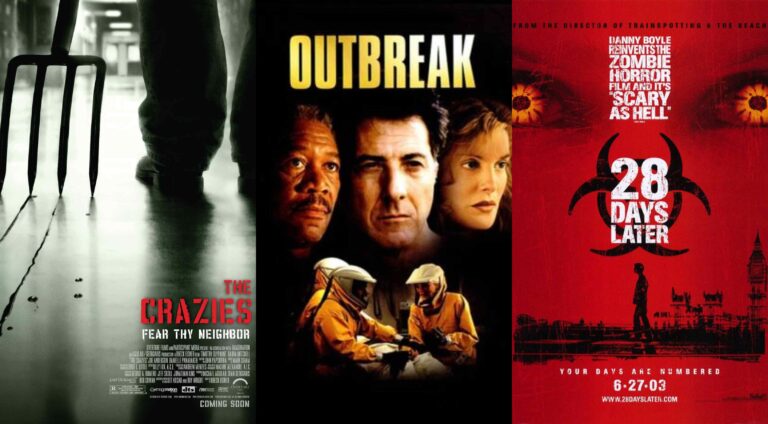
Quarantine, aka social distancing, has practically given us a lot of time to spare. Many people are surfing the net for coronavirus, pandemics, and how to cope with them. Luckily enough, there are many fictional worlds built out there, which help us have an insight into the situation. Let me take you through some of them to keep you busy for good enough week. Always remember that whenever you end up catching a cold, there are plenty of things you can account for that are far worse, especially if you live in a horror movie. So here are some movies that revolve around viral outbreaks.
In real life, an outbreak is a sudden occurrence of a disease within a particular place and time frame in which it can affect a small town or an entire continent, whereas within a movie universe, it is usually super lethal and highly contagious, or it just turns you into some weird form of a zombie.
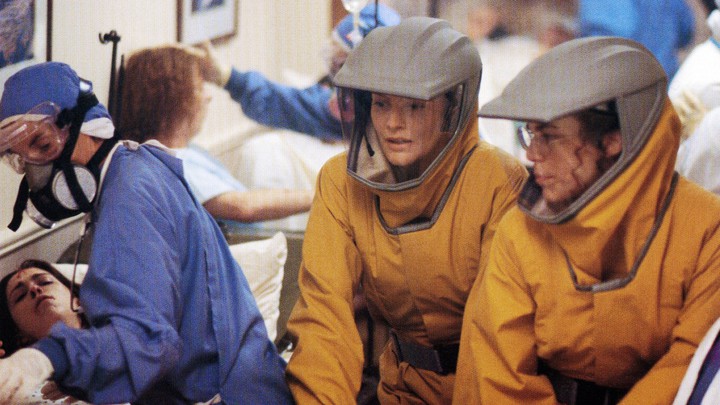
Outbreak (1995)
Director Wolfgang Petersen’s action drama follows Virologist colonel Sam Daniels whose job within the military is to investigate nasty diseases. When a deadly airborne virus finds its way into a small city within the USA, it rapidly starts killing off the local population. Where it is now up to Col Daniels and his team to try and control this viral outbreak.
Outbreak is a tacky film with and an all-star cast. Filled with all the stereotypes and clichés you would expect from the 90’s movies, this film will definitely require your suspension of disbelief at times, with its unnecessary yet fun action scenes and unintentionally funny parts. But overall it is a good popcorn movie, that should entertain and hold your attention throughout.
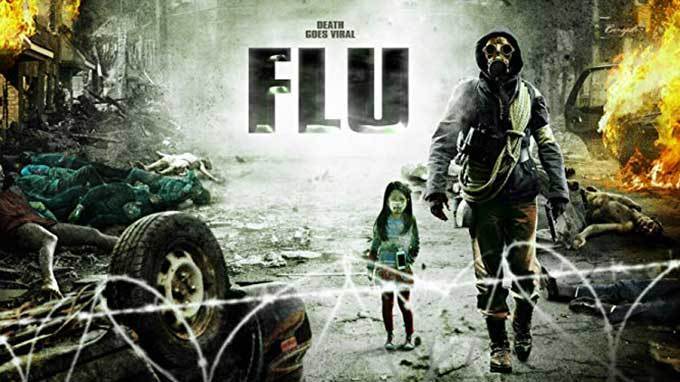
The Flu (2013)
Director Kim Sung-su’s, Flu is a Drama thriller. After smuggling illegal immigrants into South Korea, a smuggler catches an unknown virus from one of their prisoners. Soon after, the same symptoms start to plague the residents within the suburbs of the city of Seoul, where this new kind of deadly disease can kill a person within 36 hours.
An impressive disaster movie with a rather tense premise, Flu delivers on suspense and action, with very engaging characters. But it does have some tonal issues regarding a few over-sentimental scenes. But despite its minor shortcomings and it is over the top moments, Flu is a pretty entertaining film.
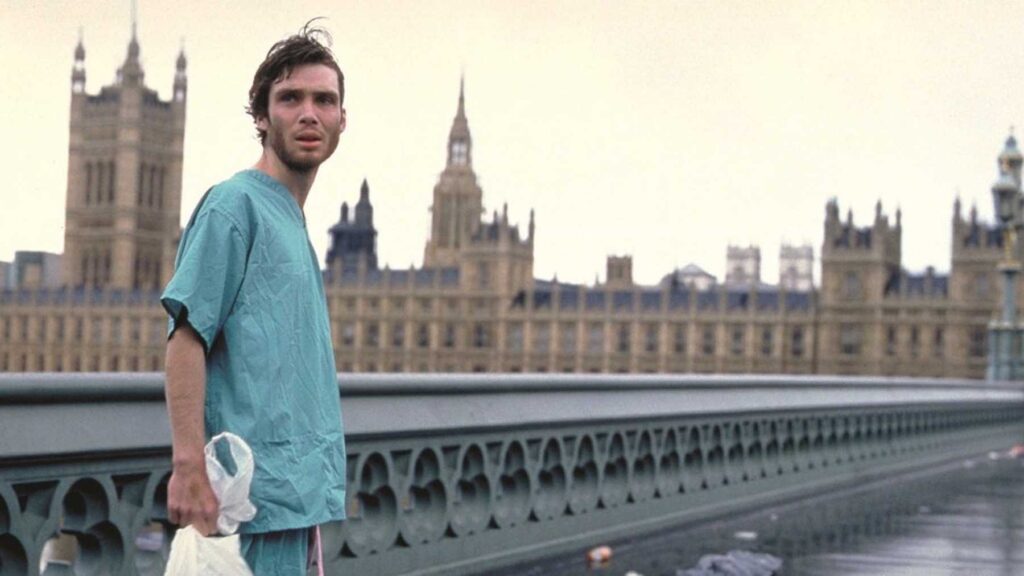
28 Days Later (2002)
Twenty-eight days later is a Sci-fi Horror movie directed by Danny Boyle. The movie starts with Jim, played by the stellar Cillian Murphy, who wakes up from a short-term coma to see that the world has drastically changed. London has become somewhat of a post-apocalyptic zone, and no one can be found. Unknown to Jim, there are plenty of people about it, it is just that they have all become blood-crazed psychopaths or as we may call zombies. The low budget instant classic redefined the zombie genre; 28 days later has loads of horror and terror with just about the right amount of realism. The characters are well developed, the plot: straight forward and haunting and the pacing: tight. Twenty-eight days later, it is very thought-provoking, with a focus on survival and what it means to be human.
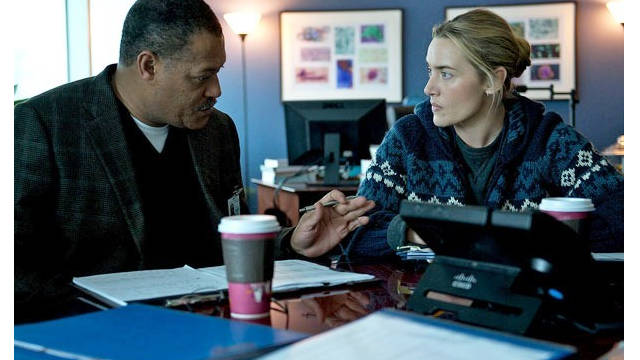
Contagion (2011)
Contagion, directed by Steven Soderbergh, is a great movie that is entirely plausible. It is a realistic story about what a worldwide pandemic could look like. Right direction and great star-studded acting all come together to make this movie quite compelling and quite scary at the same time. This movie is hands down unmissable on this list. The way the film portrays the spread of the virus and the resulting symptoms have a striking familiarity with the behavior of COVID-19 and hence relatable on so many levels. This is one of those movies that have become the talk of the town during the current crisis. It might be a fiction when it came in 2011, but after nine years, this fiction has pretty much turned into a reality, and we might be able to learn a thing or two while enjoying it in the comfort of our homes with some steaming hot popcorns.
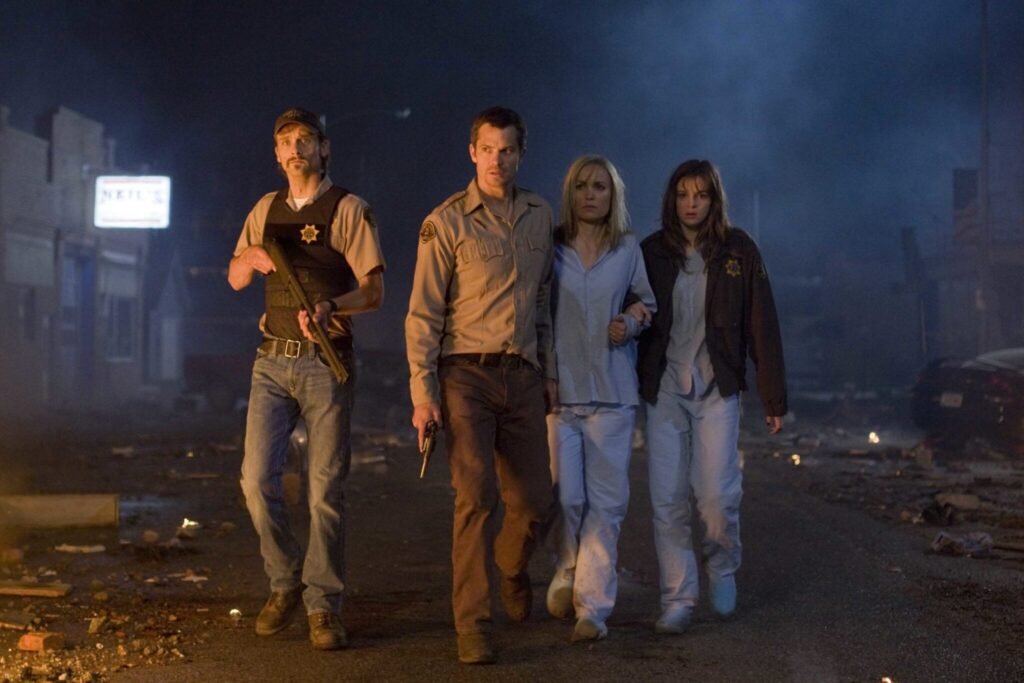
The Crazies (2010)
He was the last on the list but not the least, the Crazies, a horror thriller directed by Breck Eisner. Set in a small town where everything is pretty standard. Until one day, a man burns down his own house, while another walks onto a school baseball game with a loaded shotgun. With all these crazy events happening, it doesn’t take the sheriff long to figure out that something is affecting the people in his town. Well, shot with plenty of jumps scares, it has a surprisingly engaging story. Tag along this movie to see how the story unravels into something extraordinary.
Now that you have had a tour of some of the most relatable and worth watching movies, get yourself all geared up for the week and start picking from the list by your priority. Do remember to take all necessary precautions, and you’ll be all set for a comfort movie. While munching up on those snacks, I do keenly observe the behavior of those fictional characters and know that we, too, currently are living in the same situation. Now we surely would not want to make the same mistakes so, STAY HOME! WATCH MOVIES! STAY SAFE!
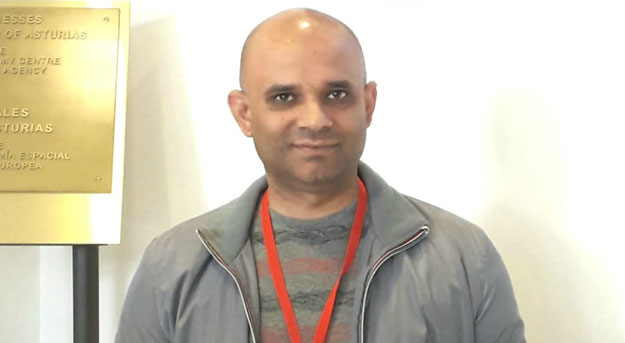
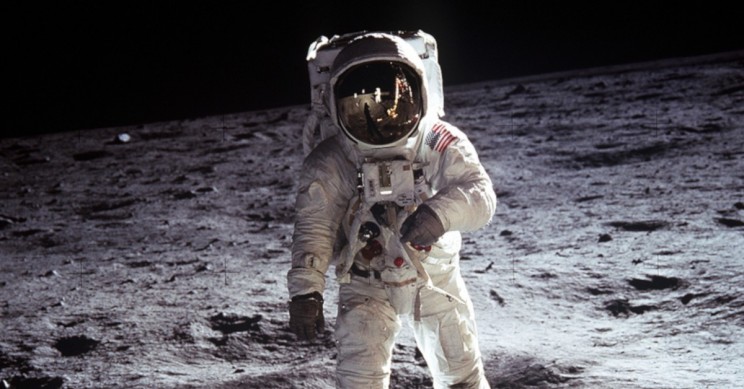
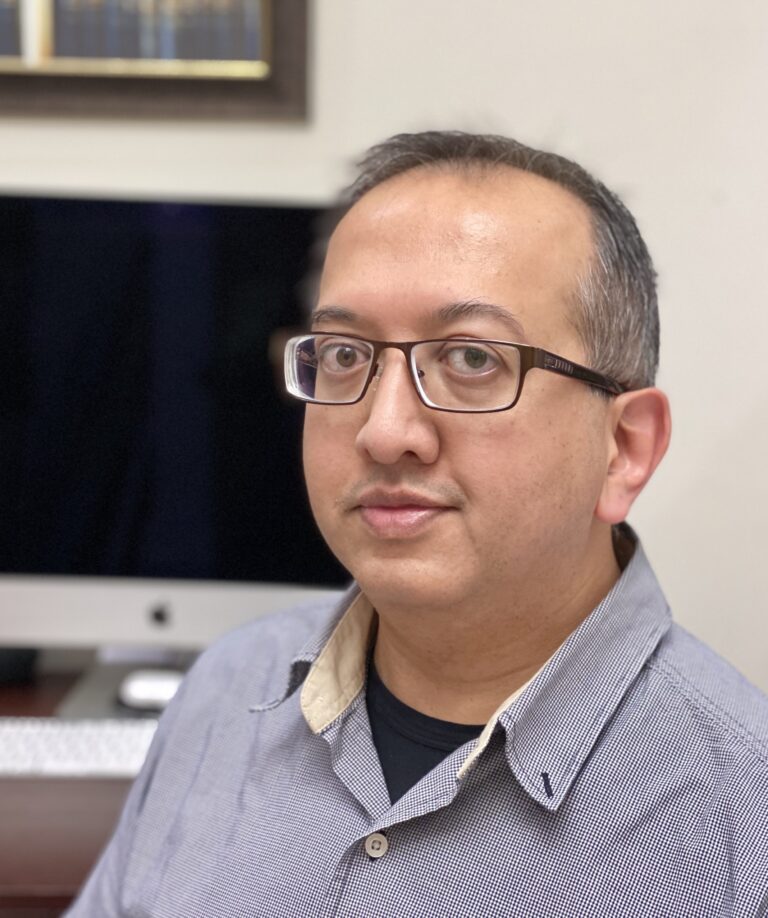
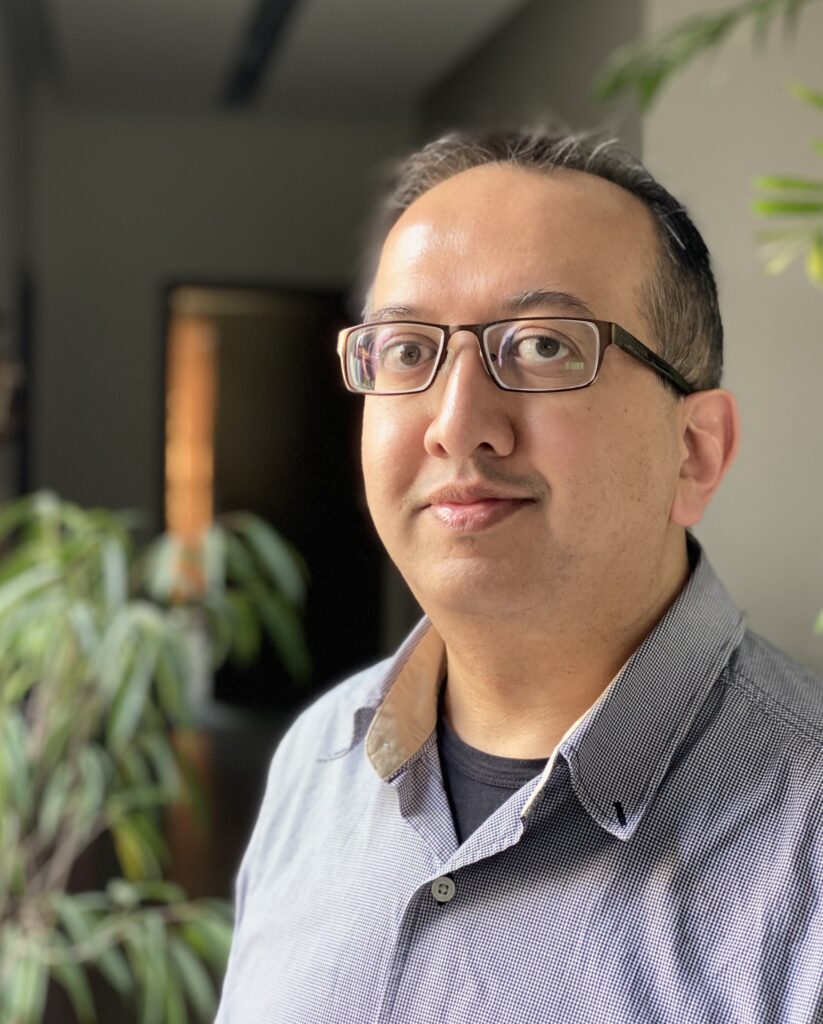
Dr. Nozair Khawaja was born in Wazirabad and completed his Master’s degree in Space Sciences and Astronomy from the Punjab University, Lahore, and the University of Turku, Finland. Later on, he did Ph.D. in Geosciences from Heidelberg University, Germany. He also worked as a postdoc scholar at the Institute of Earth Sciences, Heidelberg University, and is currently working at Freie University, Berlin.
Dr. Khawaja did his research on life beyond Earth and continue to lead his cutting edge research work in association with several space exploration programs within our solar system. In 2019, he got a Group Achievement Award for Cassini’s Cosmic Dust Analyzer from the National Aeronautics and Space Administration (NASA).
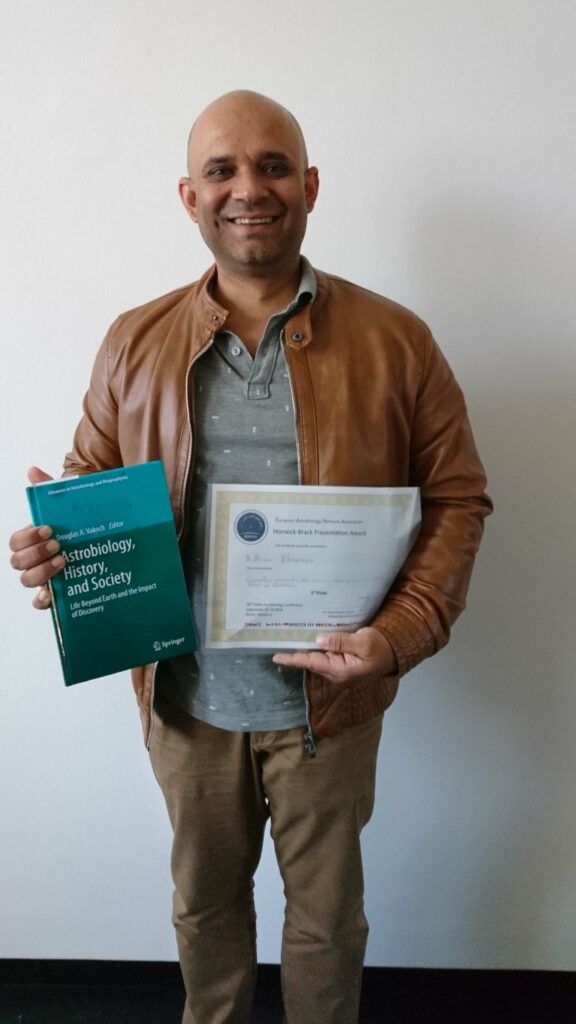
He is a recipient of the first prize of the Horneck-Brack Award, at the European Astrobiology Network Association in 2018. He has also received the Short Term Scientific Mission (STSM-2010) Grant from European Cooperation in Science and Technology, ECOST – action chemical cosmos. His work has appeared in highly cited peer review journals like Nature, Journal of Royal Astronomical Society, and Science. He is the founder of the Astrobiology Network of Pakistan (ABNP)-a volunteer network to promote astrobiology in Pakistan.
Here is the brief conversation of Dr. Khawaja with our EIC Saadeqa Khan on the situation in Germany and future of space exploration amid this global economic recession.
Saadeqa: The effects of the Coronavirus on social, moral, and ethical aspects of life will be ever-lasting. Before the virus outbreak, most of the nations were taking environmental threats for granted. As a planetary scientist, do consider the pandemic to be a curse or a blessing?
Dr. Khawaja: We know that in history, there were several episodes of epidemics that changed the course of history and Coronavirus in another of them. So, it has many aspects including ethical, religious, social etc.
You are right that the environmental impact of Coronavirus has overall not been taken seriously in all nations. Among those environmental threats, one was that, since we are not caring about the environment, we may disturb such ecosystems which can result in harm to humans all their lives on this planet. So if you see it from this view, I believe we have been punished for ignoring these environmental threats by mother Earth.
The pandemic is a curse from mother nature. With the advent of science and technology, we are capable of understanding different natural phenomena and have knowledge about different physical and biological processes. Despite that, we harmed the environment and did not care for its natural system. It is a blessing in the sense that now we are aware that one of the reasons for this pandemic is causing disturbance to some living being or some environmental conditions, and finally we will now focus and look into these environmental threats more seriously.
But if you’re talking in the sense that it is a blessing or curse from God, I would say it is difficult to guess. Our response to this situation is basically to get closer to Allah, to take care of people, and to keep a check on our morality. So it turns out to be a curse turning into a blessing!
In another way this epidemic could be a blessing for individuals and on a bigger societal level as well. People now understand that we should be thankful to mother nature as she provided us basic necessities: air to breathe, water to drink and much more for free. Another aspect is that people realized the importance of small things around them which they took for granted. One advantage of this pandemic is in the form of rebuilding and reconstructing of a global society with a sensible behavior towards mother Earth.
Dr. Khawaja is a recipient of the first prize of the Horneck-Brack Award
Saadeqa: Scientific communities and laypeople have long criticized astrobiology or search for extra-terrestrial life. What is your point of view on the current situation, whether spending trillions on space exploration missions would be a sound decision or not when people here on Earth are unemployed and starving to death?
Dr. Khawaja: Many people criticize that the search for extraterrestrial life is a waste of money when on Earth we face problems as dire as starvation, death, and lack of resources. So, why invest in an unseen object (alien life) of which we’re not even sure? Shouldn’t we invest on Earth, where people live?
This is a very valid question, but people ignore two facts here. If humans don’t change their outlook about the existing resources, then our future becomes difficult. It doesn’t matter how many trillions you invest on space exploration and ignoring poor conditions of people on Earth. The quality of life on Earth does not fully depend upon materialistic resources. Firstly, I ask you, how are we humans utilizing our existing resources? So many factors affect the usage e.g. political instability, difference in status and minds of people, discrimination between different sectors of the society etc. In Pakistan, a very backward mindset prevails in society. So, is the famine and lack of resources here because of the fact that the rest of the world is searching for life in space? Most certainly not!
In fact, problems are occurring due to unequal distribution of available resources to different components of the society. I think these issues are related to proactive planning as to how we manage our resources. There should be no objection on life exploration. As a human being, the basis of our mind’s evolution is curiosity. When we follow the few glimpses sparked up in our mind, we discover. These discoveries, in the end, are used for human benefaction.
People don’t understand whether finding alien life may have benefits or disadvantages in the long run. Nothing can be said about it at this point. A benefit is that we humans want to find out our own origin and what the future holds for us. If we find life elsewhere, we can ultimately understand our past and can predict our own future.
We can say that in a situation like COVID-19, we could shuffle the resources from one sector to another temporarily but to fully abandon one area of research for another task is not logical. The main thing is the allotment of resources that should be properly managed. The mirage of man is in his thoughts, working to make them better and to care for the people around us.
Saadeqa: Being a person with a diverse range of interests, I am a keen observer of the environment as well as the latest news in astrobiology. During the lockdown, I observed that Mother Earth is breathing with contentment. We human beings cannot manage without Nature, so, should saving Earth be our priority rather than further space exploration missions?
Dr. Khawaja: This question is somehow connected to the previous one. During this lockdown, Mother Earth is breathing through such components that, we feel, were not witnessed before. In the lockdown, there are indications that environmental conditions are improving because of the low emission of poisonous smoke from man-made utilities and decreasing trends in global warming in general. Definitely, Nature is prospering.
It is true that humans can’t live without Nature. To explore nature is in their blood, I would say. However, if affiliation with Earth is to the point of obsessiveness, it will create problems. Here, I want to direct your attention towards a deeper perception. I ask you to imagine that human beings are aliens on this planet. They came from another place. Why did they leave their place or planet? Maybe it was not suitable to live anymore, which resulted in the migration onto Earth.
Mother Earth regulates itself e.g. circulation of air according to temperature. Earth regulates its own processes, but there must be a threshold present that would have been reached by the previous planet where human beings lived before Earth. Mother Earth may reach its breakdown point. If we are not careful enough, these regulatory processes may lose some of their efficiency and as a result Earth is not anymore mother in its very nature.
What should humans do in that case? Simple: change their attitude. Or else look for a new home. This does not at all mean that they make it a trend; ruining their old home in anticipation of the next one. If humans care, this Mother Earth can regulate itself again.
Exploration is the name of a continuous process. We should allow the basic instinct of exploration to let us carry on this journey. Mother Nature has some ethics regarding the environment and these should be implemented to the maximum level possible in societies in order to minimize damage to the environment. Movements which support this cause should be immediately begun.
According to Dr. Khawaja, exploration is the name of a continuous process.
As an example, if you stop all space exploration and utilize all the resources on Earth, does that mean you would close factories, stop cars for reducing the dangerous gaseous emission and put a limit on technologies? No! it means that these resources will only be useful when our mindset changes. So, to shift resources from one department to another, it is only useful temporarily e.g. we have 20 trillion for space exploration. From that, if we take, say, 1 trillion and invest it in building schools and educational institutes under special circumstances, then that’s okay. But completely banning space exploration and thinking that we are on the road to betterment on the basis of the utilization of that money for some other purpose is not right. Rather, it is against human logic to completely ignore one aspect and put all effort into another. We need to improve the typical thinking habits and perspective of our society.
Saadeqa: To what extent has the pandemic affected future space exploration missions like Europa Clipper? How are your colleagues at NASA and ESA coordinating and corresponding with each other with no conferences and workshops happening?
Dr. Khawaja: Just like the other components of society, activities related to space exploration have also been affected, I think. Regarding on-going space missions, I believe mission-control at different space agencies is carried on as normal as possible because control rooms already have limited access, which should be absolutely fine according to the rules of social distancing. Furthermore, all these activities are tech-based, so most things can be done remotely.
A positive aspect is that people who have huge data from space missions accumulated now have surplus time to analyze it since no office timings are observed. They can concentrate on their ‘home office’, which is a normal trend in the West, with the whole setup easy to switch. Online meetings are attended and focus on data analysis in-depth is possible.
Another effect is in laboratories. They are closed all over Europe with the exception of bio-labs but now it is being thought to reopen and make them functional with a minimum of 1-2 people working at a time only. The pace of future space missions might be affected as well because private industrial sectors are normally involved heavily in such missions. Because of industries being dysfunctional at the moment, or, not fully operational, the preparation time of space missions could have lengthened.
There has been one major effect on the scientific culture, which is in-person meetings between experts on different scientific problems. This culture in the field of science is halted at the moment, which is normally done via conferences in order to communicate science. The commencement of new science culture through online conferences has already been in the process. As you would know there was one of the largest conferences on Geosciences in Europe in April that has to be canceled. Similarly, there were other big conferences planned in America. Abstracts had been submitted, schedules were finalized. But then the pandemic hit and now the situation is that whatever abstracts have been accepted, the organizers have settled the conference online.
They will invite the person online and he or she will make a chat room on the website and people can interact and ask questions over there. This is indeed a quick change of set up on behalf of conference organizers. I can envision that there will be no physical conference in the coming year but technology is already in action and I think virtual conferences will be the future of science. Here, I would like to mention that the Astrobiology Network of Pakistan (ABNP) under my leadership is also planning to organize a first international conference in Pakistan on the subject, and of course, that would be an online conference.
Saadeqa: Before the Coronavirus outbreak, the US was planning its back-to-the-moon mission, the Artemis. Do you think the US will be able to kick-start this mission now while it is going through a historic economic recession?
Dr. Khawaja: You are right, it is understandable that since we could have an economic recession and we are forcing an economic instability, and also the big powers are coming forward, a blame game will start as soon as this epidemic rise is flattened all over the world. This blame game between the powers may further disturb the future of humans on Earth.
In this situation, the US man-mission for space could also be affected. It will have to be seen to what extent it is affected in near future. In my point of view, it can’t be postponed on a long-term basis, but a new schedule could be given.
Anyone can easily foresee that the terms on which the man-made mission was already planned may possibly be a bit changed and extended. It is possible that space agencies prioritize space missions as soon as the situation of COVID-19 is settled. I hope you do know that planetary space missions normally require gravity assistance and multiple flybys of different bodies in the Solar System to reach the destination. This process ultimately needs a particular time frame to launch a planetary space mission and if we miss it, we may not get it again for the next many years. If for economic reasons, space exploration is disturbed, the man-made missions should be the first ones, in my point of view.
But I would like to direct your attention to another point here. Man-made space exploration may become more important because we may become more active and diligent in our search for a new home and there are definitely more chances of it. We should seriously think about not only the betterment of Earth but also where else human acceptability is possible. e.g. subsurface colonies on Mars. Another place could be Saturn’s moon Titan as well, which can provide perfect protection to humans from extreme radiations. So that’s why man-made missions and their importance will increase in this scenario.
Saadeqa: Germany and other European countries became the next epicenter of Coronavirus. How is the situation in Berlin and how long will it take to complete the lift-off of the lockdown?
Dr. Khawaja: Yes, definitely. Germany and other European countries have been the epicenter of this virus. The situation in Berlin compared to other cities and countries is similar in principle. When the German government did lockdown, a lot of the private sector had already shut down to a greater extent. Workers were asked to set up ‘home-offices’. People are obeying rules and regulations announced by the government. There are some irregularities, which are quite understandable as you can see in almost all societies. People here in Berlin are behaving sensibly as compared to people in Pakistan but you cannot find the ideal situation in the world. Being a scientist and academic, like many others in the state of Berlin, I stay at home because there is no way to take the courses in person at the university. However, everything is managed online now.
At the same time, I would say, the German nation is a very broad-minded and independent one, in matters of living, society, culture, etc. capturing that culture in homes is proving to be very challenging. So, in Berlin also, some people did not obey government instructions of lockdown. This disobedience was more in the beginning, but later the government pushed and emphasized them to be locked-down. People are now keeping social distancing very effectively, I would say.
When people go shopping, a line is maintained with 2m distance between two persons, which is quite commonly observed in Berlin. Only a particular number of customers are allowed inside at one time. Similarly, in schools of Berlin, work is being managed very effectively. Children are getting regular homework at home; schools have developed educational apps and give a lot of homework to make children busy.
Now, the government is slowly going towards lift-off, manually, though. For example, at the beginning of May businesses are being opened with strict rules and regulations. Schools are going to open in shifts. The public-private sector is putting a lot of money and effort into finding the cure of coronavirus. It is in the news here that companies started testing some cure on humans. I hope that all these efforts and care Berlin could go towards gradual lift-off.
Saadeqa: What were the reasons behind the massive death toll in European countries due to the Coronavirus? Do you think that Pakistan is dealing with this situation effectively or the situation could be worse in the coming weeks or months?
Dr. Khawaja: One apparent reason for the increased number of deaths in Europe is the accurate data collection in these developed countries as compared to Pakistan where diagnosing the cause of deaths and then tracking them to COVID-19 is very difficult due to the lack of resources.
Another reason for such a high death toll is due to the fact that Europeans and other developed countries, probably, underestimated the spread and severity of Coronavirus in the beginning when the epidemic was contained in China. Probably, they considered this epidemic as a local phenomenon.
As I have told you above that as free nations European countries did not do border control efficiently and also they did not implement social distancing in the early time of this problem. Probably, this is the biggest reason for the increase in the epidemic in these countries.
The question, whether Pakistan is handling the situation seriously has two aspects: First how is the matter handled by the government and second, how is the response of the society to those measures of the government. In my opinion, in such conditions as we observed in Germany, it would be necessary that both (the government & the society) should work together. Only then we can face the situation in a better way. In Berlin, the situation became under control because the government and society both are behaving sensibly and society (with some exception) is following the rules set by the government.
However, in Pakistan, there are many factors that make the lockdown relatively unsuccessful. For example the bad/poor economic condition and the religious discrimination are some of the reasons, which make government’s steps inefficient to tackle the situation. The lack of education and unemployment are also reasons which make COVID-19 issue as a serious threat in Pakistan.
Governments in developed countries, like Germany, announce billions of Euros as a relief package to its people and so far the situation is under control. In my opinion, the government in Pakistan is doing its utmost to tackle the situation and have announced a package for poor people so that they could stay in their houses during this lockdown. In this scenario, we cannot compare Pakistan with developing countries not only at the government level but also at a societal level. I think the Pakistani government is trying to do its best, in this poor economical condition, according to its capacity and economy, but the main concern is that the people of Pakistan are not taking appropriate steps. This may be problematic and prove to be worse for the coming months due to the attitude of the people.
The interview is compiled by Aniqa Mazhar, a team member of SCIENTIA PAKISTAN.
Dr. Asad Hussain is a clinical psychiatrist who has been in practice for a decade. He has done his MBBS from Pakistan. Dr. Hussian is a fellow of Royal Psychiatrist College and has completed MRCPsych from the UK. He received a Certificate of Completion of Specialist Training [CCT], from Royal College of Psychiatrists, UK, a Diploma in Mental Health from the University of Kent, UK. Dr. Hussian is a qualified Educational Supervisor [QESP], Kent, Surrey, Sussex Deanery, UK. He is an expert in PG Module: Leadership in Clinical Context HEKSS, UK. Currently, he is serving as a Consultant Psychiatrist, Quaid-e-Azam International Hospital Islamabad.
Below is a brief conversation of Dr. Hussain for Scientia Pakistan’s “Being a professional in the pandemic” interview series with our team member Faryal Qazi, on mental health crisis under lockdown and Quarantine.
Faryal: As a clinical psychiatrist do you feel any behavioral difference in how Pakistani reacted to Coronavirus outbreak in contrast to the people in the rest of the world?
Dr. Asad Hussain: There is definitely a difference in how Pakistanis reacted to the COVID-19 outbreak. This is due to a multitude of reasons. Pakistan has low literacy rates. It’s more difficult to spread awareness about the outbreak and measures to control it, as people are not able to understand the level of importance of prevention, control and treatment measures being introduced and continuously updated. If you just go on the road, you will still see food being prepared, items being sold, and people buying and dealing with them. This is the case in large urban cities of Pakistan, so just imagine what would be going on in rural areas. There are unscrupulous people taking advantage of this and spreading misinformation about the COVID-19 and its apparent treatment to make money. Government control over such activities is challenging due to the violent nature and mentality of a lot of Pakistani citizens.
Religion in Pakistan plays a major role. It’s very difficult to convince people about preventative measures, the authorities introduce. One example is social distancing. No doubt many pockets of communities have adopted the measures as introduced by the authorities but unfortunately, for the most part, it’s dismissed. People don’t understand that we as a nation need to play our part and no one person can just think about him or herself.
The concept of greater good unfortunately is lost in our society. I see patients who outright state that they are not afraid of COVID-19 and do not need to follow the guidelines. These are actually the educated ones. They fail to realize that it’s not only them they are placing at risk but countless others as well.
Faryal: Why do the lockdown and Self-Quarantines disturbing people’s mental and physical health especially of youngsters?
Dr. Asad Hussain: In my years of practice, I have noted that most Pakistanis don’t have interest, hobbies etc. The common activities are usually going to meet friends or going out to eat. During lockdown and Self -Quarantines, it becomes a challenge for people to productively utilize their time. People working from home or in Quarantines very quickly lose their day to day routines. They may start sleeping late, eating more, mostly watching TV and News which is constantly filled with Pandemic updates. Anxiety levels start to rise. Lack of physically activity leads to fatigue and as days go by people start to get depressed.
The biggest impact on Youngsters is due to the behavior of adults. Isolating means living in a small area like your house and it has been going on for a significant amount of time. As adults deal with their own issues, rather than supporting, guiding, and helping youngsters, they are unable to help their children. The youngsters need guidance that how to stick to their routines and work on hobbies and interests, but as I mentioned earlier, as adults don’t have any concept of such guidance.
Youngsters may spend their time using unhealthy mechanisms like watching things they should not. Excessive energy in young ones gets expelled in an unhealthy and, in extreme cases, violent way. At times they rebel and do activities which may also place other members of the house at risk, like going out meeting other people without the knowledge of household members. We need to understand that the brain develops in a way where the pleasure center develops first and the area, which helps us understand the consequences of our actions much later. Keeping this in mind, youngsters need guidance repeatedly. We also need to understand youngsters and pretty much everyone, have never gone through a situation like this before. If not appropriately educated and guided, they are prone to anxiety and depression as they may interpret the current situation in a much different way than adults.
A lot of anxiety stems from not knowing how a patient’s treatment is going and why tests are being done.
Faryal: When it comes to social-distancing not everyone reacts the same way esp. in Pakistan where most people do not seem supportive of physical distancing. What do you think, how can we make people aware of the severity of this situation keeping in mind the mental health of people?
Dr. Asad Hussain: I would point to my statement about literacy above and, of course, to the mentality of most people, unfortunately in Pakistan. These people do not have mental health problems. If a person understands the reasons why social distancing is in place and the dangers if it is not followed, then an illiterate person may comply. It may be that repeated guidance is needed, but the message will get through. Then there is a section of our society who just, unfortunately, look after themselves. They are educated and do not have any mental health problems but still choose to ignore the guidance and place others at risk. In these scenarios, authorities need to be given powers to use the law to make people comply. This has been the case in the U.K, U.S, and other countries as well, where police have been granted more powers to make public comply with proper guidance.
Faryal: What are the primary mental damages people are facing due to Panic being unfolded by the coronavirus?
Dr. Asad Hussain: Most people are worried about the Pandemic, about the uncertainty, which is natural. People with existing mental health issues putting others at risk, if they do not look after themselves, this may succumb to mental disorders like Anxiety or Depression.
Faryal: The recovery rate from COVID19 is 98% but still people are in panic and anxiety and focus more on the death toll. I think it’s more about human being nature that negativity attracts them more. How do we make people optimistic about this situation?
Dr. Asad Hussain: Easier said than done ☺. There is no doubt that people all over the world are panicking and making irrational decisions in the process. The mortality rate is around 1-2%. But we also need to understand that globally, the number we know is only because they were tested. There is no practical way of testing everyone so that the number could be much higher. If the number is more elevated, and those people have had mild symptoms or no symptoms, then theoretically, the mortality rate could be even lower. It’s not a question about negativity attracting more, but what information or News, people are bombarded with 24hours a day by the News channels just focus on the number of cases rising and the number of deaths. Newspapers are printing the number of deaths of people who had COVID-19 on a daily basis like they are showing a Cricket Score. I would argue, in the current scenario, people are looking for something positive.
The first step is to advise people to stop watching and searching News about the COVID-19. As I mentioned above, many people have COVID-19 but have mild or no symptoms. Even the deaths recorded globally; we are not sure that the person died of COVID-19. Many such patients had other medical problems, so it could be that the reason for death was something else, but the said patient just had COVID-19.
As a doctor, I try to counsel my patients to understand the perspective I mentioned above. I guide them to authentic websites if they want to be updated with the latest guidance on how one can help oneself and others. I emphasize the importance of following the advice by proper Authorities and not whatever is being sent by anyone via social media.
At times I even advise patients to block people on social media who constantly spread misinformation, raising the anxiety level of patients unnecessarily. There are certain counseling techniques I have mentioned below which I find really help patients feel calmer and more optimistic.
Faryal: The complete isolation till recovery and cutting of social contacts during Quarantine is harder for patients. How doctors on duty can keep patients’ hope alive and most importantly how patients in hospitals can stay positive?
Dr. Asad Hussain: To answer this question, we first need to understand that many factors are contributing to the discomfort of patients in Quarantine. Anxiety about what is going to happen to them, the idea of being in a hospital setting with so many other unwell patients and seeing patients worse than them, not being able to see face to face loved ones, etc. Given the factors involved, it is not an easy task to manage such a patient’s mental health. As I have mentioned earlier, avoiding patients looking at unnecessary News is pretty much harmful these days, providing them with activities of mindfulness. This could be entertainment in the form of dramas, movies, books, etc. Doctors should give access to patients so that they can continue to remain in contact with their loved ones via video chat or audio if possible. If noise is a concern, then texting loved ones is another way to go.
It is easier said than done, but doctors need to be patient with these patients, and counsel them to stay optimist, be honest on what their management plan is for the patient’s complete recovery. A lot of anxiety stems from not knowing how a patient’s treatment is going and why tests are being done etc. A doctor, who has a good rapport with his or her patients, can help the patient remain calm just by reassurance and I can’t emphasis this enough.
Faryal: Do you think that our youth is under-estimating the importance of Quarantine? How can we convince our youth for constructive activities instead of boredom?
Dr. Asad Hussain: I don’t think all youngsters are under-estimating the importance of Quarantine. The question is why not all youths are feeling the importance of Quarantine? I did make some comments on other questions regarding this to some extent. Youths need to be guided. As I mentioned before, there is also the element of how the brain develops; the part where we start to realize consequences at a later age. Parents and caregivers play an extremely important role in this. The guidance by respective authorities is in a language meant for adults and not all youths are the same.
It boils down to the Parents how they act themselves and how they explain the importance to the youths. Adults and youth have different routines, and I think the keyword here is “different.” Adults cannot just expect youth to follow their every direction. They need to connect with the youth on their level, explore their interests and then guide and encourage them to pursue those activities which can be done while keeping one safe.
The Quarantine could be taken as an opportunity to learn new activities, like learning a language, improving computer skills, etc. The “routine” need not be all learning as youths need to blow off steam as well. This could involve board games, computer games, etc. It could also be a chance for the family to become closer to each other. Walking, jogging or cycling in a safe area, going for a drive with the family, playing in the garden, reading a book or listening to music in private. Cooking at home or playing games or watching a movie is also one way for healthy activity. As the day goes by, try and change the routine so that the interest remains intact and try to keep a routine that involves healthy eating, exercising, and keeping you hydrated.
Faryal: Do Social and Electronic media have a role in uplifting anxiety level and mental disturbance among masses? And how can we overcome this phenomenon?
Dr. Asad Hussain: As I have mentioned in my earlier answers, unfortunately, social and electronic media mostly portray negative News, and I do agree with you that this causes more anxiety. If people receive any information, they should stop sharing and think for a while about its authenticity and search the source of the data. There is a possibility; the information could be fake if, in doubt, delete the information. Be very careful of the post in social media, which plays on your emotions as that is exactly what they are meant to do. The increase in anxiety level, making people make irrational decisions.
There is the rampant use of social media, and the best way is to go old school, I mean, picking up a book, listening to something relaxing, going for a walk where it’s safe. If feeling unusually anxious, then acknowledges that there is uncertainty around the Virus. Try not to react and take a pause. Take a step back and accept that this is just anxiety driving fears. Tell yourself the need for certainty is not necessary. Accept that whatever thoughts going through your mind are not facts and thoughts may not be accurate or real. Try and let go of the thought. Explore the present by actively noticing what you are seeing, hearing, touching, smelling, and then moving onto some activity to distract yourself.
Faryal: Mental and emotional stability of health care workers is crucial. What do you advise them about keeping their mental and emotional stability?
Dr. Asad Hussain: Health care workers are our first line of defense in this war against the coronavirus. We must not forget they, too, are human and have families like all of us. They go home each day worrying, whether they are infected and if they will put their families at risk as well. Health care workers should be provided with adequate equipment and safety gear to perform their jobs. They need to take regular breaks and not work long shifts as chances of mistakes or errors increase. Regardless of the organization they work for, they need to know the organization is doing everything to keep them safe as well and is there to support them. Health care workers should not be thrown in the deep end without any training and gear and be expected to do their job by placing themselves at risk. In summary, if the health care workers know they are protected and supported, it will go a long way in keeping them stable emotionally and mentally.
Adieus, farewell earths blisse,This world uncertaine is,Fond are lifes lustful joys,Death proves them all but toys, None from his darts can fly; I’m sick, I must dye:Lord, have mercy on us:
An excerpt from “summer’s last will & testament”, by Thomas Nashe. Nashe wrote it in 1952 when Bubonic plague hit London, and he fled to the English countryside to avoid infection. The passage reflects Nashe’s experience of living through the pandemic.
In July 1665, a five years old boy found dead in his hometown, Holy Trinity, in Cambridge, England. While examining his remains, the town officials noted some black spots on his chest, the indubitable signs of Bubonic plague. This was the first confirmed death due to the plague in Cambridge that year. Almost at once, the town residents rushed to isolate themselves in the countryside and premises of London. Among those the run, there was a young scholar of Trinity College London, named Isaac Newton, who fled to Whoolsthrope, a small town about sixty miles away from the Cambridge University. Here, in complete solitude, Newton produced an unbelievable number of exceptional ideas of Calculus, Analytical Geometry, Gravity, Science of motion, optics, and more. It was these days under quarantine when Newton experimented on measuring gravitational pull and came across his grand idea of universal gravitation.
While skimming through ‘Never at Rest’, the meticulously documented biography of Isaac Newton, by Richard Westfall, I realized that what’s specious was the idea that Newton unleashed his mind on these problematic experiments when the bubonic plagues had accidentally provided him complete isolation in Whoolsthrope. However, the concept of the-apple-falling-on-his-head and that the plague woke the brilliance in Newton has been proved misleading long ago. Actually, Newton started thinking about these mathematical problems in 1664, a year before the plague outbreak in Britain.
In the meanwhile, the scream painter, Edvard Munch didn’t only witness the Spanish flu pandemic in the early 19th century, that entirely changed the world around him, but he also contracted the disease in 1919, while he was residing in Norway. He spent many months convalescing after the plague attack, but instead of becoming one of many victims, Munch consistently worked on making great art. One of his most notable paintings was a self-portrait with thinning hair and Gaunt face sitting in front of his sick-bed.
Statue of Isaac Newton in the chapel of Trinity College, Cambridge.
These famous fairy-tales of geniuses give us a clue that great ideas don’t require tedious work of sustained attention and hard thinking. They arrive in the lightning bolts of inspiration, which in turn come only in the right circumstances. Like these giants, we can be productive in this enforce isolation due to coronavirus pandemic. In a matter of days, almost all of us had our workday completely turned upside down. It could be jarring, but it is the exact time to look back at our lives, strategize the trajectory of what we want our life to be, and above all, realize the fragile nature of our existence.
At the end of February 2020, when Coronavirus cases started ticking in Pakistan, the team Scientia Pakistan Magazine immediately realized the severity of the situation and decided to cover virus-borne diseases in our next edition. Since our Governments have been neglecting Education, health, and scientific research for decades, people are ignorant of precautions that are necessary to prevent the spread of coronavirus. By the grace of God, we got an overwhelming response by national & international media/organizations on our Virus-borne diseases edition. Initially, The Independent Urdu UK, GEO News, BOL News, Dawn.com, and Technology Times published stories and appreciated our efforts in bringing such a piece-of-art edition in a short period. Later on, The United States Library of Congress has selected our website for inclusion in their web archives. They consider our website to be an important part of this collection and the historical record.
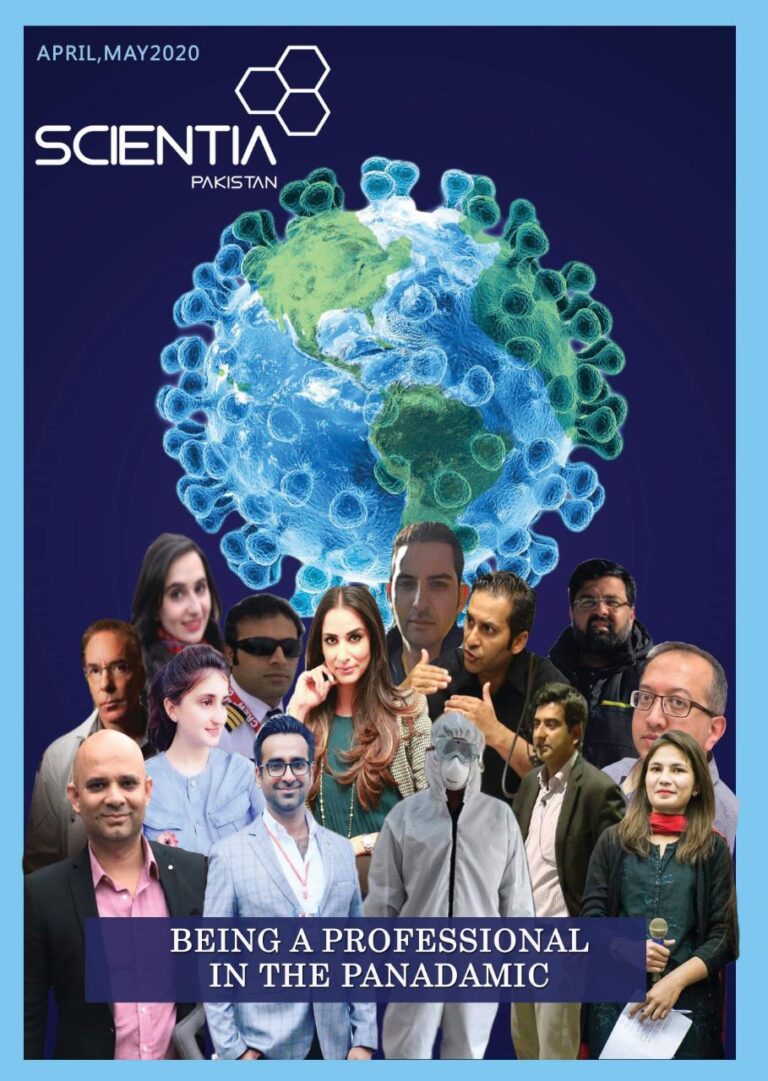
Now the super-excited team Scientia is bringing another special edition on “Being a professional in the pandemic.” For this edition, we reached out to national and international experts, journalists, strategist, futurist, Doctors, Paramedical staff, Psychiatrist, scientists, Astronomers, Astrobiologists, Pilots, and Senior teachers/professors to know about how life twisted and how they are staying productive under quarantine despite the chaos that is surrounding us. We also approached the students of local and international Universities, housewives, and laymen to know how they are keeping their momentum high in these days of trouble.
The Covid19 pandemic has highlighted the state’s responsibility to pay to the daily wagers during the lockdown, but it was saddening that most of the relief efforts came from philanthropic fundraising. Don’t forget needy around you and try to help them as much as you can. Remember, God has blessed you with two hands, one is to help yourself, and the second is to help others. Have a safe quarantine. CHEERS!
The current crisis has gripped every possible area of human life. All spheres of life have not just been significantly touched but will be greatly altered once this pandemic is over. One such important area is education.
These unprecedented times have made us transition to the experiment of online learning which is novel for many teachers and students. It is being done on a very large scale all around the world. In Pakistan, the challenge is even greater. With limited resources and access, educational institutions are trying to establish learning systems that can be efficient for both sides. To delve deep into this matter, I had the honor of interviewing Prof. Dr. Sabieh Anwar about how our education system is coping and what we can expect in the future.
Dr. Muhammad Sabieh Anwar is an Associate Professor of Physics and the Dean of LUMS’ Syed Babar Ali School of Science and Engineering. Sabieh, a Rhodes Scholar, did his Ph.D. in Physics from Oxford University and Post-Doc in Chemistry and Materials Science at the University of California, Berkeley. He is also the General Secretary of Khwarizmi Science Society (KSS), a non-profit organization founded by his father Dr. Saadat Anwar Siddiqui, that works for creating a science culture and science popularization across Pakistan and has been organizing one of the biggest science events in the country; the Lahore Science Mela, every year since 2017.
Here is what he said on the Coronavirus pandemic and specifically how deeply the education sector in Pakistan has been affected.
Maham: The COVID-19 crisis has shaken us to the core and is affecting every sector. What is the impact of the pandemic on the education sector, local and global?
Dr. Sabieh: This crisis has a big economic and social fallout. Growth rates will take a nosedive. This has also influenced our economy, social fabric, and lifestyle.
As far as the education sector is concerned, the complete drawn out closure of educational institutions is a big test. There are frantic efforts everywhere to develop an online learning system. In Pakistan, even though we do have widespread internet connectivity, there are severe quality concerns and some areas are totally blacked-out. A far severe problem is access to computing devices like laptops and computers. For the latter, households need to make an economic investment, which is again, not readily available.
Maham: How can we implement efficient distance learning in Pakistan?
Dr. Sabieh: I think the medium that can be more useful than the internet is Television. PTV has started the channel ‘Taleem Ghar’, which is indeed an excellent initiative. It needs to be further enhanced, as TV has a wider reach than the internet. On the other hand, higher education will be completely refreshed and reenergized. Remember, the new modality is a big shock for universities. Their outdated systems of communication are highly paper-oriented, Emails are not the norm. If the administration needs to do some communication, everything is done on paper. The current situation enforces our universities to take this challenge as an opportunity for introspection and improving the system, though this is not something that will happen overnight.
There was also uproar on social media. Students have already raised slogans against online education. The reason is the existing poor quality of instruction in general. Migrating to online medium does not automatically solve the quality problem. Teachers who used to teach poorly in the classrooms will do the same in online classes. Hence the online medium, which is more transparent, accessible, large-scale, and can be recorded, will accentuate weaknesses in teaching. Hence, the need for a general uplift in the quality of instruction exists.
Maham: What about your institution? What steps are being taken at LUMS?
Dr. Sabieh: In LUMS online classes have commenced, as the spring semester is currently underway. In the first three weeks after the lockdown we conducted webinars for faculty training, collected resources, did surveys, and are still collecting data from faculty as well as students. As all these things are data-driven we can’t rely solely on anecdotes. There is the requirement to collect data for this whole process in real-time, such as which tools you are using, how many students have access, whether student learning is improved or not, what is the percentage of attendance, do people prefer asynchronous or synchronous modes, etc. and some metrics to capture learning instead of mere quantitative metrics of instruction.
Decisions can be made only when constant empirical data is collected. In LUMS, and the faculty has largely taken ownership. The key is to trust the Faculty and empower them to make their own choices in the backdrop of broad guidelines, instead of harsh dictates from authoritarian circulars. Another aspect will be the changes in student evaluations. The evaluation will be formative in telling us what mistakes we made and how we can improve.
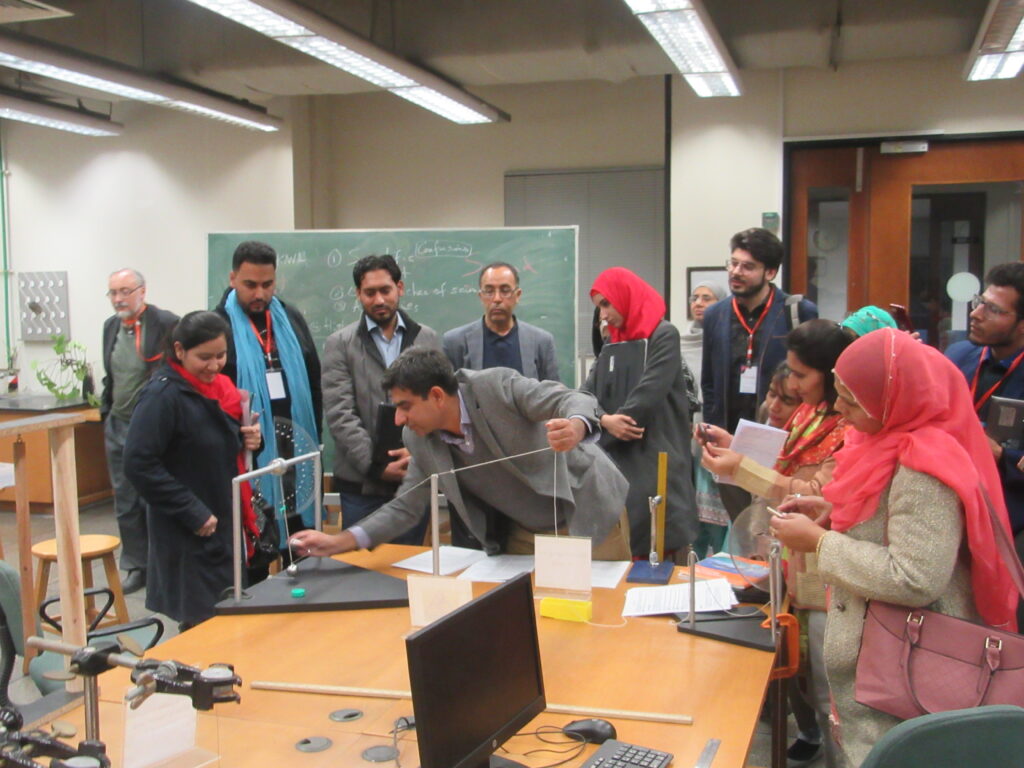
(Above) Dr. Sabieh demonstrating the motion of a pendulum to keen visitors. According to him, there are aspects of certain educational disciplines that are not possible online.
Maham: Are online classes comparable to classroom learning? Can it be an alternative to the traditional methods?
Dr. Sabieh: Education is not just the name of the classroom; it is bigger than that. For example, you cannot do your chemistry labs online. It does not matter how many virtual and remote experiments you design; the live experience of a laboratory just can’t be created elsewhere. There are aspects of certain educational disciplines that are not possible online. MBBS is impossible without a live clinical experience. The same is with laboratories, scientific enterprises, technologies, engineering; they can’t be done in this way. Then, you need to conduct field surveys and there are many instances where human interaction is a must. Hence the online system has a limited scope, and certain exceptionally promising outlooks, but it can’t completely supplement or replace learning and education.
The biggest benefit of an online system is that it can be upscaled and can reach wider audiences. Student interaction can be increased from scores to hundreds to thousands, statistics can be gathered, three-dimensional multimedia experiences can be incorporated into instruction, discussion forums can be initiated, and intelligent modes of instruction can be engrained. However, one keeps in mind the scope. You can’t learn sports online; you can’t do experiments online and learning from peers is limited.
Maham: Can we expect significant increase in the usage of resources like online classes in the future? What could be the expected changes once this pandemic is over?
Dr. Sabieh: Well, I believe that there will be a different life after the pandemic. The experiment being done right now will have its aftereffects. Many people are convinced about this union between technology and education and hope that it will move forward. And development is not just expected in education, but other sectors as well as in health, where there will be innovation, entrepreneurship, and development. From biochemical testing to PPE to medical assistance devices used in hospitals like the ventilators, all of this will likely become center stage.
The healthcare management of the country might witness a revolution. New questions will arise like how to handle public health issues, build models, for disease progression, and how to manage healthcare networks from rural health centers to big hospitals. Remember dengue, floods, earthquakes which require national scale efforts which redefine how we cope with calamity. If our response is scientific and intelligent, we can lessen the burden and worries of millions of people.
The fault lines of science and technology in our country have been once again exposed. Local innovation system isn’t well developed since the ecosystem is overly bureaucratic and based on regulations and excessive centralization by intuitions who lack modern training. Now is the time to address all of these things. Even though this pandemic is a challenge, it is also providing new opportunities and opening new doors.
Maham: In Pakistan, there are many different education systems. How can one channel be used for teaching when there is such a wide range of curriculum? Is this the time for a homogenous education system?
Dr. Sabieh: Diversity is a good notion. A Homogeneous education system is a slogan which I don’t think will ever be implemented. I think there is no need for homogeneity, there is a need for equivalence and mutual respect across systems. What we need to have, is excellence and equivalence. For example, millions of children in our country study in madrassas which follow a specific curriculum, forcing them to follow a different system, is hard and can result in worsening social patterns. Likewise, we need equivalence and glorification in that and in technical education as well.
Take for example Khan Academy. It does not follow any system. It is providing appropriate content material, teaching in a good way so as to bring up to speed students in different subjects. So, the material, teaching style and content is developed sequentially. I cannot regard this mode of education as belonging to a “system”.
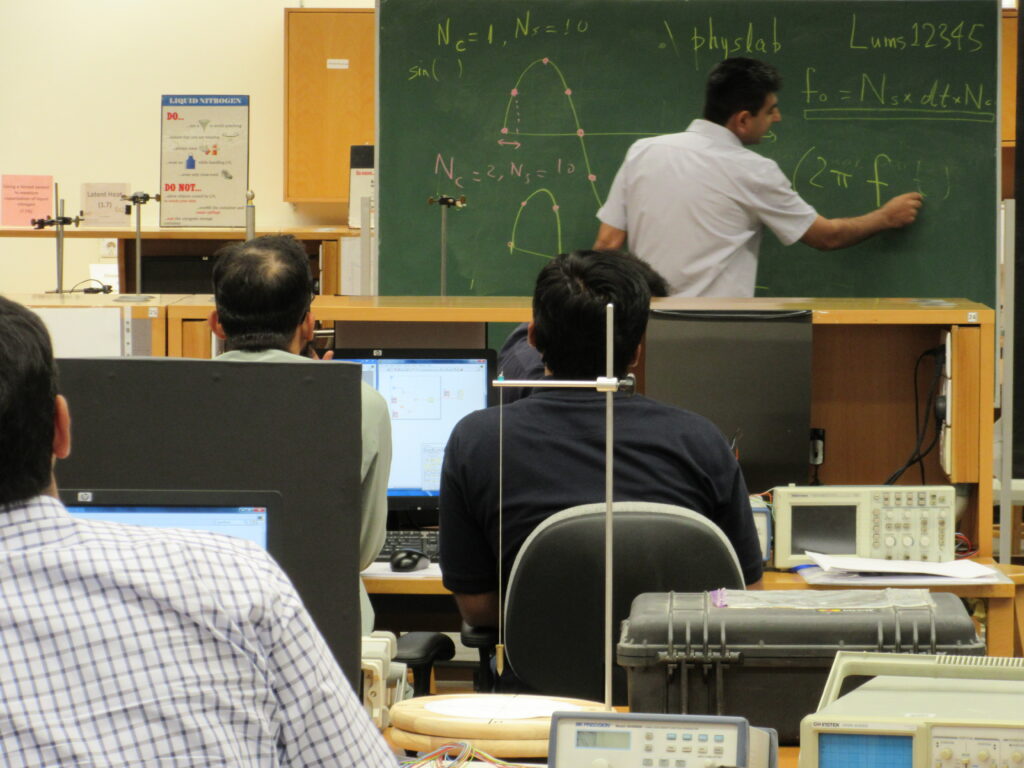
Dr. Sabieh in a classroom. He is of the opinion that there is a need for equivalence and mutual respect across educational systems.
Maham: What about the assessment of students?
Dr. Sabieh: Now that can’t be done by the medium TV. Different mechanisms have to be created which is quite a daunting task. Many countries have finished exams for smaller classes; in Singapore, they have no assessments till high school. And the Punjab government has also decided that in these conditions, students will be promoted to the next grade without exams. So, assessment is very hard as it is a two-way process. You also need to have feedback from the students. The biggest trap of online education is that it might become unilateral. Content may be delivered but there is no feedback. There is a lack of discussion mode, the opportunity for interactions is limited. A student must interact, ask questions, do peer learning and that also needs to be incorporated into the system.
Maham: Pakistan has some of the leading research institutes in South Asia. But why are we not seeing them actively participate in this crisis in terms of vaccine development? If we are not well equipped to, do we deserve such titles?
Dr. Sabieh: It is because our universities are a slave to the process, especially the public sector universities where enrollments outnumber private institutions. There is a lack of basic things, from chemicals and reagents to infrastructure, biosafety labs, the protocol, and equipment. Though, we never have a lack of ideas. Many peoples are generating research ideas, we have individuals coming from very amazing places after training, and we do have amazing faculty. But the work is slow-paced. For instance, one needs to buy chemical isopropanol, which is a solvent that is also used for cleaning and dissolution, a basic requirement just like water.
For someone who doesn’t know the system, it may take months to buy a liter. Because the process is so hard, we don’t have the budget or even if we do, we need to have the permissions of layers and layers of people to make simple purchases. If one spends whole life just completing that process then how could he manage time for the research work? Ease the process, trust the scientist, invest in infrastructure, and let the scientist govern oneself, not someone who has the self-glorified air of controlling who scientists work.
Funds are scarce. Bureaucracy is not trained. Then there are various rules for so-called procurement. We are obeying rules that have been made for the development and management of dams and roads for the science development projects. For instance, one can’t buy used equipment, we need to purchase through middlemen, modes of payment are outdated and the entire system is hostage to a book of rules made by bureaucrats with little or zero understanding of the scientific enterprise. All of this is a trap and has crippled development, but no one is willing to change that. Then the selection criteria of the heads of the scientific institutions is outdated. If there is no leadership then things can’t move forward.
Maham: UNESCO has launched a Global Education Coalition that seeks to “facilitate inclusive learning opportunities.” Will our local institutes be willing to join such an initiative or prefer to work it all out on their own?
Dr. Sabieh: The Internet is a global paradigm. It would be really odd if we don’t take benefits from the global landscape. We should avail and collaborate with global initiatives, but at the same time, we should also consider local realities and local nomenclature. Staying mindful of the local learning process, our languages, and learning behavior patterns is very necessary.
Maham: This is the time of the year when many students are nearing graduation. Students are generally very concerned about their future by this disruption in the academic schedule. What advice do you have for them?
Dr. Sabieh: There is no need to be afraid of these problems; such big calamities happen after 100, 150 years. Those students who are at such stages should know that universities are also facing difficult times. This is a global crisis, there is no need to worry. Things will change, and compensation will be there in different ways. Usually, this feeling happens when some get ahead and some are left behind, but everyone is at the same mark in this break. Things will get better. But students should get the most out of this time. It shouldn’t be that when the lockdown ends, and life gets back on track, we stay at the same spot; we forget to do any personal training, or increase in knowledge, readings, or we fail to think about the big realities of life. So, my advice is to fully use this opportunity. This time is precious; use it for self-introspection, and learning.
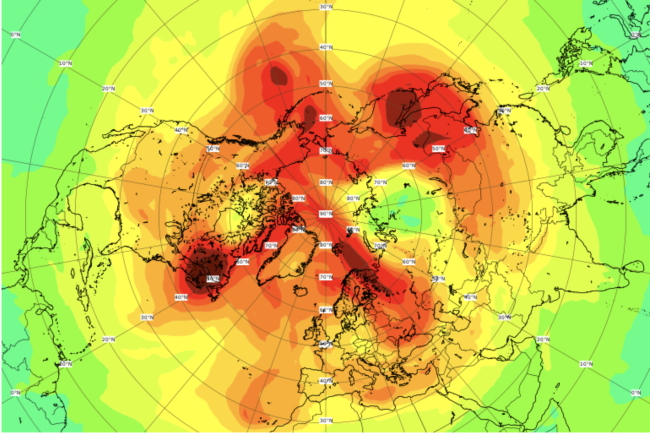
In late March, a hole in the ozone layer over the Arctic was opened due to trapping of air by aberrant winds. Polar vertex is the name of these winds which created high altitude clouds in the area and after mixing with pollutants like bromine and chlorine, these clouds preyed on the ozone gas causing a gigantic hole to open in the ozone belt.
But now reports from the European Union’s Copernicus Atmosphere Monitoring Service (CAMS) claim that it has finally closed. According to researchers from the European Space Agency (ESA), even though the big ozone holes open frequently and especially in the Autumn, the Northern Hemisphere doesn’t have such conditions. This year, the Article ozone hole formed because the cold air stayed longer than expected. Now that the vortex has split, the ozone rich air can go back to the area above the North Pole for recovery.
The unprecedented 2020 northern hemisphere #OzoneHole has come to an end. The #PolarVortex split, allowing #ozone-rich air into the Arctic, closely matching last week's forecast from the #CopernicusAtmosphere Monitoring Service.
Ozone is an important molecule in the atmosphere because it partially blocks harmful ultra-violet radiation from the sun. Some speculated that the lockdown due to the coronavirus may have helped in the recovery. But in response, CAMS tweeted that, “Actually, COVID19 and the associated lockdowns probably had nothing to do with this. It’s been driven by an unusually strong and long-lived polar vortex and isn’t related to air quality changes.”
It can’t be said for sure if this instance suggests a new trend or not. There are many environmental and man-made factors that have influence over it. One of the major reasons for ozone layer destruction and disruption are the chlorofluorocarbons that have been wrecking it for the past century and caused it to have the famous hole in Antarctica during the 1980s. The Antarctic ozone hole will stay the same and there is no such prediction that might indicate towards its complete closure anytime soon.
Recent reports suggest that people of young age have been battling strokes caused by a mild form of the Covid-19. Data from hospitals in the New York state have shown that people of young and middle age groups suffered from fatal strokes that were seemingly caused by the novel coronavirus. Stroke is a medical condition in which blood supply is interrupted and the less amount of blood flow to vital organs causes cells to die. Extreme strokes can be fatal. Smaller ones are mostly benign and can resolve by themselves within a day.
The total amount of those who have had fatal attacks is relatively low, but they are surprising in that they show a new way this dangerous malady is affecting and targeting people. Researchers are still working on developing a vaccine and are continuously shocked by its shenanigans that are hindering the treatment and drug development process.
The virus was initially found to be the attacker of respiratory organs, but this new data points that it is striking almost all the major organ systems in the human body. A report from Wuhan illustrated that some patients suffered strokes. Now some U.S. medical centers are about to release their reports on this medical phenomenon. It can be beneficial in understanding its mechanisms and action and can aid in research. The data suggest that the patients of Covid-19 suffer the extreme form of strokes called large vessel occlusions (LVOs), which affect the nervous system or, more specifically, the brain.
The obstruction of blood flow in the vessels can also move from one to other parts of the body like the heart and the brain. According to a critical care doctor at John Hopkins Hospital Robert Stevens, the stokes are “one of the most dramatic manifestations” of the blood supply blockage issues. He said that “We’ve also taken care of patients in their 30s with stroke and Covid, and this was extremely surprising.”
Some doctors are concerned that the real number of such cases will never be known as the New York City Fire Department had reportedly picked up four times as many people who died at home as normal when the infection was at its peak, and some of those may have had sudden fatal strokes
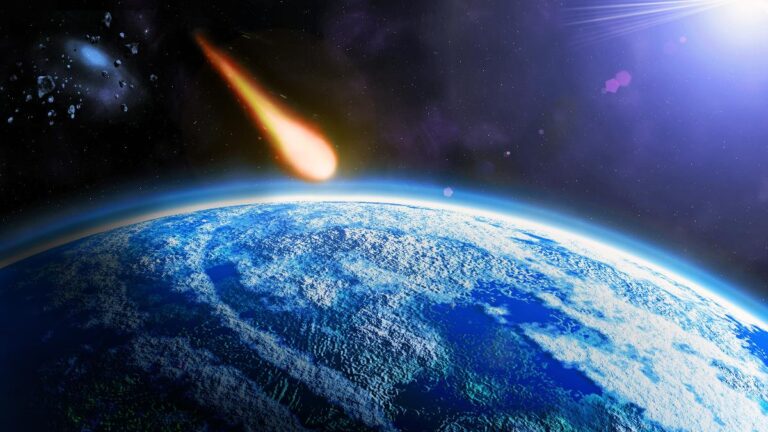
Previously, NASA stated that Asteroid 52768 (1998 OR2) could hit Earth in April 2020, and it can cause a massive catastrophe. Later they said that on April 29, 2020, Asteroid 52768 is expected to fly by earth at a distance of approximately 4 million miles. It will be an interest for stargazers, but the statement clearly shows that it will not affect civilization and obviously, the world is not going to end in April 2020.
Past Events of Asteroids hitting on the Earth
According to National Geographic Website, here are the list top 5 and the most recent events of asteroids hitting on the Earth:
Morokweng Crater
Asteroid impact date: Estimated 145 million years ago
Location: North West, South Africa
Specs: Located near the Kalahari Desert in South Africa, this crater contained the fossilized remains of the meteorite that created it.
Kara Crater
Asteroid impact date: Estimated 70.3 million years ago
Location: Nenetsia, Russia
Specs: Now substantially eroded, the Kara crater is a non-exposed impact structure in Russia. Some have claimed that the impact structure actually consists of two adjacent craters: the Kara and the Ust-Kara crater.
Chicxulub Crater
Asteroid impact date: Estimated 65 million years ago
Location: Yucatán, Mexico
Specs: Located on the Yucatán Peninsula in Mexico, many scientists believe that the meteorite that left this crater caused or contributed to the extinction of the dinosaurs. Estimates of its actual diameter range from 106 to a whopping 186 miles (170 to 300 kilometers), which, if proved right, could mean it’s the biggest.
Popigai Crater
Asteroid impact date: Estimated 35.7 million years ago
Location: Siberia, Russia
Specs: Russian scientists claim that this crater site contains trillions of carats of diamonds, making it one of the largest diamond deposits in the world. These diamonds have been referred to as “impact diamonds.”
Chesapeake Bay Crater
Asteroid impact date: Estimated 35 million years ago
Location: Virginia, United States
Specs: Discovered in the early 1980s, the Chesapeake Bay Crater is located approximately 125 miles (201 kilometers) from Washington, D.C. Some estimates suggest this crater is 53 miles (85 kilometers) wide.
So What Really are these Asteroids?
The rocky bodies present in our solar system are called Asteroids, we call them minor planets as well. Asteroids of larger size are also named planetoids. It is an asteroid-like body in orbit beyond the asteroid belt, such as a Kuiper belt object.
The rocky bodies present in our solar system are called Asteroids
SIZE DISTRIBUTION
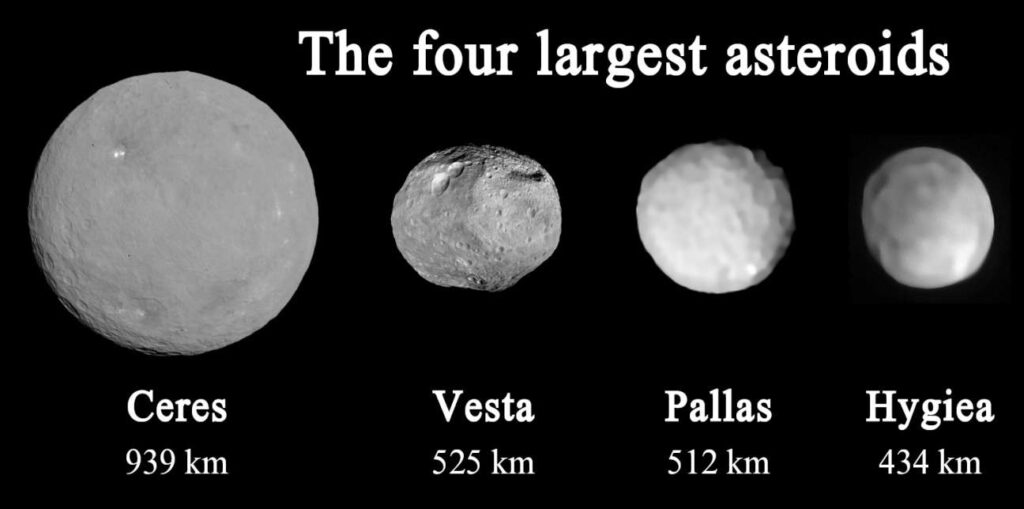
Asteroids are present significantly in different sizes, varying from 1000km to just 1m. The three largest asteroids are more like mini planets and are of roughly spherical in shapes, the rest of the others are minimal in size majorly consider as the chunks of large size asteroids and irregular shape.
Asteroids; size comparison
The most massive asteroid name Ceres with a diameter of 940 km (580 mi). The other largest is Vesta and Pallas, both with diameters of just over 500 km. Vesta is the only main-belt asteroid that can be visible to the naked eye. In some exceptional circumstances, a near-Earth asteroid may briefly become visible without specialized aid.
ASTEROID BELT
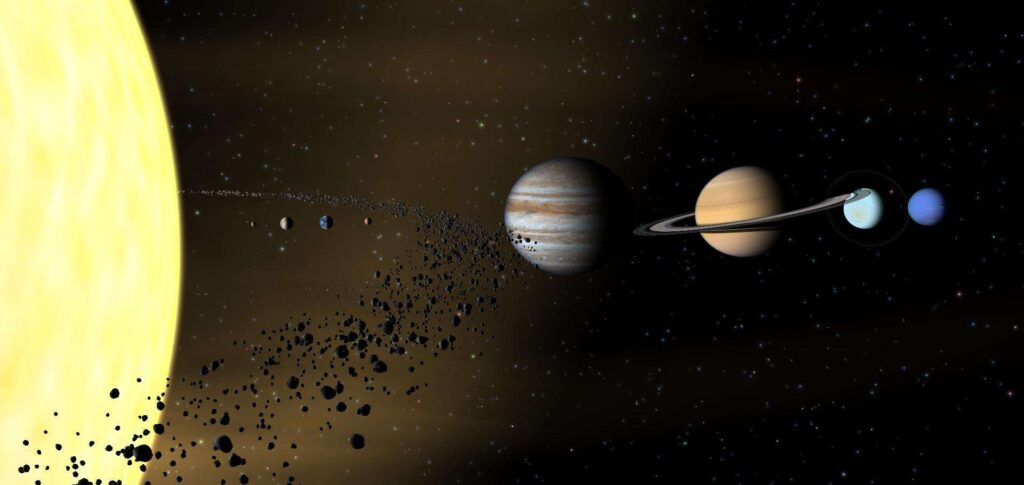
The asteroid belt lies between Mars and Jupiter; it contains Asteroids about 1.1 million to 1.9 million, on estimation, they are larger than 1 km (0.6 mi) in diameter and millions of smaller ones. These asteroids may be fragments of the planet-forming disk. In this region, the more minor asteroids do not stick together into planets during the formative period of the Solar System, avoided by the immense gravitational force of Jupiter.
The asteroid belt lies between Mars and Jupiter
WHAT HAPPENS IF AN ASTEROID HITS EARTH SURFACE?
There are many craters on Earth (and the moon too) that shows the history that large objects hit the planet back then. The most prominent asteroid ever is the one that knocked the Earth 65 million years ago. It is supposed that this asteroid had created so much moisture and dust into the atmosphere that it cut off sunlight, lowering temperatures worldwide and causing the extinction of the dinosaurs.
Imagine if the asteroid comparing the size of a building of 20 floors (200 feet on a side) hits the earth’s surface, it has an amount of energy equal to the largest made nuclear bomb of today. In other words, if a mile-wide asteroid hit New York City directly, result in damaging everything from Washington D.C. to Boston. The dust and debris into the atmosphere would block out the sun and cause most living things on the planet to die immediately. If an asteroid of the same size land in the ocean, it would cause massive tidal waves hundreds of feet high that would thoroughly cleanse the coastlines.
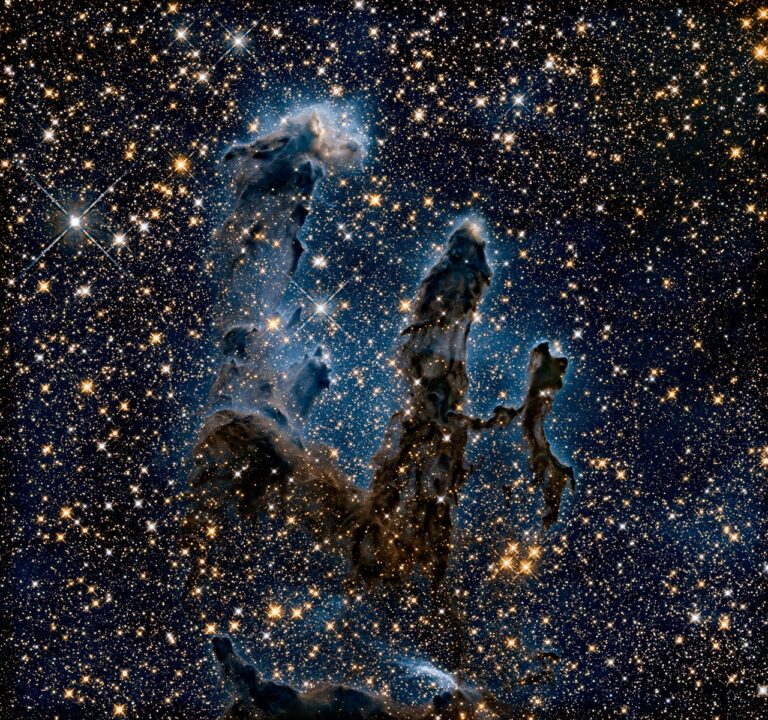
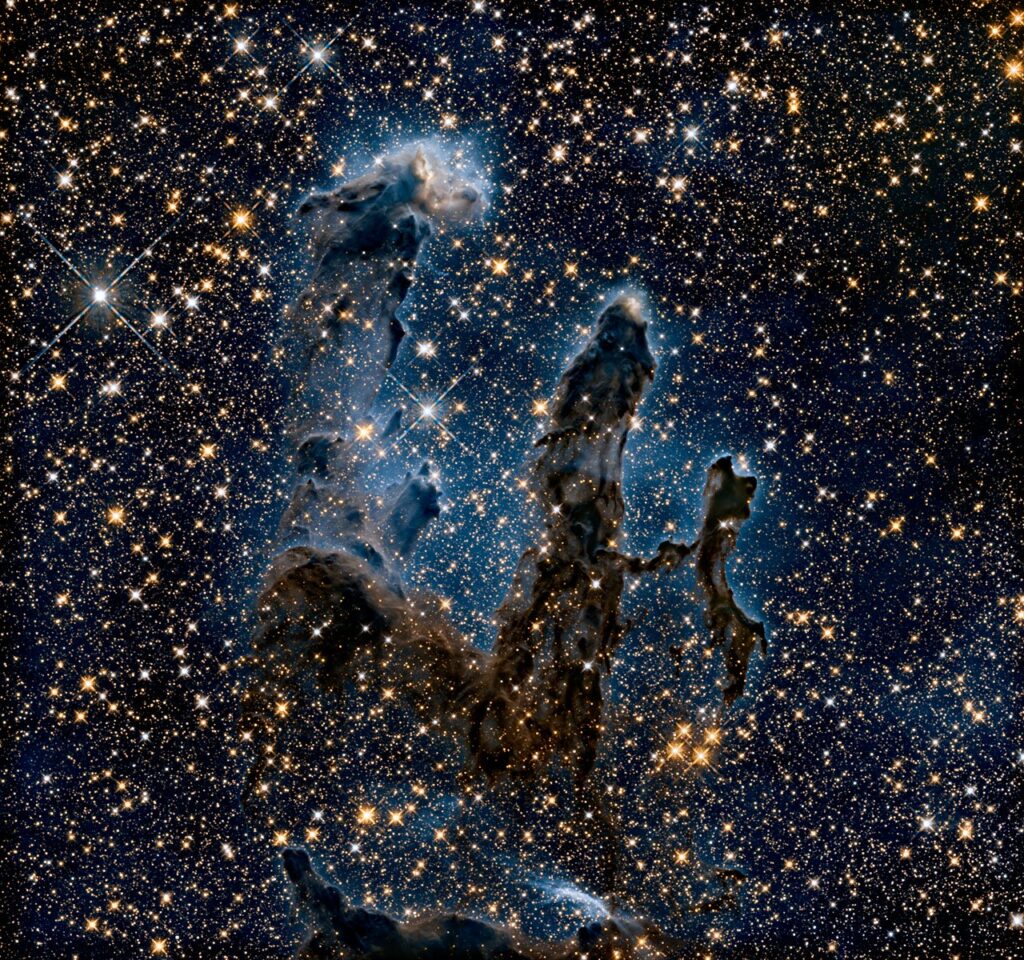
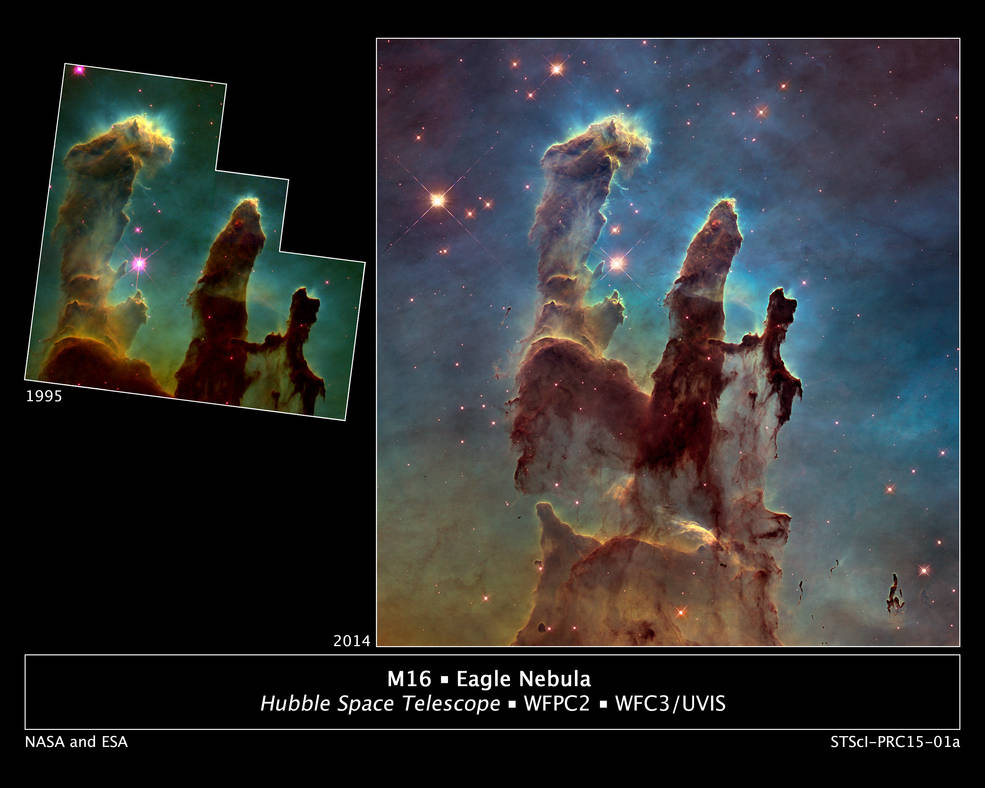
Since 1995, the beautiful image, “Pillars of Creation”, courtesy of the Hubble Space Telescope, has mesmerized many throughout the years. Not only has it been one of the most iconic images of the universe but was also a great inspiration for many to probe into the mysteries and seek what is hidden.
On April 6, 2020, NASA shared a bewildering picture of the Eagle Nebula where the pillars were revamped in infrared light which enabled a detailed and utterly beautiful image of the gas and dust in the sky. The shot showed bright stars along with tiny ones that were literally being birthed within the pillars. A blue haze can also be seen surrounded by the fine outlines of the phantom-like dust structure.
On April 6, 2020, NASA shared a bewildering picture of the Eagle Nebula. Credit: NASA, ESA/Hubble and the Hubble Heritage Team
This is not the first time a different version of the original image is created. In 2015, NASA and ESA revealed a new image of the phenomenon that was photographed in near-infrared light, as well as visible light. As per the official NASA site, the new picture suggested that they are also ‘Pillars of Destruction’. Paul Scowen of Arizona State University who led the first observations of the Nebula by the Telescope with fellow astronomer Jeff Hester said, “I’m impressed by how transitory these structures are. They are actively being ablated away before our very eyes. The ghostly bluish haze around the dense edges of the pillars is material getting heated up and evaporating away into space. We have caught these pillars at a very unique and short-lived moment in their evolution.”
A sharper image taken in 2014. Credits: NASA/ESA/Hubble Heritage Team
And we can expect many more amazing images in the near future. The James Webb Space Telescope is all set to receive the stardom of being the most magnificent and multifarious orbital observatory to be launched into space. It has seven times the capability of collecting light as Hubble, along with modern infrared imaging technology. With it, scientists mean to find out about distant celestial masses from an unmarred perspective. It is set to launch in 2021.
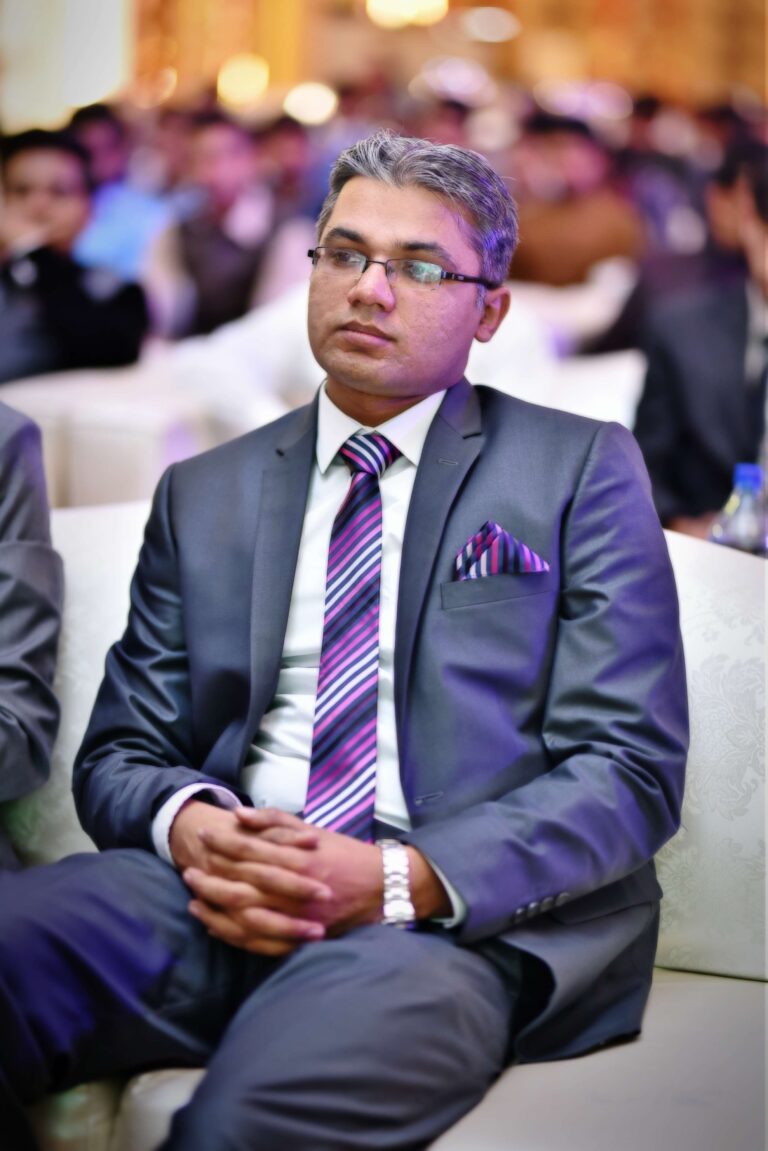
Dr. Mohsin Khurshid is working as an Assistant professor at the Department of Microbiology, Government College University, Faisalabad, Pakistan. He has completed his Ph.D. (Microbiology) research related to Antimicrobial Resistance at the Department of Microbiology, Government College University, Faisalabad, Pakistan, and Institute of Antibiotics, Fudan University, Shanghai, China. He has obtained his MPhil Microbiology from Quaid-i-Azam University Faisalabad and MSc Microbiology from the University of Karachi, Pakistan. He completed his BSc (Medical Laboratory Technology) from the University of the Punjab, Lahore, Pakistan, with “Clinical Microbiology” as a major subject. Previously he has served as Lecturer in College of Pharmacy, King Saud University, Riyadh, Saudi Arabia.
Dr. Khursheed’s research interest includes the bacterial Pathogenesis, antibiotic resistance mechanisms among bacteria, and the potential role of bacteria in cancer diagnosis and management. Dr. Mohsin Khurshid is actively involved in research work related to Antimicrobial Resistance, Probiotics, and the role of the microbiome in health and disease and has made high impact publications in international journals.
Saadeqa:Can you give an overview of the poliovirus? And why do children more susceptible to it?
Dr. Khurshid: Polio, or poliomyelitis, is a disabling and life-threatening disease caused by the poliovirus. Most people who get infected with poliovirus will not do not have any visible symptoms. Around 25 percent of people will have flu-like symptoms like Sore throat, Tiredness, Fever, Headache, Nausea, and Stomach pain, and usually, these symptoms last for only 2 to 5 days and go away without any therapy. Few people infected with poliovirus develop severe symptoms affecting the brain and spinal cord that includes the following
Feeling of pins or needles in the legs known as Paresthesia.
Inflammation of the covering of the brain and or spinal cord is known as meningitis, which occurs in around 1/25 polio virus-infected individuals.
The weakness of the arms and or legs or paralysis occurs in about 1/200 people infected with poliovirus. Paralysis is the severest symptom of the poliovirus infections that can lead to disability or death.
The children who recover completely from this infection can develop muscle weakness, pain, or paralysis 15 to 40 years later in life known as post-polio syndrome. It is essential to understand that Polio or “poliomyelitis” is defined as “the paralytic disease”; therefore, only those individuals having the paralysis are considered to have the disease “poliomyelitis.”
Polio can affect at any age, but it mainly affects children less than five years old in parts of Asia and Africa. Poliovirus is transmitted through person-to-person contact. The infected individuals shed the virus into the environment through the feces. If the hygiene and sanitation conditions are poor, the Virus can spread through the community. In case, enough number of people are fully immunized in any community against Polio, the poliovirus does not find any susceptible host to infect and ultimately dies out. As younger children are not much toilet-trained, they can be a source of transmission. The older children, as well as adults, are generally more hygienic compared to the younger children, they do not contribute much towards the transmission of poliovirus.
Saadeqa:What are the primary reasons behind the fact that Pakistan couldn’t eradicate poliovirus until now? Though Polio widely considers extinct around the globe?
Dr. Khurshid: There are multiple reasons which contribute to the country’s failure to eradicate Polio. In Pakistan, the low immunization coverage and several socioeconomic factors, such as poverty, illiteracy, and lack of access to immunization and community health services, contribute much towards this failure. All these challenges, together with diverse geography, which encompasses the mountain range, glaciers, deserts, and the harsh terrains, contribute to poor delivery of public health services. Furthermore, the huge differences in population density also make it difficult to expertly complete the polio vaccination campaigns, with densely-populated metropolitans, for instance, Karachi and Lahore offering a higher risk of fecal-oral spread compared with the less populated and mountainous regions such AS Balochistan and Gilgit Baltistan.
There are also significant inequalities in the availability of resources and immunization coverage among the provincial and district levels with better coverage in Punjab and inferior coverage in Balochistan and FATA. Moreover, the implementation of vaccination campaigns is quite variable with reports of false compliance, lack of vaccination registration records, vaccinator satisfaction towards the financial incentives, or delays in salaries or payments. The power interruption and lack of equipment made it tough to maintain the cold chain necessary for OPV efficacy.
Vaccine hesitancy is another factor that is influenced by illiteracy, socioeconomic, cultural, and religious factors. Parental refusal is a significant hindrance to the vaccination campaign due to fallacies regarding the intensions of immunization, such as the common misconception that vaccines can sterilize children or contain derived pig products that are forbidden in Islam.
The number of polio cases has decreased by more than 90 % since 1994, even with the multiple challenges that the polio eradication campaign has faced in Pakistan. Such as Taliban insurgency FATA and KPK, displacement of millions of people, and negative propaganda against vaccination.
Saadeqa:What are the reasons behind OPV failure? And why IPV prefer over OPV?
Dr. Khurshid with his Chinese colleagues
Dr. Khurshid: IPV is not added due to the OPV failure. The choice of inactivated polio vaccine (IPV) or oral polio vaccine (OPV) depends on where and when you were born. For example, the people born in the USA after 2000 received an injection of the IPV, but the people born before 2000, have received the OPV administered by mouth in the form of drops.
World Health Organization (WHO) recommended using both vaccines, particularly among the children born in polio-affected countries, although the debate among the scientists reflects that both vaccines (OPV and IPV) have different strengths and weaknesses. The IPV results in higher levels of antibodies in the blood compared to the OPV. Moreover, it poses no risk of reversion to a virulent form as it does not reproduce. However, it confers a low level of the immune response in the intestine and mucous membranes when administered solely. Therefore, it is less effective in preventing viral replication in the intestine.
Further, IPV is more challenging to administrate (because of injection) and more expensive compared to OPV. On the other hand, the OPV provides better mucosal immunity (Intestine and mucous membranes) than IPV. However, OPV contains a live virus. Therefore there is a chance that it can replicate and revert to a virulent form.
The WHO, therefore, suggests using both vaccines to put a stop on the transmission chains for a polio-free world. Upon the WHO recommendations, the IPV started in the winters of 2015 by adding a dose of IPV at 14 weeks to the three doses of OPV already being used for routine immunizations.
Saadeqa:In Pakistan, the polio immunization campaign is controversial for a long; what do you think is the primary reason behind?
Dr. Khrushid: The primary reason behind the polio immunization complaints illiteracy and the proclivity of people toward the negative propaganda. The militants operating in Pakistan and few religious clerics have spread a myth linking the vaccination program to a western conspiracy to sterilize Muslims and have painted the vaccinators as US spies. This narrative got strength especially after the news that a fake hepatitis B vaccination campaign was funded by US CIA to trace Osama bin Laden in Abbottabad, which led to a profound distrust of the polio vaccination campaign, particularly in rural KPK and FATA having the highest rates of vaccine refusal and the most poliomyelitis cases.
These hurdles are being managed by the Government of Pakistan by involving religious leaders and social mobilizers and by deployment the police for smoothly running the vaccination programs. The tendency of the public to avoid the vaccination due to a lack of awareness is far more dangerous in the eradication of Polio than handling the few people involved in anti-polio vaccination propaganda. Notably, the emergence of polio cases in the past few years necessitate further rigorous measures in the future.
Saadeqa:We have best Researchers and well-equipped Laboratories in Islamabad and Karachi, so why do not our health experts locally analyze the controversial Polio vaccine?
Dr. Khurshid: Our laboratories are not well-equipped and funded as required to analyze the vaccines in Pakistan that are mainly because we are not producing human vaccines locally. For the Polio vaccine, we do not need much this local testing even as the vaccine manufacturing companies have already gone through it. The vaccines manufacturing also includes a set of well-characterized testing for any potential contamination that requires exceptional quality control and quality assurance systems. Therefore the manufacturers are responsible for quality, efficacy, and safety. Even if we establish the vaccine quality control testing locally and start the trial, this is nothing to deal with illiteracy and misconceptions.
Saadeqa:How can we change the mindset of our layman (parents) towards the Polio vaccine as they are reluctant to use?
Dr. Khurshid: For an effective anti-polio vaccination and changing the mindset, we need to resolve the suspicion of the general public. The explanation by the health officials, especially about the higher number of doses of various vaccines as in Pakistan, the number of doses of various vaccines is more than being given in most countries that cause doubts. Moreover, increasing public awareness with the help of social media and religious leaders about the benefits of vaccination and addressing the misconceptions are of utmost importance.
Saadeqa:We are facing a total lockdown. What do you think the role virologist or microbiologist play in this time of trouble?
Dr. Khurshid: A microbiologist or virologist is specialized in the detection, identification, and containment of the microorganisms that may cause disease. A microbiologist is also involved in developing feasible interventions and solutions to reduce the spread of microorganisms in the community. In this lockdown situation, the microbiologists can help to analyze the samples being collected from the suspected patients for the contagions. Moreover, they can be involved in developing strategies for interventions based on findings. Microbiologists help educate the public regarding this pandemic regarding the safety measures for prevention.
Saadeqa:Recently it is announced that Pakistani researchers sequenced a genome of Coronavirus, and interestingly it is different in some expects to that of Virus found in Wuhan, China, that indicates a fast mutation rate. What do you think, whether the coming months will be disastrous for Pakistan or we could manage safely?
Dr. Khurshid: Two different groups of Pakistani researchers from NUST and the University of Karachi have carried out the whole genome sequence of Coronavirus (SARS-CoV-2). It would be quite early to anticipate the outcomes of this pandemic, especially in Pakistan, as COVID-19 is a deadly pandemic sweeping the world. Pakistan would have to increase the COVID-19 testing capacity in the coming few days. There are two main reasons for testing people; to diagnose the individuals and to see how much COVID-19 has spread in the country. This information will be helpful for social distancing procedures. Let’s say, if few people are infected, the lockdown must be continued, and if the Virus has already been spread to large numbers of people, then further lockdown will be less useful.
Saadeqa:Students around Pakistan are continuously demanding a semester break due to severe technical problems in Online classes. What would you suggest to students and teachers to better cope with this situation?
Dr.Khurshid: I think that the students are right in this matter. Although the higher education commission has directed the universities to engage the students through online classes or assignments that will be beneficial for the students, however, this must not be a substitute for regular lectures. The main benefit of online courses is the flexibility to the student in terms of molding the class timing according to the student’s schedule by selecting a time that works best for him or her. The on-campus educations have many advantages, especially learning discipline and motivation and face-to-face interactions with the teachers. In our system, the online system may not be successful due to the lack of internet facilities, particularly in rural areas. Therefore, on-campus education is still likely the better option.