Imagine being able to travel through time, visit different eras, and experience history firsthand. While this idea might seem like the stuff of science fiction, it’s a topic of ongoing debate and research in the scientific community. Time travel can be broadly classified into two types: forward and backward.
Forward Time Travel: It is a concept supported by Einstein’s theory of relativity (1), which refers to time as a relative concept that can vary depending on the speed at which an object moves and the strength of the gravitational field it is in. For instance, astronauts on the International Space Station experience time slightly slower than people on Earth due to their high velocity and lower gravity. If we could develop spacecraft capable of traveling at speeds close to the speed of light, astronauts could travel vast distances in space while only aging a few years.
Backward Time Travel: Traveling into the past is more speculative. It raises numerous paradoxes and logical inconsistencies that challenge our understanding of causality and the fabric of spacetime.
Time Travel Paradoxes
One of the most famous time travel paradoxes is the Grandfather Paradox. This involves a time traveler going back in time and killing their grandfather before he had children. If this were to happen, the time traveler’s parent would never have been born, and consequently, the time traveler would not have been born. If the time traveler were never born, who killed the grandfather? This creates a logical inconsistency that seems impossible to resolve.
One more is The Bootstrap Paradox (2) which involves an object or piece of information being sent back in time and becoming the cause of its existence in the present. For example, a time traveler could go back in time and give Shakespeare a copy of his own works, which Shakespeare then published as his own. This raises the question of where the original works came from, as they have no clear origin. We have many more paradoxes, like the predestination paradox.
The grandfather paradox involves a time traveler going back in time and killing their grandfather before he had children.
Scientific Possibilities
Some scientists believe that time travel could be possible in the future by manipulating spacetime, such as in black holes and wormholes. Wormholes are hypothetical tunnels in spacetime that could connect distant points in space and time. They are solutions to Einstein’s field equations in general relativity and could theoretically allow for time travel.
However, the existence of wormholes raises significant challenges to overcome like keeping a wormhole open would require a form of exotic matter with negative energy density, which has not yet been discovered or created.
Black holes (3) are regions of spacetime with extremely strong gravitational fields. The intense gravity of a black hole can cause significant time dilation, potentially allowing for forward time travel. However, traveling close to a black hole poses extreme dangers including the risk of being torn apart by tidal forces. Some theories suggest that rotating black holes known as Kerr black holes, could allow for backward time travel through their event horizons.
However, this idea remains fraught with potential paradoxes and inconsistencies. The Tipler Cylinder and the Alcubierre Drive also involve the warping of space-time fabric by achieving speed faster than the speed of light allowing their spacecraft to travel long distances in a very short time. Though they are hypothetical.
Time Travel in Science Fiction
One of the earliest works of time travel fiction is by H.G. Wells, “The Time Machine,” published in 1895. The Time Traveler explains that time is a fourth dimension similar to the three spatial dimensions, and just as we can move through space, we can theoretically move through time.
This idea was inspired by developments in physics, particularly the concept of spacetime, which would later be developed in Einstein’s theory of relativity. Although Wells did not provide a detailed scientific explanation his innovation paved the way for future exploration of time travel in science fiction.
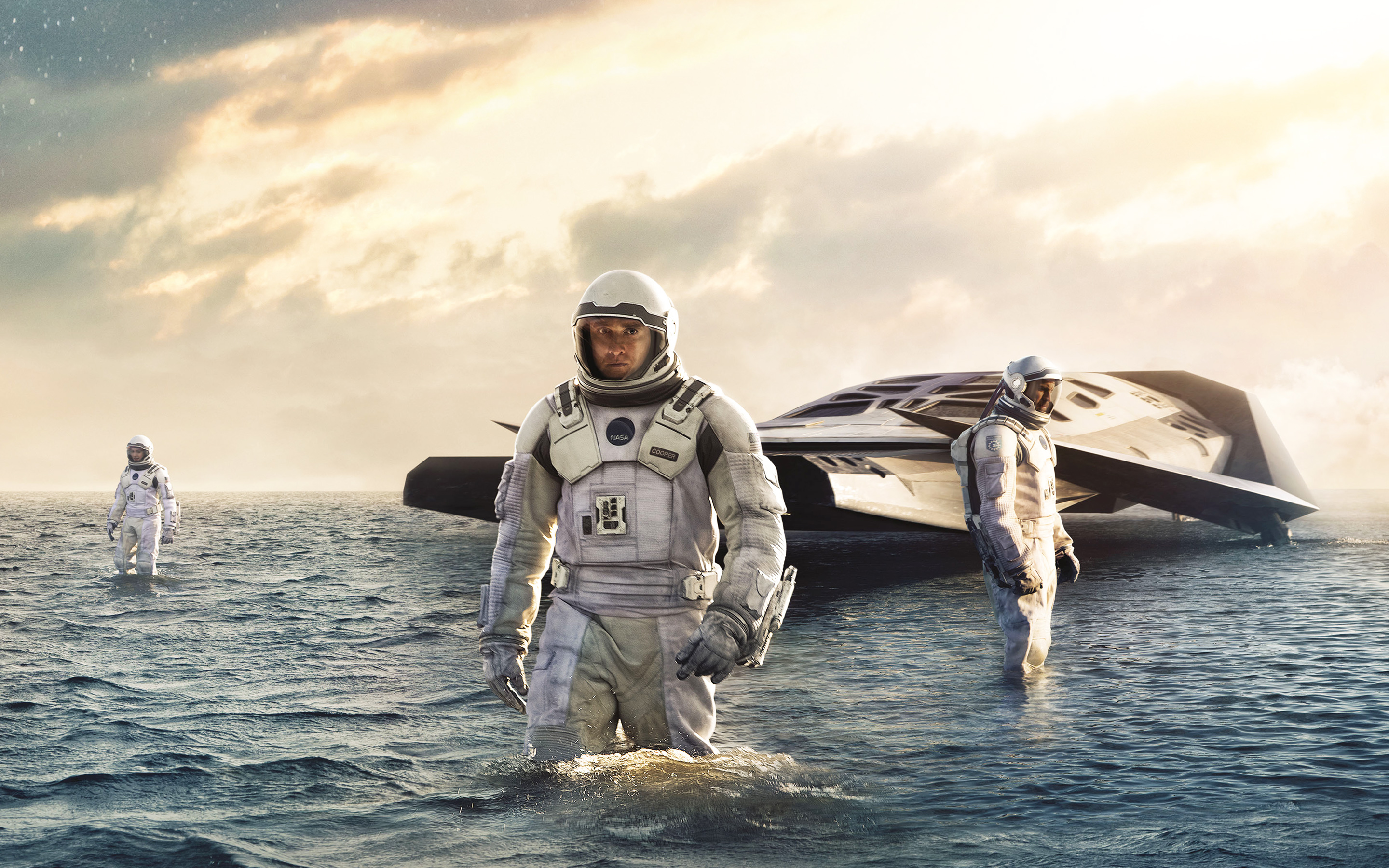
In Christopher Nolan’s film “Interstellar,” time travel is explored through Einstein’s theory of relativity and the concept of time dilation.
The “Back to the Future” series, directed by Robert Zemeckis, explains time travel using a fictional device: the DeLorean car modified with a flux capacitor. The series leverages a simplified concept of Einstein’s theory of relativity, suggesting that traveling at 88 miles per hour with the flux capacitor engaged allows the car to enter a temporal displacement field, effectively enabling time travel.
The physics behind this is purely fictional, with the flux capacitor serving as a pseudo-scientific device that can manipulate time. However, the movies touch on real scientific ideas, such as the potential effects of altering the timeline (the “butterfly effect”) and the existence of multiple timelines or parallel universes, making it a thought-provoking exploration of time travel within popular culture.
In Christopher Nolan’s film “Interstellar,” (4) time travel is explored through Einstein’s theory of relativity and the concept of time dilation. The movie depicts astronauts traveling near a supermassive black hole named Gargantua, where the immense gravitational forces cause time to pass differently for those near the black hole compared to those farther away. This phenomenon known as gravitational time dilation, results in the astronauts experiencing time much slower, making a few hours on the planet equivalent to many years on Earth.
Additionally, “Interstellar” delves into the concept of a five-dimensional tesseract, which allows the protagonist to interact with different points in time and space, hinting at the possibility of communication across time and even potential time travel. The film combines speculative elements with real scientific principles, offering a compelling and visually stunning exploration of time travel possibilities.
Time travel remains a tantalizing idea, inspiring countless stories and scientific investigations. Whether through the pages of a novel, the screen of a movie, or the equations of theoretical physics, the dream of traveling through time continues to inspire and challenge our perception of reality.
References:
(1). (n.d.). Retrieved from space.com: https://www.space.com/17661-theory-general-relativity.html
(2). (n.d.). Retrieved from byjus.com: https://byjus.com/physics/grandfather-paradox/
(3). (n.d.). Retrieved from NASA.gov: https://science.nasa.gov/universe/black-holes/
(4). (n.d.). Retrieved from studio binder: https://www.studiobinder.com/blog/interstellar-explained-meaning-plot-summary/
Science fiction enthusiasts are in for a treat with the upcoming lineup of films set to push the boundaries of imagination and technology. Here’s a glimpse into the most anticipated sci-fi movies that promise to mesmerize audiences worldwide.
28 Years Later
“28 Years Later,” set for release on June 20, 2025, explores the long-term consequences of the rage virus outbreak from “28 Days Later” and “28 Weeks Later.” The film, directed by Danny Boyle and co-written by Alex Garland, is expected to feature a significant time jump, focusing on humanity’s survival and societal changes in a world still affected by the virus. It may involve themes of unity against the infected and the complexities of carriers and non-carriers. This film is the first in a planned trilogy.
“Transformers One,” an upcoming animated film set for release on July 19, 2024, delves into the origins of Optimus Prime and Megatron, exploring how they went from close allies to bitter enemies. Directed by Josh Cooley, the film features a star-studded voice cast including Chris Hemsworth, Brian Tyree Henry, Scarlett Johansson, Keegan-Michael Key, Jon Hamm, and Laurence Fishburne. This movie, the first in a planned trilogy, aims to offer a fresh take on the Transformers saga, appealing to both longtime fans and newcomers alike.
“Alien: Romulus,” directed by Fede Álvarez and set for release on August 16, 2024, is the seventh installment in the Alien franchise and serves as a standalone interquel between the original “Alien” (1979) and “Aliens” (1986). The story follows young space colonizers who explore the derelict space station Romulus in search of valuable technology, only to face a deadly fight for survival against the Xenomorphs. Combining horror and action, the film promises a suspenseful experience reminiscent of the franchise’s early entries.
“Alien: Romulus,” directed by Fede Álvarez and set for release on August 16, 2024
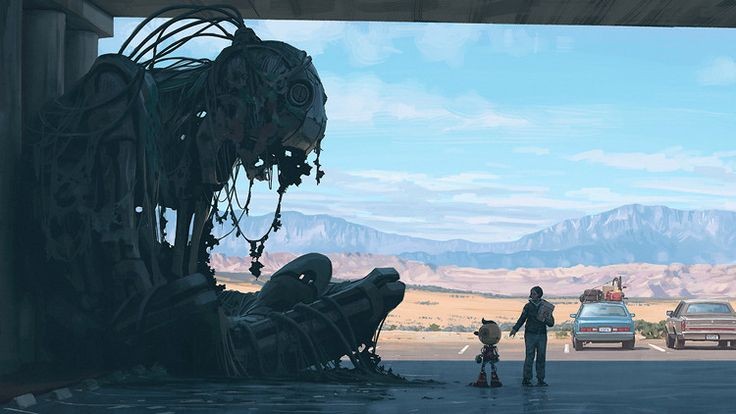
“The Electric State,” directed by Anthony and Joe Russo, is an upcoming sci-fi adventure film based on Simon Stålenhag’s graphic novel. It stars Millie Bobby Brown as Michelle, an orphaned teen traveling across the American West with a mysterious robot and an eccentric drifter, Keats, played by Chris Pratt, in search of her missing brother. The film, set in a futuristic America, features a star-studded cast including Ke Huy Quan, Stanley Tucci, Jason Alexander, Brian Cox, Jenny Slate, Giancarlo Esposito, Anthony Mackie, and Billy Bob Thornton.
With a budget of $300 million, it’s one of the most expensive films ever made. Filming began in October 2022 in Atlanta and wrapped in early 2023, with reshoots in early 2024. Alan Silvestri, known for his work on “Avengers: Infinity War” and “Endgame,” is composing the score. Scheduled for a 2024 release on Netflix, “The Electric State” is highly anticipated as a major sci-fi event.
“Megalopolis” is an upcoming epic science fiction drama by Francis Ford Coppola is set to release in the US on September 27, 2024. Featuring an impressive ensemble cast including Adam Driver, Giancarlo Esposito, Nathalie Emmanuel, Aubrey Plaza, Shia LaBeouf and many more. The story is set in a reimagined modern America and follows visionary architect Cesar Catilina (Driver) as he faces off against the corrupt Mayor Franklyn Cicero (Esposito) over how to rebuild New Rome after a devastating disaster.
The film draws inspiration from historical figures involved in the Catilinarian conspiracy of 63 BC, including Catiline, Cicero, and Caesar, weaving their legacies into a contemporary narrative.
As we look forward to the release of these groundbreaking sci-fi films, one thing is certain: 2024 will be a year to remember for the fans of the sci-fi genre. Each movie promises to offer a unique blend of innovation, storytelling, and visual spectacle, setting new standards in cinematic excellence.
Aisha bursts into the classroom, eyes wide with excitement and worry. “Teacher, have you heard about the massive hurricane crossing the Atlantic? It’s supposed to be a monster!” The class erupts in a flurry of questions and concerns. The teacher, with a calm demeanor, begins to explain. “Yes, these powerful storms are indeed frightening. But did you know that there’s a larger, often unseen force that can influence where and how these storms form?”
This natural process is called the El Niño-Southern Oscillation, or ENSO. It’s a complex interplay between the Pacific Ocean and the atmosphere that can significantly impact weather patterns around the globe. From the most intense hurricanes to the longest-lasting droughts, ENSO can profoundly affect our lives. Let’s dig deeper into this oceanic phenomenon and discover its influence on our world.
The Ocean’s Thermostat
The ENSO is a natural climatic phenomenon that occurs in the tropical Pacific Ocean, the largest oceanic body on Earth. Sometimes the water is warmer than usual in one part, and sometimes it’s cooler. This changing temperature messes with the air above it, and that’s what causes changes in our weather. It has three distinct phases: El Niño, La Niña, and Neutral.
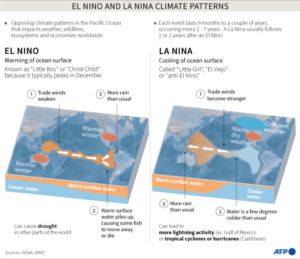
Under normal conditions, when there is neither El Niño nor La Niña, the trade winds (named for their important role in assisting ships with navigation and trade routes) remain stable and consistent over the Pacific Ocean. These winds blow from east to west across the equator, effectively pushing the warm surface layer of water from South America towards Southeast Asia and Australia.
El Niño (Spanish for “little boy”) happens when the eastern waters of the Pacific Ocean become abnormally warm. This warming causes the easterly winds to weaken, then permits warm water to gather in the east. As a result, there is a shift in both ocean temperature and wind patterns, which in turn impacts the atmospheric pressure and influences weather patterns worldwide. In general, countries in the west tend to experience drier conditions, whereas eastern areas like South America observe an increase in rainfall.
La Niña (Spanish for “little girl”) is the opposite of El Niño. The eastern Pacific Ocean experiences cooler-than-average sea surface temperatures. This cooling intensifies the easterly winds, pushing warm water westward. As warm water is displaced, cold water rises from the ocean depths to replace it. This cold water cools the air above, reducing cloud formation and rainfall in the central and eastern Pacific. Consequently, regions in the west, like Australia and Indonesia, often experience increased rainfall, while areas in the east might face drier conditions.
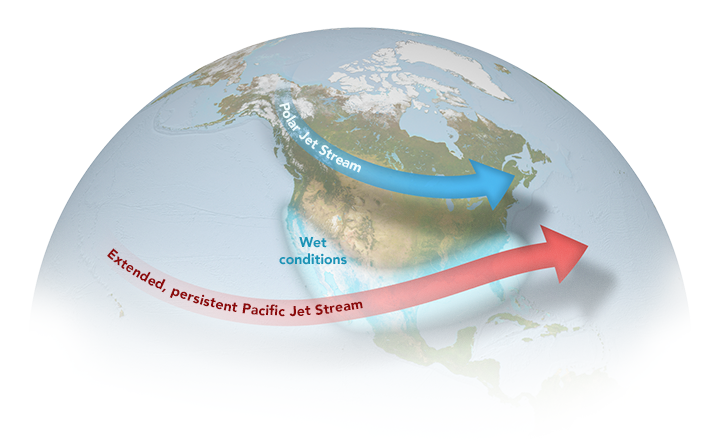
ENSO climate patterns
ENSO’s Impact on the Eastern Pacific
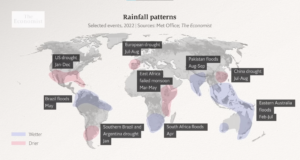
El Niño events have the effect of causing sea surface temperatures to rise above average in the eastern Pacific region. As a result, there is an increase in the levels of rainfall and a higher likelihood of more frequent and intense storms. Coastal areas, including California, Oregon, and Washington in the United States, as well as parts of Mexico and Central America, are particularly vulnerable to flooding, erosion, and landslides.
Major cities such as Los Angeles, San Francisco, and Seattle may experience heavy rainfall and face a greater risk of mudslides. Additionally, the warmer ocean temperatures can contribute to the formation of stronger hurricanes in the Pacific, which can impact regions such as Hawaii and the Pacific coast of Mexico.
Conversely, La Niña conditions bring cooler sea surface temperatures to the Eastern Pacific. This typically results in drier conditions, increasing the risk of droughts, wildfires, and reduced agricultural yields. Regions like Southern California and parts of Mexico may experience water shortages and heatwaves.
ENSO also influences hurricane activity in the Atlantic. The likelihood of a North Atlantic hurricane making landfall in the Continental United States is greater when La Niña conditions are present due to wind shear being reduced. This means that the barrier that would normally inhibit the development of hurricanes is removed.
Unfortunately, this is not good news for people living in areas prone to hurricanes like Florida. In 2020, during the last La Niña event, the Atlantic Ocean experienced an unusually high number of 30 tropical storms and 14 hurricanes. Similarly, in 2021, there were 21 tropical storms and seven hurricanes.
Rainfall patterns
Impacts of ENSO on the Western Pacific
The Western Pacific experiences contrasting weather patterns under ENSO’s influence compared to the Eastern Pacific.
El Niño often brings drier conditions to Australia and Indonesia, leading to droughts, wildfires, and reduced crop yields. However, parts of Southeast Asia may experience increased rainfall. In contrast, La Niña typically increases rainfall in the region, often resulting in floods and landslides in countries like Australia, Indonesia, and the Philippines.
Historical data underscores the severity of these impacts. The 2015-2016 El Niño caused a devastating drought in Ethiopia, affecting millions. The 1997-1998 El Niño led to global damages of £77 billion and triggered a deadly Rift Valley fever outbreak in Kenya.
During La Niña years, the movement of the subtropical ridge towards the west across the western Pacific Ocean increases the likelihood of tropical cyclones making landfall in China. In March 2008, the presence of La Niña caused a drop in sea surface temperatures by 2°C (3.6°F) in Southeast Asia. Consequently, this led to significant rainfall in the Philippines, Indonesia, and Malaysia.
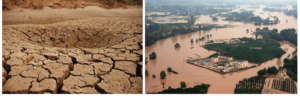
Drought (Yunan) and flooding (Sichuan) in the southwest in 2010, China. Source: Li, Siyue. (2012)
Pakistan’s Weather Rollercoaster
Pakistan is particularly vulnerable to ENSO’s impacts due to its reliance on the Indian monsoon. El Niño weakens the monsoon, leading to droughts, reduced agricultural yields, and water scarcity. Conversely, La Niña intensifies the monsoon, increasing the risk of floods.
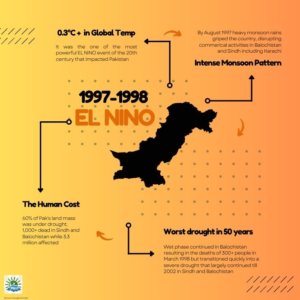
In Pakistan, the 1998 El Niño brought heavy snowfall followed by a four-year drought, while the 2009 El Niño preceded the devastating 2010 floods.
El Niño also contributes to rising temperatures, exacerbating heatwaves in Pakistan. This, combined with its potential to disrupt glacial melt in the Himalayas, impacts water availability, hydropower generation, and agriculture.
El Nino is associated with deficit monsoon precipitation across Pakistan and India. Source: Pak weather portal.
La Niña on the Horizon
Currently, the world is experiencing a neutral phase of the ENSO cycle. This means that neither El Niño nor La Niña conditions are present, and ocean temperatures in the tropical Pacific are relatively normal.
However, experts predict a shift towards La Niña conditions soon. The US National Oceanic and Atmospheric Administration (NOAA) has forecast a 70 percent chance of La Niña developing between now and October. While El Niño events tend to be shorter-lived, La Niña conditions can persist for two years or longer. The ENSO cycle typically oscillates between extreme phases every three to seven years, but the exact duration of each phase can vary.
ENSO and Climate Change
Since May 2024, the world has witnessed an unprecedented phenomenon of twelve consecutive months of record-breaking global temperatures. The ocean, which retains exceptionally high temperatures, is the primary contributor to this extraordinary warmth.
The recent El Niño event was strongest and significantly contributed to the record-breaking temperatures. While scientists are still investigating the exact relationship between climate change and ENSO, it is evident that the conditions are being amplified and becoming unpredictable. Close monitoring of these systems is crucial for understanding future climate patterns and developing effective adaptation strategies.
According to Prof Dr Jin-Yi Yue, weather phenomena happening in the 21st century differ from what was observed in the previous century. It’s as if the “Little Boy” is evolving. This could explain why weather models, which accurately predicted events such as the powerful El Nino in 1997/98, have struggled to do so in the 21st century.
Conclusion:
The interplay between ENSO and climate change is reshaping our planet’s weather patterns in unprecedented ways. As we navigate this new era of climate extremes, it’s clear that understanding these complex interactions is paramount. While the challenges are massive, so are the opportunities for innovation and adaptation. We can build a more resilient future by investing in research, developing early warning systems, and implementing sustainable practices. Our choices today will determine the world we leave for generations to come.
References:
“Impacts of El Niño and La Niña on the hurricane season” – Climate.gov
Doane‐Solomon, R., Befort, D. J., Camp, J., Hodges, K., & Weisheimer, A. (2024). The link between North Atlantic tropical cyclones and ENSO in seasonal forecasts. Atmospheric Science Letters, 25(1), e1190.
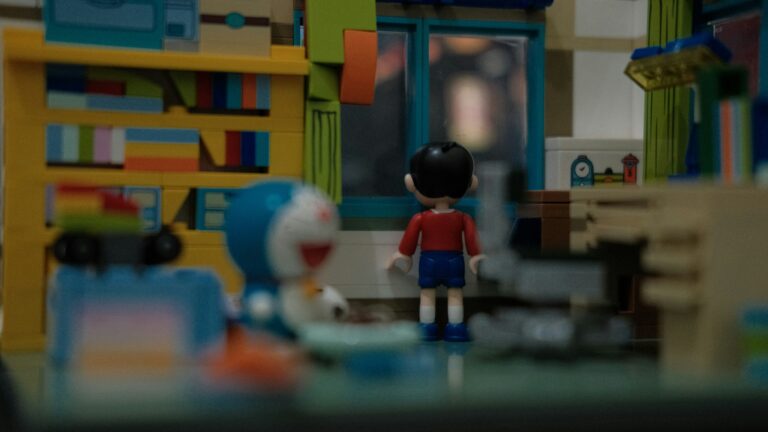
The childhood memories of 90s kids are incomplete without Doraemon, a Japanese manga series written and illustrated by Fujiko F. Fujio. Even today, when kids watch this series, it stimulates their imaginations to consider the possibilities of the technologies depicted. Although it is often viewed as mere fantasy with some impossible technologies, suitable only for on-screen viewing, it still prompts the mind to ponder the potential for these advancements to become reality and how they could benefit life in the future.
The article aims to positively address the concept behind this series, thereby connecting it with real human experiences and its potential to motivate progress and growth.
Technological Advancements
The Doraemon series offers brilliant ideas for technological advancements. It depicts the possible expectations for future gadgets and their large-scale impact on human life. Doraemon introduces many useful gadgets from the 22nd century into the lives of Nobita and his friends, which help ease many complicated situations. These gadgets possess capabilities far beyond current technology, such as time travel, teleportation, and advanced artificial intelligence. The series presents a vision of incorporating technology into daily life, thereby solving complex problems.
Creative Thinking
The Doraemon series stimulates creative thinking with its concept of a pocket filled with a vast array of gadgets like the Anywhere Door and the Time Machine. It encourages viewers to think outside the box to create new possibilities in technology. The storytelling promotes thinking to handle different situations in life and deal with interpersonal relationships creatively.
The series motivates viewers to learn from their mistakes and grow out of challenging situations by utilizing their creative abilities. While many of Doraemon’s gadgets are fictional, they encourage children to think creatively about scientific innovations. The series is a source of inspiration for developing problem-solving skills innovatively and creatively.
Discouraging Misuse of Technology
The Doraemon series often addresses the setbacks associated with the misuse of technology. Nobita often misuses Doraemon’s gadgets to find a quicker and easier way out of the many challenges he faces. This directs viewers’ attention to the responsible use of gadgets by showing the consequences of their misuse. The gadgets are meant to make life easier, but their irresponsible use creates chaotic situations.
Doraemon is portrayed as a guide in the series for developing conscious use of technology—a double-edged sword with negative consequences such as physical harm, social drawbacks, and moral concerns. The series conveys strong messages about honesty, hard work, and independence in problem-solving.
Human and Robot Relationship
The Doraemon series portrays a flourishing and positive relationship between humans and robots through the connection shew between Doraemon and Nobita. It is a loyal bond focusing on friendship rather than the owner-servant concept that comes to mind when we think of robots. They both mutually depend on each other. Doraemon supports Nobita and gains emotional contentment in return.
Human-like emotions of robots are noticed throughout the series as Doraemon develops a meaningful relationship with Nobita, his friends, and his family. The series suggests a positive future for the coexistence of humans and robots, where robots can be seen as more than tools needed for certain tasks. Robots can impact human life positively if they are used ethically.
The Doraemon series portrays a flourishing and positive relationship between humans and robots through the connection shown between Doraemon and Nobita
Lessons of Positive Character Traits
If we keenly notice the story, then in every episode, we witness lessons of friendship, empathy, and problem-solving. The following are the different elements in the storyline of the Doraemon series:
Healthy Relationship
Doraemon, a robotic cat from the future, and Nobita, a young boy, share a healthy bond based on loyalty and support. The way Doraemon assists Nobita with daily challenges exemplifies the meaning of a true friend, forming the heart of this series. Their relationship is built on mutual respect, trust, honest communication, and a shared sense of togetherness. They depict that healthy relationships involve empathy, understanding, and the ability to navigate conflicts constructively.
Teamwork
In every episode, Nobita, Doraemon, Shizuka, Gian, and Suneo work together to solve problems, providing an excellent lesson in teamwork. The series teaches that clear communication and mutual support are key to overcoming challenges through cohesive efforts. As Helen Keller said: “Alone we can do so little; together we can do so much.”
Problem-Solving
Doraemon uses his fantasy gadgets to help his friends overcome numerous challenging situations, highlighting the importance of a support system and problem-solving as essentials in life. The strategies presented in the episodes for problem-solving include critical thinking, creativity, persistence, and collaboration. Learning from both successes and failures and the ability to evaluate and adapt strategies, are crucial for finding effective solutions to problems.
Conflict Resolution
The series teaches lessons on resolving disputes through effective communication and forgiveness. It promotes the value of friendships over conflicts and disagreements. The words of the Dalai Lama are penned down for a better understanding: “The best way to resolve any problem in the human world is for all sides to sit down and talk.”
Effective conflict resolution aims to find constructive ways out of conflicts, strengthen relationships, and prevent future disputes.
Encouragement
Nobita is always encouraged by Doraemon to be confident and courageous with a proactive approach. This highlights the role of friends in providing motivation and inspiration in life, offering support and help. As Zig Ziglar said: “Encouragement is the fuel on which hope runs.”
The series gives lessons on fostering a supportive environment so that all individuals may reach their full potential.
The series highlights the role of friends in providing motivation and inspiration in life, offering support and help
Shared Joy
Throughout the series, friends are seen spending quality time together, signifying that friendship is a source of creating healthy memories through shared activities. The series offers ideas for building memorable relationships by celebrating achievements and milestones, thereby, reinforcing friendship and camaraderie bonds. As per the words of Jane Austen: “Joy multiplies when it is shared among friends, but it diminishes when we keep it to ourselves.”
Moral Lessons
The series imparts lessons on friendship, empathy, honesty, kindness, emotional support, the importance of helping others and understanding others’ perspectives. Moreover, it explores the challenges of student life and family dynamics. It also addresses concerns about bullying and encourages forgiveness.
The series delves into the essence of friendship, demonstrating how friends support each other through life’s ups and downs. Empathy, crucial for valuable relationships, is a central theme that teaches viewers to understand and share the feelings of others. Honesty and kindness, which are core virtues, are highlighted for maintaining trust and fostering healthy connections.
The series underscores that being truthful and kind enhances one’s sense of integrity and self-worth. The series highlights the value of a listening ear, demonstrating how such support can make a difference in someone’s life. Helping others is emphasized as a key principle, often portrayed through acts of service. Understanding others’ perspectives is a recurring theme, encouraging open-mindedness and reducing conflicts.
The series depicts the challenges of student life, such as academic pressures, social dynamics, and personal growth. Family dynamics are also explored, enlightening the complexities of family relationships and the importance of communication and mutual respect.
Addressing the issue of bullying, the series encourages a proactive approach to creating a respectful environment for everyone in society. The theme of forgiveness is woven throughout, highlighting its power to heal relationships, foster personal growth, and promote letting go of grudges. This contributes to peace for both individuals and society.
In conclusion, the Doraemon series is not merely fantasy; rather, it touches human life in several ways. Besides providing insights into futuristic gadgets, it imparts moral lessons that truly shape a person’s approach to life. The series addresses the importance of a healthy human-robot relationship and the potential challenges associated with it.
Moreover, it emphasizes the necessity of constant innovation in technology for the betterment of lives, thereby leading to an enriched future.
People who are into sci-fi pop culture would have watched a popular cliché in this genre revolving around the arrival of an alien entity or a microorganism on Earth which has hitch-hiked with a returning team of astronauts. And what follows is panic, chaos, death, and eventually a last-ditch stand by humanity.
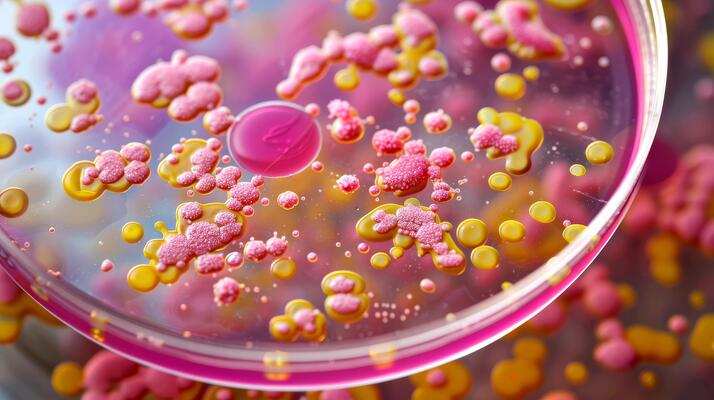
‘The Thing’ and ‘ The Andromeda Strain’ are two movies that classically fit the above description. This cliché pretty describes much how the internet has gone into a frenzy regarding a recent study published in Microbiome regarding the presence of 13 extensive drug-resistant strains of a bacterium called Acinetobacter bugandensis (already known for its resistance against antibiotics) on the international space station1.
The authors describe the isolation of strains of Acinetobacter bugandensis which are highly resistant to antibiotics, on board the ISS. Now this should be read after taking in a deep breath. Yes, the bacterium isolation already has a pedigree of being resistant to antibiotics on earth, however since the ISS has ongoing microbiological assessments and experiments going on all the time, these results were a part of the routine and regular assessment of flora aboard the ISS.
This assessment is done to ascertain how the bacterial flora adapts to space and whether it is a threat to the astronauts. However, it was concluded that the ‘Super Bug’ was not a threat to the astronauts on board the ISS nor was it an imminent threat to humanity.
Having said that astronauts and missions on return undergo heavy decontamination procedures and containment to prevent any intruder which has piggybacked to cause havoc on earth. The strains were found to have extensive changes in their genetic structure and function to make them resilient to the relentlessly harsh environment of space which is probably why they double up on their armament against anything that can threaten to kill them, yes, you thought that right, antibiotics.
Planet Earth among other threats also faces the grave threat of superbugs (antibiotic-resistant bacteria ), since the more we use antibiotics against them, the more they become resilient, and since we are not coming up with newer groups of antibiotics. Before talking about implications for the space industry, space exploration, and humanity it would be worthwhile to discuss briefly the hows and whys of microorganism resistance.
When the going gets tough, the tough get going!
We are reminded time and again as we pass through the years about endurance and forbearance in the face of calamity and odds. Citing that we would come out tougher and better equipped to face similar or even different situations in the future. Microorganisms especially bacteria (since we would be focusing primarily on them) follow the same principle of nature, the tougher the grind they pass through, the fiercer and more ravaging they become. In our search for life, as we know it, we have come across it in a place where one would least expect it.
Organisms that are found in places with conditions we consider extreme are referred to as extremophiles. These include but are not limited to salt beds, hot springs, hydrothermal vents, and ocean depths2. These organisms resist the environmental extremities, be it extremely acidic or alkaline pH of water, extremely high pressure to extremes of temperature. They equip themselves with mechanisms at the genetic level to ensure their survival.
Doctors come across a plethora of infections caused by bacteria in their clinical practice. However, while those infections are treated effectively in many instances by appropriate practice, sometimes antibiotics are unduly prescribed, underdosed, or given for durations that are shorter than what would be appropriate for the infection.
Organisms that are found in places with conditions we consider extreme are referred to as extremophiles.
An interesting analogy would be in using a bazooka to take out an ant-sized target. This is when the target bacteria eventually acquire resistance against the medication, which is a global issue nowadays. Antibiotic stewardship is in place in institutions for this very reason, because, honestly, we are running short of options for bacteria that are resistant to most of our powerful antibiotics. This paints a bleak picture with the world already having faced a pandemic in recent times, we cannot afford another calamity of this proportion, at least in the foreseeable future.
Microbes in space
Space may be the final frontier for humans but calling it harsh, cold, and empty would be an understatement. It offers a myriad of factors that contribute to it being as relentless as it is. Space environments have parameters like altered gravity, vacuum, solar and UV radiation, and extremes of temperatures. And microorganism that beats these factors and bears through and eventually replicates would be considered an extremophile. Space environments include the interiors and exteriors of space stations, shuttles, and satellites.
The ISS for example harbors a diverse ecosystem of microbial flora3. This flora originates from the astronauts themselves plus since the equipment and its constituents originate from Earth, this also contributes to the diversity. And these bacteria eventually start colonizing the inner and outer surfaces of the ISS. As mentioned before, the extreme environmental conditions push the microorganisms into survival mode and they become resistant to these rigid conditions and thus thrive.
On the ISS for example, bacterial growth is found on the inside of vents, along cables and wiring which is constantly kept under check by the sweeping sanitizing measures carried out by astronauts. Since the barrage of adversity is persistent in space, the changes that these bacteria conjure up could lead them to become what we may call ‘Super Bugs’, which could be lethal for humans on the ISS and Earth.
Study of Microbes in the Earth’s Atmosphere and Space
Earth’s atmosphere extends up to 10,000 km above the surface. The atmosphere is divided into different layers according to temperature difference, composition, pressure, and density. The outermost layer which is almost beyond 600 km is the exosphere while the innermost is the troposphere. The layer above the troposphere is the stratosphere which extends from roughly 20 km above the surface to 50 km4.
Over the last century, numerous experiments have been conducted in the earth’s atmosphere namely in the stratosphere layer with balloons which meant to seek out the type of microbial life there and how it differed from what is present on the surface. Namely Louis Pasteur determined that the density of microbial life decreased with rising altitudes4.
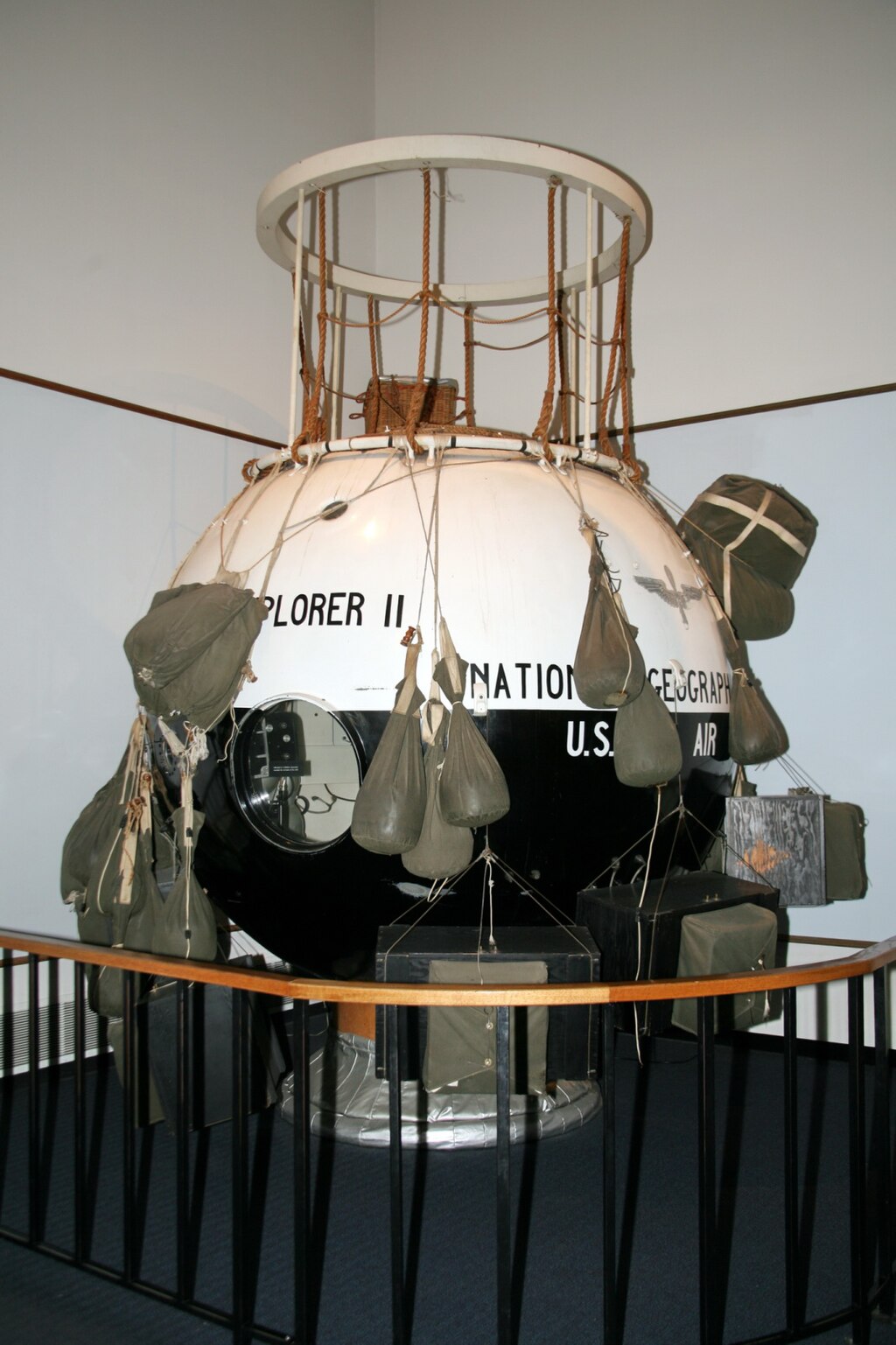
A US-manned high-altitude balloon, explorer 2 was used to sample microorganisms (bacillus, Aspergillus, and Penicillium to name a few) from the stratosphere in 1935 and this was the first experiment of its kind5. Since then, numerous similar experiments have followed suit using balloons, rockets, and planes.
The key factors identified as stressors for microbes in the stratosphere were low temperatures and pressures, radiation, and inadequate nutrition5. The microorganisms found in these conditions were broadly fungi and spore-producing bacteria that survive these intense conditions however they are no threat to life on Earth.
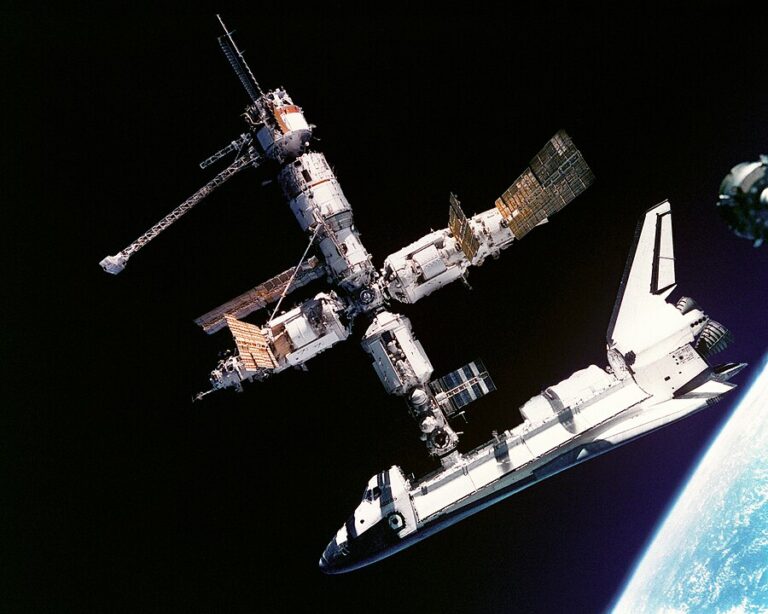
Low Earth Orbit (LEO) is a term used for the area under 2000 km above the earth’s surface6 and comprises a host of stress factors for life including radiation, extreme temperatures, and vacuum and earth’s magnetosphere. Satellites, space shuttles, and stations (MIR and ISS) orbit in this region and have been used to perform experiments on microbial life to ascertain the effects of the stressors of LEO on them. Experiments have been conducted since the 1960s. Numerous projects have been set on the International Space Station by the European Space Agency (ESA) namely BIPAN and EXPOSE7,8.
The Japanese have set the TANPOPO experiment on the ISS-KIBO module of the ISS which is dedicated to astrobiology and the study of the effects of space on microbial life. In light of the experimental work on board the ISS, it can be considered a ‘ Microbial Observatory.’
However, since the conditions provided by space cannot be accessed all the time to study the effects of those stressors on microbial life, certain conditions are simulated in the laboratory conditions here on Earth. Those conditions may include and are not limited to microgravity, centrifuge, vacuum, and extremes of temperatures.
Considering the experiments conducted in LEO and ground-based lab work, the following are the findings and mechanisms whereby microbes become ‘Super.’
It has been seen that the metabolic production of bacteria (enzymes and other proteins) may increase or decrease in the stressors provided by space 9,10. Increased growth and proliferation11 of bacterial population along with increased virulence has been observed12. There is biofilm production in the flora above the ISS which protects the organism from the environment and ensures its growth13, this may be dangerous for the integrity of the infrastructure of the ISS as the flora may eat away at the cables and machinery.
There is an upregulation of genes that set up stress responses in bacteria. There is enhanced proliferation of bacteria in hypergravity (for example in shuttle reentry)14. Spores of the bacterium Bacillus subsites have been seen to survive radiation, vacuum, and microgravity15. These findings suggest that space makes microbes resilient and they prevail despite the odds.
This can potentially be of concern to Earth life since these toughened-up critters are battle-hardened and if they have survived the damning hostile environment of space, they could easily do away with what we throw at them if they break out on Earth. Luckily, we do not have evidence to date that shows that the ‘Microbial Apocalypse’ has happened or will happen soon, having said that this could change, and how we can keep averting it, will be covered in the ensuing discussion.
A US-manned high-altitude balloon, explorer 2 was used to sample microorganisms (bacillus, Aspergillus, and Penicillium to name a few) from the stratosphere in 1935. Credits: Wikimedia Commons
Planetary Protection & the Way Forward
Planetary protection is a protocol enforced and followed by NASA whereby policies are put in place that ensure measures to prevent the solar system bodies from being contaminated by terrestrial organisms and organic material carried by space programs. This stands to prevent any confounders in the search for extraterrestrial life.
The same protocol also ensures measures to prevent backward contamination of Earth and its biosphere by organisms/organic material carried back to Earth either as collected samples from other solar system bodies or through hitchhiking on returning space crafts16.
The Planetary Protection Department works with other space agencies to enforce the protocols during the construction of space crafts to ensure minimal terrestrial bacterial load and collaborates on plans for missions to other solar system bodies to protect other planetary bodies from contamination.
You might have come across documentaries of space crafts and the recently launched James Webb telescope being assembled. You might have noted that they have those HAZMAT suits on as they work on structures. This is to prevent the contamination of these deployed space-venturing structures by terrestrial microbial flora. These gigantic facilities are positive-pressure clean rooms whereby minimal microbial load is ensured.
In addition to this NASA used techniques such as DNA micro assays, bioinformatics, and spore assays17 to assess the microbial burden on surfaces and air in these rooms. It is worth mentioning that astronauts coming back from other planetary bodies are bound to be quarantined for a certain period before being allowed back into their routine lives.
The Apollo 11 astronauts also underwent the same quarantine procedures for 3 weeks. While we hear about the engineering and aerospace ingenuity of space missions, probes, and satellites all the time we seldom hear about this all-important aspect discussed hitherto.
Apparently, the space governing bodies have plans in place to prevent ‘forward’ and ‘backward’ contamination of planetary bodies. Coming back to the recently published study about a multi-drug resistant bacteria on the ISS. The thought of such bacterial strains causing disease on earth is nothing short of a world-ending nightmare, but one must consider a few points before jumping to a macabre conclusion.
Microbes grow tough in extreme conditions however it is not a given that they may remain as tough if their environment changes and are exposed to a different set of conditions. This could lead to a dwindling of the lethality factor for such microbes.
This could be an important aspect if, in the worst-case scenario, a highly mutated resistant bacterial strain coming from the ISS is set loose on Earth. However, The astronauts on the ISS are fine and coexisting with these strains of bacteria which is one of the reasons why there is no need to panic. Our bodies also undergo immense changes in space even at the genetic level, which could prove as a gain or loss in terms of protection against co-existing microbes.
The biggest challenges for humanity lie in the potential prospects of long-duration space ventures, e.g. to the moon, mars, and beyond. In these situations where humans face an uphill challenge to safeguard our biological sanctity from the harsh and unforgiving void of space, microbes will face the same if not fiercer challenges. Chances are, they will endure these long voyages with ease and may turn out to be a menace for long-voyage astronauts.
Upon touchdown, on other planets and planetary bodies, the worst we could do for life in the cosmos is to unleash an army of mutated microbes that have faced obstacles over long periods. This army of microbes could end up wiping out the Indigenous life as well as put our missions in jeopardy by infecting the colonizing humans and could confound our search for extraterrestrial life. We could be finding life on planets that we might have seeded by mistake.
Were we stand currently we have good measures in place to protect our beloved blue globe from otherworldly microbial invaders however we cannot say for sure how this will hold up in the future when we reach out into the solar system and beyond Coming to grips with how sturdy and resilient life is, from the microbial to the macro level, one does wonder if the ‘panspermia’ hypotheses could hold credence in contributing to spread of life throughout the cosmos.
Ongoing research aboard the ISS and in our lower atmosphere in parallel with the research of extremophiles on earth can lead us to in-depth answers as to how microbes survive and thrive in the most inhospitable of places, furthermore, techniques such as CRISPR applied in space microbiology could end up benefitting humans and microbes alike especially when there would have to no choice but to co-exist.
References:
Sengupta, P., Muthamilselvi Sivabalan, S., Singh, N.K. et al. Genomic, functional, and metabolic enhancements in multidrug-resistant Enterobacter bugandensis facilitating its persistence and succession in the International Space Station. Microbiome12, 62 (2024). https://doi.org/10.1186/s40168-024-01777-1
Checinska Sielaff, A., Urbaniak, C., Mohan, G.B.M. et al. Characterization of the total and viable bacterial and fungal communities associated with the International Space Station surfaces. Microbiome7, 50 (2019). https://doi.org/10.1186/s40168-019-0666-x
DasSarma, P.; Antunes, A.; Simões, M.F.; DasSarma, S. Earth’s Stratosphere and Microbial Life. Curr. Issues Mol. Biol.2020, 38, 197-244. https://doi.org/10.21775/cimb.038.197
“IADC Space Debris Mitigation Guidelines”(PDF). INTER-AGENCY SPACE DEBRIS COORDINATION COMMITTEE: Issued by Steering Group and Working Group 4. September 2007. Archived(PDF) from the original on 17 July 2018. Retrieved 17 July 2018. Region A, Low Earth Orbit (or LEO) Region – spherical region that extends from the Earth’s surface up to an altitude (Z) of 2,000 km
Horneck G, Klaus DM, Mancinelli RL. Space microbiology. Microbiol Mol Biol Rev. 2010 Mar;74(1):121-56. doi: 10.1128/MMBR.00016-09. PMID: 20197502; PMCID: PMC2832349.
K. Olsson-Francis, N.K. Ramkissoon, M.C. Macey, V.K. Pearson, S.P. Schwenzer, D.N. Johnson, Simulating microbial processes in extraterrestrial, aqueous environments, Journal of Microbiological Methods, 2020, 172, 105883, ISSN 0167-7012, https://doi.org/10.1016/j.mimet.2020.105883.
Demain, A.L. and Fang, A. (2001), Secondary metabolism in simulated microgravity. Chem Record, 1: 333-346. https://doi.org/10.1002/tcr.1018
Huang, B., Li, DG., Huang, Y. et al. Effects of spaceflight and simulated microgravity on microbial growth and secondary metabolism. Military Med Res5, 18 (2018). https://doi.org/10.1186/s40779-018-0162-9
Mennigmann, H.D., Lange, M. Growth and differentiation of Bacillus subtilis under microgravity. Naturwissenschaften73, 415–417 (1986). https://doi.org/10.1007/BF00367283
Wilson JW, Ott CM, Höner zu Bentrup K, Ramamurthy R, Quick L, Porwollik S, Cheng P, McClelland M, Tsaprailis G, Radabaugh T, Hunt A, Fernandez D, Richter E, Shah M, Kilcoyne M, Joshi L, Nelman-Gonzalez M, Hing S, Parra M, Dumars P, Norwood K, Bober R, Devich J, Ruggles A, Goulart C, Rupert M, Stodieck L, Stafford P, Catella L, Schurr MJ, Buchanan K, Morici L, McCracken J, Allen P, Baker-Coleman C, Hammond T, Vogel J, Nelson R, Pierson DL, Stefanyshyn-Piper HM, Nickerson CA. Space flight alters bacterial gene expression and virulence and reveals a role for global regulator Hfq. Proc Natl Acad Sci U S A. 2007 Oct 9;104(41):16299-304. doi: 10.1073/pnas.0707155104. Epub 2007 Sep 27. PMID: 17901201; PMCID: PMC2042201.
Vukanti, R., Model, M.A. & Leff, L.G. Effect of modeled reduced gravity conditions on bacterial morphology and physiology. BMC Microbiol12, 4 (2012). https://doi.org/10.1186/1471-2180-12-4
G. Horneck, H. Bücker, G. Reitz,. Long-term survival of bacterial spores in space, Advances in Space Research, Volume 14, Issue 10, 1994, Pages 41-45, ISSN 0273-1177, https://doi.org/10.1016/0273-1177(94)90448-0.
The space industry, currently valued at around $630 billion, is projected to soar to $1.8 trillion by 2035. This growth not only brings technological advancements but is fuelling geopolitical conflicts among the most powerful nations. Along with this, it brings a multitude of challenges including orbital congestion, radio frequency spectrum allocation, and ethical considerations regarding equity, access to space resources, and a potential space race.
Currently, approximately 9,000+ active satellites are orbiting the Earth with a single company, SpaceX, owning a staggering 4,000 of them. This company’s plan to launch a constellation of 42,000 satellites further complicates matters, potentially leading to a space traffic jam situation.
This concentration of satellite ownership raises concerns about the equitable use of space resources as outlined in the Outer Space Treaty (OST), which states that space should be the province of all mankind. This gives rise to questions: Is space truly accessible to all? Or is it becoming the territory of a select few, reminiscent of colonial practices? The launch of these satellite constellations, while promising to provide global connectivity and other benefits, also raises questions about the fair distribution of space resources among nations.
Crowded orbits pose a significant threat of potential collisions. As more objects are placed in space, maintaining safe trajectories becomes increasingly challenging. Each satellite must carefully navigate its path to avoid colliding with others, and the risk of such collisions only grows as the number of orbiting objects increases.
This endangers current space missions and contributes to the creation of additional debris, perpetuating a cyclical process known as the Kessler Syndrome.
According to Sarah Scoles, a science journalist who writes for Codastory, “Creating more satellite infrastructure to enable more connections and capabilities on Earth could be precisely what threatens those connections and capabilities.” Contrary to constructing an extensive satellite infrastructure for improved connectivity and services, it’s paradoxical.
Adding to these concerns is the increasing pollution of outer space with debris that stays in orbit indefinitely. According to the Federation of American Scientists, there could be as many as 170 million fragments of debris currently orbiting the Earth, posing a significant threat to future space travel.
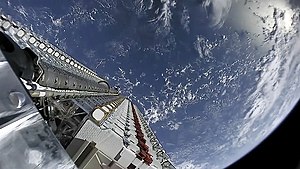
Starlink Mission. Credits: SpaceX
This debris, which includes defunct satellites, rocket stages, and fragments from past collisions, in low-Earth orbit presents challenges in tracking and managing these objects, which can impede upcoming space missions.
The good thing is that no two active spacecraft collided with each other putting us at ease due to the competence of space traffic management systems, yet! However, there’s a slight issue with that. The current US alert system is not capable of monitoring the space traffic for the whole world.
The director of Secure World Foundation, Victoria Samson claims the US alert system to be minimal and is nowhere near comprehensive enough to tackle all the traffic. She realizes the need for having more formal coordination and two-party discussions rather than 11th-hour chaos.
To understand the gravity of the situation let’s see a real-world example. In 2019, SpaceX’s one of the Starlink satellites had a 1 in a 1000 chance of colliding with the European Space Agency’s satellite. 29 warnings were issued to SpaceX, though, without any response. In the end, the European Space Agency changed the course of its satellite. Investigation revealed a bug in the SpaceX system at that time which was why they weren’t able to respond.
This incident further strengthens the claims made by Victoria Samson.
Why should we be concerned about this?
OST emphasizes that all space activities should benefit all of humanity. The advancements we enjoy today like GPS technology for location tracking and communication systems for air and sea travel, are made possible by satellites.
If something were to go wrong in space, the consequences could be dire. Just like we all know what happened on 19th July with the Windows-operated systems and Crowdstrike. These incidents show that events in space can affect our everyday lives, either directly or indirectly.
With the rise of commercialisation in space, private companies are now participating in exploration, previously dominated solely by government agencies. Drafted in the 1960s when space exploration was primarily scientific, OST now seems outdated and lacks clear regulations for private space companies and commercial activities in space.
Under the OST, if a private space company violates any laws, the home nation is held responsible. The problem is that the United Nations has no means of enforcing these laws. Consider a hypothetical example of a private space company from a powerful nation violating space laws. Given the UN’s historical struggles to enforce actions against superpowers, how would it stop or hold them accountable for any damages?
The asteroid mining industry, valued at over $900 million in 2022, is expected to reach $4 billion by 2030 and has the potential to inject trillions of dollars into the global economy. As Chad Anderson, founder of investment firm Space Capital, explains, “The space economy is much broader than just rockets and satellite hardware. It is the invisible backbone that powers our global economy.”
The problem is that whoever develops feasible technology first will likely monopolise the industry and its resources. Most likely the home country stands to benefit most from this technology, widening the inequality gap between those who have access to space resources and those who do not.
The OST helped ease tensions between the US and the Soviet Union, and it was hoped it could do the same for US-China relations. However, this hasn’t been the case. Like other superpower spacefaring nations, China’s space program is rooted in its military and ballistic missile program. In contrast, the US separated its space program from military jurisdiction with the formation of NASA in 1958. Nonetheless, the US remains suspicious that China’s civilian space program is merely a cover to enhance its military capabilities.
The US imposed strict sanctions on China on the sharing of information and components. Despite these restrictions, China’s space program continued to advance rapidly. Notable achievements include six domestic launch sites, successful lunar and Mars rover missions, a constellation of satellites for remote sensing and intelligence, their own permanently crewed space station Tiangong, and a roadmap for a lunar research station.
Whether this will be a competition or collaboration depends on how these two superpowers approach the issue. Either way, it will increase the pace of innovation in both countries. China has already achieved so much without cooperation and will keep moving forward with or without anyone’s help. Furthermore, history suggests that technological feats are achieved through collaboration.
A mockup of the Tiangong space station. Credits: Wikimedia Commons
John Logsdon, professor emeritus of George Washington University and former Space Policy Institute director, believes that competition and collaboration will have positive impacts. He notes that the space race got the US to the moon and collaboration with their sworn enemy, Russia, helped build the International Space Station along with 13 other nations. Logsdon rejects the notion of a race for domination and believes that competition can still help.
The major problem with collaboration is that the Chinese are not very transparent about their methods and ideas. The 14th head of NASA, Bill Nelson, claims he wants the US to cooperate with China in space, but secrecy and non-transparency are major hurdles. Nelson states, “The Chinese civilian space program is, in reality, their military space program. That’s why I think we are going into a space race with China.” He also believes, “Leadership in space is leadership transparently for all nations to join you.”
But is there a way to still collaborate? Nelson suggests that if they receive assurances from their counterparts about transparency, they are willing to consider it. There are ways around the Wolf Amendment, as it only restricts NASA and NASA-funded projects from being shared with the Chinese.
Scientific endeavors not funded by NASA can still collaborate. Moreover, the Wolf Amendment restricts bilateral relations, not multilateral ones. A collaboration of the US, Russia, and China can still work, but concerns about working with two authoritarian countries are significant.
Many experts believe that collaboration with China will pave the road to greater cosmic achievements. Because one way or another, China is going to continue advancing, and those who lag might lose their chance to be part of something greater. Jim Head, a planetary scientist, concludes, “The solar system is such a big place. If we’re all duplicating everything individually, that is just stupid. So collaboration, cooperation, coordination — I think that’s the way to go.”
Following the steps of superpowers, India is catching up on their space program. The success of the Chandrayaan-3 mission, which involved a soft landing of a robot on the moon’s South polar region, made India the 4th country to achieve this feat after the US, Russia, and China.
To further enhance their space sector, the Indian government has introduced new policies to allow private companies to participate and attract foreign direct investments. The Indian Space Research Organisation (ISRO) opened doors for collaboration with the private sector to improve the country’s space capabilities.
India planned to invest $3 billion to reduce its reliance on foreign satellites, with a focus on strengthening its military space program following tensions in the Ladakh region with China.
In response to China’s anti-satellite missile test in 2019, India established the Defence Space Agency and conducted its own anti-satellite weapon test, showcasing its growing dominance in orbit. Additionally, India aims to establish a navigation system comprising 26 satellites, with 7 already in orbit. To enhance communication capabilities for its military, India is aiming to send multiple communication satellites in the coming years.
Despite facing funding and resource constraints, India’s space program continues to ascend to new heights. M. Matheswaran, a retired Indian Air Force air marshal, believes that India will eventually close the gap with other leading spacefaring nations, but acknowledges that catching up with China’s current position will take time. However, the militarisation of India’s space programme raises concerns. The increasing focus on military applications in space may lead to an arms race in orbit, further complicating the already tense geopolitical landscape.
The ethical considerations surrounding space utilisation are complex and multifaceted. While the launch of satellite constellations aims to provide global connectivity and other benefits, it raises critical questions about the fair and sustainable use of space resources. The concentration of ownership and control over these assets by a few nations or private entities could lead to a new form of “space colonialism,” where the benefits of space are not shared equitably among all nations.
Additionally, the environmental impact of space debris and the potential for collisions raises questions about the responsibility of space-faring nations and companies to mitigate these risks and ensure the long-term sustainability of space activities.
At the end of the day, it is of utmost importance that any actions taken or laws made must ensure the inclusion of all stakeholders and must be done for the benefit of all mankind. Experts, policymakers, scientists, lawyers, and ethicists should sit together to discuss the best possible ways to ensure that space remains a province for all mankind.
In the bustling corridors of Pakistan’s hospitals, an unseen crisis is unfolding: medical errors. These errors represent a significant yet often underreported issue within the healthcare system. While Pakistan grapples with various health challenges, from infectious diseases to maternal mortality, the specter of medical errors adds another layer of complexity to the nation’s healthcare landscape. This silent but deadly epidemic not only jeopardizes patient safety but also erodes trust in the healthcare system.
Medical errors encompass a wide range of issues, including misdiagnosis, medication errors, surgical mistakes, and healthcare-associated infections. These errors, often preventable, can lead to severe consequences such as prolonged illness, additional medical complications, and even death. In Pakistan, the situation is particularly dire due to factors such as inadequate training of healthcare providers, poor healthcare infrastructure, and the lack of standardized protocols.
The Scope of the Problem
The true scale of medical errors in Pakistan remains largely underreported. However, smaller studies and anecdotal evidence suggest that thousands of patients suffer annually due to preventable mistakes. A study published in the Journal of the Pakistan Medical Association highlighted that a significant number of surgeons had committed errors, but only a small percentage reported them, citing factors like work stress and fear of legal consequences. Despite recognizing the importance of reporting, many surgeons felt the current system was ineffective (Alam & Nasir, 2021).
The Human Toll
Nine-month-old Nashwa’s tragic death at Darul Sehat Hospital in Karachi in 2019 paints a harrowing picture. Nashwa died due to the administration of a lethal dose of potassium chloride, which was improperly delivered. This incident raises concerns about the training and competence of the medical staff involved. Nashwa’s grieving parents described her as a cheerful baby whose life was cut short by a preventable mistake. Unfortunately, her story is just one among many.
In another incident, reported by the Express Tribune in 2022, a pregnant woman died after allegedly being administered an expired dose of anesthesia during delivery. Two other pregnant women also became critically ill after receiving the same expired anesthesia and were transferred to the ICU. The hospital administration attempted to conceal the incident until the deceased woman’s relatives filed a complaint with the health ministry, leading to an inquiry.
Causes of Medical Errors
One major cause of medical errors in Pakistan is insufficient training and education. Many healthcare professionals receive inadequate training, particularly in crucial areas such as patient safety and error prevention. The medical education system often fails to emphasize these critical components, leaving practitioners ill-prepared to manage and mitigate errors effectively. This lack of proper training results in healthcare providers who may not fully understand the protocols necessary to avoid mistakes, leading to preventable errors in patient care.
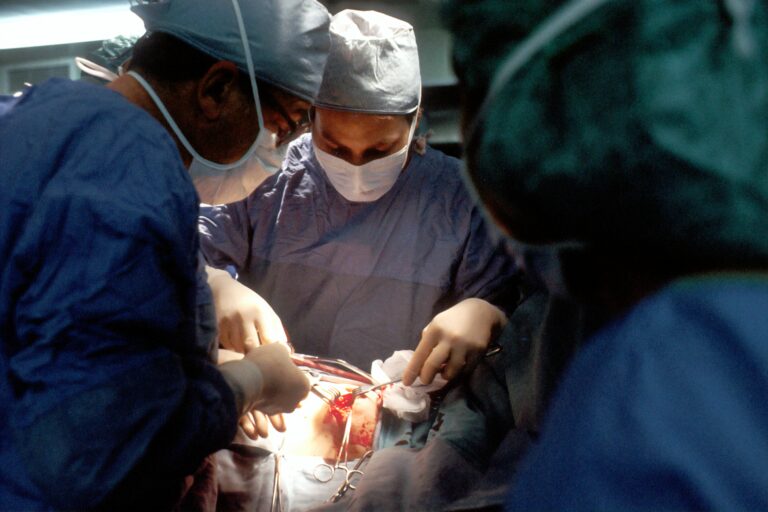
One major cause of medical errors in Pakistan is insufficient training and education
Systemic issues within the healthcare infrastructure also play a significant role in the high incidence of medical errors. Overburdened hospitals, limited resources, and outdated medical equipment contribute to a challenging environment where errors are more likely to occur. The healthcare system, especially in rural areas, operates under severe constraints, making it difficult to consistently provide high-quality care. These systemic deficiencies create an environment where the risk of mistakes is elevated, and healthcare providers struggle to maintain safe practices.
Communication breakdowns among healthcare providers, as well as between providers and patients, are another critical factor contributing to medical errors. Misunderstandings, incomplete patient histories, and language barriers can all lead to critical mistakes. Effective communication is essential for ensuring that patient care is coordinated and accurate, but when communication fails, it can result in errors that have serious consequences for patient safety.
The lack of standardized protocols further exacerbates the problem of medical errors. Without consistent clinical guidelines, practices can vary widely between institutions and even among individual practitioners. This inconsistency leads to errors as healthcare providers may not follow the same procedures or standards, resulting in varied and often inadequate care. The absence of standardized protocols means that there is no uniform approach to treatment, increasing the likelihood of mistakes.
Cultural and social factors also play a significant role in the prevalence of medical errors. In Pakistani society, questioning authority figures, including doctors, is often discouraged. This cultural norm means that patients and junior staff may be reluctant to voice concerns or report errors. The reluctance to challenge or question medical decisions complicates efforts to identify and address mistakes. Without an environment that encourages open communication and accountability, errors go unreported and uncorrected, perpetuating the cycle of medical mistakes.
Impact on Patients and Healthcare Providers
The impact of medical errors on patients is profound. They can suffer from prolonged illness, additional medical complications, and, in severe cases, death. The psychological toll on patients and their families is immense, leading to a loss of trust in the healthcare system.
For healthcare providers, medical errors can lead to professional repercussions, including loss of licensure, legal actions, and emotional distress. The fear of punitive measures often deters healthcare workers from reporting errors, creating a vicious cycle where mistakes are not acknowledged or learned from, thereby perpetuating the problem.
Current Efforts and Potential Solutions
Addressing the issue of medical errors in Pakistan requires a multifaceted approach involving policy changes, educational reforms, and cultural shifts.
Policy and Regulation: Implementing robust policies that mandate the reporting and analysis of medical errors is crucial. Establishing a national database to track and study these errors can provide valuable insights into their causes and trends, facilitating targeted interventions.
Education and Training: Reforming medical education to include comprehensive training on patient safety and error prevention is essential. Continuous professional development programs focusing on these areas can help healthcare providers stay updated on best practices and new developments.
Improving Communication: Enhancing communication channels within healthcare teams and between providers and patients can reduce errors. This includes adopting electronic health records (EHR) systems to ensure accurate and complete patient information is readily accessible.
Standardized Protocols: Developing and implementing standardized clinical guidelines can ensure consistency in care. Regular audits and feedback mechanisms can help monitor adherence to these protocols.
Cultural Change: Promoting a culture of safety where healthcare providers are encouraged to report errors without fear of punishment is vital. This can be achieved through training programs, leadership initiatives, and supportive policies that focus on learning and improvement rather than blame.
Institute of Medicine (US) Committee on Quality of Health Care in America. (2000) ‘To Err is Human: Building a Safer Health System’, National Academies Press (US). doi: 10.17226/9728. Available at: https://pubmed.ncbi.nlm.nih.gov/25077248/
Rahman, M., Awan, M.A., Awab, O., Khan, S.S., Ahmed, S. and Rashid, A. (2019) ‘Assessment of patient safety culture in Pakistani Hospitals: A Baseline study for the development of patient safety framework’, Rawal Medical Journal, 44(3), pp. 432-435. Available at: https://www.rmj.org.pk/?mno=24002
Rashid, Z., Khan, H.T., Rehman, F., Ahmad, S., Niazi, S. and Sarwar, M.Z. (2021) ‘Attitudes and practice of surgeons in reporting medical errors at a tertiary care hospital’, Journal of the Pakistan Medical Association, 71(3), pp. 1051-1054. doi: 10.47391/JPMA.427. Available at: https://pubmed.ncbi.nlm.nih.gov/34057981/
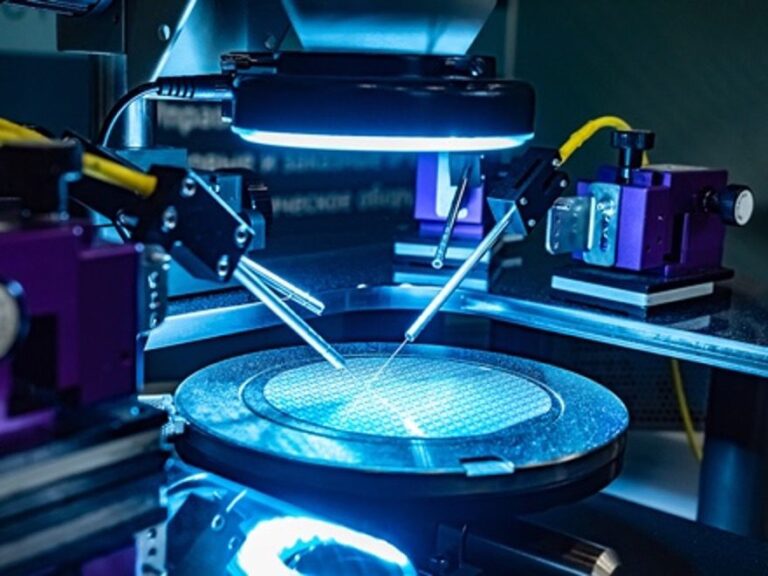
A new joint study uncovers the remarkable potential of ultrafast lasers that could provide innovative solutions in 2D materials processing for several technology developers, such as high-speed photodetectors, flexible electronics, biohybrids, and next-generation solar cells.
The manipulation of 2D materials, such as graphene and transition metal dichalcogenides (TMDs), is crucial for the advancement of next-generation electronic, photonic, quantum, and sensor technologies. These materials exhibit unique properties, including high electrical conductivity, mechanical flexibility, and tunable optical characteristics.
However, Traditional processing methods often lack the necessary precision and can cause thermal damage. This is where ultrafast laser processing comes into play, offering unprecedented control over the material properties at the nanoscale.
A new study by Aleksei Emelianov, Mika Pettersson from the University of Jyväskylä (Finland), and Ivan Bobrinetskiy from Biosense Institute (Serbia) explores the remarkable potential of ultrafast laser techniques in manipulating 2D layered materials and van der Waals (vdW) heterostructures toward novel applications.
“Ultrafast laser processing has emerged as a versatile technique for modifying materials and introducing novel functionalities. Unlike continuous-wave and long-pulsed optical methods, ultrafast lasers offer a solution for thermal heating issues. The nonlinear interactions between ultrafast laser pulses and the atomic lattice of 2D materials substantially influence their chemical and physical properties,” tells Postdoctoral Researcher Aleksei Emelianov from the University of Jyväskylä.
Ultrafast light-matter interactions are being actively probed to study the unique optical properties of low-dimensional materials.
A new tool for altering the properties of 2D materials
The researchers describe progress made over the past decade and primarily focus on the transformative role of ultrafast laser pulses in maskless green technology, enabling subtractive and additive processes that unveil ways for advanced devices. It is feasible to achieve resolution down to several nanometers by utilizing the synergetic effect between the energy states within the atomic layers and ultrafast laser irradiation.
“Ultrafast light-matter interactions are being actively probed to study the unique optical properties of low-dimensional materials, says Aleksei Emelianov. In our research, we discovered that ultrafast laser processing has the potential to become a new technological tool for manipulating the properties of 2D materials,” said Aleksei.
Journal Reference:
Aleksei V. Emelianov, Mika Pettersson, Ivan I. Bobrinetskiy. Ultrafast Laser Processing of 2D Materials: Novel Routes to Advanced Devices. Advanced Materials, 2024; DOI: 10.1002/adma.202402907
A recent powerful solar storm has underscored the significant challenges radiation poses for future Mars colonists. While the dream of colonizing Mars captures the imagination, the reality of dealing with high radiation levels on the Red Planet presents one of the biggest hurdles to long-term human settlement.
Unlike Earth, Mars lacks a substantial magnetic field and a thick atmosphere, leaving its surface highly vulnerable to space radiation, particularly during heightened solar activity.
TheDangerofSolarStorms
Solar storms, which include solar flares and coronal mass ejections (CMEs), occur when the Sun releases vast amounts of charged particles into space. When reaching Mars, these particles can pose severe health risks to astronauts. On Earth, its magnetic field and atmosphere provide a protective shield, deflecting and absorbing much of this radiation.
However, Mars’s thin atmosphere and weak magnetic field mean that these charged particles can easily penetrate the surface, creating a hazardous environment for any potential colonists.
The Sun goes through an 11-year cycle of solar activity, known as the solar maximum, during which the frequency and intensity of solar storms increase. During these periods, the amount of radiation hitting Mars can rise dramatically, posing a critical challenge to the safety of astronauts living and working on the Martian surface.
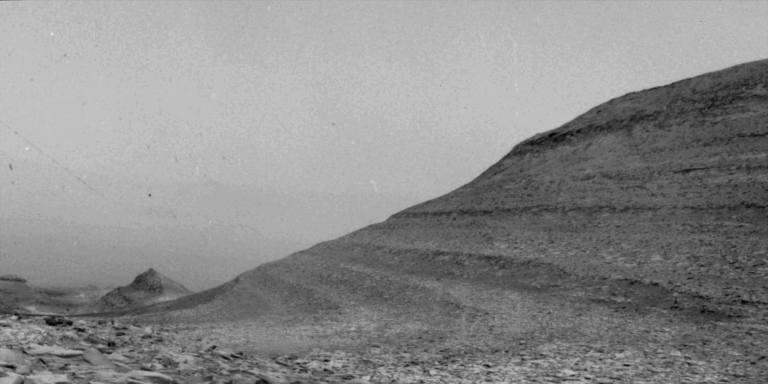
The specks in the sequence of images in this video were caused by charged particles from a solar storm hitting one of the navigation cameras aboard NASA’s Curiosi NASA’ss rover. The mission uses the rover’s navigator’s smears to try capturing images of dust devils and wind gusts, like the gust seen here. (Credit: Space.com)
HealthRisksofRadiation
Radiation exposure on Mars can lead to a range of health problems, from acute radiation sickness to long-term issues like cancer and cardiovascular diseases. NASA’s CuriosiNASA’ser and the Mars Atmosphere and Volatile EvolutioN (MAVEN) mission have been instrumental in studying these radiation levels.
The Radiation Assessment Detector (RAD) aboard Curiosity has provided valuable data showing that high-energy particles from solar storms can reach the Martian surface. This information is crucial for developing effective protective measures for astronauts.
Radiation on Mars comes from two main sources: galactic cosmic rays (GCRs) and solar energetic particles (SEPs). GCRs are high-energy particles originating from outside our solar system, while SEPs are associated with solar storms. Both types of radiation are dangerous, but solar storms can cause sudden spikes in radiation levels, making them particularly concerning for human missions.
InnovativeSolutionsforRadiationProtection
Addressing the radiation problem on Mars requires innovative solutions. One proposed method is to use Martian regolith, or soil, as a protective shield. By covering habitats with a thick layer of regolith, it’s possible to block a significant portion of the incoming radiation.
Another idea is to utilize natural features such as caves and lava tubes, which offer inherent protection against radiation. These underground structures could serve as ready-made shelters for astronauts, providing a safer environment with less exposure to harmful radiation.
In addition to these physical barriers, future missions might incorporate advanced technologies like magnetic shielding to create artificial magnetic fields around habitats. Research is also ongoing into developing pharmaceuticals that could help protect against or repair the damage caused by radiation.
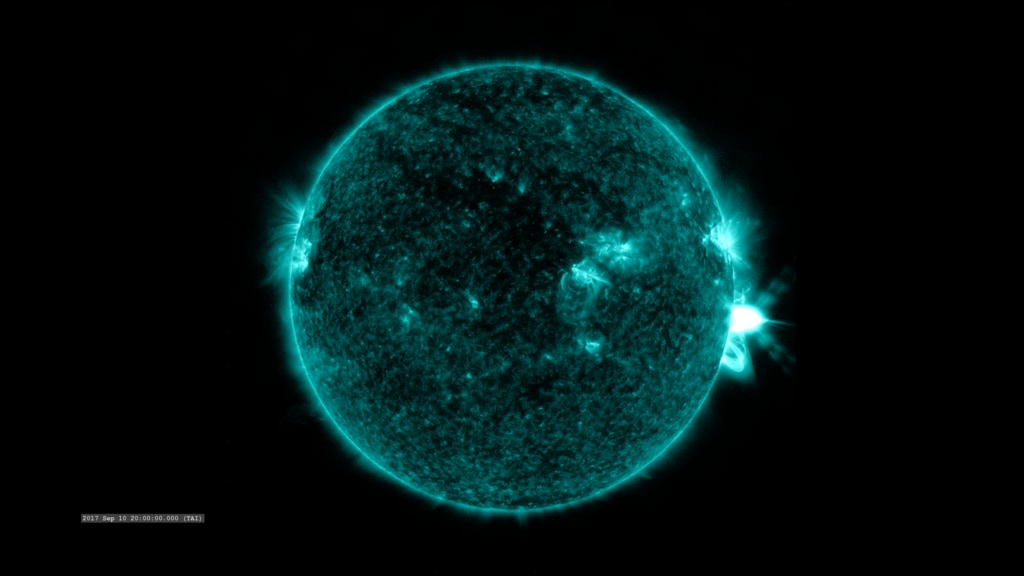
A view of a solar flare blasting from the sun. (Image credit: NASA/SDO)
MonitoringandEarlyWarningSystems
NASA’s MAVEN plays a crucial role in monitoring solar activity and providing early warnings of incoming solar storms. By analyzing data from MAVEN and other spacecraft, scientists can predict when solar storms are likely to occur and how intense they will be.
This early warning system is vital for protecting both robotic missions and future human explorers on Mars. When a significant solar event is detected, mission control can take steps to safeguard astronauts and sensitive equipment, such as shutting down vulnerable systems or directing astronauts to take shelter.
The journey to Mars and the dream of establishing a human presence on the Red Planet are fraught with challenges, and radiation exposure is one of the most formidable. However, with continued research and innovative solutions, it is possible to mitigate these risks.
Understanding the behavior of solar storms and developing effective protective measures will be critical in making Mars colonization a reality. As we stand on the brink of this new era of exploration, addressing the radiation challenge will be essential for ensuring the safety and success of future Mars missions.
“The rewards for biotechnology are tremendous -to solve disease, eliminate poverty, age gracefully. It sounds so much cooler than Facebook”, says George M. Church, a professor of genetics at Harvard Medical School.
Cardiovascular diseases (CVDs) are the leading cause of death worldwide. An estimated 17.9 million people died from CVDs in 2019.1 The heart is a unique organ that has the innate potential to grow additional blood vessels (angiogenesis). Scientists are exploiting the heart’s ability to remodel itself for the treatment of chronic angina due to coronary artery disease.
Angiogenic gene therapy that employs alferminogene tadenovec, Ad5FGF-4— a replication-deficient human adenovirus serotype 5— that expresses human fibroblast growth factor-4 (FGF4), an angiogenic protein that enhances the formation of new blood vessels, thus improving reperfusion of ischemic myocardium.2
Biotechnology is the science of leveraging living organisms or their products for the welfare of humankind, while biomanufacturing is a type of biotechnology that employs biological systems to produce commercially important products. From promoting food and medicine production in the 19th century to the manipulation of genetic material and living tissues, these technologies have served humanity through top-notch innovations.
In this piece of writing we will look through the trailblazing advancements of biotechnology that are transforming our lives.
E-waste management
Electronic waste is one of the rising problems across the globe. With technological breakthroughs, electrical appliances have become an integral part of our lives. Their waste (the electronic apparatus that is deemed useless after the end of its life) poses significant health risks to humans and is detrimental to the environment.
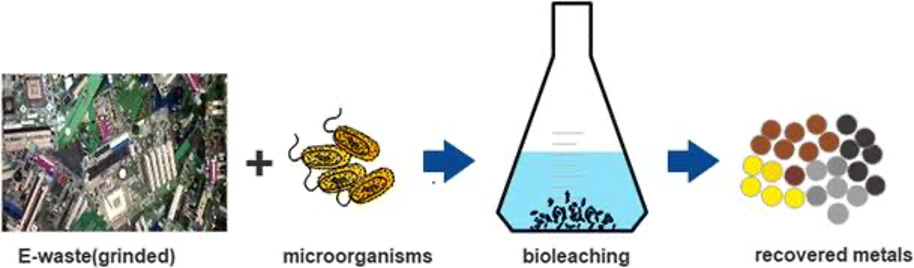
Many upcycling technologies, including mechanical and chemical techniques, have been used, but environmentally and economically sound microbial technology is garnering global attention. Organic acids (e.g., citric, gluconic, oxalic, and malic acid) of microbial origin have been proven fruitful as chelating agents in the biohydrometallurgical process for extracting metals from disposed lithium-ion batteries.
A schematic illustrating e-waste management via biotechnological approaches [3]
According to a report, Aspergillus niger produced gluconic acid that has the potential to dissolve Li, Cu, Mn, Al, Ni, and Co. This biohydrometallurgical process holds immense promise for recovering metals from spent electronic devices as they contain up to 60 percent of metals and elements.4
Food Security
Population explosions, climate change, availability of arable lands and water crisis are undermining global food production and sustainability. Cell culture technologies such as animal cell culture (cultured meat), microbial cell culture (mycoprotein), and vegetable and fruit plant cell culture can minimize the use of arable land.
They also offer pathogens-free food, provide controlled production, and are geographically and seasonal independent. Moreover, animal cell culture does not hurt the sentiments of animal lovers, thus justifying its ethical grounds.
To meet the escalating demand for food supply, crop improvements such as photosynthetic efficiency, withstanding environmental stressors, and insect and herbicide resistance are being conducted to enhance yield using advanced plant breeding with marker-assisted selection (molecular breeding) and genetic modification. Molecular breeding uses DNA markers to reshape the genetic makeup of plants.5
“Agri-biotechnology…is one of the key forces to promote food security, social progress, and economic prosperity in the world.” – Hepeng Jia, Science Communicator, China.
The various techniques and tools for genetic engineering to acquire desirable traits in plants.
Bioeconomy
A bio-economy is defined as “an economy where the basic building blocks for materials, chemicals, and energy are derived from renewable biological resources.” 6 This notion is meant to attain a net zero-carbon society.
The transition from fossil-based to bio-based products (circular economy) and energy is crucial from climate change, food security, health, industry restructuring, and energy security perspectives. It hinges on biomass carbon (i.e., any biodegradable organic sources) as the building block.
A study finds the use of coconut juice residues (CJRs) as the feedstock to produce bacterial cellulose, which could be acetylated to synthesize bio-cellulose acetate (bio-CA) membranes.
These membranes could then be harnessed to separate CO2 from biogas produced during bio-waste anaerobic breakdown, yielding biomethane (CH4), a renewable fuel, and CO2. This captured CO2 can be used for microalgae cultivation which bedsides fulfilling food and feed requirements, it can also be used for biofuels, cosmetics, fertilizers and health supplements.7
Another pressing issue is burning crop residues that result in mounted air pollution levels, greenhouse gas emissions with a threat to public health, and a decline in organic matter in the soil. The conversion of crop residues to industrially sustainable products such as enzymes, biofuels, and soil additives, thereby contributing to the circular economy.8
“Bioeconomy pathways can yield many benefits for health, livelihoods, climate and resilience. But we must carefully design, evaluate, and implement policies and technologies to achieve these benefits and minimize trade-offs”, Andrew Haines, London School of Hygiene and Tropical Medicine.
Medical Biotechnology
The World health system is witnessing a paradigm shift in prophylactics, diagnostics, and therapeutics thanks to novel approaches to biotechnology and biomanufacturing. Biologics such as monoclonal antibodies (mAbs) are proving their worth in treating autoimmune diseases such as rheumatoid arthritis, Crohn’s disease, psoriasis, etc.
Messenger RNA (mRNA) based vaccines are substituting conventional vaccine methods to fight infectious diseases and cancers due to their high efficacy, capacity for rapid development, and safe route of administration [9]. Gene silencing using interference RNA to target the mRNAs of disease-associated genes has therapeutic activities.10
Gene therapy to supplant malfunctioning genes and genetic engineering tools such as CRISPR-Cas9 are being utilized to combat hereditary diseases and mitigate antimicrobial resistance by knocking out resistance genes.
Genome sequencing techniques are applied to evaluate rare disorders, screen genetic abnormalities, to monitor emerging pathogens. Fluorescence in situ hybridization (FISH) is a persuasive technique for detecting specific DNA sequences, gene mapping and discovering oncogenes responsible for any type of cancer.11
Bioremediation
Given the worsening environmental pollution levels owing to human activities, biotechnological interventions to degrade pollutants such as hydrocarbons, heavy metals, agricultural wastes, nuclear waste, and plastics are groundbreaking.
Bioremediation refers to the use of living organisms such as bacteria, fungi, or their enzymes to degrade these noxious compounds. Scale-up fermentation to obtain microbial biomass and enzymes for bioremediation techniques can help reduce or eliminate recalcitrant polymers and xenobiotic compounds.
Schematic representation of different bioremediation techniques
The potential of biotechnology and biomanufacturing can be harnessed to transform human health, improve food security and sustainability, secure our supply chains, and foster economies across the globe.
Discoveries of gene editing tools such as Crispr-Cas technologies help combat antimicrobial resistance by knocking out drug resistance genes, curing inheritable diseases that were hard to treat, and manipulating genes at early embryonic levels to acquire desirable characteristics.
Molecular typing methodologies have paced the diagnostics and therapeutics. Agricultural biotechnology can help mitigate climate change by covering crops and producing microbial enzymes that can draw excess atmospheric CO2. Genetically modified plants are tolerant to biotic and abiotic stressors.
Scale-up production of industrially important enzymes to help reduce pollution levels via bioremediation techniques. Bio-based economies are contributing to achieving Sustainable Development Goals (SDGs). As we unravel new horizons of technologies such as artificial intelligence, it can lead to significant breakthroughs in biological sciences.
Wikandari, R., Manikharda, Baldermann, S., Ningrum, A., & Taherzadeh, M. J. (2021). Application of cell culture technology and genetic engineering for the production of future foods and crop improvement to strengthen food security. Bioengineered, 12(2), 11305–11330. https://doi.org/10.1080/21655979.2021.2003665
Pardi, N., Hogan, M., Porter, F. et al. mRNA vaccines — a new era in vaccinology. Nat Rev Drug Discov 17, 261–279 (2018). https://doi.org/10.1038/nrd.2017.
Agrawal N, Dasaradhi PVN, Mohmmed A, Malhotra P, Bhatnagar RK, Mukherjee SK2003.RNA Interference: Biology, Mechanism, and Applications. Microbiol Mol Biol Rev67:.https://doi.org/10.1128/mmbr.67.4.657-685.2003
Shakoori, A.R. (2017). Fluorescence In Situ Hybridization (FISH) and Its Applications. In: Bhat, T., Wani, A. (eds) Chromosome Structure and Aberrations. Springer, New Delhi. https://doi.org/10.1007/978-81-322-3673-3_16