Food production in South Asian countries has shown a general upward trend during the last couple of decades. Despite the considerable increase in these countries’ population, including Pakistan, the food production per capita is higher. The available daily calorie supply is also adequate to meet the healthy lifestyle requirements.
Throughout our lives, we are exposed to a plethora of food items; everyone needs food to survive and maintain their daily chores. The purpose of food is to repair, develop, and nurture the new tissues, produce energy, and through activating chemical reactions in the human body, it protects against infections. Altogether healthy food plays a significant role in our mental and physical well-being, and to stay fit, we need all five food groups for a balanced diet.
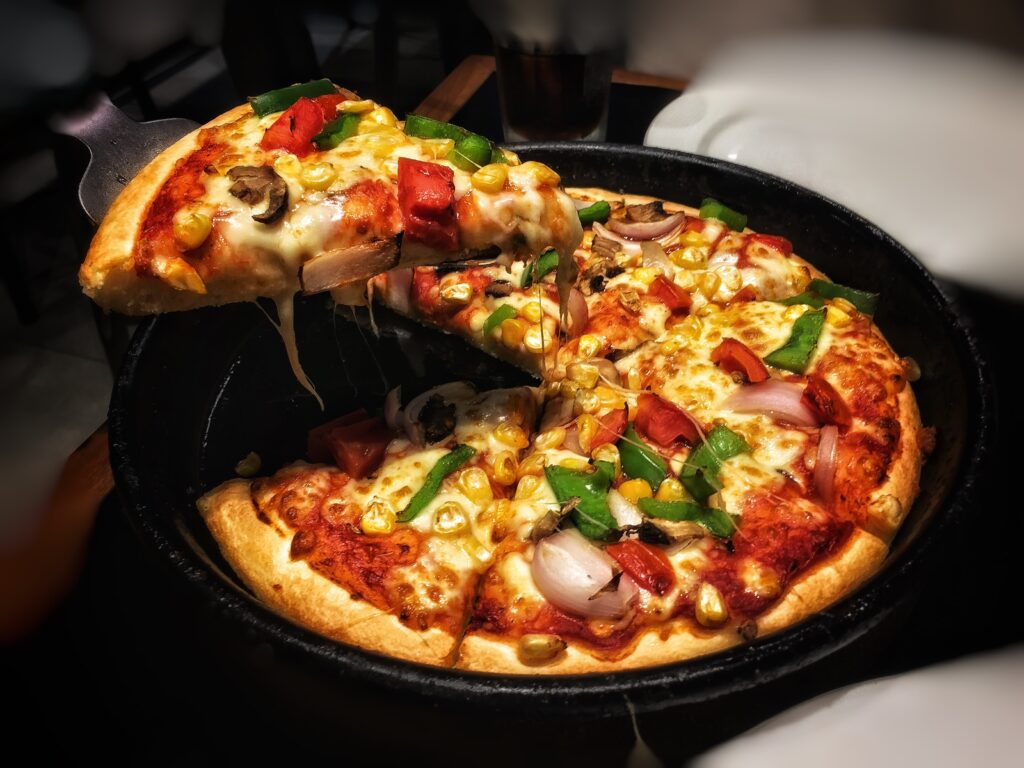
That part is exact, but we are now fixed to other cravings that basically harm our health. We don’t need Bar BQ’s, burger, pizza, ice cream, and candy corn to survive. They are not essentials of food requirements still an indispensable part of modern lifestyle.
New research conducted by a Singapore-based start-up Ai Palette has pinpointed a few eating trends in South Asia for 2021. This report is based on the data collected through the direct tracking of consumer’s food preferences. The impact of COVID19 is global; the year nearly exhausted us both physically and mentally and has altered our lives completely. It restricted our freedom of traveling, spending time with peers and families and significantly hit our food hang-ups.
A majority of our food consumers now prefer food that boosts thinking and working capacity, lessens stress, and positively modifies their mental well-being. The Ai Palette team had collected data from multiple food resources such as search engine queries, social media conversations, hotel, restaurant menus and recipes, and picked around one thousand food trends.
These trends are then sorted out and classified into dormant, emerging, growing, mature, declining, and fading categories. They figured out that the food beverages that maintain a peaceful sleep are a growing conversational trend, mostly in South Asia, Europe, and the US. Thus, the report concluded that most surprisingly, consumers are continually showing interest in plant-based food components to maintain good physical and mental well-being.
Interestingly, it appears that after the spread of Coronavirus from the Chinese city Wuhan, the use of plant-based-protein has grown up to a significant range as an alternative to conventional animal-derived-meat and dairy products in many parts of the world, specifically in the US, UK, Europe, and India.
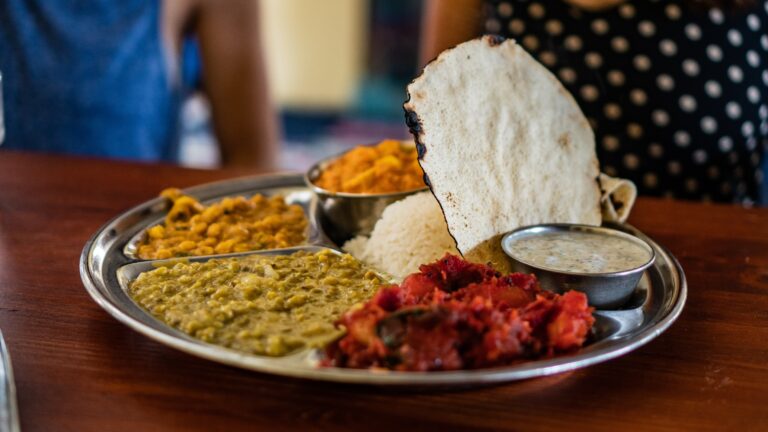
But no such trend is found in Pakistanis’ eating practices due to insufficient knowledge and awareness of a healthy lifestyle and nutrition. The layman in Pakistan is unconcerned that healthy food could be a precautionary measure against the COVID19 attack. Pakistan is the Hub of great food; from most spicy Lahori food to Baluchistan’s Sajji and Peshawar’s Chapli kabab, one can find a variety of items in daily menus.
There is an array of international fusion available at the doorstep
Gone are the days when you could enjoy only Desi foods in Pakistani restaurants. There is an array of international fusion available at the doorstep through Food Panda and other food delivery services. Food as a business is flourishing in Pakistan because of the inventiveness and originality of the people involved in it.
With more Pakistani women joining the workforce, home-cooked meals are becoming less of a daily tradition and more of a weekend luxury for these families. Despite being a developing nation and facing economic degradation, Pakistanis spend an estimate of more than 40% of their monthly salaries on food. This is why the food business is getting hype to meet the public’s growing demands and become the second-fastest growth sector of Pakistan.
According to the experts, Pakistan’s food industry is snowballing, still very much in its infancy, and needs to think of more ways to tantalize the public’s taste buds and make them line up for the next big thing. They need to realize that more eateries lead to more food choices and more indigenous and aspiring food trends. While working out on new trends, they should learn healthy nutrition guidelines, especially after the pandemic, when taking care of one’s health is not only necessary for themselves but equally vital for the well-being of their family and peers at the workplace.
In our nutrition edition, we highlight these issues that the public is uninformed of while choosing something in the restaurant’s menus or lining up weekly meals. At the same time, we bring some exciting stories and features on diet and nutrition. Have a good read!
In 700 A.D Ethiopia, Kaldi watched over his goats when he noticed some of them were dancing around full of energy. The curious shepherd went to check on his goats and discovered that they had eaten some strange red berries. Kaldi took this intriguing fruit to the local monastery. There, the monks couldn’t hide their excitement over the red berry they could use to stay up all night to pray. This is one of the many different stories of how the coffee bean was discovered. In one version, a Sufi Sheikh sees energetic birds singing because they had eaten that berry. In another, the son of the very same Sufi discovered the berry in a bush.
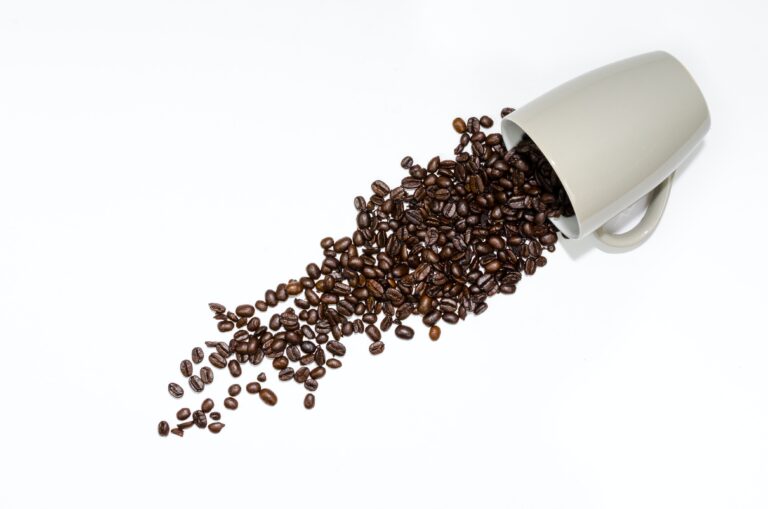
Since its discovery, coffee has traveled throughout the world and become a staple item in most households. Everywhere you go, you’ll find a coffee shop or two around, such is its demand. Over 2.25 Billion cups of coffee are drunk every day! It is primarily consumed for the same reason that excited the monks. Coffee contains caffeine, a natural stimulant that is why you are refueled by a coffee cup. By altering the nervous system’s functioning, it prevents fatigue from consuming the body and improves cognition.
Nonetheless, coffee is a psychoactive drug, i.e., it has a revitalizing effect on you through your nervous system. As the central nervous system starts functioning differently, the ‘fight or flight’ mode is enabled within you. You feel alertness similar to what you would think in a frightening situation, which may trigger an anxiety attack or increase your pre-existing anxiety. A high intake of caffeine can cause heart palpitations and increased blood pressure. Although this subsides quickly in most. But if you suffer from hypertension or other heart-related problems, you should drink coffee only if allowed by the doctor. Also, try to limit your intake to a moderate amount.
Coffee is widely believed to cause heart diseases in the long run as well. It is commonly seen to increase blood pressure and make your heart beat faster immediately after its intake. But is there any correlation between habitual drinking of coffee and the risk of cardiovascular disease? There is but not in the way most would think. Rather than a higher chance of such conditions, there is a significantly lesser risk of heart diseases in those who drink a moderate amount daily! This result is supported by several studies carried out on sizeable groups.
This is not the first time adverse side-effects have been falsely attributed to coffee over its long journey from Ethiopia. In 1511, the Meccan governor banned coffee and claimed that it had intoxicating effects. Thus, it was sinful. Although this decision was more politically motivated rather than based on factual information. It underwent the same treatment by the Catholic Europeans, who named it the ‘devil’s drink.’
More recently, in 1991, the World Health Organisation (WHO) enlisted coffee as a carcinogen (substances that can cause cancer). In 2016, WHO removed it from the list when results showed the polar opposite of this claim. Not only is it not detrimental to cancer, but some studies also show that coffee may even decrease the risk of many cancers.
So, if you’re healthy and allowed to by your physician, keep drinking that cup of coffee in the morning. Drink two or three cups if you please. It might even ensure you stay healthy.
Nowadays, we are constantly bombarded with facts such as how chocolate can be used as a stress reliever, is organic food better than processed, are fish better for brain health? Are all these popular beliefs true? Fortunately, we have researchers digging deep into this subject. Studies show that, yes, these beliefs are true. We are actually what we eat!
Better brain health, a documentary released in 2020, comments on how the food we eat affects our brain. This new interdisciplinary science that is neuro-nutrition is creating a link between food and the change in our behavior. This enlightening documentary shows how food science is an important consideration in better brain development. It presents views of an international panel of nutritionists from around the world, which is supported by ingenious lab experiments.
We know this much that fatty foods make you obese and lead to certain complicated diseases, but do you know they actually limit your mental capacity? Yes, this is surprising as it may seem, but, researchers have linked reduced memory storage in people who are fed with a sugary diet.
It is astonishing to know that our manners and social behaviors are being determined even before we are born. Yes, the food consumed during pregnancy indeed affects brain development. Consumption of a high amount of sugary foods leads to stress, anxiety, and reduced mental capabilities later in life. Lab rats were tested for particular dietary deficiencies, and they show similar consequences.
Not only do fatty foods make you obese and lead to certain complicated diseases, but they have also been found to limit your mental capacity.
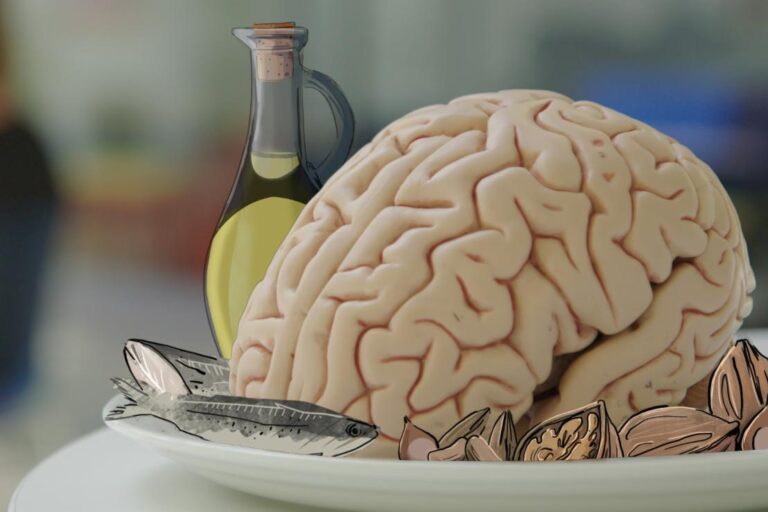
Researchers have concluded that eating foods rich in omega3 such as nuts, seeds fish oil increases the electrical properties of our brain. But unfortunately, very few people consume them in their daily diets.
After the industrial revolution, many foods that were shelved in the market were processed. In this day and age, we heavily rely on processed food. It contains insane amounts of corn syrup, which is high in fructose. Although it gives food increased shelf life and twist in taste, the effects on health are very harmful. Yes, as crazy as it may sound eating these foods develops behaviors that lead to increased aggression, restlessness, and agitation. In one study, hamsters were tested for behavior change after being strictly given a corn-based diet. They turned to cannibalism.
In one captivating piece of the documentary, a question is raised: Is nutrition helpful in controlling crime? Researchers in the Netherlands are trying to get the answer. Obviously, I will not spoil for you. You’ll have to watch the documentary to know the answer.
Better Brain Health: We are what we eat, puts forward a very critical connection between the importance of nutrition and how it can retrain our brain with better dietary choices.
Scientia Pakistan’s CEO, Ms. Saadeqa Khan, is among the finalists for the 2021 FDM everywoman in Technology Awards. She is a science journalist based in Quetta and has been working with renowned news agencies like BBC Urdu and Deutsche Welle.
Now in their 11th year, the awards celebrate the tech industry’s most exceptional talent, from the UK and beyond, creating role models to inspire the next generation of tech stars. From women developing technology to support the Covid-19 vaccine roll-out and the NHS’s fight against the virus, to those running businesses that assist developing economies, to the young rising stars that place diversity and inclusion at the forefront of their organisations, the 88 finalists are all united by one common goal – to create a legacy founded on people, planet and purpose, a legacy that leaves the world in a better place than they found it.
The tumultuous events of 2020 led to transformative changes in the technology industry and accelerated the digital future by over five years. As the pandemic continues to shape the needs of society, the sector is expected to adapt ever more rapidly in 2021. Developing drugs and vaccinations, expanding home working and education tech, addressing sustainability and environmental impact, and developing AI solutions are just some of the challenges the industry faces as it looks to improve lives.
In a major step forward, for the first time over one million women are now working in STEM. However, the impact of the pandemic means that one in four women are currently considering “downshifting” their careers or leaving the workforce, which risks both a skills gap and a set back for gender parity. This is why the role played by the awards in promoting careers and showcasing the achievements and networks of women working in the sector is so important.
FDM Group is the FTSE 250 market leader in the Recruit, Train and Deploy industry, specializing in developing the next generation of technology talent. FDM launches over 2,000 new careers every year. With a dedicated commitment to closing the digital skills gap, the company offers high quality, diverse talent from a breadth of backgrounds and experience levels.
The 2021 FDM everywoman in Technology finalists can be found here. Winners will be announced at an experiential virtual ceremony on 4th March 2021.
Food is a solid part of every event in the culture of Pakistan. Whether it may be a joyous occasion like a wedding ceremony or a mourning one like a funeral, food is the main focus of the event for most of the guests present. Like every society, we have our set of food habits and norms which are difficult for us to change despite the fact that they may be deteriorating for our health in the long run.
Despite regular awareness on social media and by peers and experts, diet and food habits have always remained ambiguous topics. That’s because everyone has different food tastes and preferences, and everyone tends to experiment with different diet fads and trends in society. We should remember that we are what we eat and providing a balanced diet and lifestyle to our body ensures that it works well.
Social media is the strongest influencer for everyone nowadays. I, for example, mostly get to know about the latest diets and food trends through Instagram because I follow a lot of celebrities, nutritionists, and lifestyle bloggers there. Every one of them has their own ideas and tips to offer, but I’ll tell you one thing that there is a common line they all agree on: food can be used to influence your lifestyle and health, it can be your medicine or it can be your poison. That means everything you put in your mouth affects you in one way or the other, so you have to be careful about the constituents, quantity, and timing of the food that you consume.
I’ll discuss some of the bad trends that tend to increase day by day in our society:
1. Latebreakfast
The ideal time for breakfast is from 8 to 9 am. Most people don’t realize that this is the most important meal of the day and our energy level for the day depends on how good a breakfast we’ve had. Just drinking tea or processed white bread or a glass of milk or juice is not at all the right way to start your day. A typical Pakistani breakfast consists of a Paratha along with an egg or any curry or yogurt followed by tea. This is a perfectly healthy breakfast provided it is done at the ideal hour and the rest of the day is spent actively. Eating most of your calories for the day in the first meal of the day assures that you burn them throughout your routine and the body doesn’t store them as fat. Eating your breakfast late or skipping it altogether is harmful to the brain, which constantly requires a source of glucose to function properly.
2. Excessiveuseofcaffeine
I think we got this trend from our drama industry. People portray tea as some kind of magic potion for headaches, stomach aches, bad moods, tiredness, etc. I know people will hate me for writing this down, but it is not okay to consume more than three cups of tea a day. You do not need to turn to tea as your rock in hard times, it’s just a drink that needs to be taken moderately.
I know people who drink six to seven cups a day because they feel like they need it. Well, hear clearly people; tea is not a medicine for your problems. Also, the typical tea involves using powdered whitener to your teabag. While these may take lesser time, they are not healthy. Try using fresh milk so that you get the benefits and nutrients of milk as well.
3. Notdrinkingenoughwater
Water is taken very lightly by people. Do you know that 90 percent of the cells in your body consist of water? Ideally, you should consume at least 8 glasses of water a day. As soon as you wake up, you should consume 2 glasses, then one an hour before every meal, one before bedtime, and squeeze in a few between the day.
Ideally, you should consume at least 8 glasses of water a day
You can consume up to 16 glasses a day. it will help your body to flush out toxins via urine and sweat, your skin will glow and you’ll feel active and healthier as well.
4. Not eating enough raw vegetables
When it comes to eating salad, many people don’t understand the concept. Just slicing a few cucumbers on a small plate along with a meal for the whole family is not what a salad is. It should comprise of fresh vegetables, at least three to four, tossed in olive oil, and a whole serving should be eaten in the afternoon. Salads should comprise of whatever’s in season like cucumbers, tomatoes, apples, carrots, radishes, sweet corn, onions, beetroot, cabbage, iceberg, etc. If you want to add a staple like pasta or chickpeas to your salad make sure they don’t outnumber raw things. Drizzle with some olive oil and you’ve made yourself the ideal concoction of vitamins, minerals, and antioxidants!
Vegetables which are steamed or simply grilled are also an excellent source of nutrients. Make sure that you eat vegetables in at least one of your meals. They are a good source of carbs as well as fibre and a cure for chronic health conditions like diabetes and blood pressure. The thing to remember is that fruits and vegetables make your plate colourful and diverse. The more colours your plate has to offer, the more healthy it is for you!
5. Snacking on the wrong items
Snacking means eating small amounts of certain foods between the main meals of your day, usually to satisfy cravings or for immediate boosts of energy. Ideally, this is not a bad idea, but people usually prefer to snack on biscuits, cookies, packet potato crisps, boxed juices, and fizzy drinks, fried, baked, and refined items, etc. All of these foods are made of nothing but crap and calories.
If you feel like munching on something, try nuts, seeds, whole wheat biscuits, carrot sticks, fruit, dark chocolate, etc. You might not get satisfied at first but believe me, you’ll get the knack of it and enjoy these healthy snacks more!
6. Overdoing it at tea-time
Most people tend to load themselves with all sorts of delicacies like butter cookies, sugary baked items, fried samosas, rolls, etc. with their evening tea. If you crave something sweet or crunchy along with your cup of tea, one item or one serving is more than enough. Having one cookie or so is all want is needed to satisfy you. Bake some healthy oatmeal and raisin cookies at home or opt for a few pieces of dry fruit with your tea. This is a very important factor in keeping that waistline of yours in check!
7. Drinking fizzy drinks with meals
The perception that drinking cold drinks with or after meals helps in digestion and releases gas is completely wrong. Drinking fizzy carbonated drinks along with a meal wreaks havoc all along your alimentary canal. Instead of curing gas, it creates more of it and messes with your digestive juices. This could lead to bloating, acidity, and stomach aches.
If you want to aid digestion, try drinking water thirty minutes before a meal, do some light strolling after the meal or drink green tea.
8. Oily, salty, sugary foods
Almost all of our traditional cuisines involve a combination of spices and heavy ingredients like cream, ghee, etc. Whether it be biryani, or nihari, or halwa poori, Pakistanis tend to add extra oil, spices, and sugar in their food, believing that is what brings the exceptional flavor. Flavour actually lies in the freshness of ingredients, the procedure of cooking and handling, and the moderate combination of all the ingredients. An indication of a healthy dish is that you don’t feel too full or bloated or thirsty after eating it.
Too much sugar is bad for your health
9. Not sticking to a routine
The most important factor in maintaining a healthy lifestyle is to strictly cohere to a routine. The routine should involve proper timings for meals, sleep, and all other tasks of the day including walk, exercise, household chores, refreshment, and relaxation. Once you let life swing into a proper schedule, it becomes smooth and easier as well as healthier. Your body adapts to it and knows what and when to expect. Avoid skipping meals, or doing sudden strenuous exercise, or taking stress all the time. These terrible habits can seriously affect your immunity and lifestyle.
10. Not planning and reflecting
Life gets a load easier if you plan your meals beforehand. This way you can make sure to include all the food groups and buy your groceries accordingly. Deciding what to eat when you’re on the verge of hunger makes you choose calorie-dense foods that you regret later and then feel stressed about.
Take out a few minutes at the end of your day to reflect upon your other habits as well as eating ones. Do you tend to eat a lot when under stress? Do you drink enough water? Did you have three fruits today? Did you eat more than one sugary item? If you can, try keeping a food diary to keep track of what you consume. This way you can make sure to limit your calories and include all the important foods in your diet as well.
11. Not observing common table manners
Chewing too fast, swallowing big bites, chugging down water between meals, not sitting up straight while eating are all little things that make a huge difference. We usually tend to neglect these essential minute intricacies of fine dining and believe they don’t matter. Well, they do. For example, drinking water between meals causes disturbance in digestion and causes bloating or, in some cases, hiccups which are not good for the heart. And regarding chewing, it is the first essential step of digestion which ensures that food has been broken down enough to be easily further digested by the stomach.
12. Drooling and dying over dessert
Dessert is personally one of my greatest weaknesses and I simply can’t imagine life without sugar. When I first read about how you shouldn’t eat dessert, I felt like shutting and kicking away the laptop and indulging in the bucket of ice cream in my freezer anyway. Then many seconds of self-control and calm provoked me to read further, and I was happy that I did. There is no rule which says you shouldn’t eat dessert (Thank God!). All you have to do is keep two things in mind: timing and portion. It is better to have dessert only after one of your meals and that too after lunch since you’ll have the rest of the day to burn it off. Make sure to have just a few bites or a small serving, one that keeps you satisfied.
Humans enjoy eating. But the eating patterns of everyone differs. Someone might eat food low in cholesterol if they have a family history of having high cholesterol levels. Similarly, someone at risk of getting diabetes will try to avoid food rich in glucose. A person might have dinner at 7 pm while another will miss dinner and end up binge eating at midnight at their favorite Netflix show because they do that every day.
My sister got braces two years ago. She has appointments every month or two to change the wire. After every meeting with her dentist, she finds it difficult to eat even moderately hard food, which is why she goes on a diet of rice and lentils for a week until she can eat something else again. A dish she used to like a lot has now become a necessity. On her last appointment, she was given an elastic ring to wear over her braces. Even though she has begun to eat properly, she has to take off the ring every time she eats anything. In response, she has started avoiding eating anything other than proper meals.
Eating is one of the most pleasurable activities for a human. It helps them feel energized, satiated and lets them enjoy a variety of different flavors. But have you ever thought about why we eat? Or what reason is there that we like certain foods but dislike others? Let us take a moment to ponder on some of the theories.
Why do we eat?
The most sensible answer to why do we eat seems to be quite simple. It’s because we are hungry. Then again, why do we feel hungry?
Our bodies undertake many important functions, and one of them is homeostasis: the mechanism required to keep a constant internal state to survive. The primary source of energy for our bodies is glucose. As per requirements and intake, glucose level fluctuates in the body. The hypothalamus detects these fluctuations in the brain, which leads to a corrective mechanism being activated – in this case, the production of either insulin or glucagon hormones. These hormones help get the glucose level in the correct range.
In line with this, glucose set-point theory proposed that humans eat when their glucose levels are low and stop eating when the glucose level falls in the range. An interesting study was conducted on dogs. One of the dogs was fed, and then its blood was transfused in a hungry dog so that the latter’s glucose level rose. The hungry dog did not show signs of hunger after receiving the blood transfusion. However, in criticism of this theory, it was pointed out that blood glucose level remains fairly stable and does not change in extremes in everyday life.
Eating is one of the most pleasurable activities for a human. It helps them feel energized, satiated and lets them enjoy a variety of different flavors.
Cannon and Washburn (1912) proposed a theory that it is the stomach contractions that lead to the feeling of hunger. To test it, Washburn swallowed a balloon and had it inflated in his stomach. Whenever his stomach contracted, it would push against the balloon, and Washburn would feel the sensation, thus recording his stomach contractions. He would also record whenever he felt hungry. Cannon and Washburn concluded that there is a correlation between stomach contractions and the feeling of hunger. Nevertheless, it was later found out that rats and even humans had their stomachs removed and still retained the feeling of being hungry.
When we eat
One of the reasons we eat when we eat is due to our learning. From a young age, humans are taught that there are three times a day when they should have a meal – breakfast, lunch, and dinner. It depends on one’s environment and routine when they have these meals.
An organism learns through different types of conditioning. In classical conditioning, some cues are not associated with a particular behavior but, the introduction can learn their association of a cue already associated with that behavior.
Ivan Pavlov, a Russian physiologist, tested classical conditioning in dogs. The ringing of a bell does not cause a dog to salivate. However, if the bell ringing is accompanied by food, the dog will salivate, originally on the sight of food. As the dog learns that the ringing of the bell and food is associated, it will start to salivate merely on the bell’s ringing, even without food insight. Think about it, have you ever felt the need to eat something when you are not hungry?
What we eat
The other form of conditioning is called operant conditioning: task brings about a positive or negative reinforcement, which helps an individual learn what to do and avoid.
If you see a molding bread, you are much more likely to avoid eating it. The avoidance of such food is learned for the benefit of the organism. Similarly, food that tastes sweet is preferred over food that tastes bitter. It is likely because the bitter taste is associated with poison. Hence, it is a learned behavior to avoid food that might be poisonous.
Under classical conditioning, we also learn to avoid some kinds of food. Suppose that you just ate a strawberry, and almost instantly, you start to feel sick. Even though you have had strawberries before, you believe that it was due to this fruit that you became ill and learned to avoid strawberries in the future as a mode of survival.
The third factor affecting what we eat comes from our social learning. Our culture plays a significant role in the choices of food. Each country has its own way of cooking. Eastern countries make use of many spices while western countries prefer to use only a few. These choices are ingrained for a long. Also, we may prefer to eat different foods at different times. When out with friends, we are more likely to eat what everyone agrees on. It also depends on where a person is and what kind of food is easily accessible.
Lastly, food choices might be innate; thrill-seeking is an innate behavior. High thrill-seekers prefer more exotic and spicy food than low thrill-seekers. It shows that personality may affect what a person eats.
When out with friends, we are more likely to eat what everyone agrees on.
How much we eat
Has it ever happened that you take a small portion of food on a large plate and end up still feeling hungry? Or when you use a small plate and feel sated?
This is the Delboeuf illusion.
With the same portion in two different sized plates, the empty area surrounded the food gives the illusion of having more food on the small plate or less food on the large plate. This perception leads to thinking they are eating more from the small plate even though the portion sizes are the same. The more we think, the more fulfilled we feel.
Another interesting example is the bottomless bowls experiment. Wansink, Painter, and North (2005) used an apparatus that would pump soup into half of the participants’ bowls. The other half participants manually filled their bowls with soup. The participants who ate from the ‘bottomless bowl’ consumed a much larger amount than those who ate from simple bowls. Yet, they did not report feeling any more satiated than the control participants and did not believe they had eaten more. This experiment shows how visual illusions can be confusing and lead to excessive consumption.
Our expectations
Did you know that we can sense the flavor of something by looking at it?
Morrot, Brochet, and Dubourdieu (2001) presented participants with two types of wine. Participants tasted the wines and reported on what flavor they thought the wine was. It turned out that the white wine was associated with flavors such as lemon and honey, and the red was associated with flavors such as prune and chocolate. Participants’ previous expectations based on the color influenced their perception of flavor. In reality, both the wines were the same, with a bit of coloring added. Later studies also found out that this effect was greater in wine experts since they are accustomed to tasting wine, and their association of flavor with coloring is greater.
Even though eating may seem like a simple activity, the psychology behind eating is not so simple. It still undergoes the debate of whether it is an innate activity or learning. What is clear, however, is that our brain can play tricks on us. When we eat, what we eat, and how much we eat all may depend on our perceptions of our surroundings.
Breast Cancer is one of the most prevalent types of cancers among women in Pakistan and around the world.1,2 In 2020, about 2.3 million new breast cancer cases were reported in women of all ages around the globe3 and about 26,000 new breast cancer cases in women of all ages were reported in Pakistan.1 Both, globally and in Pakistan, it accounts for about 1 in every 4 diagnosed cancer cases among women of all ages.1,3 These numbers are predicted to increase by about 37% globally by 2025.4 While the exact causes for breast cancer may remain unknown, the most common risk factors for it range from genetic predispositions to environmental exposures to diet.
Most common potential risk factors for breast cancer
Inherited genetic predispositions in the genes BRCA1 and BRCA2 are one of the most common causes of breast cancer development.5 Both, BRCA1 and BRCA2 perform the same function of DNA damage repair but at different stages of the cell cycle. Harmful mutations in either one or both of these genes significantly increase the risk of breast cancer development in a female’s lifetime.5 Apart from genetic susceptibilities, environmental exposures to cosmic rays and harmful gases such as radon gas also contribute essentially towards the development of breast cancer.6 Alcohol consumption is another majorly contributing risk factor towards the development of breast cancer. The exact reason behind this contribution towards the disease remains unclear.7 However, increased blood estrogen (sex hormone) levels due to alcohol consumption is believed to be at play in the development of breast cancer.7
Estrogen is a sex hormone responsible for the development of the female reproductive system and for the growth of female reproductive organs including breasts. Increased blood estrogen levels can therefore potentially result in uncontrolled growth of the breast cells resulting in cancerous growth inside the breast tissue.8 Apart from genetic and environmental exposures, diet also plays a significant role in the development of breast cancer. A growing amount of evidence from all over the world links the consumption of inorganic/broiler chickens raised at poultry with an increased risk of breast cancer.9,10
Inorganic broiler chicken and breast cancer
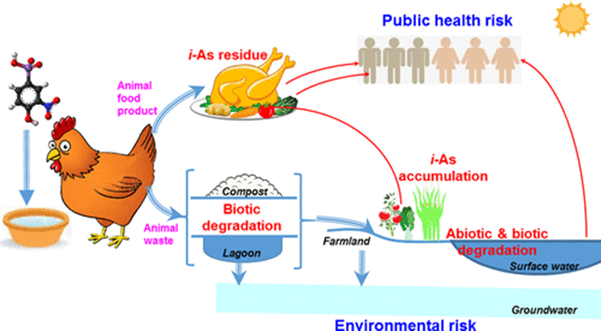
It is evident that the feed given to broiler chicken at the poultry farms comprises the carcinogenic metal arsenic. This is due to the beneficial properties of arsenic in controlling parasites, speeding up the chicken’s growth and increasing its weight as well as giving an attractive color to the chicken’s flesh. A study9 collected chicken feed samples from 10 farmhouses and later chicken flesh from 10 vendors was collected and analyzed for arsenic content. A significant amount of arsenic was found in chicken feed as well as in the samples of chicken flesh collected from vendors.
The study reported that consuming about 60g of chicken on daily basis equals the consumption of about 0.186-0.372 μg of arsenic per day. Another large-scale study10 led by the scientists of the United States Department of Agriculture (USDA) examined about 5000 chicken samples and reported similar findings. The study found that consuming about 2 ounces of broiler chicken per day would ingest about 5.6 to 8.1 micrograms of total arsenic per adult on average. The results from both the studies are alarming and clearly suggest that excessive broiler chicken consumption can prove fatal.
Fig.1 Visually representation of the potential hazards of arsenic comprised chicken feed.11
Link between breast cancer and inorganic fruit and vegetable farming
Similarly, the pesticides used in growing fruits and vegetables also significantly contribute to the growing numbers of breast cancer cases worldwide. The link between increased estrogen exposure from pesticides and increased risk of breast cancer is well-evidenced.12 Endocrine-disrupting compounds (EDCs) form a major constituent of the pesticides used in fruit and vegetable farming. These compounds have the tendency to interrupt in normal mammary growth of humans with the potential to form tumors in these organs including the breasts.11 This functional disruption potentially leads to the development of breast cancer. This mechanism has been evidenced in various mice studies.13,14
Apart from EDCs, various other chemical compounds commonly found in pesticides also contribute in a similar manner towards breast cancer development. A case-control study15 recruited 266 individuals; 150 controls and 111 histologically diagnosed breast cancer cases and investigated historic pesticide exposure. The study reported a significant link between pesticide exposure and the development of breast cancer in cases (Odds Ratio (OR) = 1.75; 95% CI = 1.08, 2.82) as compared to controls who were less exposed. However, these association patterns have not always remained as consistent and fluctuations have been seen with a number of studies reporting conflicting results of no association between risk of breast cancer and pesticide exposure.16-18 Hence, further studies investigating more localized and regional effects rather than globally would be more useful in gaining a deeper insight into this association in our local environment.
Organic food to the rescue?
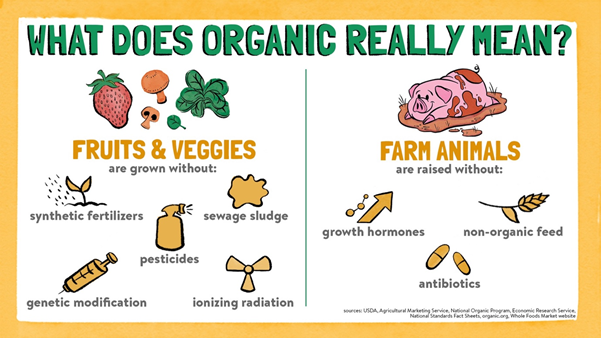
In concordance with the findings stated above, expanding amount of evidence backs up the association between organic food consumption and decreased risk of breast cancer. The large-scale Sister study19 carried out by the National Institute of Environmental Health Sciences and the University of North Carolina enrolled 39,563 participants aged between 35 to 74 years. The study investigated the association if any between the consumption of organic food i.e., organic fruits, vegetables, and poultry. The study reported an inverse relationship between organic food consumption and risk of breast cancer [Hazard Ratio (HR): 0.87, 95% CI= 0.80–0.95], especially estrogen in receptor negative breast cancer (HR: 0.77, 95% CI= 0.61–0.98). Another large-scale comparative prospective cohort study20 led by French scientists enrolled 160,000 participants and reported similar findings of decreased risk of various diseases including breast cancer upon consumption of organic food.
Fig.2 Gives a visual representation of the key differences between inorganic and organic farming.21
Future implications
Based upon the mentioned findings, it would be correct to believe that consumption of inorganic food has alarming health hazards. Shifting onto a completely organic diet can therefore enable to lower the risk of various diseases strongly linked to inorganic food consumption.
However, unfortunately, in Pakistan and around the globe, organic food is priced about 10-30% higher than inorganic food. This price gap is mainly attributed to expensive farming processes and slower production process.22 These factors potentially lead to organic food being unaffordable for the poor or working-class. Putting further research into methods of lowering the cost of organic farming and speeding up the growth and production processes can overcome the mentioned gaps. This would subsequently ensure the availability of healthy food for everyone in the society, lowering the risk of disease development and potentially declining the grim disease statistics. This could also potentially reduce the burden on the country’s healthcare by reducing the number of patients.
Health topics. Who.int. 2021 [cited 25 January 2021]. Available from: https://www.who.int/health-topics/
GLOBOCAN 2020: New Global Cancer Data | UICC [Internet]. Uicc.org. 2021. Available from: https://www.uicc.org/news/globocan-2020-new-global-cancer-data
Zaheer S, Shah N, Maqbool S, Soomro N. Estimates of past and future time trends in age-specific breast cancer incidence among women in Karachi, Pakistan: 2004–2025. 2021.
Cancer B, Cancer C, Cancer L, Cancer P, Types V, Program C et al. BRCA 1 & 2 Mutations: Cancer Risk & Genetic Tests [Internet]. Cancer Treatment Centers of America. 2021. Available from: https://www.cancercenter.com/cancer-types/breast-cancer/risk-factors/brca1-and-brca2
Breast cancer: Symptoms, causes, and treatment [Internet]. Medicalnewstoday.com. 2021. Available from: https://www.medicalnewstoday.com/articles/37136
Alcohol?, cancer?. Alcohol and Cancer Risk Fact Sheet [Internet]. National Cancer Institute. 2021 [cited 25 January 2021]. Available from: https://www.cancer.gov/about-cancer/causes-prevention/risk/alcohol/alcohol-fact-sheet
Estrogen: Functions, uses, and imbalances [Internet]. Medicalnewstoday.com. 2021. Available from: https://www.medicalnewstoday.com/articles/277177
Mondal N. Prevalence of Arsenic in chicken feed and its contamination pattern in different parts of chicken flesh: a market basket study. Environmental Monitoring and Assessment. 2020;192(9).
Lasky T, Sun W, Kadry A, Hoffman MK. 2004. Mean total arsenic concentrations in chicken 1989-2000 and estimated exposures for consumers of chicken. Environ Health Perspect 112:18-21.
China’s Ban on Phenylarsonic Feed Additives, A Major Step toward Reducing the Human and Ecosystem Health Risk from Arsenic.,Environmental Science & Technology – X-MOL .X-mol.com. 2021. Available from: https://www.x-mol.com/paper/5885244
11. Macon M, Fenton S. Endocrine Disruptors and the Breast: Early Life Effects and Later Life Disease. Journal of Mammary Gland Biology and Neoplasia. 2013;18(1):43-61.
Maffini MV, Soto AM, Calabro JM, Ucci AA, Sonnenschein C. The stroma as a crucial target in rat mammary gland carcinogenesis. J Cell Sci. 2004;117(Pt 8):1495–1502. [PubMed] [Google Scholar]
White SE, Kato K, Jia LT, Basden BJ, Calafat AM, Hines EP, et al. Effect of perfluorooctanoic acid on mouse mammary gland development and differention resulting from cross-foster and restricted gestational exposure. Reprod Toxicol. 2009;27:289–298.
Tayour C, Ritz B, Langholz B, Mills P, Wu A, Wilson J, et al. A case-control study of breast cancer risk and ambient exposure to pesticides. Environmental Epidemiology. 2019;3(5):e070.
Engel LS, Hill DA, Hoppin JA, et al. Pesticide use and breast cancer risk among farmers’ wives in the agricultural health study. Am J Epidemiol2005161121–135
Farooq U, Joshi M, Nookala V, et al. Self-reported exposure to pesticides in residential settings and risk of breast cancer: a case-control study.Environ Health2010930
Reynolds P, Hurley SE, Goldberg DE, et al.; California Teachers Study Residential proximity to agricultural pesticide use and incidence of breast cancer in the California Teachers Study cohort. Environ Res200496206–218
The Sister Study: What is the Sister Study [Internet]. Sisterstudy.niehs.nih.gov. 2021. Available from: https://sisterstudy.niehs.nih.gov/English/about.htm
Baudry J, Assmann K, Touvier M, Allès B, Seconda L, Latino-Martel P et al. Association of Frequency of Organic Food Consumption With Cancer Risk. JAMA Internal Medicine. 2018;178(12):1597.
How to Remove Pesticides from Fruits and Vegetables [Internet]. Happy Healthy Mama. 2021. Available from: https://happyhealthymama.com/how-to-remove-pesticides-from-fruits-and-vegetables.html
While addressing weight loss, the keto diet is a popular candidate in the running. I believe many of us have heard an array of views such as “Keto is the best way to lose weight” or “You can consume any fats during a keto diet.” On the contrary, some claim “There is no science behind the diet” or “You will lose muscle mass during the keto diet.” To my utter dismay, all these claims are non-validated opinions that greatly impact our notion towards keto and diet in general. Unveiling the candor behind all the keto myths, the composition below all you need to know.
What is the explicit meaning of “Keto Diet”? The Keto diet is high fat and minimalistic carbohydrate diet. This diet’s prime motive is to highly reduce the carbohydrate content of the diet and replace it with healthy fat intake, which is then metabolized, thus acting as a major energy reservoir for the body. Generally, glucose is the major source of energy for the body obtained in the form of carbohydrates but, during keto, your body starts storing fats and proteins, which can cut off surplus calories via carbohydrates.
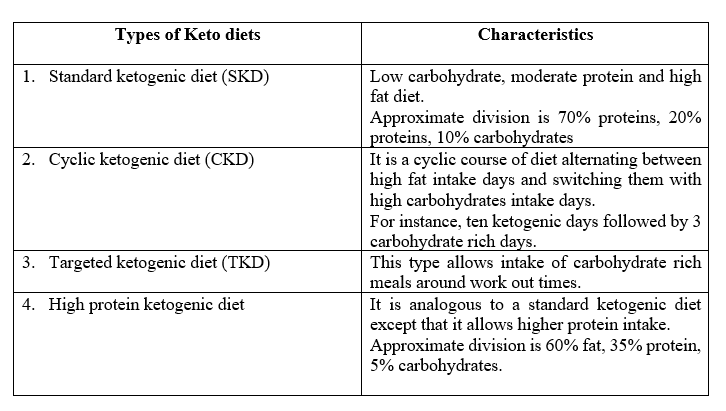
Moreover, the keto diet aids in maintaining insulin at homeostatic levels, which is once the body adapts to this change (a state of ketosis), it becomes proficient at fat burning, lowering down sugar levels in the blood, and producing ketones: an essential energy component for the brain. This helps the body retain muscle fat and prevent excessive fat uptake. On a basic level, there are four different types of diets under the keto diet umbrella. An insight into these contrasting subtypes is summarized in the table below.
Once an individual starts with this diet, he/she eventually enters a state of ketosis. To confirm the body’s switching to ketosis, blood, urine, and breath tests can be performed. Furthermore, there are some visible changes in body processes that confirm the keto diet’s positive effect on the body. These signs include enhanced thirst, drier mouth, increased urination, and loss of appetite.
The keto diet aids in maintaining insulin at homeostatic levels. Credits: Lippincott NursingCenter
Switching to a keto diet does not mean consuming all sorts of foods. An array of components such as meat, cottage cheese, avocados, fresh vegetables, seafood, eggs, and healthy oils(not overly processed and refined) can be consumed while following keto diet parameters. On the contrary, intake of flour, barley grains, fried items, and rice must be avoided.
The brighter side of Picture
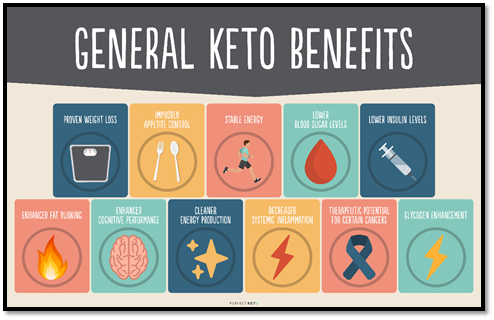
Starting with the keto diet’s fruitful outcomes helps in weight loss by lowering the hunger-stimulating hormones, boosting metabolism, and lowering the appetite. In fact, review studies on animals and humans in 2017 showed that some individuals on the keto diet showed decreased total cholesterol levels. High cholesterol is one of the root causes of many cardiac diseases. Hence a decline in overall cholesterol levels in the body is an added benefit.
Furthermore, another 2019 review claimed that the keto diet might help strengthen and protect neuronal cells/brain as a whole, such as in Alzheimer’s disease. The Keto diet results in ketosis in the body. According to the epilepsy foundation, ketosis can decrease seizures in individuals facing epilepsy issues by reducing several epilepsy symptoms. Another interesting discovery was the positive role of the keto diet in helping cancer patients. High fat intake results in enhanced oxidative stress (a biological process that allows the body to destroy reactive and harmful species/molecules in the body) in cells that can potentially kill the tumor cells in a cancer patient.
Furthermore, a ketogenic diet stabilizes insulin levels and reduces blood sugar levels. In fact, this is beneficial for people suffering from insulin resistance and diabetes. It is believed that in some people, adaptation to a ketogenic diet results in a 50% reduction in insulin supplementation. However, the diabetic patient must consult thier doctor before following keto diet restrictions to ensure no further complications.
Metabolic symptoms are various symptoms, including high blood pressure, fasting blood sugar levels, abdominal obesity, and high cholesterol levels. Surprisingly, a low carb diet intake significantly reduces these symptoms’ expression to a level that these symptoms become nearly nonexistent.
High fat intake results in enhanced oxidative stress in cells that can potentially kill the tumor cells in a cancer patient.
Parkinson’s disease is a nervous system disorder characterized by low levels of a signaling molecule, dopamine. Lack of dopamine has adverse effects on the body and metabolic processes. However, the prevalence of ketosis in the body shows a promising treatment against Parkinson’s disease.
All that glitters is not gold!
Weight loss is the most common reason for individuals to follow the keto diet. It is not just a fancy name; it has several complications.
Within the initial days of following a keto diet, an individual experiences several changes called “Keto flu.” Keto flu is marked by dizziness, headache, weakness, irritability, nausea, increased urination, and vomiting. The change of substrate provided to the body (from carbohydrates to fats) also results in dehydration. With increased urination, the body loses a significant number of electrolytes, which intensify these symptoms. Generally, these symptoms last for around a week.
Loss of electrolytes makes the body more prone to kidney-related issues such as acute kidney injury or the prevalence of kidney stones. An affected individual might be at risk of cardiac arrhythmia (irregular heartbeats).
Moreover, the keto diet demands the elimination of certain types of legumes, vegetables, and grains, which are considered beneficial for the body. Lack of availability of these essential food sources results in scarcity of particular vitamins and minerals whose depletion, in the long run, can be the cause of numerous chronic diseases.
Binge eating is another side effect of switching to the keto diet. Cutting carbohydrates in the diet stimulates the brain to release a chemical called neuro peptide-Y that signals the body for carbohydrate supplementation. If these conditions are not reversed, it amplifies the craving for carbohydrate-rich meals, posing a threat of eating disorders. Due to lack of fiber and carbohydrate consumption, Constipation is another candidate in the pool of complications one may face while being on keto leading to diarrhea.
One of the most unpleasant effects of the keto diet is bad odor. Ketones are produced as byproducts of ketosis. Acetone is a major component of ketone bodies, which is often removed from the body via exhalation. This causes bad breath as bacteria builds up in the mouth.
Yo-yo dieting is not uncommon with any low carb diet, particularly for a long term dieting regime. As the name suggests, the Yo-yo diet refers to inconsistency in maintaining the dietary restrictions by switching to normal eating habits then, which causes frequent loss and weight gain. Sticking to a specified diet for the long term is not a piece of cake. Sudden weight shedding and gaining can have adverse effects on health.
Be it any diet, consultation with a doctor or nutritionist is a must before following dietary restrictions. Each body reacts differently to a particular diet. Not everything works for everyone. The toughest part of the diet is not about what you eat; it is about what you see others eat. Refrain from opting for the best lifestyle in the world: chase the lifestyle best suited to your body and health.
Humanity’s most significant collaborative achievement started with, then Director of the Parkes Observatory, John Bolton, who did an official one-line contract with NASA: “The (CSIRO) Radiophysics Division would agree to support the Apollo 11 mission”.
In 1966, NASA made a proposal to include Parkes 64 meter dish in its international network. NASA did complete a 64-meter dish at Goldstone, California, but due to cuts in the budget, they postponed the second and third parts of its 64-meter network in Spain and Australia. They all were supposed to be modeled on Parkes Telescope. Now, they had to opt for Parkes as an alternative for their work.
Later, in October 1968 John Bolton, the director of Parkes Observatory was convinced by Eb Rechtin of NASA’s Jet Propulsion Laboratory (JPL) to collaborate with NASA for Apollo 11 Mission; the nature and severity of the mission that human lives were at risk in space made it vivid that it’s possible and should be.
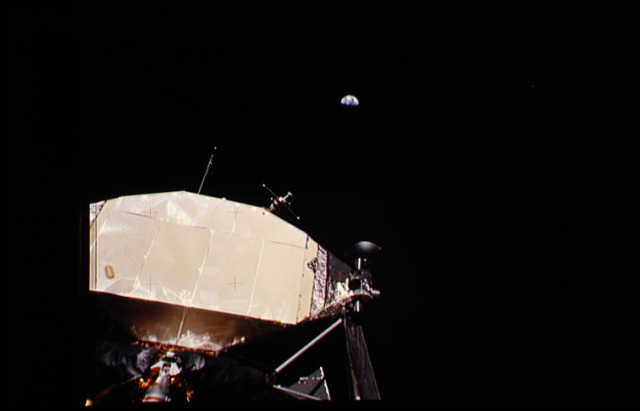
The Steerable S-Band antenna on Eagle pointing at the Earth. Credits: NASA
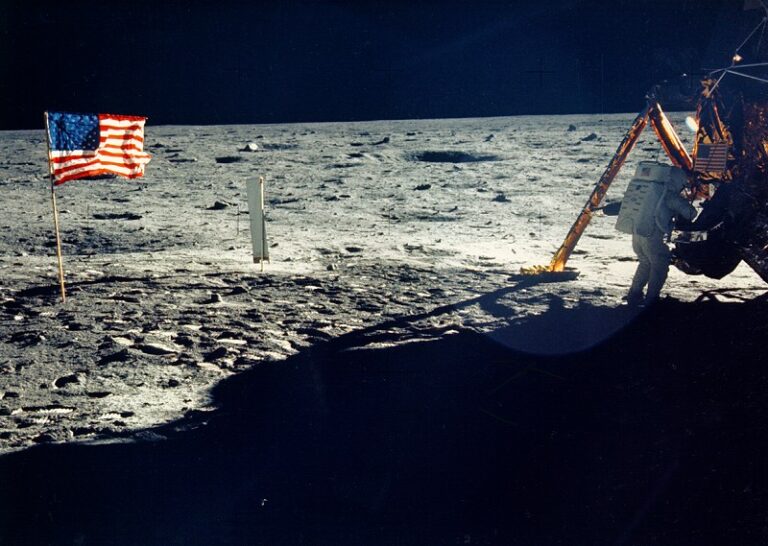
After the final decision of early 1969, that NASA owes people to see the historic landing and visuals of the moon, it was decided to include a TV camera on the mission to show the world what’s happening.
Now, it was more wishful to have Parkes included in the mission, as they had the telescope with such a large collecting area (dish size), the extra signal receiving strength from the Moon. The astronauts had the burden of installing a 3-meter S-Band antenna on the moon. But, the specific timely-schedule as planned by NASA was not in favor of allotting 20-45 minutes for it. So, instead, they had to use a 0.66-meter S-band antenna already attached with the Lunar Module stage, which had to be connected with Parkes to have extra gain in signal strength. NASA had planned to have Neil Armstrong’s photos be stepping-foot on the Lunar surface, which obviously wasn’t possible before he could install an erectable S-band antenna. At this moment, Parkes was the most reliable, powerful quality and straight option, which was demanded by the planners of the Apollo.
The characteristics of Parkes telescope are designed to receive radio signals from the sky at a sidereal rate. Its maximum movable coordinates in azimuth and elevation are around 25o/min and 10o/min. It’s very significant if used for deep-sky objects at near sidereal rates, making it a great bet for the Apollo 11 Mission.
Schematic diagram of the Parkes Telescope. Note the telescope’s 30-degree horizon. Credits: CSIRO
The historic words were said by Neild Armstrong, “One small step for a man, one giant leap for mankind,” and it was taken at time: 12.56 pm AEST on Monday, July 21, 1969.
This grand endeavor was watched all over the world by 600 million people, i.e. 1/5th of the global population, and it was all made possible due to this grand-collaboration. Two other stations were also working side by side with Parkes Radio Telescope, the Honeysuckle in Canberra, and Goldstone in California.
The Parkes control room as it appeared during the Apollo 14 mission. (Center) PMG Senior Technician Brian Coote, (right) John Bolton near the PDP-9 computer and (left) the NASA receiving equipment from the USNS Vanguard. Credits: CSIRO
When NASA was trying to judge the quality of broadcasting they remained with Parkes TV pictures, as it was superior from both other signal stations, and all the signals were being transferred to Mission Control at Houston. So, NASA continued using the quality for the 21/2 hour telecast live for the Global Audience.
At morning 6.17 AEST on July 21, the Apollo 11 Mission landed their LM Eagle, on the sea of Tranquility within the space of a few hours that were needed for the moon to be positioned at an exact spot that can be witnessed from the Parkes Telescope.
In the meantime, the astronauts took some rest before the legendary Moonwalk. However, Armstrong changed his mind from the planned moonwalk.
The schedule required the astronauts to rest before attempting the moonwalk, by which time the Moon would have been high overhead at Parkes. However, Armstrong departed from the original plan, opting for an immediate moonwalk instead. Still, the preparations took time and the moonwalk was simultaneous at the time when the moon rises over Parkes.
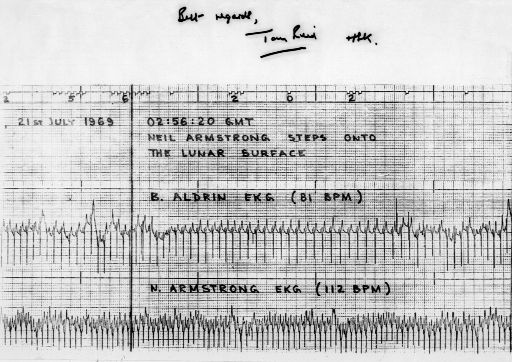
Armstrong’s heart rate as he stepped onto the Moon. This was recorded at Honeysuckle Creek and sent to Parkes. It was signed by Tom Reid the Honeysuckle Creek station director, and the annotation is by Ed von Renouard. Credits: CSIRO
Great missions come with greater challenges. One such moment was when the telescope was struck by a series of high-speed winds of around 110 kph, which made the entire operation shudder. It was being slammed against its zenith axis, the entire showdown was in jeopardy and hazardous for the structure of the entire machinery. Fortunately, the winds stopped and Astronaut Buzz Aldrin activated the camera while the moon was up within the telescope’s reach and signal reception began.
The vigilant staffer of Parkes, Neil Fox Mason was not allowed to see the incoming photos on the TV, while continuously driving and controlling the telescope with dedication for the integrity of the successful mission, just in case winds start blowing again or signal reception gets interrupted.
The three principal players at Parkes: (L-R) John Bolton, Robert Taylor, and Taffy Bowen. Credits: CSIRO
Two places were receiving the signal; the first was the Australian Broadcasting Commission in Sydney and the other was Houston for the global viewers. As the signal was traveling half of the world from Sydney to Houston by the INTELSAT Geostationary Satellite, a 0.3-second delay occurred, people in Australia saw the moonwalk 0.3 seconds earlier than the rest of the viewers globally.
This scientific collaboration of support and endeavor for the Apollo 11 Mission and sending a man to the moon inspires to show us the professionalism of CSIRO and NASA staff, combining efforts of so many organizations such as the Australian Broadcasting Network, the postmaster General’s Office, Astronomers, Technicians and all who were involved in to maintain the tiniest of details of the mission.
Rocking researchers at the University of Chicago and Field Museum USA found the most ancient solid material within the reach of humanity, it’s age is around 7,000,000,000 years.
The grains of dust are even older than our own sun’s formation trapped inside the meteor piece. There the grains remain for billions of years and such meteorite was found in Australia. These grains also offer us clues about the massive star formation campaign at that time.
The study was published in a paper on Jan 13, 2020 Proceedings of National Academy of Sciences, the author Philipp Heck says “This is one of the most exciting studies I’ve worked on, These are the oldest solid materials ever found on the planet, and they tell us how stars formed in our galaxy.”
We usually see stars as fixed stable objects in the sky. But, astrophysically we know they have life cycles, from birth to death. Dust and gaseous clouds form stars in interstellar nurseries, forged by the reckoning force of gravity. Then, they burn for millions to billions of decades, and then they die. At the perfect moment of their death, their particles spread into space, in form of new stars, planets.— also in meteorites.
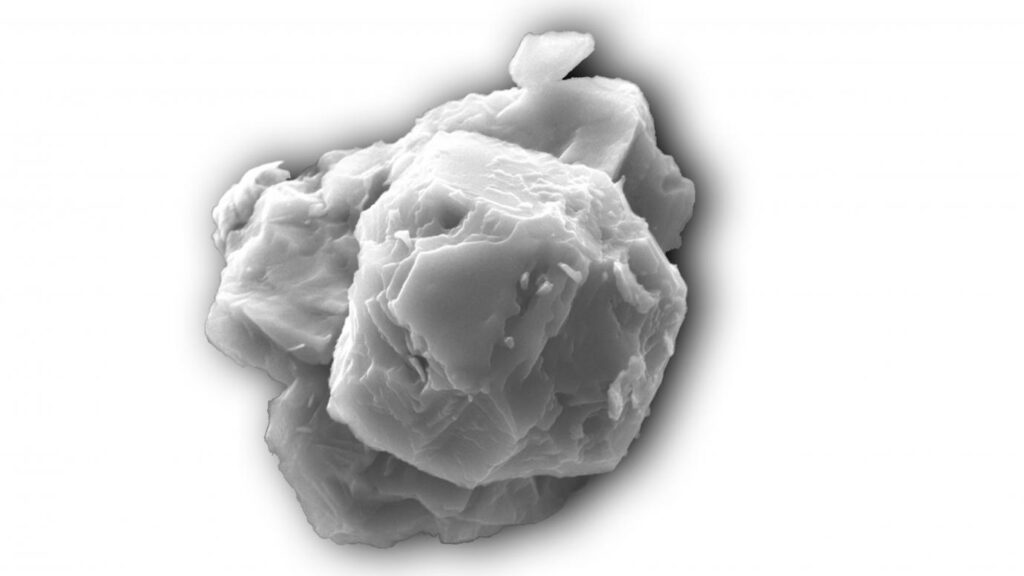
Scientists took electron microscope photos to be able to see the grains—this one is eight microns across, about the size of a single red blood cell. Credits: Janaína N. Ávila
Within meteorites, it is a daunting a task to discover presolar grains, they are extremely rare, only found 5% of the time. Now, at the Field Museum, we have the largest part of the Murchison meteorite, a true nature’s masterpiece with presolar grains that were fallen around 50 years ago, and was made available to science by the people of Murchison, Victoria.
Jennika Greer, a graduate student at the University of Chicago and co-author of the study says, “It starts with crushing fragments of the meteorite down into a powder.”, Once all the pieces are segregated, a kind of paste, and it has a pungent characteristic, it smells like a rotten peanut butter. For the analogy, this Rotten-peanut-butter-meteorite-paste is mixed with acid until only the presolar grains remained present. Once the presolar were isolated, the researched used a rigorous process based on cosmic rays to figure out from what types of stars they came and how old they were.
“We used exposure data, which measures the exposure of grains to the cosmic rays, as cosmic rays are high energy particles that fly through our galaxy and penetrate with the solid matter”, said Heck. She works in pioneering new scientific methods to understand Astrophysics’ phenomenal questions by investigating meteorites.
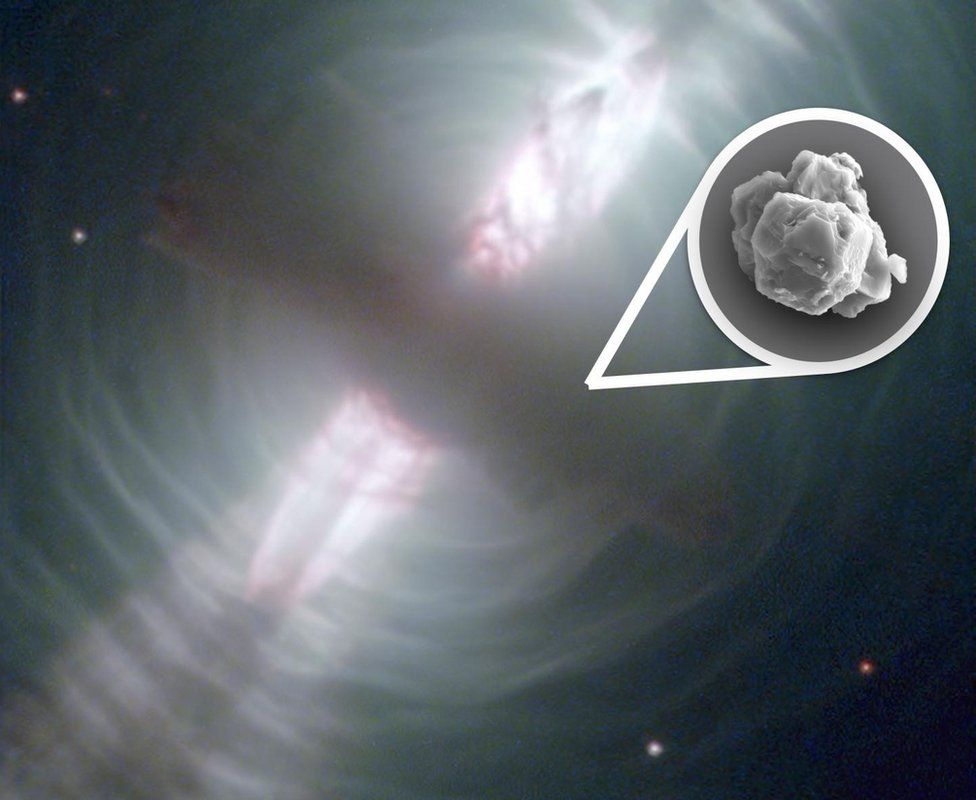
Some of the pre-solar grains in the Murchison meteorite (inset) could have come from evolved stars similar to the Egg Nebula (pictured) Credits: ESA/HUBBLE/NASA/JANAÍNA ÁVILA
To find out their age, we need to know how many elements were produced by the cosmic rays within the presolar grains.“Some of these cosmic rays interact with the matter and form new elements. And the longevity of exposure equals to more those elements”.
The meteor scientists found out that the presolar grains in the sample were the oldest ever discovered. Due to the high amount of cosmic radiation they soaked up in, most of them had the age of 4.6 to 4.9 billion years old, and some other grains were even older than 5.5 billion years — In order, to grab the understanding and relevancy here, the age of the sun is 4.6 billion years old, and the planet Earth is 4.5 billion.
The story doesn’t end here, as the presolar grains formed when a star dies. They are also valuable to tell us about the ancient history of the stars. Yet, we hypothesize that 7 billion years ago, there would have been a loud boom in star formation.
Dr Philipp R. Heck is an Associate Professor University of Chicago’s Department of the Geophysical Sciences and Curator of Meteoritics and Polar Studies at the Field Museum of Natural History in Chicago. Image Credits: Australian Institute of Geoscientists
This rocking evidence is now a debate between scientists about whether new stars form at a steady rate or if there are high and lows in their number over time. “Some of the people in the science community think that the star formation rate within a galaxy is constant.”, “But thanks to these grains, we now have direct evidence for a period of enhanced star formation in our galaxy seven billion years ago with samples from meteorites. This is one of the key findings of our study,” said Heck.
Associate Prof. Philipp Heck: “This is one of the most exciting studies I’ve worked on. These are the oldest solid materials ever found, and they tell us about how stars formed in our galaxy.”
Other study co-authors came from Lawrence Livermore National Laboratory, Washington University, Harvard Medical School, ETH Zurich, and the Australian National University.
Citation: “Lifetimes of interstellar dust from cosmic ray exposure ages of presolar silicon carbide.” Proceedings of the National Academy of Sciences. Jan 13, 2020.