Samsun, Türkiye: A group of students from the Institute of Space Technology won 1st place while representing Pakistan in Turkey’s largest technological festival named TEKNOFEST 2022. The students participated in the Black Sea Competition (held in Samsun) and the International Free Mission UAV category (held in Kütahya) and competed with more than 96 teams internationally.
The students from IST formed a team, named AIRoSE (AI-based Robotic Systems Engineering) which had developed a swarm of UAVs (2 quadcopters and 1 hexacopter) to help in search and rescue missions in remote areas and presented their project in front of judges. These students also won the ‘Incentive Award’ for their demonstration of this project.
The team won medals, a shield and a cash prize awarded by the Turkish Government. Photo winner team
“Our project was a biomimicry of ant behavior on UAVs. When ants hunt for food, they deposit a chemical trail known as pheromone which can be sensed by other ants. This encourages attraction towards the trail to food, which is why you observe long lines of ants towards a food source” Rehmoz said in a statement. “We implemented this process by doing the opposite: the UAVs deposit pheromone to discourage search of areas they are searching, i.e., the search is more distributed, which is what you’d expect to see in search missions. Expansion of search parties lead to more area coverage, which is the basis for this algorithm.”
We participated in this event to show that Pakistan is no less than any other country when it comes to talent.” said Asad. Photo winner team
The team won medals, a shield and a cash prize awarded by the Turkish Government. “Aerospace is a relatively secluded field in Pakistan. We participated in this event to show that Pakistan is no less than any other country when it comes to talent.” said Asad while talking to Scientia Pakistan. “Unfortunately, only 3 out of 8 members of our team made it here due to lack of financial support, but we are glad that we proved our mettle here. We will continue to further such endeavors in the future.”
The overall student team was composed of: Asad Mahmood, Ahmed Hassan, Rehmoz Ayub, Abdullah Afzal, Dilawaiz Saghir, Faryal Batool, Roohan Ahmed and Nauman Rauf.
The list of Australia’s top researchers is published every year to showcase the country’s top researchers in fields of academic endeavor, spanning the sciences, and the social sciences through to the humanities and the arts. The Australian newspaper and analytics firm League of Scholars analyzed a database of over 77,000 Australian researchers to identify the top researcher in each field.
This is the third time Dr. Aziz has received the award. Photo HA
This is the third time Dr. Aziz has received the award. He is an academic at the University of New South Wales (UNSW), Sydney, and the director of UNSW Sydney’s Institute of Artificial Intelligence. His research is at the intersection of computer science and game theory that has applications to multi-agent systems and the design of incentives in markets.
Dr. Aziz originally hails from Lahore and took his undergraduate education at LUMS – Lahore University of Management Sciences. He has studied at Oxford and Warwick and worked at TU Munich. He has also been a visiting academic at Paris Dauphine, Oxford, and Harvard. In 2016, he was mentioned by IEEE (Institute of Electrical and Electronics Engineers) in the ‘AI 10 to Watch’ researcher list. The latter list is published every two years.
Talking with Scientia Pakistan Haris Aziz said that:
“I am humbled that I was highlighted in the list of academic field leaders in Australia. I would like to thank all my group members, colleagues, and co-authors as scientific research is highly collaborative and we all stand on the shoulders of giants. As immigrants and academics, we try to do our bit for society so it was nice to receive messages from both the Australian and Pakistani high commissioners.”
Astronomical events have captivated mankind for thousands of years, records have been found in the earliest human societies, and the excitement and wonderment don’t halt even today. Many archaeological sites have been found to have records of the transit of the moon at the sun. All over the world, amateur astronomers, professional observatories, and space agencies do observe and record this event, with great gatherings and celebrations.
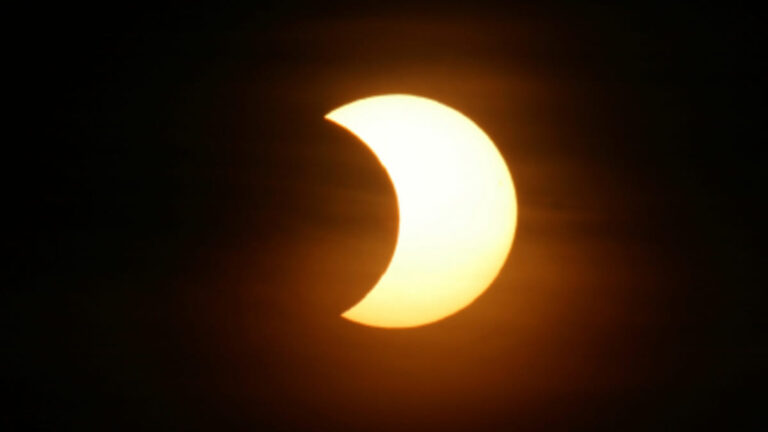
Pakistan lies in the Global North, and several of its bigger cities do have local astronomy societies organizing and observing celestial events. The partial eclipse was visible in the country, beginning at 13.58 PST and ending at 18.02 PST, with the highest magnitude (0.500) occurring at 17.01 PST, covering around 51% of the Sun, visible from its most prominent city “Karachi” (According to Timeanddate.com).
In this article, we have compiled and presented all the observations, taken from all over the country, showing a variety of captures, recording the beauty of the Partial Solar Eclipse held on 25 October 2022.
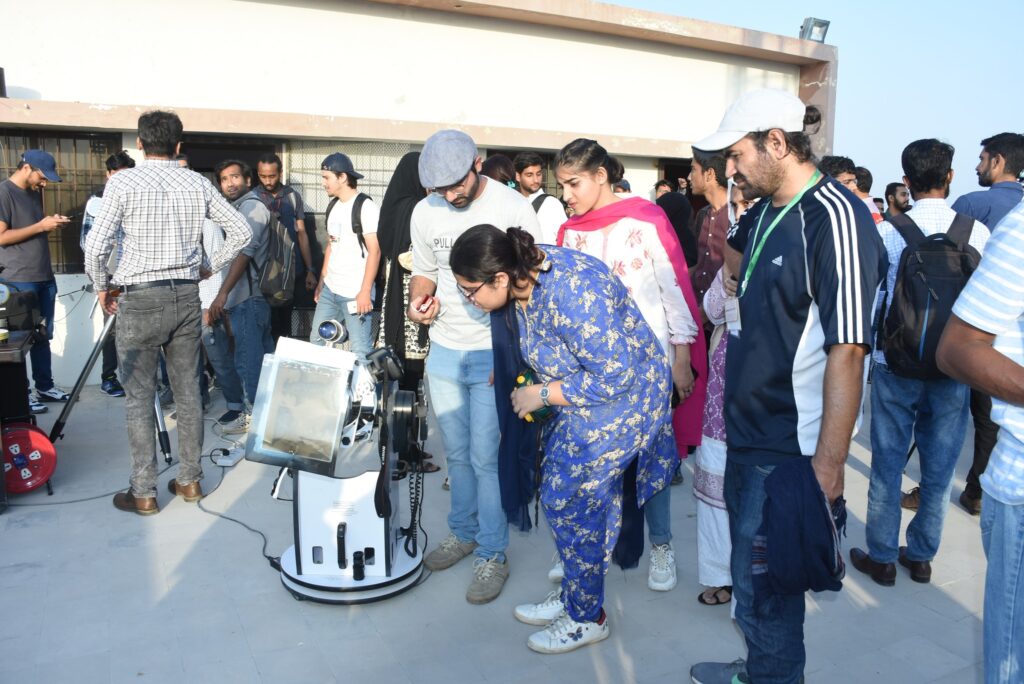
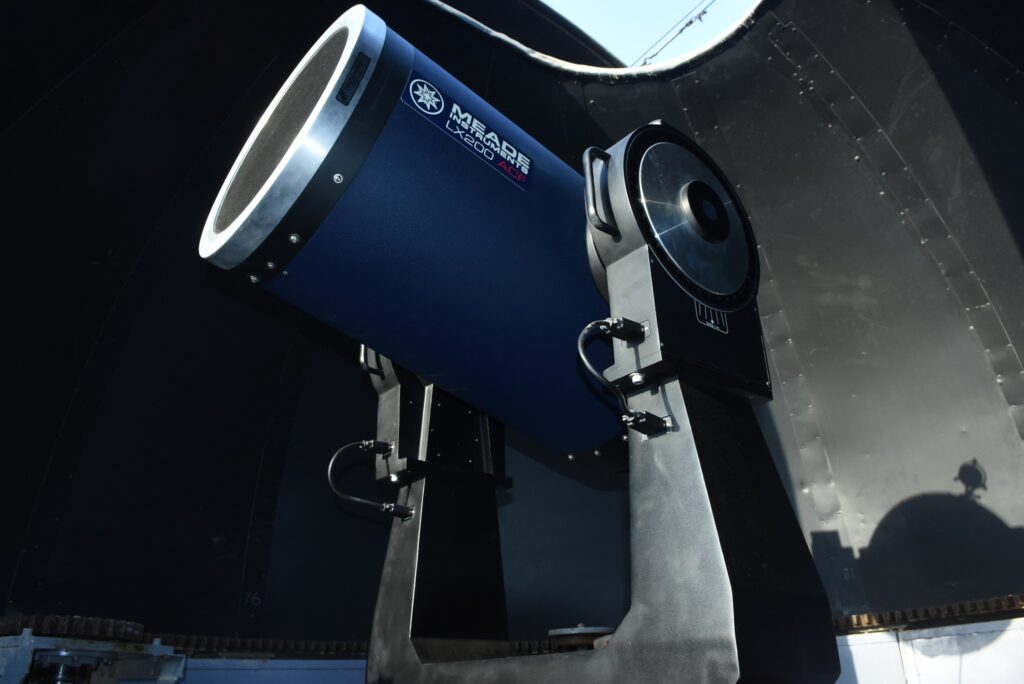
To mark this event, the Insitute of Space Sciences and Technology- University of Karachi, organized the biggest event in the country at their Observatory, where they used “Meade LX-200 (16-inch) and Sky-Watcher (8-inch) telescopes to take the observations under the supervision of Dr. Prof. Jawed Iqbal.
This photo was captured using the Meade LX-200 (16-inch) Telescope mounted at the ISST Observatory. The photo also has two identified Sun Spots, 3131 and 3126. (Catalogued By/Credits: Yazdan Zuhad)
Director ISST – Dr. Prof Jawed Iqbal’s sharing the exciting reasons behind the phenomenon of the Solar Eclipse Event with the KU Times. (Credits: ISST)
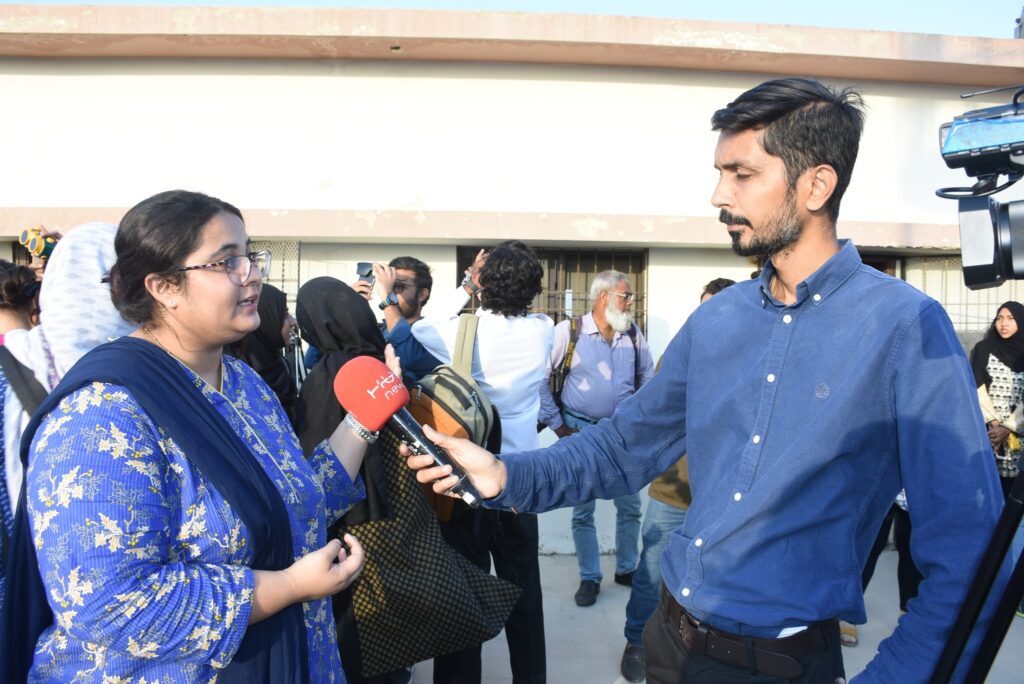
Ayesha Mujtaba, giving an interview to the Hum News – discusses her aspirations in the field of Astrophysics; she is currently a master’s student at the ISST. (Credits: ISST)
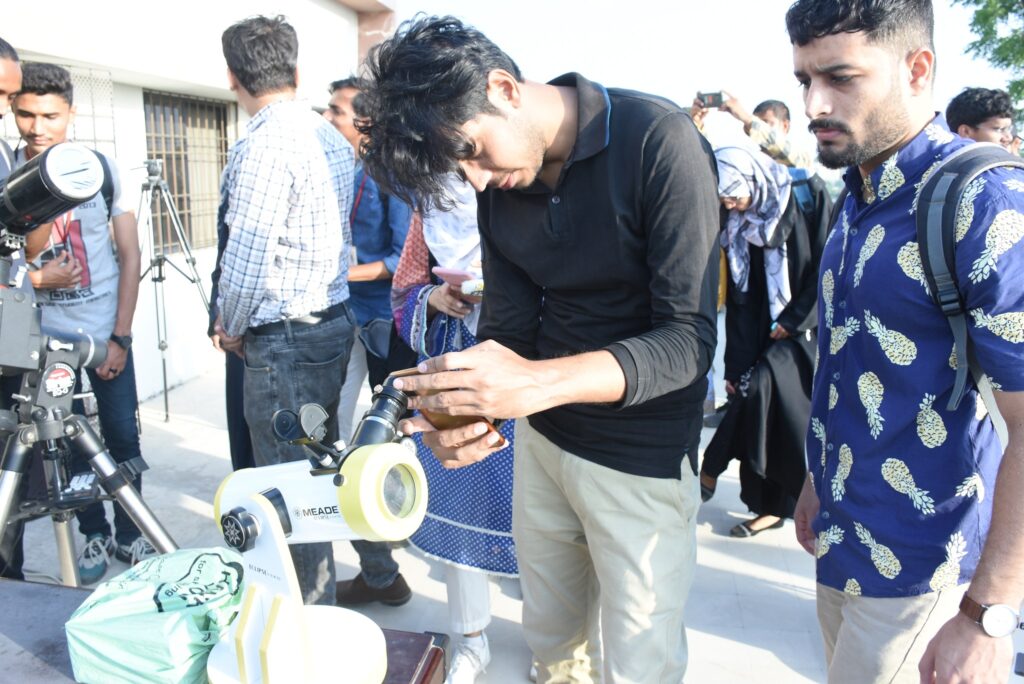
Photo of Mr. Yazdan Zuhad (M.Phil Scholar in Astronomy) helping Hamas Ahmed (Undergraduate) to capture an Image of the eclipse. (Credit: ISST)
A group of students of M.Sc (Astrophysics) made observations through the Sky-Watcher (8 inches) installed at the ISST Observatory. (Credit: ISST)
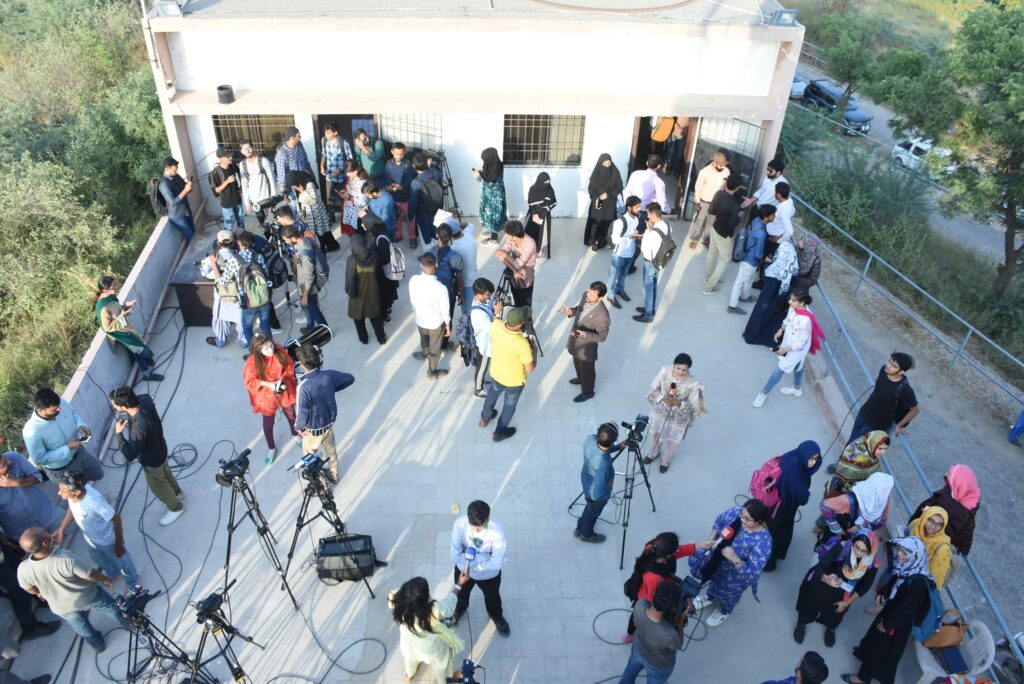
An aerial view of the participants at the Partial Solar Eclipse Event organized by the ISST. (Credit: ISST)
Meade LX-200 (16 inches) is one of the largest optical telescopes in the country, which is installed at the Observatory of ISST. (Credit: ISST)
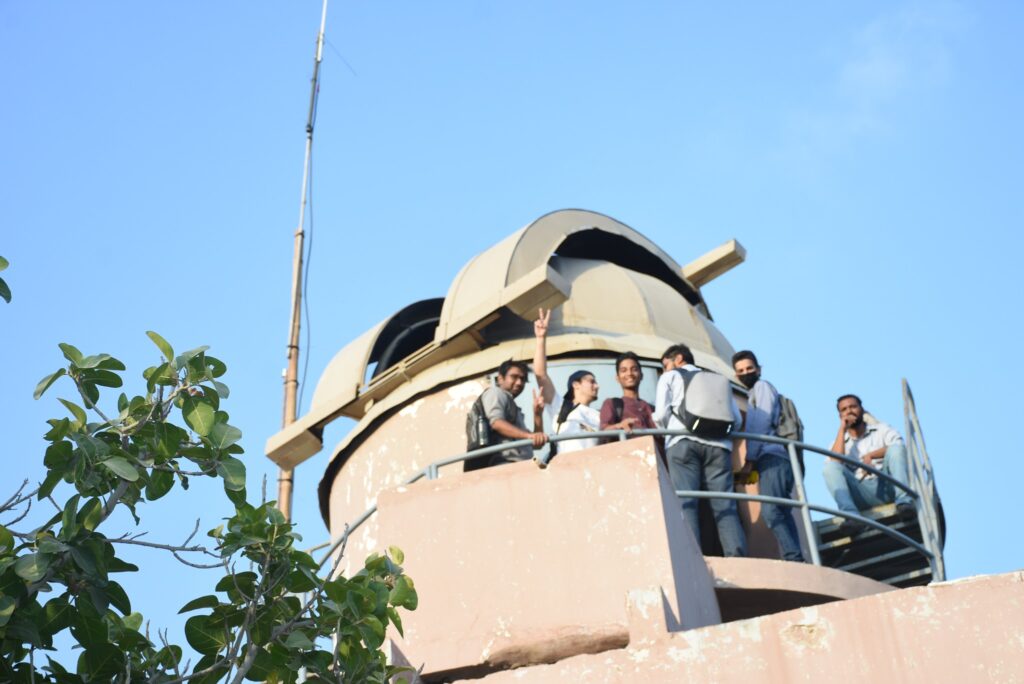
Photo of some students after observing the Eclipse from the dome of the ISST Observatory. (Credit: ISST)
The entire event of the Solar Eclipse was live through Facebook and other social media platforms of the ISST for the first time. (Credit: ISST)
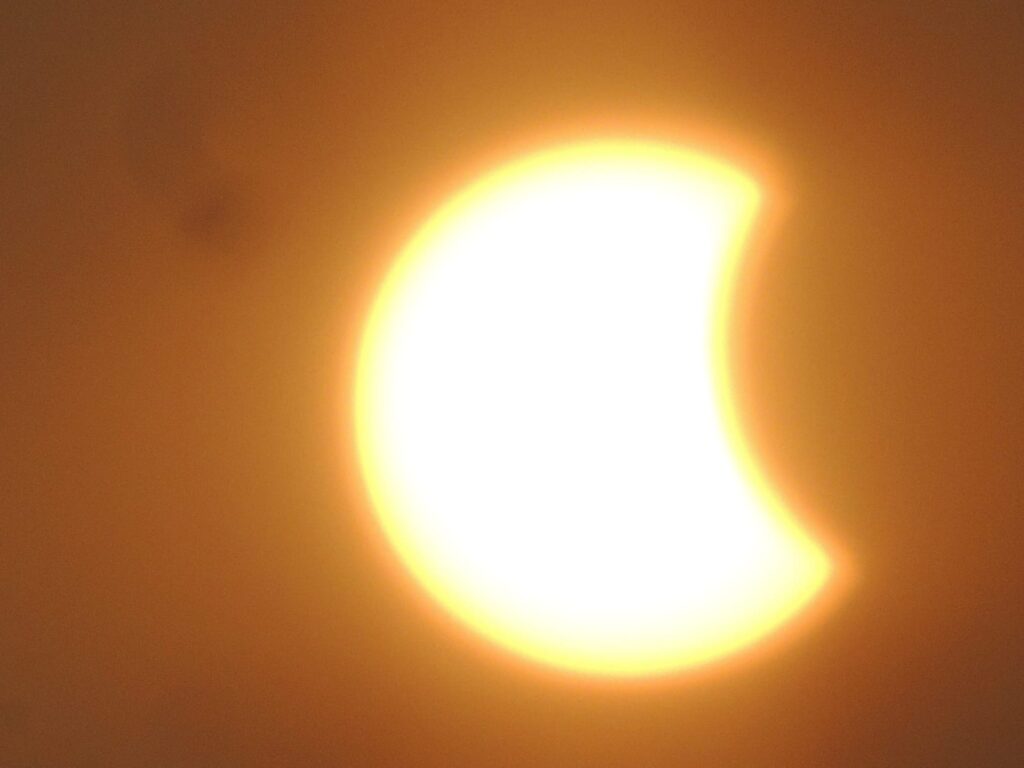
Another photo taken by a student shows the mesmerizing glow of our star – Semi-hided by our Moon. (Image Credit: Maheen Mansoor)
Here, we can also see the captivating captures posted by the Karachi Astronomers Society’s Group. The entire community of amateur astronomers and enthusiasts were talking about the event in the group.
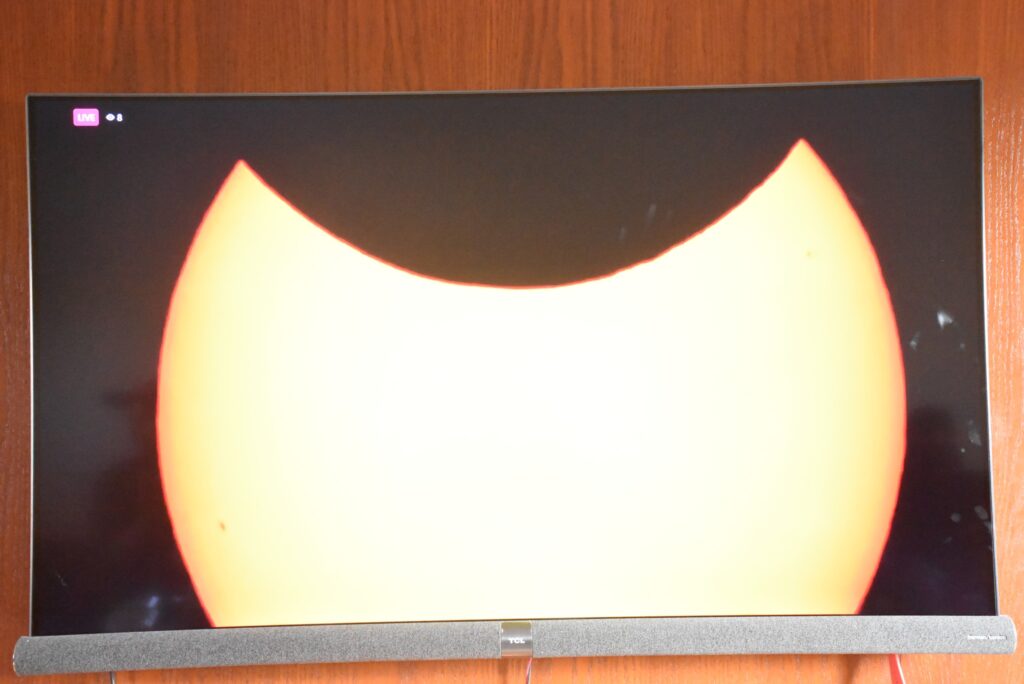
The photo is highly detailed; it also shows the features of the sun – amazing the few active sunspots if we look at it carefully. (Credit: Muhammad Mehdi Hussein – President KAS & Founder Mareekh Dynamics)
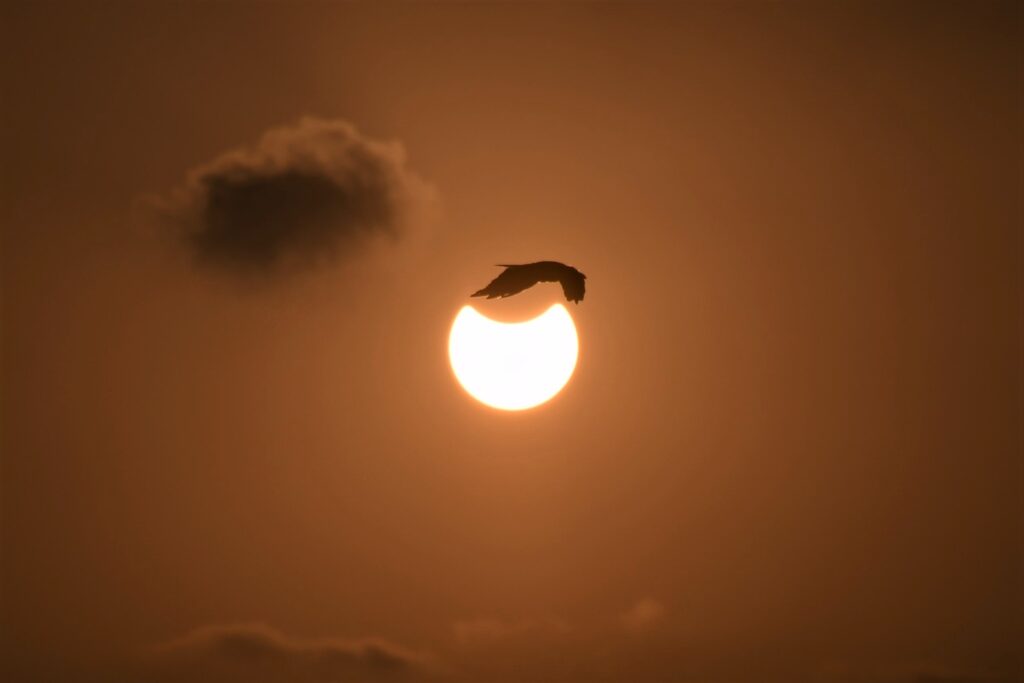
Another photo of the event, captured by the Karachi Astronomers Society at the Clifton Beach of Karachi, shows the transiting of a bird above the moon, which is transiting the sun, capturing the beauty of nature and leaving the viewer in awe. (Credit: Muhammad Mehdi Hussain – KAS President)
Another photo of the Solar event captured from the Taqwa Observatory, Balochistan, shared by Moiz Ahmed, an astrophysicist from Karachi. (Credit: Taqwa Space Observatory)
Another beautiful image by an Astrophotographer from the River of Jehlum, Punjab. (Credit: Muhammad Ibraheem – IG: @milky_astrophile
Another photo was shared by Dr Farrukh Shahzad in the group of Pak Astronomers Society.
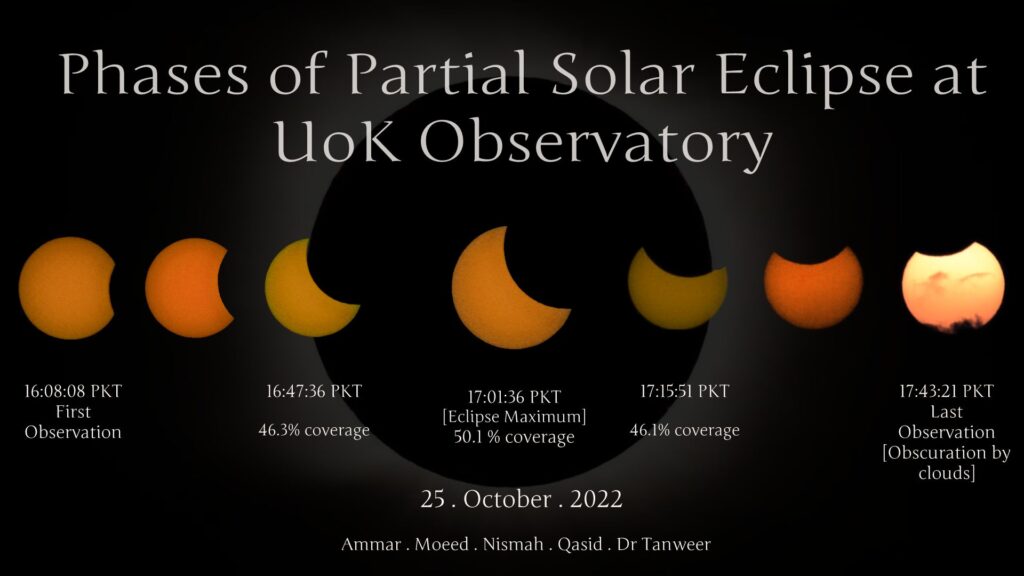
A timely series of the entire solar event, capturing all the phases of the Partial Solar Eclipse, by a team of Astronomers at the ISST. (Credits are mentioned within the photo)
One of the most energetic and lovely photos of future astronomers from Lahore observing the event.
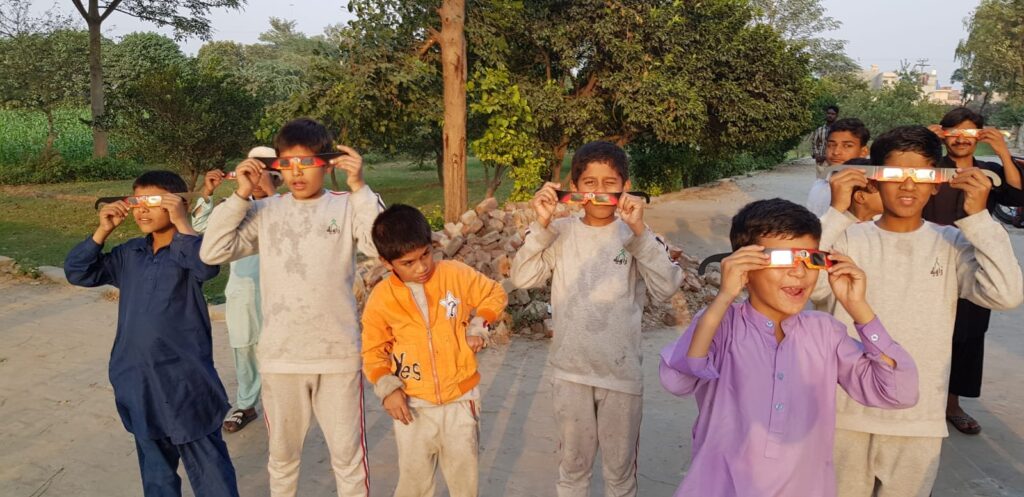
Kids from the Zaawiya Trust School watching the event safely through solar viewers/glasses. The Kainaat Studio arranged the session, which has also started Astronomy Clubs in Lahore, Pakistan, to educate and encourage students about the field of Astronomy. (Image Credit: Prof. Dr. Salman Hameed – Founder Kainaat Studious & Professor of Astronomy at the Hampshire College).
In the end, we would like to include the mini-catalogue called “Image of the Week” shared by Roshaan Bukhari, uniting the captures from all over the country, creating a moment of pride for all the astronomy enthusiasts, uniting their passion for science and outreach. (Image Credits: LAHORE ASTRONOMERS SOCIETY)
The relationship between astronomy and meteorology is one that goes back to antiquity. Astronomy has been linked with studying weather patterns for centuries, and it is now understood that weather conditions and climate change result from astronomical changes. This blog discusses the effects of astronomy on meteorology in detail, explaining how solar and lunar eclipses, planetary movements, and other factors impact the climate.
In addition, this blog also explores the relationship between the seasons and solar and lunar eclipses, as well as how these events have affected global catastrophic events in the past. So read on to learn more about the role of astrophysics in meteorology and the weather!
The History of Astronomy and Meteorology
Astronomy and meteorology are two of the oldest sciences, dating back to the time of Ancient Greece. These fields have been used throughout the ages to understand and forecast weather patterns in both Earth and space. Today, meteorologists use astronomical data for weather forecasting for the next few days or weeks in a given location. Thanks to modern technology, astronomers can track celestial objects much more accurately than ever!
By understanding how stars move, astronomers can predict the weather in advance. Knowing that a planet will pass in front of a star can cause conditions on Earth to change. By understanding how stars move, astronomers can also study the origins and evolution of galaxies. This knowledge has led to modern astronomy’s development and implications for meteorology.
How Astronomy Influences Weather
Space Science is one of the oldest sciences, and its influence on meteorology and the weather is undeniable. By understanding the positions of planets, stars, and galaxies, you can help predict what kind of weather will occur. Atmospheric administration has been developed to work on the best possible forecast model to give possible predictions of extratropical cyclones, tropical cyclones, monsoons, air pressure, heavy rain, and the large-scale impact of the chaotic nature of the atmosphere in future times due to astronomical changes by using quantitative data.
Additionally, understanding atmospheric pressure can help you understand which areas are likely to experience more severe storms or tornadoes. Besides, NASA has been studying the effects of greenhouse gases like carbon dioxide, CFCs, etc., on our environment. In understanding the weather in the united states or any part of the globe in a particular month, i.e., October, knowing space sciences is necessary to help you better understand the universe.
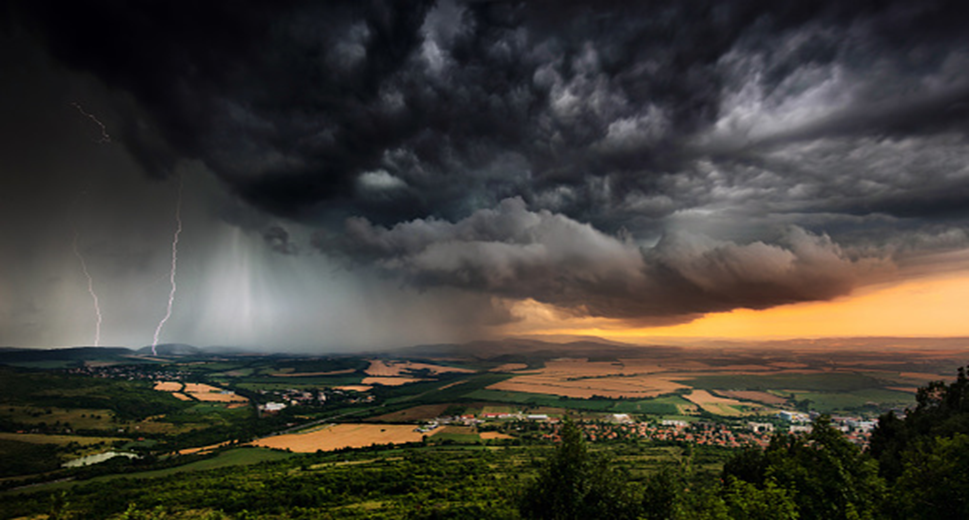
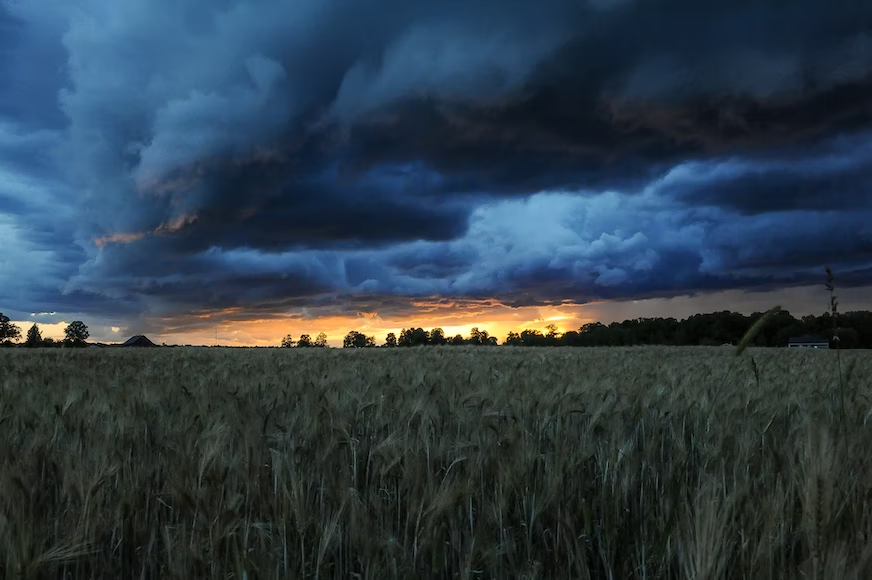
View of cloud storm with thunder lightening
How the Weather is Affected by Celestial Bodies
The weather is one of the most important things we take for granted daily. But did you know that the weather is affected by celestial bodies? The sun, moon, and planets have a gravitational pull that affects the atmosphere and the weather in various ways. The positioning of planets like Mars, Venus, Jupiter, and Saturn in our solar system is studied in environmental sciences to study their effects on weather conditions.
For example, different elements in these bodies cause drastic changes in atmospheric pressure, temperature, and precipitation. Knowing when to expect specific weather patterns is vital for personal safety and health. The celestial bodies impose their impact on large-scale climate changes effects.
The seasons and their relationship to solar and lunar eclipses
There’s something about the cycles of the sun and moon that fascinates us. Whether it’s the way they change the appearance of our sky, the way they dictate the seasons or the way the sea and ocean behave, everything revolves around them. The stratosphere, a layer of the atmosphere extending from about 10 km to 50 km just above the troposphere at the top of the Earth’s surface, is responsible for controlling how much sunlight reaches the planet’s surface.
The Sun in our planetary system casts a massive shadow on this layer, directly affecting Earth’s weather conditions. Many outdoor activities are affected when weather conditions change suddenly because of an astronomical event like the solar eclipse. The high ocean tides result from the Lunar Eclipse or Moon perigee. These high or low tides affect monsoons, rainfalls, tropical cyclones, extratropical cyclones, cloud formation, wind direction, or speed per km.
The biggest astronomical catastrophe could happen again
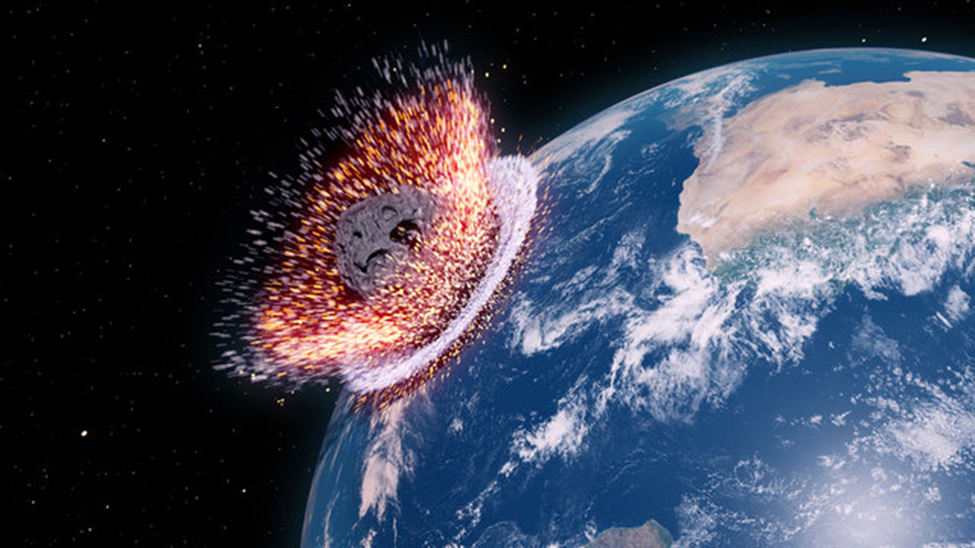
The astronomical event could cause a massive catastrophe on Earth. Evidence suggests that dinosaurs were wiped out entirely about 65 million ago due to an asteroid’s impact on the Earth. The effect has caused volcanic eruptions creating large-scale climate changes. The asteroid or comet collision effect would have been catastrophic to all life forms. The climate changes that would have occurred globally include a period of dim sunlight because of the absorption of solar radiation followed by the ice age.
Consequently, there would have been a short-term temperature drop resulting in diminished sunlight, extinct land, marine life, and killed photosynthetic plants. High-energy solar flares threaten our satellites, ISS, and knock-out communications. A supernova, gamma beam, comet, or variable star could cause an astronomical catastrophe.
Artistic depiction of an asteroid hitting the Earth. (Credits: stock.adobe.com)
Conclusion
Astronomy is vital to meteorology and the weather. It provides information about what’s happening in space, helps us understand how planets interact, and help us forecast future events. The history of astronomy and meteorology is intimately intertwined, with both fields repeatedly benefiting from the other’s insights. From understanding the effects of celestial bodies on the weather to forecasting seasons, astronomy has a significant impact on meteorology and the weather. In this blog, we have covered the main points of how astronomy influences meteorology and the weather.
In conclusion, astronomy influences meteorology and the weather in many ways! The positions of planets, stars, and galaxies affect our climate on a global scale. Astronomical meteorology will be crucial in weather prediction, climatic effects at high latitudes, and details about metrology mysteries.
Frequently Asked Questions
What is the relationship between astronomy and meteorology?
Astronomy and meteorology are both related to one another in many ways. For one, astronomy influences meteorology by helping us understand the movements of celestial objects. These movements can result in changes in atmospheric pressure, which then changes weather patterns. In addition, by studying astronomy, we also learn about the history of our planet and its atmosphere.
How do astronomers use data from the stars to predict weather patterns?
Astronomers use data from the stars to predict weather patterns. Specifically, they study the movement of planets, principals, and galaxies to understand how they affect our world. By exploring these patterns, they can determine how storms will develop on Earth. For example, by knowing that Venus or Jupiter’s moon Io causes different patterns in Earth’s atmosphere, astronomers can anticipate when a storm might form.
Why is it important to learn about astronomical events to understand the weather?
Weather is a huge topic and can be difficult to understand on a fundamental level. By understanding the patterns of astronomical events, meteorologists can predict weather patterns weeks in advance. These predictions are then used to warn people living in coastal areas and during storms. In addition, the study of astronomy helps us understand how Earth’s atmosphere works and the role that our Sun plays in climate change.
What happens when Earth’s orbit is close to a star, such as during an alignment of planets called astrological conjunction?
Whenever Earth is close to a star, the planet’s atmosphere gets bombarded by high levels of energy from the star. This intense energy causes disturbances in the Earth’s weather patterns that we experience in meteorology and the weather. For example, when Earth is close to the sun, solar wind and the auroras are more active during astrological conjunction. Conversely, the lunar wind and night sky are more engaged when Earth is close to the moon.
Will studying astronomy help me become a better meteorologist or forecaster?
Studying astronomy is a great way to learn about the Earth’s atmosphere and weather. We can make more accurate predictions by understanding how various astronomical objects affect our planet’s weather patterns. Meteorologists and forecasters also study mathematics and physics to improve their skills as weather analysts. Additionally, meteorology and forecaster careers often require an undergraduate degree in either meteorology or atmospheric science.
This year, we are witnessing the most advanced era of “Infrared Astronomy” in the history of mankind. As we catch sight of observations from the revolutionary James Webb Space Telescope (JWST), astronomers and the general public know more about the universe than ever. This brings us to recall, the very first invention of the “First Optical Telescope”, recorded in the early 1600s, observational astronomy has evolved over a long era. From the early 20th century, the larger optical telescope started to exist on the ground as well as in space.
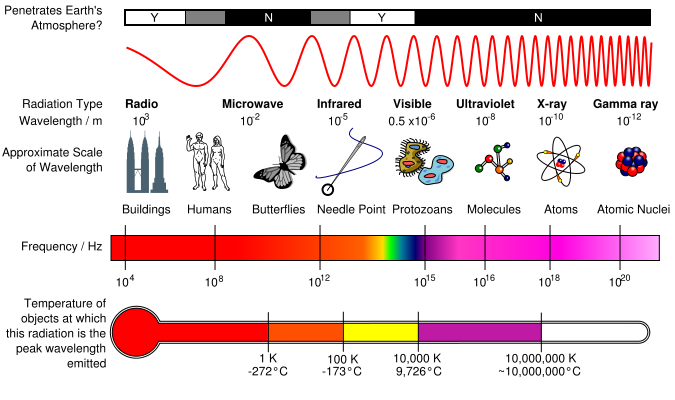
Later, in the 1970s, rocket-borne or ultraviolet, X-ray and gamma-ray detectors helped us to detect the highest possible energy phenomenon occurring in the different regions of the universe. With this improvement in optical engineering, astronomers were finally able to observe the universe in Infrared, X-ray and other wavelengths of the electromagnetic spectrum, the entire wide array of waves that come in electromagnetic radiation.
The electromagnetic spectrum, from low energy light on the left to high energy light on the right. Image credit: wikipedia.org.
To understand what astronomical phenomenon or what astrophysical event is happening, we try to look at the universe in the multi-wavelength. Since then, when it comes to telescopes, whenever a new window in the electromagnetic spectrum opens for humans to observe, new scientific discoveries are made. As new generations of telescopes are huge and better than previous ones, the basic science and design behind observing the same wavelength have remained the same.
In this short article, we will be discussing each band of the electromagnetic spectrum, from Radio Waves to Gamma Rays, in the context of Astronomical questions. What systems in Astronomy emit this radiation? What physical procedure is occurring in that region? How do we observe this radiation? What are the missions that probe in this wavelength to observe the universe?
RADIO WAVES
The wavelength in the RADIO segment of the spectrum is measured in waves longer than 1 mm and frequency lower than 300 GHz. Radio waves are the lowest emitted energy in the universe, the light is commonly made by a phenomenon of physics called synchrotron radiation, due to the gyration of charged particles around magnetic field lines and free-free radiation, as the charged particles in the electric field decelerate. Mostly, radio waves are emitted in astrophysical phenomena, where we trace magnetic fields and where the particles seem to be accelerating.
If we look for the Active Galactic Nuclei (AGNs) and gamma-ray bursts (GRBs), the supernovas, and tidal disruption events. At very lower luminosity (i-e lower brightness), radio waves can commonly be seen in ionized gas around young, hot OB stars, or giant elliptical galaxies, many of them were discovered in one of the most advanced surveys of our time such EMU – that is expected to detect some 70 million galaxies, known to be the first radio survey of this scale.
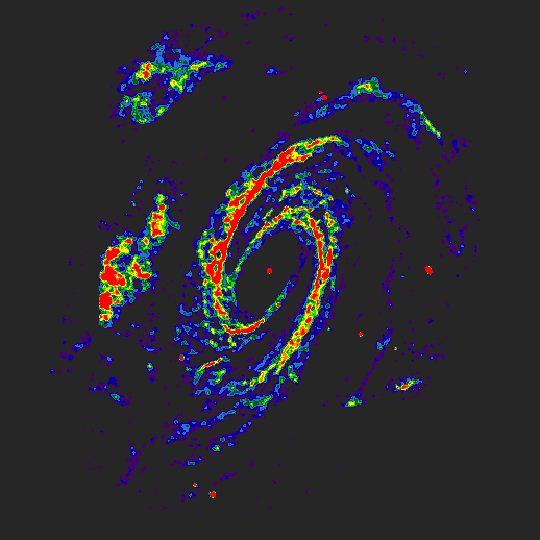
A radio image, made with the VLA, shows the hydrogen gas, including streamers of gas connecting the galaxies. From the radio image, it becomes apparent that this is an interacting group of galaxies, not isolated objects. Image Credit: NRAO
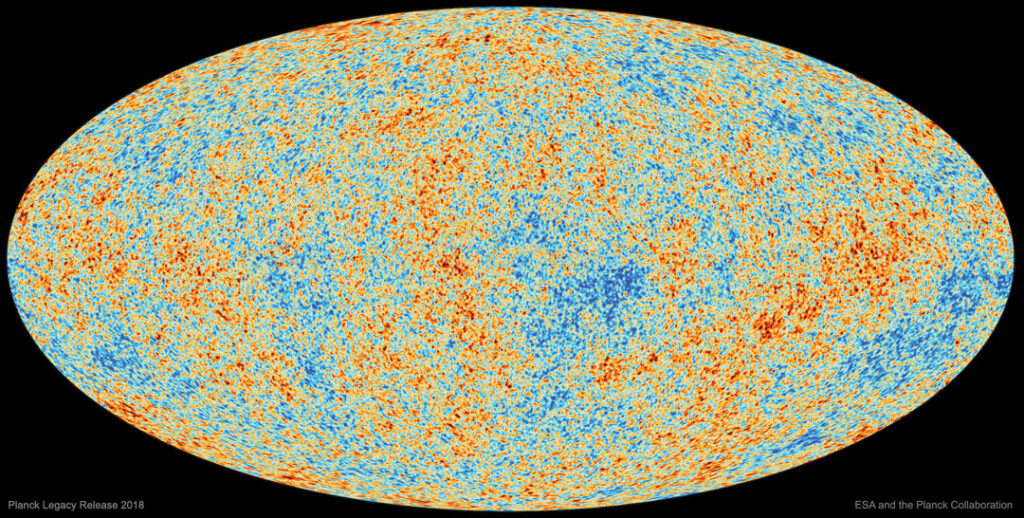
From 300 microns (μm) to 1 mm with 1 THz to 300 GHz, we classify the part of the spectrum as Microwave or Sub-millimeter, this band lies in between the radio and far-infrared emissions, In astrophysics, the processes that emit microwave or sub-mm can be found in radio wave emitting objects, and thermal emission from cold material can produce light in this spectrum part. The most known and widely discovered phenomenon is the Cosmic Microwave Background (CMB), the earliest light we can observe from the big bang – the creation of the universe.
From our perspective of temperature units, the CMB has a consistent average temperature of 2.725K, with few fluctuations. It can also be seen in higher energy phenomena, such as relativistic jets – where ionized matter is being ejected by a compact object, such as a black hole or neutron star. Also, from the gas in star-forming galaxies, where the high redshift is present, the very distant galaxies.
The well-known experiments such as Planck, WMAP, and COBE – all used in mapping the sky for the CMB, are examples of Microwave Astronomy, and Sub millimetre (SMA) and ALMA in Chile too.
Map of the Cosmic Microwave Background by Planck Satellite, Image Credit: Planck ESO
This spans over 15 microns to 300 microns, and a frequency of 20 THz to 1 THz. Far-infrared emission comes from thermal blackbody emission. Here, it’s due to Wien’s law – which suggests that the temperature of any object to the wavelength at which an object gives off the most light, and cool dust or gas emits far infrared. Star-forming regions, such as galaxies, or young stellar objects (i-e protostars and pre-main sequence stars), are very common and strongest sources of far infrared emission. Some examples of far-infrared missions are the Infrared Astronomical Satellite (IRAS), the Infrared Space Observatory (ISO), and the Herschel satellite.
Mid Infrared
The middle band of the infrared is also a very important source of astronomical observations, lying from the size of 2.5 microns (μm) to 15 microns (frequency of 120 THz to 20 THz), it has a shorter wavelength than far infrared light, but a longer wavelength than the near-infrared region of light. MIR is found in cosmic dust, such as it’s found around young stars, protoplanetary disks, and zodiacal dust. Near to our planet, it’s also found in objects such as asteroids, comets, and planets.
It’s a shorter wavelength than far-infrared light, but a longer wavelength than near-infrared light. MIR radiation largely traces cosmic dust, such as the dust surrounding young stars, the dust in protoplanetary disks, and zodiacal dust. The mid-infrared also traces the predominant emission of cool Solar System objects, such as planets, comets, and asteroids. NASA’s infrared Telescope Facility (IRTF), UK’s Infrared Telescope, on the ground utilizes observations from the band.
Due to the noise, and the already existing thermal background, this wavelength is very difficult to detect from Earth. So, for this purpose, the missions that are space-based such as WISE, Spitzer, and The JWST MIRI are also used for observations in this wavelength, the JWST’s MIRI has a camera and spectrograph as well, to get us a detailed view of the space objects, and their composition.
Near Infrared
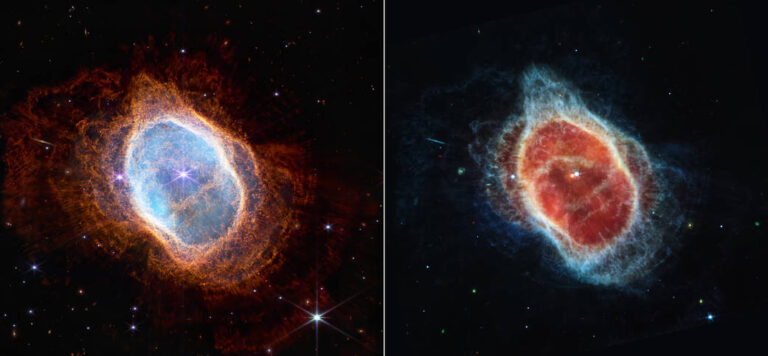
It’s emitted by a hugely wide range of objects or sources, predominantly blackbody radiation, the emission from cool stars i-e M dwarfs are very good at providing Near Infrared emissions. It consists of 0.8 microns (μm) to 2.5 microns and a frequency of 380 THz to 120 THz, this wavelength can be seen from the ground-based facilities. Examples are NIR 2MASS survey, the IRTF, UKIRT, VISTA, and this is also commonly done from space-based equipment. As the JWST telescope also covers this range and it is currently changing the field of near-infrared astronomy with its instrument and position in space (L2).
JWST image of the Southern Ring nebula in the near-infrared (left panel) and the mid-infrared (right panel). Image credit: nasa.gov.
OPTICAL
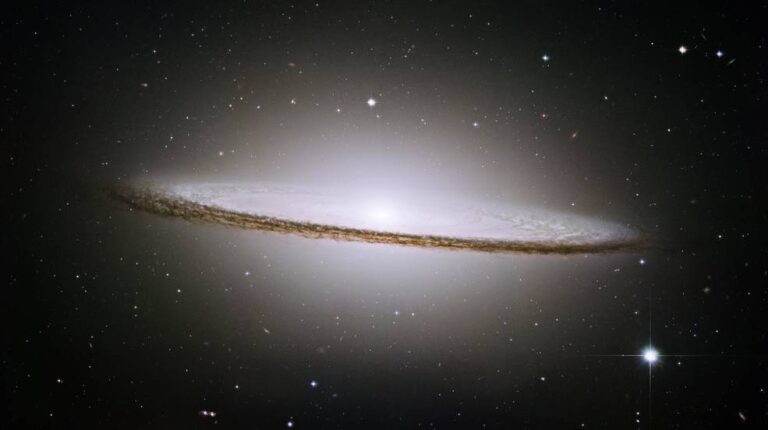
This is the visible light, we see every day, the radiation for human eyes to understand and interpret, produced by blackbody processes, but also coming from non-thermal sources. Being visible from the wavelength range of 350 nm to 800nm (Frequency: 960 THz to 380 THz), the ionized gasses can also produce visible/optical light but in discrete spectral lines, not as continued sources. As our eyes can see from the ground, the visible band of the Milky Way center, and the stars in the sky with naked eyes. But, still, we have large observatories hosting optical equipment such as W.M Keck telescopes, the four VLT, and SALT. Other space-based optical observatories include the most famous Hubble Space Telescope, Kepler, GAIA, and TESS.
Hubble space telescope optical image of M104 (The Sombrero Galaxy). The diffuse glow is the combined light of billions of stars residing within the galaxy. The dark dust lanes surrounding the edge of the galaxy block some of the optical light from reaching us. Image credit: nasa.gov.
ULTRAVIOLET
This band of the spectrum is short enough to not be visible to the naked eye, it’s size can be compared to the molecules, having a wavelength of 10 nm to 350 nm and frequency of 3e16 Hz to 860nm (Energy of 120 eV to 3.5 eV). The longest ultraviolet rays are just short enough to be visible to the naked human eye. UV light can be emitted from a lot of sources and powerful non-thermal sources as well. Thermal UV comes from hot O stars and B stars as the main sequence, white dwarfs.
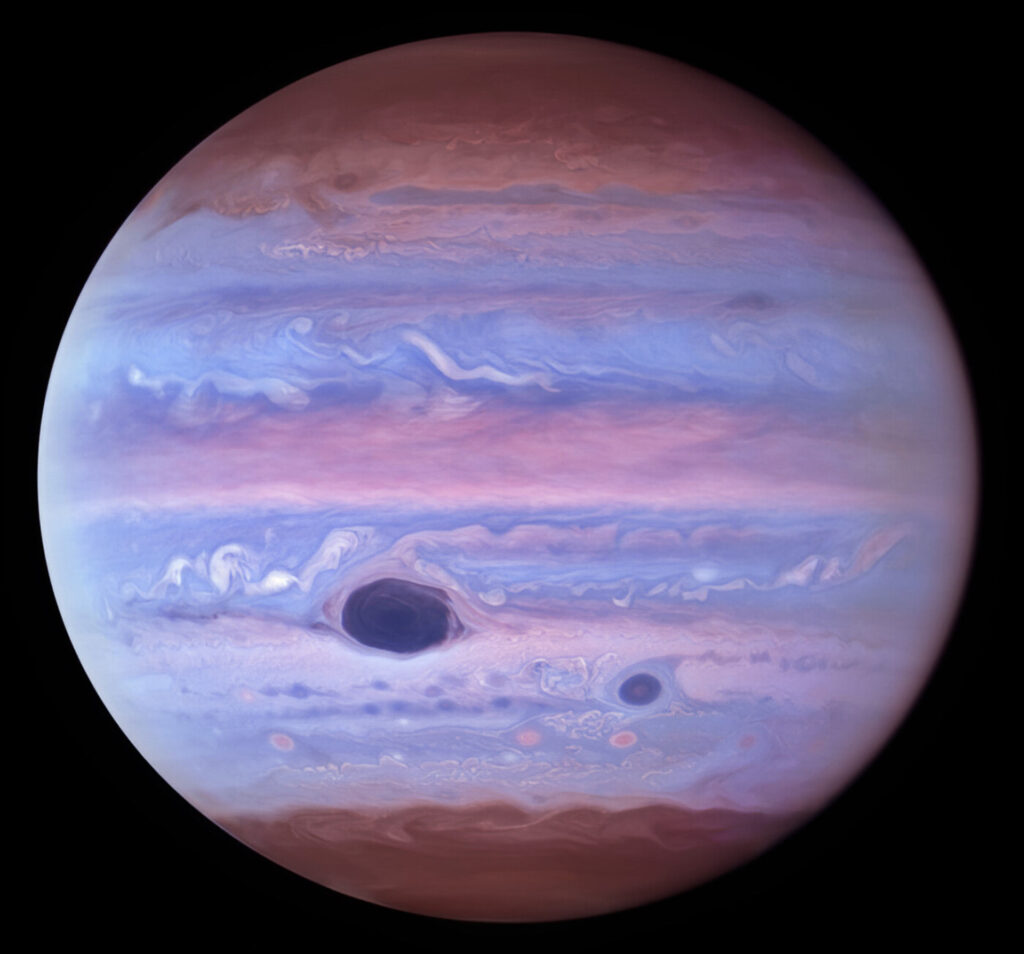
The non-thermal arises from AGN, our SUN i-e a main sequence star also emits UV spectra lines. But, UV cannot be observed from the ground, as most of it is blocked or extinguished by dust along the line of sight, except its longest wavelengths. Space Telescopes such as GALEX, HST, and AstroSat are very good at observing the UV band.
This ultraviolet image of Jupiter was created from data captured on January 11, 2017, using Hubble’s Wide Field Camera 3. The Great Red Spot and Red Spot Jr. absorb ultraviolet radiation from the Sun and therefore appear dark in this view. Image credit: NASA / ESA / NOIRLab
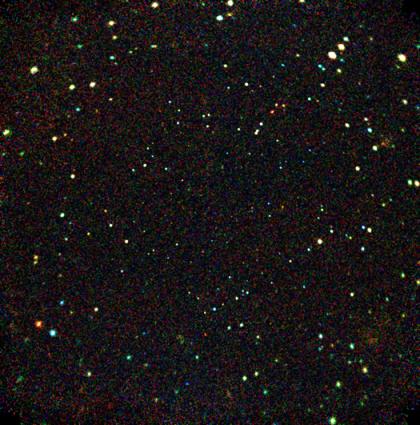
This one-million-second image, known as the “Chandra Deep Field-South” since it is located in the Southern Hemisphere constellation of Fornax, is the deepest X-ray exposure ever achieved. Credit: NASA/JHU
The wavelength is the shortest in the electromagnetic spectrum; 10 pm or shorter. Its frequency would be higher than 3e19 Hz and the energy of the emission is around 120 eV or Greater. Its photons are so small that they can be compared to the size of individual atoms. This suggests that emission in nuclear physics, that gamma decay is related to it. The pair annihilation of high energy physics can also produce gamma emission.
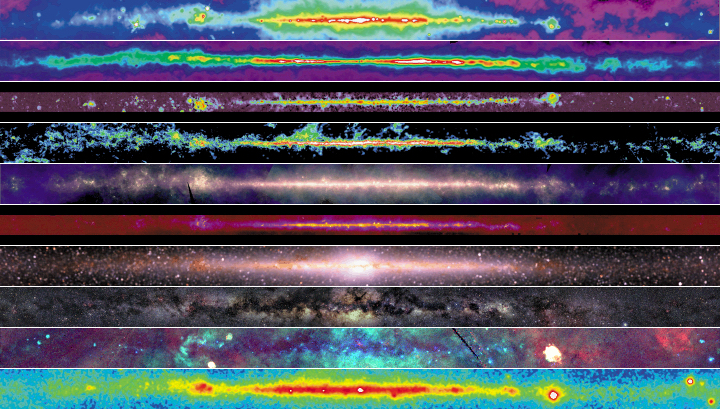
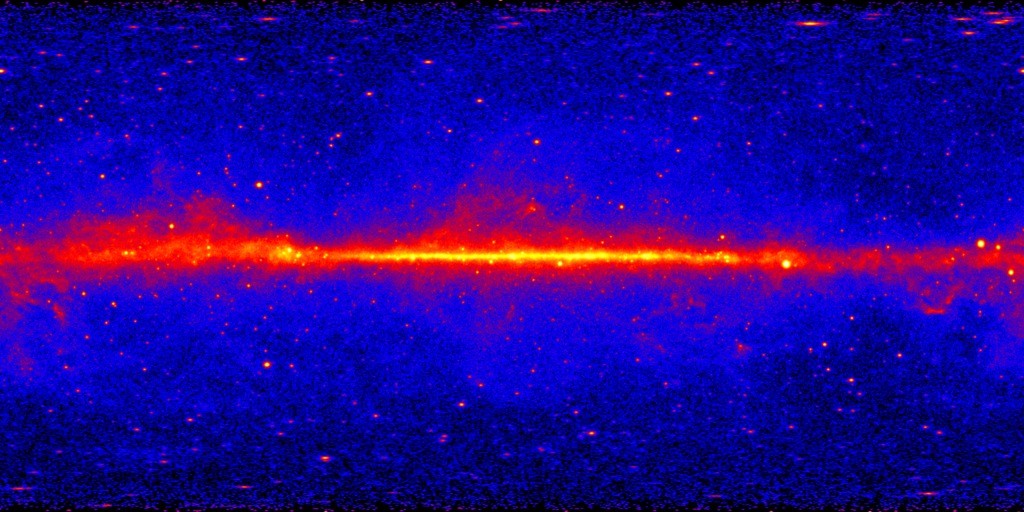
Image of the gamma-ray sky as measured by the Fermi telescope. Image credit: svs.gsfc.nasa.gov.
The sources of Gamma-rays in our universe are some classes of AGN, Relativistic Jets, and Compact Binaries, either also can be seen in, one of the most powerful events in the universe – Gamma Ray Bursts.
The Gamma rays can only be observed from space. For example, the Gamma telescopes are Compton Gamma-ray Observatory, the INTEGRAL, FERMI, which have contributed a lot to our understanding of this part of the Electromagnetic Spectrum.
References:
All the references are embedded as links.
The article was originally inspired by Astrobites: Guide to the Electromagnetic Spectrum in Astronomy
Le Sean Great Buddha, a nearly 71-meter-tall cultural icon in China, was found outside the city of Leshan, Sichuan province, with black and grey stains on its body and face in 2005. The magnificent statue, which was more than 1200 years old, was eroding at a faster rate than ever before. Its face was decolored, colored in streaks, and a portion of it was broken off. The monument was carved into the majestic foothills of Mount Ma. (Read more)
Although scientists in Europe and North America had been studying the subject since the 1950s, “acid rain” was one of the environmental crises that dominated news headlines globally in the 1970s and ’80s. The British chemist Robert Angus Smith used the phrase for the first time in his 1872 book Air and Rain: The Beginningsof a Chemical Climatology.
In major towns where a lot of coal is burned, “it has often been noticed that the stones and bricks of buildings, especially under projecting sections, disintegrate more rapidly than elsewhere,” he noted. “I was encouraged to believe that the acid rain’s gradual but consistent action was responsible for this consequence.” He hypothesized that the acidity was brought on by nitric acids brought on by the burning of biomass such as wood and peat in rural areas, as well as Sulphuric acids brought on by the excessive usage of coal in urban areas.
Travel back to 1960, when Eville Gorham in Canada observed that local ponds were becoming more acidic due to air pollution from a smelter. After three years, Gene Likens and his crew discovered that rain occurs at It was quite acidic in the Hubbard Brook Experimental Forest. Even though they were unsure of the cause. not till after Svante Odén, a Swedish researcher, published a piece on the subject covered by the nation’s top newspaper in October 1967 started gaining notice. Dr. Odén had been keeping an eye on the surface chemistry of Scandinavian waters, and discovered that lakes there were becoming more acidic.
He credited acid precipitation because of air toxicity emanating from the United States Royal and centered in Europe which is Meteorological Sweden’s Stockholm Institute had assumed the coordinating position. established in 1956 of the European Air Chemistry Network, therefore he had the evidence to support his assertions. He stated that the lake’s Declining fish catches were likely caused by acidity. huge deaths were reported by fishery authorities, as well as anglers, and they asserted that soils might also be impacted if they lost the ability to neutralize, which had detrimental effects on Forest expansion and crop production.
Leshan Giant Buddha, a statue in China, has withstood the effects of nature for more than a thousand years but is now showing signs of corrosion due to acid rain
By the year’s conclusion, Sweden had suggested that the UN General Assembly call a meeting to encourage concerted action. on “the incredibly complicated issues relating to the human environment”. The Human Environment Conference of the United Nations in Stockholm, Sweden, in June 1972, as required. The conference’s resolution called for the establishment of an annual World Environment Day on June 5; this “special day” is still observed today, nearly 50 years later. However, numerous recommendations were made and an action plan was created.
The secretariat had solicited the submission of papers and case studies on certain issues and had asked participating governments to compile national reports on the state of the environment in their nations before the conference. Air pollution across national boundaries: the impact on the environment of sulphur in air and precipitation was a case study that Sweden circulated well before the meeting and built upon the more formal report Dr. Odén had created a year after his attention-grabbing newspaper piece.
By the end of 1972, a cooperative project to measure the long-range transport of air pollution over western Europe had been launched by the Organisation for Economic Cooperation and Development (OECD), which at the time consisted of 19 European member countries in addition to the United States, Canada, Japan, and Australia. Eleven OECD countries were involved in this project.
The project’s findings, which were published in 1977, proved that sulphur compounds were being carried across borders and altering the quality of the air in neighboring nations. Other initiatives carried out by certain nations were on the effects of acid rain on the environment and health and air toxicity.
World Health Organization 1979 released its first sulphur environmental health criteria. 30 countries, oxides, and suspended particulate matter and the European Union inked the first multilateral agreement in history the Convention on the Control of Air Pollution about LongRange Transboundary Air Pollution (CLRTAP) negotiated under the United Nations supervision European Economic Commission (UNECE).
Canada and the United States were signatories they not only signed their Memorandum of Understanding of CLRTAP but the desire to create a bilateral agreement on transboundary 1980 air pollution, having participated in a cross-border debate on acid rain. The 10-year National Acid Precipitation Assessment Programme was formed by the Acid Deposition Act, which was passed by the US Congress in the same year (NAPAP).
The early 1980s saw increased media coverage of acid rain, increased following significant forest dieback in both Europe and North America, especially in the “Black Triangle of countries from the Communist Bloc: Poland, East. When it comes to Germany and Czechoslovakia, outmoded power stations were producing significant amounts of air pollution.
However, in the end, NAPAP and European research programmes concluded that there was more to the forest dieback than could be explained by acid rain triggered most likely by the “double punch” of drought and noxious pests. The consequences of air pollution on human health, however, and aquatic ecosystems have already developed significantly.
The Helsinki Protocol of theCLRTAP was approved in 1985 to lower European sulphur emissions or their transboundary fluxes. compared to 1980 levels, using a similar technique, at least 30% was approved in 1988 for nitrogen oxides. Canada as well in 1985, the Eastern Canada Acid Rain Program was established. with reduction goals to reach a regional sulphur cap emission, and the 1990 amendments to the Clean Air Act were implemented to minimise sulphur dioxide and, in the US, nitrogen oxides are present. ALSO, READ
In March 1991, the two nations agreed to a bilateral Air Quality Agreement to address emissions that cause acidification and other transboundary air pollution. The 1990s saw the introduction of further conventions that obligated nations to stricter emission limitations. Today, emissions of sulphur dioxide have decreased by 80-95% from 1980 levels in both Europe and North America while those of nitrogen oxides have decreased by 50-65% thanks to this cooperative approach to solving the issue.
WHAT IS ACID RAIN?
The Royal Society of Chemistry refers to Scottish chemist Robert Angus Smith as the “father of acid rain” and claims that he first used the term in 1852. While researching the chemistry of rainwater around industrial centers in England and Scotland, Smith came up with the name. In the book “Air and Rain: The Beginnings of a Chemical Climatology,” published in 1872, he described his discoveries. But it took another century for scientists to realize that acid rain was a serious environmental problem.
According to the EPA (US environmental protectionagency), regulating emissions from buildings and automobiles is a crucial first step against acid rain.
When airborne contaminants interact with clean rain, acid rain results. When these pollutants are discharged into the atmosphere, water, oxygen, and other compounds combine and react to generate acid rain. After that, acid rainfalls on the Earth, where it can harm vegetation, wildlife, soil, water, and construction materials. There are numerous ways to stop acid rain created by humans.
According to the EPA (US environmental protectionagency), regulating emissions from buildings and automobiles is a crucial first step. Limiting the use of fossil fuels and emphasising more renewable energy sources, including solar and wind power, can achieve this. Any type of precipitation that contains acidic elements, such as sulfuric acid or nitric acid, is referred to as acid rain or acid deposition. The definition of precipitation encompasses dust, gases, rain, snow, fog, and hail; it does not require that it be wet or liquid. Wet deposition refers to the sort of acid rain that incorporates water.
The definition of precipitation encompasses dust, vapours, rain, snow, fog, and hail; it does not require that it be wet or liquid. Wet deposition refers to the sort of acid rain that incorporates water. Dry deposition is the name for acid rain which is created from dust or gases. ALSO, READ
CAUSES OF ACID RAIN
Sulphur and nitrogen particles that mix with the wet elements of rain are the main contributors to acid rain. The particles of sulphur and nitrogen that mix with water can come from two sources: either man-made emissions from industries or natural events like lightning strikes that release nitrogen oxides and sulphur oxide, respectively, into the atmosphere. Robert Angus Smith, a Scottish chemist, is credited by the Royal Society of Chemistryas being the “father of acid rain,” having created the term in 1852. While researching the chemistry of rainfall in Scotland and England’s industrial towns, Smith came up with the name. Even though it is not clean, the normal rain we experience occurs when water and carbon dioxide combine to make mild carbonic acid, which is not particularly dangerous on its own. What is happening is:
CO2 (g) + H2O (l) = H2CO3 (aq)
Regular rainfall has an acidic character since its pH is roughly 5.7. Along with the dust particles, the wind also blows away the nitrogen and sulphur oxides. They descend as precipitation before settling on the surface of the earth. In essence, acid rain is a by-product of human activities that release nitrogen and sulphur oxides into the atmosphere. Examples include the combustion of fossil fuels and unethical methods of removing waste emissions.
IMPACTS/ EFFECTS
Trees that are dead or decaying are regularly seen in areas where acid rain has occurred. Acid rain depletes the soil of aluminium. Aluminium might be harmful to both plants and animals. The minerals and nutrients that trees require to develop are also taken out of the soil by acid rain.
Gypsum is produced when acidic rain reacts with the calcium compounds in the stones, and it subsequently flakes off
Acidic fog and clouds may deplete nutrients from trees’ foliage at high elevations, leaving them with brown or dead leaves and needles. The trees become weaker and less able to survive freezing conditions as a result of their reduced ability to absorb sunlight. On a worldwide scale, acid rain has very little negative impact on oceans, but it has a greater negative impact on the shallower coastal waters. Acidification of the oceans, which is brought on by acid rain, can make it harder for some coastal species to build the exoskeletons they need to survive.
More marine life will perish if these coastal species are not a source for other marine life to eat from because they are connected as a part of the ocean’s food chain. Because calcium carbonate, a key component of the limestone skeleton, dissolves in acidic (low pH) conditions, coral’s limestone skeleton is especially susceptible to pH changes.
In addition to causing acidification, too much nitrogen entering the ocean from the atmosphere encourages the growth of phytoplankton and other marine plants. This may lead to more frequent harmful algal blooms and eutrophication (the development of oxygen-depleted “dead zones”) in some areas of the ocean. The health of people is not immediately impacted by acid rain. Rainwater’s acid content is too diluted to have any noticeable negative consequences.
Sulphur dioxide and nitrogen oxides, the particles that cause acid rain, do have a negative impact. Asthma and bronchitis are caused by increased levels of small particulate matter in the air, as well as other heart and lung issues. Buildings, historical sites, and statues are particularly vulnerable to harm from acid rain if they are composed of calcium carbonate-rich rocks like marble and limestone. Gypsum is produced when acidic rain reacts with the calcium compounds in the stones, and it subsequently flakes off.
CaSO4 (s) + CO2 (g) + H2O = CaCO3 (s) + H2SO4 (aq) (l)
Old gravestones are frequently affected by this, and acid rain can entirely obliterate the writing on them. Additionally, acid rain speeds up the corrosion of metals, especially iron, steel, copper, and bronze.
The High-Resolution Spectroscopy of extrasolar planets is one of the keys to our understanding of the Exoplanet atmospheres. This method helps us in understanding the formation, environment and evolution of the planets, as we explore the data of their compositions and physical dynamics, an overall advancement in exoplanetary research studies.
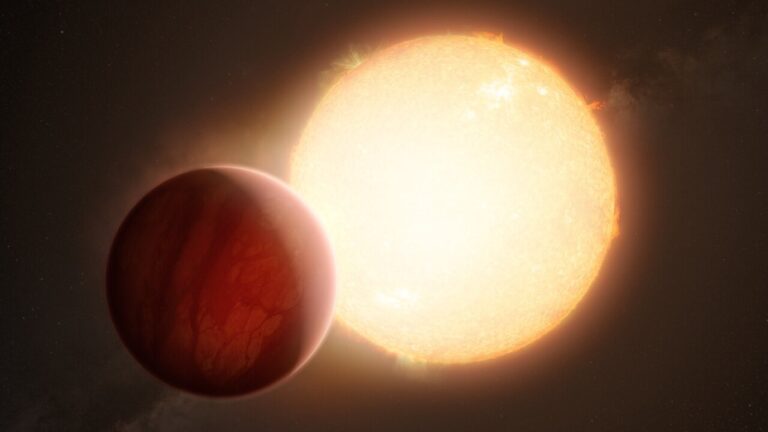
Recently, astronomers studied, the WASP-76 and WASP-121b and found the heaviest element- Barium, ever discovered in any exoplanet’s atmosphere. These planets do fall in the class of gas giant exoplanets, commonly known as “Hot Jupiters”, a type of planet that is similar to Jupiter but they have a very shorter orbital period, of around less than 240 hours (P<10 days), this close proximity to their stars, establishes a very hotter surface atmospheric temperatures, regarding them as “Hot Jupiters”.
Using the data from, VLT and ESPRESSO, the scientist took a new look at the two exceptionally ultra-hot Jupiters, and they reassessed the transit observations to attempt to find any new species in the atmosphere of the planets.
Excitingly and accidentally, scientists added the discovery of Ba+ present in the atmospheric composition of the WASP-76b and WASP-121b, and also the new detections of Co and Sr+. The results also made confirmations for the previously detected elements such as Ca+, Cr, Fe, H, Li, Mg, Mn, Na and V on both planets.
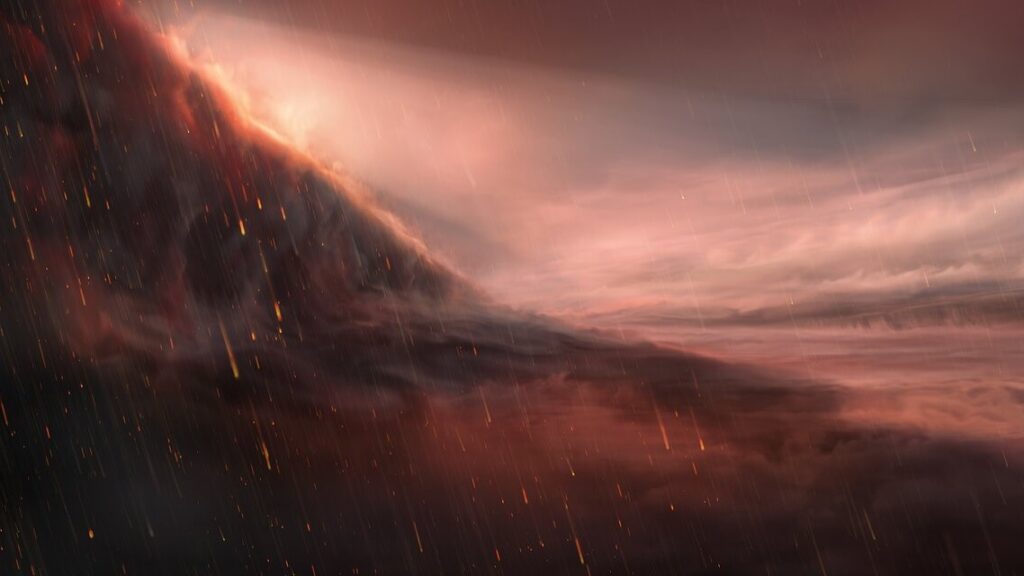
An illustration of the night side of the hot Jupiter exoplanet WASP-76 b, a world so hot it rains iron. (Image credit: ESO/M. Kornmesser)
Reporting and referring from different science news outlets, Azevedo Silva – the lead study author (Doctoral student at the University of Porto) said, “This was in a way ‘accidental’ discovery – we just wanted to confirm we already knew everything that was there. We were not looking barium, and I don’t think anyone was looking barium, because there is no reason for the barium to be there”.
“It’s very puzzling and counterintuitive: why s there such a heavy element in the upper layers of the atmosphere of these planets?”
Considering, “Barium” is much heavier than most elements, we expect to find it high up in a planetary atmosphere- it is approximately 2.5 times as heavy as iron. “Our thought is that something so heavy would sink down the atmosphere,” says Azevedo Silva. “This raises a lot of questions about how it got there and what’s going on. ” – Reported in NewScientist
Both planets are similar to Jupiter in size, but they have incredibly hot surface temperatures, above 1,832 degrees Fahrenheit (1,000 degrees Celcius), and they both are located so close to their host stars that their orbital period is about one or two days.
Later in future, astronomers can discover more through Higher Resolution Spectrography, through instruments under development such as ANDES on ELT in Chile, which can also study not only the large planets but smaller rocky worlds like earth.
For reference, a paper elaborating on the work and methods above was published on Oct 13, 2022, in the journal Astronomy & Astrophysics.
In 2000, Actor George Clooney played the role of Captain Billy Tyne on the Andrea Gail, a ship that was doomed to get caught in the cross chairs of the perfect storm. The action-packed movie briefly showcases what a real-life meteorologist might do at places like the National Hurricane Center in Miami, Florida.
In our daily routine, we rely on weather applications the most. Going out to work or coming back, planning for a picnic trip over the weekend, or booking a flight for touring to another city or country, the first thing that comes into our minds is, how would the weather be on that specific date? Wouldn’t I get canceled my flight due to a storm? Or rain threats will ruin our picnic…
With such thoughts, we rush to applications on our cell phones to get the latest weather updates. These applications are an essential part of our daily lives. Still, most of us don’t know much about the science of atmospheric study, meteorology.
Many people wonder why the study of the atmosphere is called meteorology. History tells us that this name comes from the ancient Greeks. In about 340 B.E.C, the Greek philosopher Aristotle wrote a book named “meteorological”, about the information of weather and climate he found worthy in that era.
According to historic resources, Aristotle got the book’s name from the Greek word “meteoron,” which means “things high up” and refers to anything observed in the atmosphere. And it had nothing to do with the meteors (objects fall from space, as we know the word today). This term had been used for several centuries, and the researchers who study the atmosphere were called meteorologists.
Still, people who know about meteorology think it is the science of weather forecasting. However, it is more about studying the atmosphere, long-term trends in climate and weather, climate change, and their potential impacts on living beings on earth. These days, meteorologists are specifically concerned about ecosystem variations due to climate change.
In Pakistan, awareness about atmospheric studies and weather patterns is deficient. People rely on weather updates and applications but started blaming or bashing met office when a weather predictions wouldn’t go right.
Now with more sophisticated technologies and equipment, researchers cover several sub-disciplines of meteorology like climate modeling, remote sensing, air quality index, environmental Nanotechnology, and atmospheric physics. Since atmospheric changes are directly linked with the rise and fall of oceans and the sea breeze/ Al-Nino phenomenon, oceanography is now also paired with meteorology.
As it is evident that weather affects every living object on the earth, or even in space, scientists can now detect solar flares and dust that reverberate and interact with the earth’s magnetic field, incorporating changes in global weather patterns. These days, meteorology also includes hard sciences, cutting-edge technology, satellite imagery, fieldwork, and broadcasting and media.
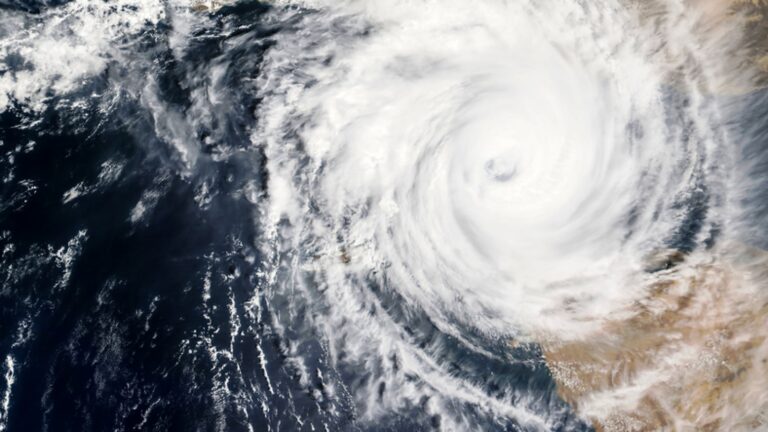
A recent example of the significance of meteorology these days is the deadliest hurricane Ian which wreaked havoc in Florida a few weeks ago. Still, residents of Florida and adjacent under-threat states had enough time to evacuate and prepare themselves for the worst when it turned into a category four storm. All this was possible due to the warning meteorologists issued a week earlier, and the local weather station was constantly watching and monitoring the hurricane’s movement until it died.
For the last two decades, the world has been under constant threats of extreme global weather events and natural disasters. These events have generated several scientific terminologies that people weren’t aware of. Imagine that you just switch on your TV set, tune into a weather channel, and come across a catastrophic situation like a bomb cyclone or polar vortex. They and other terms are unfamiliar to laypersons but are widely used in international media, even though they are mainly wrongly explained in public.
Pakistan faced historic flooding due to unexpected torrential rains at the end of August 2022. Several meteorologists had predicted widespread rains in Balochistan and Sindh provinces. Still, the National Disaster Management Authority neither issued a warning to evacuate people nor helped them when their homes were submerged in two-to-three feet of water. This negligence resulted in a historic catastrophe that would take years or a decade for rehabilitation.
In Pakistan, awareness about atmospheric studies and weather patterns is deficient. People rely on weather updates and applications but start blaming or bashing met office when weather predictions wouldn’t go right. Scientia Pakistan brings its exclusive edition on Meteorology to make people aware of the authenticity of weather prediction models, climate change, and atmospheric studies.
We have very informative stories on weather models, the current situation in IDP camps in flood-affected areas of Pakistan, acid rains, food delivery, the environment, cloud seeding, and much more. Besides, we interviewed Dr. Perviaz Amir about the role of water in Pakistan’s agro-based economy as the flood has affected chiefly corps, and experts warn of a severe food shortage in coming months.
We are sure that this edition will give our lay audiences an insight into the significance of meteorology and how crucial it is to be aware of atmospheric study in a post-climate change era. Have an excellent read!
The sudden call from her parents makes Mariam worried. She’d been busy and had nothing cooked. Neither did she have the car today to go and bring groceries. Her only option was food delivery. She called P-mart and selected some fruits, vegetables, poultry, bread and snacks. The delivery would take less than 40 minutes, according to the app. Perfect. She checked out and went ahead to place the order.
To her utter dismay, the app canceled her order and apologized for the inconvenience due to the weather. The weather? Mariam peered outside the window to find a drizzle. So, the driver was not equipped with a shaded motorbike or a raincoat to even wand this minute amount of rain? How pathetic. She continued to panic and dialed the nearest restaurant’s number for home delivery. Unfortunately, they refused to take her order due to the ‘inconvenient weather conditions.
What was she supposed to do now?
Trends in Food Delivery
With the expansion of globalization and digitalization, food delivery systems have become highly popular. Whether it is lunches for offices, groceries, or your favorite meal at home, it’s all a click away on an app. This convenience has, for one thing, facilitated the decrease of cars and vehicles rushing to the supermarket and, thus, fuel consumption and air pollution.
Online businesses are a handy way of employment for people who prefer to work from home with flexible timings. Females have applied their culinary talents to their benefit and are a help in the family earnings. Flavor and packaging are maintained due to continuous customer feedback, and the waiting time that had to be wasted sitting at eateries is now saved as well.
Over the last decade, revenue due to food delivery has tripled all over the globe. A highly unusual increase has been observed ever since Covid-19, where people avoid restaurants and public places as much as possible. They prefer to have their meals delivered to their doorstep to save the hassle. Most orders of food businesses are online and for home delivery, about a hefty 60 percent.
In Pakistan, apps like Foodpanda, Cheetay, Bykea, etc., have made food delivery from restaurants and groceries a piece of cake. We can track orders online, and cash on delivery is also available. Besides these apps, almost every restaurant has its own delivery system. These deliveries are usually free to nearby places, whereas the apps imply a delivery fee.
Local grocery stores and cash and carry chains have developed their apps,o for most urbanized cities, to help in online shopping and home delivery. Most users find this convenient, especially with less time in the week due to school and office timings, and manually searching for all the items at a grocery shop is time-consuming.
Most restaurant chains are hosting less than half of the customers they used to have a decade ago on the premises and dealing with their growing list of online orders. In this way, market space is no more demanded by most restaurants, and it can lead to a decreased demand for commercial buildings and plazas.
With the expansion of globalization and digitalization, food delivery systems have become highly popular.
Types of Food Delivery
When we talk about food delivery, the first thing that comes to mind is the restaurant sector. But delivering agricultural outputs to factories for processing and then to the market for sale is also included in this domain.
In a country like Pakistan, where more than 70 percent of employment is dependent on livestock and farming, agriculture forms the backbone of our economy. Food delivery from farms and rural areas to factories for manufacturing and processing is done through huge truckloads. Then the manufactured and packed goods are delivered to retail stores and shops nationwide.
To simplify things, let’s divide food delivery into categories. Firstly, there is the usual restaurant meal delivery. An order is placed online or via call, prepared and packed. It is ready to eat, and the packing serves to preserve the freshness and taste. The food is delivered via a bike, usually in an insulated box. Cash on delivery is available.
The second type of food delivery is a meal kit. This type requires a weekly or monthly subscription; meals are planned and usually contain all the food groups in the lunchbox. They are healthier, customized, and typically handy to deliver to offices and workplaces. They can be delivered via a bike or a truck if ordered in bulk. Payment is usually weekly or monthly.
The third type is ingredients delivery or your usual grocery list. Fruits, vegetables, dairy, poultry, grains, pulses, and other processed edibles like bakery items, packed snacks, drinks, etc., are all included and delivered via bike in a big shopping bag. Orders are placed online, items selected, and cash is paid upon delivery. Delivery may be free if the order cost is above a specific price.
The fourth type is, of course, the transport of agricultural goods to the industry for processing and packaging and then transport to retail stores in all cities to be sold to consumers. This implies the usage of bulk transport in boxes or sacks in trucks usually.
How do severe climatic conditions affect food production and agriculture?
When we say severe climate, we mean both extremes, cold and hot. Plants and crops usually require a balanced amount of water, soil nutrients, and atmospheric conditions to grow well. If the climate is too cold, germination will not occur, and crops will have stunted growth or none. Plants will dehydrate and die if the environment is too hot and arid.
Besides extreme temperature variations, rainfall is also crucial in agriculture. Scanty rainfall is also problematic; too much rain causes floods or waterlogged soils. Crop plants face damage in both scenarios and perish.
Food production problems and food crisis are typically faced where water shortages are prevalent. Droughts, less rainfall, deforestation, arid climatic zones, and land pollution contribute to food production levels. Mountainous or hilly areas where the land is not flat also had severe climatic conditions. Rainfall is unpredictable and the climate is freezing.
Global problems like the greenhouse effect are leading to an increase in temperature. The temperature at the poles is five to ten degrees warmer than it was a decade ago. This has led to floods and glaciers. Also, crops that convert carbon dioxide into carbohydrates with three carbons, known as C3 plants, may experience a lower yield, as they require a lower temperature to thrive than C4 crop plants. C3 plants include wheat, oats, rice and cotton, while examples of C4 are maize and sugarcane.
The Impact of severe climate on food delivery systems
As far as extreme temperatures go, they do not affect food delivery over short distances. Food is insulated and carried to local places in summer and winter. However, if the food is delivered in bulk and to a far-off remote area, a warm climate poses the risk of food rotting or spoilage.
The main game changer is rainfall. Food delivery systems in Pakistan are not yet well-established and well-equipped to face the rain. Deliveries are usually stalled and delayed for several days in the monsoon season. This can cause product shortages in the market.
Food delivery systems rely on favorable weather conditions for easy transport and quality maintenance of food.
Food security and challenges
The term food security implies the state of having reliable access to a sufficient quantity of affordable, nutritious food. Climate change has mainly posed a threat to food security in two ways. Firstly, unpredictable rainfall patterns have affected water availability to crops.
Plants and crops usually require a balanced amount of water, soil nutrients, and atmospheric conditions to grow well.
Secondly, increased carbon dioxide concentrations in the air have led to a decreased nutritious value of some crop plants. Plants in a high CO2 environment absorb fewer minerals from the soil.
Solutions
The first and foremost step is to develop dams and an efficient irrigation system. This should be capable of water storage and providing a moderate amount of water to crops according to need throughout the year.
Food delivery systems should be capable of withstanding changes in rainfall and climate. E.g., raincoats, rainboots, waterproof boxes to carry the food hot and fresh, and well-organized tracking systems to navigate them.
Food delivery apps and services should also reach out to remote hilly or desert areas by establishing a well-organized and extensive network of vehicles, deliverymen, and resources. Compensation should be given to deliverymen who work on rainy or weather-constrained days to boost their morale and encourage their participation on such days.
A constant check on the weather and climate with reliable apps should help plan routes and timings of truckloads of food deliveries beforehand.
The future
More efficient apps with customer-friendly deals and options, technology applications for better food packaging and sustenance, as well as better modes of food delivery are all under consideration. An example of the latest technology for food delivery is the application of artificial intelligence like drones, robots, parachutes, etc.
Imagine opening the door to finding your pizza in the hands of a robotic delivery man! You would have to insert your money in some hole or pocket before the robot lets go of the grip on the box, and you can take it from the robot. That would indeed be interesting.
This week – global events are being hosted for World Space Week 2022– “To celebrate the advancement of science and technology, and the contributions to the betterment of the human condition”. The events start from Oct 04 -10 commemorating the launch of the First Satellite Sputnik-1 (Oct 4, 1857) and the signing treaty for peaceful use of Space (Oct 10, 1967). Remembering Pakistan, as one of the first nations to develop its space agency- SUPARCO, in 1961.
Pakistan, today is not a very scientifically advanced nation, due to its political and economical unrest, throughout the decades, pure sciences are not very popular among the youth, that is the basic thriving need for a strong space sciences program academically, in terms of research or industrially. But, few individuals or organizations, aim their best for celebrating and increasing scientific outreach and events. This year, fortunately after the end of the pandemic, we had physical events with lesser restrictions and constraints, yet I had the privilege to attend and celebrate the scientific endeavors stretched by the space community within the universities of Karachi.
NASA Space Apps Challenge 2022
Before the start of WSW 2022, I attended NASA Space Apps Challenge 2022, held on October 1-2, 2022, at Salim Habib University, a private sector university, with RaheQamar’s flagship hosted the event for the first time on a physical and massive scale, hosting nearly all the science and engineering university students, and many other college and school students participated in the NASA’s Hackathon. The event was open for participation globally in more than 181 countries and territories, and thanks to RaheQamar and Hassan Bin Zaki, who have been hosting it for the 4th consecutive time in Pakistan.
The event was open to hosting participants from as young as 06 to 65 years of age. It was a huge call for awareness of Artificial Intelligence and Data Science applications within the Space Industry. All the major cities of the country hosted the event. At Karachi, we witnessed nearly 1000+ participants present at the event venue, which was Salim Habib University, Karachi, with respect to a technical and informative event of such a nature.
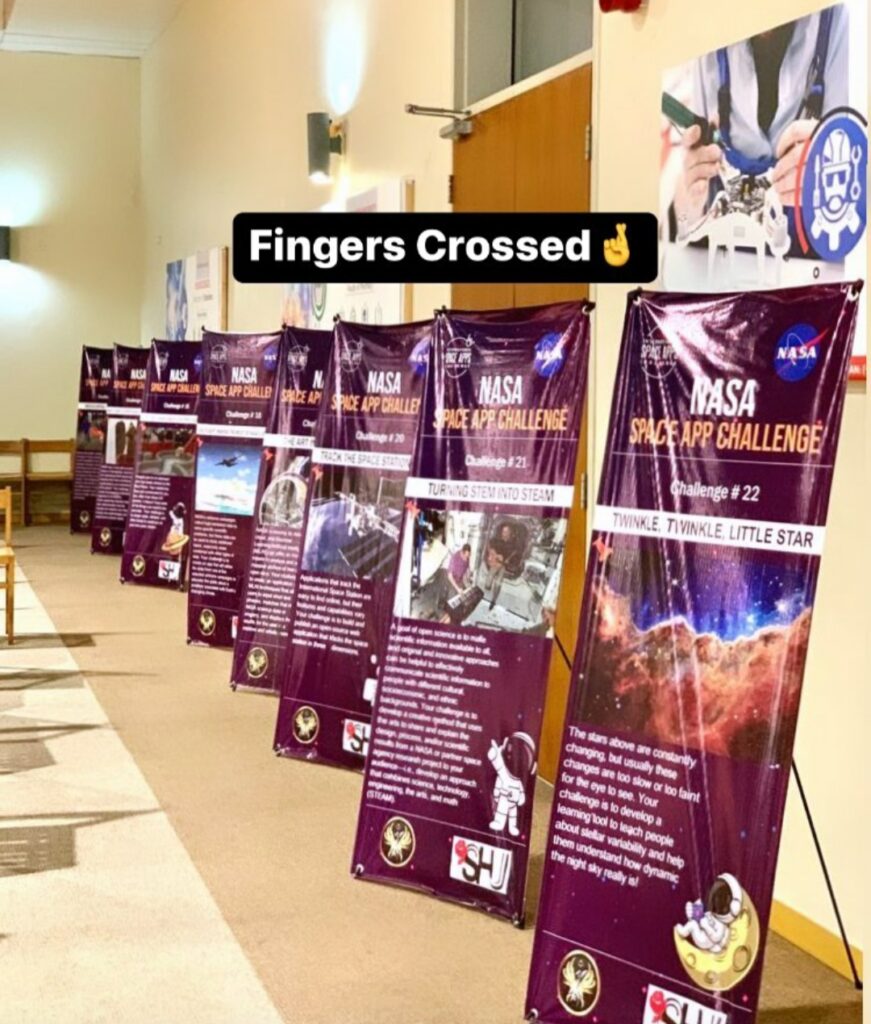
Image illustrating the banners of different challenges for participants at the NASA Space Apps Challenge at Salim Habib University (SHU). (Credits: Hammad)
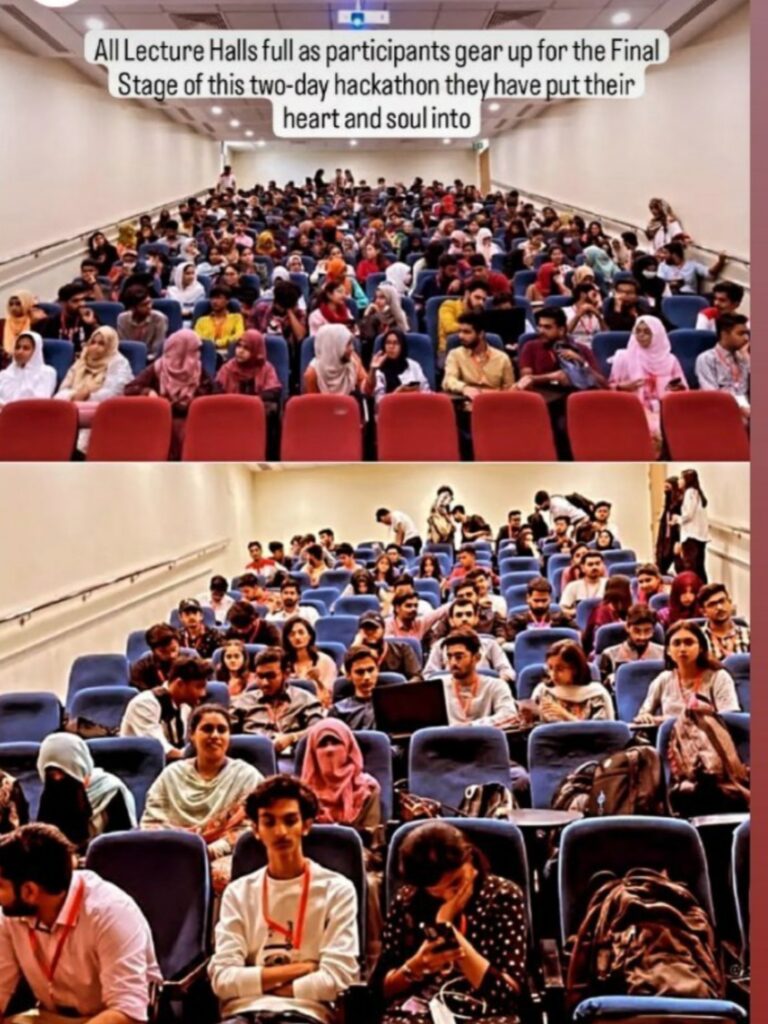
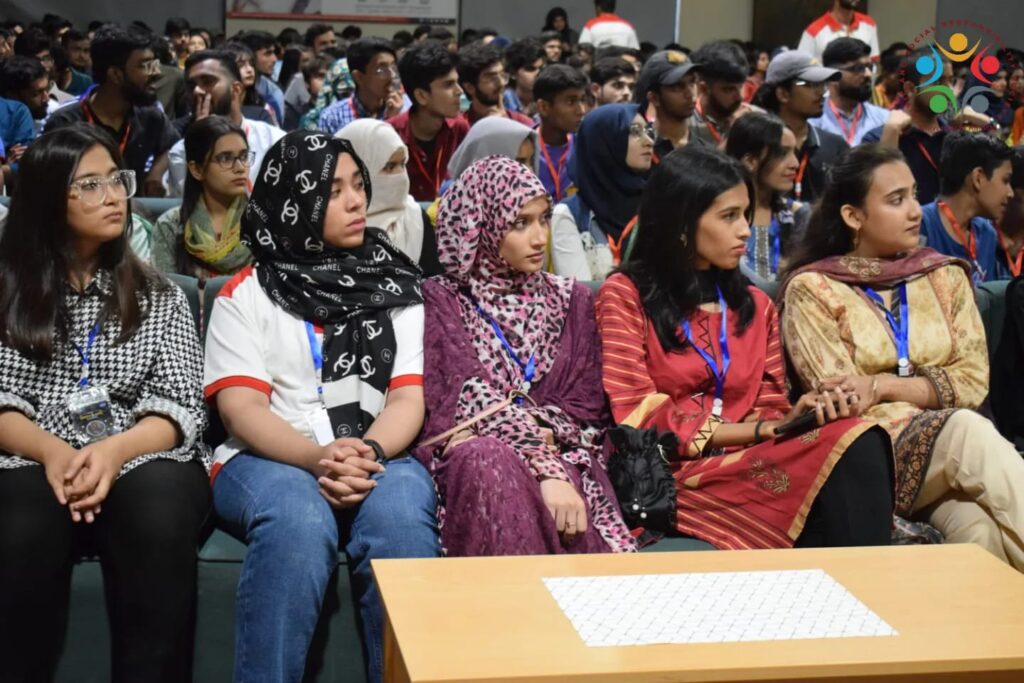
Photo of the audience, at the NASA Space Apps Challenge. (Credits: Raheqamar)
Photo of participants, during the judgement presentations, at the SHU. (Credit: Syed Hammad)
Participants sitting during a seminar on leadership at the SHU, (Credit: SHU)
NED Univeristy events
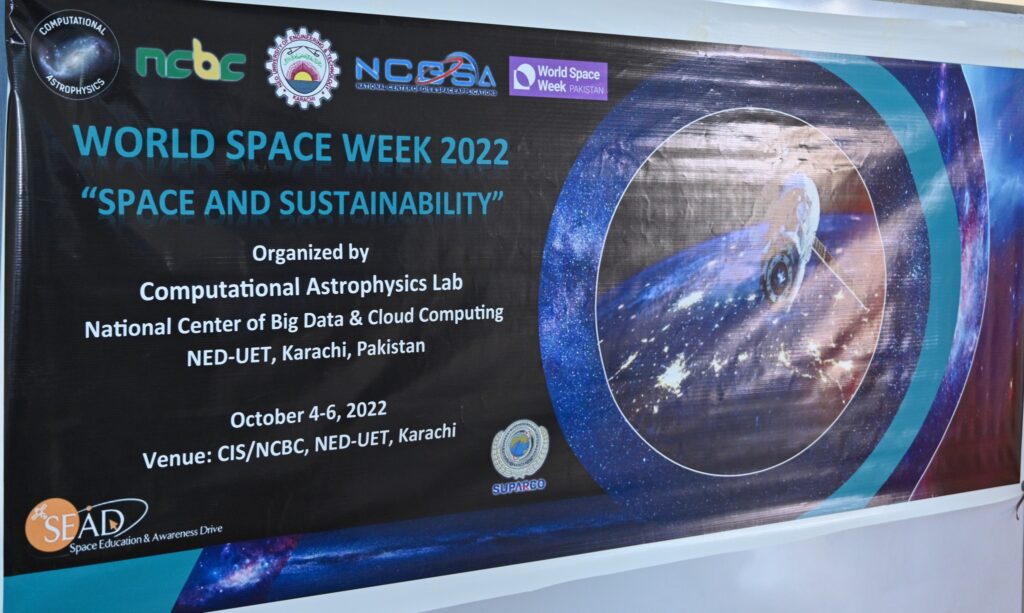
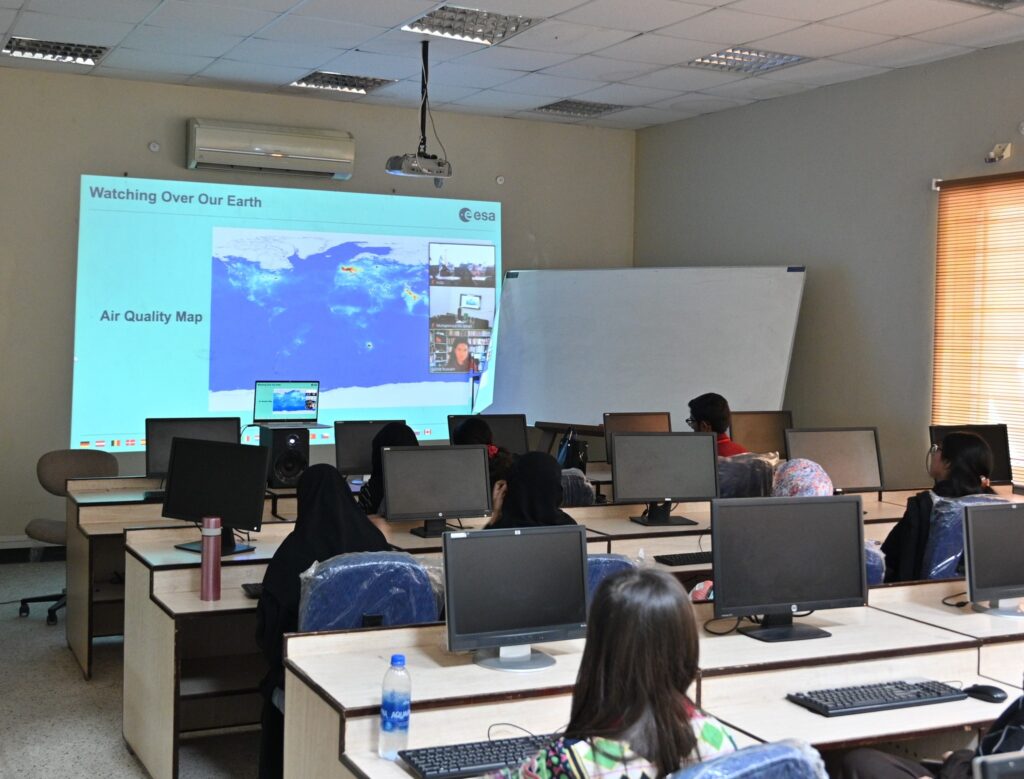
Later, from 04 – 06 October, a recently found Computational Astrophysics Lab at the NED University of Engineering and Technology, hosted a three-day seminar celebrating- World Space Week 2022 (Supported by NCGSA, NCBC & CIS Department), where different speakers were invited from the European Space Agency, SUPARCO, Institute of Space Sciences & Technology – Karachi University and NED’s CIS Department to give talks, present their research and discuss new ideas within the field.
The event was also attended by professionals and many students interested in the advancement of Space and Astronomy. Interestingly, the astronomical observations of the Solar System objects were held, where the participants were shown the “Craters and Mountains of the Moon and Rings of Jupiter, and its three visible Moons”, a great initiative by Dr. Ali Ismail (Chairman, CIS Department) and Ms. Hira Fatima under the arrangement of the Computational Astrophysics Lab, where she also gave her talk on the “Revolutionizing Star Clusters Research through Gaia and Machine Learning”, an interesting topic for students interested in the stellar evolution and formation of clusters.
The event also hosted renowned speakers within the field of space sciences- Dr. Prof. Jawed Iqbal (Director of ISST), Dr. Gaitee Hussein (Head of ESA – Science Division), Dr. Aquib Moin, and Engr. Absar Ahmed Khan, while interestingly for the first time Engr Mehdi Hussain (President of KAS and Founder Mareekh Dynamics) also attended the event, and disclosed his startup work and aims, how they have worked on designs that will host one of the first Martian settlers, and highlighted that how, a lot of work is needed in the engineering domain, for future colonization of the Red Planet.
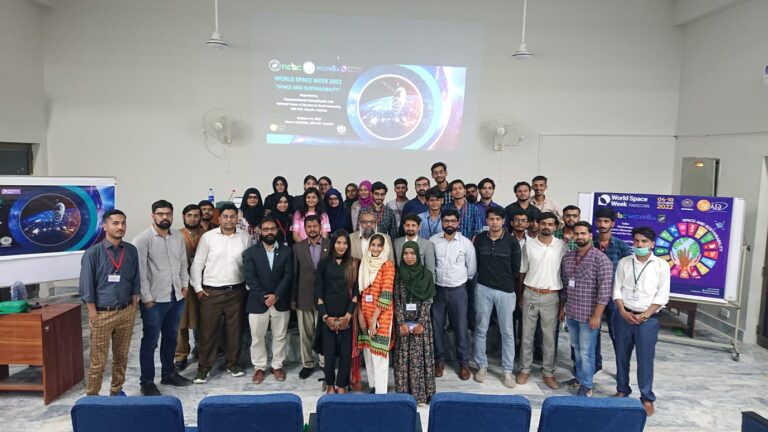
The theme for this year’s WSW 2022 was “Space and Sustainability”. (Credit: NCBC, NED UET)
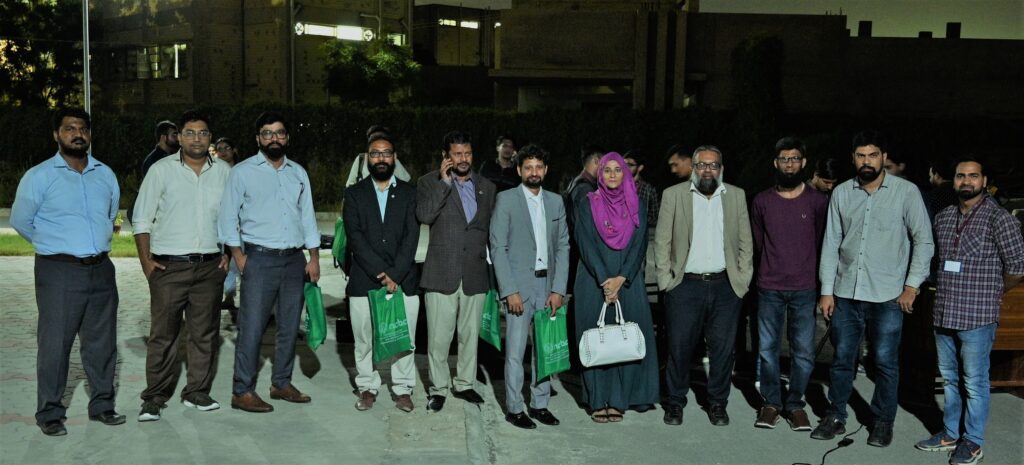
Chairman CIS Department of NED UET, Director ISST – the University of Karachi and other researchers at the Computational Astrophysics Lab at NCBC NED UET. (Credits: NCBC NED UET)
Students observe the Moon and other objects of the solar system after the seminar. (Credits: NCBC NED UET)
Photo of the Moon captured by the Computational Astrophysics Lab at the NCBC, showing the physical features of the celestial body.
ESA’s Science Division Head Dr Gaitee Hussain giving an important talk on Astronomy. (Credits: NCBC NED UET)
ESA’s Science Division Head Dr. Gaitee Hussain giving an important talk on Astronomy. (Credits: NCBC NED UET)
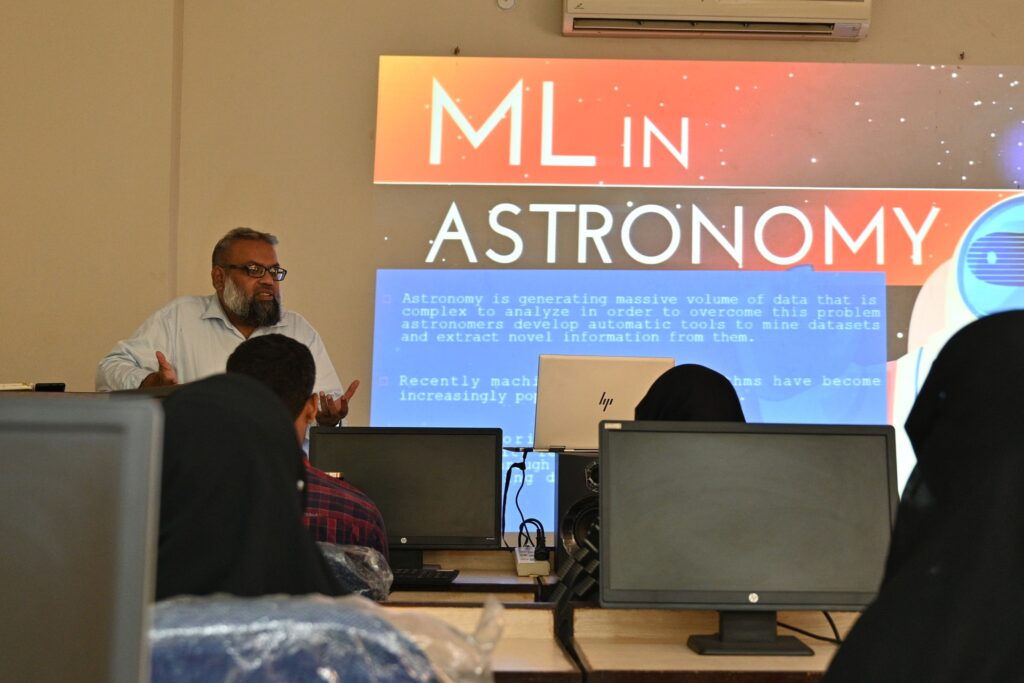
Dr Prof. Ali Ismail giving a talk on applications of Data and Machine Learning in Astronomy. (Credits: NCBC NED UET)
Students having a talk about the night sky after the observational session. (Credits: NCBC NED UET)
Prizes were also distributed to the participants of student projects, at the NED UET’s WSW 2022, the students from Karachi University, made a cosmic calendar, showing the timeline of the universe. (Credits: NCBC NED UET)
Students showing the Astrolabe at the event. (Credits: NCBC NED UET)
Another group of students briefing about their project to the judges of the Astronomy project competition. (Credits: NCBC NED UET)
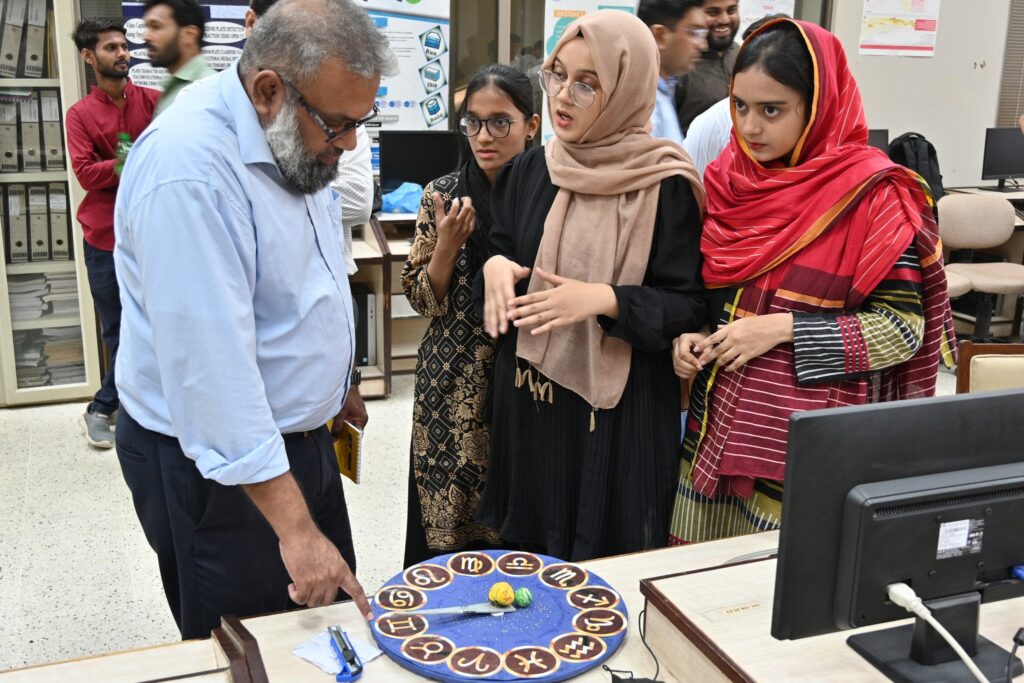
One of the most interesting projects of the event, the students visualized and made a “Celestial Sphere”, showing all the constellations of the Night Sky and the coordinate system for the sky. (Credits: NCBC NED UET)
A group of students from school, who participated in the poster competition, visible in the background of the Computational Astrophysics Lab. (Credits: NCBC NED UET)
ISST seminar
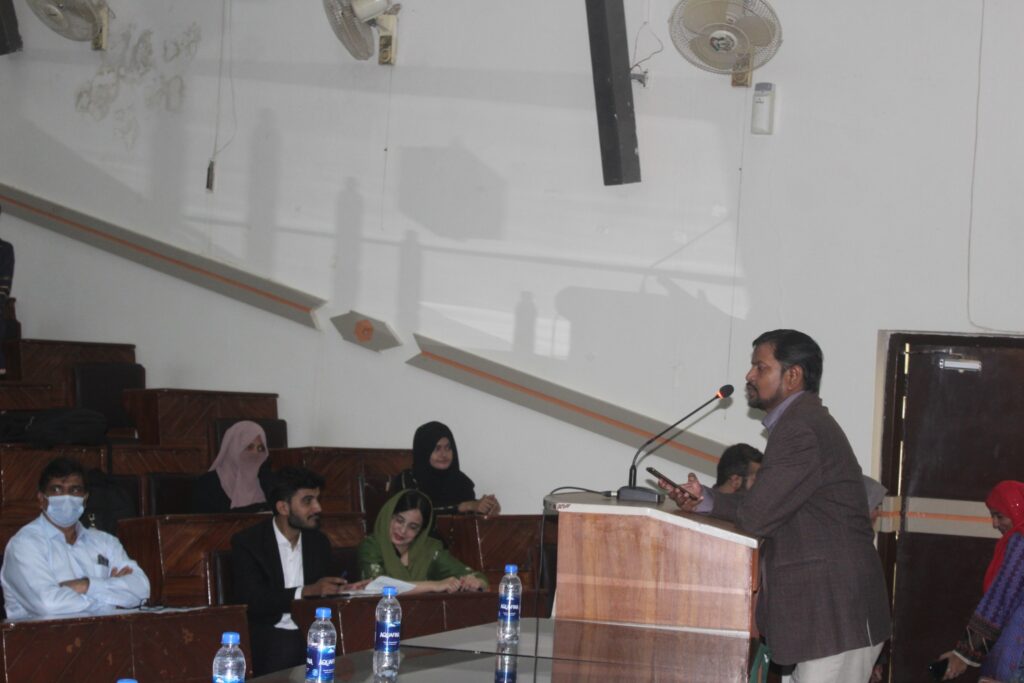
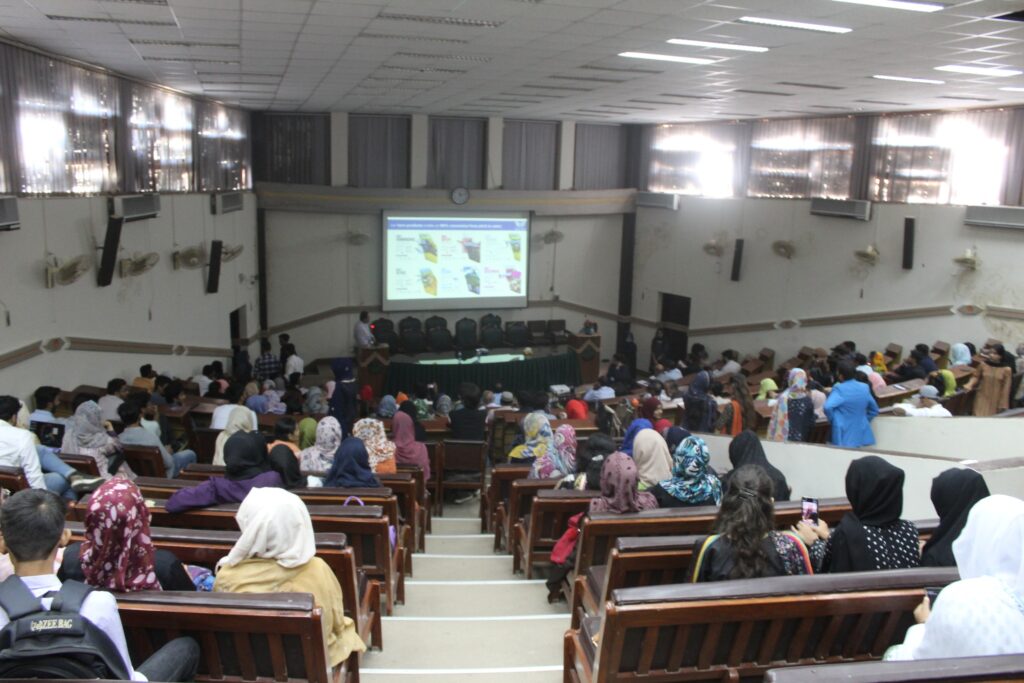
The last, but the most attended seminar in the city was held at the Arts Auditorium of Karachi University, arranged by the Institute of Space Sciences & Technology in collaboration with the University’s Geography Department. The event started with Dr. Prof. Jawed Iqbal’s opening session, where he emphasized “How important for us to understand this new age of space, how Artificial Intelligence is playing its role in the field of Space Sciences, and how young students should develop skills and basic research methods” that can help them in excelling in the Space Industry and sustain in the current era of knowledge-based economy, where the space is for everyone, to work and change the world while referring to this year’s theme of “Space & Sustainability”- WSW 2022.
ISST Director – Dr Jawed Iqbal, paying the shield to Mehdi Hussain, the founder of KAS & Mareekh Dynamics at the Seminar.
The event hosted SUPARCO senior officials such as Mr Ayaz Amin, GM Laghari, and Ex-Director SEADS Colonel Retd. Abdul Sattar. From academia, the event had invited talks of Prof. Dr Sultan Hameed from Stony Brookes University- USA, Dr Aquib Moin- UAE Space Agency, Dr Javed Qamar ISST’s founder, Dr Bilal Siddiqui FRAeS (CEO & Founder of Woot Tech), the company that manufactured Foodpanda’s drone, Dr Mirza Jawad Baig- who gave an interesting talk on the Climate Change, Engr. Absar Ahmed Khan discussed one of his research analyses based on possible Martian Flight through a fixed-wing perspective.
Later within the area of Geoinformatics, Dr. Sheeba Afsar (Chairperson, Department of Geography), Rao Zahid Khalil, and Nasir Khan, explored different case studies within the area of Geographical Informations Systems. The event ended in the late evening, and a huge number of students, professionals and space enthusiasts attended the event, making it the largest seminar on Space Sciences in Karachi for WSW 2022.
Dr Prof Jawed Iqbal (Director ISST) Inaugurating the WSW Seminar at the Arts Auditorium of Karachi Univerisity. (KU Times)
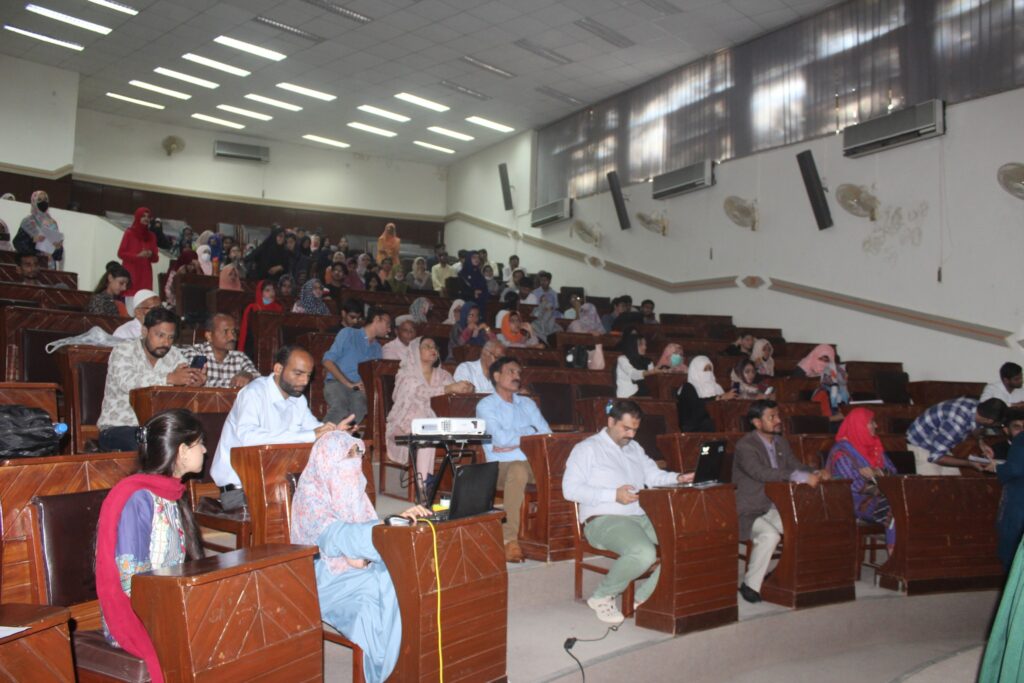
Participants of the WSW Seminar at the ISST. (KU Times)
A huge number of students participated from the Space Sciences & Geography Departments at the event. (KU Times)
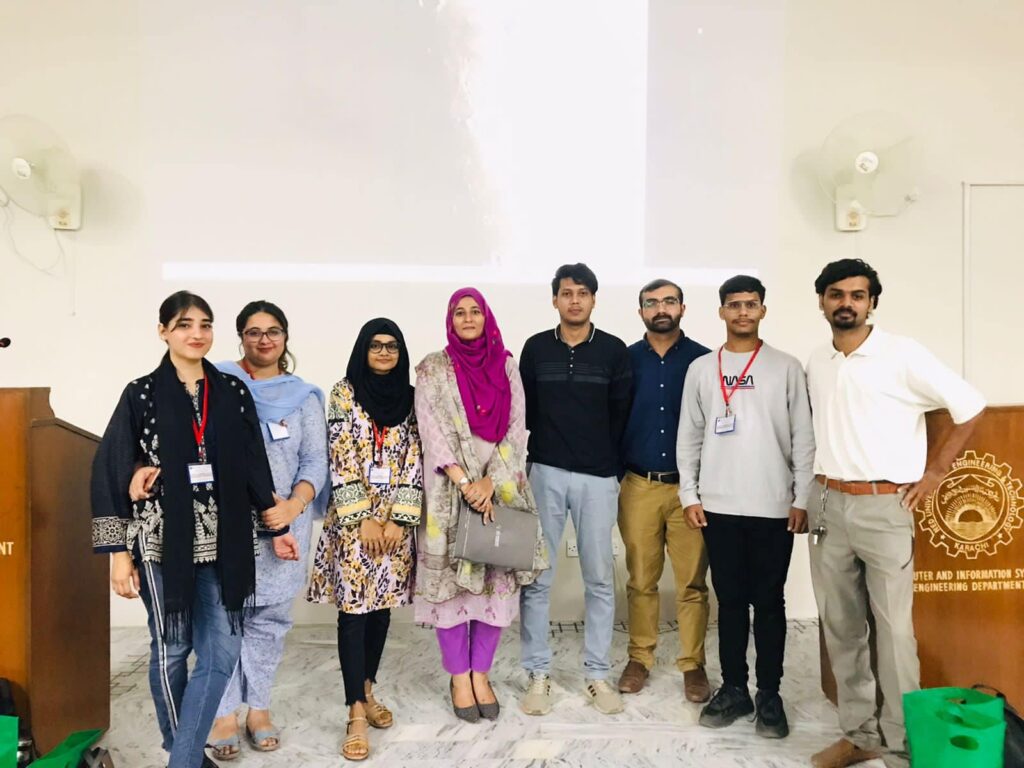
A group photo of the faculty and students during the WSW 2022. (Credits: Fouz Siddiqui)
TDF Magnifiscience center event
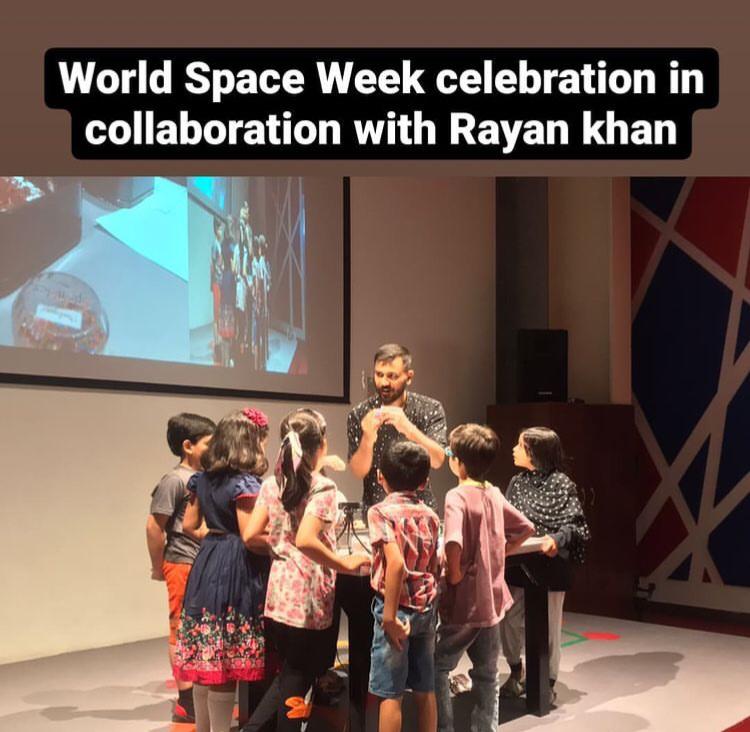
Celebrating WSW in Karachi was never this thrilling for space enthusiasts, as the city hosted events for the whole week, for its small but vibrant space community. The PIA Planetarium with the support of the Karachi Astronomical Society hosted public observations of the Moon, where a huge number of public turned out, and the city’s prestigious science centre- The TDF Magnifiscience Centre hosted Rayan Khan’s through his venture Cosmic Tribe, hosted Lunar activities for the kids, and public.
Rayan Khan (Founder of Cosmic Tribe) communicated science of the Light Pollution at the TDF Magnifiscience Center, where he trained the children, on how to fight light pollution. (Credit: TDF Magnifiscience Center)
He educated the children that why it is important to control “Light Pollution” and what efforts they can put to change the discourse of rapid urbanization, which is affecting the “Dark Skies” of the country. This week, for the first time, established that the Space Community, is active and alive, how young students intend to change the narrative of Space Sciences within the country, and how Pakistan can contribute its role in the global space race. SPACE is for Everyone!