On a scorching afternoon in September 2022, Ali Haider Sehriyani reaches the relief camp in Usta Mohammad with his son’s dead body. Three-year-old Ali Waris Jamali, like most children in this IDP camp, had been suffering from malaria.
Ali Haider is a resident of Usta Mohammad, a severely flood-affected district in Balochistan. The level of destruction means the relief camp for displaced people at the bank of the Saifullah canal is already full.
According to a recent report, more than six thousand people, including children, have been affected by malaria in Balochistan’s Jafferabad and Usta Mohammad.
Ali Haider Sehriyani says that the flood wasn’t as traumatic as its aftermath. “We are losing three to four kids daily due to malaria, diarrhoea, dengue, and skin diseases. The relief camp has a dearth of medicines and other mandatory medical facilities to save our children,” he says.
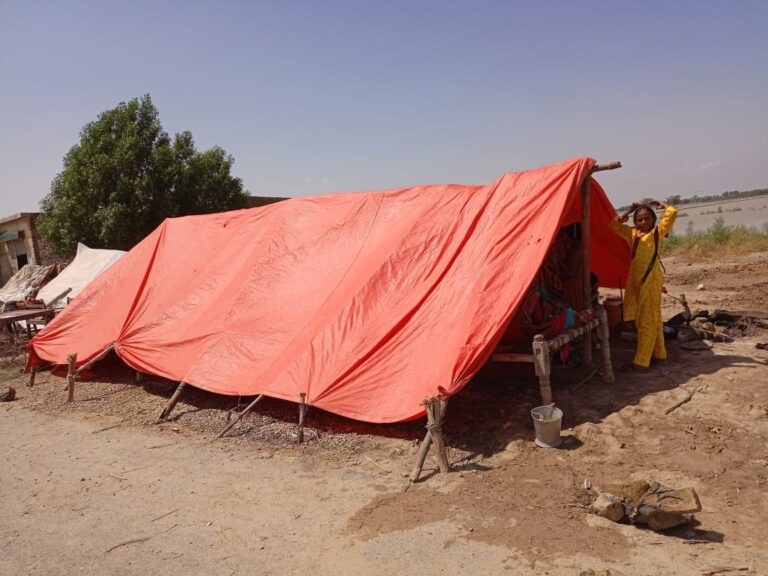
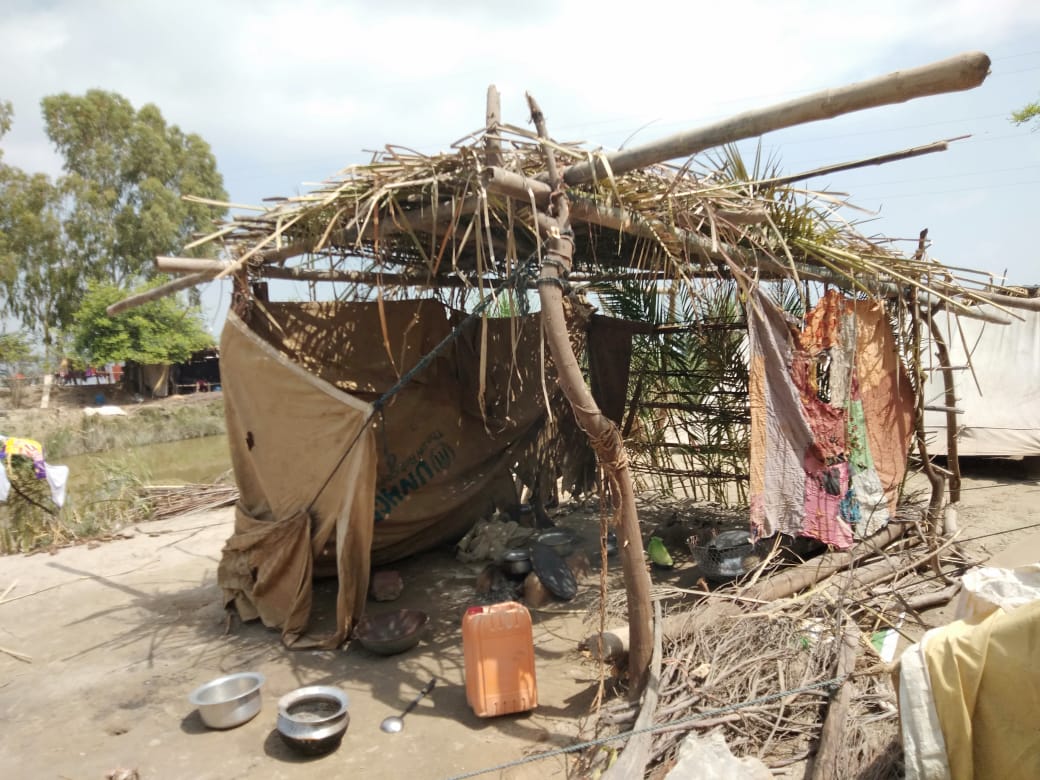
Many people in Balochistan are forced to live in makeshift shelters. Photo: Saadeqa Khan
Pakistan is experiencing its worst humanitarian crisis of a decade, spurred by torrential rains and devastating flash floods. This was the most widespread flooding in the 73-year history of Pakistan, leaving one-third of the country under water and parts resembling a small ocean.
Sindh and Balochistan provinces are severely affected; nearly 6.4 million people need immediate support. In most rural parts, people are still forced to live under open skies waiting for relief goods and shelter.
More than 300,000 houses have been entirely destroyed by the rains and floods, and livelihoods have been decimated as two million acres of farmland have been adversely impacted. Some 735,000 livestock perished, causing threats of severe food insecurity in the coming months.
About 650,000 pregnant women are living in IDP camps around the country; among these, around 100,000 pregnant women are in Sindh. And almost 73,000 women have delivery dates of next month; they urgently need skilled birth attendants, new-born care, and financial support.
Dua foundation is a Karachi-based philanthropic organisation that has been serving the rural and urban parts of Sindh for over a decade. Its General Secretary, Dr Fayyaz Alam, says that a large area is still under water, and people are forced to live in tents, camps or self-made shelters (chapters).
“Massive flooding is giving rise to the mosquito population, with water ponds serving as their breeding grounds. I recently visited district Dado, Johi, and other areas and witnessed a potential human catastrophe if it’s not appropriately and immediately dealt with. There is a severe shortage of clean drinking water as the government has provided one water filter pump to the whole district population. The contaminated water is giving rise to malaria, diarrhea, dehydration, dengue, respiratory, lung, and kidney cases at the IDP camps,” Dr Alam adds.
Three weeks after the historic flooding, Johi District Johi is still submerged in two feet of water. Photo Saadeqa Khan
According to Care Pakistan’s country director, Adil Sherazi, the floods severely affected women, girls and other vulnerable groups. Marginalized communities of Pakistan are facing the most significant challenge, including access to humanitarian assistance.
The UN Population Fund’s recently released data shows that nearly eight million women and girls of reproductive age are affected, with 1.6 million needing immediate healthcare facilities. About 650,000 pregnant women are living in IDP camps around the country; among these, around 100,000 pregnant women are in Sindh. And almost 73,000 women have delivery dates of next month; they urgently need skilled birth attendants, newborn care, and financial support.
Another statistic shows that every sixth child in IDP camps across Pakistan is suffering from malnutrition, malaria, and skin diseases. According to Save the Children Country Director Khurram Gondal, children are the most vulnerable to extreme weather events which are becoming more dangerous due to the climate crisis. Children in flood-affected areas of Pakistan urgently need more support from the international community.
The extent of relief efforts
According to the lead of the Agha Khan University flood response task force, Dr Adil Haider, providing healthy food, clean drinking water, mosquito kits, and healthcare facilities to IDPs are the top priorities of local authorities in the relief work.
AKU’s healthcare camps and mobile units in flood-affected areas have provided care to more than 52,000 people in 18 districts of Sindh and Balochistan. Among them, 1,650 were pregnant women, and 1,300 were children under five. Dr Haider adds that that some 37,000 children have received their routine vaccination so far.
Qaisar Khan Afridi, a spokesman for UNHCR Islamabad, says that as a part of a coordinated response, UNHCR has provided refugee villagers more than 71,000 emergency relief items, including camps, sanitary products, solar lamps, and sleeping mates.
“Additionally, we delivered 10,000 sacks to help households build up defences around their homes. UNHCR is also mobilising its female staff nationwide to ensure there is support for women and children among flood affected population,” Afridi adds.
Dr Sadiqa Fayyaz treats women and girls at IDP camps in Dado Sindh district. Photo: Saadeqa Khan
Dr Sadiqa Fayyaz is a Karachi-based gynecologist assisting Dua Foundation in its relief efforts along with child specialist D Sultan Mustafa. She says that there is a severe shortage of camps and medicines in district Dado.
‘Dua Foundation has delivered nearly 20,000 camps, ration bags, and 5,000 mosquito-saving kits. We have also organized two medical camps and are trying our best to facilitate IDPs. A large number of people have received financial aid under the government-led Ehsaas program, but this amount is inadequate compared to the extent of the destruction,” says Dr Sadiqa.
This is another challenging time for healthcare workers in Pakistan after successfully battling against the COVID-19 pandemic.
Dr Haider says, “Agha Khan University is organizing free capacity-building sessions for healthcare workers. We have designated special sessions for lady health workers performing their duties in flood-affected areas as they have to deal with delivery cases in the coming months. To date, around 4,000 workers have attended sessions from around the country.”
Clean drinking water for flood-affected areas
Three weeks after the floods wreaked havoc in Pakistan, rural parts of Sindh and Balochistan are still submerged in one to two feet of water. These areas are the hub of viral diseases due to a severe dearth of clean drinking water. The Advanced Centre on Water Research at Mehran Engineering University Jamshoro has found a novel solution to this problem.
People get clean drinking water from a portable water filter pump manufactured by Faisal Mubarak. Photo: Saadeqa Khan
Dr Rasool Bux Meher, with his team, has created a low-cost water filter pump that is easy to use. According to Dr Meher, initially, his team worked on 1,000 demos on an emergency basis and provided them to the highly vulnerable districts of Sindh. Faisal Mubarak, another engineer from Sindh, has manufactured a similar portable water filter pump, and like Dr Meher, Mubarak is looking for start-up funding for widespread distribution across the country.
“Pakistan has a long way to go to recover from the current crisis and prepare for future disasters. The international community is doing its part in short-term relief efforts, but for long-term rehabilitation, Pakistan has to work on solid plans and an effective disaster management policy,” concludes Dr Alam.
Note: The article was originally published at Gavi, The Vaccine Alliance, and reshared (without changes) with the author’s permission.
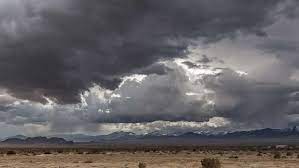
Harnessing the ability to control the weather may seem like the stuff of science fiction. Yet, a commonly used weather modification technique that has been around since the 1940s claims to do just that.
As its name indicates, cloud seeding aims to improve the amount of rainfall by interfering in the rain formation processes of certain clouds at the microscopic level. Glaciogenic cloud seeding employs the use of particles of silver iodide, among others, to supercool water molecules within clouds, pushing them to clump and freeze. In warmer clouds, Hygroscopic cloud seeding uses other salt-like hygroscopic materials to bring water vapor together to produce rain.
Cloud seeding is used regularly in fighting forest fires, creating hail, and diverting rainfall in critical situations. In recent times, cloud seeding has been explored as a potential tool to provide rain in drought-stricken areas. However, the fact is that cloud seeding programs’ effectiveness has been historically challenging to establish.
Experiments conducted between 1947 and 1994 in Australia could not prove that the cloud seeding hypothesis increased winter rainfall decisively.
Experiments conducted between 1947 and 1994 in Australia could not prove that the cloud seeding hypothesis increased winter rainfall decisively. The rainfall variability and naturally occurring rain impacting the reliability of the results made it impossible to reach a conclusive assessment. Any cloud seeding operations carried out during this time were challenged by subsequent research revealing the lack of reliability of results due to the interference of natural factors. The results indicated some success confined its possible effectiveness only to specific climate regimes.
Additionally, in 2010 Alpert and colleagues examined the effect of 50 years’ worth of cloud seeding operations over the Sea of Galilee in northern Israel. They found that it can explain the periods of increased rainfall with changing weather patterns instead of seeding. Areas not subject to seeding showed similar signs of increased rainfall as seeded areas.
In 2021, the Israeli cloud seeding program was halted after being considered not economically efficient enough to warrant the marginal gains. Even if cloud seeding does work, when it comes to solving the complex problem of increasing water shortages around the globe, a simple solution like cloud seeding could have consequences.
This technology has been misused before for malicious purposes by those in power. The USA increased rainfall by seeding clouds during the Vietnam war to slow down and disrupt the Vietcong. In the aftermath of the Chornobyl disaster, precipitation containing radioactive fallout was redirected from Russian cities to the Belarusian provinces, where nuclear waste had fallen with rain on hundreds of thousands of oblivious locals.
Silver iodide, the rain-inducing chemical mentioned before, is also known to be toxic. Fajardo and colleagues found that repeated cloud seeding operations in a specific area could result in the cumulation of toxic material in the soil and aquatic ecosystem. They also assist in reducing the respiration and photosynthesis capabilities of organisms such as phytoplankton to a moderate extent. It could have significant harmful implications for the life in these systems.
Yet another point of contention is the evidence that making rain in one place reduces rain downstream, effectively depriving other areas of their fair and, in some cases, desperately needed share of rainfall. In 2018, Iranian officials expressed concerns regarding the cloud seeding programs of Israel and UAE, claiming that Iran was being deprived of a vital water source.
As stress related to droughts and water shortages worldwide continues to mount, seeding clouds is a possible solution to this growing problem. Despite questions about whether this technique creates enough rainfall to be worth the effort and expense, proponents argue that the 10%-25% increase in precipitation from seeded clouds is more than enough to help alleviate at least some of the effects of these issues.
The Chinese Ministry of Water Resources recently announced plans to replenish the Yangtze River’s water reserves, which have dried off in some areas. Reportedly, cloud seeding may be used to bring more rainfall to those areas. This technology was successfully used in the 2008 Beijing Olympics to divert rain away from the open-air museum.
Climate change has given rise to the most extended heat wave to date in China. It has caused hydropower reservoirs to be down to half capacity, resulting in power shortages and blackouts in the Sichuan Province.
The UAE has also been a victim of the shortage of natural rain. The growing demand for water in the country is being met mainly through unsustainable desalination plants that require large sums of money to build and run. For the past 22 years, it has spent millions in cloud seeding operations and research, believing wholeheartedly in its results. In the summer, cloud seeding missions are in full swing.
Newly patented nanotechnology developed at Khalifa University in Abu Dhabi is using alongside silver iodide, believing that the new advancement produces better results. Currently, the American Mid-west is exploring cloud seeding as a way to quench the droughts spanning 40% of its area.
As the world continues to face the growing aftereffects of climate change, the need to mitigate the ramifications of global water shortages is rising exponentially. Whether cloud seeding and advancements in its field are the final solutions or not, it has become apparent that the ability to control clouds and rainfall to a greater extent is the need of the hour.
Dr. Muni Muniappan works in integrated pest management. Muniappan is a prominent researcher in the field of invasive plant species and a world renowned entomologist. His work on pest management has been highly applauded globally.
Dr. Muniappan has been involved in a range of research grants, predominately aiming to manage invasive weeds and insect pests in countries most vulnerable to their threat. In 2006, he joined Virginia Tech to lead the Feed the Future Innovation Lab for Integrated Pest Management. During his last visit to Nepal in May 2022, Gobinda Prasad Pokharel talked with Dr. Muniappan about the biological invasion and pest management practices in Nepal and across the globe.
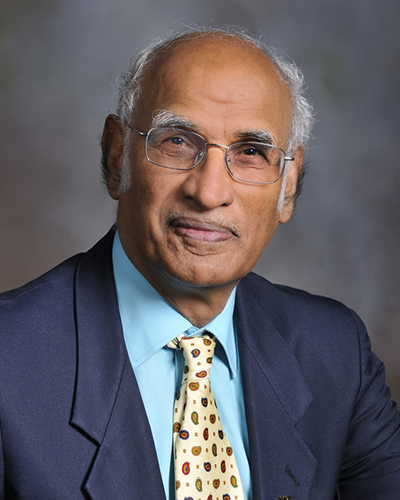
Rangaswamy ‘ Muni ‘ Muniappan, Director, IPM Innovation Lab, International Research, Education & Development. Photo Dr. Muniapann
Gobinda:How do you assess the status of invasive species invasion and trends around the world?
Invasive plants have been problem for some time and have increased in spread due to the globalization of trade and the movement of people. Invasive plants and pests are getting moved around. Often, people introduce ornamental plants without knowing their invasion threat. They don’t realize the threats, as some plants often carry small insects or fungi or microorganisms. They travel with plants and get established in new countries/regions. Sometimes the plant itself is invasive.
For example, water hyacinth has nice flowers and grows well in ponds. So, from South America it got introduced to Australia to Asia and to Africa, where it forms thick mats on the water bodies and forms thickets.. The same is true for Lantana, which has beautiful flowers. People took the plant to different parts of the world. The seeds of Lantana camara (Kande Banphada) are dispersed by birds, and it is now spreading all over Asia and Africa, where it crowds out grazing and agricultural lands.
Another invasive plant isChromolaenaodorata (Seto banmara). It was introduced by the British in 1935 in the Calcutta Botanical Garden as an ornamental plant. It escaped from the garden and spread outside aggressively in south and south east Asia, particularly in the humid tropics. Its seeds were transferred from India to Ghana or Nigeria through contaminated seeds of the forest tree Gmelina arborea, and in that process, the weed was transferred to Africa.
In 2002, he was working in Guam, and a man called and said, “My papaya tree has a white coating, can you tell me what it is?” He asked him to bring the specimen, and He checked it. It was a mealybug. It was not a problem before, but in 2002 it became a problem in Guam. He sent the specimen to the Natural History Museum, London for identification, and it was found to be a new mealybug to Guam and they told him to communicate with the US Department of Agriculture( USDA). It confirmed that the mealybug was originally from Mexico, where the bug also had some parasitoids that controlled it.
In 2006, I was working at Virginia Tech and traveling to Nepal, Bangladesh, India, and Africa. In 2008, I went to India, and saw this mealybug in the southern part of the country. I knew the species was new to India and originally from Mexico, so I went to the Indian Council of Agriculture Research and told them it’s a new mealybug to India that should be managed. They listened, but did not take it seriously. In 2010, the mealybug started moving from the southern part of India to the northern part and began attacking mulberry plants, papaya, and other plants.
When the pest started attacking mulberry plants, farmers could not use insecticides because the mulberry is grown for silkworms. Thereafter, the ICAR authorities contacted me and asked for my recommendation. Parasitoids were imported from the laboratory in Puerto Rico, cultured at Bangalore, and released to control the mealybug. Now, this mealybug is present in Nepal, Pakistan, and Bangladesh, but the parasitoid also moved with it and is controlling the pest.
Gobinda: You are the first person to alert the Nepal government about the Fall Armyworm and Tuta absoluta (South American tomato leafminer), two pests causing problems in the country. What are your observations of the pests?
Tuta absoluta(common name is south American tomato leafminer) is a South American pest. It is found all over South America. It is a small moth. It was introduced to Spain by accident in 2006. The population that reached Spain was from Chile originally, and it started to spread in Europe, then it crossed the Mediterranean Sea and reached Morocco and other countries in the northern part of Africa. Then it started to spread all over Africa. In 2013, when I came to know it started to spread in Ethiopia, I took scientists from East Africa to Ethiopia and conducted an awareness workshop.
I also took scientists from Nepal and India to this workshop to create awareness about this pest. Later, we also conducted an awareness workshop in Nepal for scientists and administrators to be prepared for its management when it invades. I gave them pheromone traps so that they could set them up in their countries to monitor the pest. As soon as the pest is found in the trap they could recognize its arrival.
Gobinda: Tuta absoluta attacks tomato and fall armyworm attacks maize. You trained Nepali researchers on these pests and their management. Why do you think these pests are still a problem?
The tomato leafminer only attacks tomato. The other crops are not affected seriously. It will go to potato but the damage is minimal. The scientists who modeled the spread of this species found that tomato transportation through trucks from one city to other cities is a major cause of the spread. This pest cannot fly long distances.
I expected Tuta absoluta will come from Africa to the Middle East to Afghanistan and from Pakistan to the northern part of India. But what happened was that it came from Africa to the Middle East. Large numbers of workers from Nepal, India, Bangladesh, and Philippines work in the Middle East and they travel once a year to their native countries, inadvertently introducing the tomato leafminer to India, Nepal, and Bangladesh. It was first found near Pune in Maharashtra. In Nepal, this pest was first found in Kathmandu, not in southern Nepal. It is possible that it got introduced from India or directly from the Middle East through the workers.
Gobinda: What is the possibility of a food crisis in Nepal or South Asia?
Well, the fall armyworm attacks maize and other crops are not affected that much. Nepal has maize growing in Terai and midhills. In middle hills it is grown as food crop, and FAW could cause severe damage to the crops unless proper control measures are adopted.
Gobinda: You have taken Nepali agricultural scientists to be trained in Ethiopia, but the problem of these pests is still alarming. What is your opinion?
The problem is when an invasive pest comes in, it is not easy to come up with an immediate solution. The immediate reaction to manage these pests with the use of pesticides. There are problems with indiscriminate use of pesticides. I went to Kapilvastu during my recent field visit looking for parasitoids in the field. One of the farmers said he had sprayed the field with a pesticide the day before. I asked what kind of pesticide he used.
He said that he had the chemical at his home. He went back to his home and brought it to show me. The liquid pesticide was stored in a mountain dew bottle. He got the chemical in a discarded bottle because he couldn’t buy the whole container of the pesticide in its original labeled container. He had no label or information on the pesticide. He had no information on the toxic nature of pesticide, the amount to be used, post entry interval, or safe disposal. This leads to misuse of pesticides, resulting in adverse impacts to human and environmental health.
When a pest gets introduced to a new place, the population goes up and it will come down in the third or fourth year after its introduction, but may or may not come down below the economic threshold level. If it does not come down then we have to introduce some interventions to bring it down below the economic threshold level. So, we are currently working on exploring for introduction of interventions that are effective, safe, and sustainable.
There are scientists with different opinions. My approach is to utilize local parasitoids, or natural enemies to supress a pest. So far, we identified two egg parasitoids of fall armyworm and are planning to produce them in large numbers in Nepal. We are establishing nucleus centres at Khumaltar and in Rampur NARC laboratories, and setting up satellite centres in provinces all over Nepal. These nuclear centres produce the parasitoids and they have human and institutional resources and knowledge. They provide training to satellite centres. The satellite centres could be related to provincial or local governments, cooperatives, or private entrepreneurs.
Gobinda: Are you focusing only on biological measures?
Gobinda: You’ve been working in pest management in different countries. What should Nepal do in the coming future to prevent invasion of pests?
Nepal needs to get prepared for future invasive pests. The country has many researchers and research institutions working in pest management. It has Plant Quarantine and Pesticide Management Centre (PQPMC). They all need to work together to develop programs to address invasive pests. We are also working PQPMC in reviewing quarantine and pesticides regulations. Chemical pesticides that are banned or whose registration has been withdrawn in developed countries should not be used.
Gobinda: In terms of pest management, we often depend on pesticides. While you are helping to culture biological control, pesticide use is increasing. What do you think of this?
It’s a good question. The use of chemical pesticides is increasing for various reasons. There are biological pesticides or natural enemies available to control pests. Some could be produced locally in Nepal. Trichoderma, for example, is a beneficial fungus. When I went to an Indian university in 2007, they took me around the campus and showed me a plant pathology building. There, they were selling Trichoderma. I asked them to whom they sell. They said they sold to farmers and there is great demand for it. Their plant pathology building was built from the sales of Trichoderma.
Unfortunately, pesticide companies often offer initiatives to agro-vets such as if they sell a couple of pesticide containers, they get one bottle of pesticide free, or other lucrative offers.. Such tactics promote sale of chemical pesticides and there indiscriminate use.
Now, Trichoderma is a very popular biological product in Nepal’s agricultural landscape. Other companies are also interested in producing this product and some are inoculating it in compost. We are encouraging some students and other youth to produce Trichoderma in their villages either to use it in their own farms or to sell to the neighbouring farmers.
The fungal, viral and bacterial bio-agents are amenable for storage, but insect parasitoids and predators have to be used within a short time. We are actively promoting use of biopesticides in Nepal.
Gobinda: In the near future do you see the arrival of new pest species in Nepal impacting the agro-ecosystem?
There is a good possibility. There are several invasive pest species in Nepal that are yet to be identified. Recently, a professor of Tribhuvan University, Bharat Babu Shrestha, who works on invasive plant species, identified a few new invasive alien plant species in Nepal, including Mimosa diplotricha. The IPM Innovation Lab project organized pest alert programs in Jhapa, Morang districts, and Kavre districts in April 2022 with the collaboration of PQPMC and Tribhuvan University. This is the first time this type of pest alert program was conducted in Nepal. The PQPMC has a mandate to work on the invasive species. We work with research and regulatory bodies to manage invasive pest species by adopting different appropriate technologies.
Gobinda: What would you like to say to Nepali researchers?
Several improvements can be made. Research and extension could be better integrated with universities, government research institutions, and regulatory bodies to work together to address problems faced by the farmers. For example, Tribhuvan University faculty have done a lot of work on identification of invasive weeds and their impact on human and environmental health, but this work needs to be integrated with management of invasive weeds by the PQPMC and Department of Agriculture.
For the management of invasive insects, NARC, Agriculture and Forestry University, and other universities should conduct research on their identification and economic damage, and work with NGOs, value chain projects, and Department of Agriculture for management activities. They have to transfer their laboratory findings to the fields for the benefit of the farmers.
Time is a simple word, though it remains truly the most mysterious and vicious phenomena, where every living and non-living ones are its victim. This antediluvian force of nature shows no mercy as it moves along every path, every corner sniffing over its wounded and marks victory over one after another. Time mystifies us with the maze of moments and wraps up in the illusion that it would last forever.
Indeed, some gets time and some even gets the time of their lives but as one stares at the clock know for sure that time is creeping in onto her/his territory. And with the fractured youth and battered adolescent, one finds her/himself feeble against the ultimate ambush of time as it calmly introduces the being to the prime truth of all.
Tirelessly, we chase the days as we make it to the journey of life as we know it. The fixture of sunrise and sunset detonates the moments, and all familiarity seems like occasions held seconds ago. There is no escape. The mystic hands of the clock never greet one at the same spot twice.
But, what if we could actually travel back in time and into the future? There has always been a great deal of interest in time travel. It has been the center of many science fictions. And frankly, who wouldn’t want to travel through time and aspire to a part of this surreal experience? Through time travel and consequently with the aid of time machine, one can explore the different periods of time, both in the context of past and of the future and in that way, one can somewhat overlook the existent that is traditionally allocated to him/her.
The idea of time travel has fascinated human beings for quite some time and from scientists to writers to artists, everybody alike fancied the idea of time travel, pondered about going back to the past as well as take a journey into the future and ultimately unlock and master the mysteries of time itself. And, the Bangladeshi author Obaidur Rahman’s book “The Mystery of Time Travel” rather timely tells the story of the spectacular journey of the phenomena now known as Time Travel.
One of the most enthralling questions that we often find ourselves asking is that whether time travel is a possibility? Indeed, this question: “Is time travel really possible?” truly stirs up peoples’ minds and here on Earth, people have always had an avid interest in this surreal, captivating, remarkable and thought-provoking aspect like the time travel.
To be honest, who doesn’t want to go back in time to the past as well as travel to the future, all via with the aid of some time machine, and eagerly explore the realities and innovations of the different thresholds of time in their own respective context?
A lot of research has been done on the science of time travel and the philosophy concerning its reality, countless books have been written, a lot of movies, documentaries, TV programs have been made and so on. And with every new scientific growth, and with every new possibility, alongside the mystique of the very nature of time travel itself, our interest in the time travel phenomena grows a little further and further.
Even though it is mostly the Western countries that are actively involved in the studies, research and experiments concerning time travel, but despite the lack of technological know-how, there is a great deal of academic interest as well as natural enthusiasm concerning this grand and an exciting scientific topic like time travel in various parts of the world as well.
And as a reflection of that, writer Obaidur Rahman, with his new book “The Mystery of Time Travel” attempted to understand and enlighten on the facts and details concerning the possibility and the reality of time travel as per easily understood scientific facts, available information, historical research, philosophy and rational human understanding.
This book is in the English language in, a very simple and easily comprehensible way, author Obaidur Rahman, describes his methodical research and skillful presentation and tries to present various scientific, philosophical, and technical aspects related to time travel in a fairly reasonable manner that surely sheds light on the logical possibilities related to time travel to the readers.
The book “The Mystery of Time Travel” consists of five chapters, in which the author analyzes many theoretical and imperative issues related to time travel, all with impressive wisdom and simplicity. Through his writing, the author Obaidur Rahman, by his book, has tried to highlight various aspects of time travel with the aid of his investigative state of mind, accompanied by both passion and rationale that truly complimented the very topic of time travel itself.
The five chapters of the book “The Mystery of Time Travel” discuss the vital and appropriate topics of time travel, like:
the variousinterpretationsn/understandings/analysis of what exactly is time travel and what time travel signifies from a scientific and commonsensical point of view.
various timetravel-themedd events throughout history, many of whichhaves mythological as well as sensible connotation to them.
our understanding of time itself from a pure scientific and philosophical standpoint.
various scientific and technological challenges of time travel from the perspective of reality and physics, where the issue of time travel paradox is discussed in detail.
a description of the ways and the few methods of the process, where time travel might actually be possible and what scientific approaches would likely enable human beings to travel to the past and future through a time machine device.
With some fascinating insights, spell bounding information and logical analysis, the book has attempted to explain various complex scientific terms and elements as easily as possible and that is one of the many features that will surely tempt the reader to be captivated by the workings of this very book.
Author Obaidur Rahman, in his “The Mystery of Time Travel”, through his penmanship, analyzed various academic subjects related to time travel such as: Physics, Astronomy, Philosophy, and History etc., all in a very competent, eloquent and scientific manner. This “The Mystery of Time Travel” book also aims to keep the reader focused on the logic of the possibility of time travel and convinces the reader on grand prospect of this almost other worldly/other dimensional phenomenon with scientific paradigm and absolute academic logic.
A large part of the book takes on discussion concerning the various thrilling and significant facets of time travel in the light of modern physics, such as:
The possibility of time travel through black holes,
The reality of time travel in Einstein’s theory and how time travel could be achieved from the perspective of Stephen Hawking’s ideas.
How to convert a wormhole into a time machine.
Can time travel takes place with the help of a spaceship that can run at the speed of light.
How gravity can open the door to time travel across the realm of space-time, and along with many other significant topics that will allow the reader to take an in-depth look at the true nature of time travel.
Needless to say, since the dawn of last century, scientists have been relentlessly researching and exploring to make time travel a reality. However, officially speaking, no specific answer or conclusive evidence has reached the public as yet in this regard. And perhaps one of the main reasons for this is the extreme secrecy of all research on time travel and time machines, which the Western countries generally maintain very seriously. However, author Obaidur Rahman, like many others, believes that, time travel is definitely possible, although the method is very complicated and almost near impossible to achieve as it challenges and distorts our conventional notion of reality.
Undoubtedly, the book “The Mystery of Time Travel” will inspire readers to be eagerly inquisitive about a fascinating subject matter of time travel. The author’s highly informative and easy-to-read account of all the fascinating facts about the science and philosophy of time travel, which is indeed a significant culmination of his dedicated research, is sure to both inform and enlighten readers on this fascinating topic.
Author Obaidur Rahman hopes that, this book of his, “The Mystery of Time Travel”, will be widely appreciated by the readers all across the globe. Readers can download the PDF version of the book fairly easily from the author’s website: (https://independent.academia.edu/ObaidurRahman26).
“The Mystery of Time Travel” is the 4th book by the author Obaidur Rahman and is published by Sleek Publications.
Undergoing the possible broadest approaches to understand the vastly different characteristics of human behaviors and experiences as wholesome. The entire process of being ‘human’ is studied in Anthropology. Anthropologists study the oldest pasts through archaeological facts to see how human societies have lived for thousands of years and how they have interacted with the natural world.
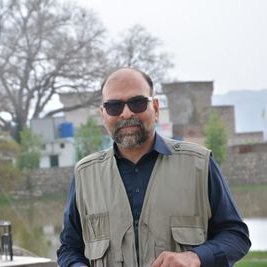
To get a deeper understanding of the subject matter, we talked with renowned Pakistani Anthropologist; Dr. Prof. Abid Ghafoor Chaudhry. He has more than 25 years of expertise as an Anthropologist in Research and Academia. Dr. Abid has three masters’ in Anthropology, Political Science & International Relations.
I think the strengthening of the Local Government System, I believe, will help bring all civic facilities to the doorsteps of local communities. Photo: Dr. Abid
Entering his room made me realize how closely he mentors his students, as he was frankly discussing societal topics with one of his students, which I found rare these days. He completed his Ph.D. from Quaid E Azam University, Islamabad. He’s a proud zealot of John Locke’s “Inductive Reasoning Methods”, and a beautiful portrait of John Locke hangs in his office at the Pir Mehr Ali Shah Agriculture Arid University – Rawalpindi, where he currently serves as the Chairman of the Department of the Anthropology.
Following are the excerpts of this highly informative and intriguing conversation with Dr. Abid.
Did anyone inspire you to become an anthropologist?
Dr. Abid: Well, in my youth at the QAU, I wanted a broader and global approach to thinking, reinventing, and grasping the world’s issues. So, I undertook Anthropology as an international and timelessly historical approach to understanding human society and its structure, where I can have a deeper understanding of how humans have been throughout history, since the prehistoric times, when humans started to use stones when they initially learned how to grow food- till today, when we have the foremost technological advancements, and the globe is changing, as of every moment. So, I became an Anthropologist to absorb things on a comprehensive and inclusive scale.
What is the most valuable anthropological work that you have done so far?
Dr. Abid: Well, working within the field is always an enthusiastic opportunity for me. I have learned a lot of historical heritage truths that our region has to offer. Fortunately, I have the opportunity to work with the Government of Pakistan, the Punjab Government, the Survey of Pakistan, Lok Virsa, the United Nations, and many diverse platforms.
Mostly, my work has been in political anthropology, where I have learned the significance of agriculture and politics being undertaken in our enriched civilization. I’m referring to the indigenous knowledge system we have acquired, created, and secured.
I have been inspired mostly by studying Jirga/ Panchayat System, where they have developed the community and family system throughout the centuries, people lived and prospered for so long, and the rights have been distributed towards the grassroots. How people linked with an agriculture-based economy for most of the modern historical period, has numerous connections with their lives politically and in form of justice, population management, and the hierarchies it had.
This has contributed to our self-sufficiency regarding food security, residential system, and overall livelihoods, which are the threats to today’s civilizations. So, summing up, I believe if managed and covered up properly through legislation and acknowledgment, this can help Pakistan claim its future development and growth as a nation from micro to overall national scale. I have done numerous papers with colleagues to highlight the solutions and advantages of this system for decades that we have enjoyed as a region for centuries.
How could we boost public interest in anthropology in Pakistan?
Dr. Abid: Well, this is one of the foremost questions I always ask my faculty and colleagues. I believe there are two most critical counterproductive problems in this regard. First, as social scientists, we have not successfully made our work very appealing or communicative. We must find ways to outreach the general public and address all kinds of audiences.
We should redefine our academic culture to be less complicated and connect anthropology and other social sciences relevant to people. Secondly, social sciences must be included in other disciplines, such as pure sciences, engineering, and technologies. This is time to initiate interdisciplinary studies, everything remains in harmony with diverse connections, and eventually, we might be able to increase the public interest and concern.
What does our anthropological history suggest? What can we gain through knowing it?
Dr. Abid: I have studied that we are the inheritors of great civilizations historically, we have had our own culture for thousands of years, and the “Indigenous Knowledge System” has benefited and supported our lives in applications of agriculture, housing, and family system. We have had self-sufficiency and as well exportation potential in history.
Our country has Indus Valley Civilization, Gandhara, Mehrgarh and so on. This is our heritage; we developed one of the most advanced systems of farming, irrigation and even modern cities in form of Mohenjo Daro, where our ancestors had planned urban cities thousands of years ago. What I learned is that we must have to develop and continue a connection with our heritage and history; in this way, we will be able to be self-sufficient and self-indulgent.
For a better future, what is more critical: New philosophy of life & Society and morals or new technologies and scientific solutions?
Dr. Abid: This was one of the critical questions. I believe that we in academia/research must start asking today because we are responsible for shaping the country’s narrative as social scientists and intellectuals. I believe the time has come to welcome “Human Sciences & Cultural Studies” together; the students and people must possess philosophical thinking and the urge to question what’s wrong and right morally while being able to find modern scientific methods at their dispense to use and embed for leading the progression and direction of our society.
I always advise my students to undertake a few courses in pure sciences. One of the other things that I remember anthropologically, there were two methods of logic being developed in earlier times, the “Deduction and Induction”, but the deduction remains popular today, from my perspective of social sciences, I believe we should be inclusive of both narratives, we must learn to see both sides and seek the overall picture, when questioning a phenomenon in life.
COVID-19 presents the potential for people and groups to become exposed to harm in new ways. How do you think that the pandemic has changed our lives?
Dr. Abid: Yes, COVID has certainly impacted our lives to a massive turnout. Thousands of people died after it spread, and many lost their jobs. Subsequently, we also relied on data to counter this catastrophe; we went to undergo “Smart-Lockdowns” and became one of the top countries globally to tackle the impact of the pandemic. On the other hand, I believe that we have reached a higher level of comfort and convenience while including technologies in our lives, especially the online methods that have been boosted since the pandemic.
We can reach millions through social media. We can deliver distance learning programs to students sittings anywhere in the world. We have seen services such as Foodpanda, Bykea and others transforming our daily lives. We have services to call and use in our pockets through cell phones. We are saving our time and fuel by working from home, the human lives have improved to quite an extent, I have observed, through digitalization. So, there are both consequences in this matter. Indeed, we also have to develop our healthcare system for convenience.
Political anthropology examines and compares the diverse systems of social control. What do you think about the power structure in Pakistani society?
Dr. Abid. Power structures/hierarchies have been very complex in Pakistan since its creation. Today, Pakistan is divided into various power divisions. At first, we have federal and then provincial levels. But, in addition, we have four further administrative segments; i-e, divisions, districts, tehsil and union councils. I think the strengthening of the Local Government System, I believe, will help bring all civic facilities to the doorsteps of local communities.
Like the traditional “Panchayat System”, the local government system is the relevant forum where local issues and legal matters can be solved and accessible to every citizen. To me, the development of Pakistan means strengthened local communities so they could be free to plan and implement locally conceived remedies for problems the communities face. Devolution of Power shall help allow people to witness development on a sustainable basis.
The boredom was killing her. Jemima was tired of all her usual activities of the summer. She was fed up with watching Netflix, done with all her reading lists, was not motivated to make more paintings and it was too hot to go outside or in the kitchen to bake. She was musing over her practically dull life when her mother’s suggestion brightened up her mood.
“Let’s get you a pet. I think it would be a good experience for you to take care of a living thing for a change.”
The very same afternoon, as Jemima entered the pet store with her mother, she was met with an array of sounds, smells and a terrific sight. Birds of all sizes with sharp eyes and funny beaks squawked and screeched at her. Cats with furry tails and sly eyes meowed at her. Little playful puppies wagged their tails and woofed from their cages, trying to grab her attention. All of them seemed too noisy or demanding, and a bit overwhelming.
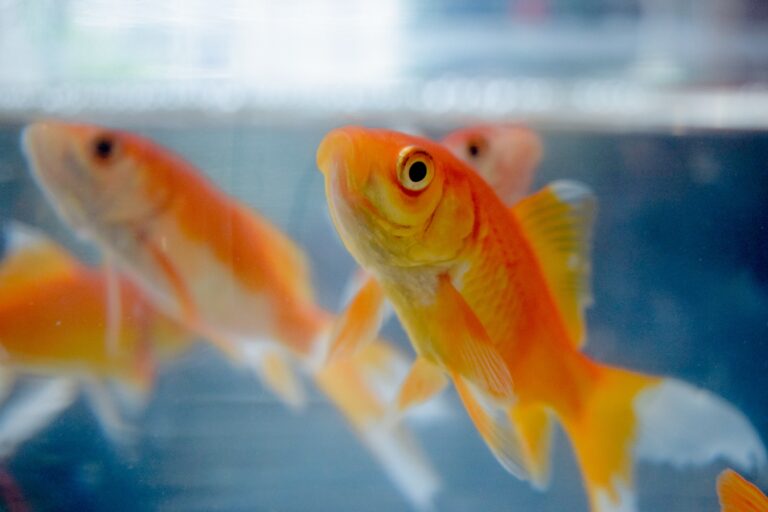
The shopkeeper gave a laugh at her expression and guided her to another section of the store, which was full of aquariums of different sizes with fish of every shade, size and texture you could possibly imagine. This part of the store seemed magical to Jemima, who stood transfixed in front of the biggest aquarium, which held about fifty or so goldfish. The way they rhythmically wriggled their bodies through the water, their shiny skin sparkling silver light and their little mouths popping open and close as if reciting a mantra was so mesmerizing.
It was difficult choosing from the fish. All of them were eager to touch her finger which she placed onto the glass, trying to nibble at it. It made her bubble with laughter to see these little creatures move about in the water. After a good half hour, there was one that caught her eye. The goldfish was of a slightly lighter orange with her underside, fins, and some of her face pearl white. It reminded Jemima of the swirls on a lotus cheesecake dessert,
Lotus, she thought. Perfect.
“That one! That one over there is perfect!”
……….
Over the next few days, Jemima became an expert in fish caring. She would spend most of the hours beside her fish in her little bowl, fuss over changing her water, putting some pebbles at the bottom and feeding her. Lotus would swim about busily, uninterested in Jemima’s attention or of her imitating fish faces through the glass.
To Jemima, it felt like the fish was ignoring her. She complained about it to her mother.
“Well, Jem, I told you a fish would be a bit boring for a pet. I guess she just misses being with her family.” Her mother suggested.
That got Jemima thinking. She knew that animals did not have the cognitive capabilities of humans, but did fish have feelings? Did they need their family members close by to stay safe and connected? Surely, they must feel awkward in a bowl of water and some rocks with some human peering over them every few minutes. She opened her laptop to find out more.
To her surprise, she found out that fish were cognitively intelligent organisms that could exhibit emotions and feelings as well. She found the book of Jonathan Balcombe, an author and head of an animal welfare organization and started skimming through it. Within a timespan of a few minutes, she became familiar with many new concepts about fish.
Fish can feel pain and they choose their environment according to their mood and pain. In an experiment, zebrafish were divided into two groups, one injected with a pain-inducing acid and the other with just saline water. Both groups were then given a painkiller injection. The fish that were given the acid moved to darker and barren parts of the experimental tank where there were no rocks or coral and preferred to stay alone.
Probably like I want to be shut up all by myself in my room when I’m feeling hurt, thought Jemima.
Fish could also remember and recognize human faces, according to another study. When a group of underwater scientists regularly swam to a school of fish, these fish started recognizing them. They would come to the humans to be petted, turn over and be playful just like your pet dog would be. Fish in aquariums can also learn tricks taught by their human owners like flipping, swimming in circles, chasing small floating toys or jumping through hoops.
Like animals in a circle, thought Jemima. I wonder if I could teach Lotus a trick or two. And I wonder if he recognizes my face yet and feels happy to see me.
Fish also communicated with each other in different ways. One amusing example given was of the herrings, who passed gas from their anus and made sounds which they used to communicate each other. Jemima burst forth into peals of laughter after she read the term ‘flatulent communication’.
Every fish was bound to have a personality of its own. In a school of fish, some are bolder and more adventurous, and they tend to lead the group, while others are observed to be timid and remain within the center of the group.
I wonder what sort of fish Lotus is, Jemima thought. She seems to be bored and longing some adventure, I guess.
Fish were extra quick and efficient learners; they could learn to use tools and employ tricks for their benefits, like squirting a jet of water above the surface to capture an insect.
I must get small marbles, and hoops and other fish toys for Lotus, Jemima promised herself.
Fish are social animals and stay happy with fellow friends and fish. Although they do not have facial expressions, you can tell by their restlessness or different behavior that they’re yearning for a partner.
Jemima closed her laptop. A wave of grief and guilt washed over her as she looked over at Lotus swimming around in its bowl.
Over the next few days, Jemima shifted her fish into a bigger bowl with pebbles at the bottom and small plastic plants bought from the gift shop. She got small floating plastic rings as well, which she threw one by one to Lotus. To her surprise, the fish swam through the hole of each loop, flipped over and them wagged its tail, as though happy and excited.
“Well, someone other than me was also definitely bored.” Jemima laughed.
She made a short and simple documentary on ‘fish have feelings too’, recording Lotus sad in her initial boring bowl and then Lotus in her new bowl with the toys and pebbles, flipping and tossing around happily.
After the summer break, she showed the video to her whole class and teacher, explaining about what she’d learnt about fish psychology. Her teacher was proud of her and exclaimed at her having a productive summer break.
………..
One thing that gnawed at Jemima though was the fact that Lotus was still alone. She decided what to do, although it was a difficult choice for her. The following weekend, she went to the beach with her family. She took Lotus with her in a jar.
“Are you sure, Jemima?” her mother asked her again.
“Yes, mom. Lotus deserves to be happy like all of us too. And free.”
She opened the jar and Lotus swam to the surface. Jemima lovingly stroked the fish’s head with a finger and whispered,” Stay happy. I’ll never forget you!”
She toppled over the jar, and Lotus fell into the vast water, disappearing among the waves. Jemima stood there peering, and after a few seconds, the little fish came up to the water. It was moving its mouth as if thanking her. Jemima smiled and turned away.
A team of researchers at Dow University of Health Sciences (DUHS) has done a ground breaking reseaarch on the local production of third-generation biofuel or bioenergy. This team of researchers led by Dr. Faiza Nadeem from the department of Biotechnology, used textile wastewater as a nutrient source to generate algae biomass for biofuel production”.
According to Dr. Faiza, “with different chemicals draining from wastewater, the biochemical makeup of algae could catalyze those chemicals and regulate the composition of waste chemicals for reuse and meet regulatory standards.” To recycle wastewater, she and her team extracted indigenous algae from seawater, as well as, freshwater from different regions of Pakistan, and further examine its utility in the wastewater of the textile industry. The algal species has not been disclosed yet.
The primary aim of this research is to generate massive amounts of biofuel with a cost-effective method and increase water sustainability. Dr. Faiza further mentions that “If the authority permits biofuel for commercial use, instead of petrol or diesel, the cost would decline by 10 times.”
Significanse of biofuel in todays’ world
At present, the fuel price is hiking up at a significant rate, and it’s not just Pakistan. Countries around the world are experiencing such increments and searching for an alternative way to cope with fuel prices. Among many, countries like Brazil and the US, are generating biofuel from edible sources, such as sugarcane and corn, respectively.
In contrast, Pakistan would be facing a food shortage crisis if implemented such methods for energy sources. In fact, as per stats of 2018, around 21.9 percent of Pakistan’s population is below the poverty line. Additionally, Pakistan has an inadequate area to grow plants, for biofuel production, as the population is continuously expanding exponentially.
On the other side, the textile industry, among the top 3 major contributors to the country, utilizes gallons of water, draining with it dyes and other chemicals which require immediate treatment, before the water is disposed of the water body or to be reused. Among others, biofuel extraction from algal biomass (a.k.a third-generation biofuel) has been proven the efficient way for Pakistan.
Like other phytoorganisms, algae require certain nutrients, along with inorganic carbon sources, which are usually carbon dioxide and sunlight to grow their biomass and produce around 70 to 80 percent lipid content for biofuel production. The climate and environment of Pakistan, composing lots of carbon dioxide and sunlight exposure could be the place to cultivate algae at a low cost. The budget that would be required for biomass growth is for nutrients.
In July 2021, with a few of my colleagues, I visited Churna Island, located at the border of the Sindh-Balochistan coastline. I witnessed the beauty of a fragile reef ecosystem that could be lost if people continue to harm the reefs with careless industrial and tourist activities.
Later, in a conversation with Dr. Fehmida Firdous, who formerly worked with the marine science department of Karachi University, I got aware of the severe effects of massive coral bleaching on fisheries communities of Pakistan. During her year-long research work along Pakistan’s coastline, she discovered how science has recently linked climate change with ocean acidification.
The seawater absorbs carbon dioxide from the atmosphere, which reacts and causes acidity in oceans. The increasing acidity along Sindh and Balochistan’s coastlines, due to massive industrial activities, harms both coral reefs and aquatic life.
Humans, throughout history, have taken advantage of oceans as an inexhaustible resource, but now increasing resilience is reaching its limits. Due to global warming, the ocean water temperature rises faster than in the past, resulting in massive climate changes and considerable losses to marine life and impacting the livelihood of fisheries communities.
Oceans regulate the global climates; determine rainfall and regional weather patterns. They are also a substantial store of carbon. As per a recent estimation, 83 percent of the global carbon cycle circulates through marine water.
Meanwhile, increasing global warming has altered these natural forces; consequently, significant parts of the earth are experiencing extreme weather events. Research showed that in the last 200 years, our oceans have absorbed one-third of carbon dioxide produced by human activities and 90 percent of the extra heat trapped by the increasing concentration of greenhouse gases.
At the moment, a primary concern of marine biologists is that the basic chemistry of oceans is altering faster than over the past 65 million years. As a consequence, coral reefs are dying worldwide, all seven turtle species are declared endangered by IUCN, and other marine species, including whale, shark, and javelin fishes, are undergoing habitat degradation and facing challenges to their survival.
Realizing the severity of the situation, Scientia Pakistan brings its exclusive edition on the theme “Marine Biology”. We have got exciting stories on the Pharmaceutical Treasure of oceans, the latest advancements in marine science, the role of Oceans in climate change and regional weather patterns, plastic pollution, the impact of coral bleaching on Fisher’s livelihood, and much more.
We exclusively interviewed Dr. Shoaib Kaini, a Senior Prof of Marine Science dept Karachi University, on Green and Olive Turtle extinction along Pakistan’s coastline.
Summing up, this edition will be an excellent treat for all ocean and marine biology lovers. Have a wonderful read!
Ministry of Maritime Affairs (MoMA) performs various duties, which include licensing and developing National ports and coastal areas, strengthening seaborne trade, utilizing marine resources, and ensuring security and safety (MoMA, 2022) of maritime trade. The Ministry of Ports and Shipping was established as an independent federal ministry of Pakistan in 2004.
Later, in 2017, it was restructured and replaced with the Ministry of Maritime Affairs. MoMA’s head office is in Islamabad. As it has links to seaports, a separate division, and several attached departments have been established in Karachi. MoMA has two wings, National Center for Maritime Policy Research (NCMPR) Islamabad and NCMPR Karachi (NCMPR, 2017).
NCMPR Karachi is a body that has a role in identifying potential hurdles in this sector, while NCMPR sets principles and guidelines by performing research in the maritime domain (Azmie, 2017).
ORGANIZATIONS
Pakistan Marine Academy
It was established as ‘The Mercantile Marine Academy’ in 1962 at Chittagong. Then it was shifted to Mirpur Road, Karachi, in June 1978(Lodhi, 1991). This is the only public institution in the country that provide training to Seafarers.
Its curriculum includes both theoretical and practical training for Seafarers. It produces around 150 Seafarers annually for the national and international maritime departments and is one of the internationally recognized institutes (Academy, 2021).
Pakistan National Shipping Corporation (PNSC)
PNSC is the national flag carrier of Pakistan. It was established by the unification of the National Shipping Corporation (NSC) and Pakistan Shipping Corporation in 1979 through Pakistan National Shipping Corporation Ordinance No. XX, 1979 [Gazette of Pakistan, extraordinary Part I, 29 March 1979], protected by the constitution(Corporation, 2015).
It is responsible for trading cargo worldwide (Yousuf, Ali, & Management, 2020). Its aim is to become a prime stakeholder in the world’s Maritime industry.
This is the only port in Pakistan for LNG and contributes to more than 90% of the country’s external trade(Authority, 2022). Port Qasim is genuinely a “Gateway to National Prosperity.”
Port Qasim Authority
An Act of parliament on 29 June 1973 set up this port. It is in Karachi’s phitti creek of the Indus delta region. Its operation was started to import raw materials for Pakistan’s Steel Mill. Later, various elements were included, such as minerals oils, edible oil, coal, rice, wheat, cement to fertilizers, general cargo, containers, and LNG.
This is the only port in Pakistan for LNG and contributes to more than 90% of the country’s external trade(Authority, 2022). Port Qasim is genuinely a “Gateway to National Prosperity.”
To be a dynamic, modern, fully integrated port facility; preferred choice for its business partners and stakeholders; facilitating synchronized development contributing to the economic progress of Pakistan, leading to prosperity. ~Syed Hasan Nasir Shah (CHAIRMAN PORT QASIM)
Karachi Port Trust
Karachi Port was regulated by Karachi Harbor Board between 1980 to 1988. After that, it was established in 1887by the Act-IV of 1886. A chairman and 10 trustees (from the public and private sectors) operate that port (KPT, 2019).
Its mission statement is, The Landlord Port Strategy pursues to lease out port infrastructure, land, access, and assets to private port operators long-term while retaining regulatory functions.
GPA has been Pakistan’s most potent framework since its birth. After completion, it will be one of the biggest maritime hubs in the world (GPA, 2022).
Gawador Port Authority (GPA)
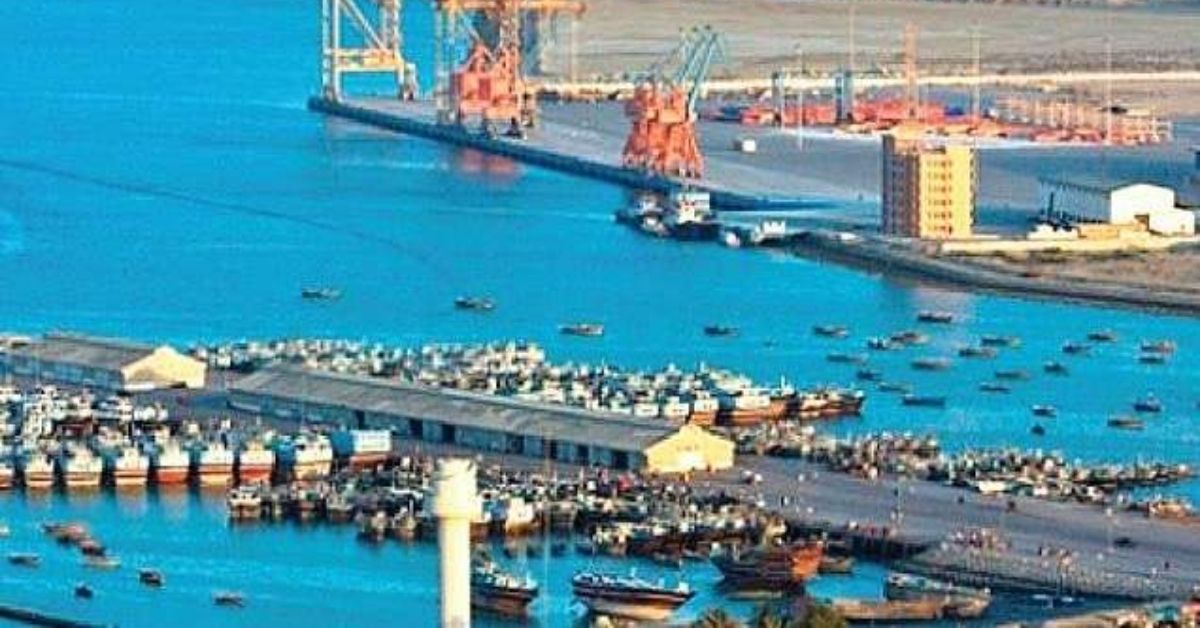
Gwadar is located on the shores of the Arabian Sea in Balochistan, about 533 km from Karachi and 120 km from the Iranian border. It was established on 17 October 2002 after proclaiming GPA ordinance No. LXXVII of 2002. It was formed to perform Gawador deep port operations. GPA has been Pakistan’s most potent framework since its birth. After completion, it will be one of the biggest maritime hubs in the world (GPA, 2022).
Directorate General Port and Shipping
This is the administrative authority of the Ministry of Maritime Affairs and is the center of attention to connect MoMA with the International Maritime Organization (IMO). Besides policy-making and legalizations, it is the primary regulator of MoMA and implements oversees IMO conventions. Its mission is to emerge as a world-class maritime administration committed to continuous improvement.
Their goals are the Incorporation of International Conventions into National Legislation, implementation of National Laws, development of the Shipping Industry, availability of Qualified Maritime Professionals, safety of Navigation, protection of the Maritime Environment, and Ship & Port Security (S, 2022).
The Korangi Fisheries Harbour Authority and Marine Fisheries Department
Both departments are responsible for planning, construction, operation, management, maintenance, and exploiting fisheries resources. Their primary focus is to enhance the export of fish-related products to increase revenue. Their duties include reviving fish stock in Pakistani water systems by adopting modern and safe fishing techniques.
Areas of Improvement
Fisheries and Aquatic Resources Conservation
Oceans have the most ancient and diverse forms of life on earth, as it holds more than 1.4 -1.6 million species (Appeltans et al., 2012). Economic development has resulted in the overexploitation of marine resources. Marine biological resources are reduced due to land-based pollution, habitat destruction, invasive species, and fishing pressure (Friedlander, 2018).
“The greatest danger to our planet is the belief that someone else will save it.” ~Robert Swan
Due to economic rehabilitation, Pakistan’s maritime sector is overgrowing. Especially Gawador port to finalize the CPEC project. The Ministry of Maritime Affairs and attached departments should maximize its benefits through maritime activities without disturbing the resource base: the ocean itself. For that, an integrated Maritime Policy is required.
The merging of the Environmental Protection Agency and Punjab Fisheries Department with The Korangi Fisheries Harbour Authority and Marine Fisheries Departmentand bringing the concerned departments under the same faculty would protect fish and other biological elements of the sea.
To implement an Integrated Maritime Policy, there is a need to develop a link between fisheries policy, environment agency set protocols, and all maritime activities.
Utilization of Biological Resources
The most overlooked segment of the Maritime department is diverse biological resources. These biological resources include flora and fauna, their interaction with the environment, and behavioral effects due to surrounding influence.
Macroalgae (or seaweeds) and microalgae, seagrasses, emergent vegetation, gastropods (snails), cephalopods (squid and octopus), crustaceans (lobsters and crabs), sponges, corals, and fish habitats are included in essential biological resources(Zhong, 2019).
These organisms are not only involved in the food chain but also help in remitting oceanic pollution caused by human activities. Moreover, these resources can be utilized in various sectors such as pharmaceuticals, cosmetics, aesthetics, fertilizers, health, agro-food, aquaculture, and abundant biotechnological processes.
The blue economy generates about 566 billion euros and 3.5 million jobs annually. Modern research institutes such as National Centre for Maritime Policy Research Islamabad should be collaborated with the ministry of maritime affairs to utilize these biological resources.
Tourism
Marine tourism is an integral part of the global tourism industry. The Maldives, the Indian State of Kerala, Singapore, and Thailand have focused on their coastal tourism industry and earned countless revenue from it. Pakistan also has great potential for marine tourism. It possesses a variety of cultural, natural, and religious resources. Various ethnic groups at coastal sites may attract tourists around the world (Fatima & Akhtar, 2021).
“The travel and tourism industry is a high part of our economy.” ~Karen Hughes
A modernized city is being constructed near Gawador port with the international standard airport and many other facilities. The ranking of Pakistan in terms of World Tourism Income is 125th. World Travel & Tourism Council calculated Pakistan’s GDP as 3.1% in 2013 and World Data Atlas as 7.4% contributed by tourism.
To enhance tourism in the country, a strategic plan needed to be developed by the National Tourism Coordination Board (NTCB) based on the principles of sustainable tourism development. There is a demand to establish a Maritime Tourism board to regulate all the stakeholders.
References
Appeltans, W., Ahyong, S. T., Anderson, G., Angel, M. V., Artois, T., Bailly, N., . . . Berta, A. J. C. b. (2012). The magnitude of global marine species diversity. 22(23), 2189-2202.
Fatima, N., & Akhtar, M. J. P.-J. (2021). Maritime Tourism: Global Success Stories and the Case of Pakistan. 2(1), 1-1.
Friedlander, A. M. J. M. p. b. (2018). Marine conservation in Oceania: Past, present, and future. 135, 139-149.
Zhong, H. (2019). Exploitation and utilization of marine resources and protection of marine ecology. Paper presented at the IOP Conference Series: Earth and Environmental Science.
Appeltans, W., Ahyong, S. T., Anderson, G., Angel, M. V., Artois, T., Bailly, N., . . . Berta, A. J. C. b. (2012). The magnitude of global marine species diversity. 22(23), 2189-2202.
Appeltans, W., Ahyong, S. T., Anderson, G., Angel, M. V., Artois, T., Bailly, N., . . . Berta, A. J. C. b. (2012). The magnitude of global marine species diversity. 22(23), 2189-2202.
Yousuf, M. A., Ali, T. J. J. o. M., & Management. (2020). Downfall of Local Shipping Industry of Pakistan-A Case Study of Pakistan National Shipping Corporation. 11(1).
Zhong, H. (2019). Exploitation and utilization of marine resources and protection of marine ecology. Paper presented at the IOP Conference Series: Earth and Environmental Science.
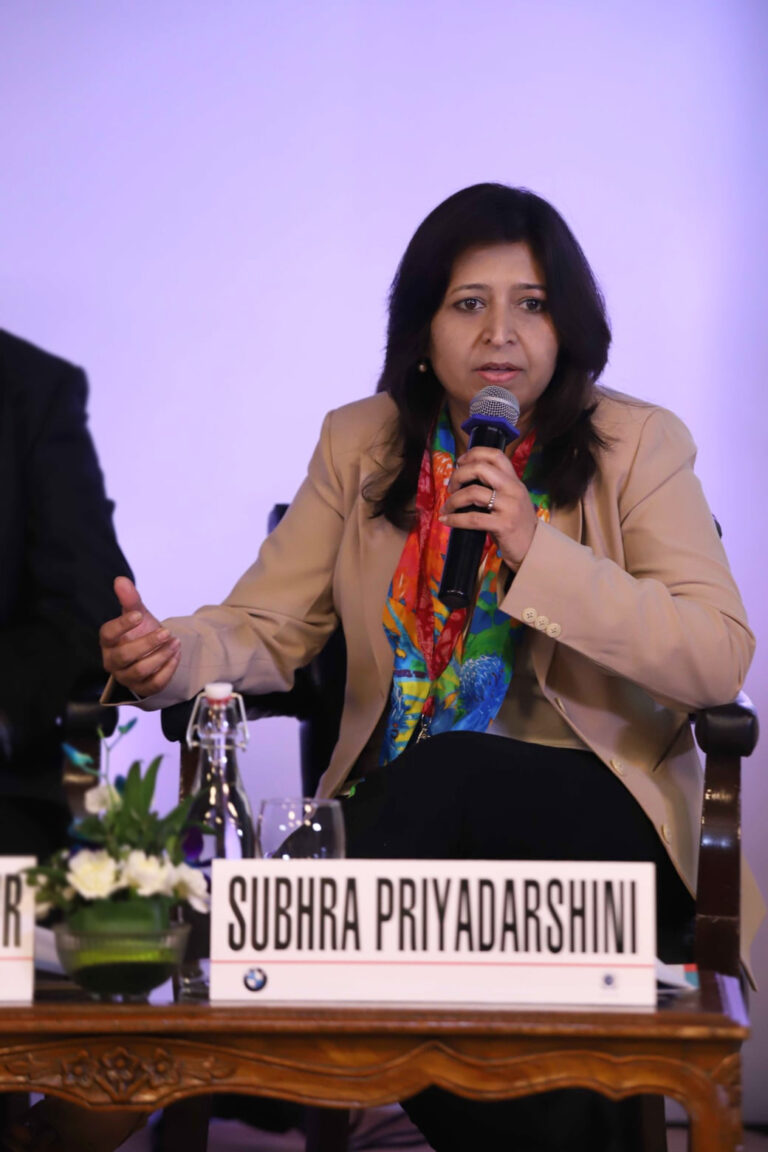
Subhra Priyadarshini is a science journalist of over 25 years and the Chief Editor of Nature India. She has worked as a journalist with major Indian dailies, India’s leading news agency Press Trust of India and Down To Earth magazine.
Subhra is inaugural President of Science Journalists Association of India (SJAI), a member association of World Federation of Science Journalists(WFSJ), which aims to widen the impact of science journalism in India. As one of the mentors, she recently participated in the Himalayan Climate Boot Camp 2022 (HCBC2022), funded by the Spark Grant Initiative of WFSJ.
She shares her thoughts on the trends of science journalism in Nepal and South Asia with Nepalese Science Journalist Gobinda Prasad Pokharel.
Gobinda:What kind of stories did you cover in the beginning of your science journalism career?
Subhra: My boss Dr K. S. Jayaraman always advised me to follow basic research. He said science does not always have a breakthrough or an immediate application for society, things do not happen like that. Science is very incremental in nature and proceeds on low pace. So we must, as journalists, record that slow process of science and chronicle its evolution alongside other journalistic scrutiny.
Jayaraman, a nuclear physicist himself, insisted on giving due importance to basic research, whether it was in physics, chemistry or biology. Whenever there is a breakthrough, there is of course a big story. But even the small stories in science, if told well, can be great. And, people must be told those stories. That is how you build an audience which primes up to small increments in science. Otherwise everybody will expect big bang science stories in the papers everyday but that does not happen.
Science journalists and scientists use journalism to question authorities, or to tell truth to the power. Photo: Subhra
Gobinda: How do you see the transformation of science journalism in the last two decades?
Subhra: The early days of science journalism were all about curiosity, about the excitement of science, about small and big discoveries and the wonder of science. Slowly, it got a place where we utilized science as a tool to tell investigative journalistic science pieces, using science to scrutinize issues and unravelling truths.
And now science journalists and scientists use journalism to question authorities, or to tell truth to the power. So, there’s a range of stories you can tell with science journalism. Meanwhile, the form and content of storytelling has also changed drastically. Whereas I think that the old-style, long form journalism still has its charm, the new and emerging techniques of storytelling are immersive and take the audience on a journey – that is great too.
Gobinda: Is it necessary to be a student of science to become a science journalist?
Subhra: That’s a great a question. Though it helps to have some idea of how science is done, I do not think that it is mandatory to have a science degree. Some of the best science journalists have come from non-science backgrounds. What is necessary is to have some basic idea of science concepts, a flair for sifting through technical language and be able to explain it to your audiences, and most importantly, knowing where to get what. You may not be an expert in every discipline you cover but you must know who to contact to understand the subject, or who can explain it best to you.
Gobinda: Let’s talk of South Asian newsrooms. Why is science journalism still not considered mainstream?
Subhra: You are right, though it is not just a phenomenon in South Asia, I would say. Globally, very few organizations or media houses give importance to the need for covering science. As you would know, the media landscape is a very fragile and fragmented one the world over. Whatever makes profit is a beat and what does not is not a beat in our newsrooms – this applies to beats like environment and science. It is not a revenue drawer for media houses.
So, whatever little has been done over the years, with people like us pushing for it, is visible in a handful of media houses employing full time science journalists. First generation environment and science journalists have been trying to push for change and trying to create these beats in newsrooms for a long time.
In South Asia the problem is particularly acute because of lack of investments in or allocations to science per se. When there is not much investment in science and technology by the government or private bodies, it reflects in the advertising capacity. And that reflects in the investments in science journalism as well.
If you do not have any funding in these areas, you are not able to support either independent science journalism or make an editorial case in the newsroom. If there were funders who would say “I am willing to invest in science journalism in South Asia”, I don’t see why there would be lack of avenues for this important beat of journalism.
Just like we saw the example of the recent Everest Boot Camp, where the World Federation of Science Journalists provided funding, and we were able to bring in 8 science journalists from across South Asia to the Everest region, from where reporting is scant. These kinds of small pockets of brilliance, small projects exist, but overall efforts to boost science journalism are still lacking.
In South Asia the problem is particularly acute because of lack of investments in or allocations to science per se. Photo: Subhra
Gobinda:You just mentioned funding in science. South Asia has done a lot in space exploration, touching Mars and Moon. The region seems to have invested more in space science than, say, European nations. Isn’t this contradictory?
Subhra: There is a small difference here, we are talking about technology. Space programmes are primarily in the domain of technology. You’ll see that there hasn’t been an astronomical change in space technology in the past decades. While that is all well placed and fine, science is different. Funding for basic research and research with industrial or societal applications is still very low in South Asian countries.
Research in the global south also needs to support the immediate grand challenges that the people in this region face. For instance, agricultural research, water and energy, climate change adaptation research – these might be critical for us. So this debate has always been there about how much investment we should make in astronomy and astrophysics and big bang science.
I have always maintained that these two strands are separate and governments and policy makers must look at it like that. They should not confuse technology with science.
Gobinda:Why do you think political parties and leaders in the global south never give priority to Science, Technology and Innovation (STI) in their manifestos?
Subhra: In the countries of the global south, it is always a difficult proposition. Almost like a chicken and egg situation. To prioritize science and technology over gripping and urgent issues such as health, education, development etc. So, it really needs visionaries to understand that science and technology can actually be the driver for meeting these ends. And therefore, to invest in socially beneficial science and technology is what governments and policy makers in South Asian countries should focus on – for them it kills two birds with the same stone.
Another issue is of prioritizing where to use the funds. For example, if Nepal allocates 11 to 12% of its total annual budget to STI, where exactly is it spending that money? Is it actually being spent in strengthening basic and translatable research or is it being used for building infrastructure or recruiting faculty? This is a very, very important question to ask the policy makers. I know that in Nepal, for instance, much of the recent S&T budget is going into infrastructure.
Billions are going into constructing buildings, museums, science parks. While these are all excellent intentions, this comes in the second phase of any country’s progress in S & T. You should have beautiful museums and infrastructure, but what will you showcase in them if your basic research is not that strong?
So to my mind, for countries in South Asia – so rich in natural resources and housing global biodiversity hotspots – it would be worth creating strong frameworks to support basic research that spans the broad areas of environment, climate resilience, health and agriculture.
We have massive problems in health infrastructure and delivery. Our countries have brilliant brains but not enough of an ecosystem to harness our scientific acumen. Less than 1% of GDP allocated to S&T will not be able to unlock that potential. That also needs very, very serious thought and visionaries to change the status quo.
So we need scientists in policy making bodies, in politics, in our political parties to come forward and say these things. Otherwise change will be difficult. Nepal is flanked by India and China, which gives the country the opportunity of collaborative scientific research, especially in the common interest areas like climate change. It would be worth turning that opportunity into an advantage.
Whatever makes profit is a beat and what does not is not a beat in our newsrooms – this applies to beats like environment and science. It is not a revenue drawer for media houses. ~ Subhra
Gobinda:Is there a gap in our politicians’ understanding of science?
Subhra: As I said, unless you have more scientists in political ranks, it will be difficult to sensitize political leaders and parties. The grammar of science is very different from the grammar of politics. Political parties may just be using S&T to glamourize their manifestos without much understanding of the subject. More scientists in the policy making bodies could help them understand how science is done, how much time science takes to materialize and what the role of science could be in changing societies.
At the risk of generalizing, let’s just say for a politician with little understanding of the science ecosystem, STI could mean an aeroplane or a rocket, switching on a light bulb or having hot water flow out of the taps. But the rigours of science lie in the lab. If we can take our politicians into the labs and make them see how science is done, what the process of science is, why scientists work on a small thing for years and write manuscripts, what goes into defining a basic science question, we would sensitise them better.
Unless we convey the grammar of science to politicians, this situation won’t change. Better manifestos will be written if scientists are consulted over the gripping issues that science can provide solutions to, the areas of science that are important to Nepal and which research should get what kind of funding.
Gobinda:You closely watch the global science and science journalism scenario. How do you see its development in Nepal?
Subhra: I should not claim to be an expert either in Nepal’s science or its science journalism. I just look at it from a distance and obviously, you will have more insight than me. From a distance what I see is Nepal has an immense opportunity to create a centre of excellence around Mount Everest. When you say Nepal to a global audience, everybody says, “Wow, Nepal, the land of Everest, the land of beautiful people, the land of spirituality.”
Nepal has a brilliant mountain topography, some of the world’s highest peaks, and some excellent scientists working on various aspects of this unique landscape. So how about making use of these scientists to create a global centre of excellence focused on the roof of the world? Just like the Pyramid lab– a global go-to centre of Everest and high mountain research so that scientists anywhere in the world can refer to work done here. There could be similar centres in the other biodiversity hotspots of Nepal.
Gobinda:What is the role of science journalists in exploring these issues?
The hard work of scientists would remain confined to manuscripts in science journals if not for science journalists. Nepali science journalism is yet to create that space, that buzz about science in its mainstream media. Science journalists in Nepal not only need to spread the word about Nepal’s science to the Nepali people and beyond its borders, but also raise critical questions about the state of science and research in the country. Collaborative projects with journalists in other South Asian countries would also bring the issues of Nepal to a global audience.
Gobinda:Brain drain is a grim reality in South Asia. What do you think?
Subhra: It is a huge issue for India too. The reason that some brilliant scientists still work in the country despite better offers from the US, UK or Europe is because of family reasons, because they do not want to leave their families and go to a foreign land. Apart from that, the pay or the culture of doing science is not comparable. For research scholars, the funding, scholarships and grants do not come in time. Getting basic infrastructure and equipment in the labs is a challenge. There are issues of poor academic culture and mentorship. In the absence of these things, brain drain is inevitable.
In recent times, the Indian government is trying a lot through various lucrative offers to get its good scientists back though.
Gobinda:What are the challenges and opportunities for science journalists in South Asia?
Subhra: We live in countries where the lion’s share of science is done by the government. There is very less private funding in science. For the same reason, independent science journalism is difficult to fund and sustain.
Governments are also not forthcoming with data as that might show them in bad light sometimes. So finding data is a challenge many times and, in turn, making governments accountable too. Reaching scientists in some government organisations is difficult since they need permissions to talk to the media, which could take days to come, making it difficult for science journalists on deadlines.
The other big challenge for science journalists is that there is no culture of science journalism in our newsrooms. It is many times tough to convince editors that science is an important beat, only a fewer editors give priority to science.
The opportunities, therefore, are immense. Science journalists from Asia are writing for global media houses and bringing many burning issues to global attention. Right now, the global south has the most important stories of sciences to tell – be it in climate change or health.
Linking science and society and telling human stories through the lens of science presents a global opportunity. In the past, many science stories from the global south have been told with a foreign eye by visiting journalists who may not have the same perspective as local journalists. It is also time for science journalists in these parts to own the narrative and present first-hand accounts of stories from South Asia.